
Architecture & Design
“The built environment is the ultimate expression of community. How we think, what we value, our cultural imperatives, all of these are reflected in our buildings, our streets, our public spaces. Architecture as a discipline has historically been in opposition to this; reflecting the idea that a singular man—usually a white man—is responsible for creating the entire built environment.”
— Sekou Cooke
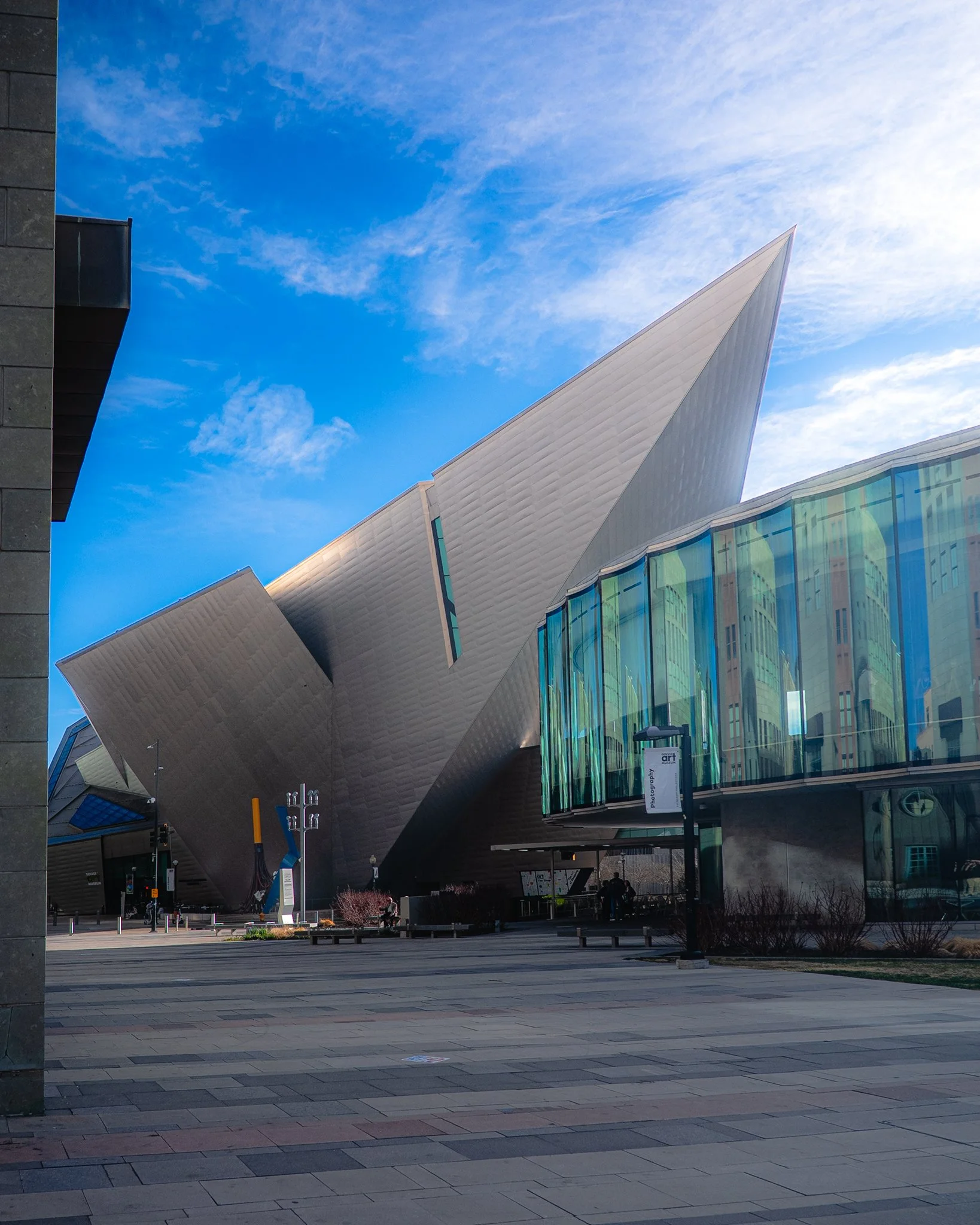
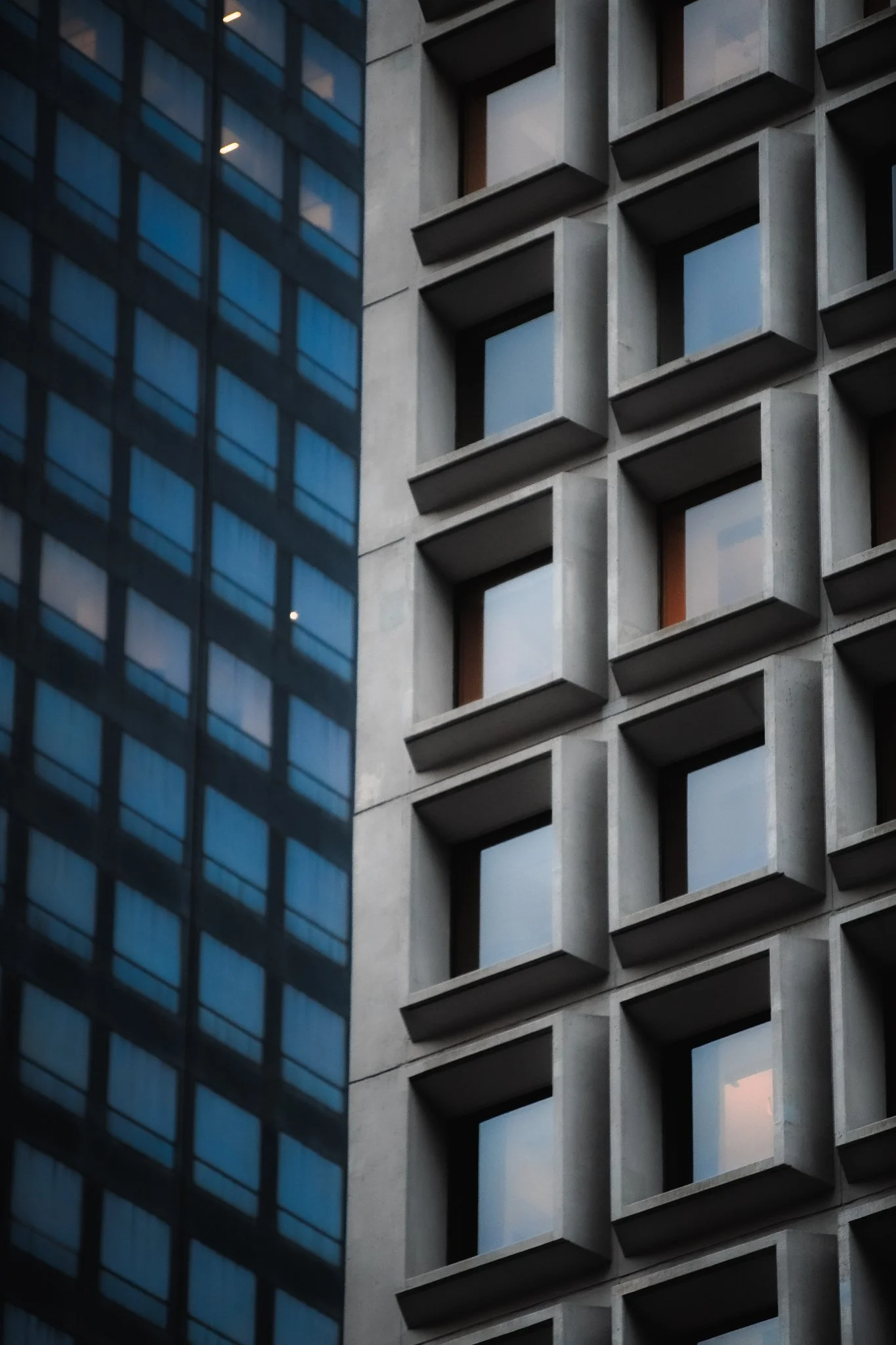
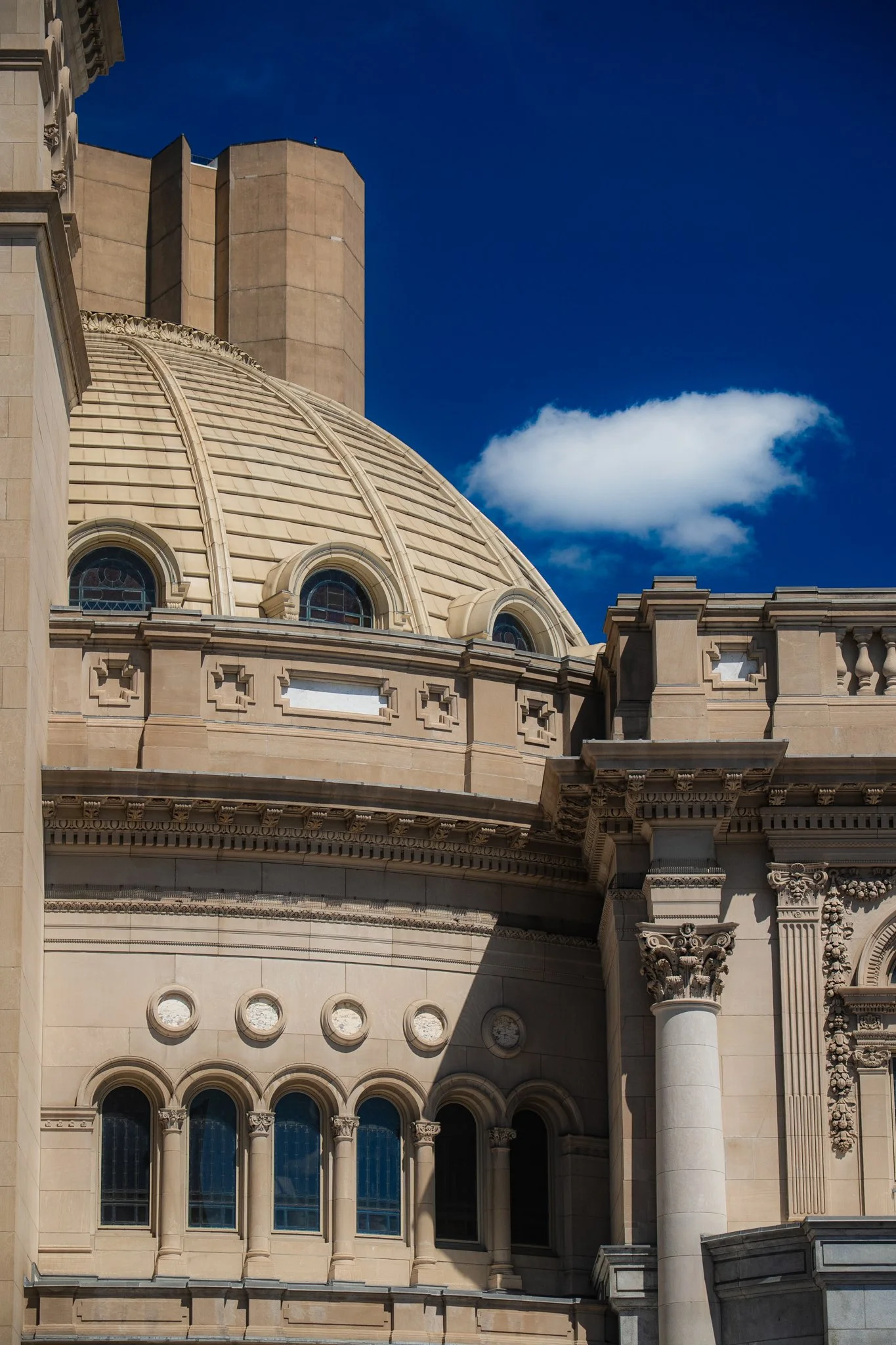
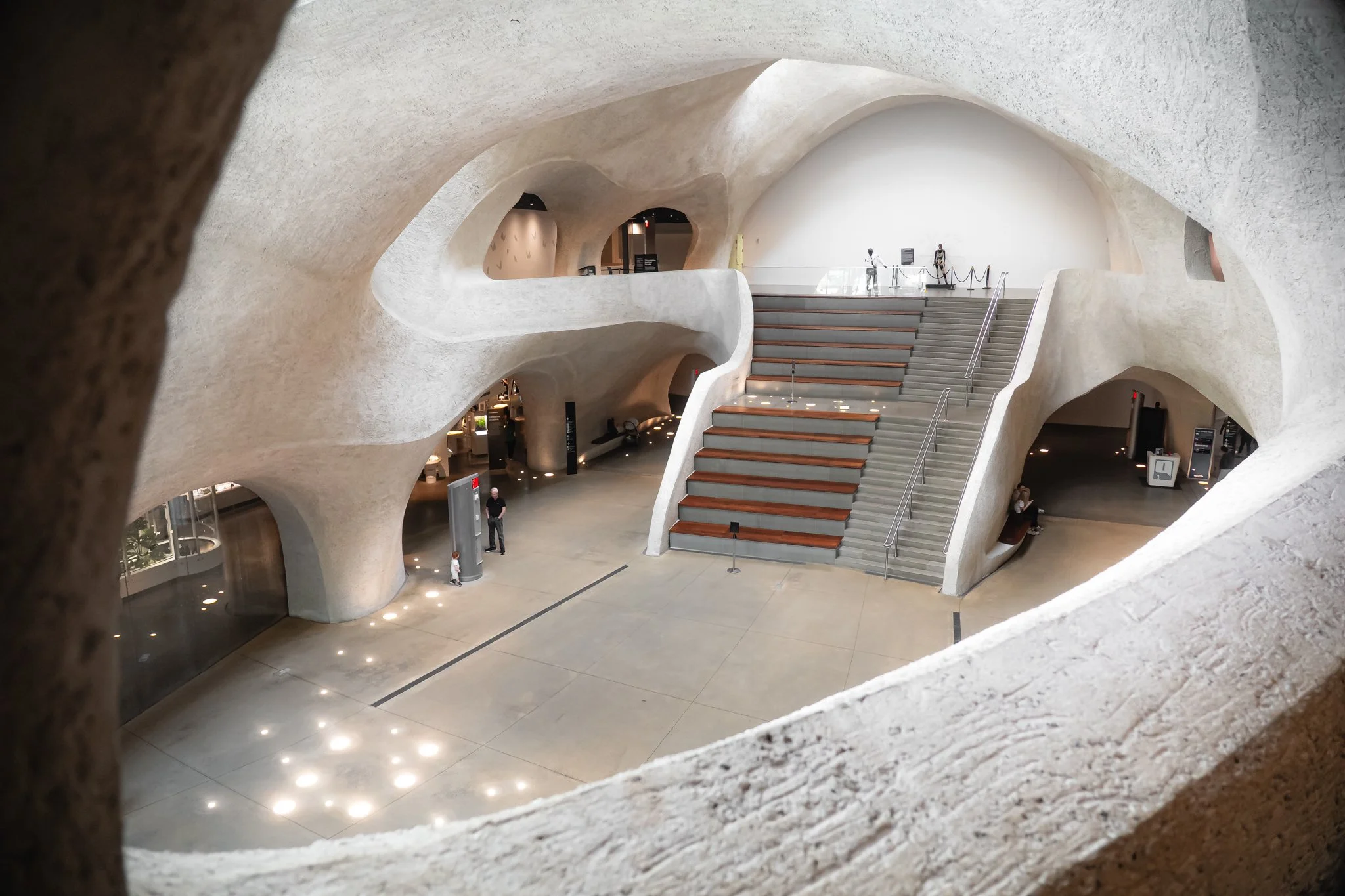
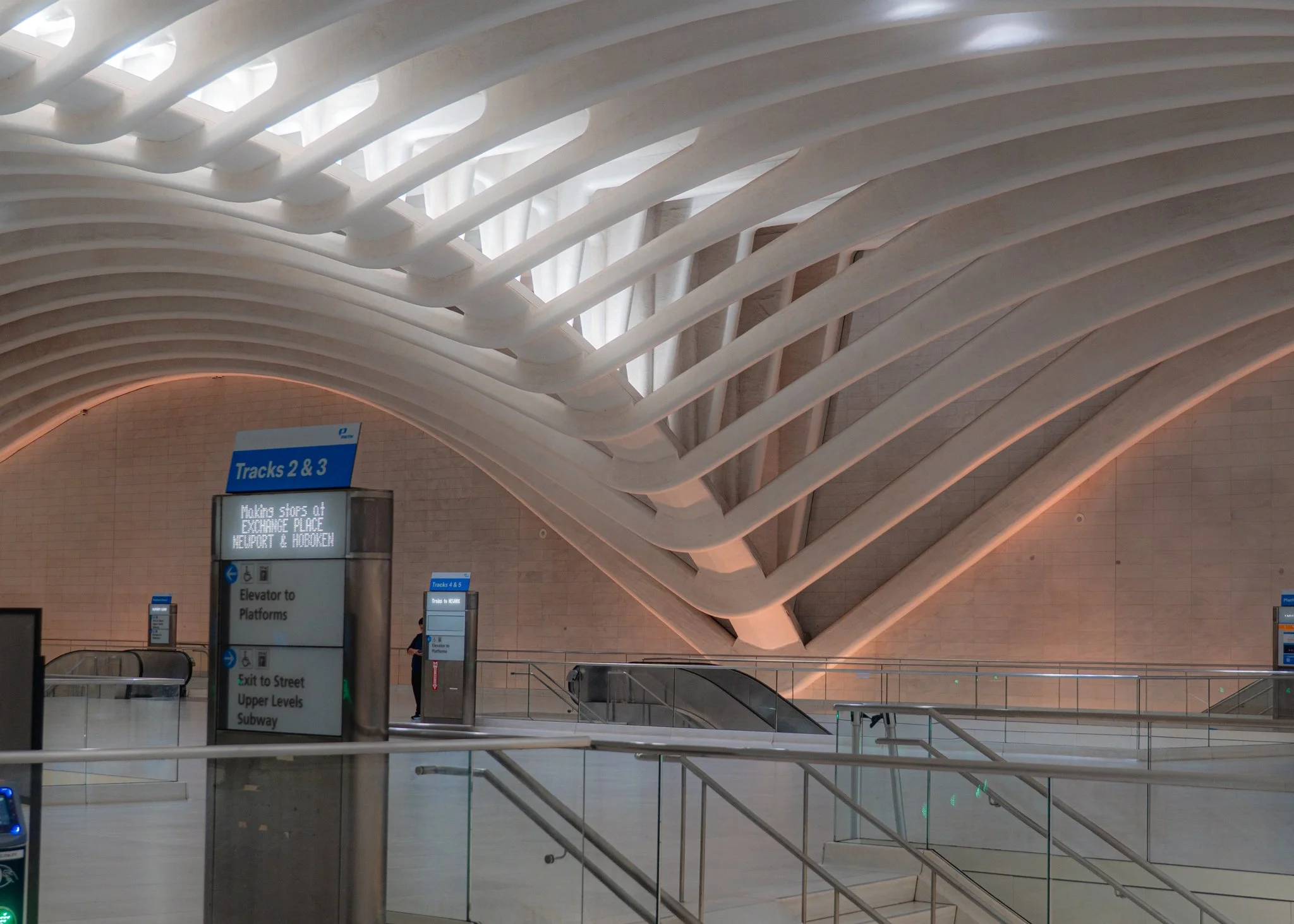
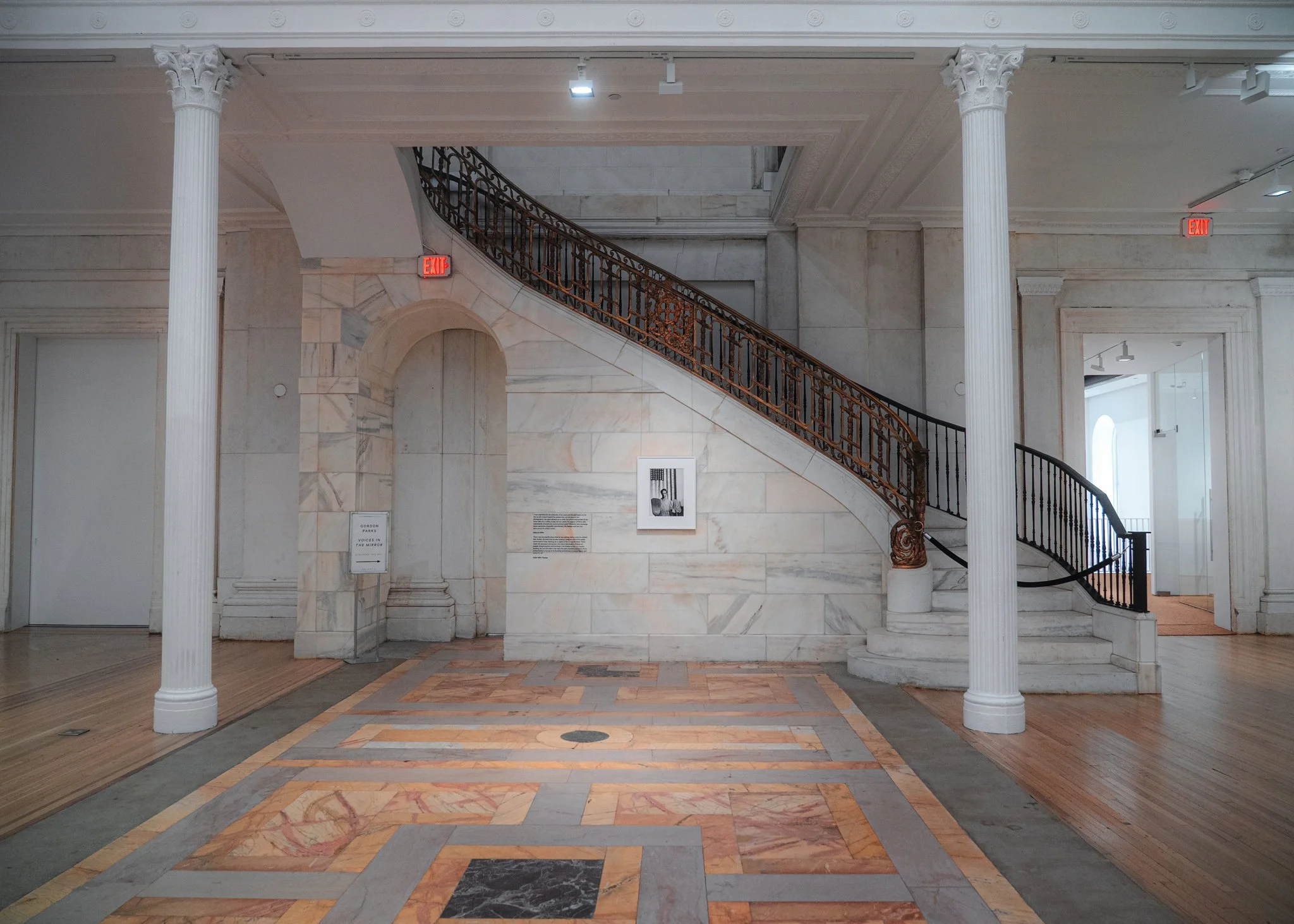
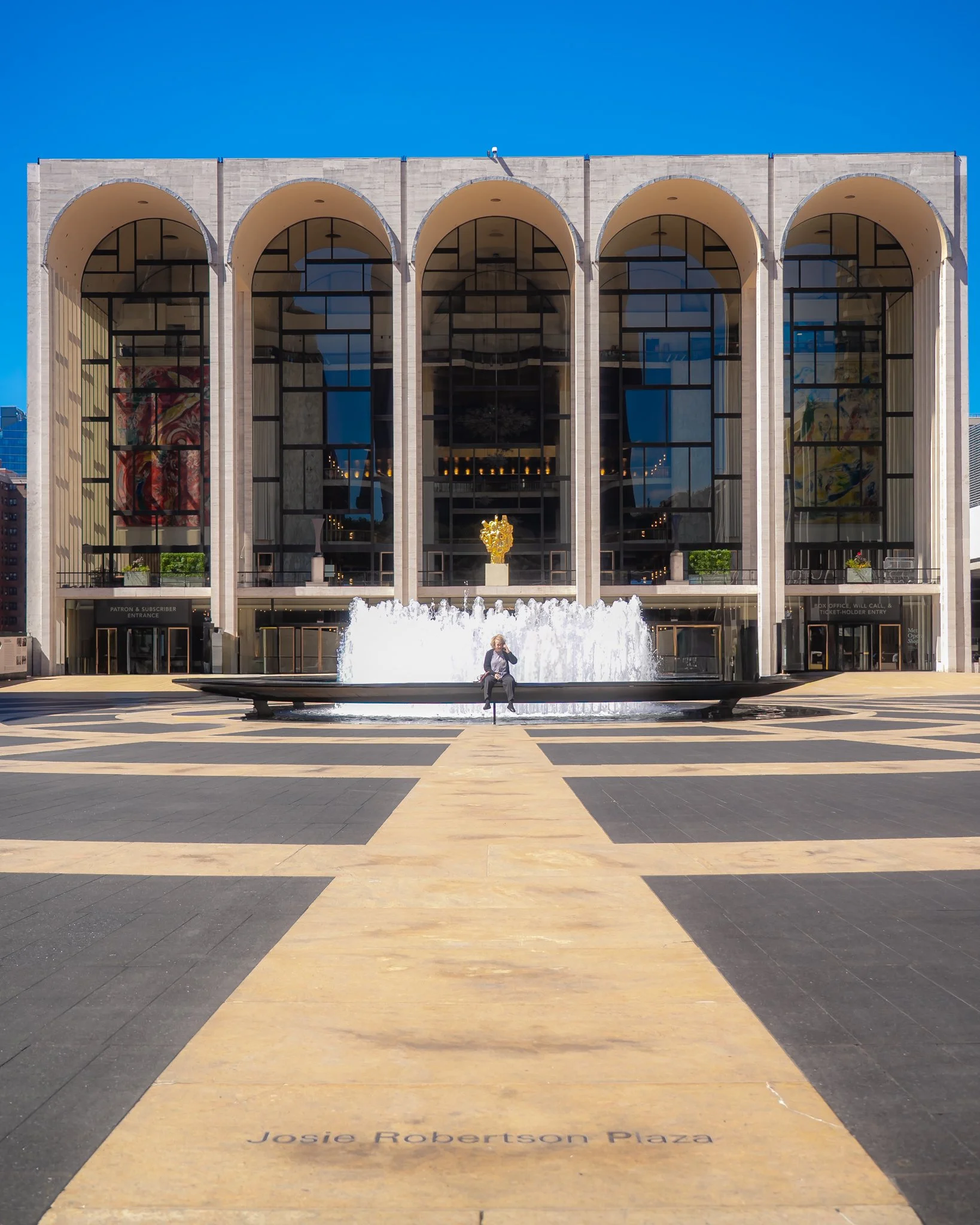
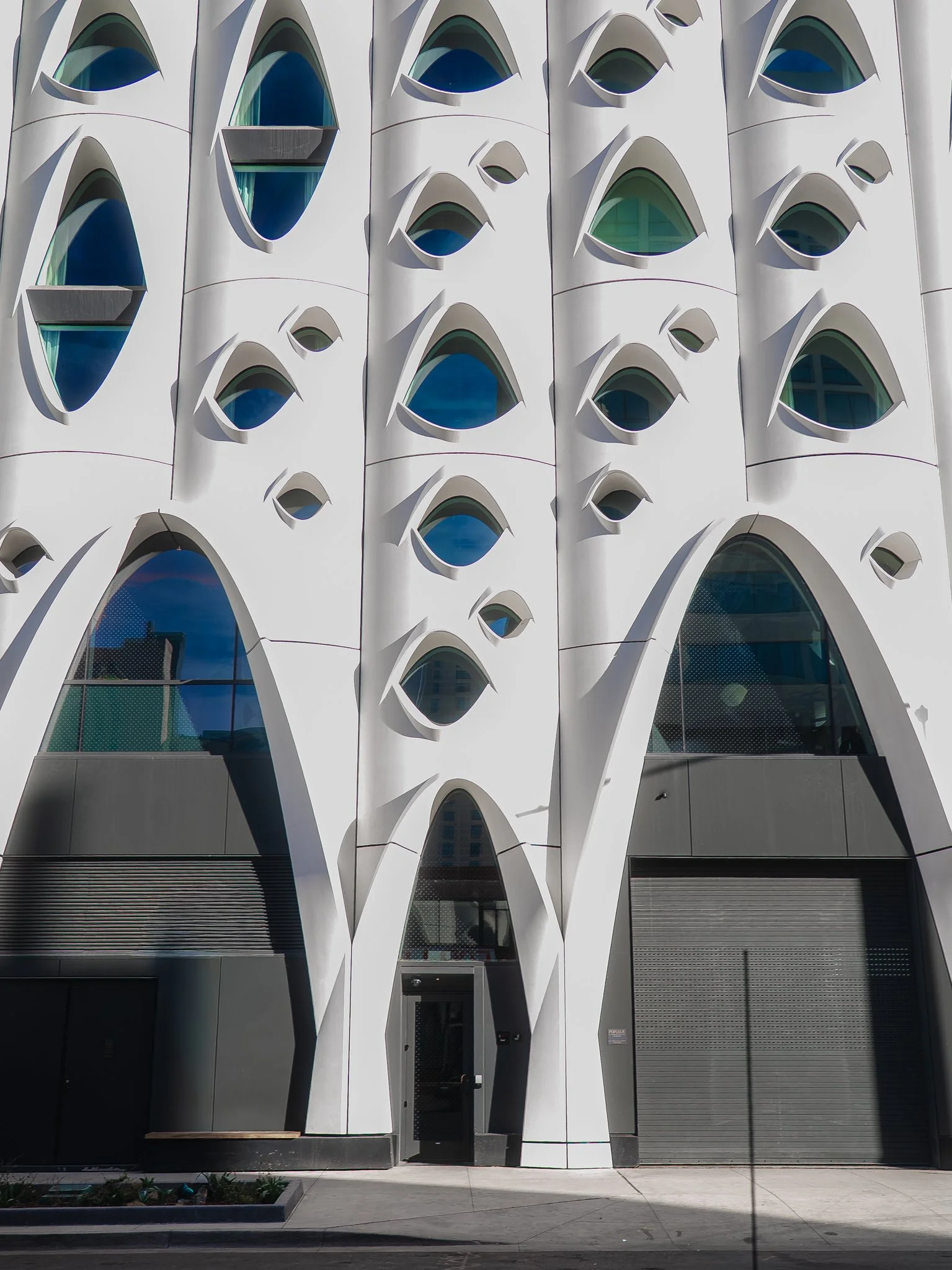
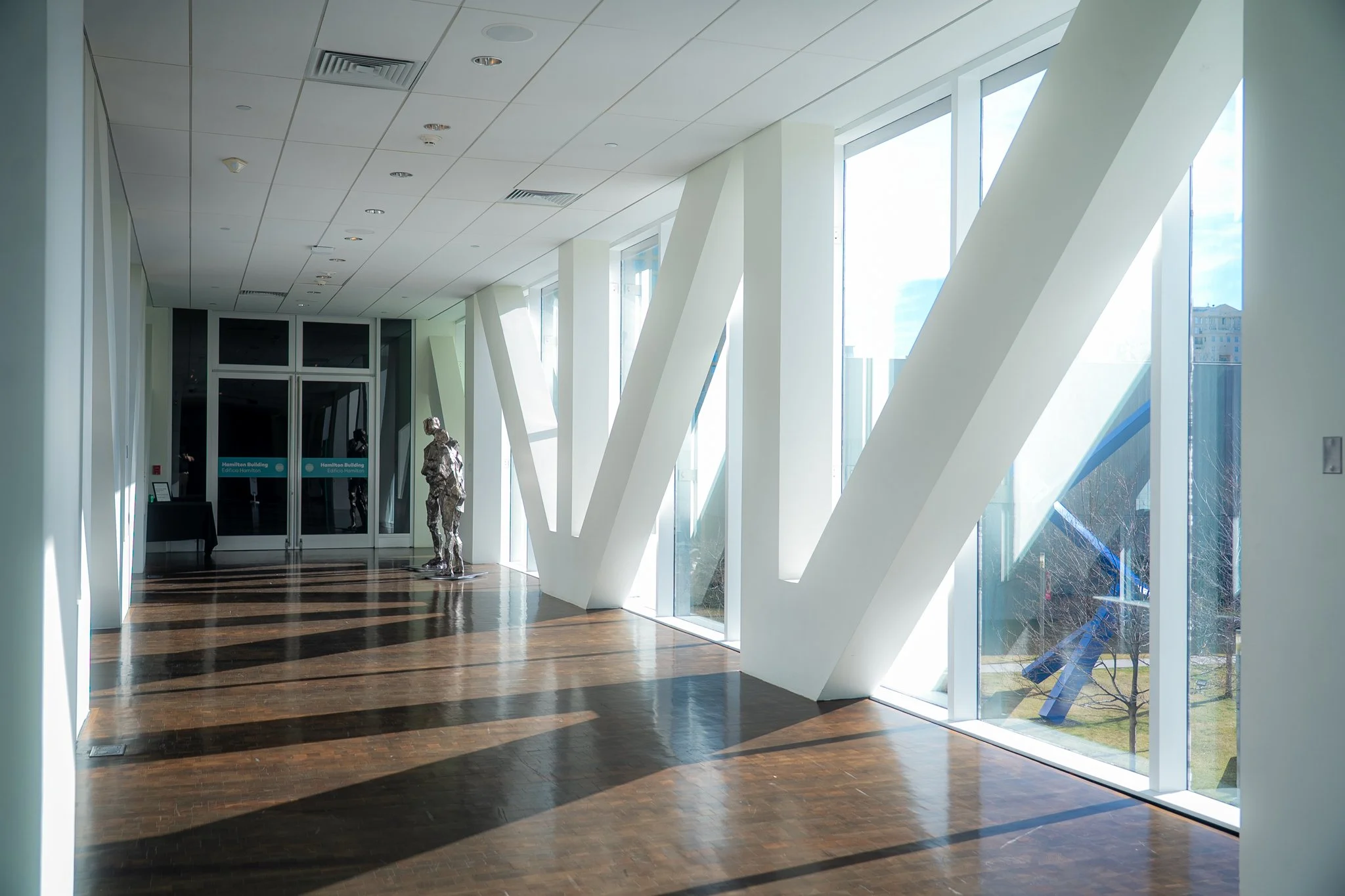
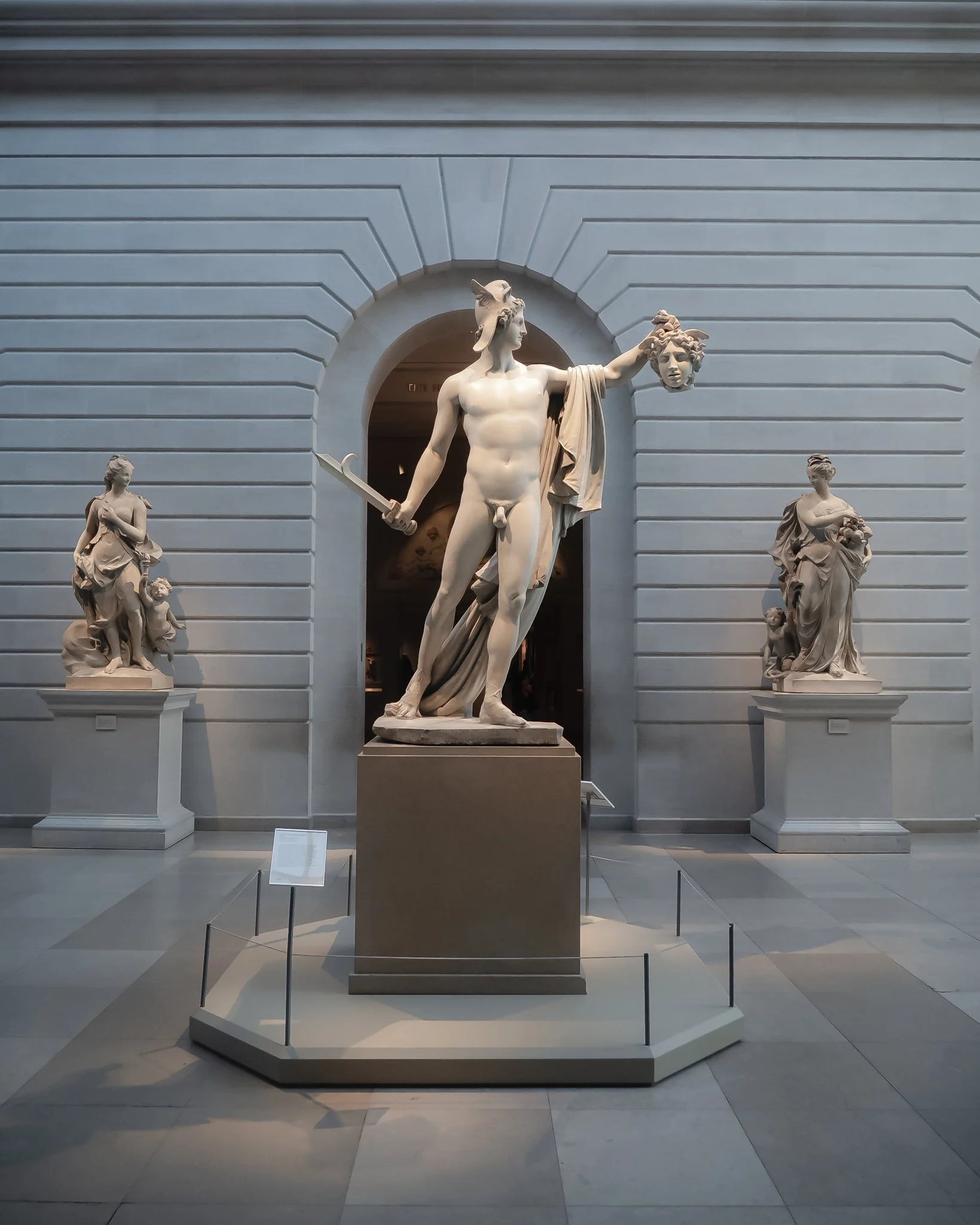
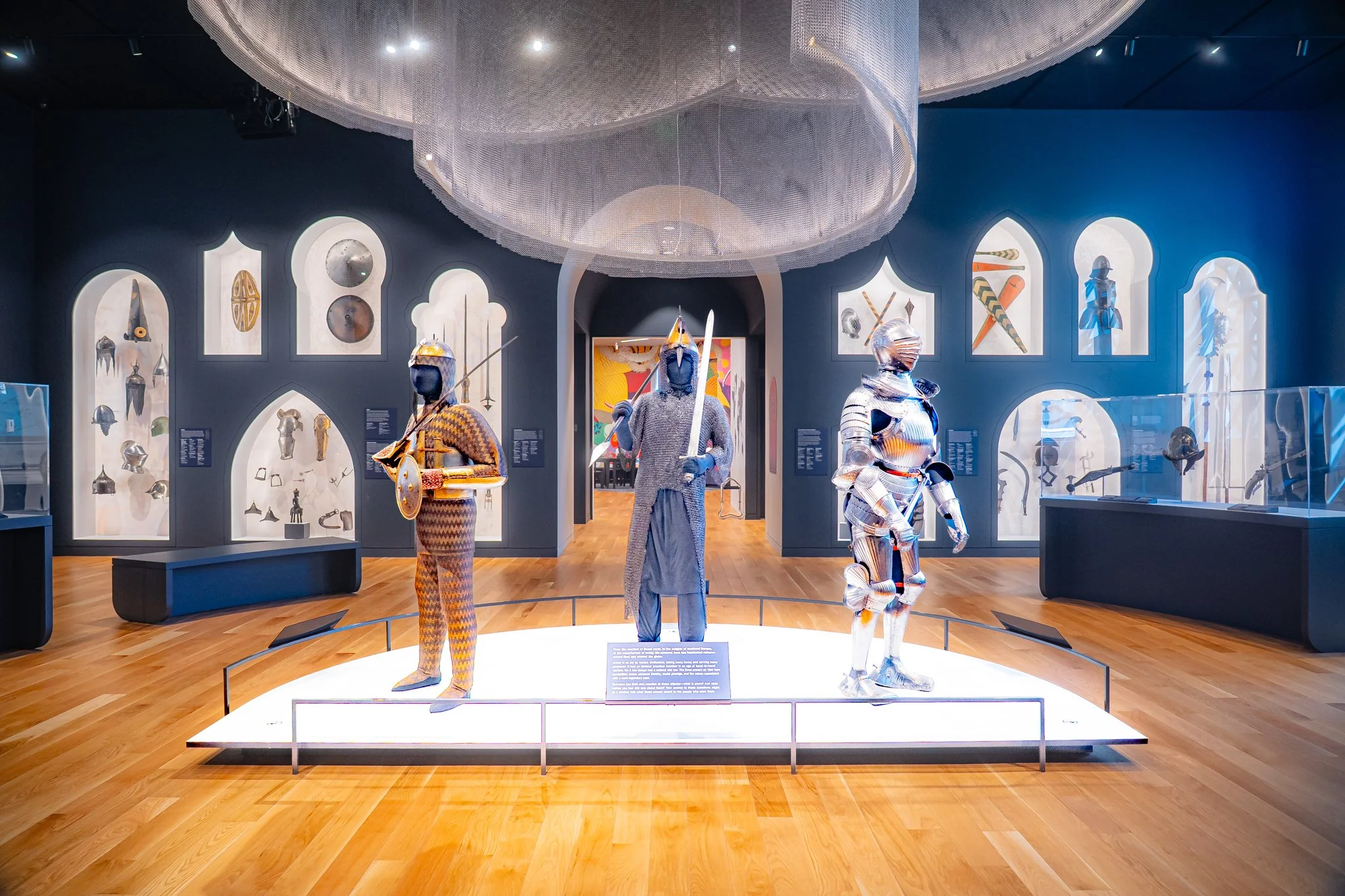
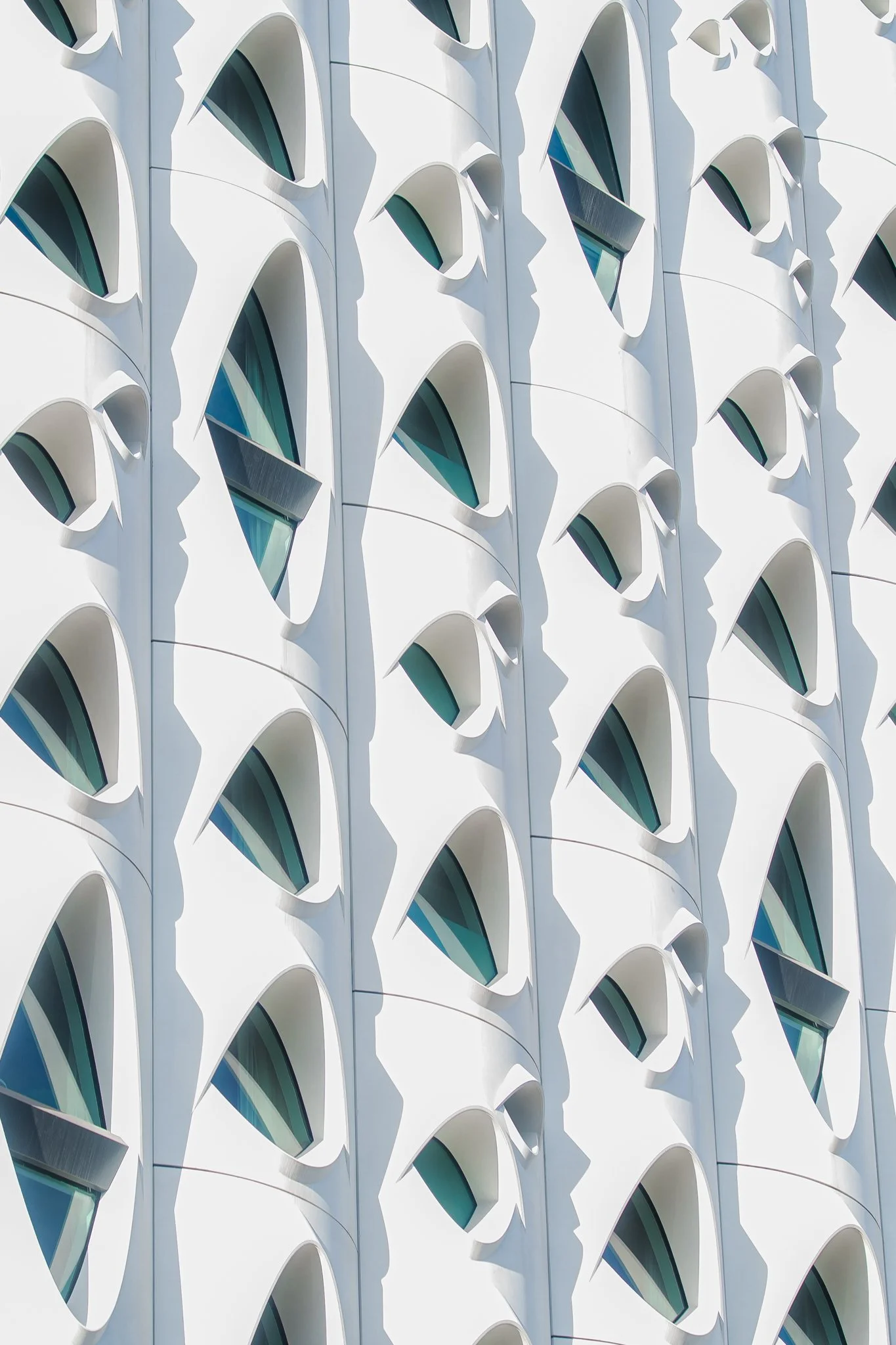
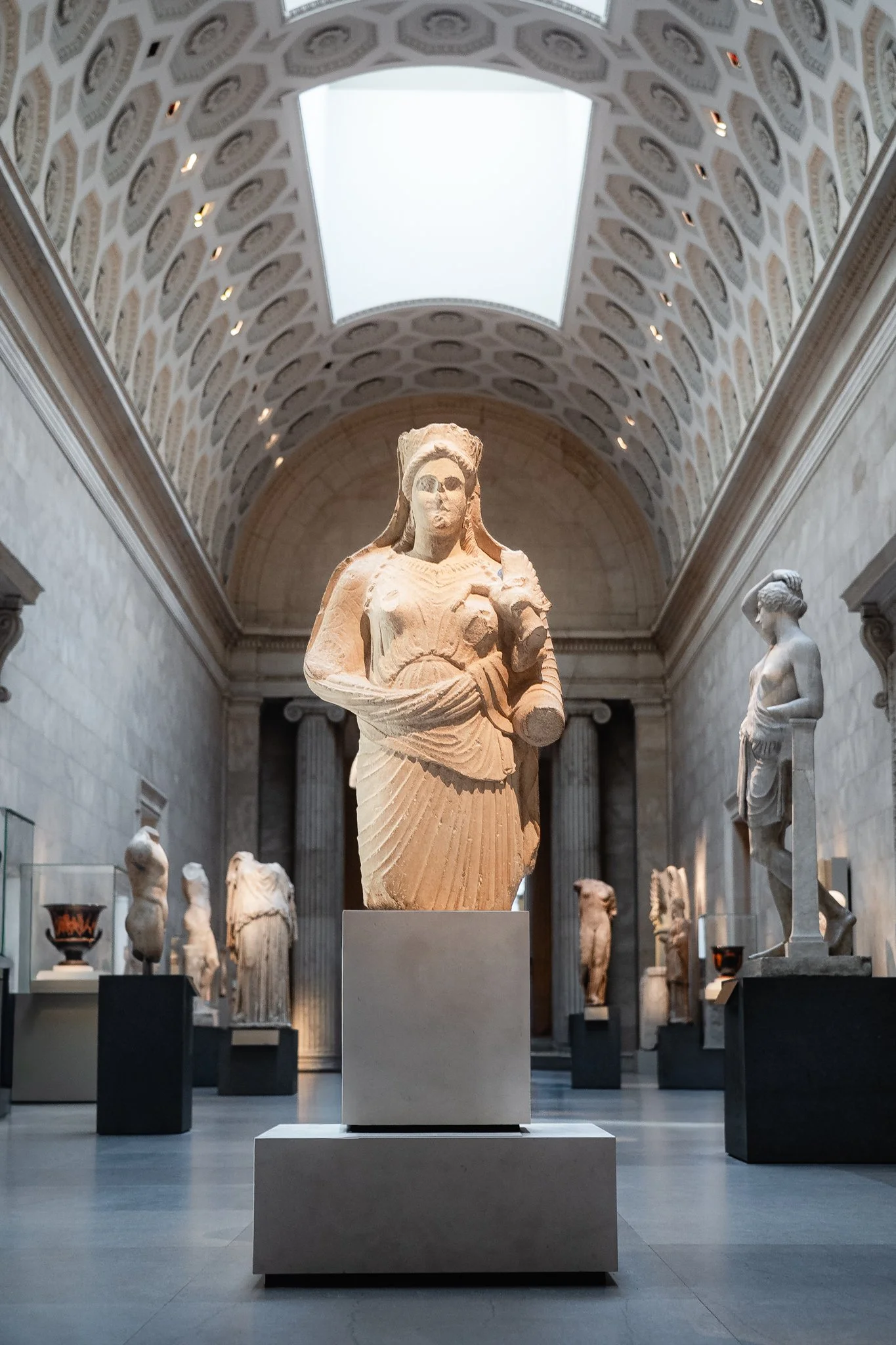
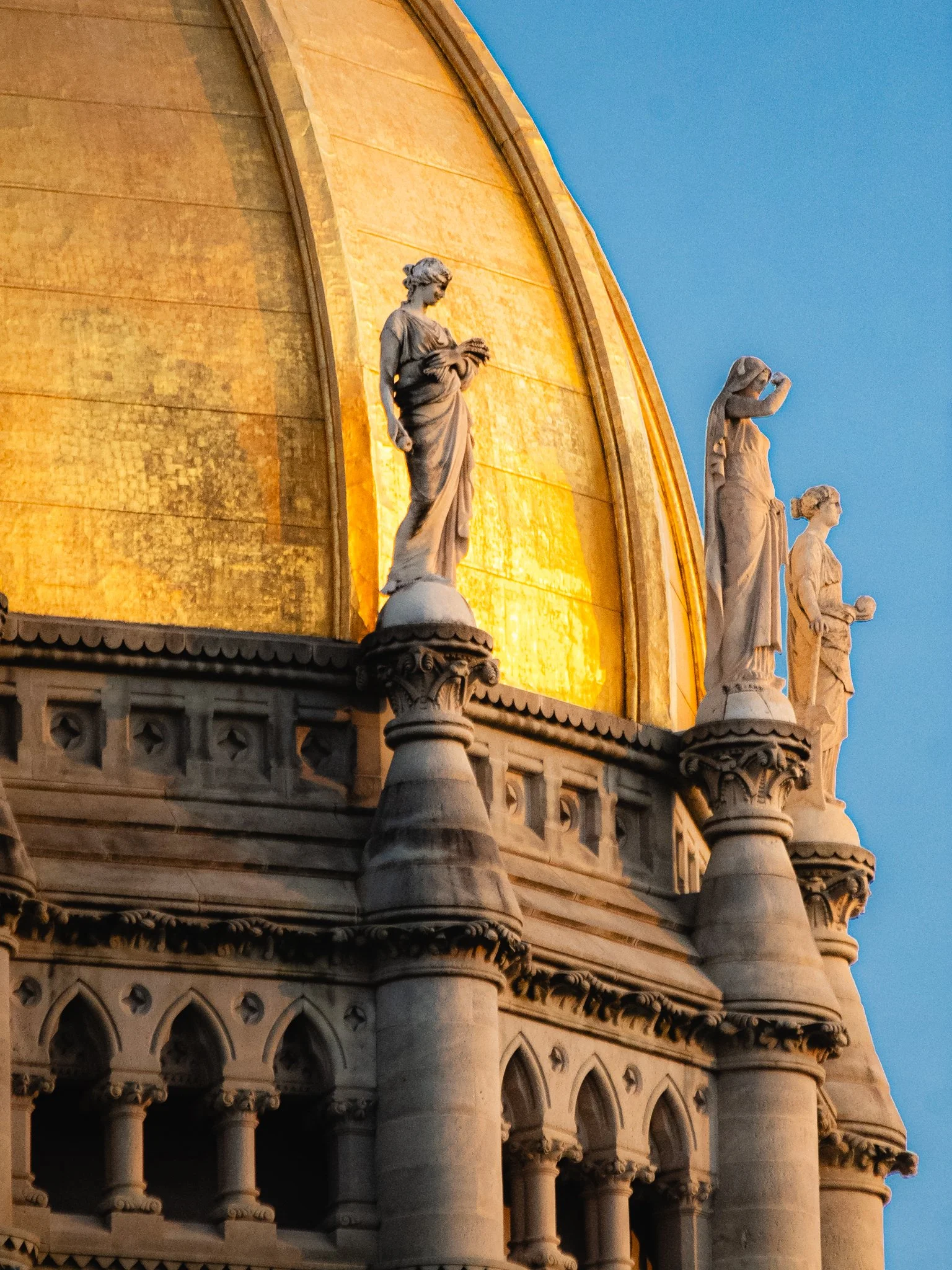
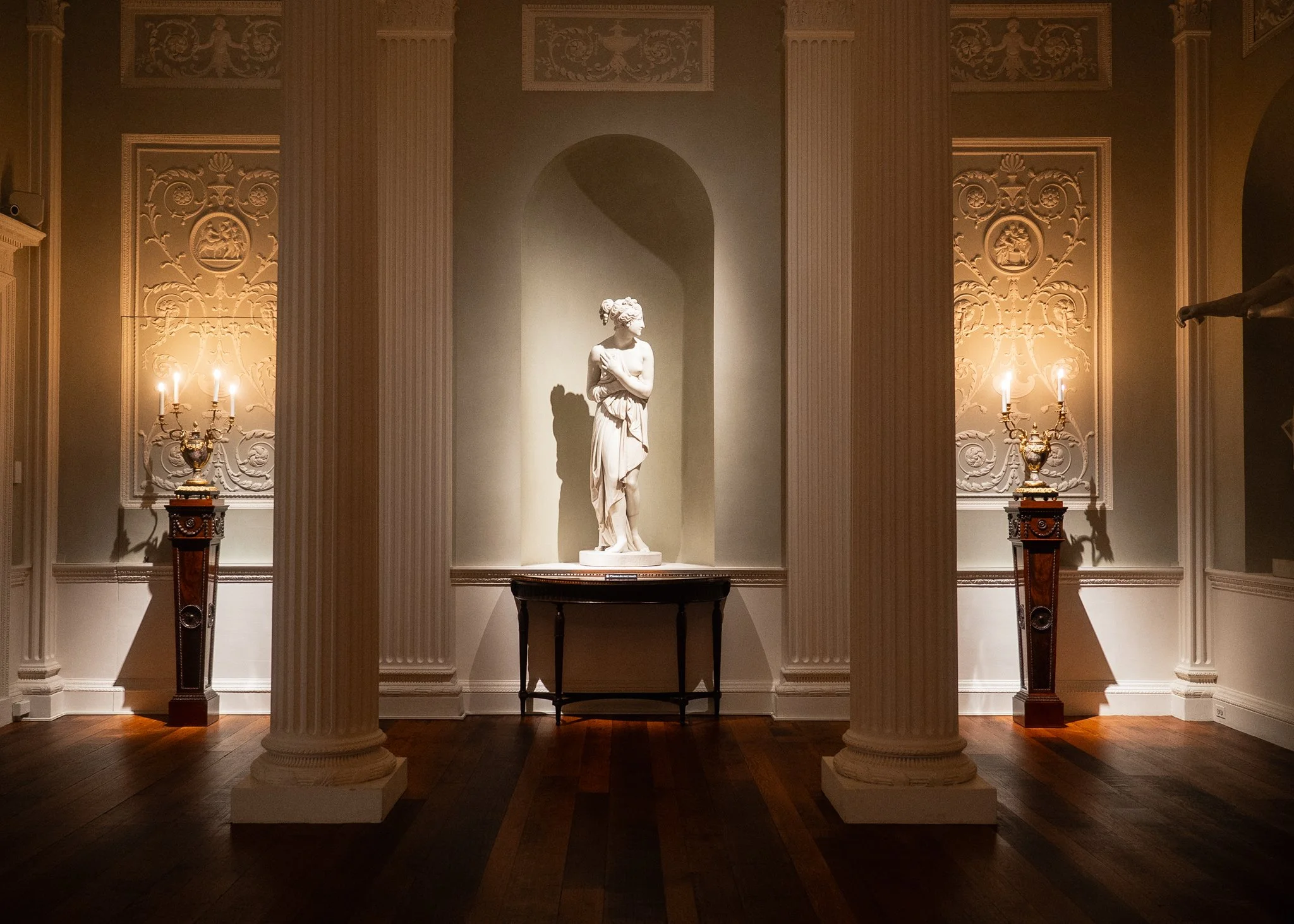
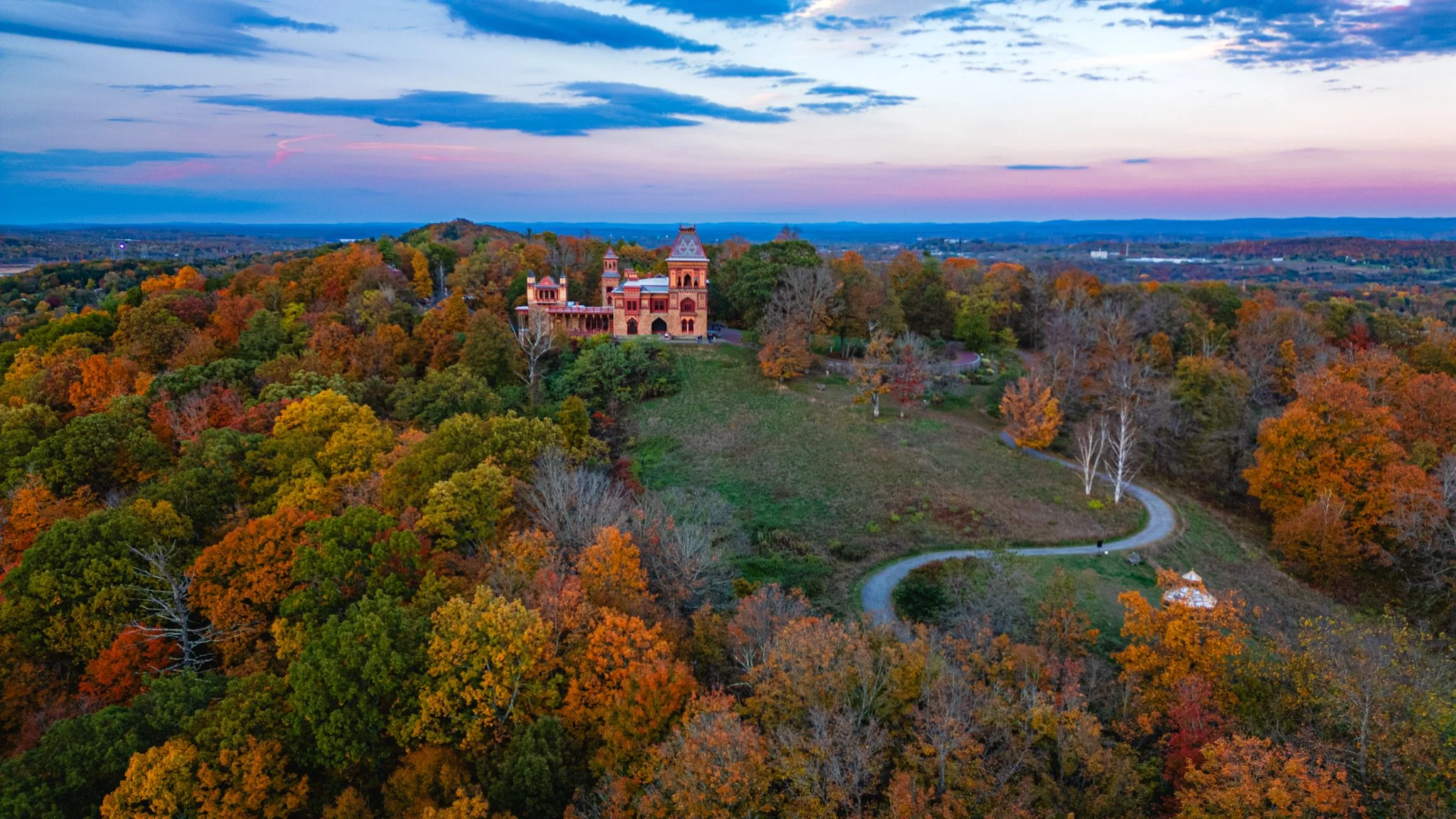
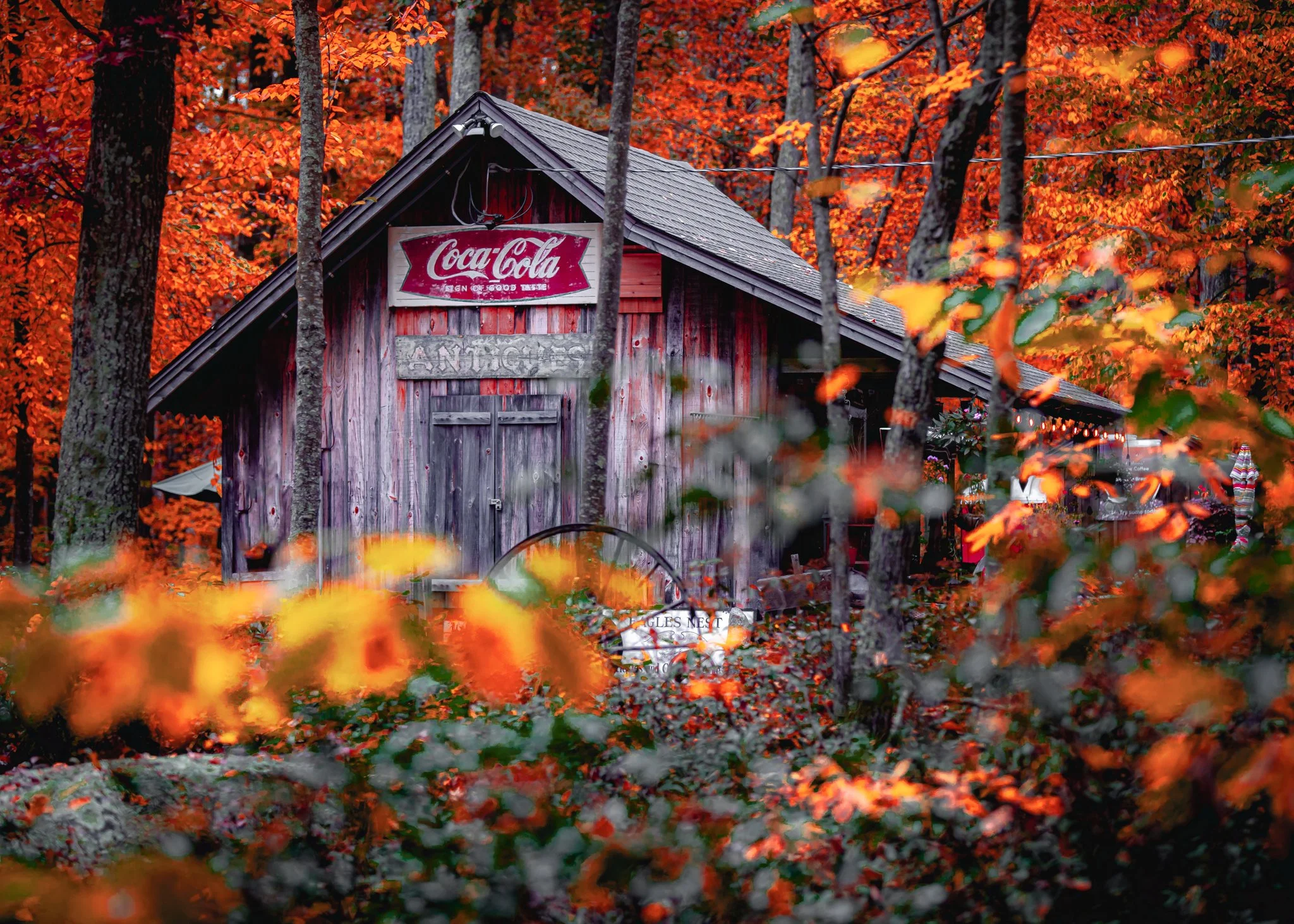
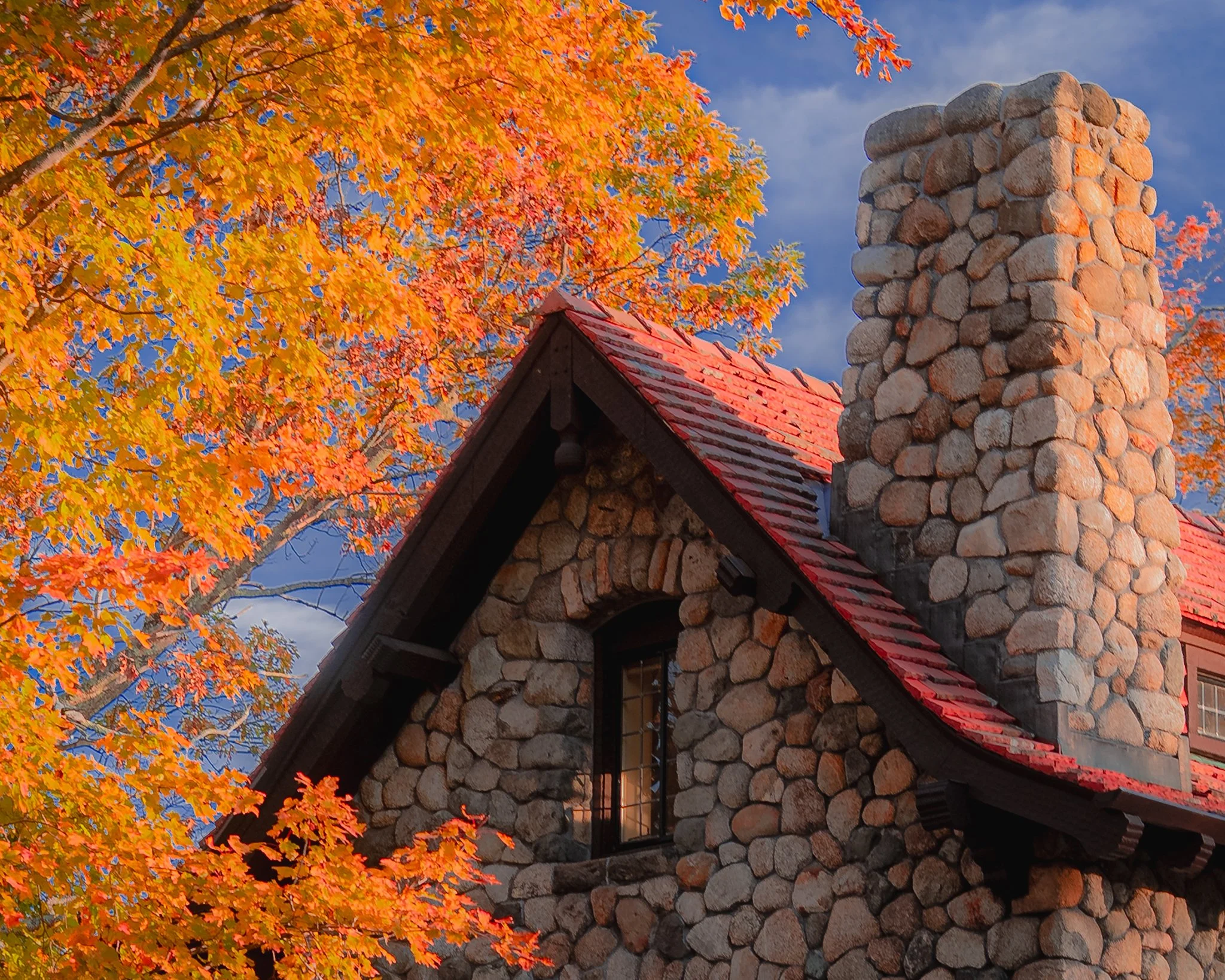
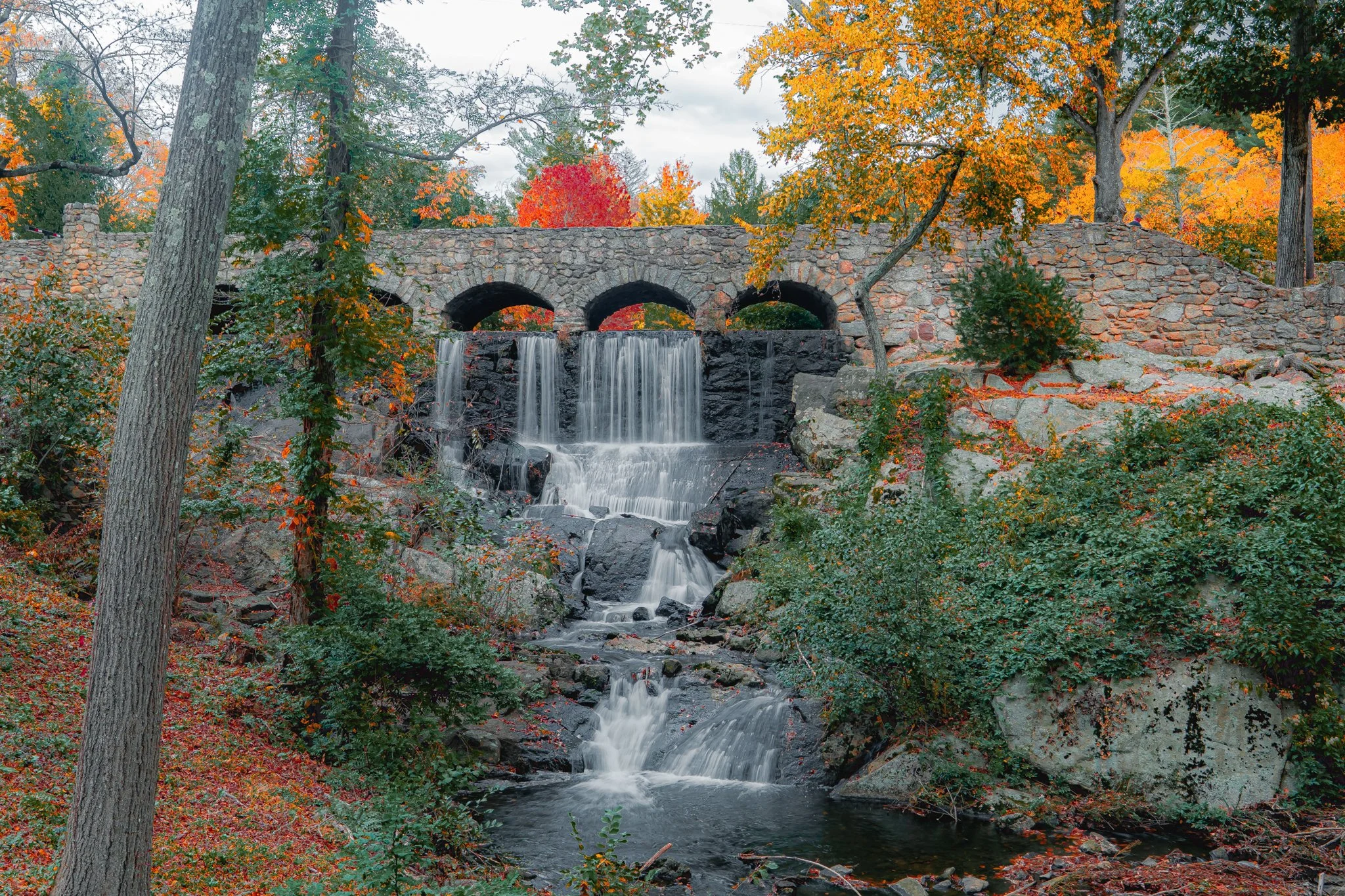
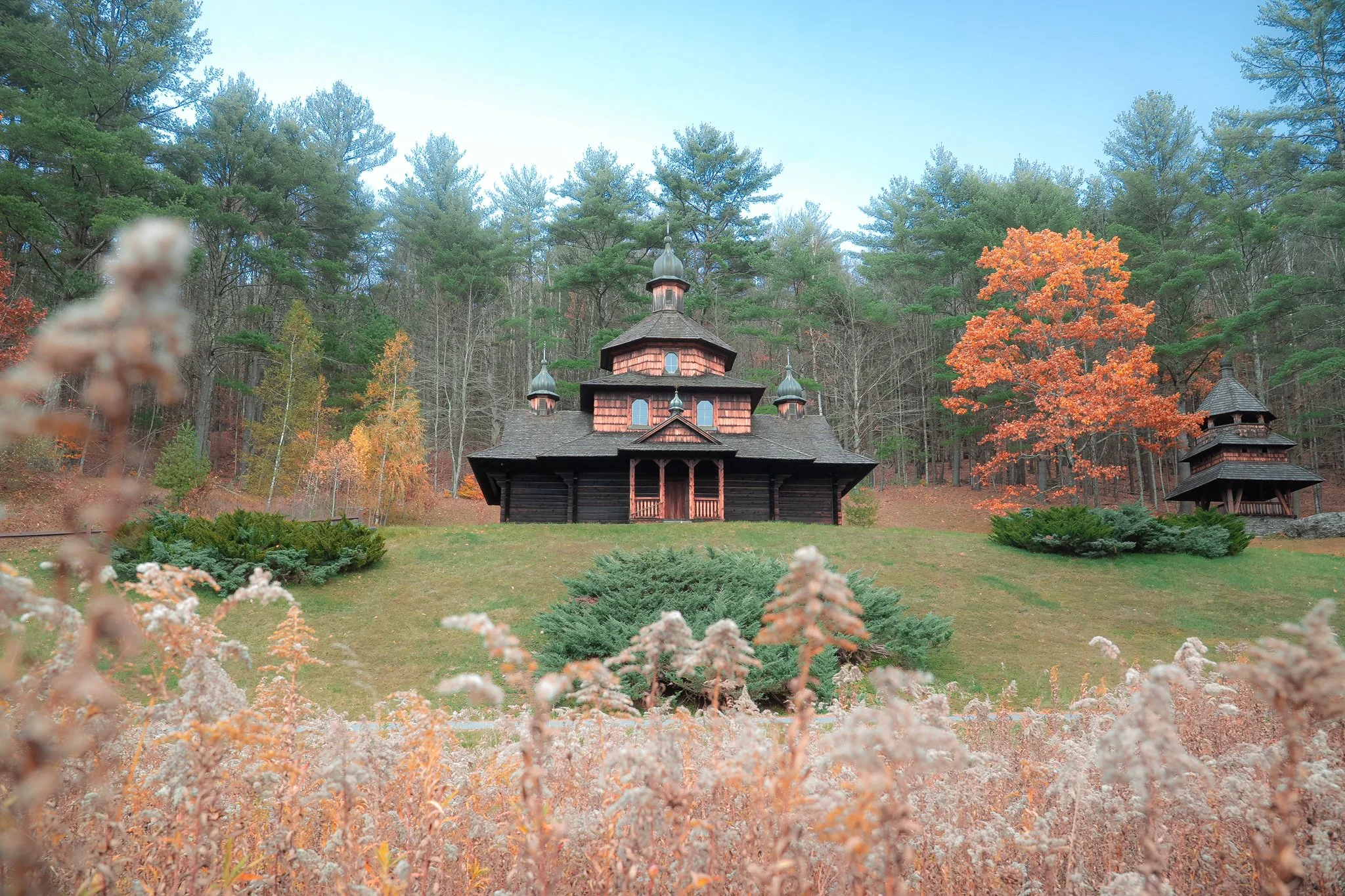
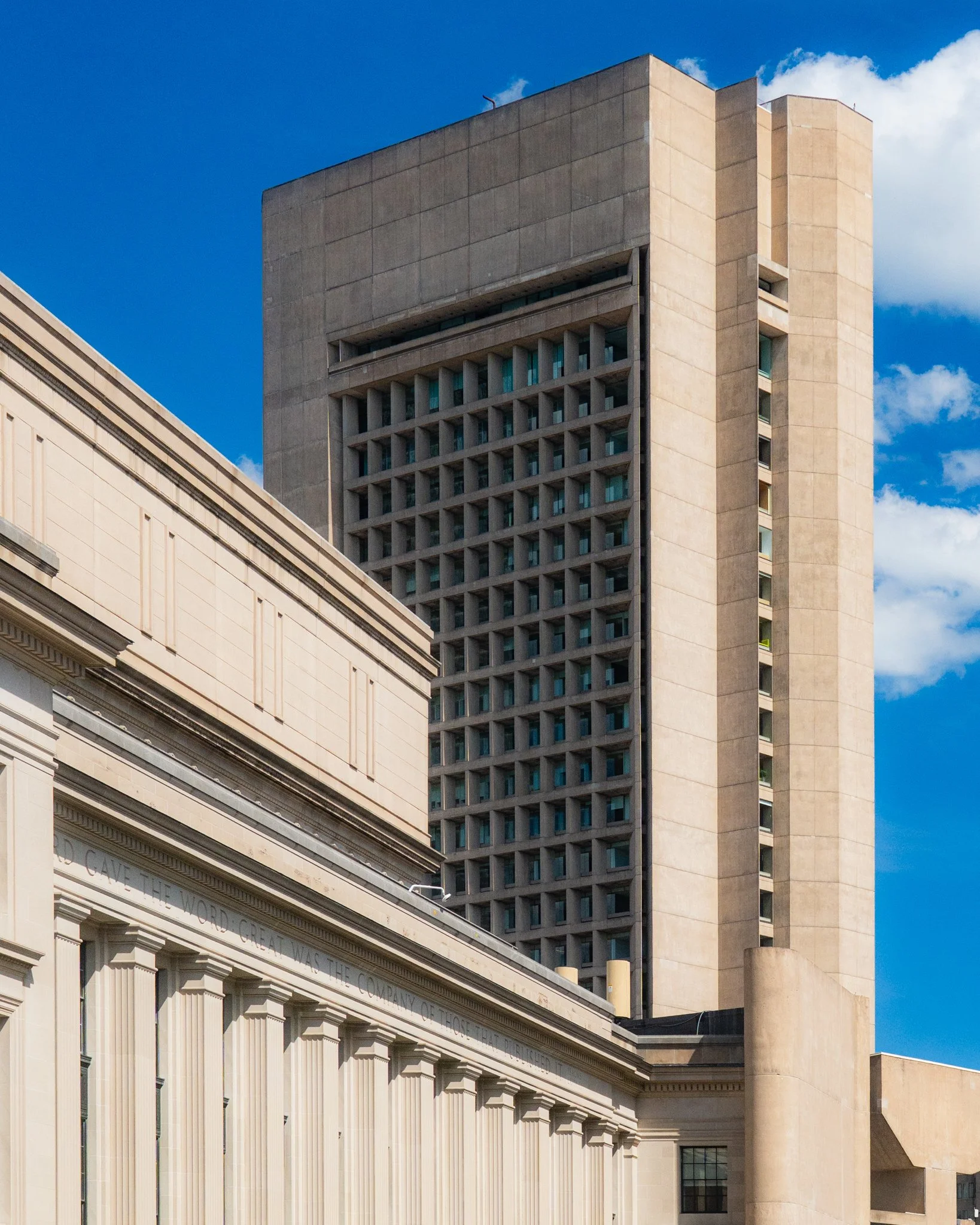
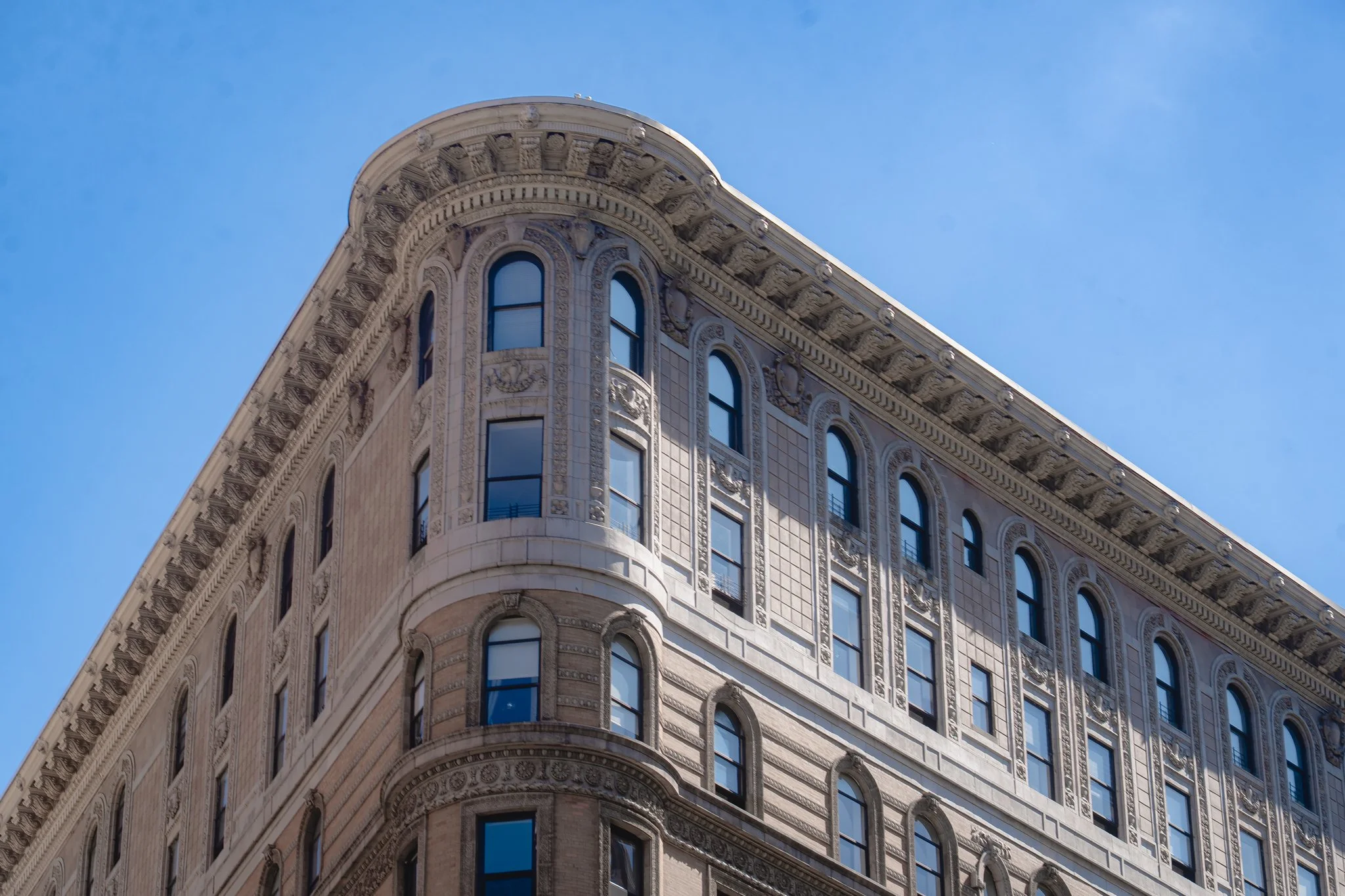
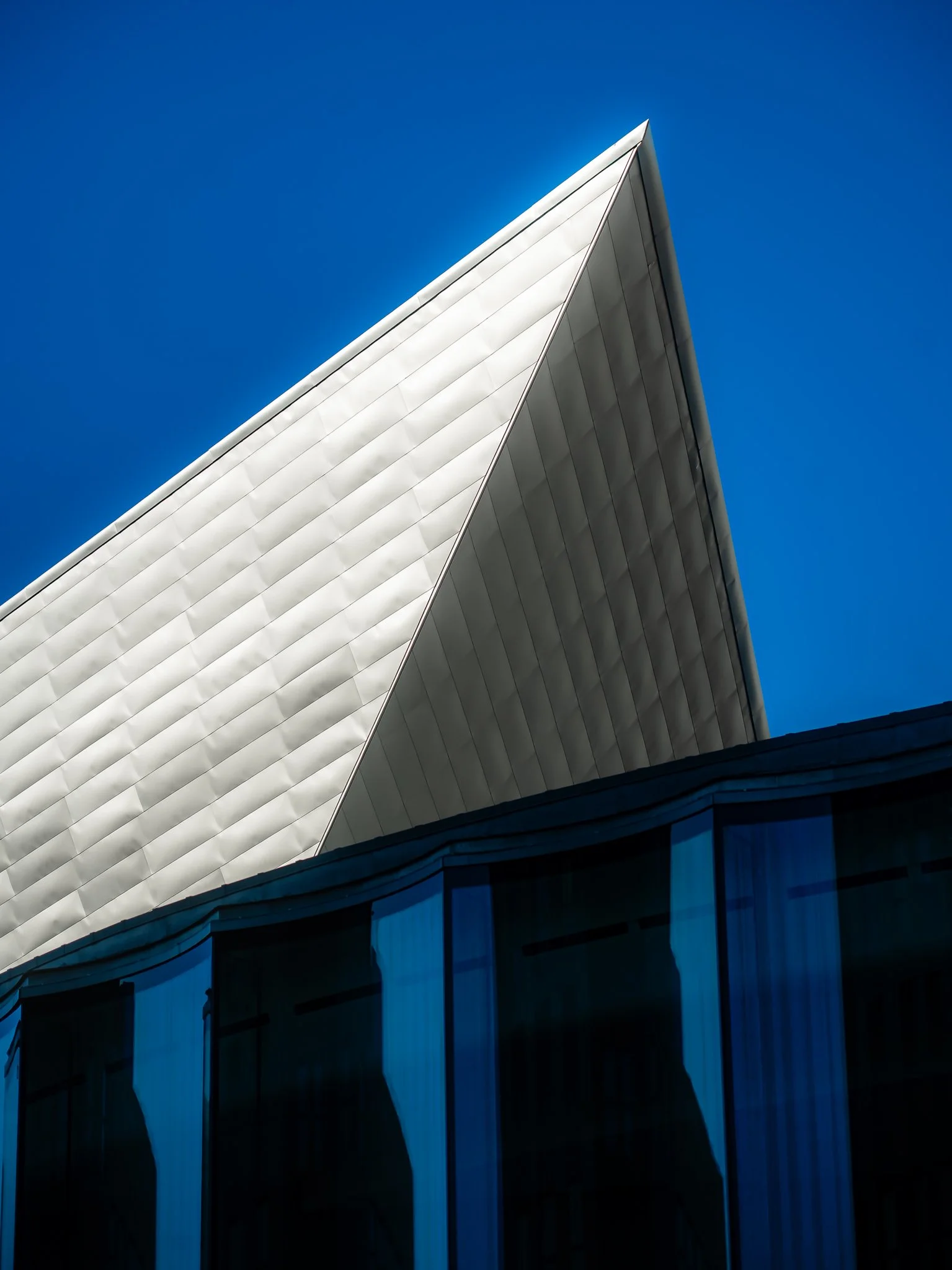
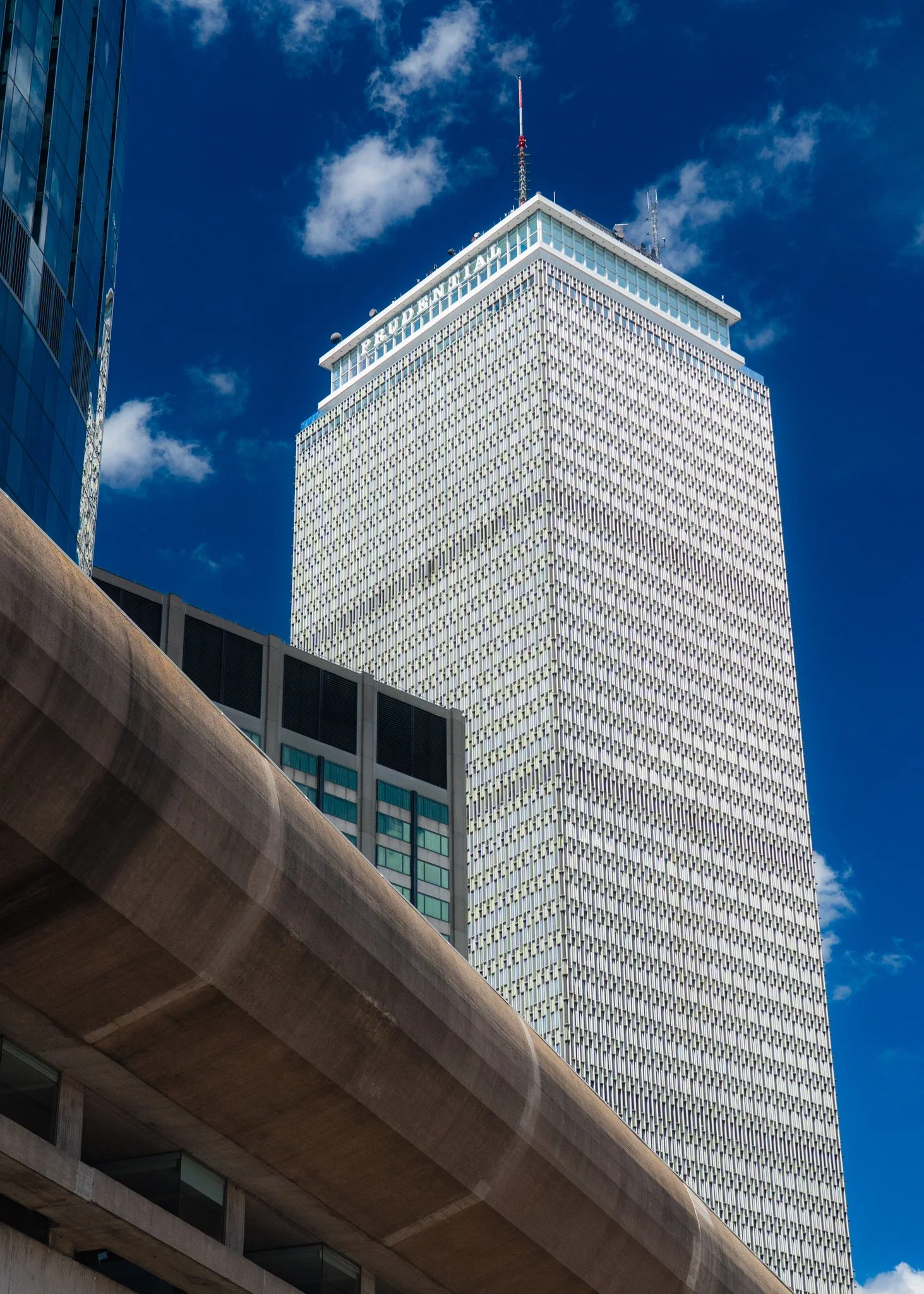
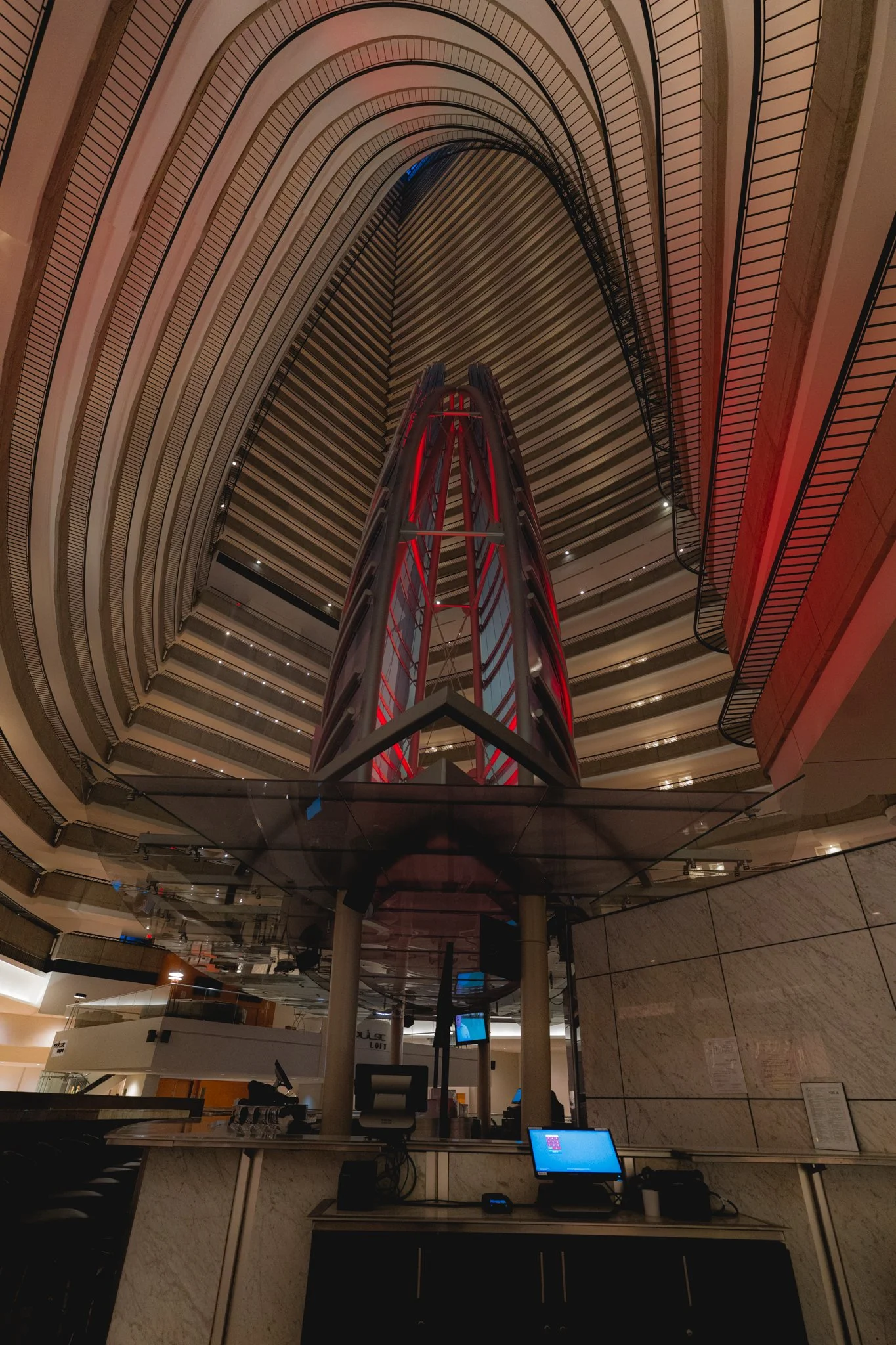
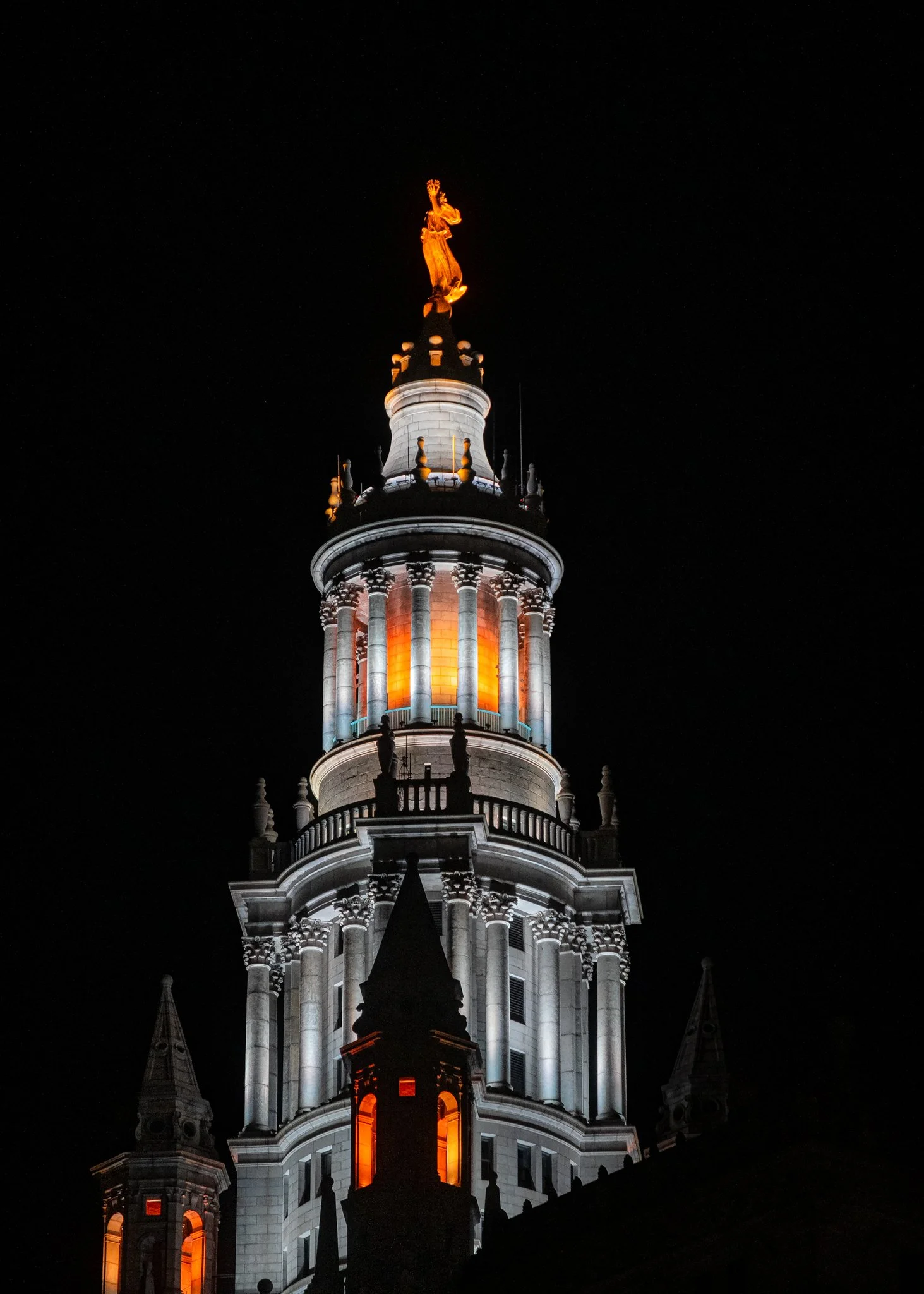
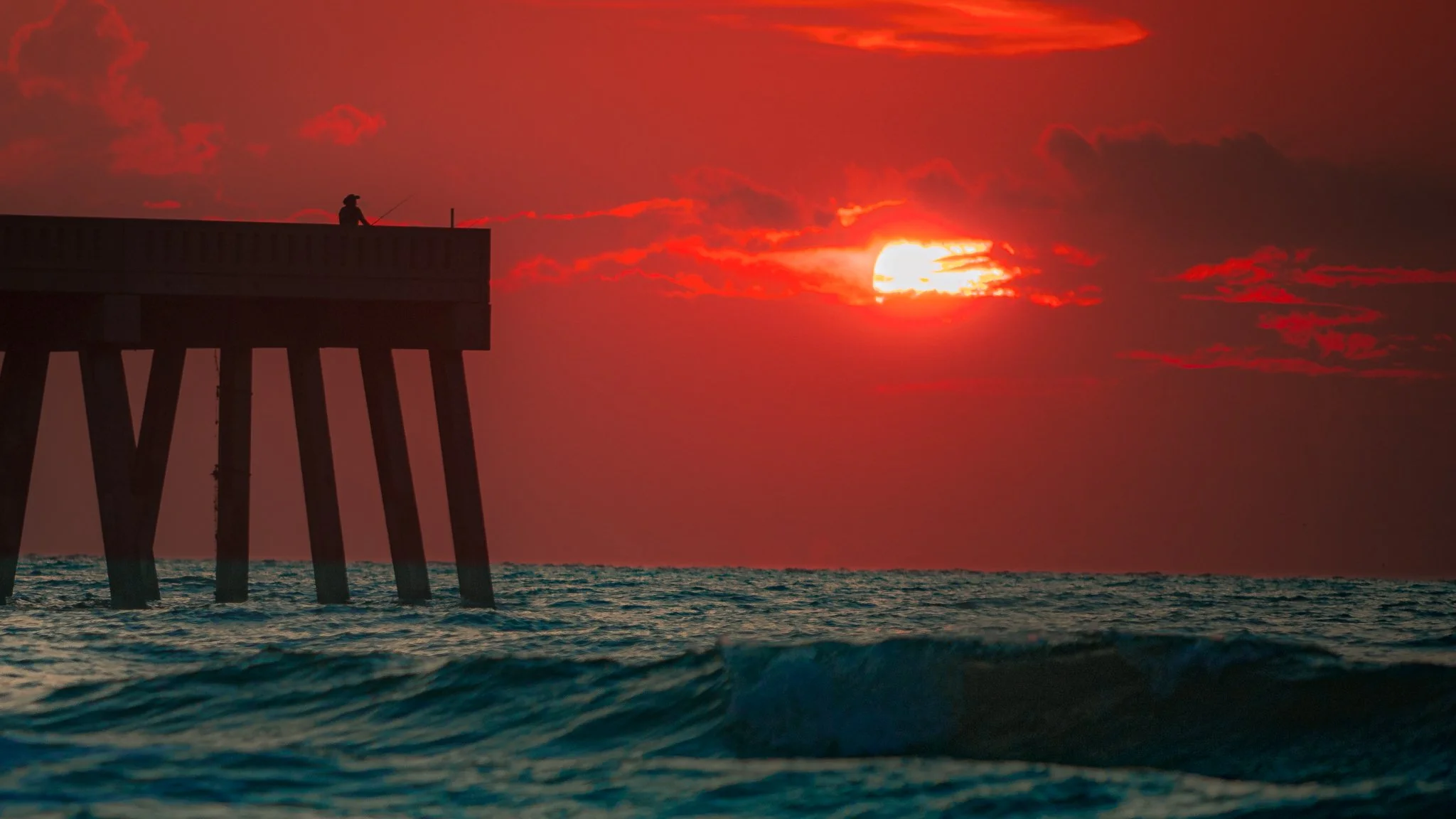
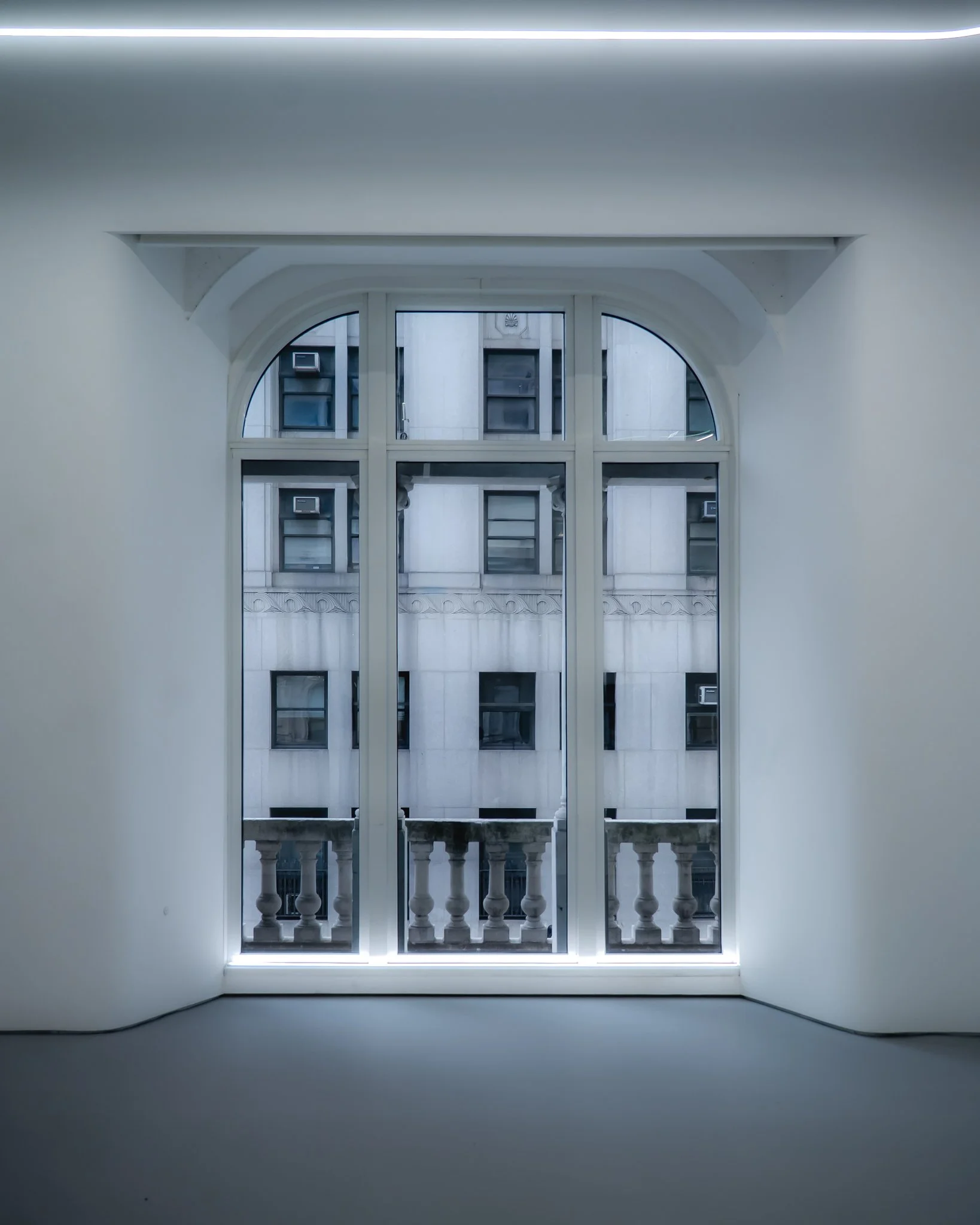
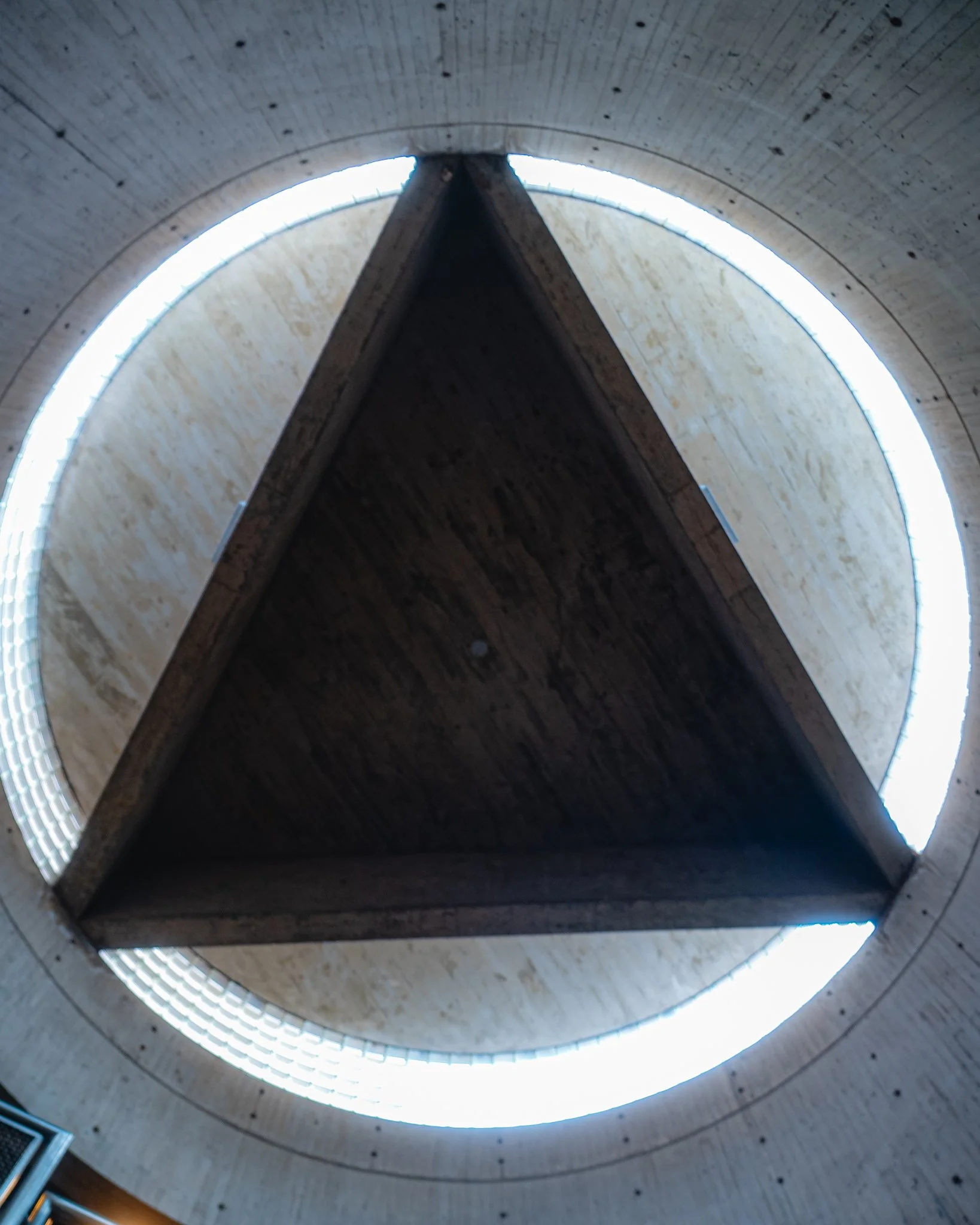
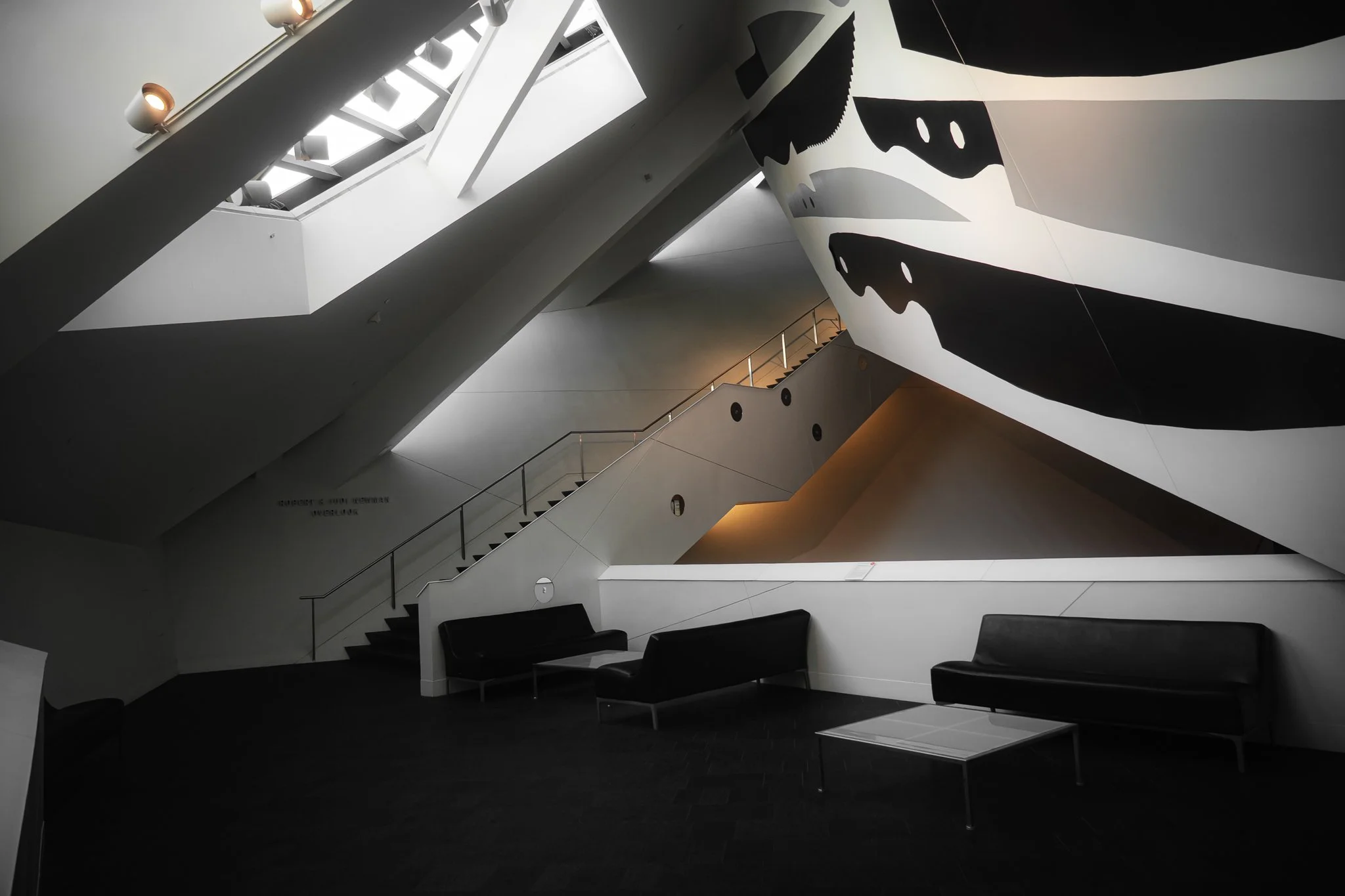
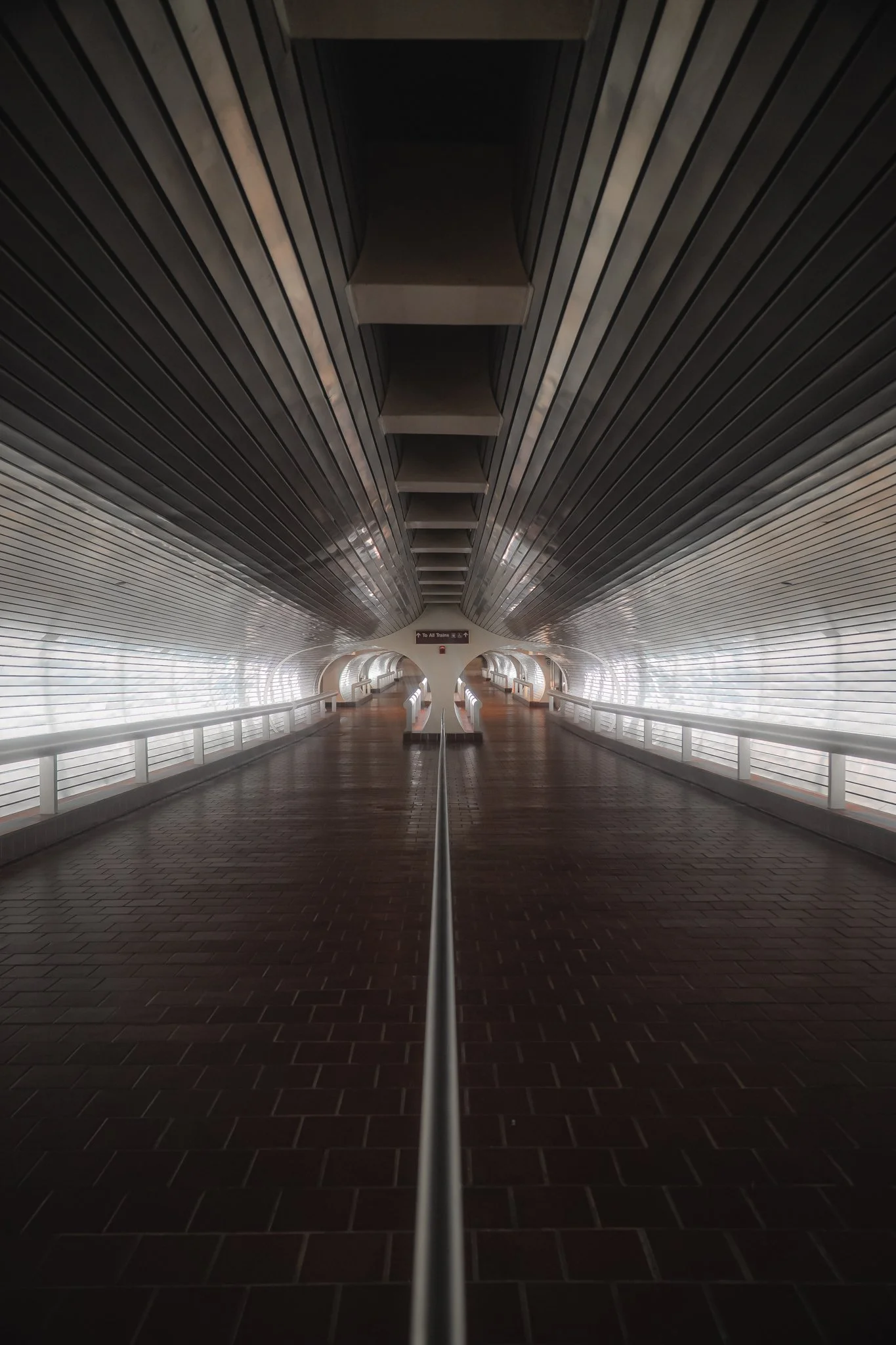
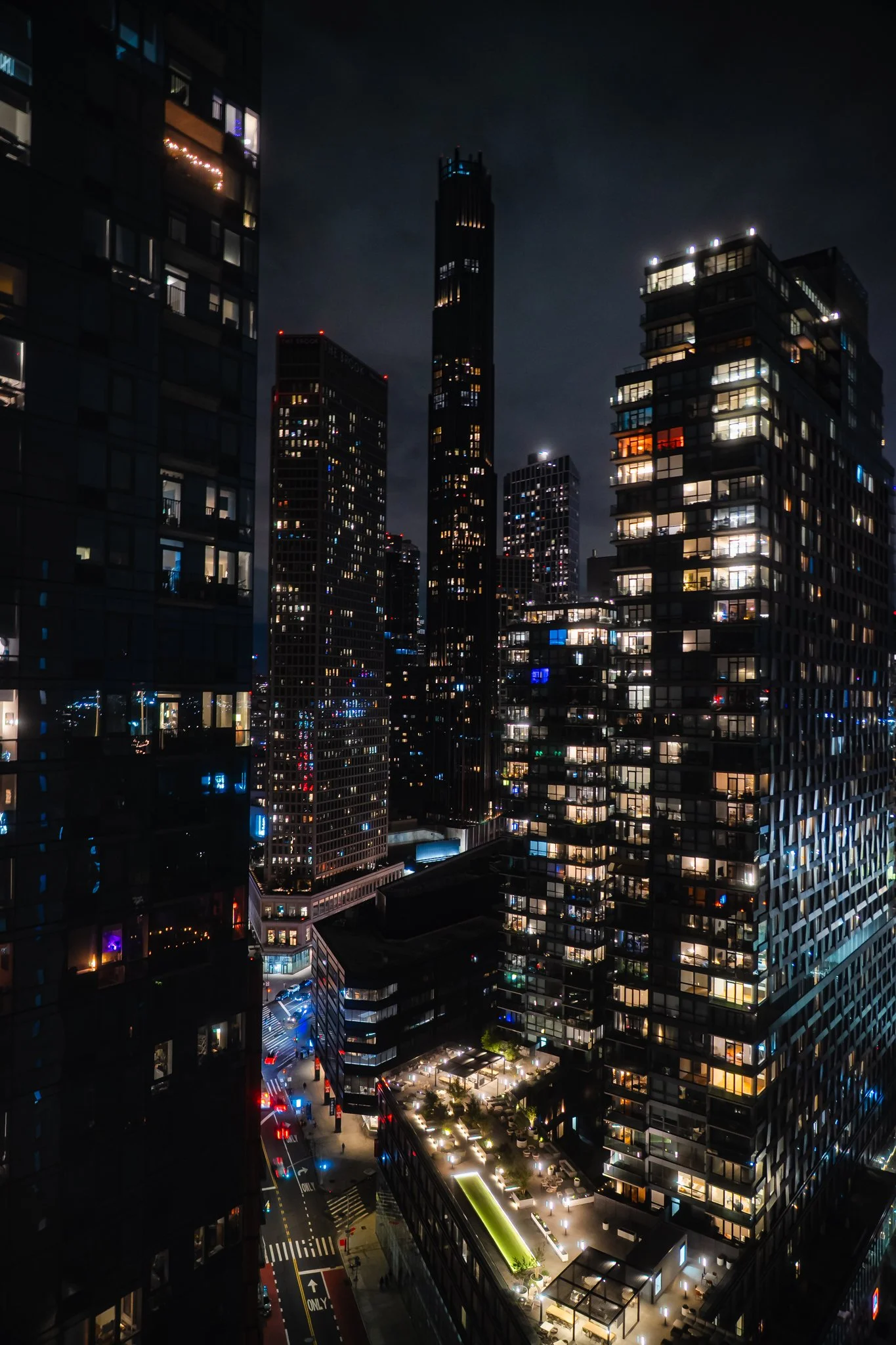
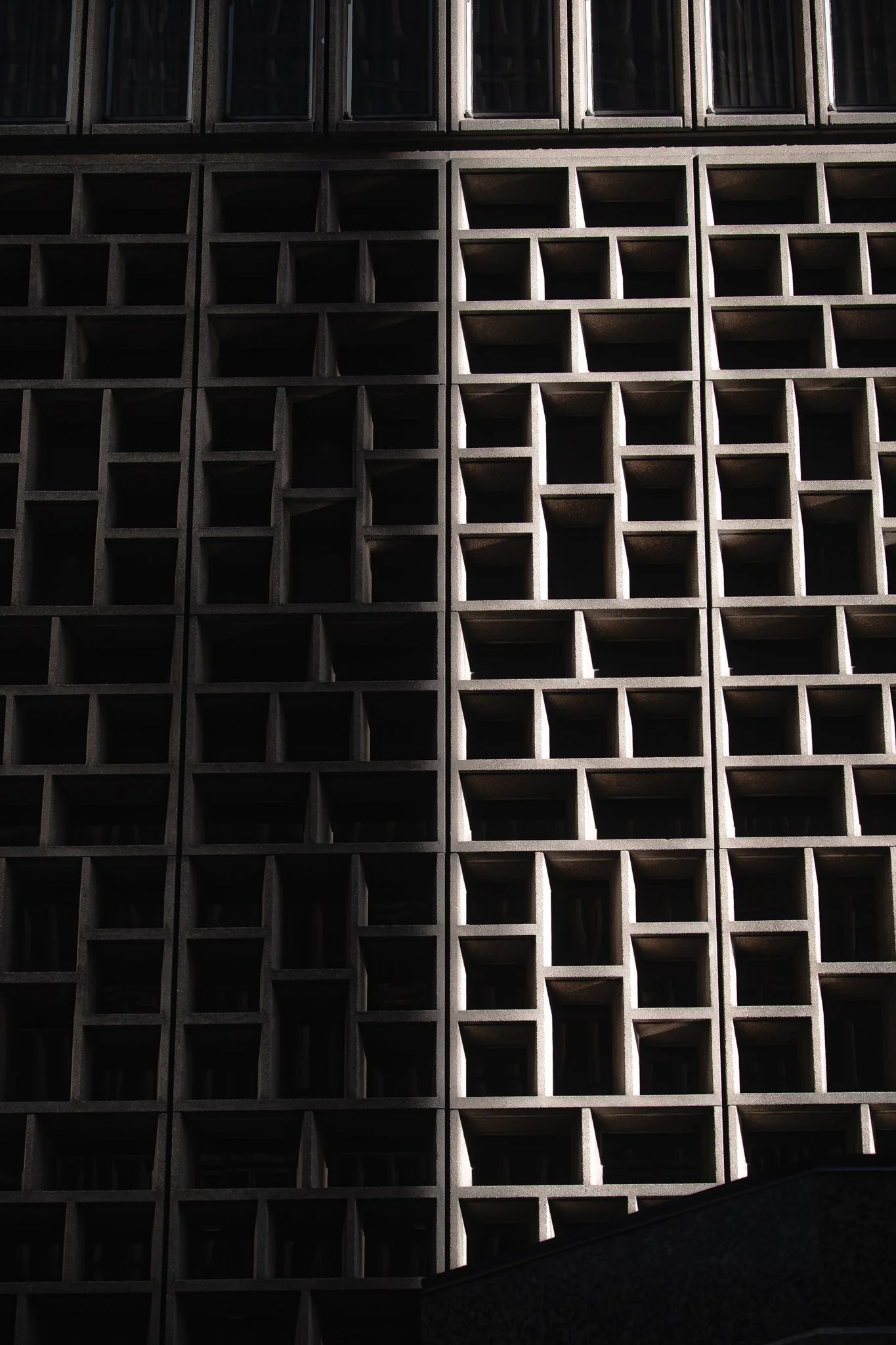
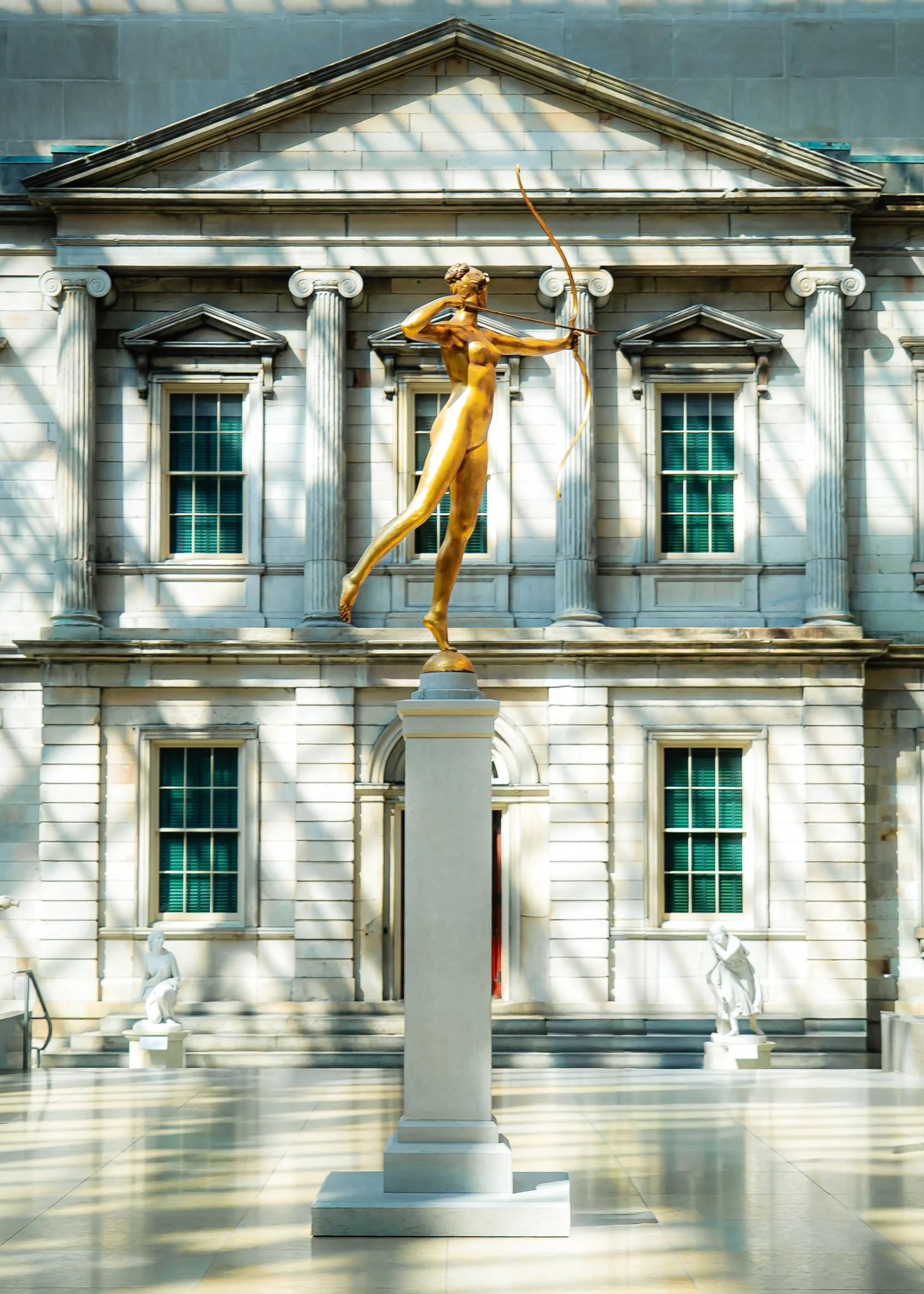
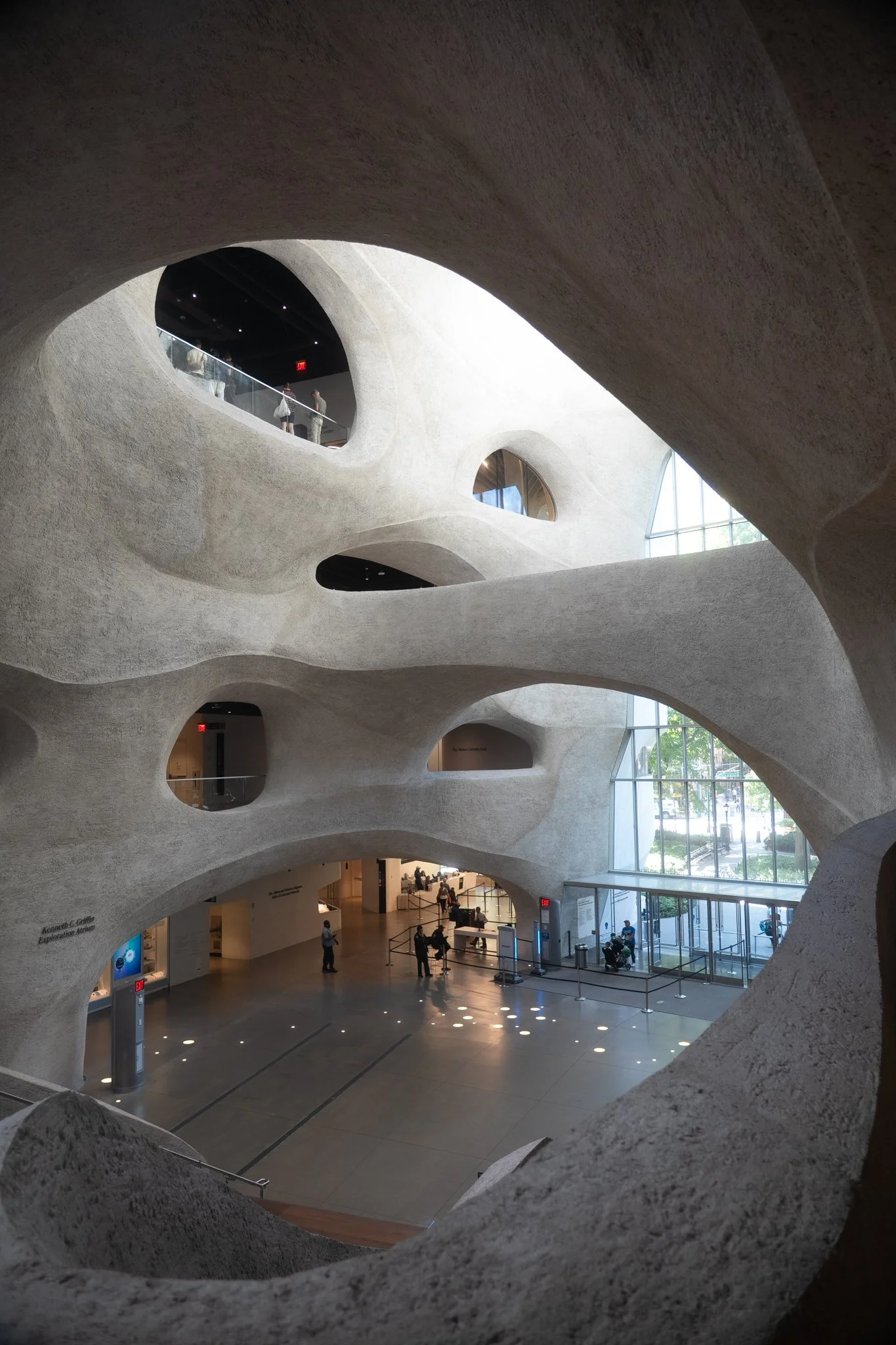
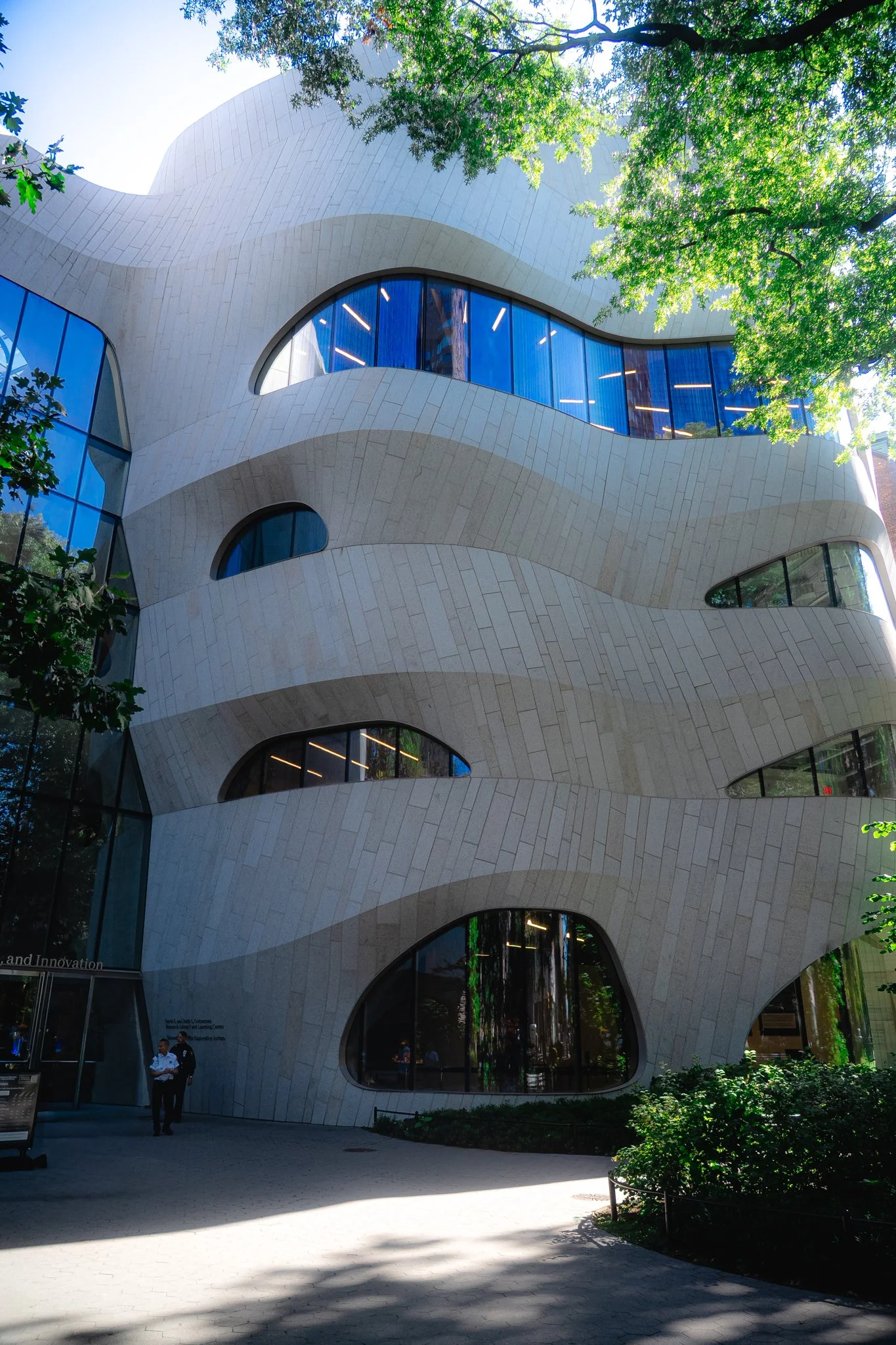
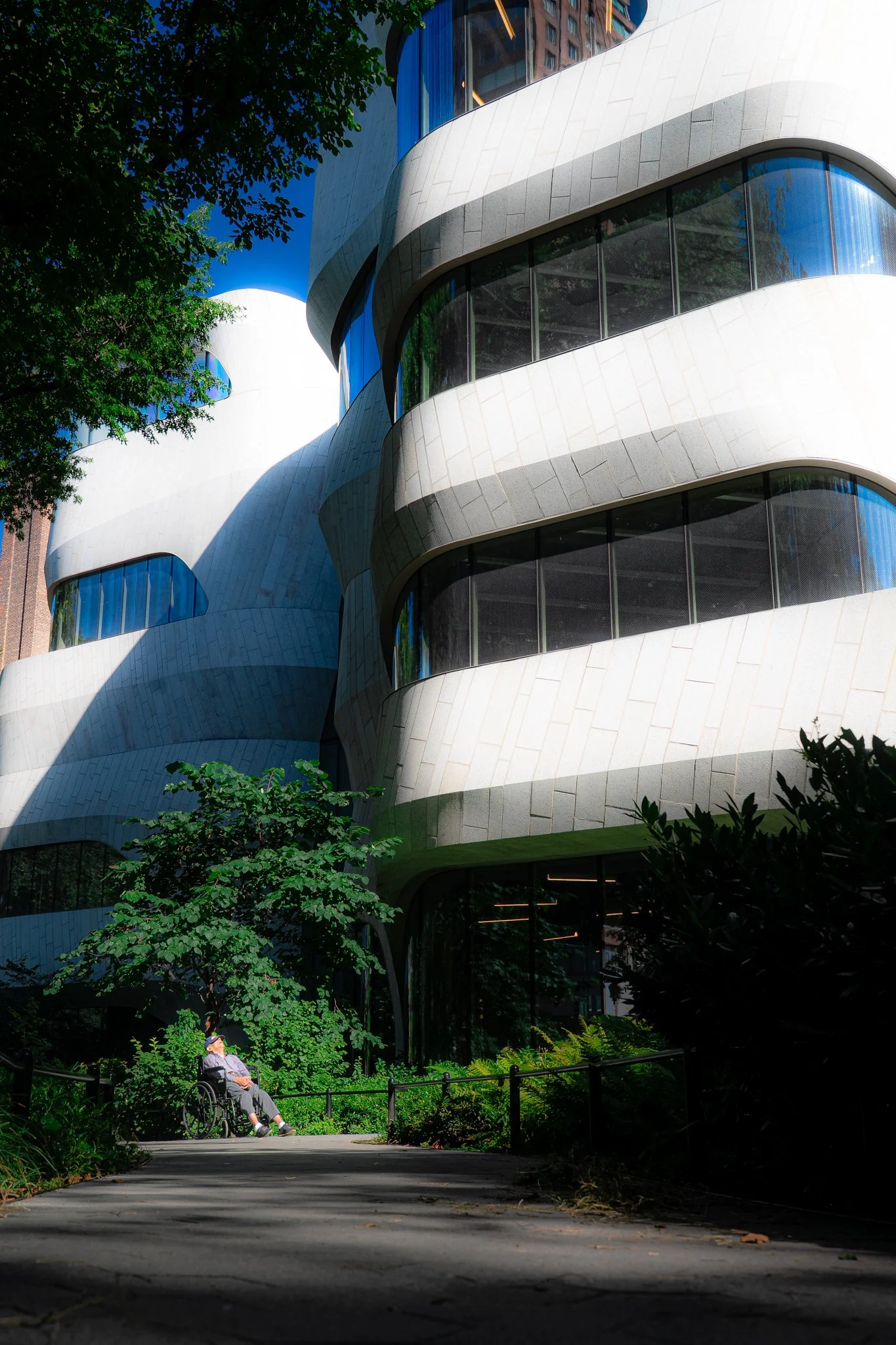
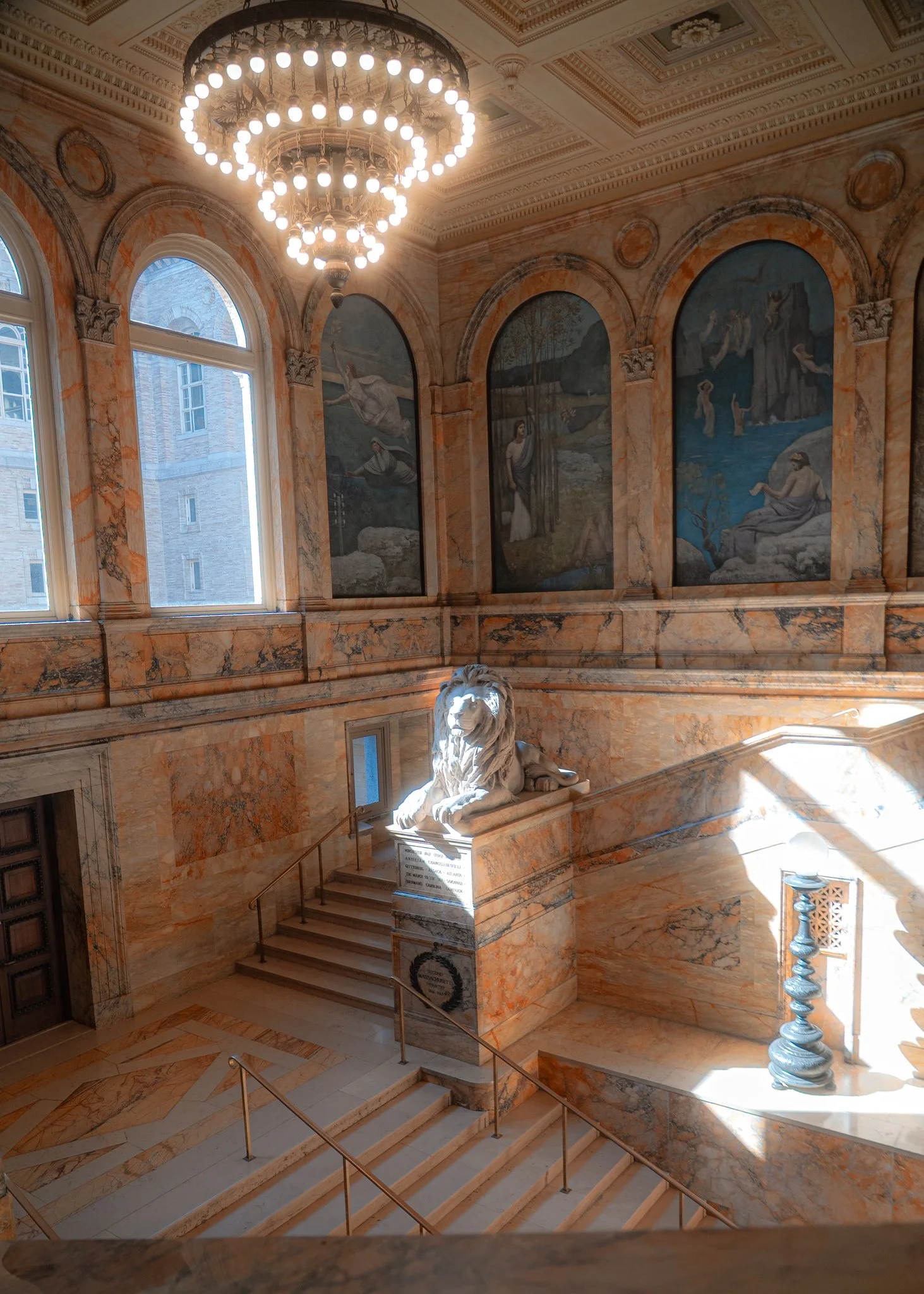
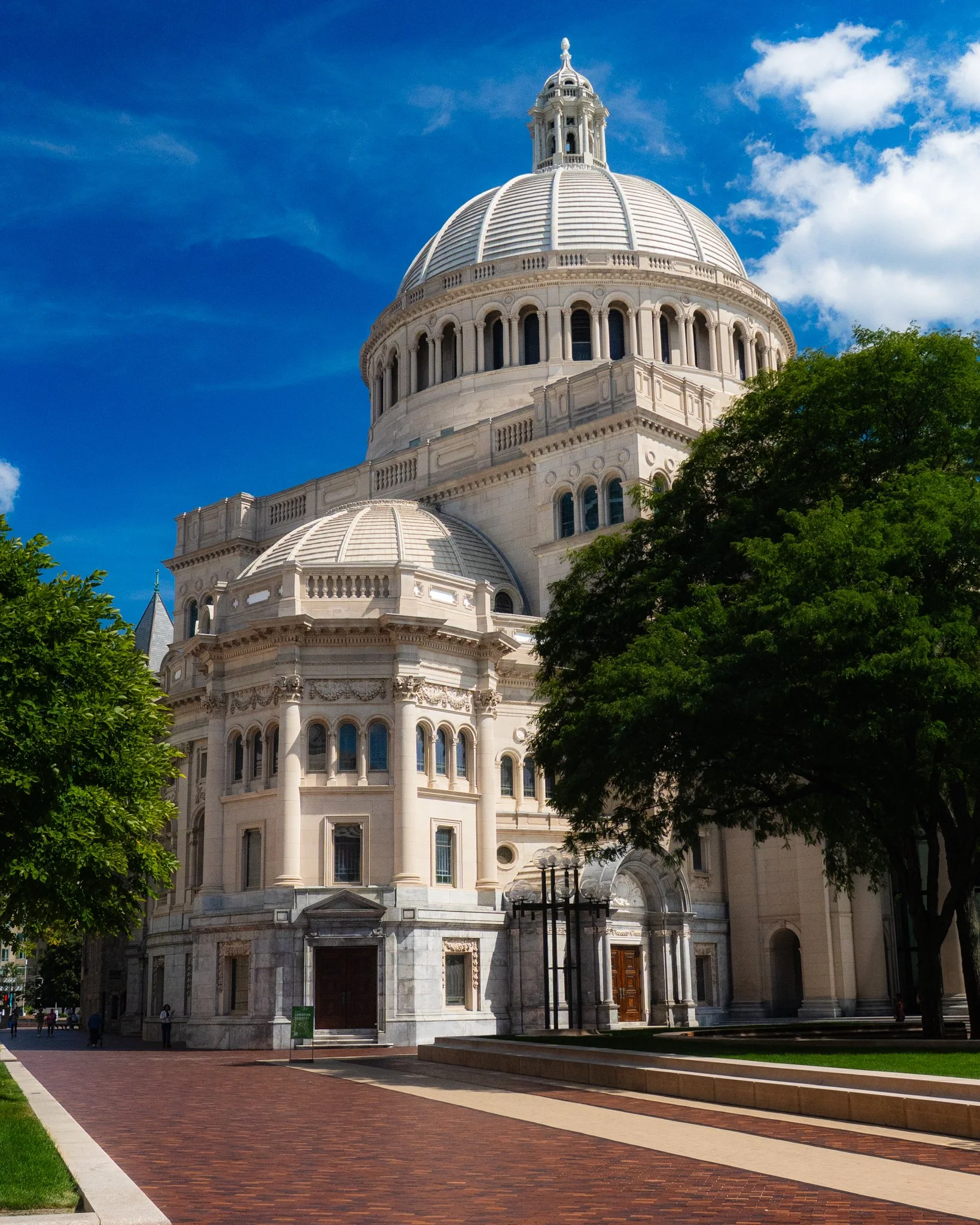
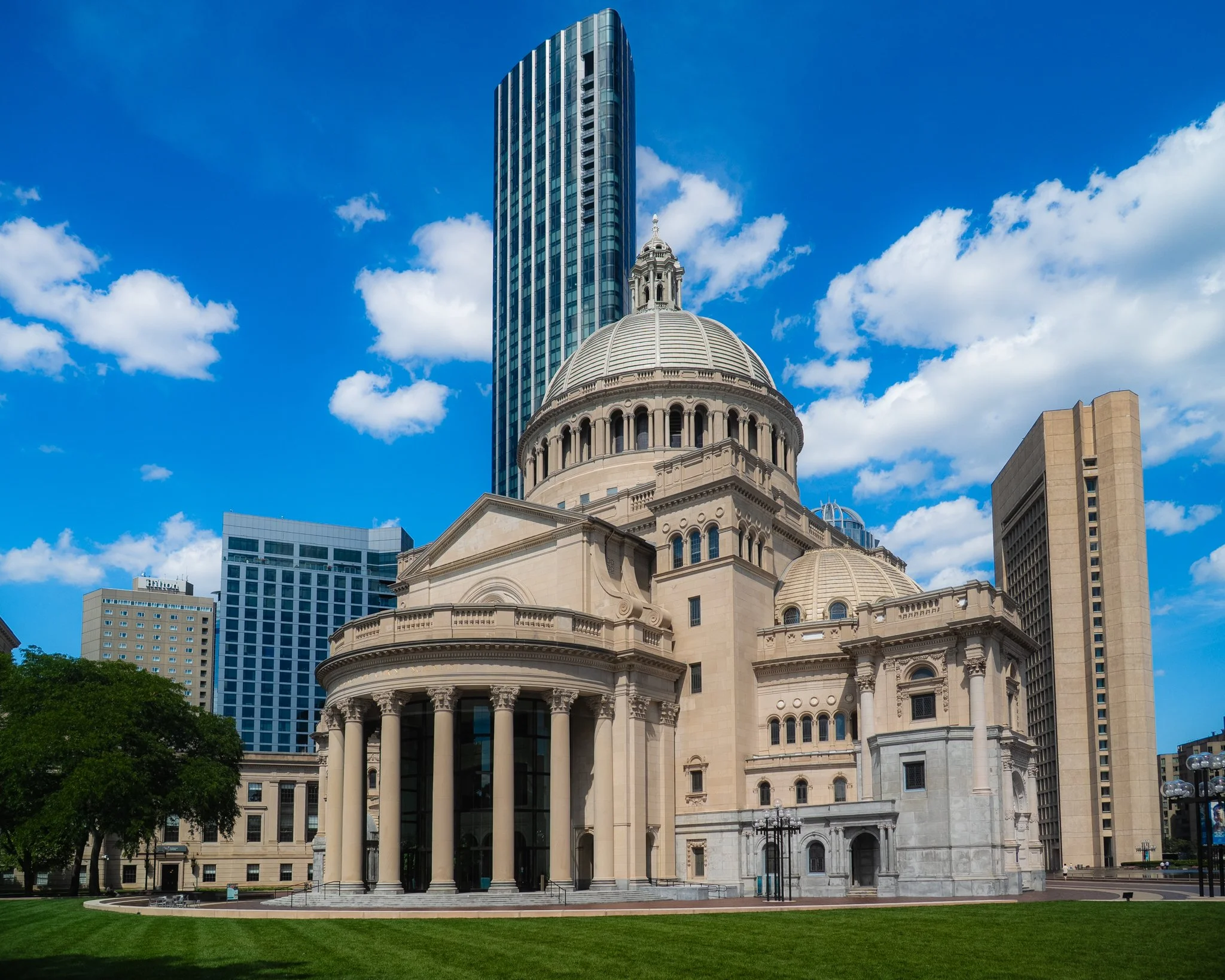
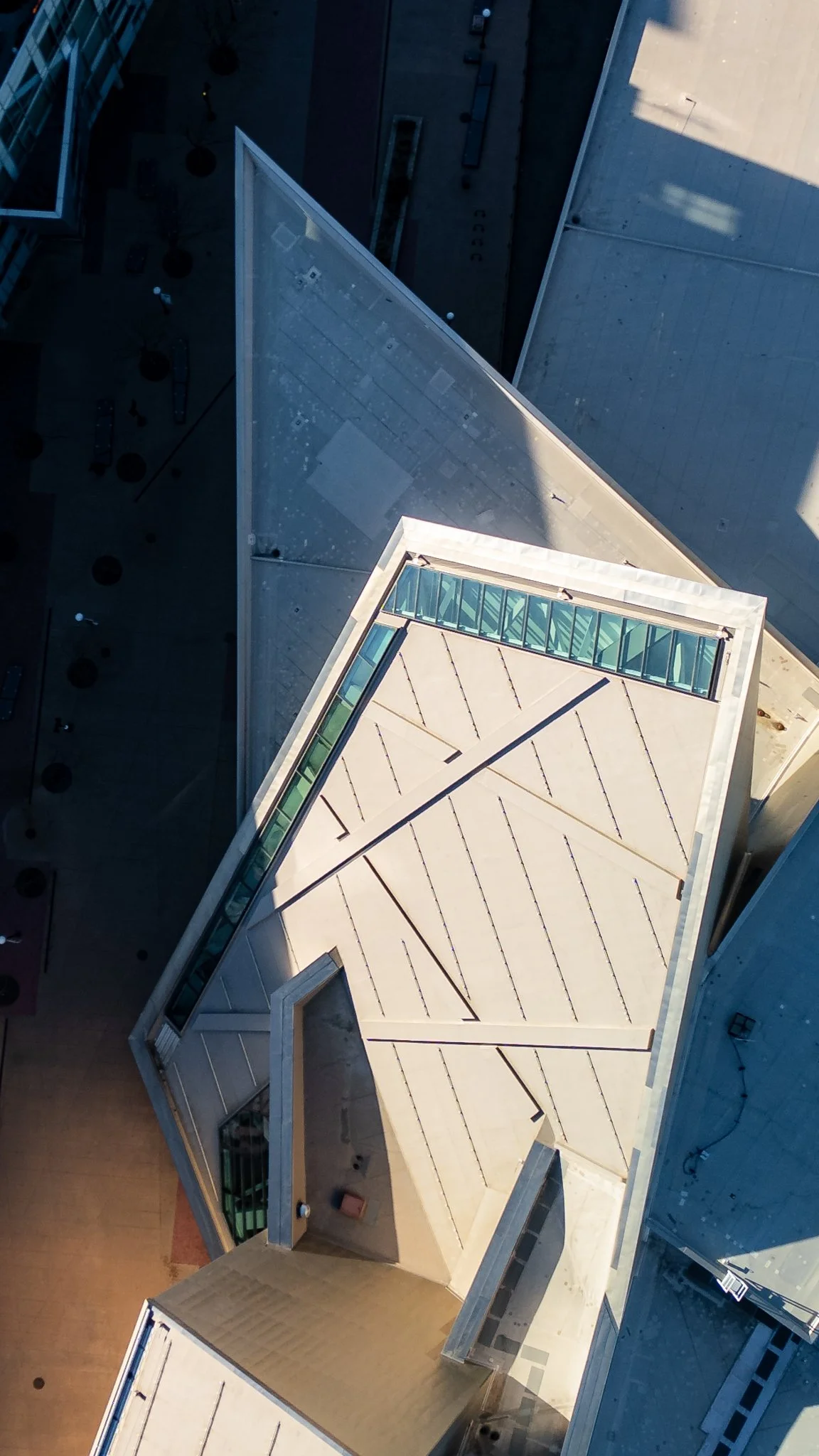
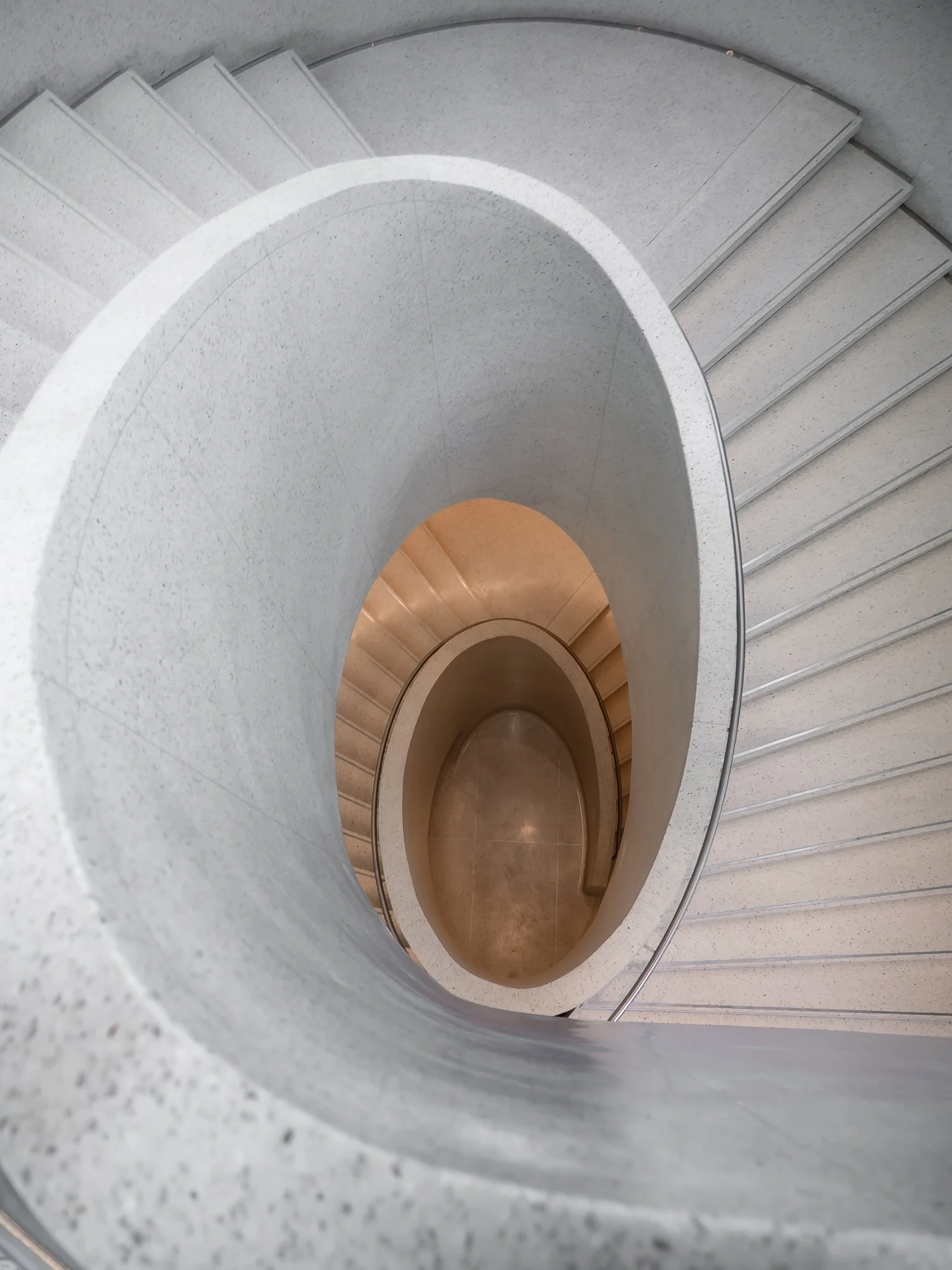
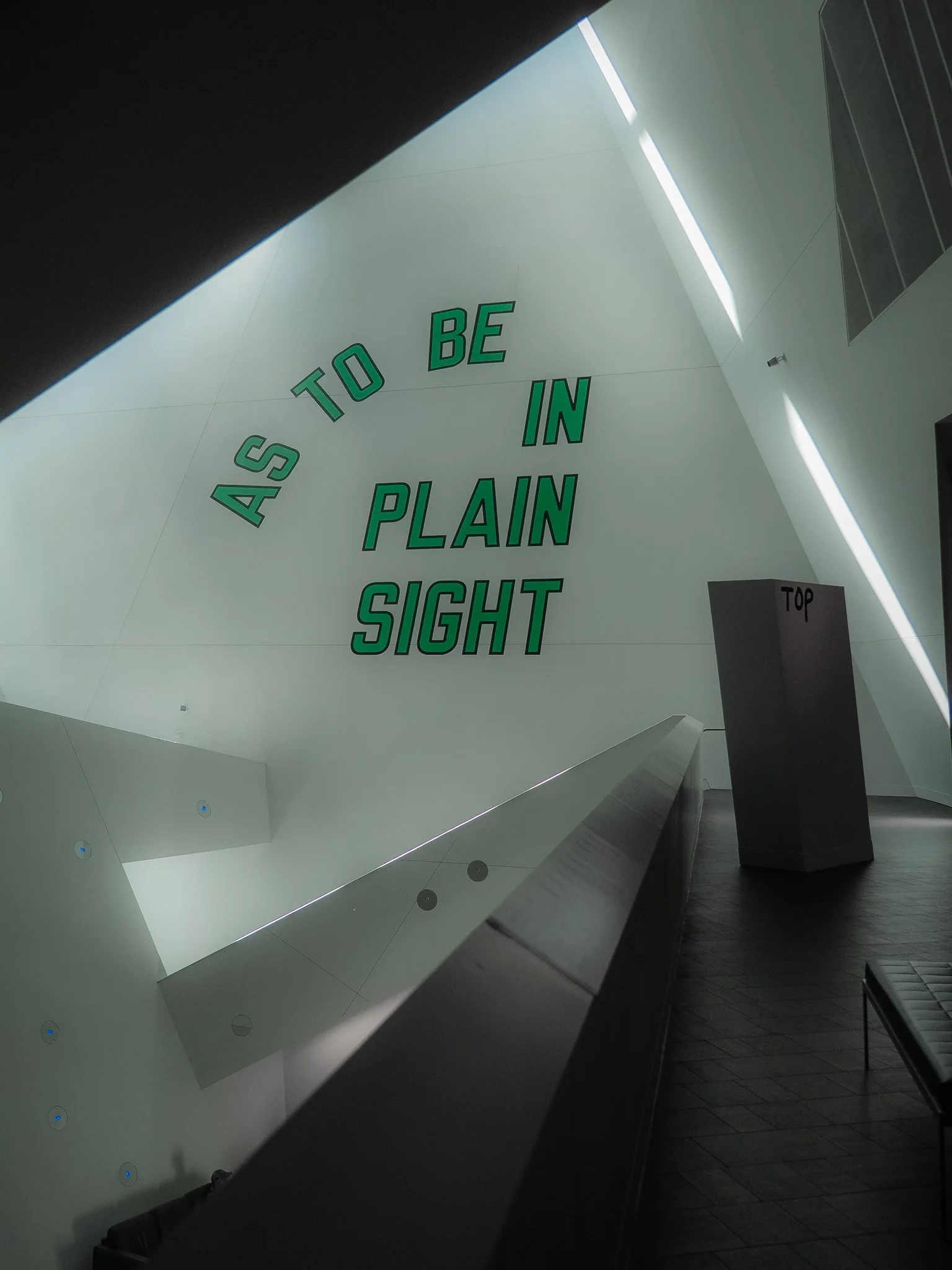
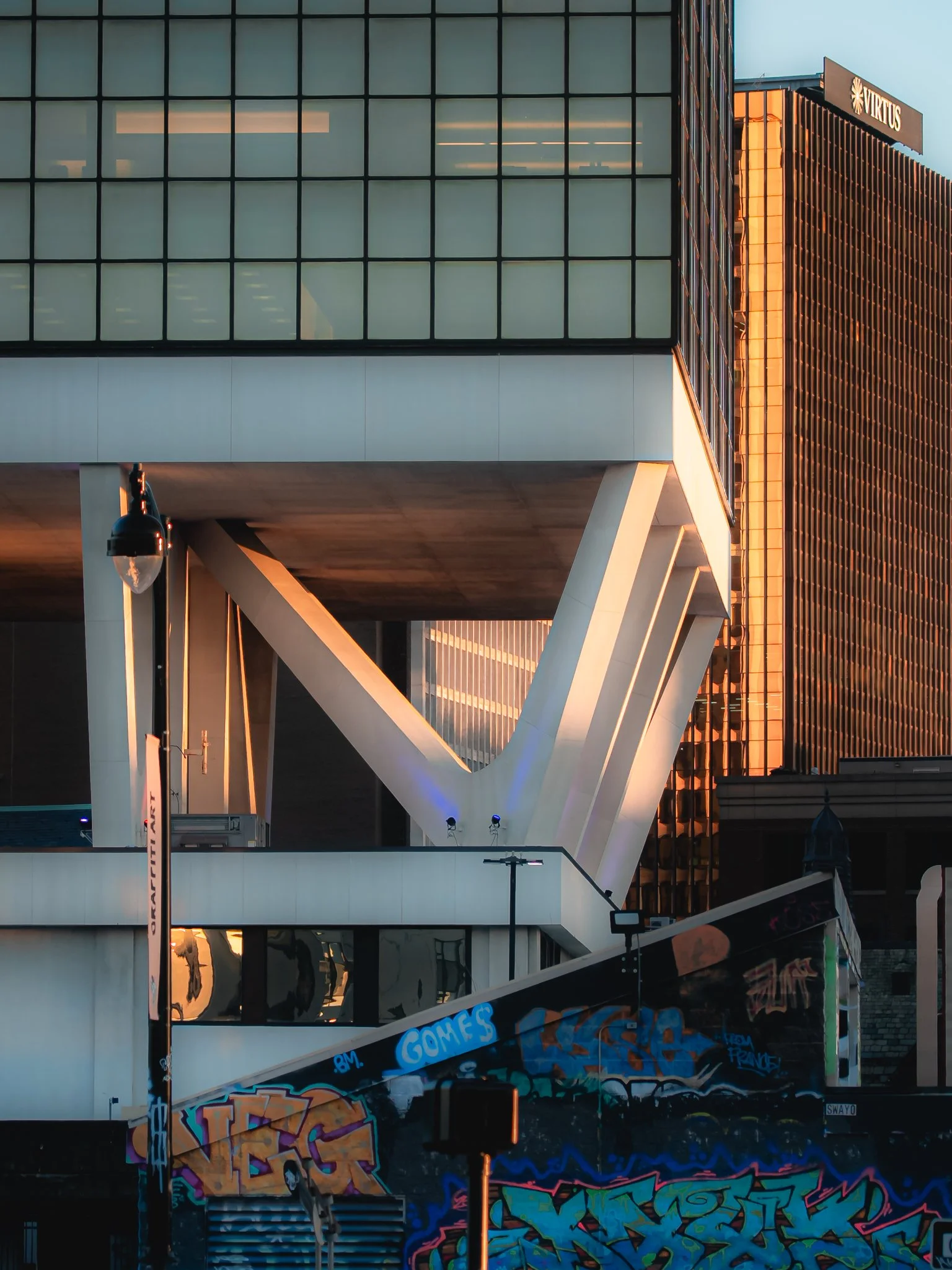
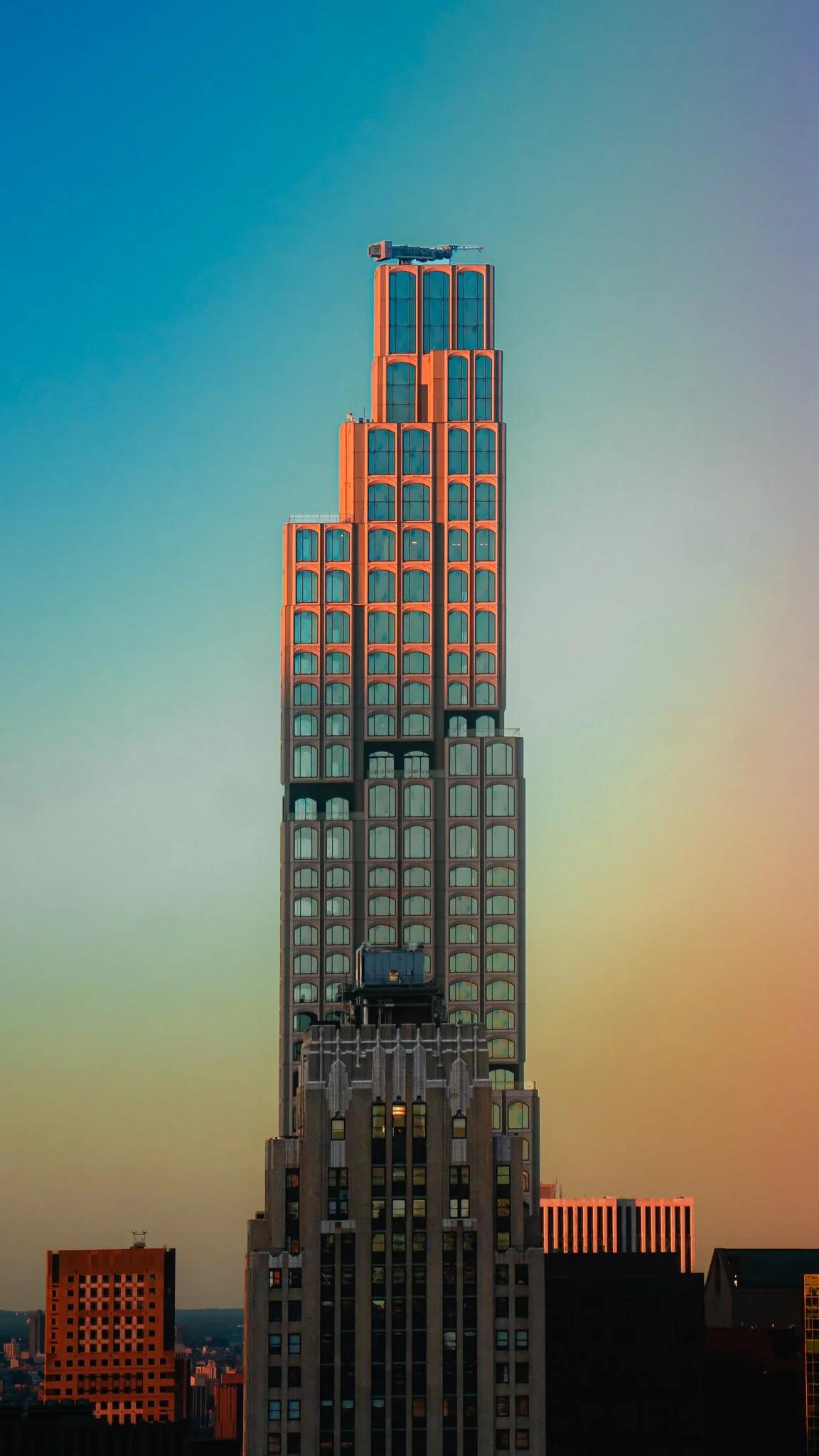
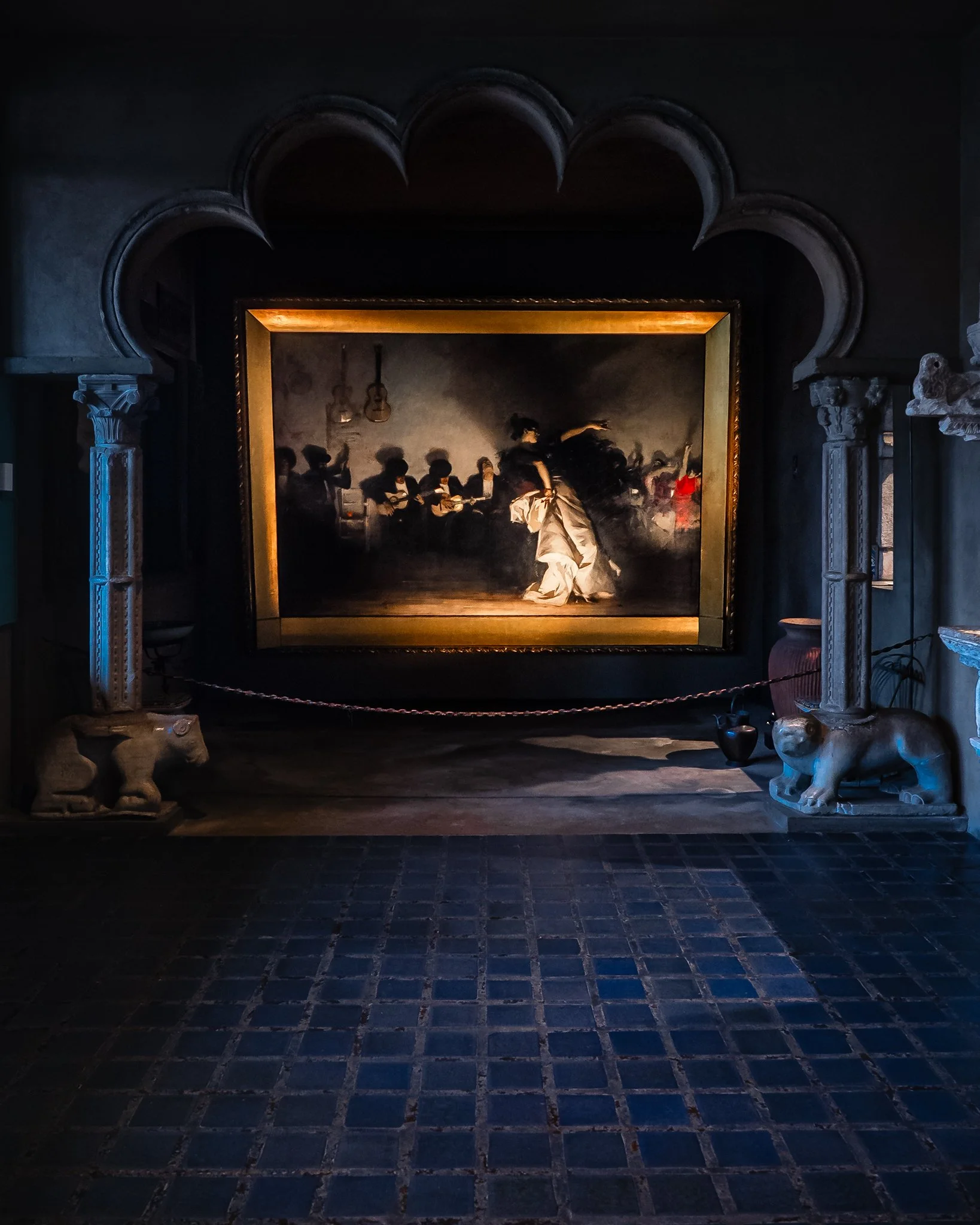
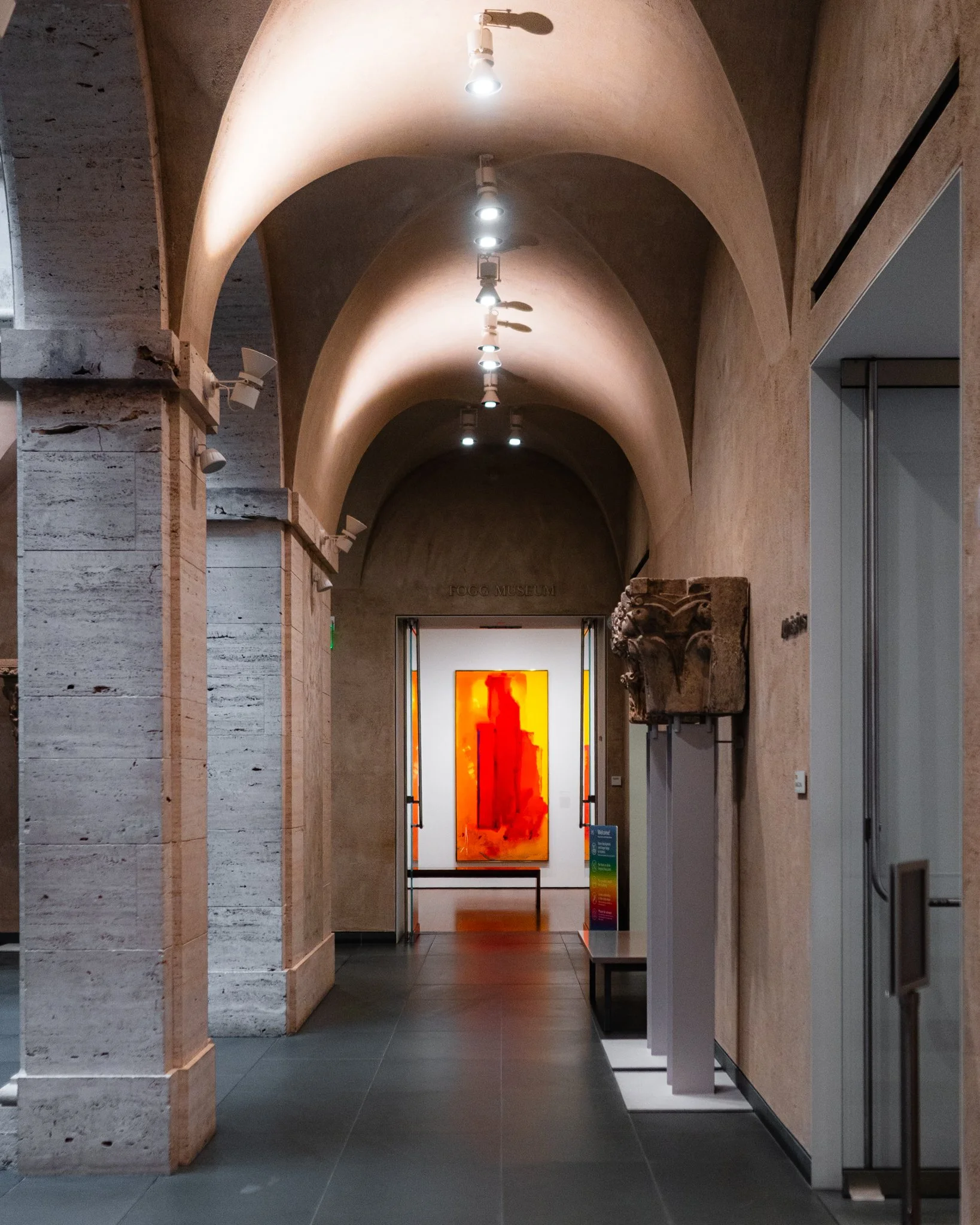
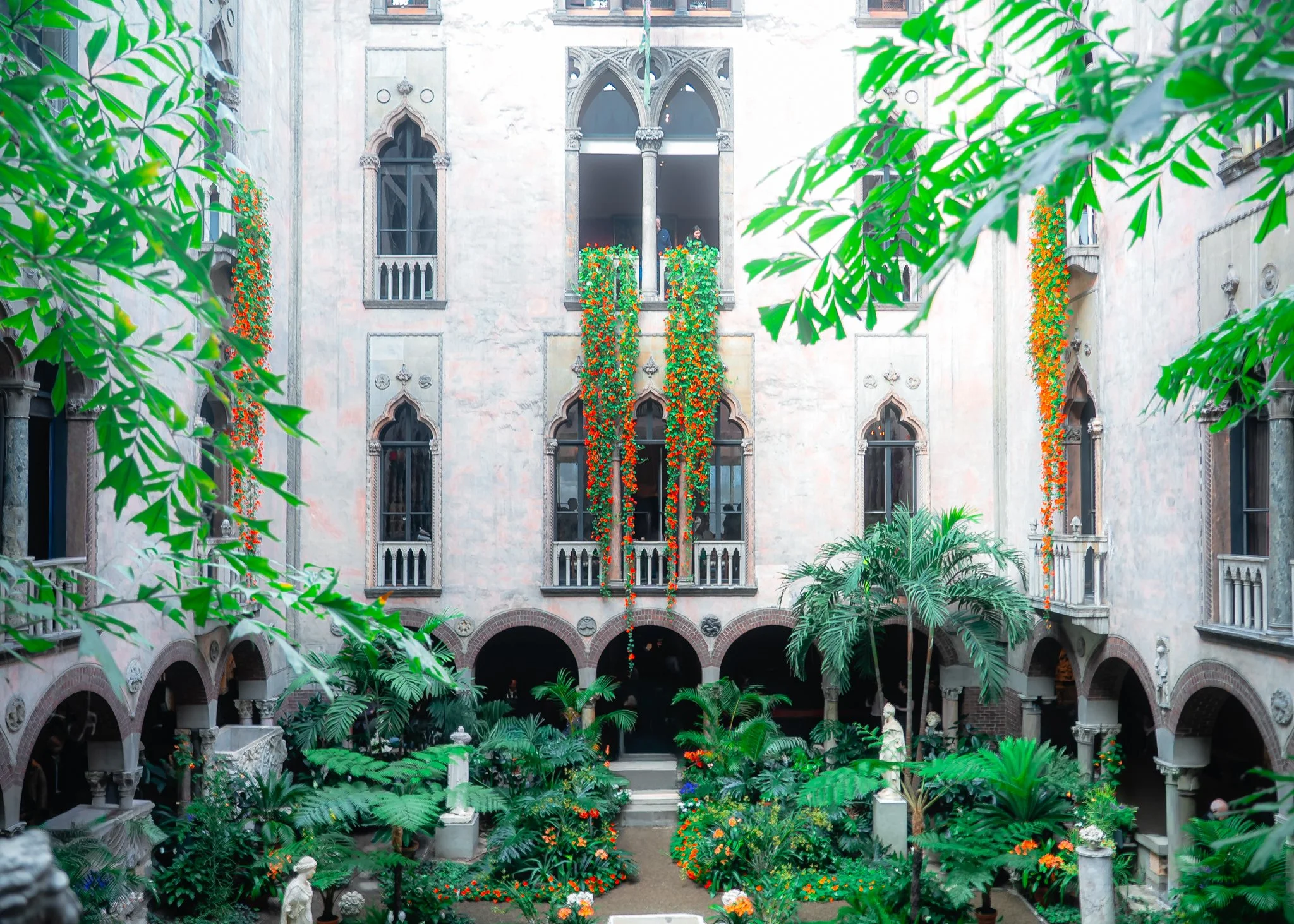
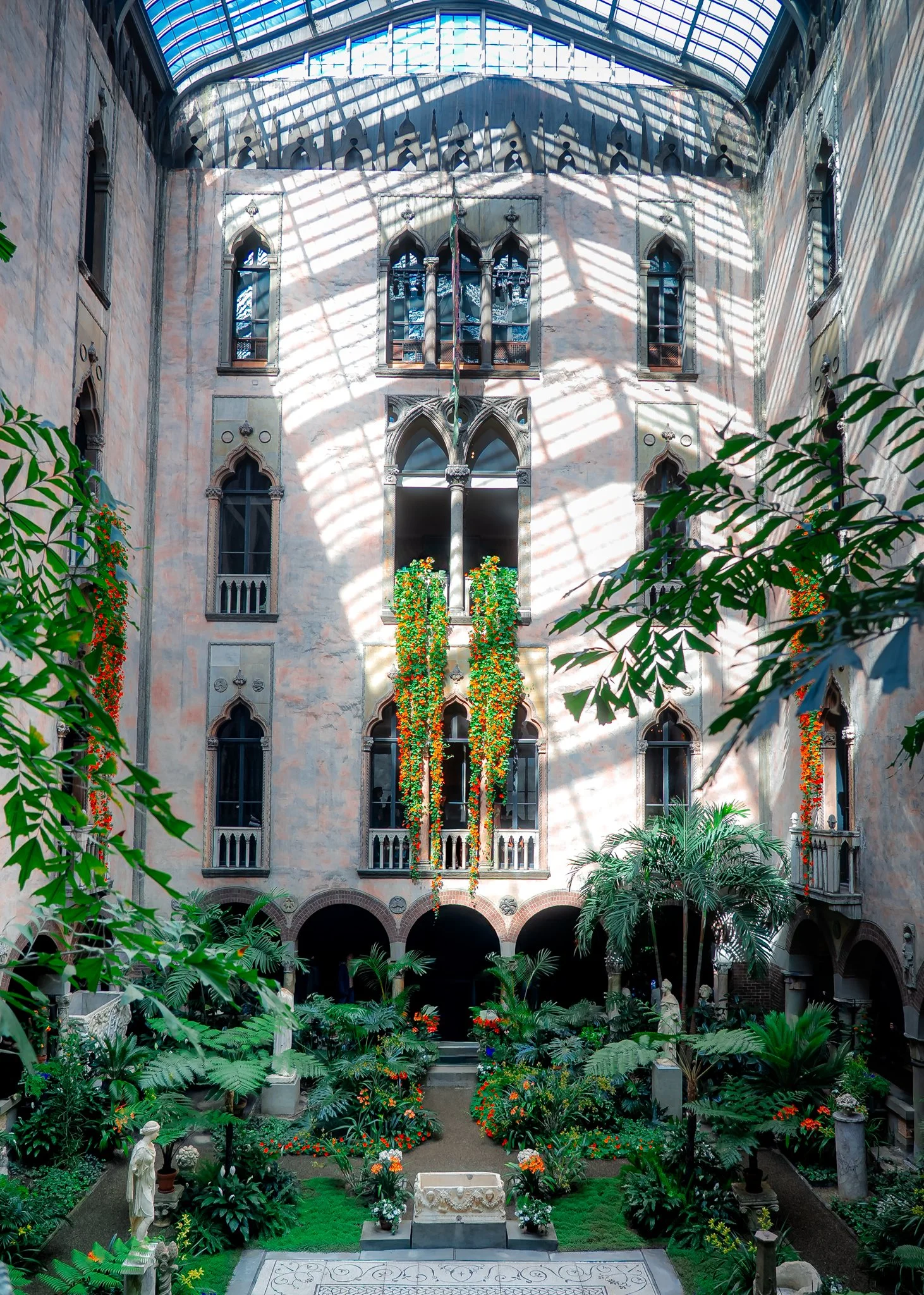
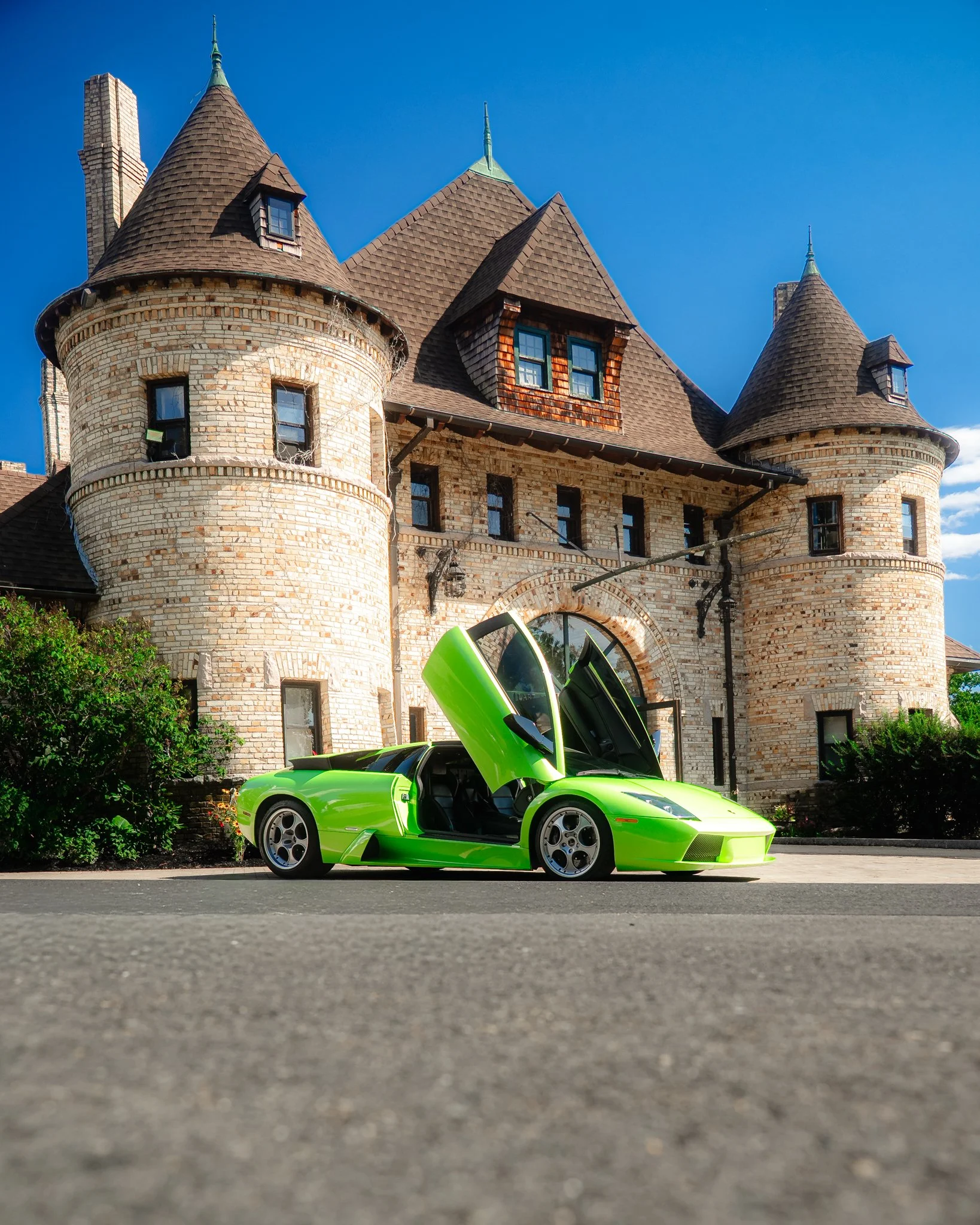
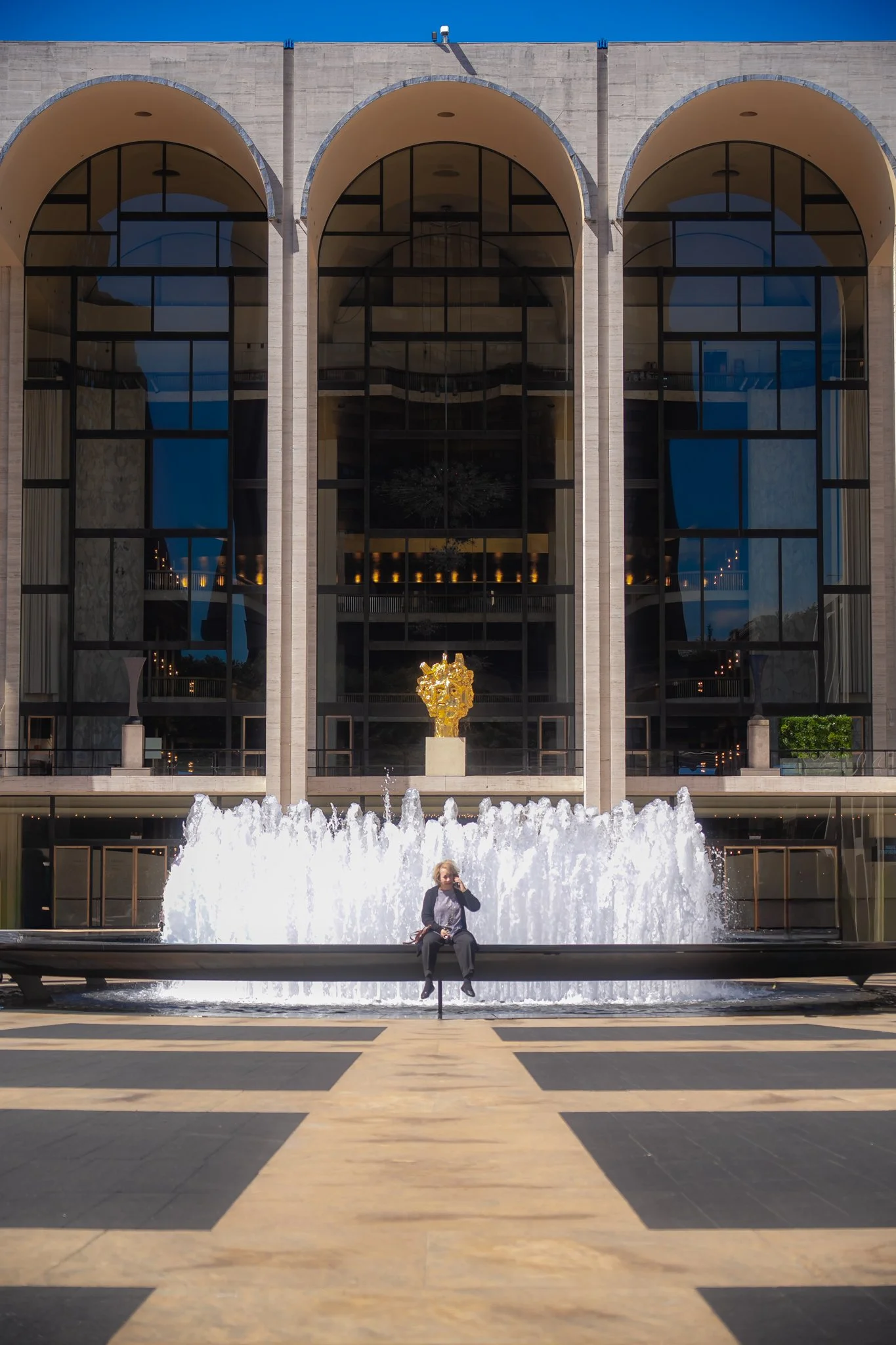
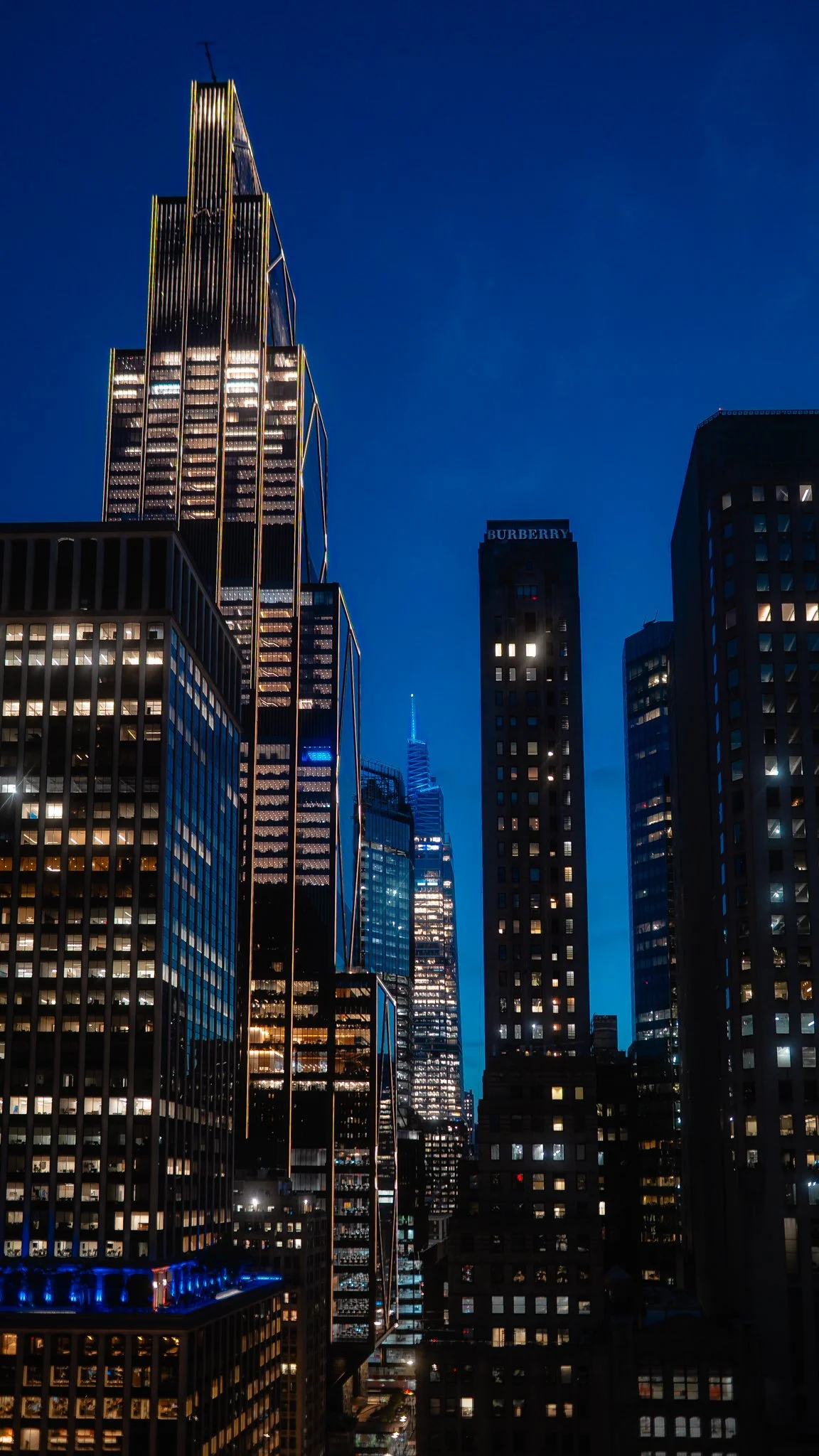
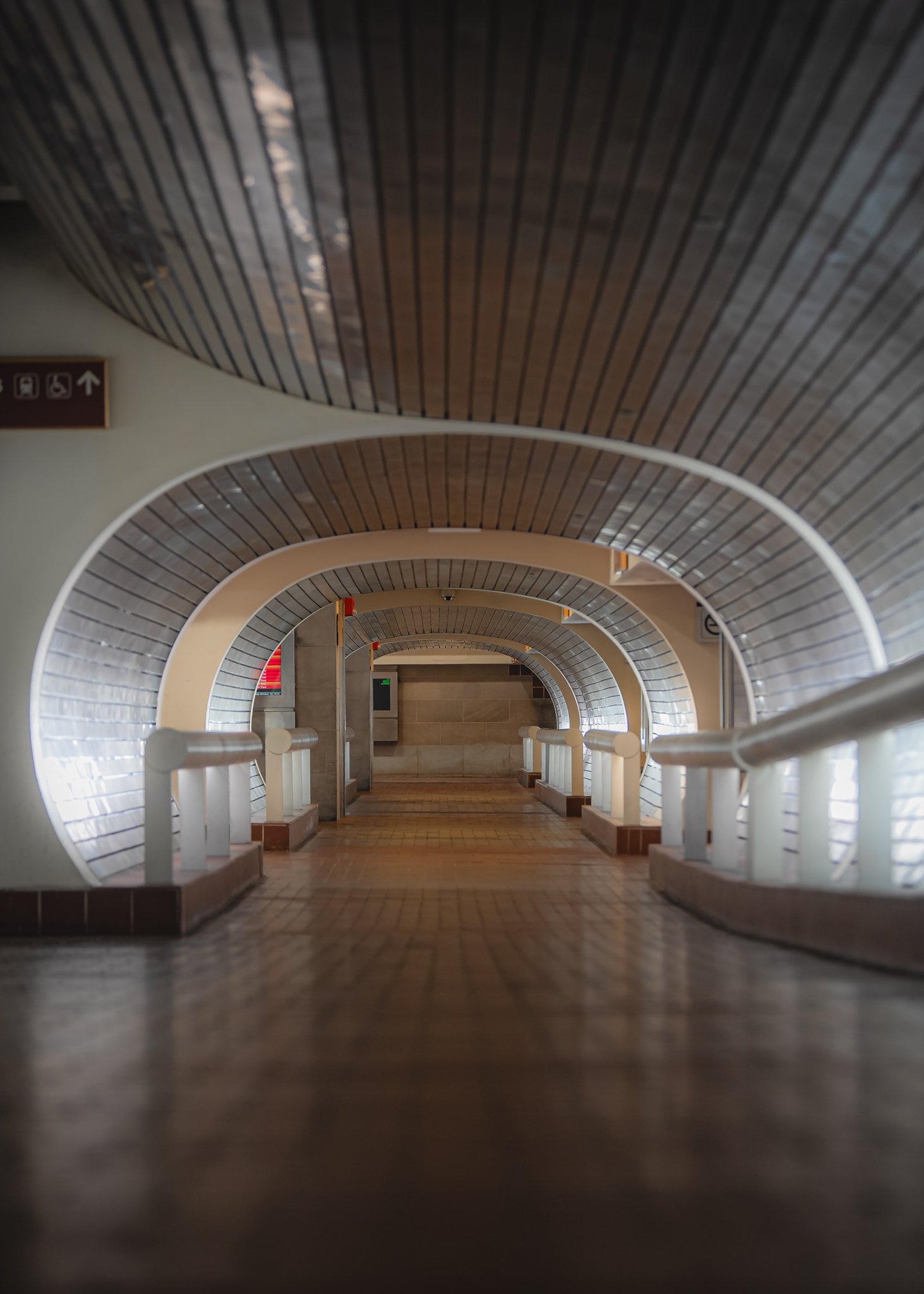
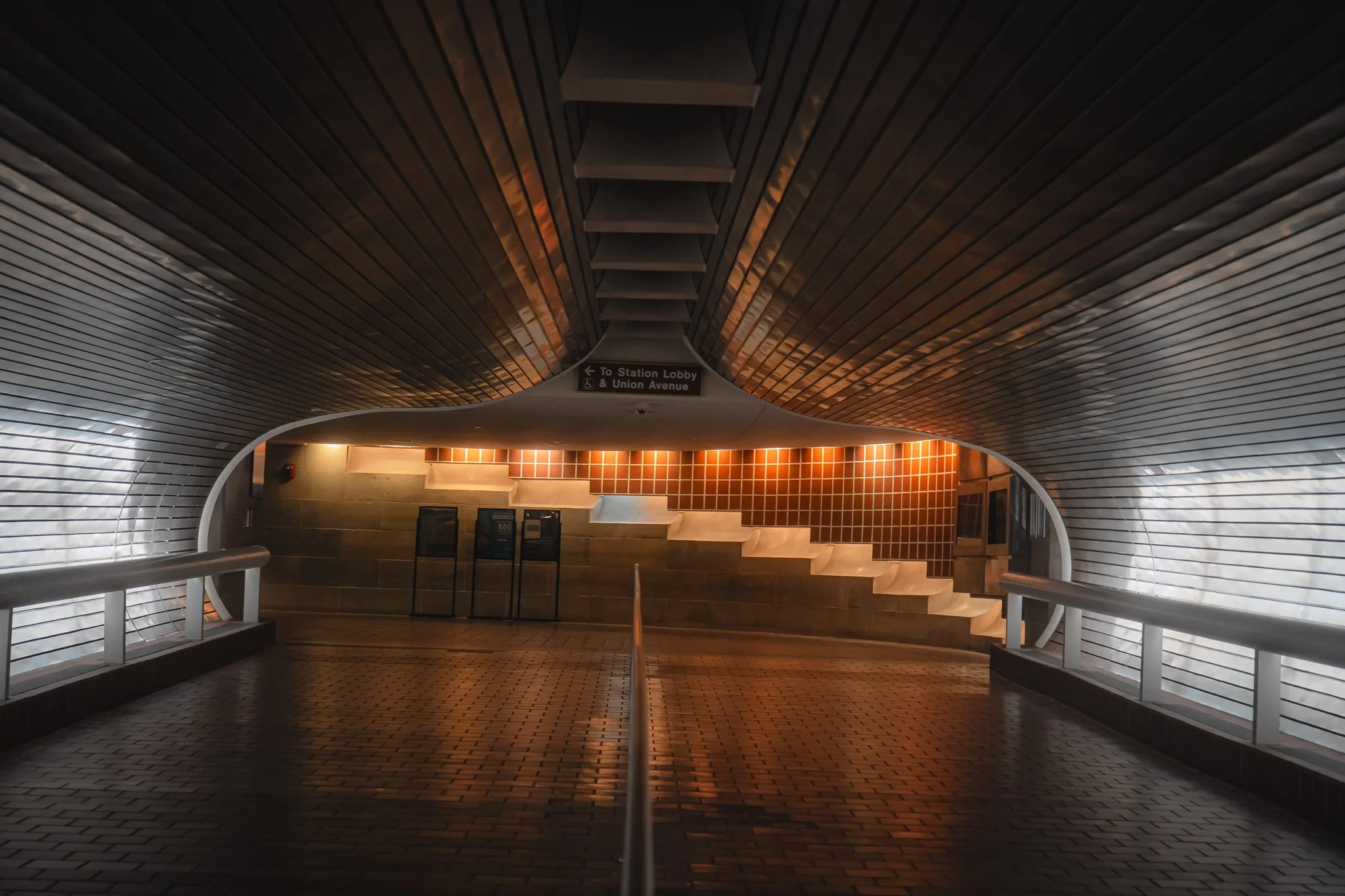
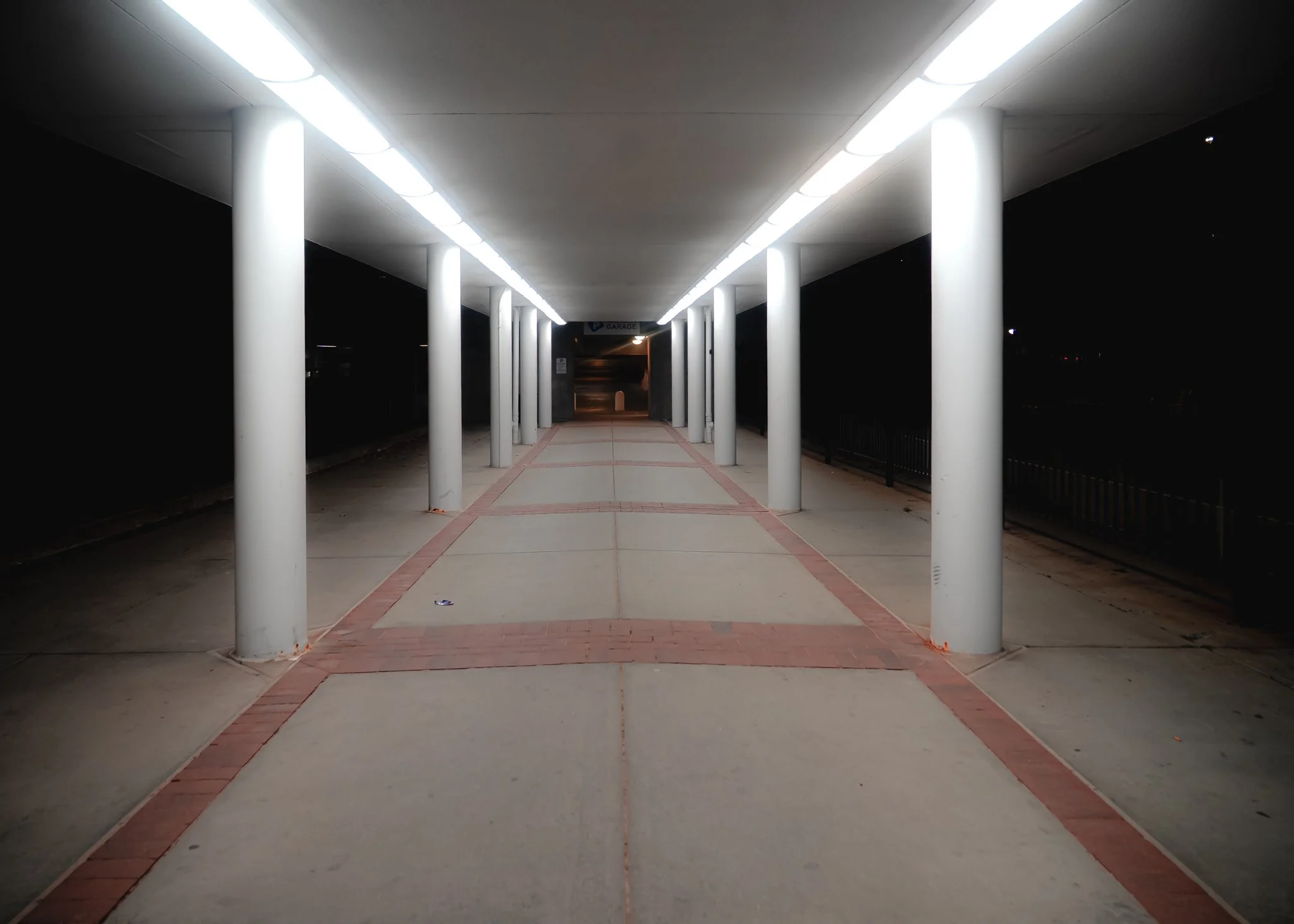
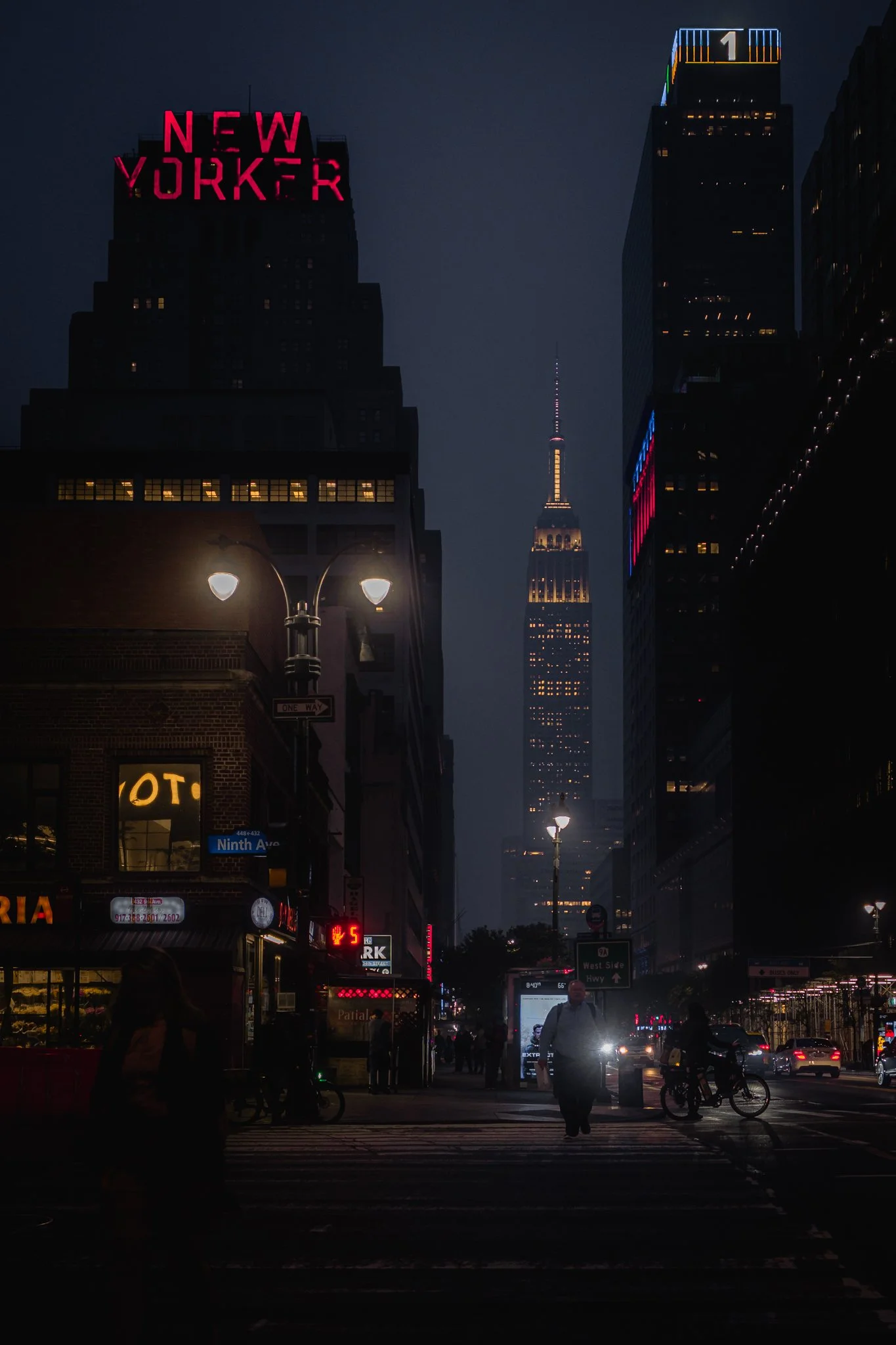
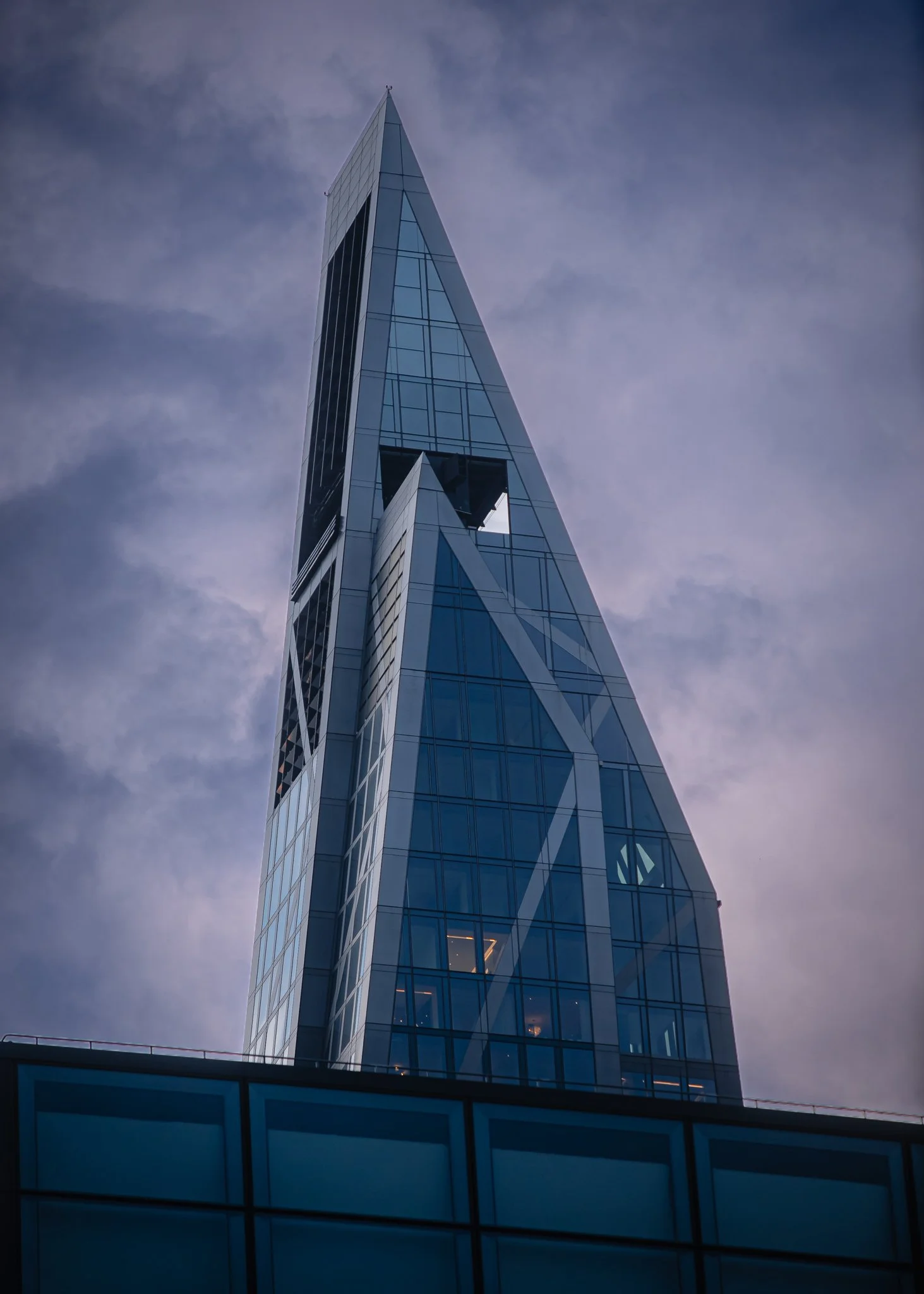
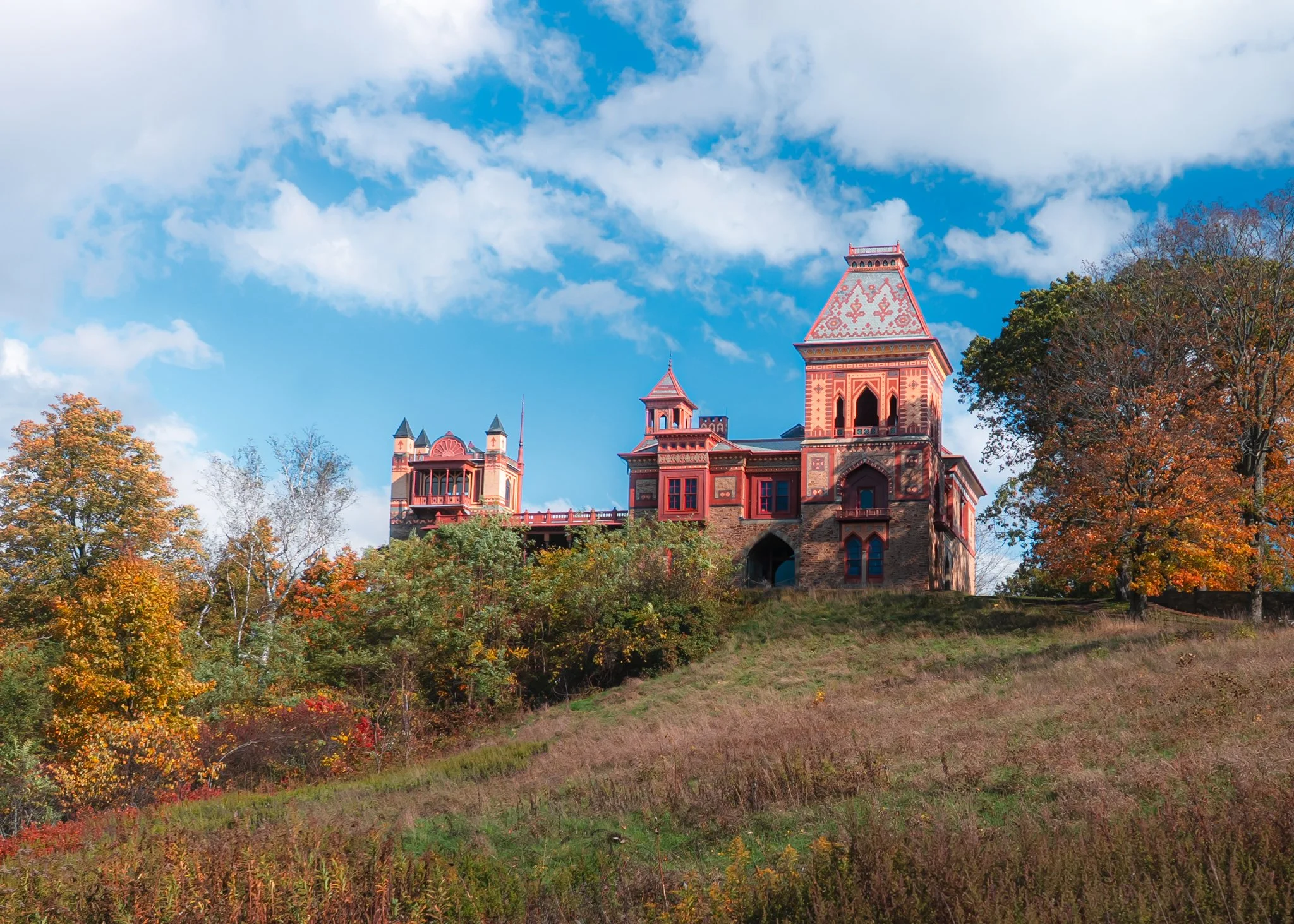
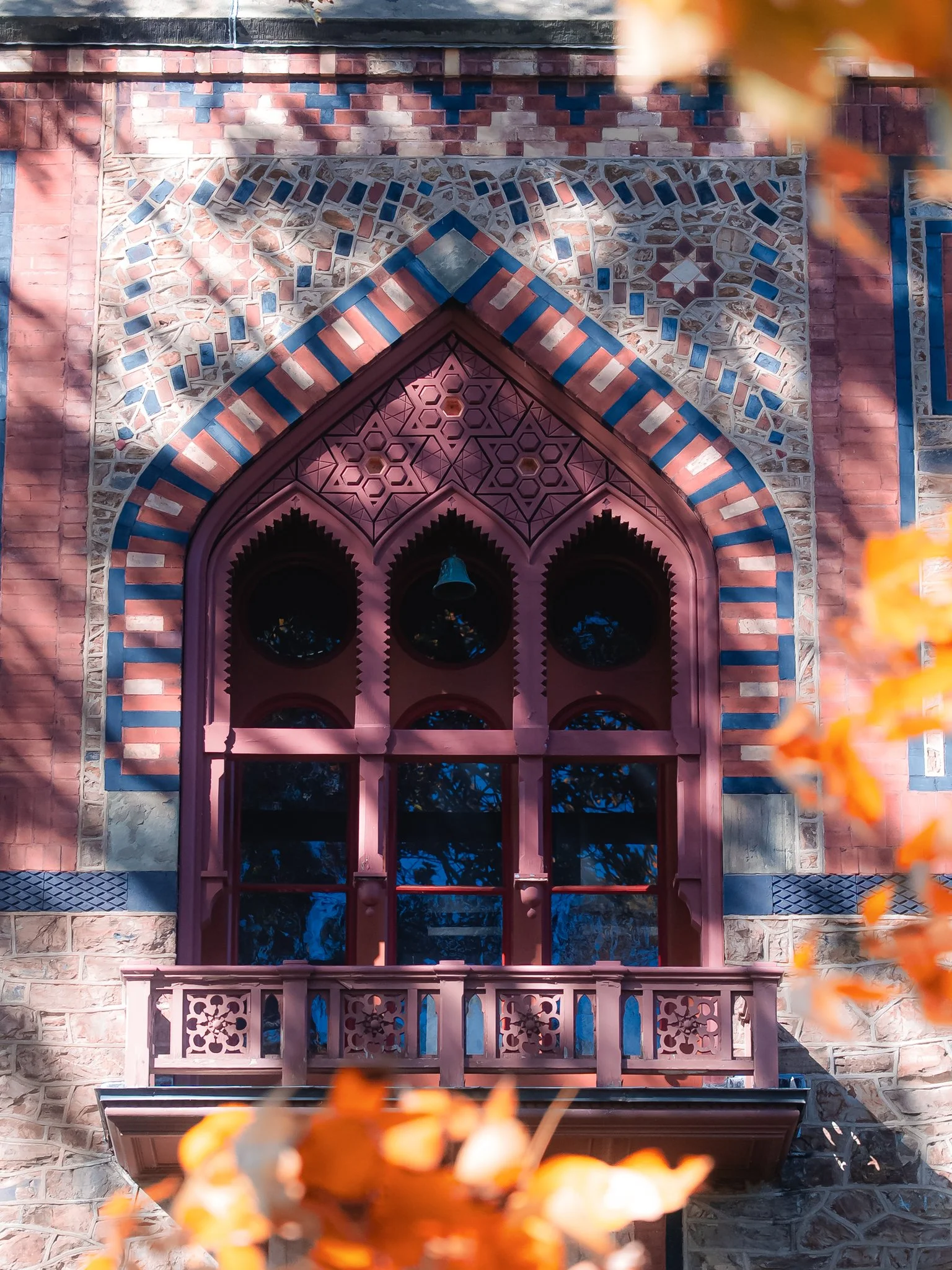
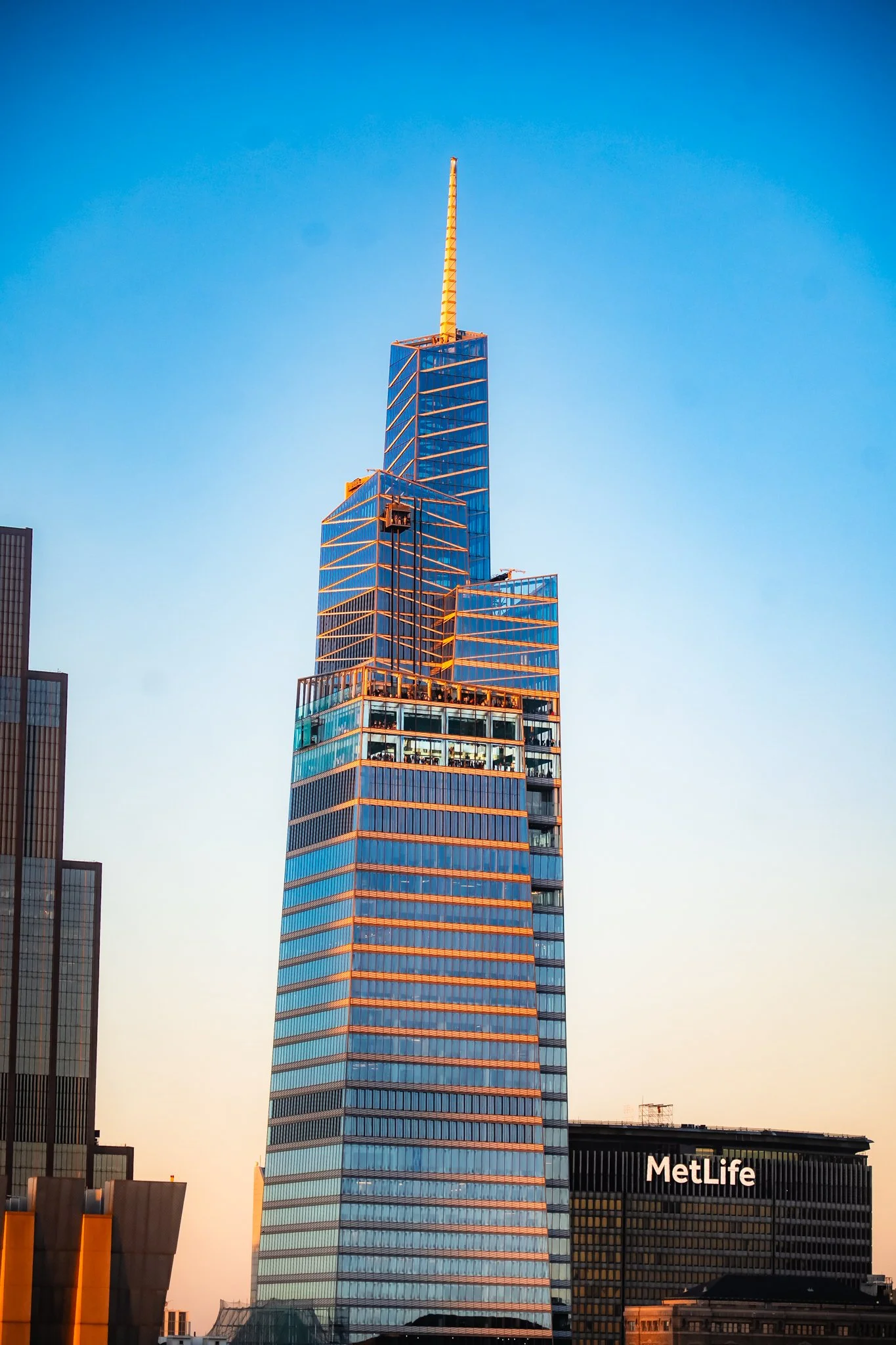
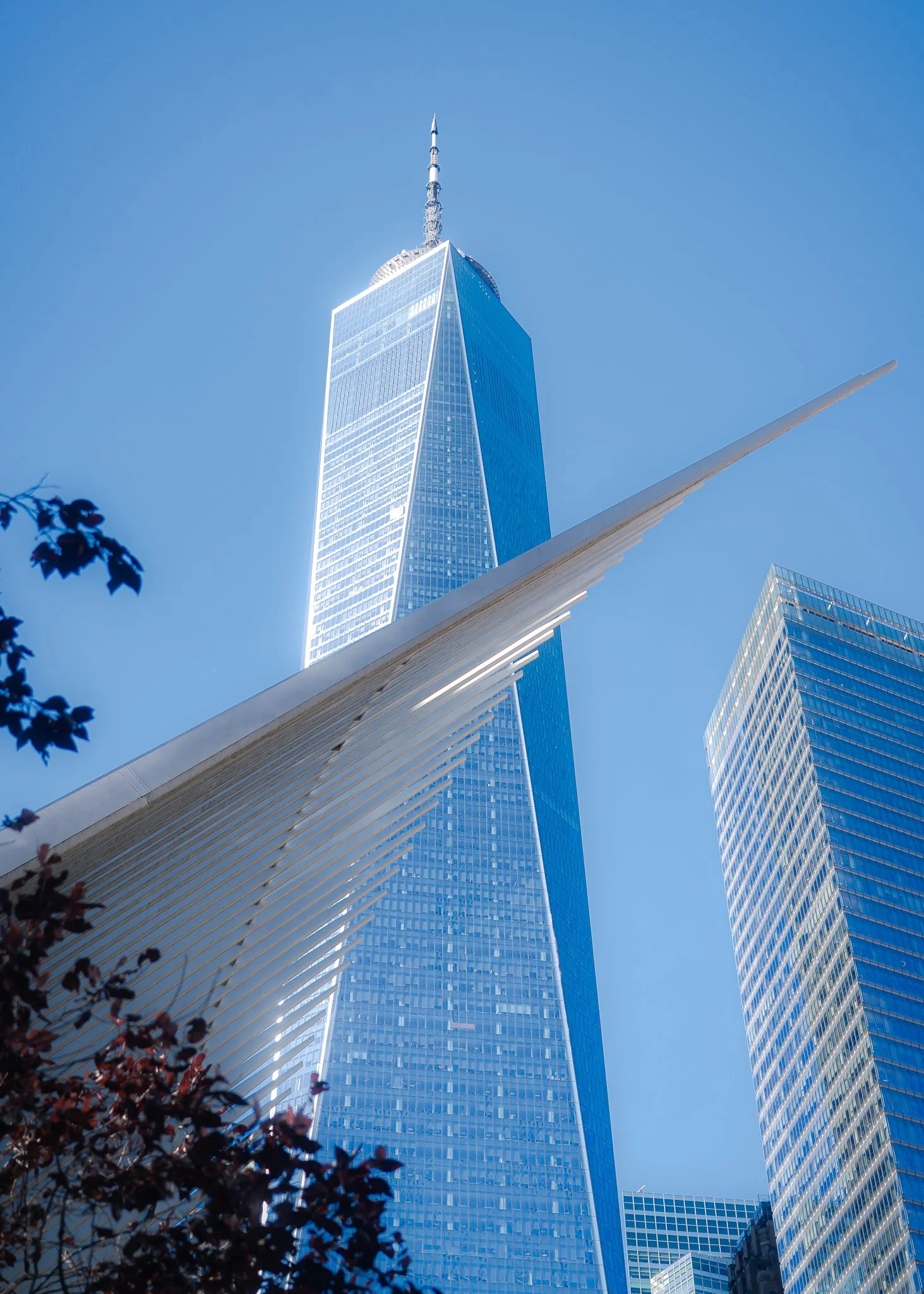
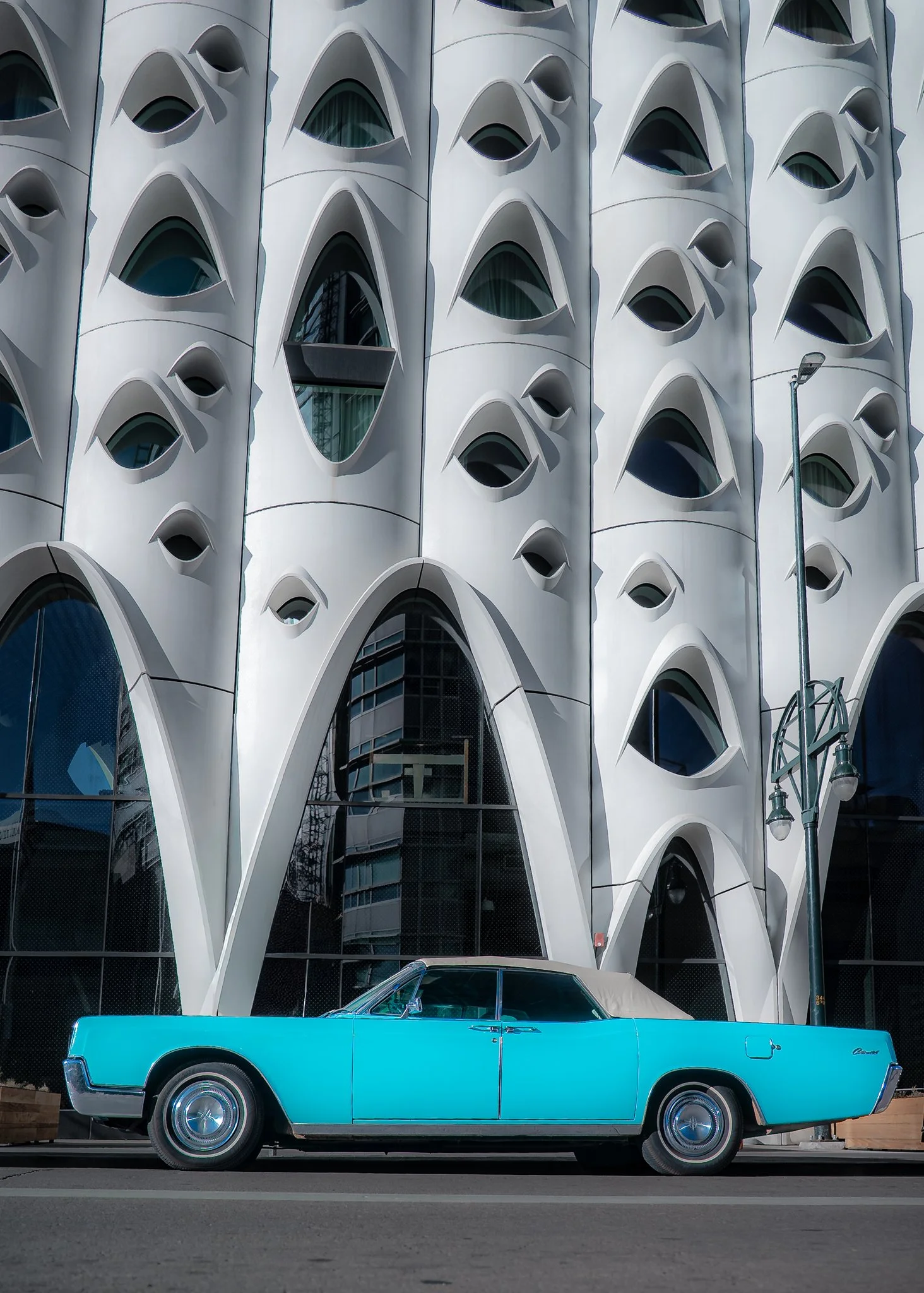
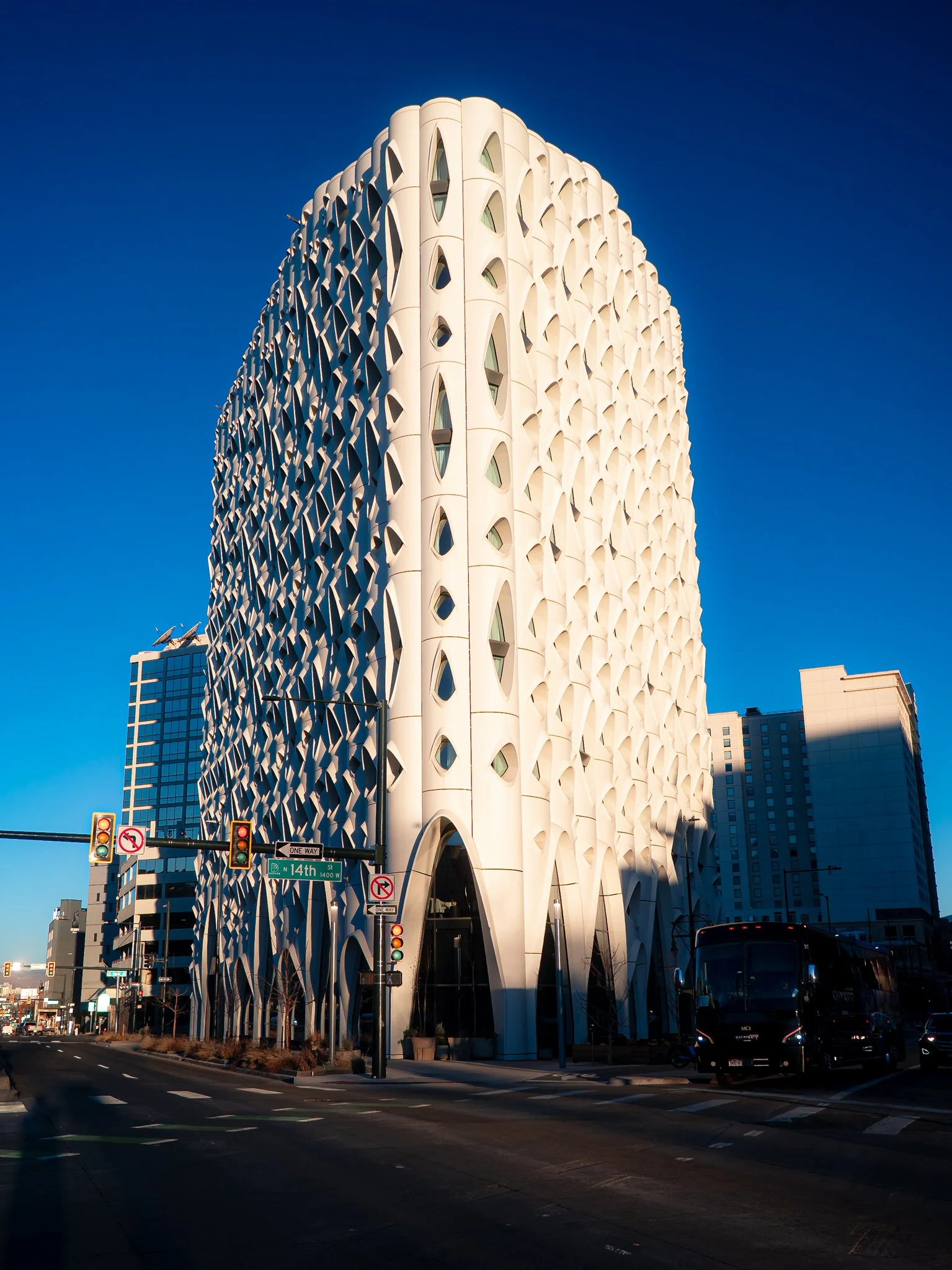
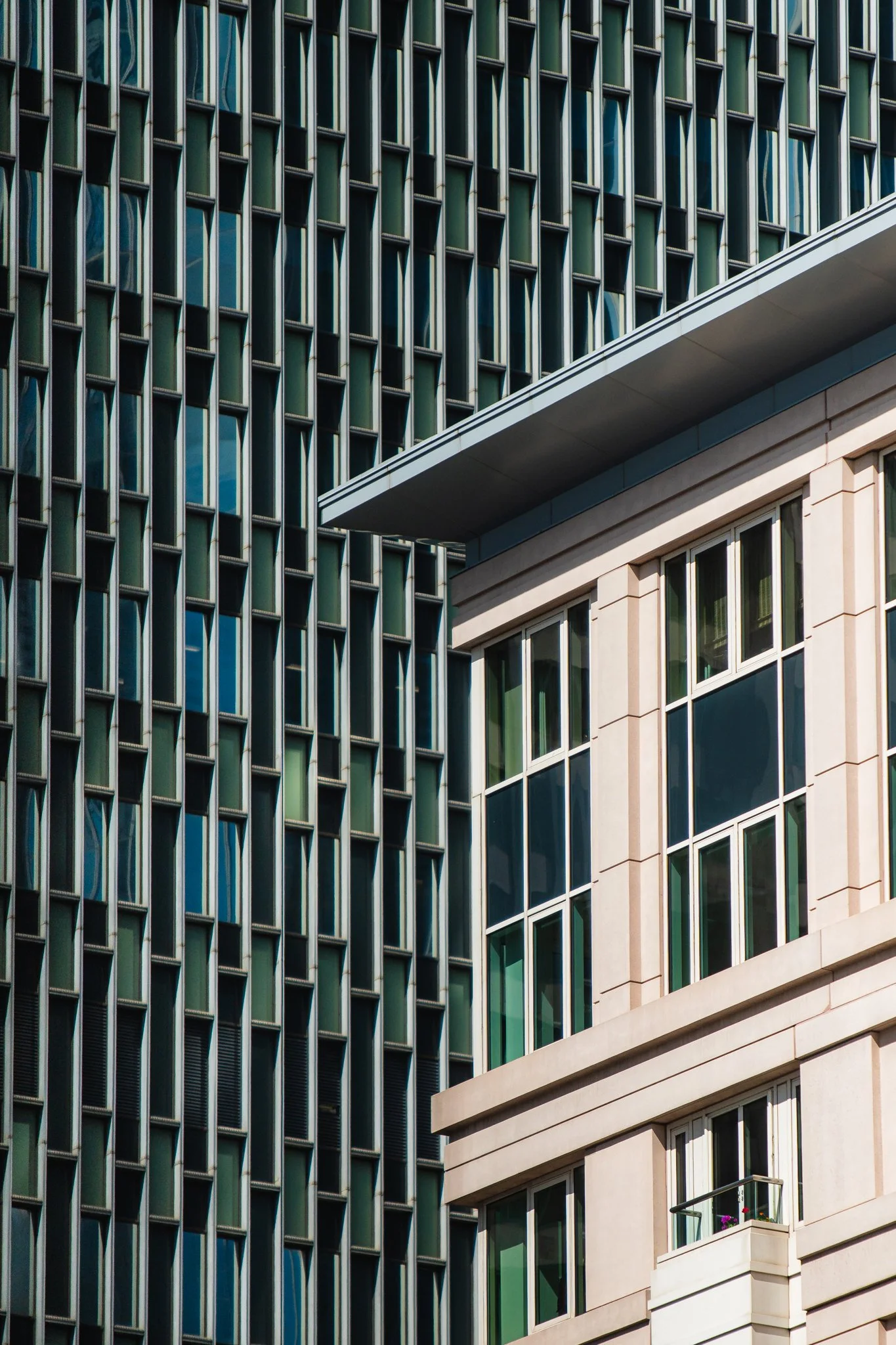
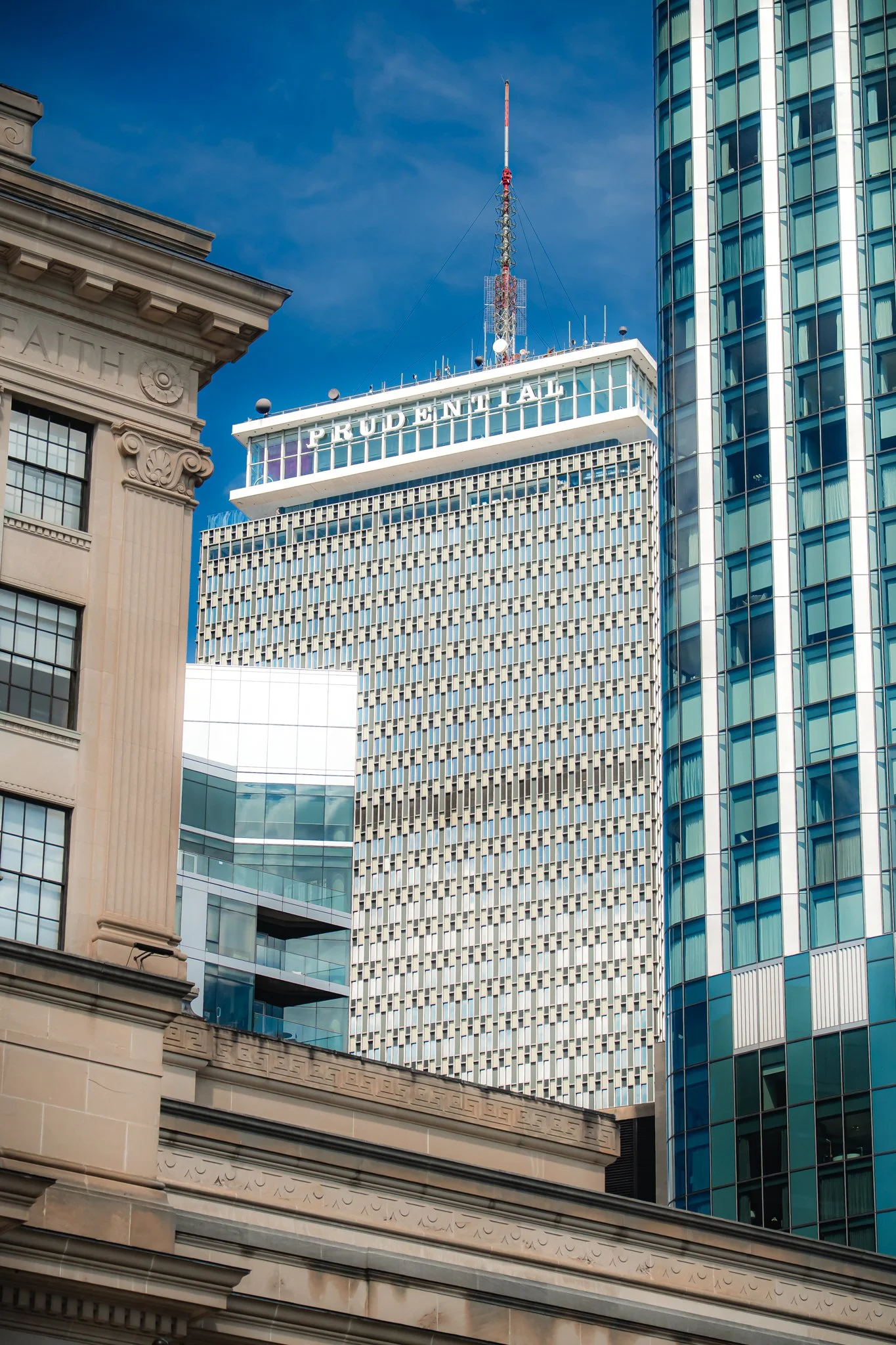
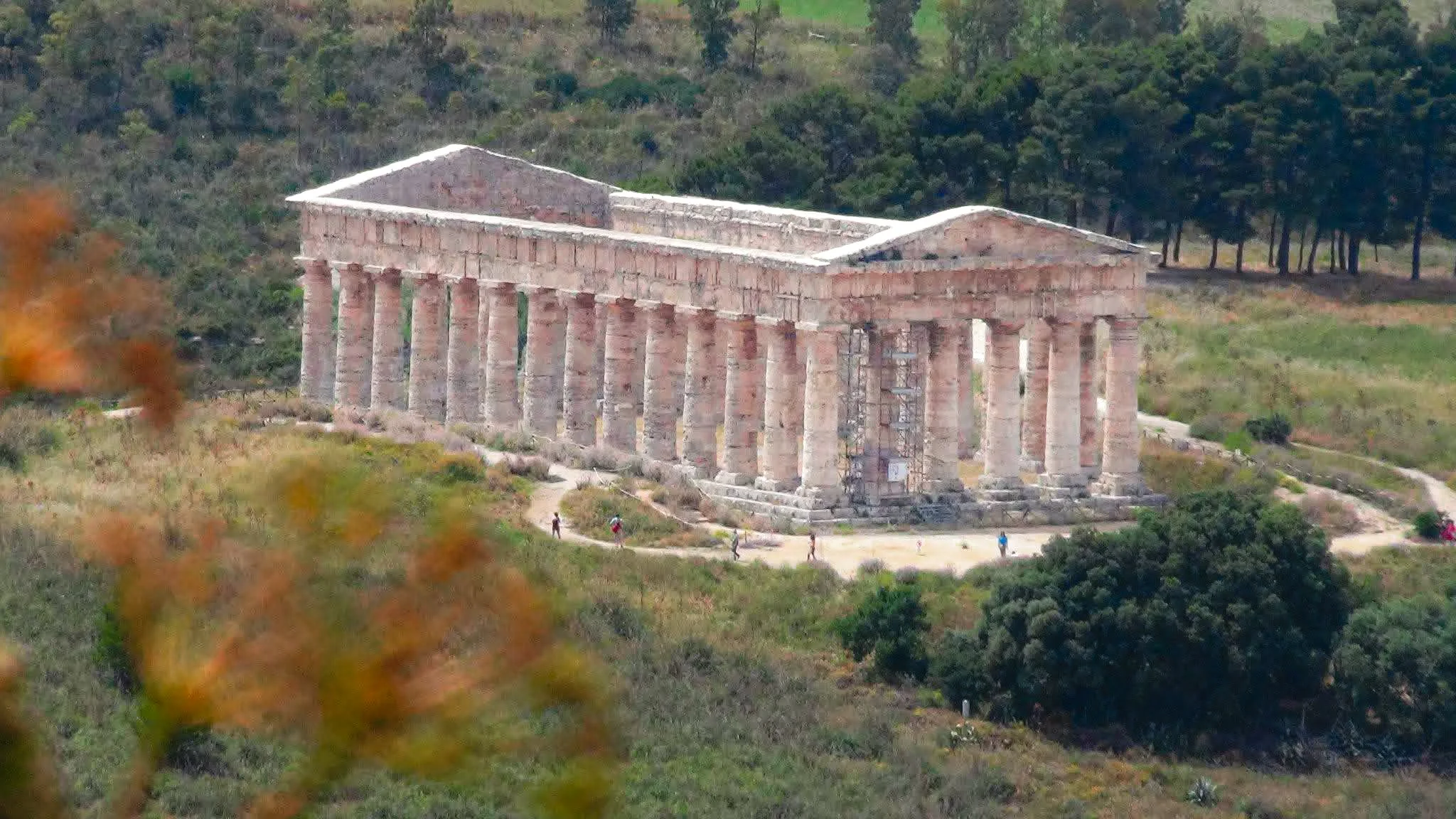
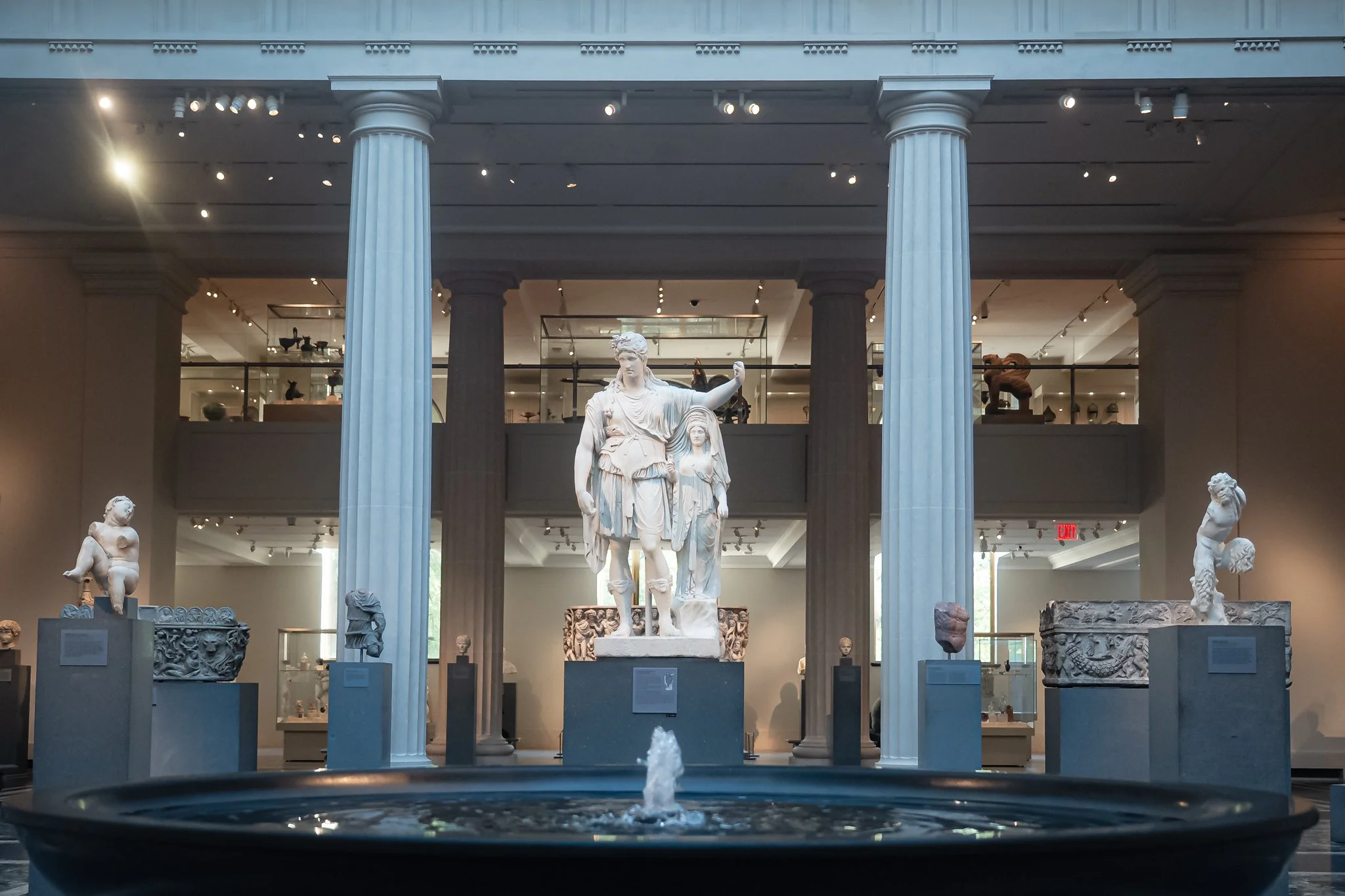
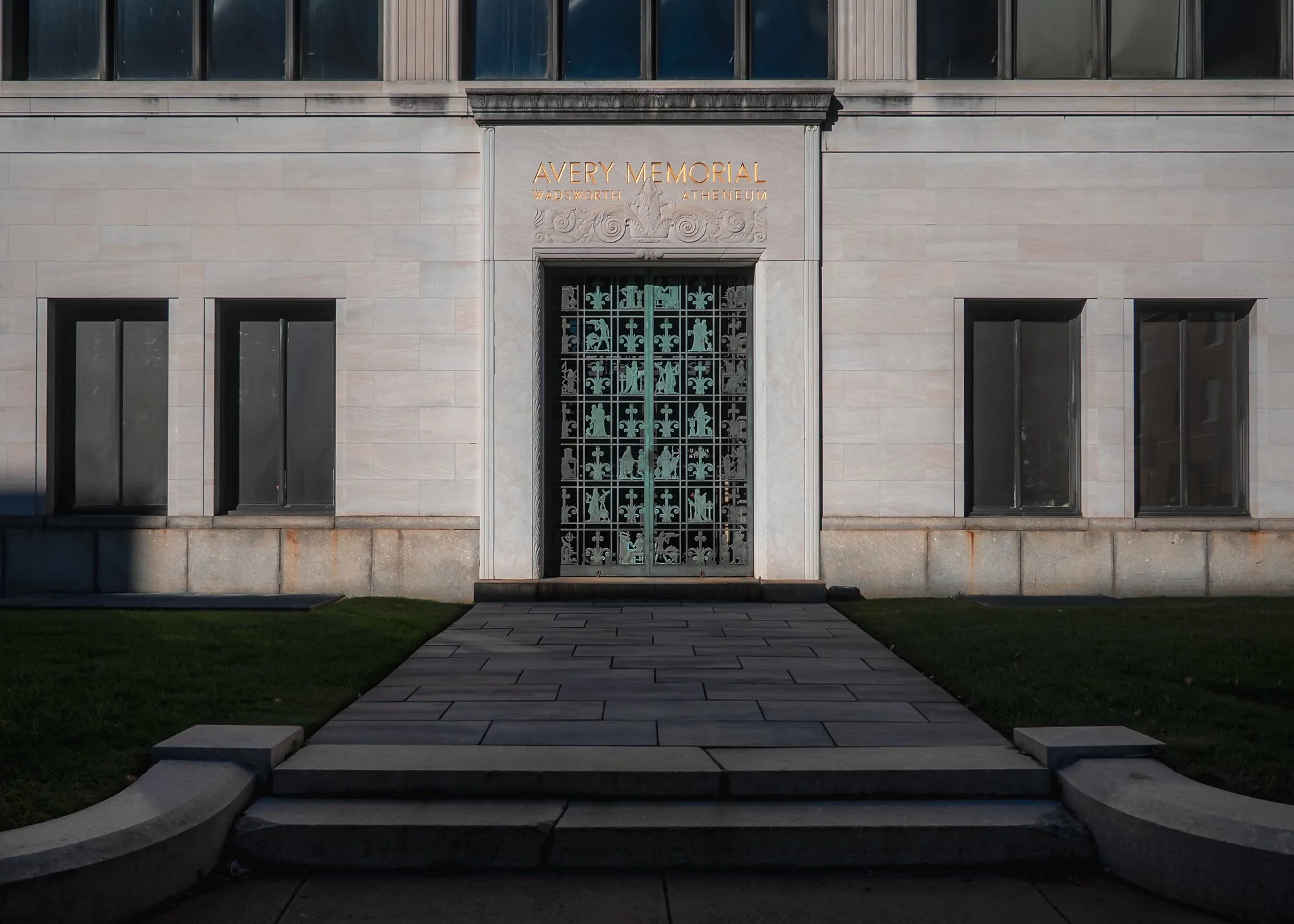
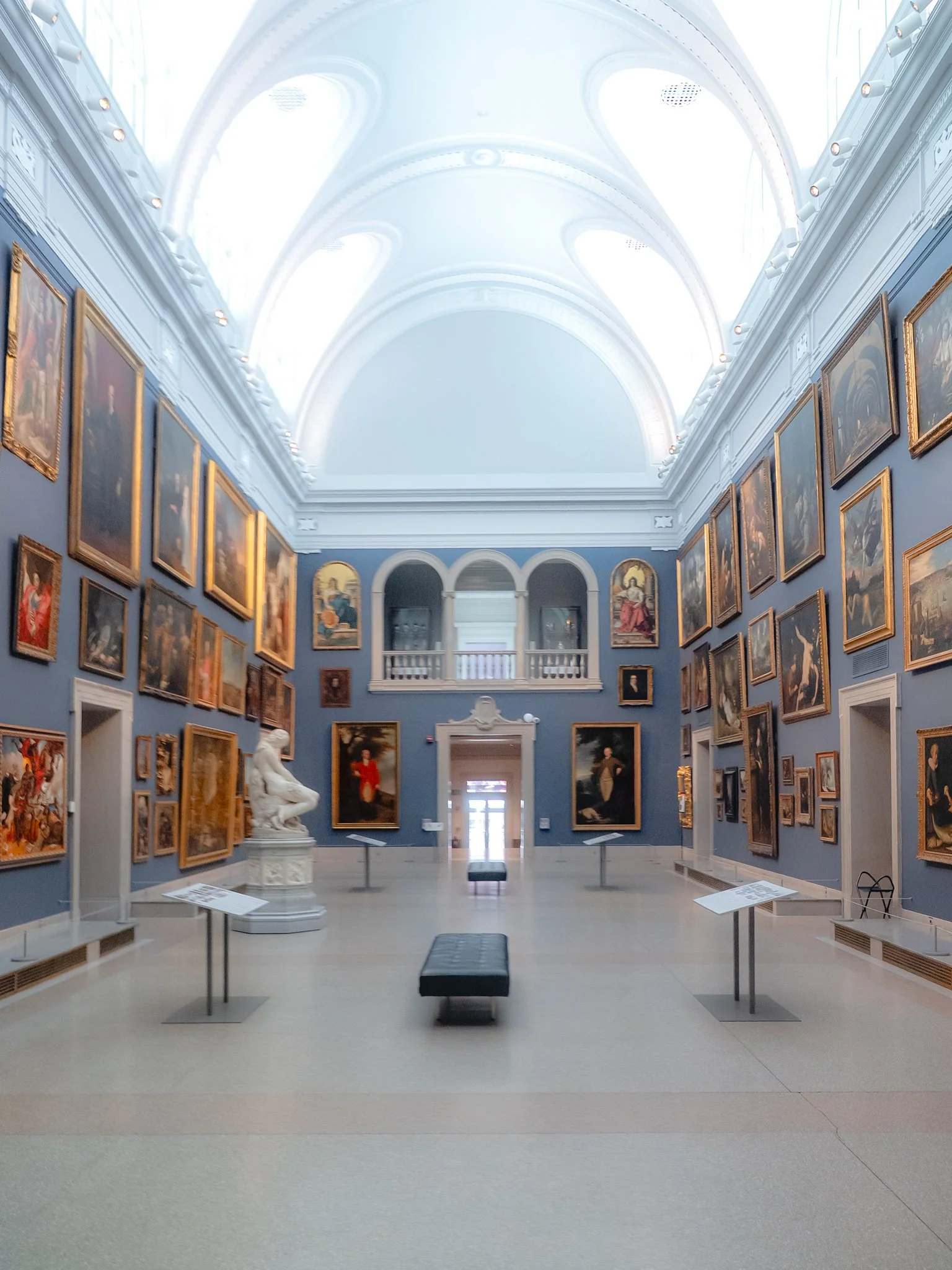
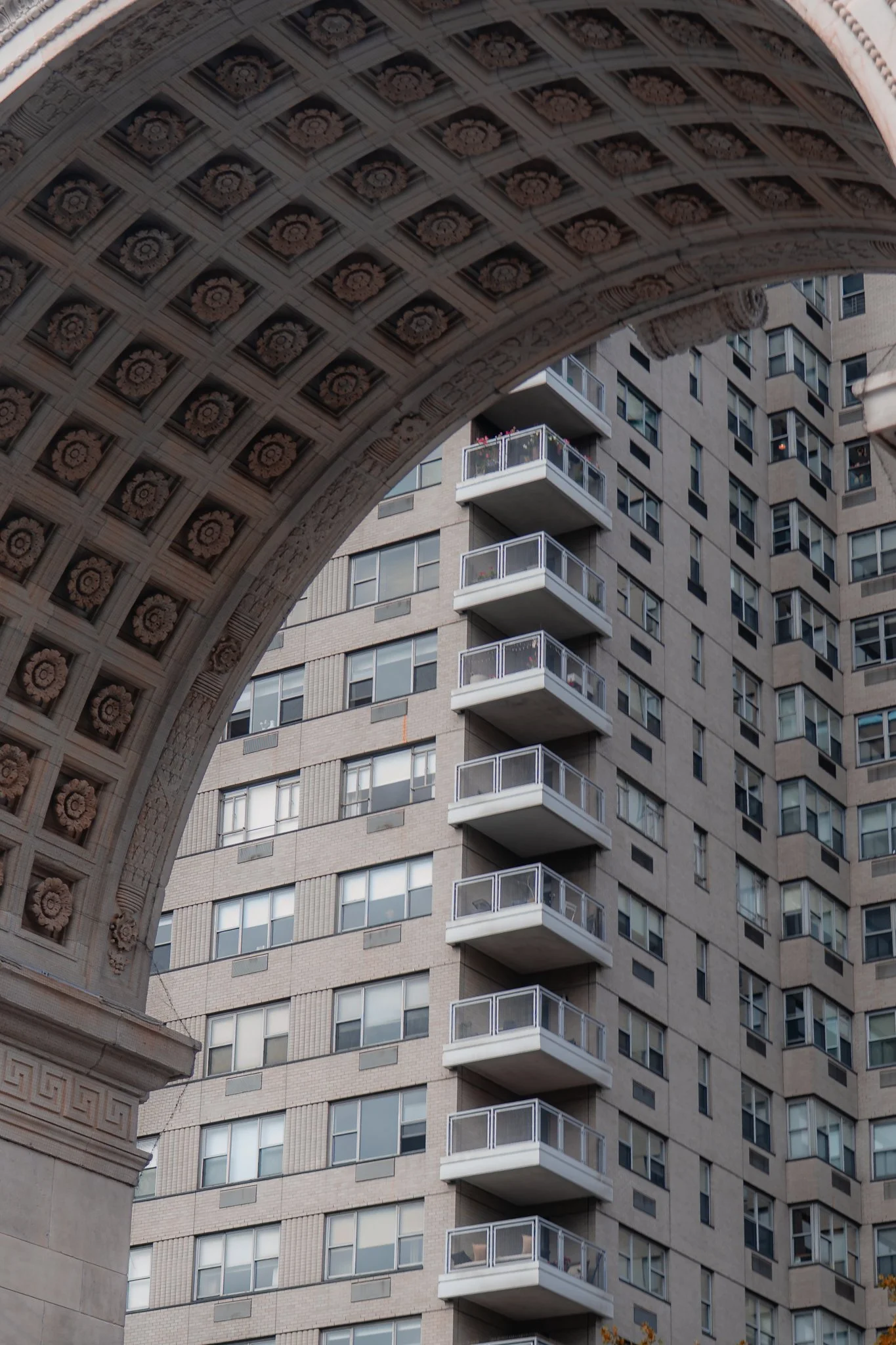
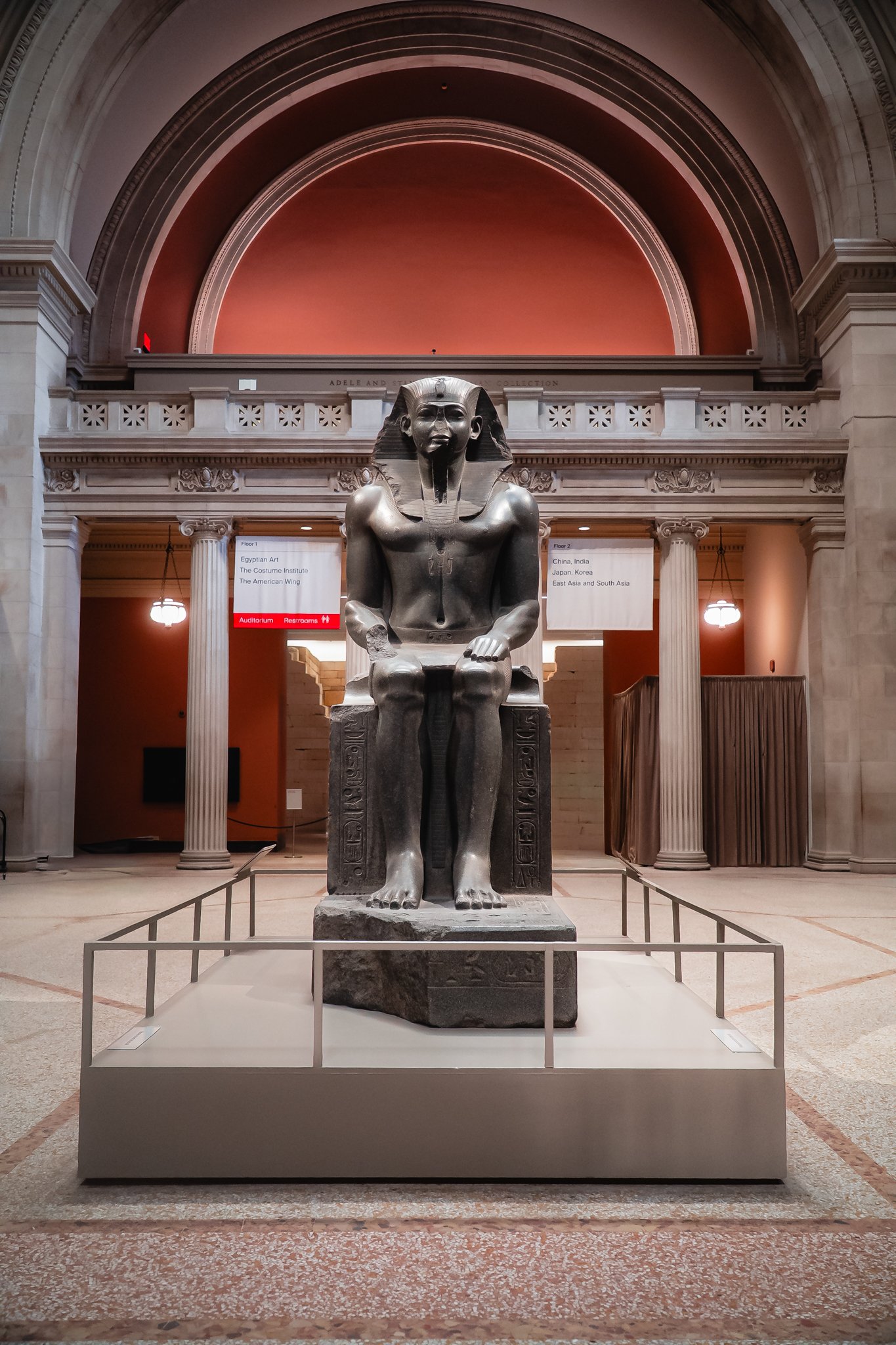
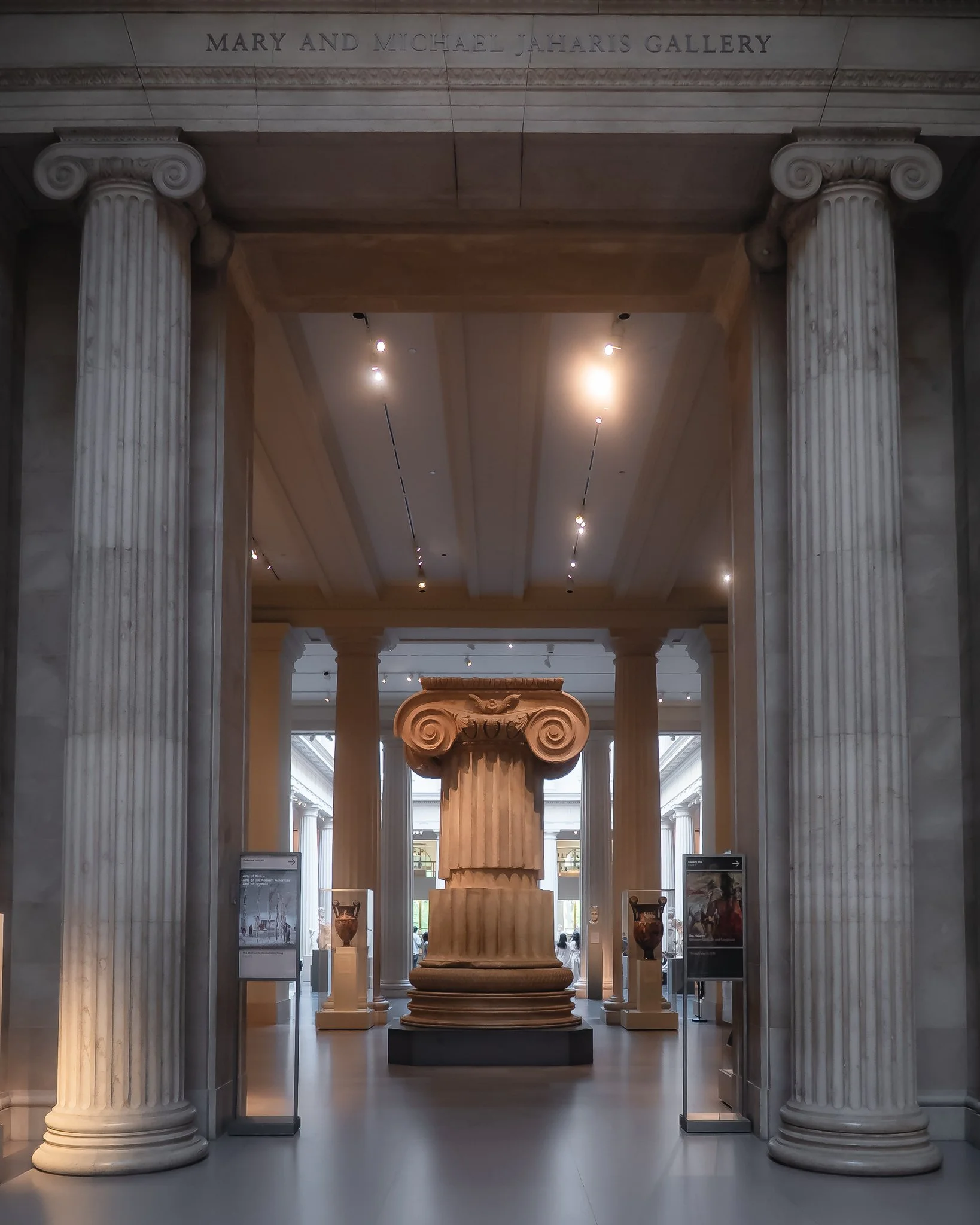
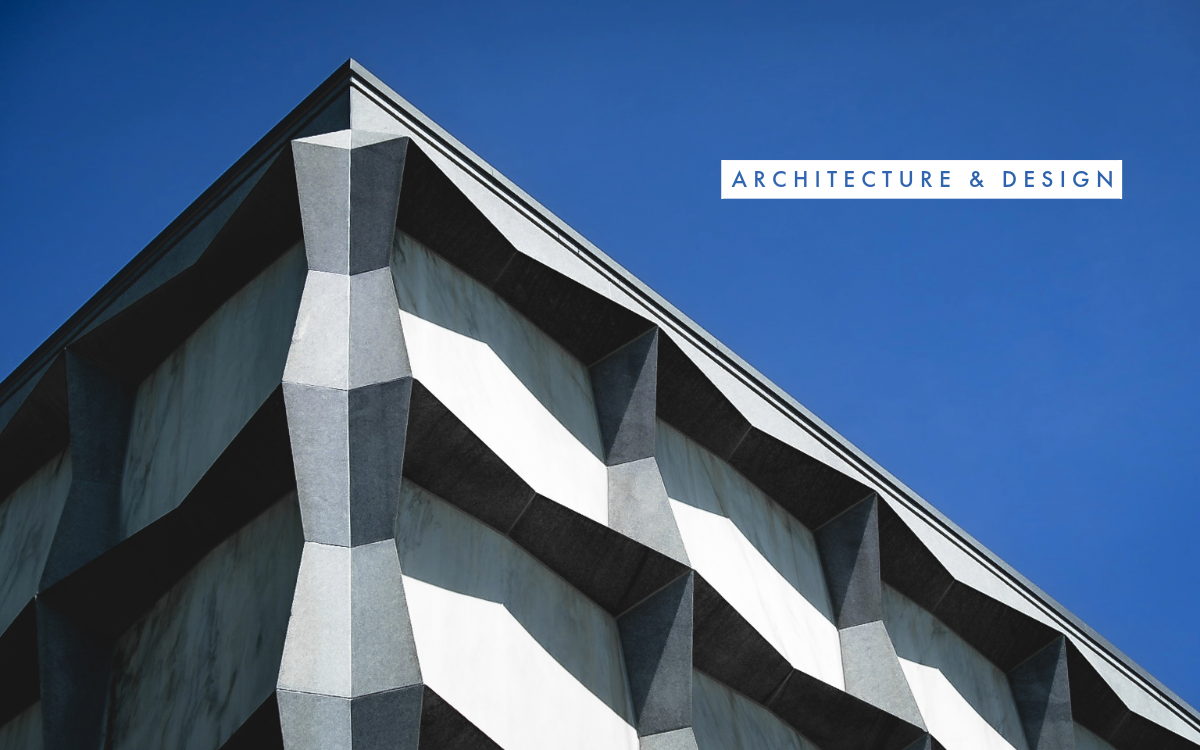
Architecture is more than the structures we build. It is an expression of who we are, what we value, and how we choose to model our vision of the world we exist in together. Our buildings, streets, and public spaces trace stories of the lives, histories, and cultural identities that shape and enliven them. I approach architectural photography as a way of exploring these relationships, paying attention to the interplay of form and function, light and shadow, geometry and texture, and the ways that designed spaces shape our experience of the world.
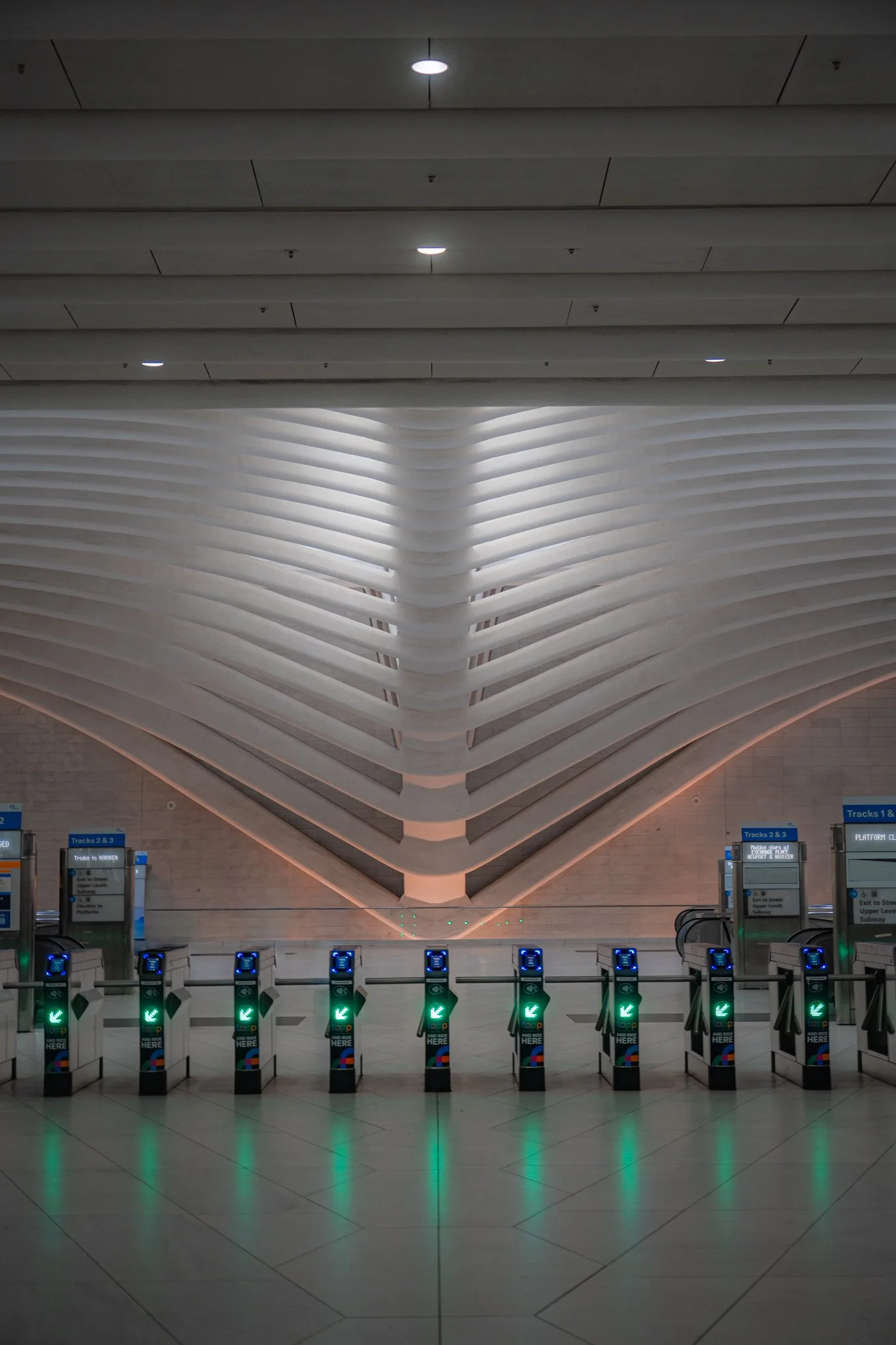
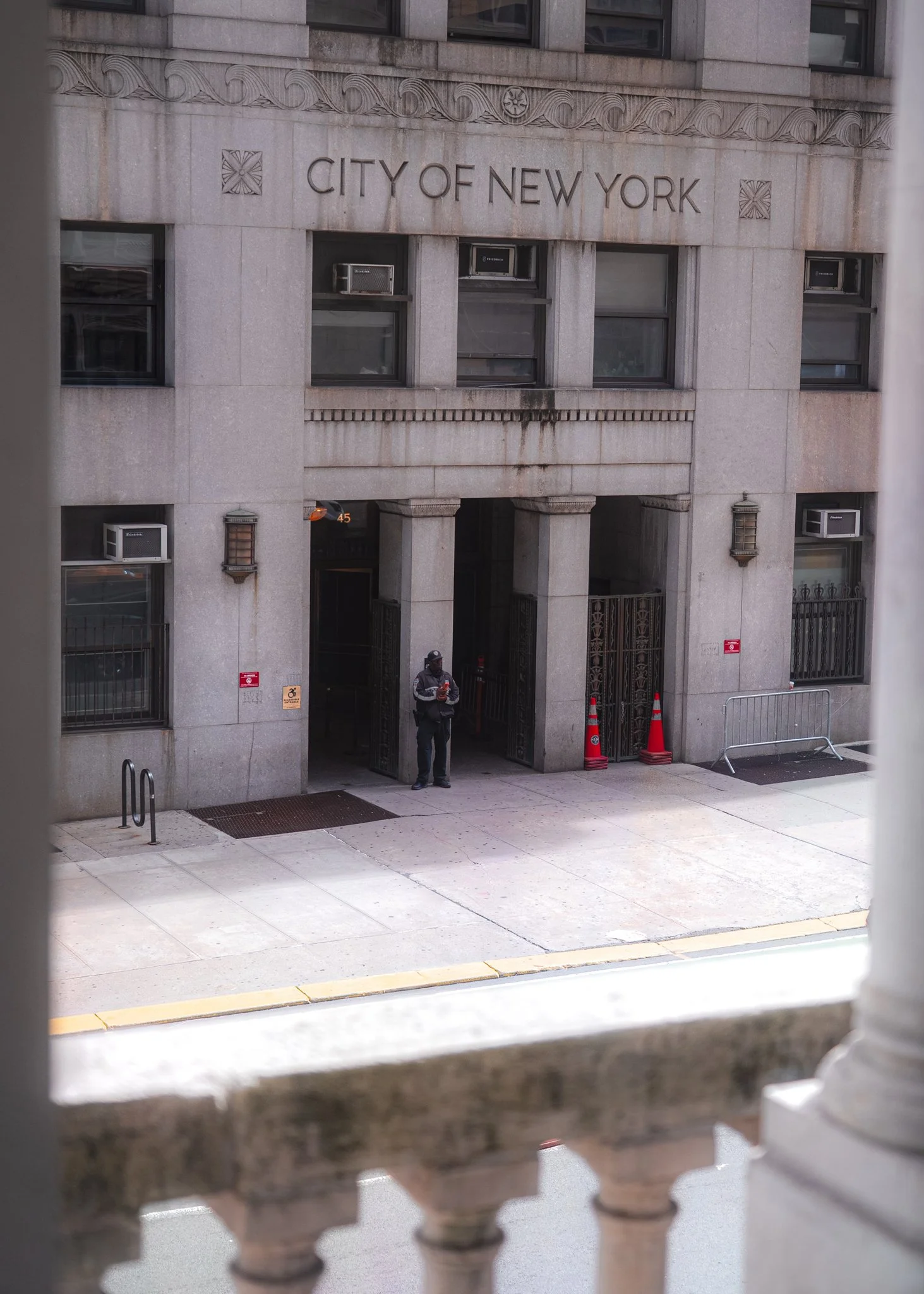
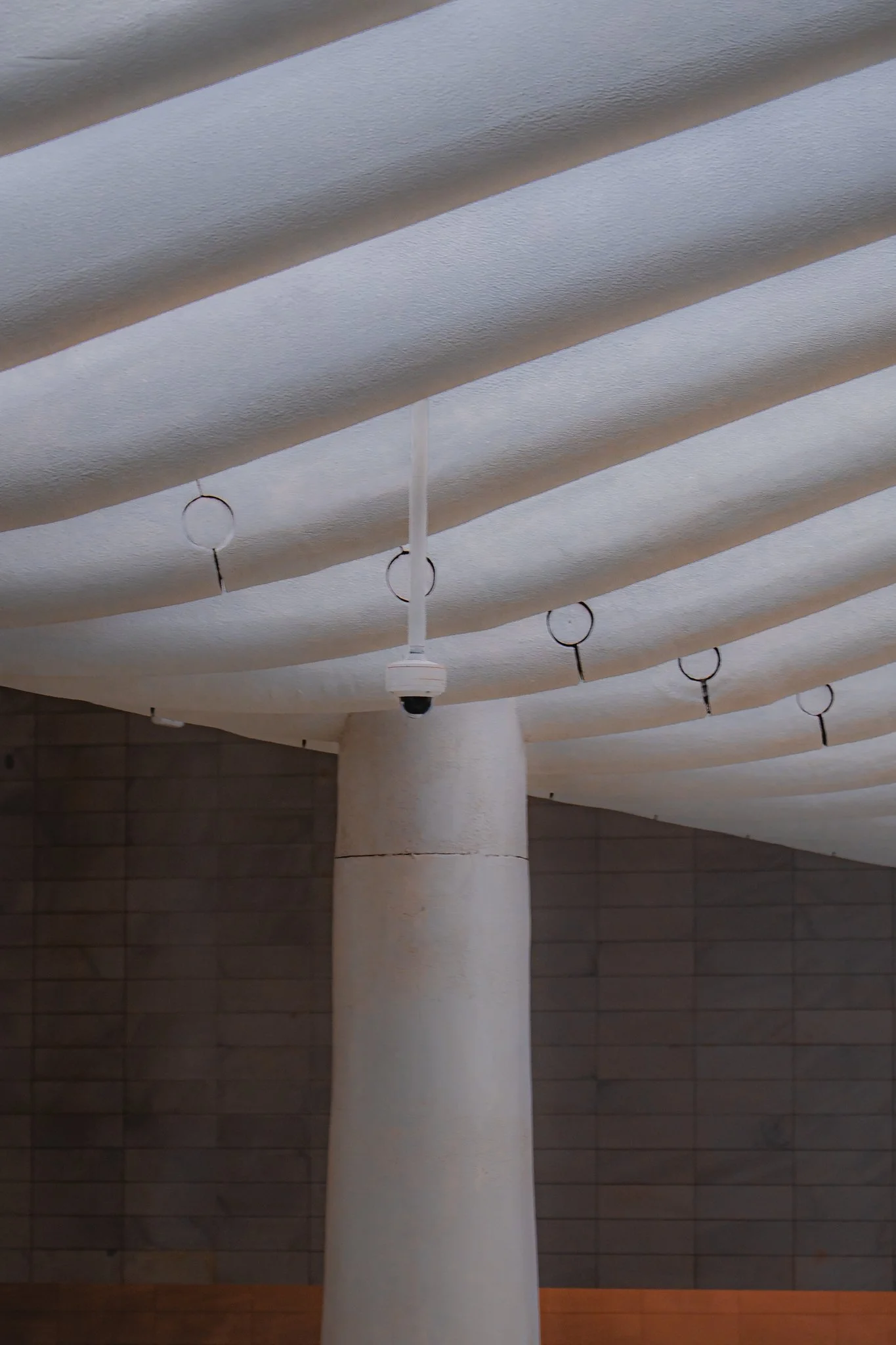
I am also interested in the ways architecture intersects with systems of power, particularly through the carceral imagination, surveillance technologies, and the design of spaces that regulate movement, visibility, and access. From the organization of physical environments to the increasingly invisible infrastructures that monitor and mediate our lives, architecture can function as both a framework for collective life and a mechanism of control. My photographic practice approaches these spaces with a critical attentiveness, considering how design influences who is watched, who is protected, who is restricted, and who is made to feel they belong. What might otherwise appear neutral or purely functional can reveal deeper assumptions about security, freedom, and the persons for whom these spaces are designed.
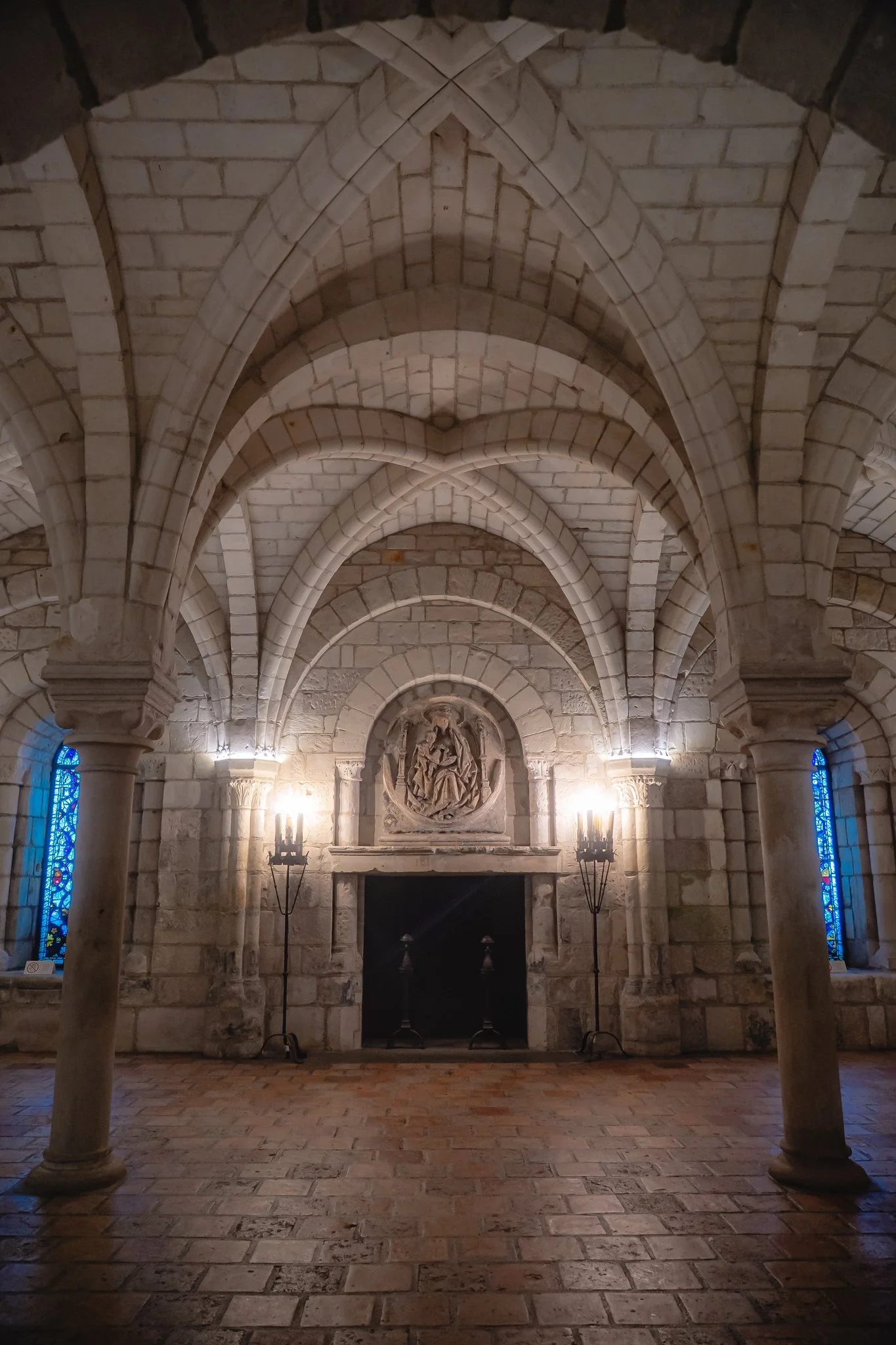
As a philosopher of aesthetics, through photography, I seek to look beyond the physical presence of a structure to consider what it reveals, what it conceals, and whose stories it carries. The lines of a façade, the texture of a material, or the movement of light across a space can reveal something about the intentions, values, and human experiences embedded within it. Each perspective becomes an invitation to look closer, to reconsider the familiar, and to recognize the built environment as something more than a collection of objects, away from an understanding of something restrictive, toward a liberatory imagination that contours topographies of freedom.
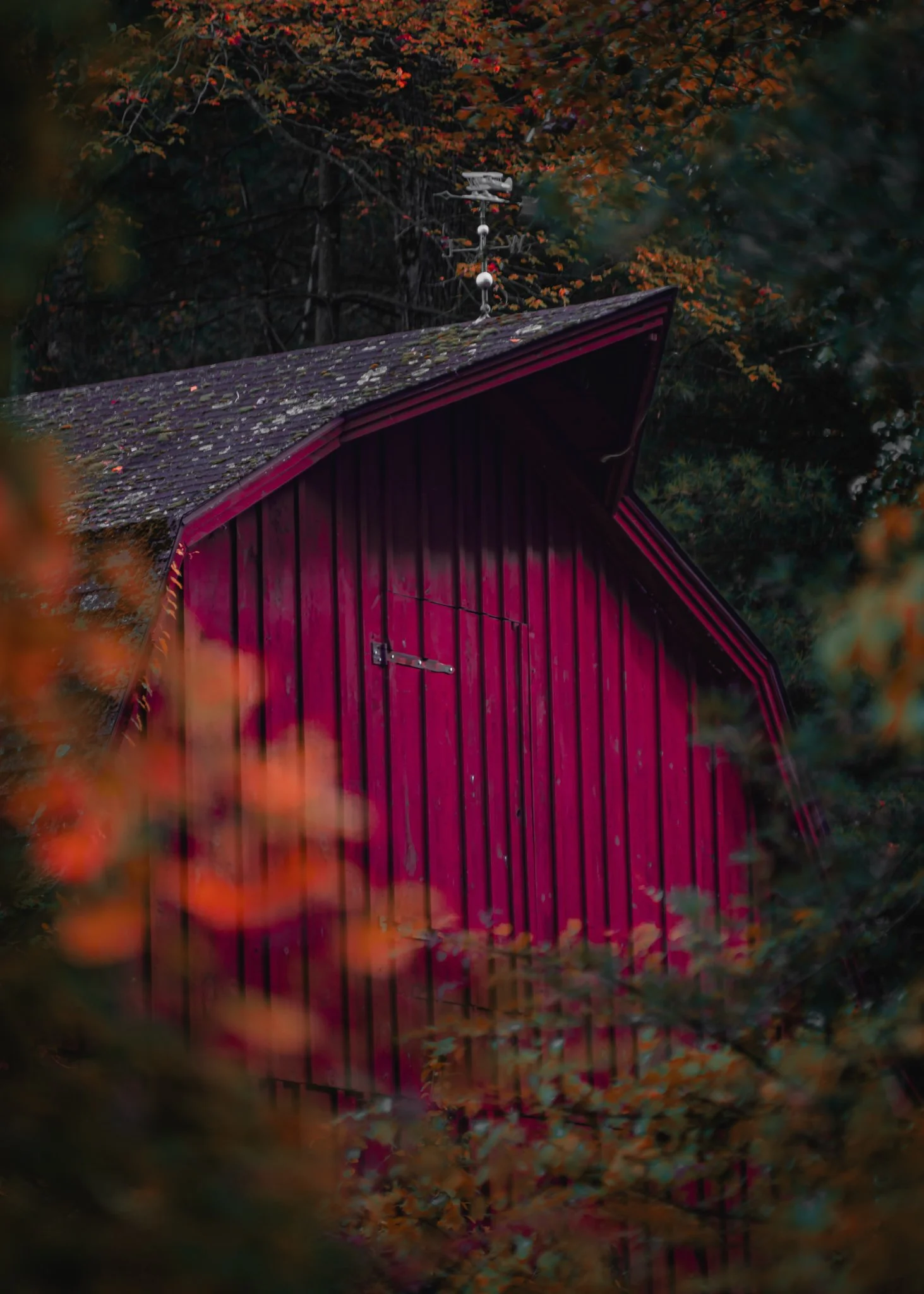
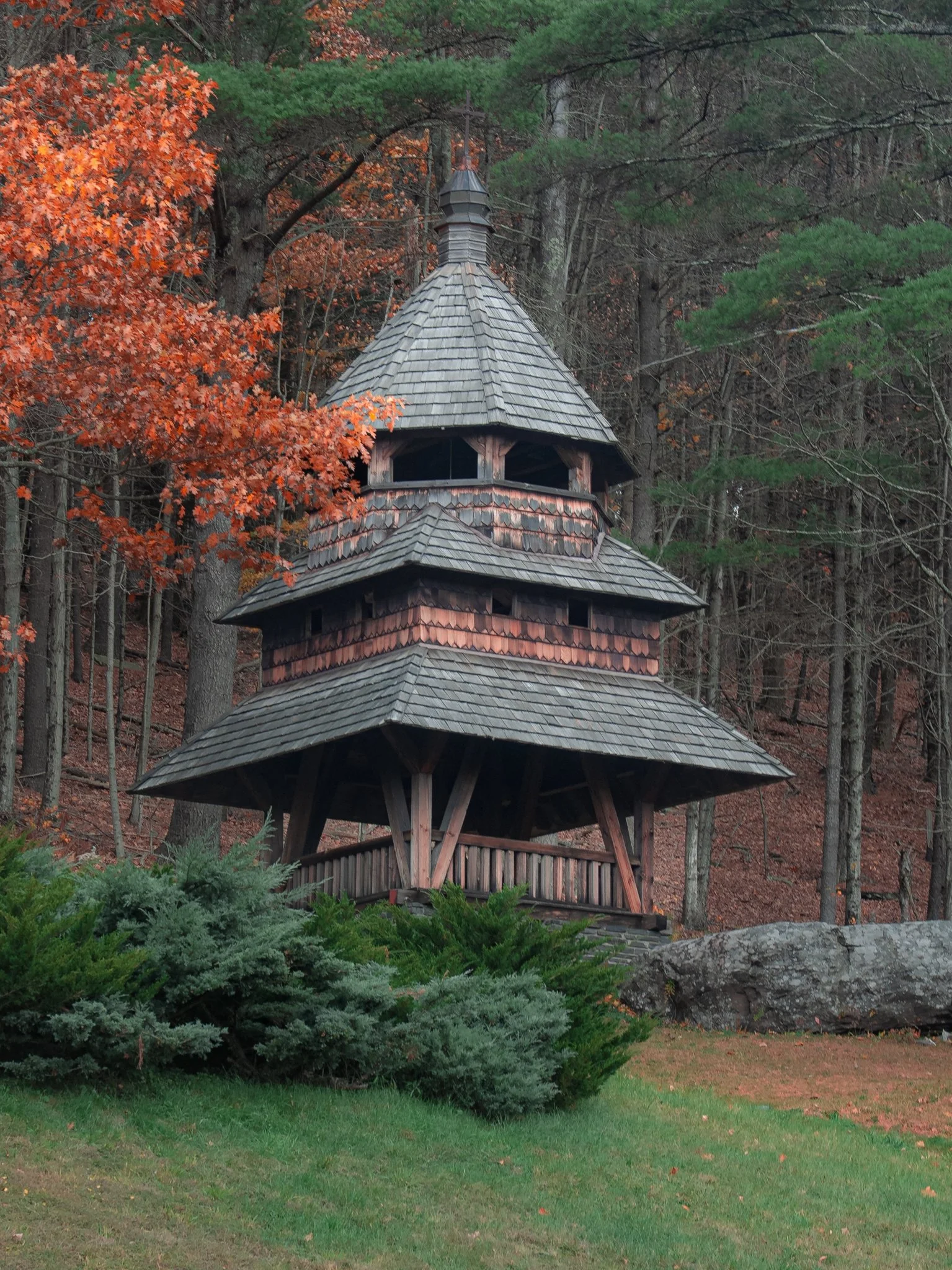
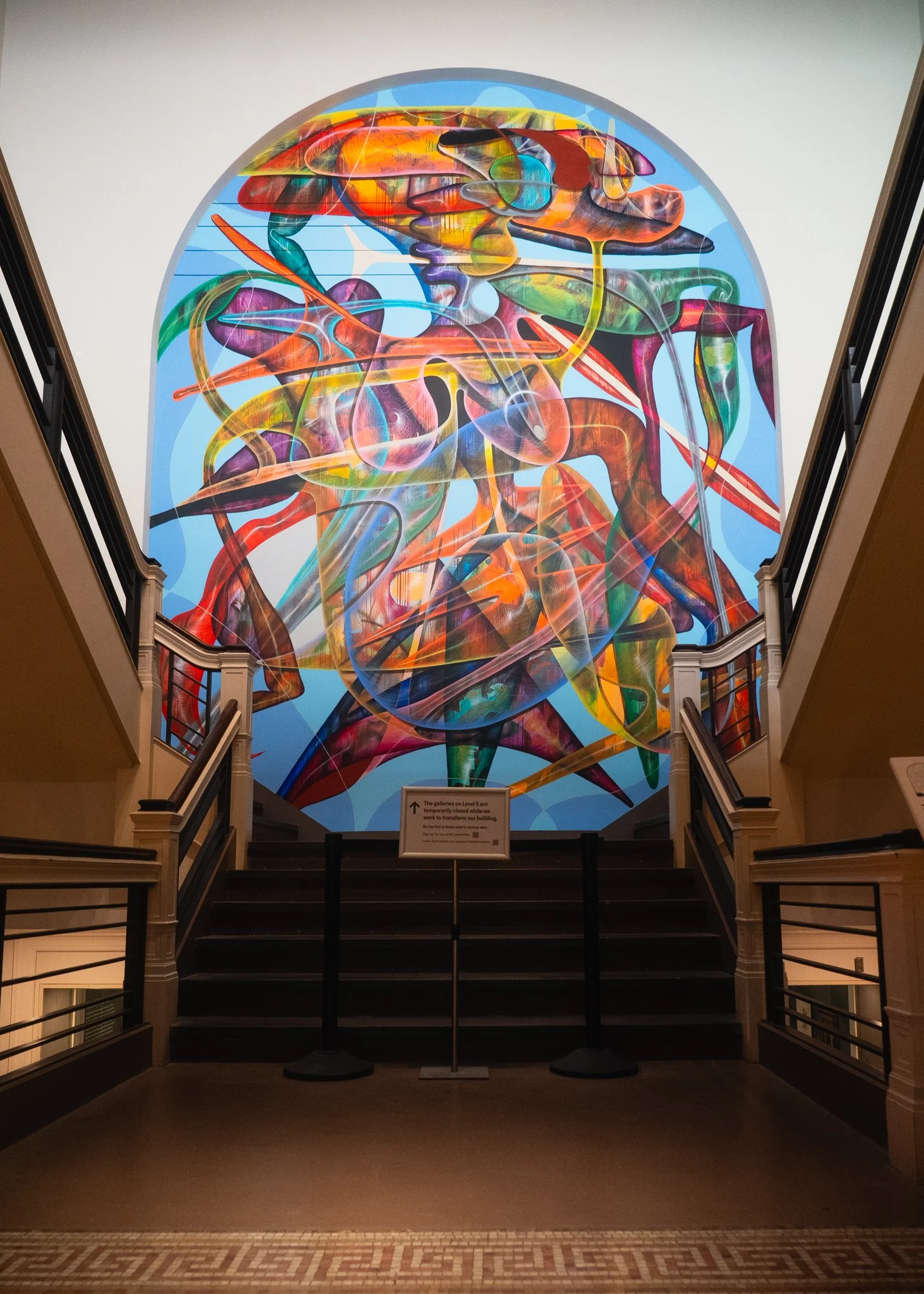
These images are an exploration of architecture as both a material expression of our collective imagination and a reflection of our place in the world. They invite a closer examination of the environments we create, the systems they sustain, and the possibilities for imagining and building spaces that reflect more equitable ways of living together.