Hudson River School
Regarded as the first distinct school of artists to emerge in the US, the Hudson River School played a pivotal role in cultivating the national identity of the then nascent political experiment tied to the land in the western hemisphere.
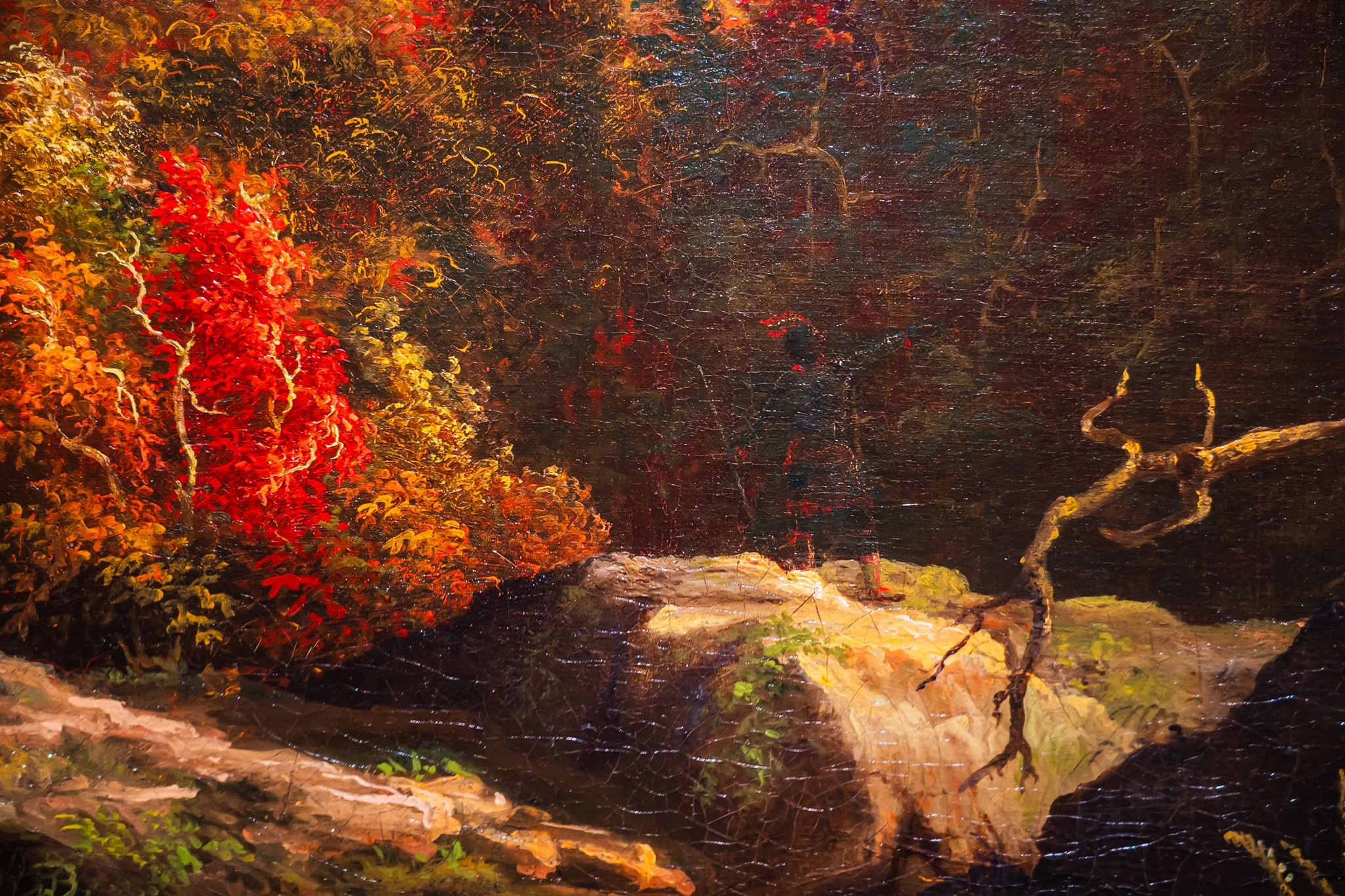
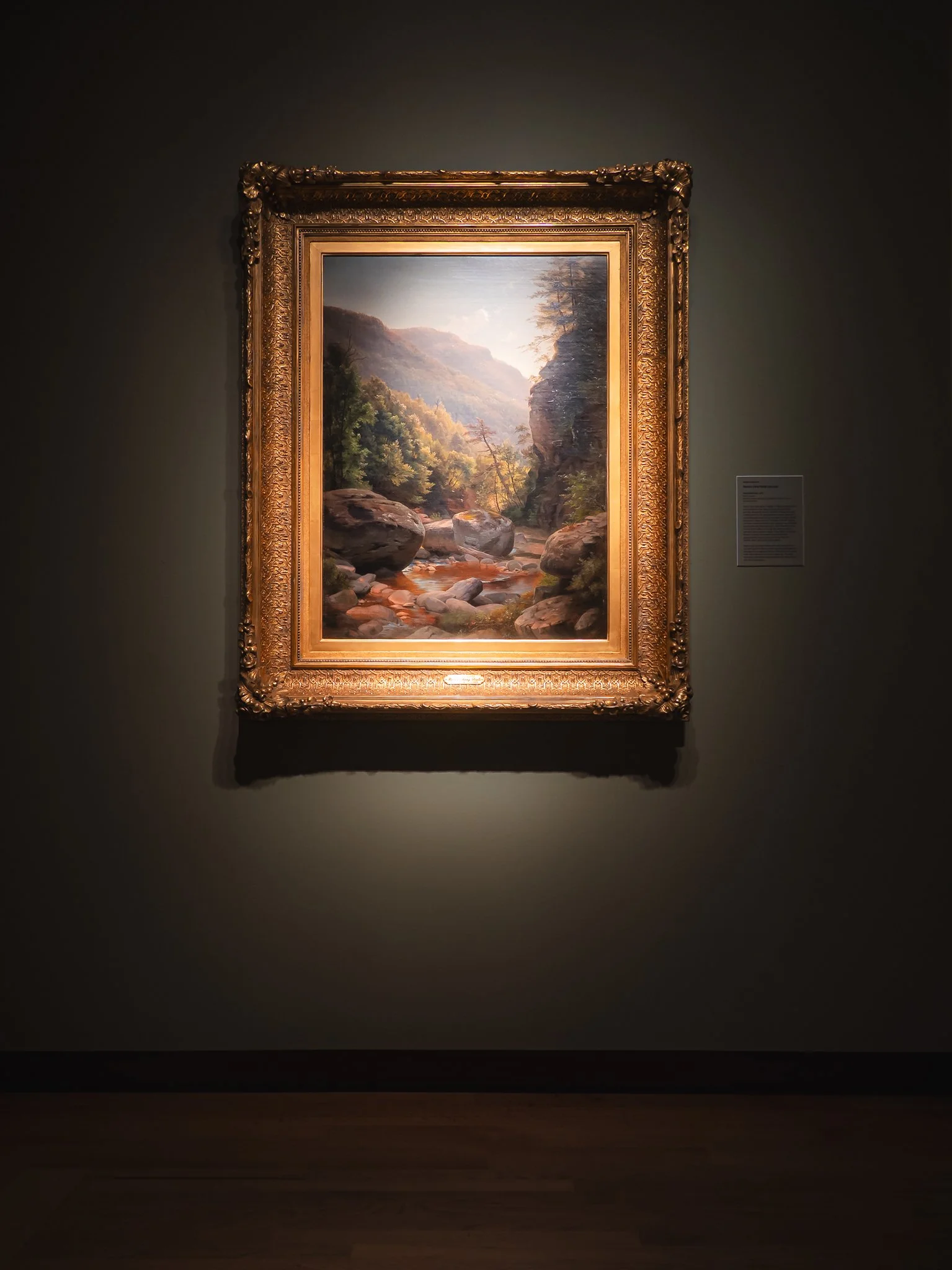
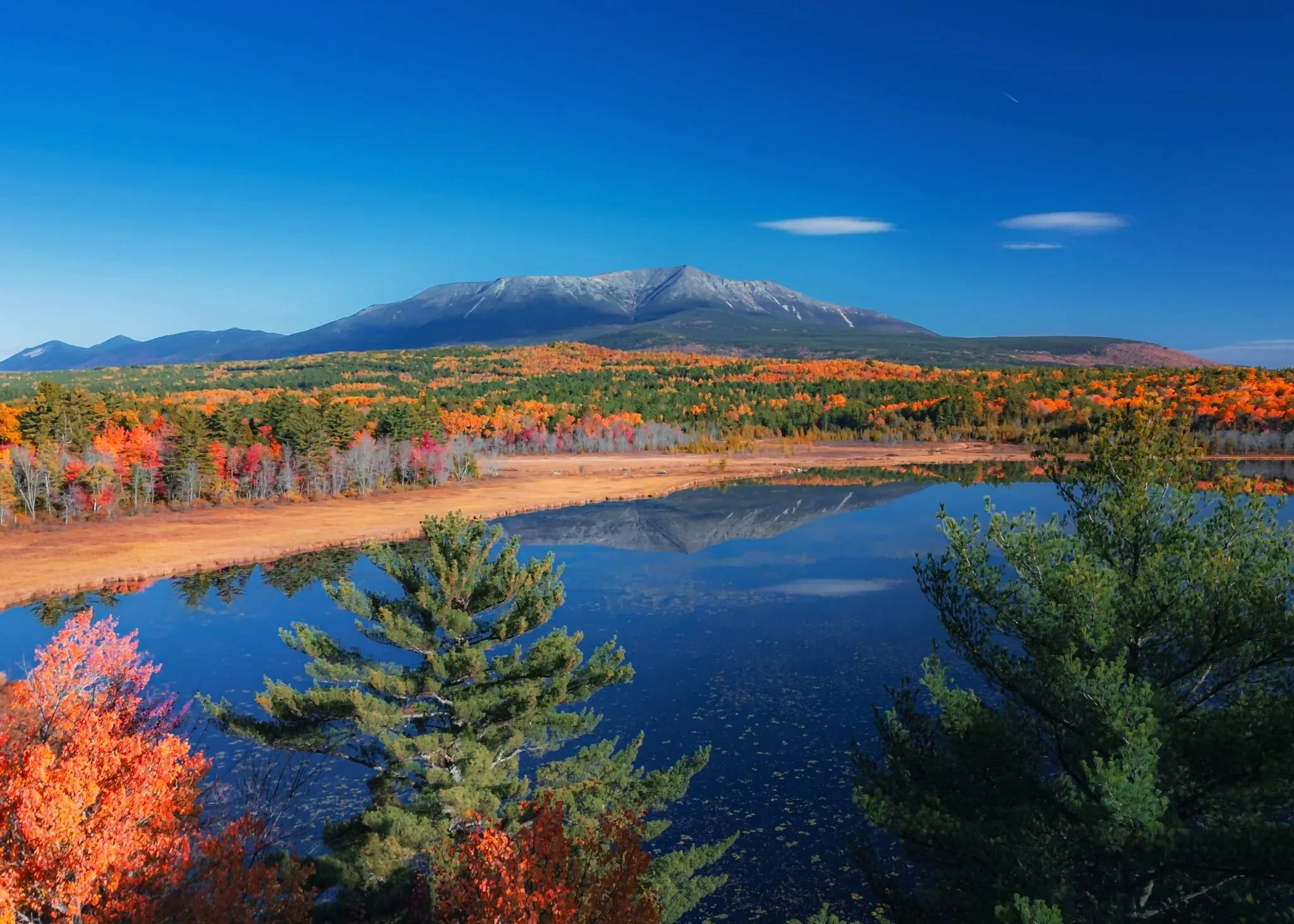
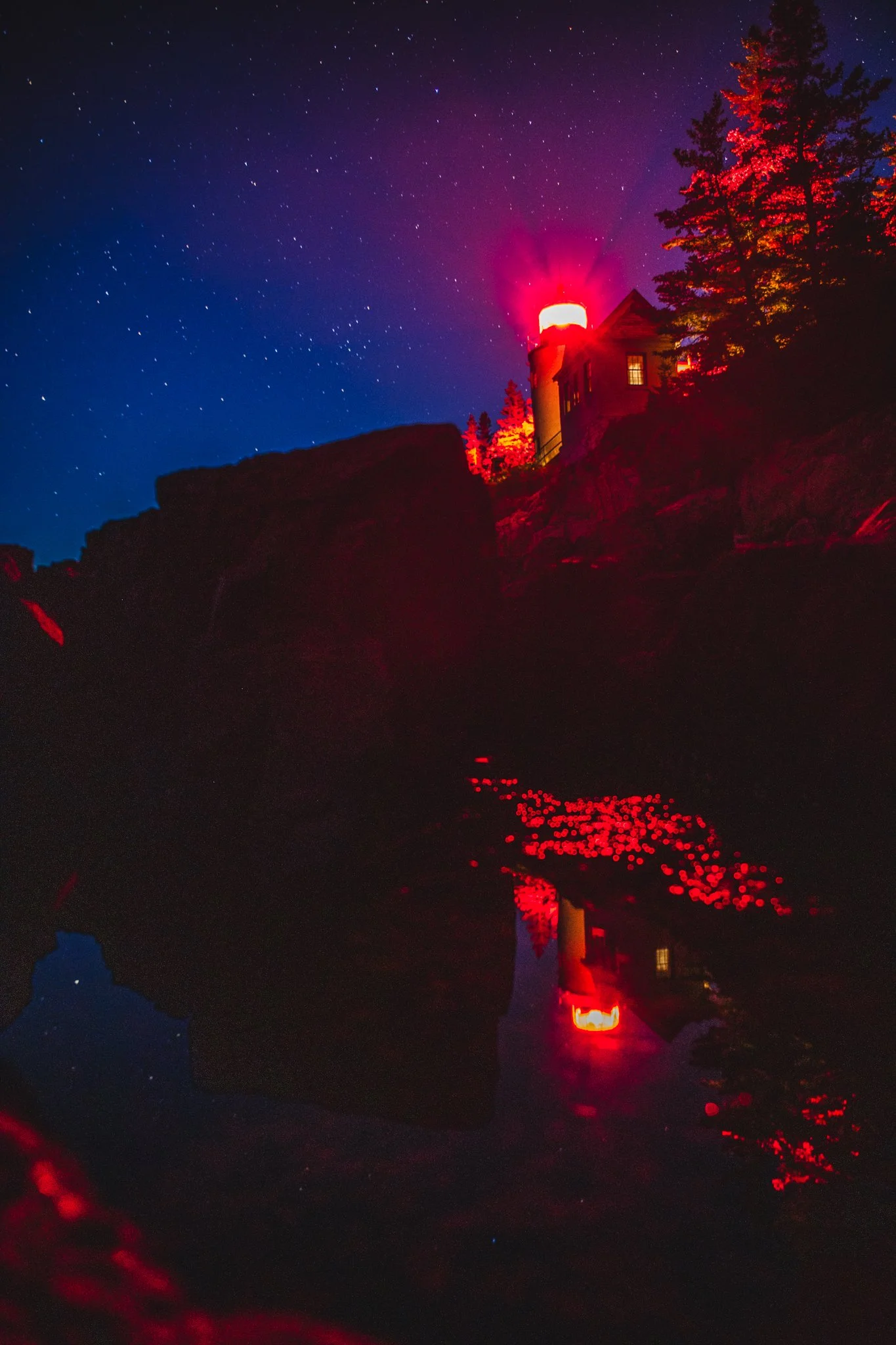
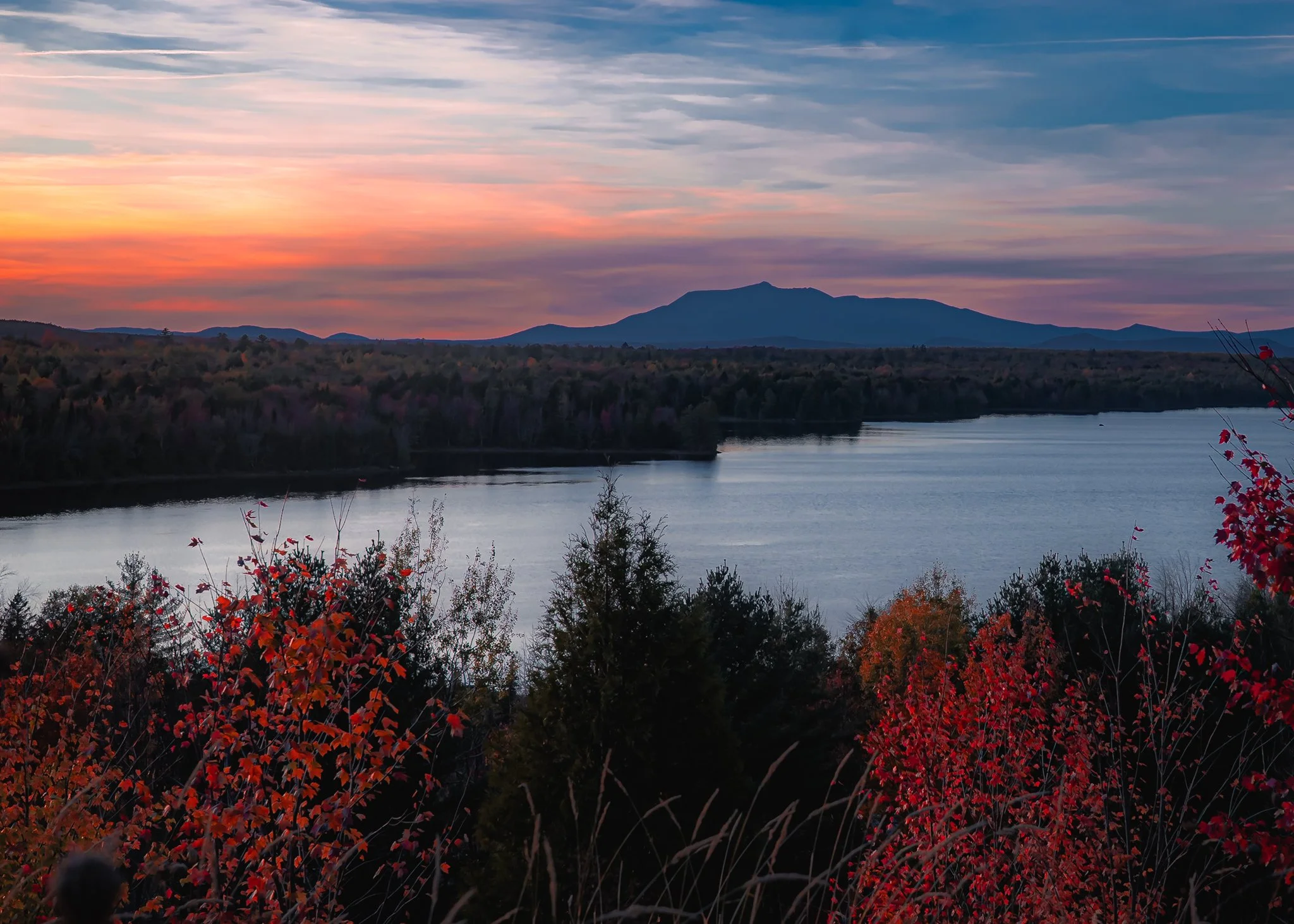
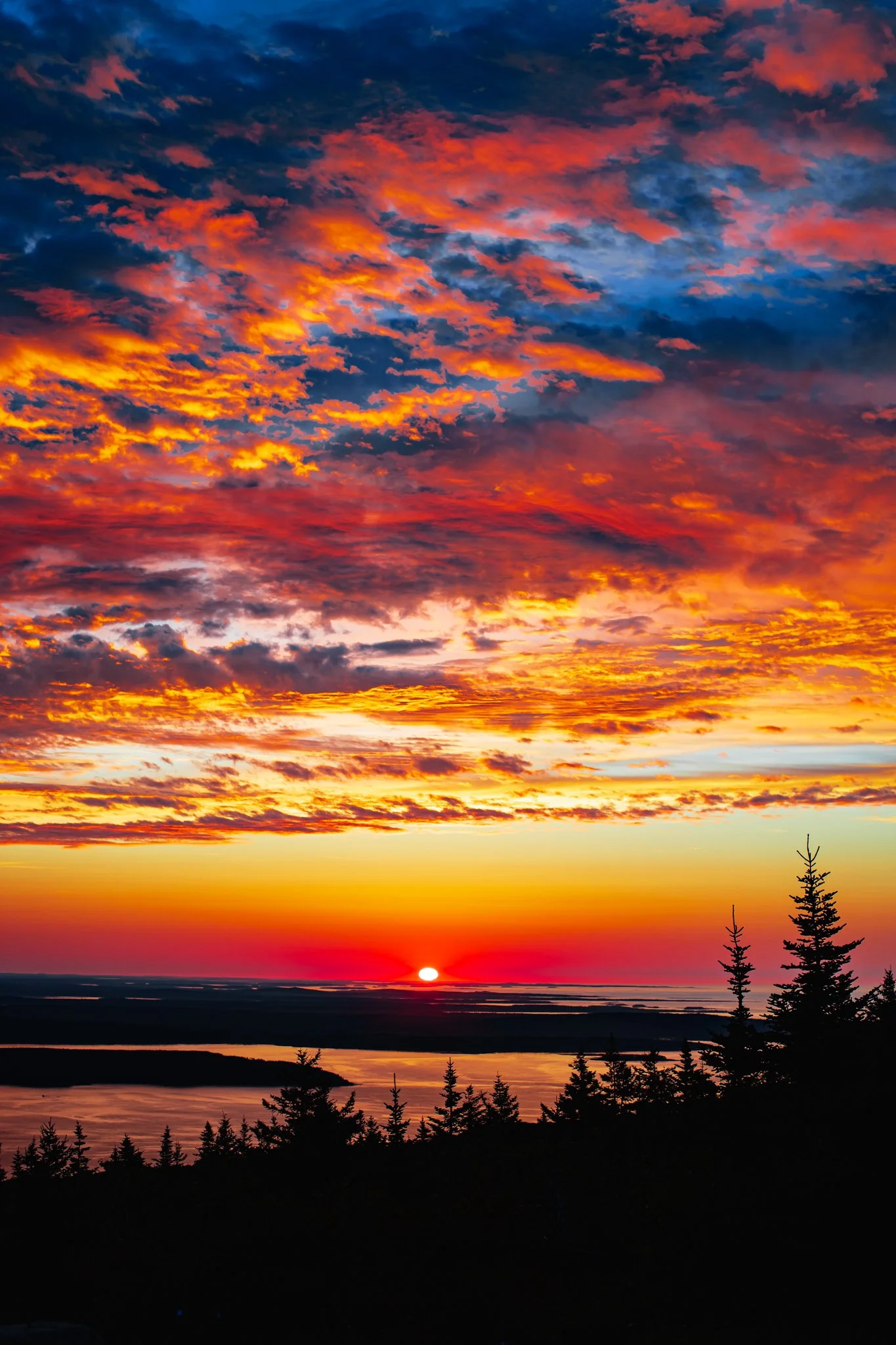
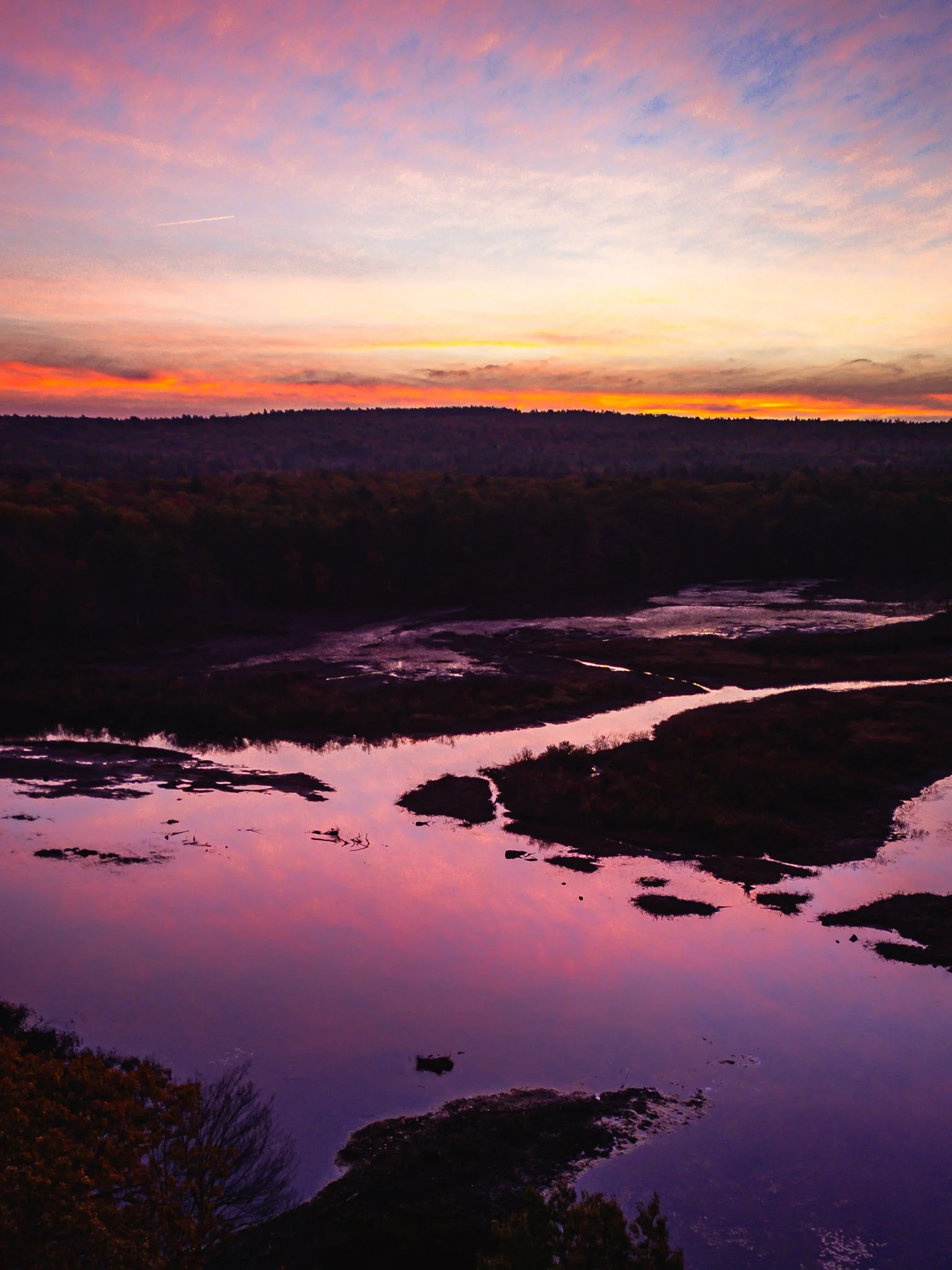
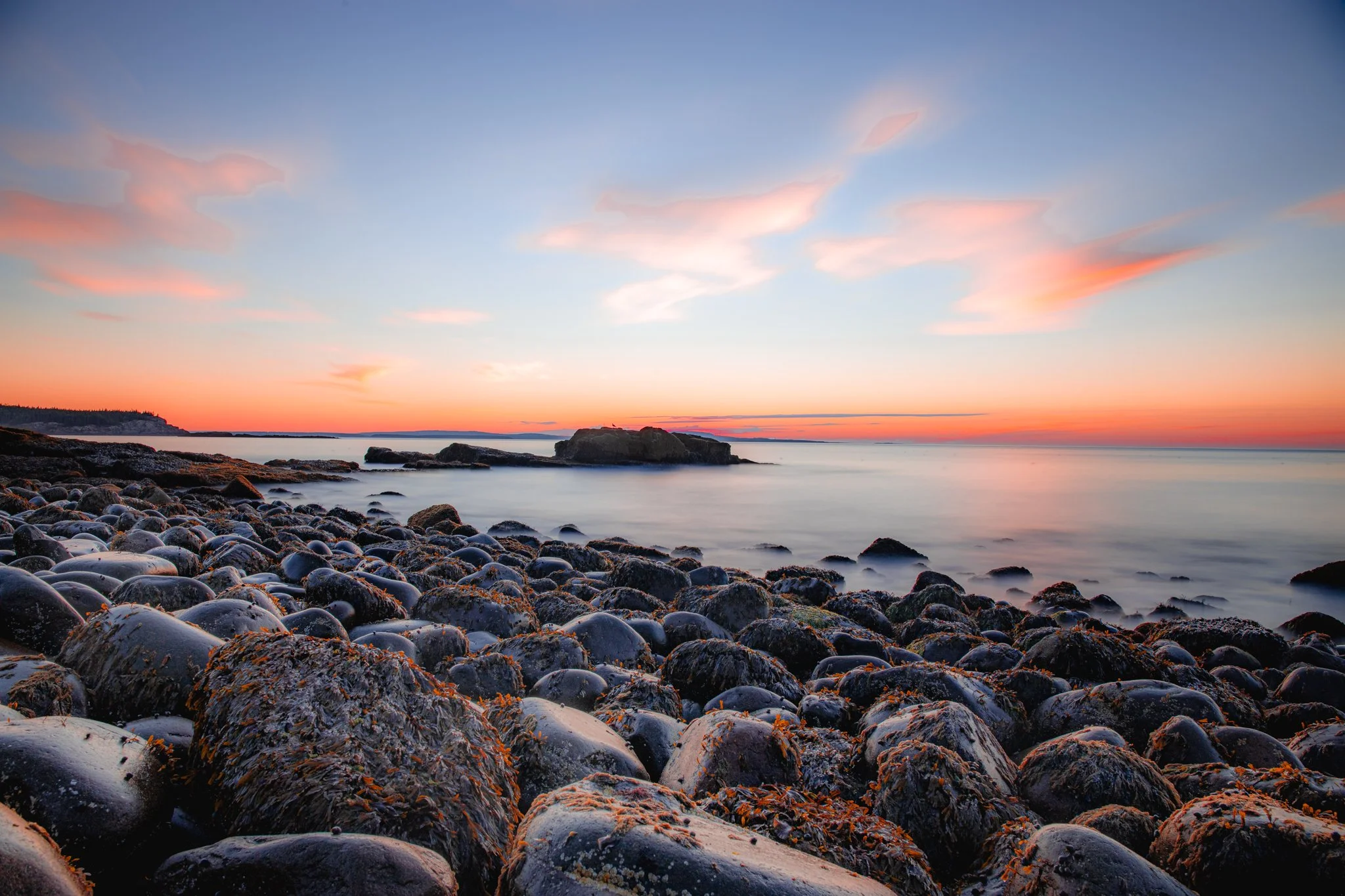
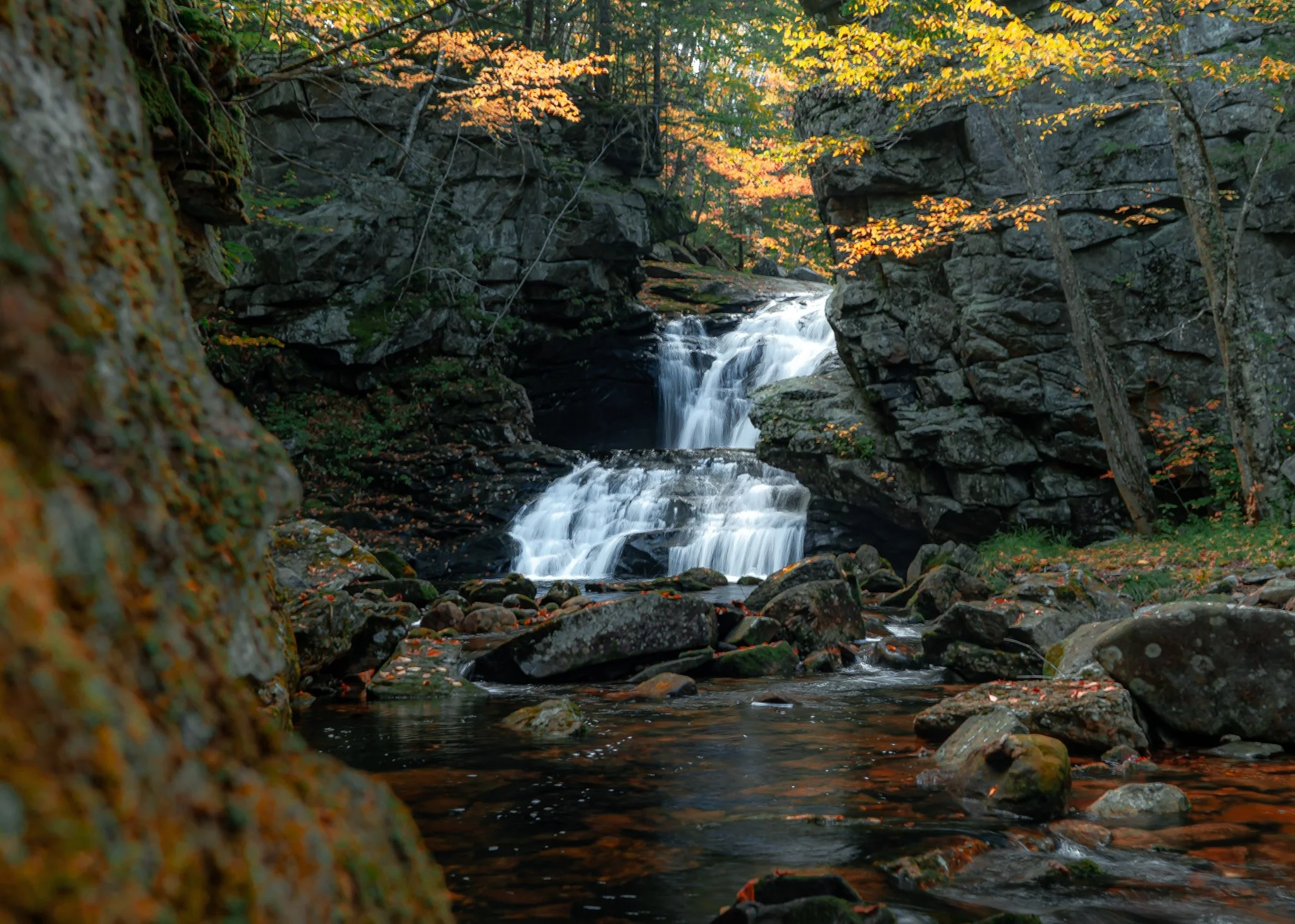
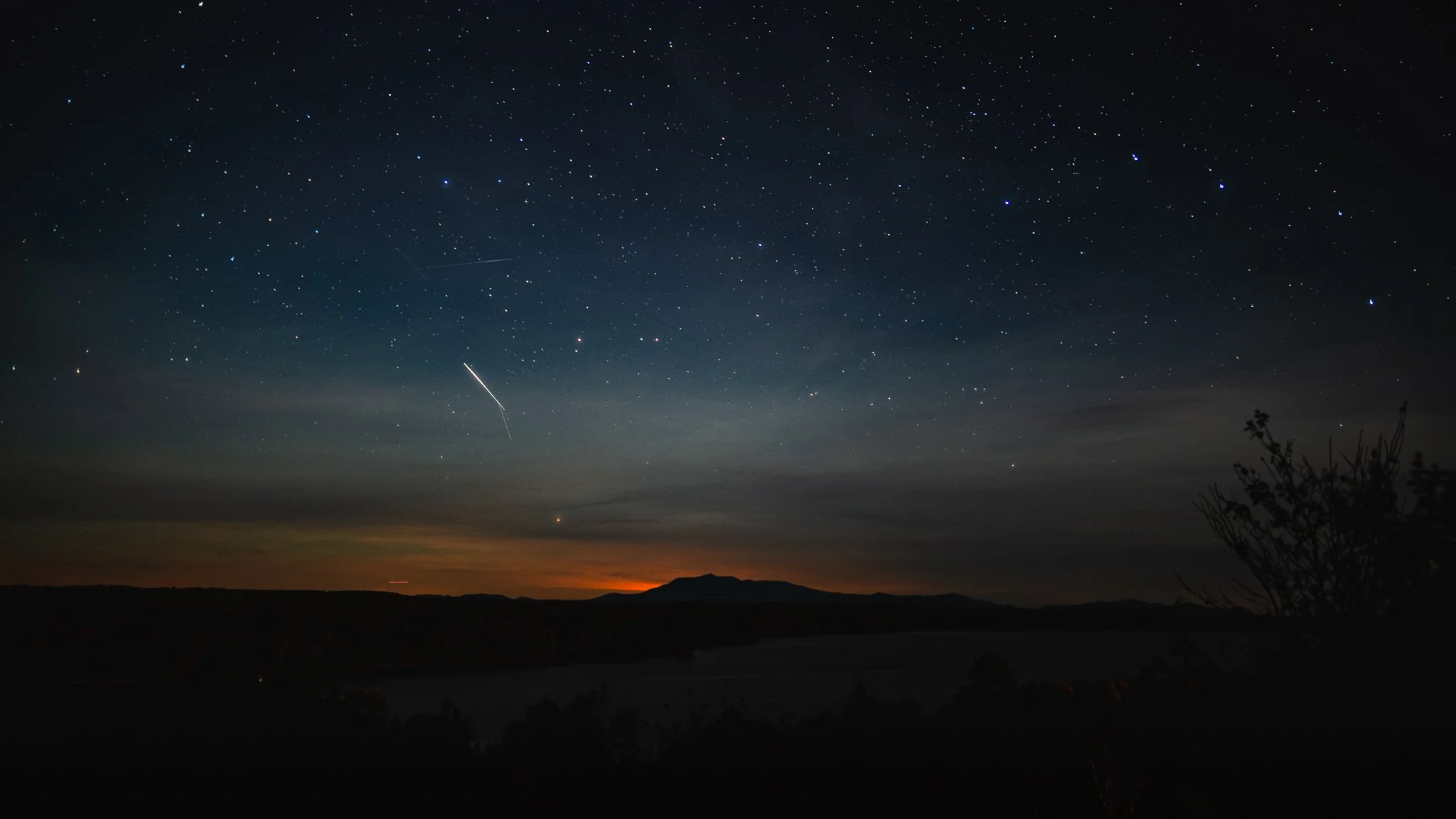
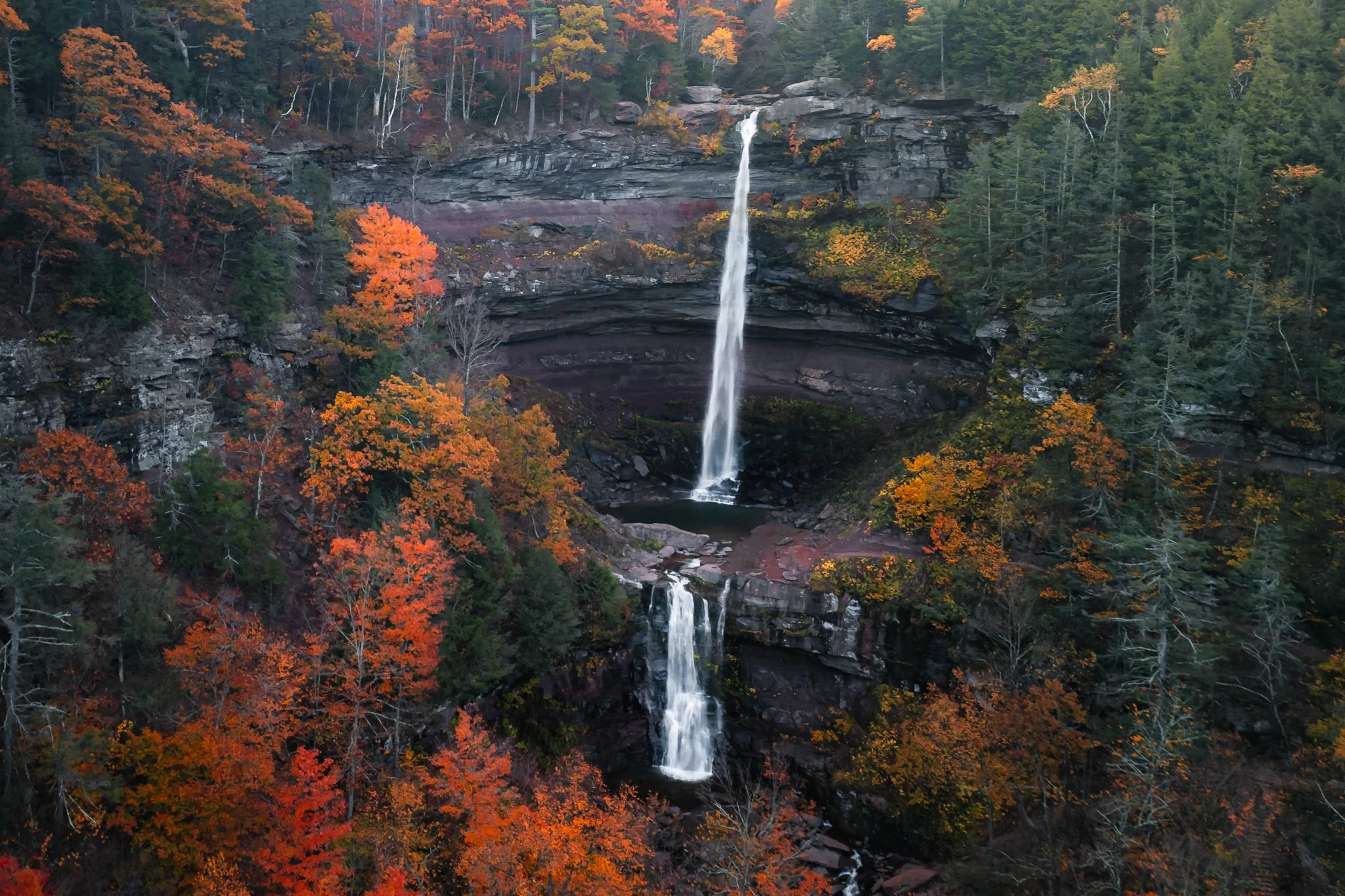
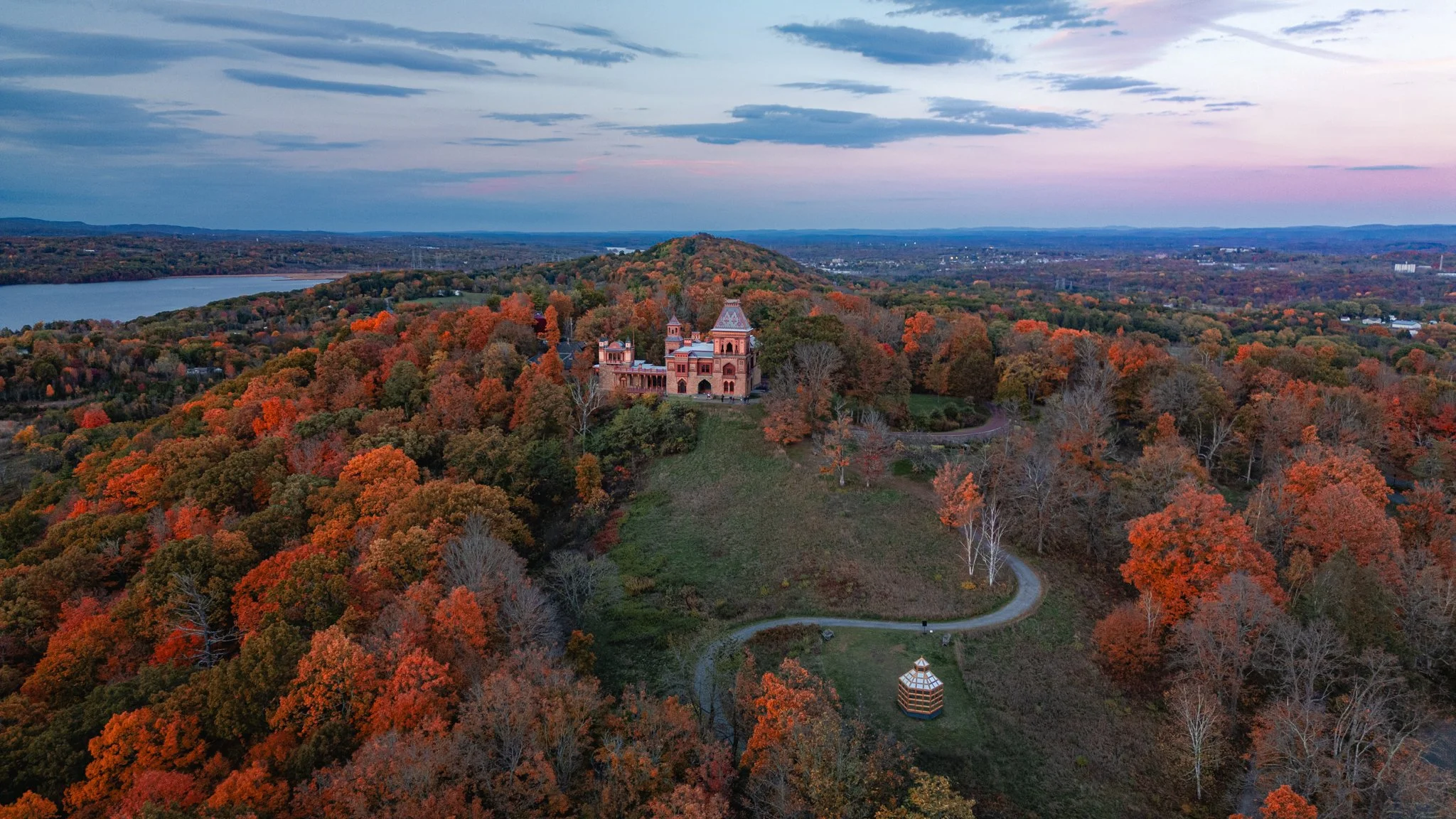
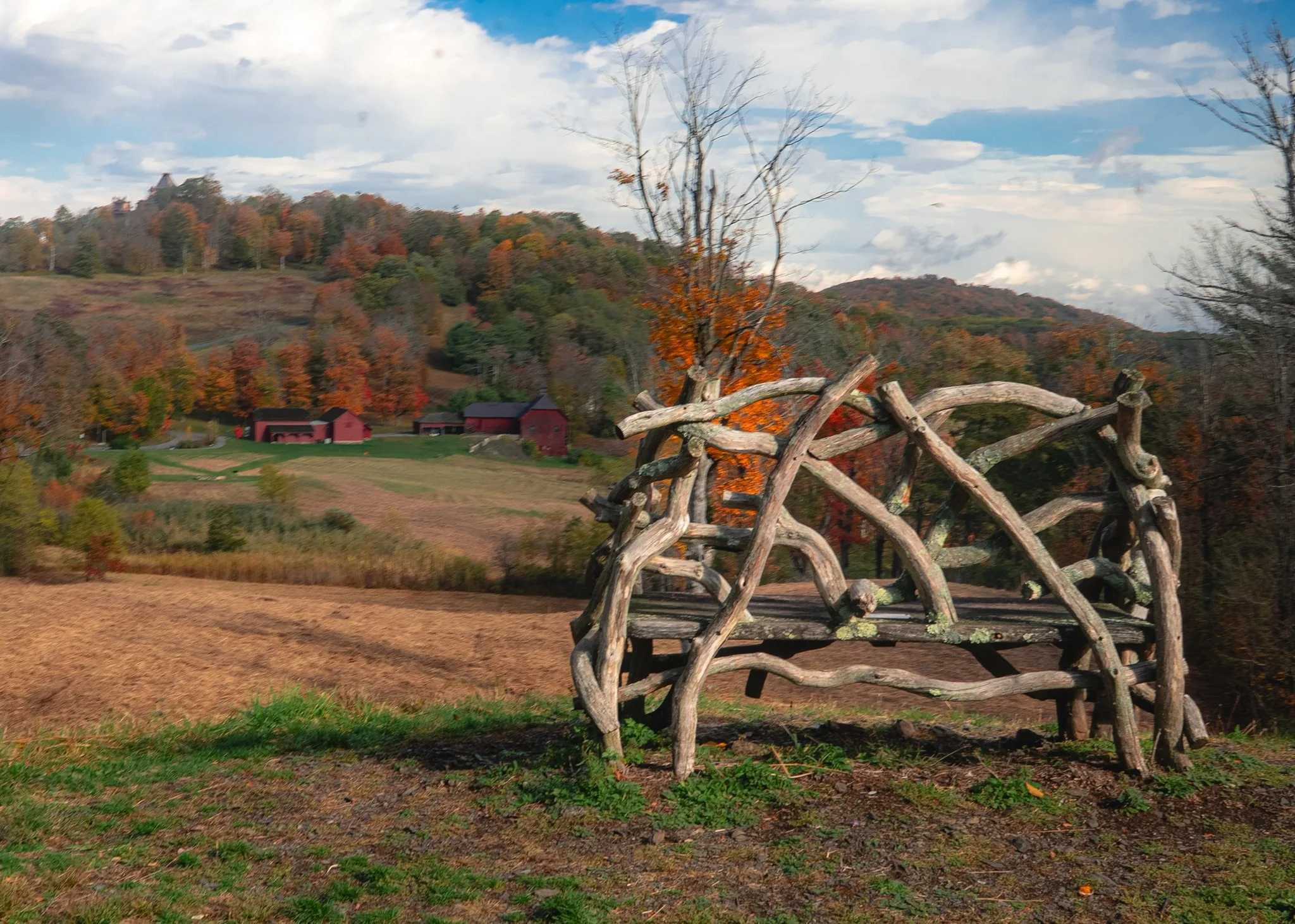
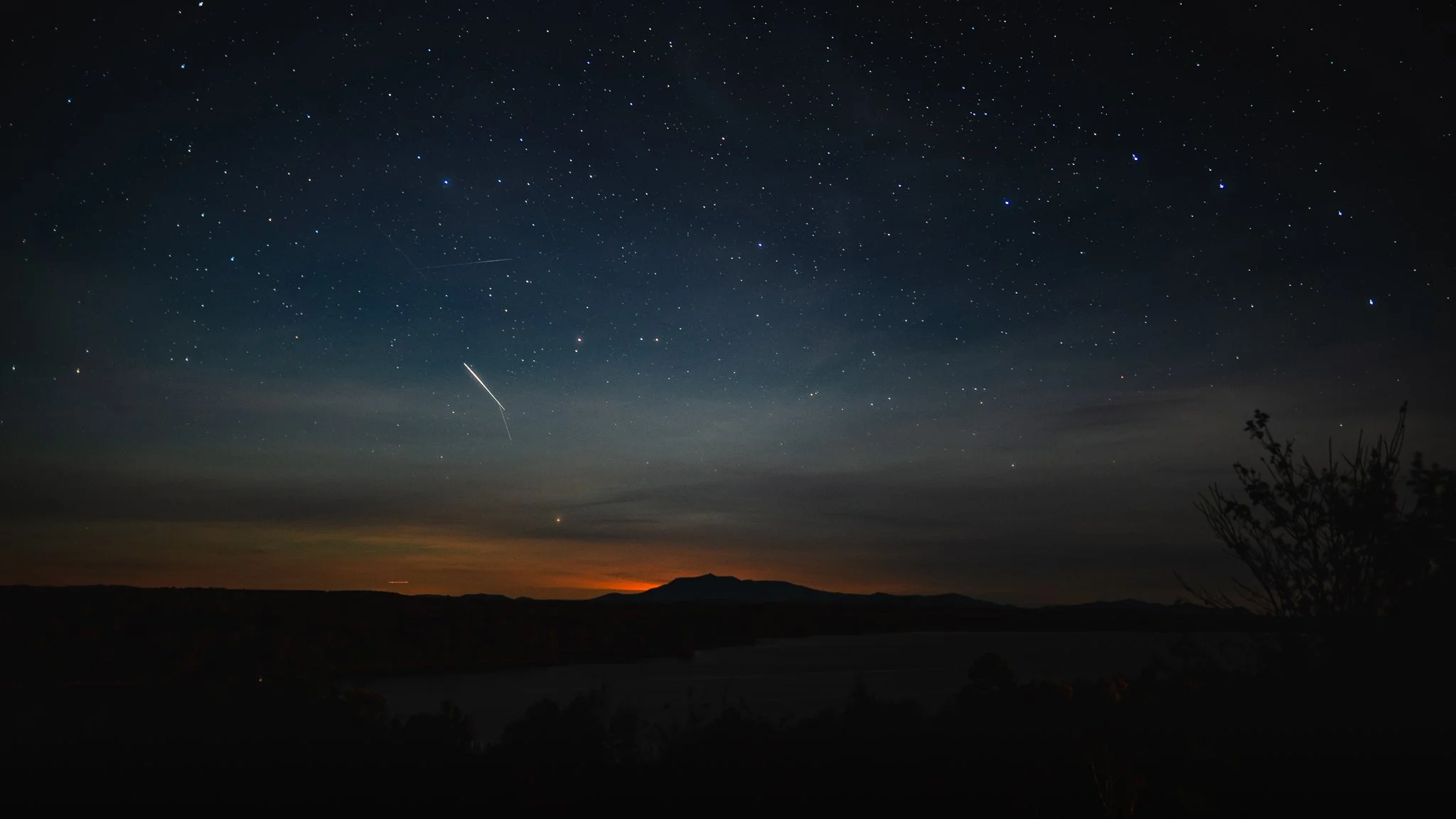
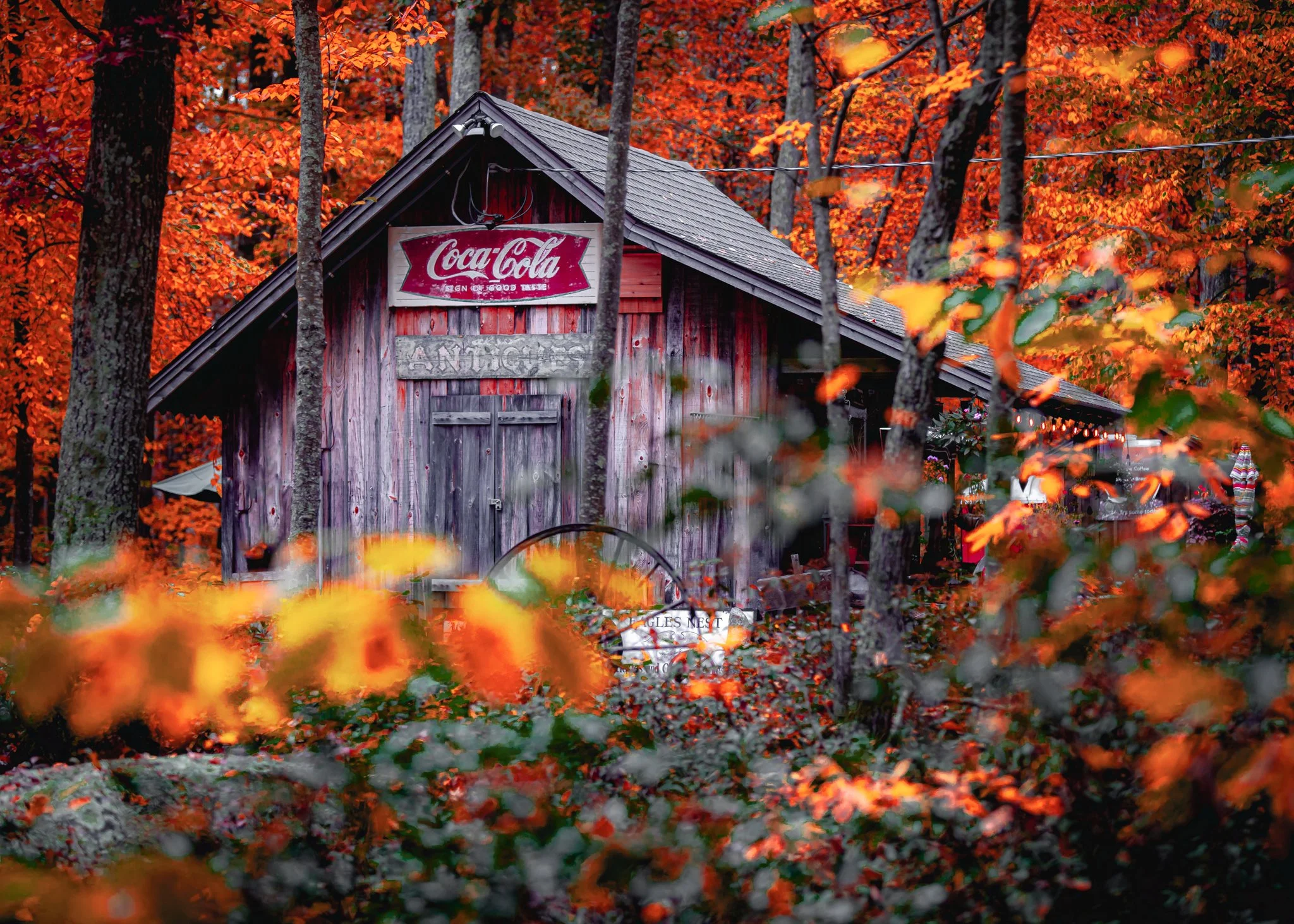
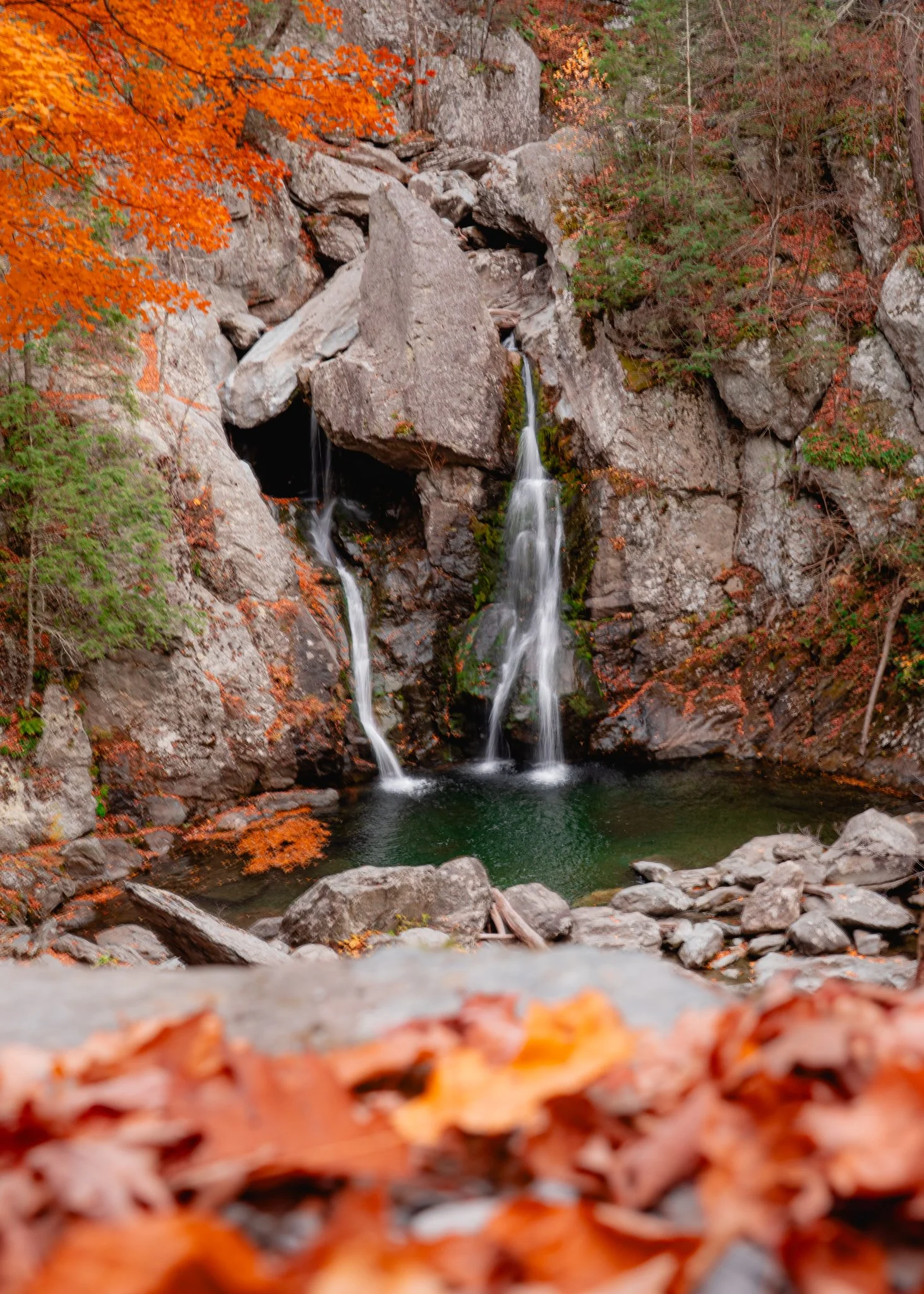
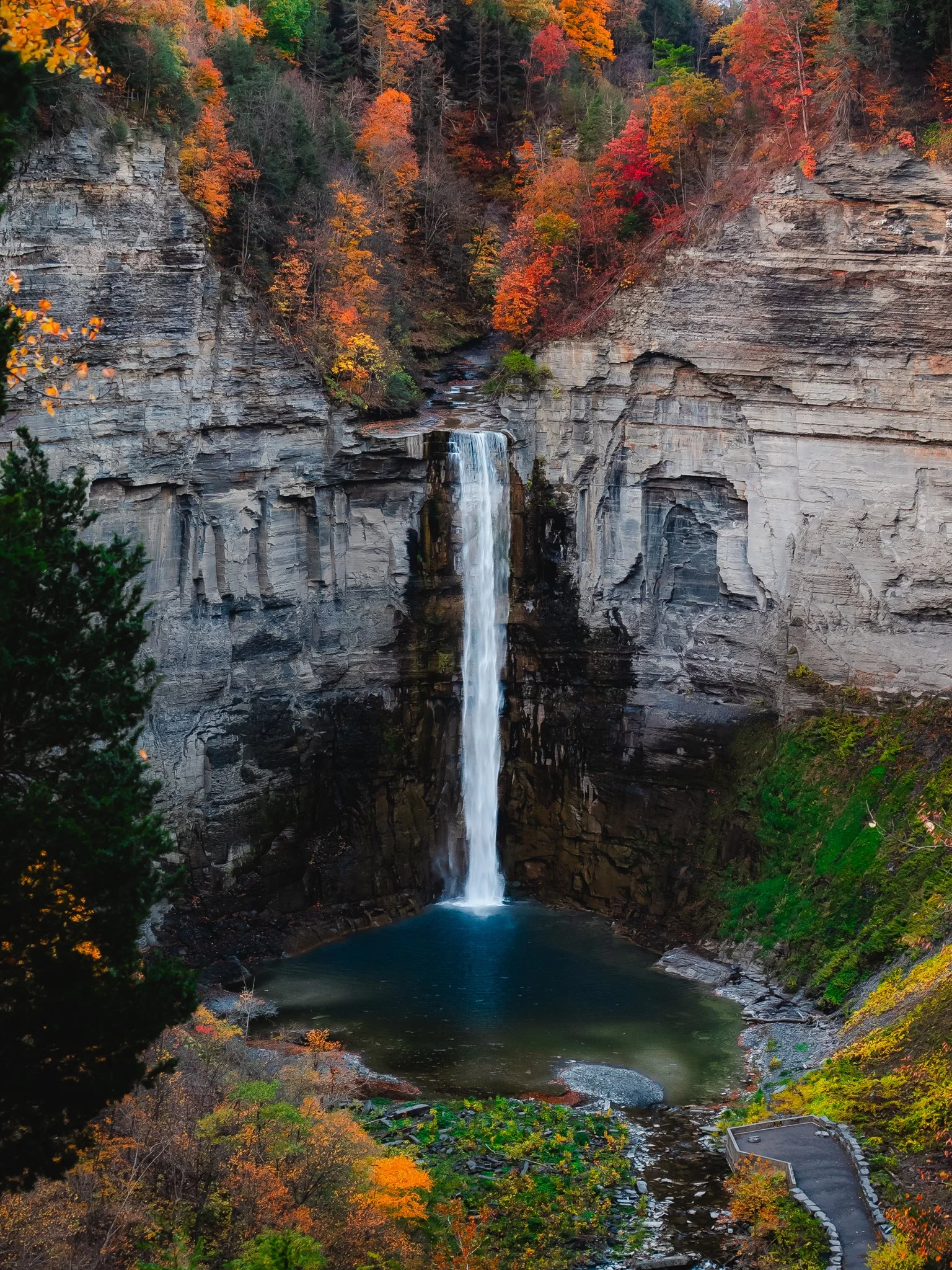
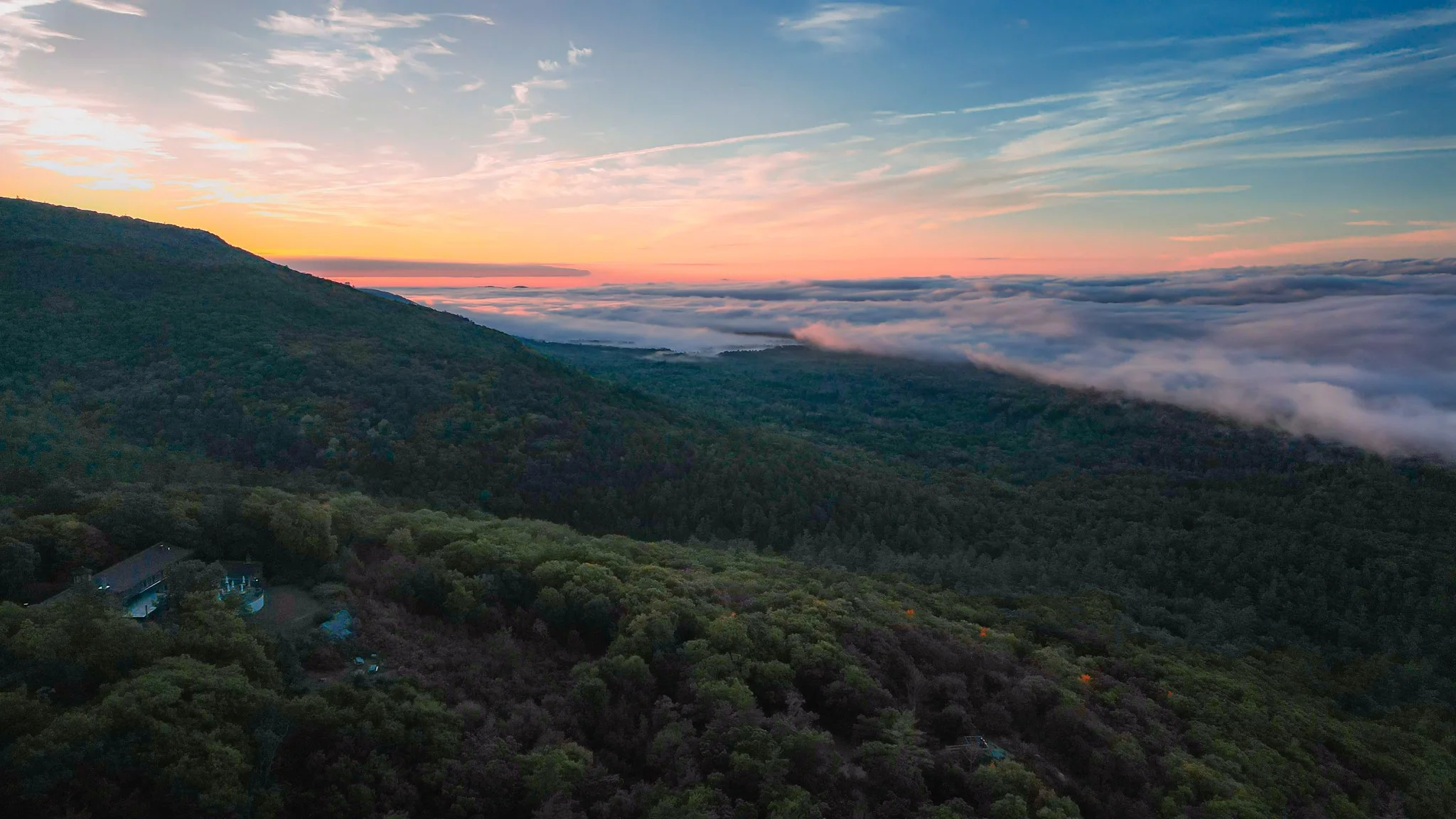
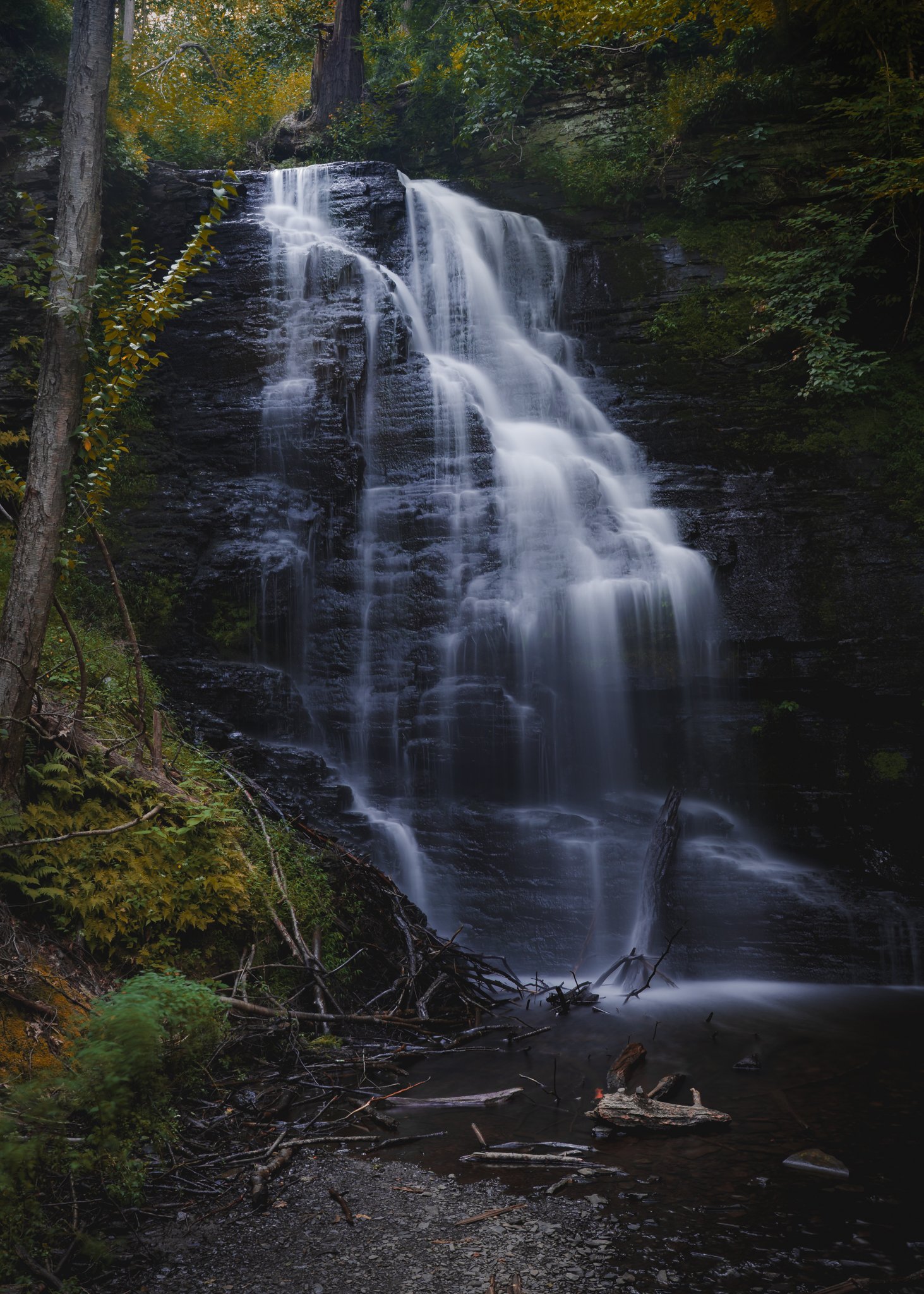
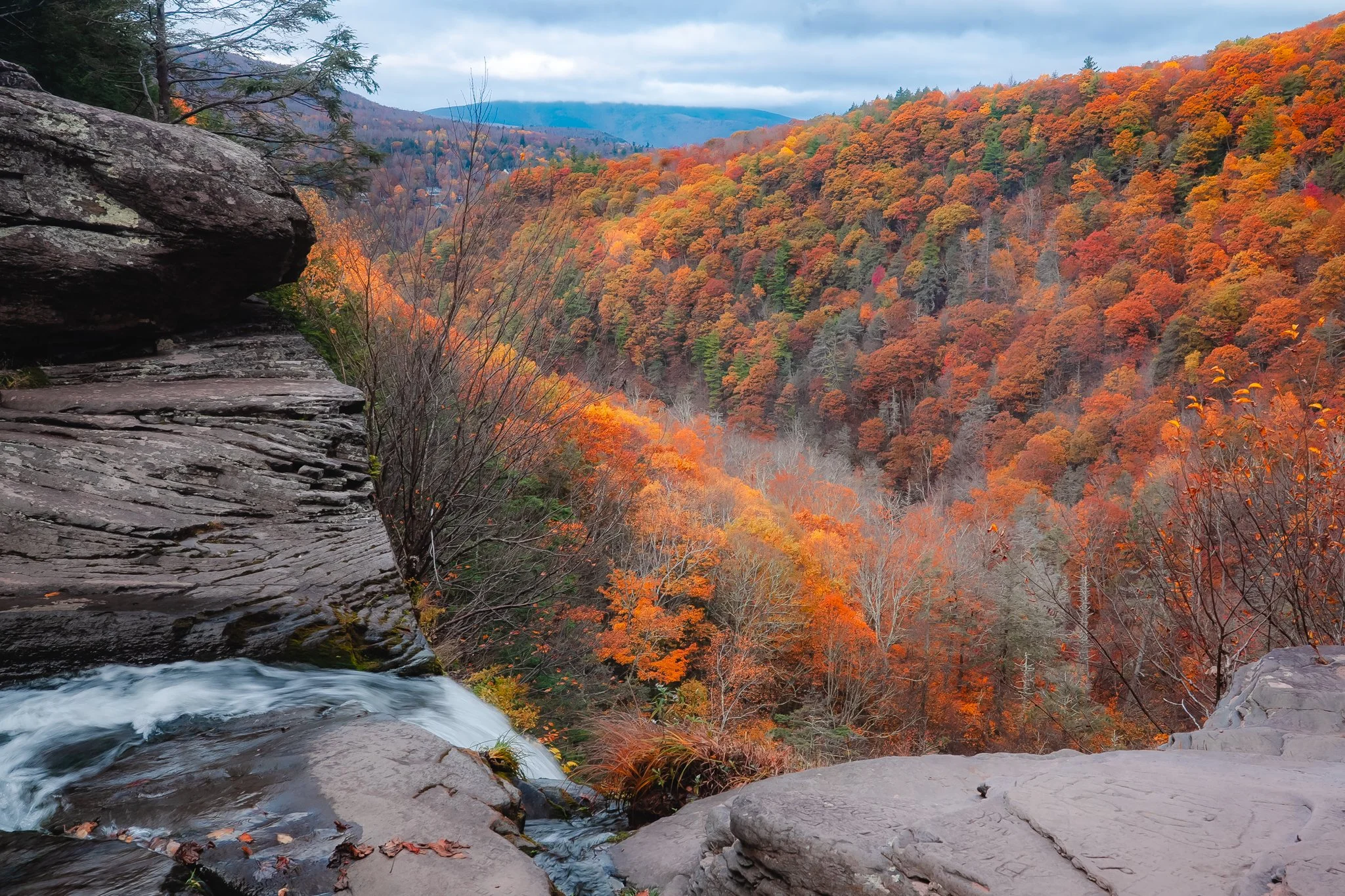
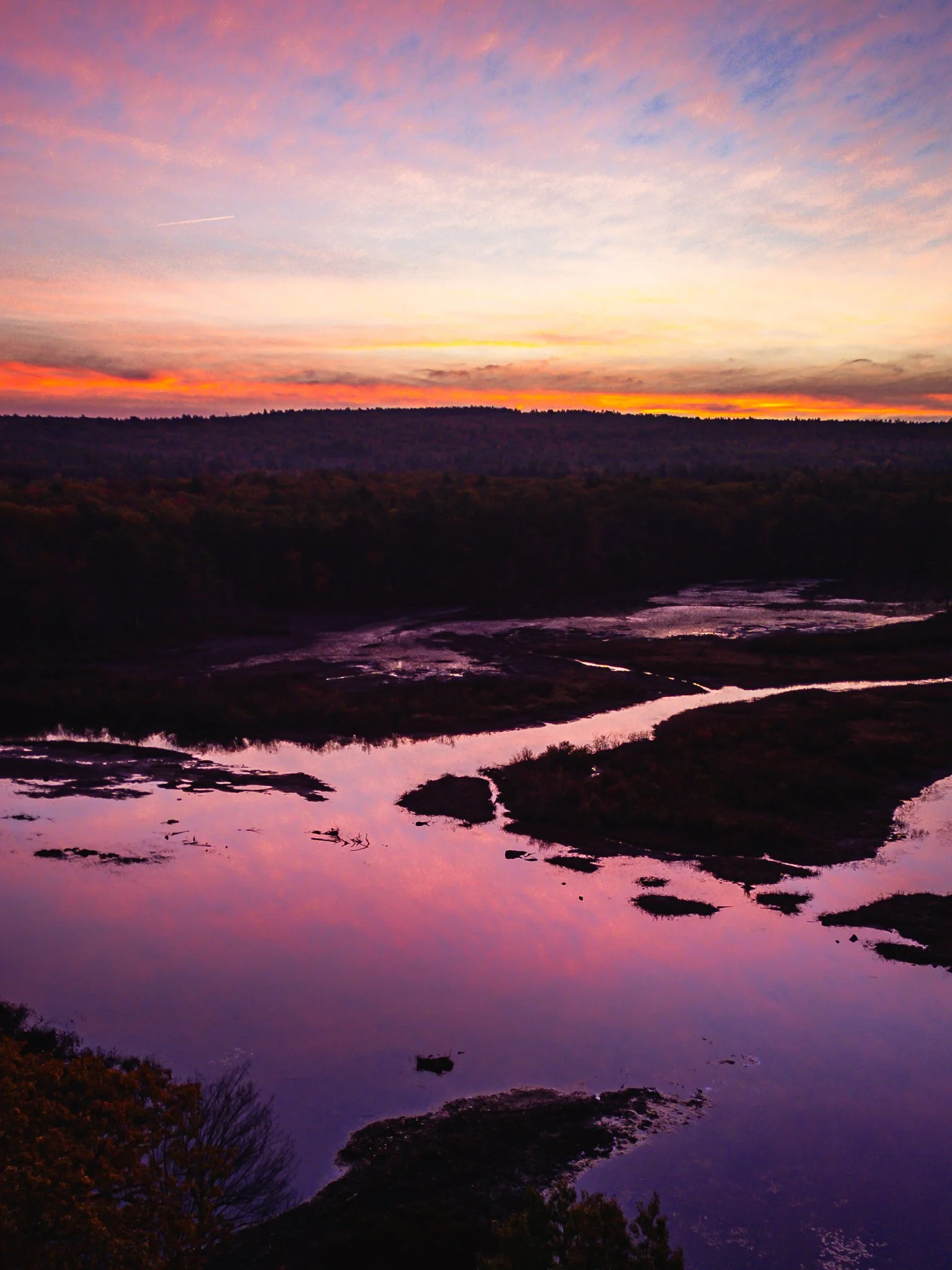
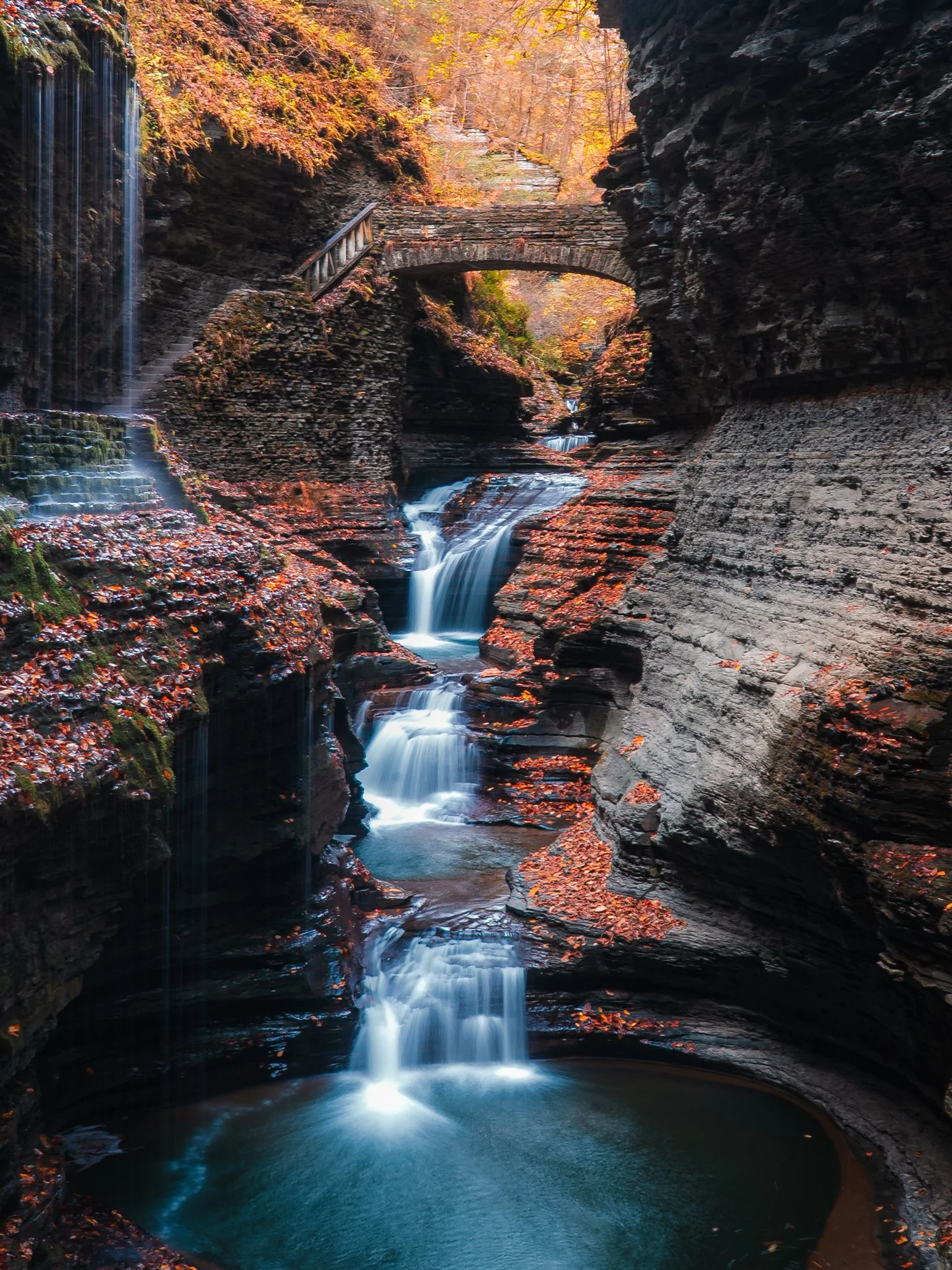
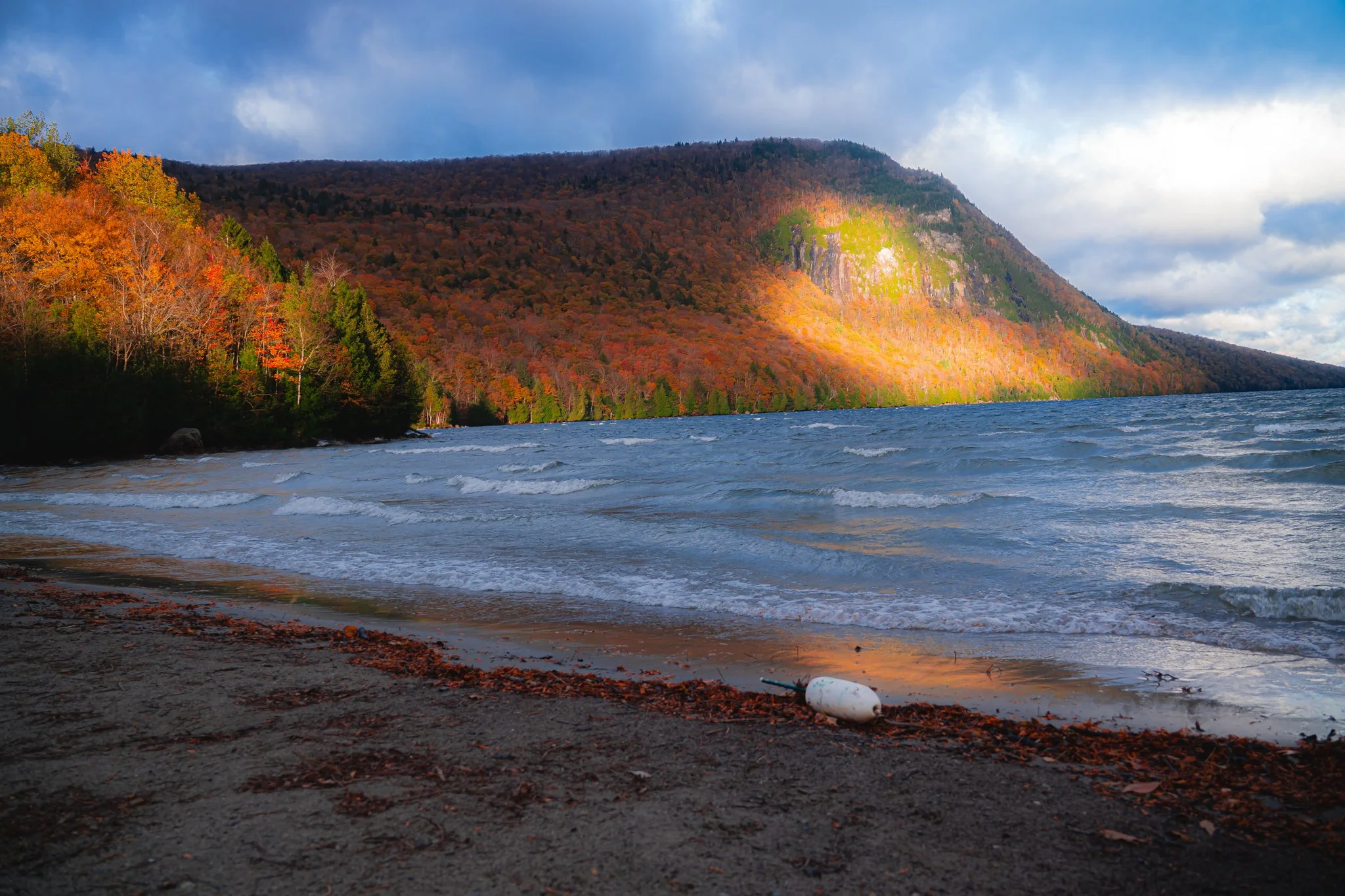
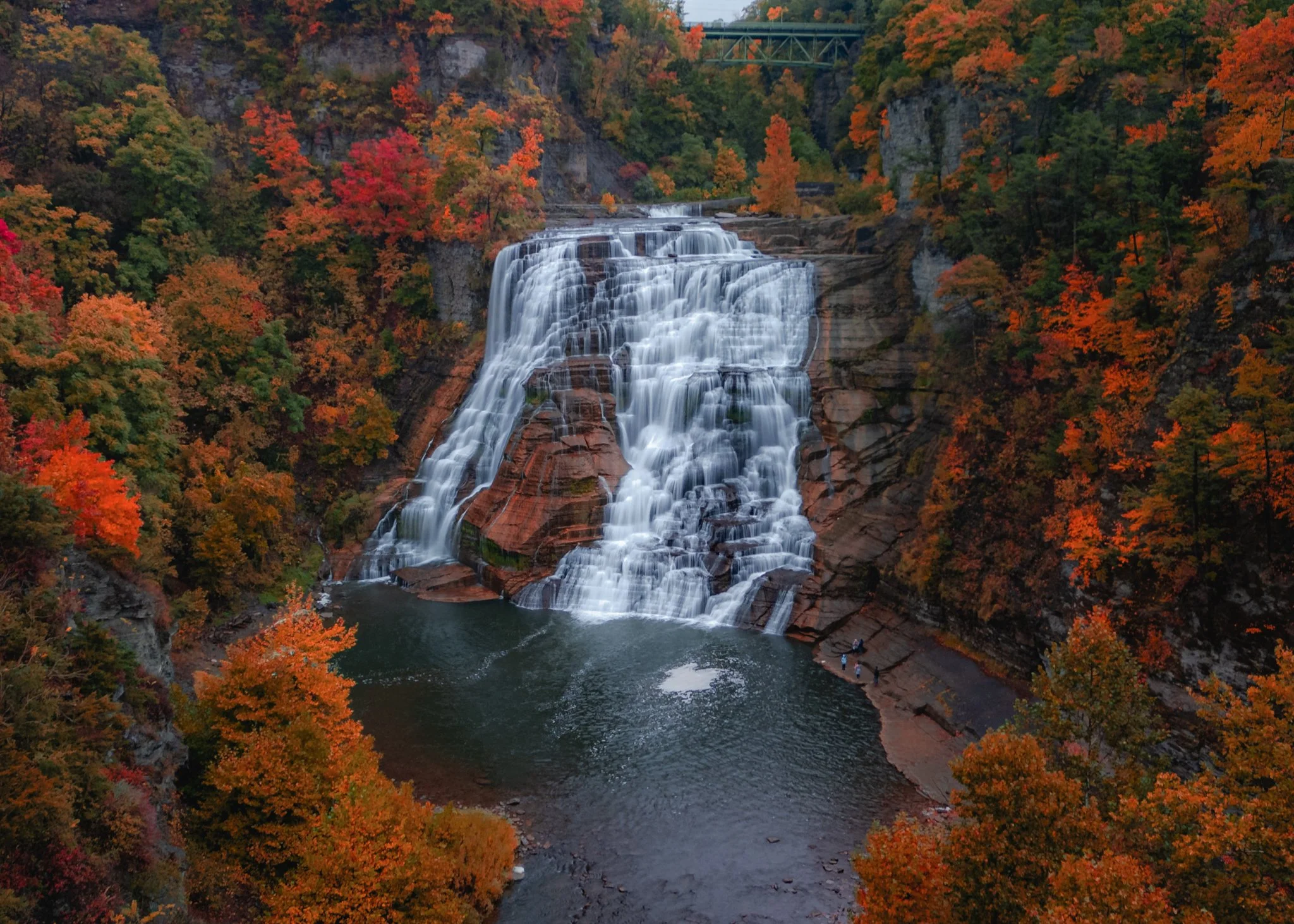
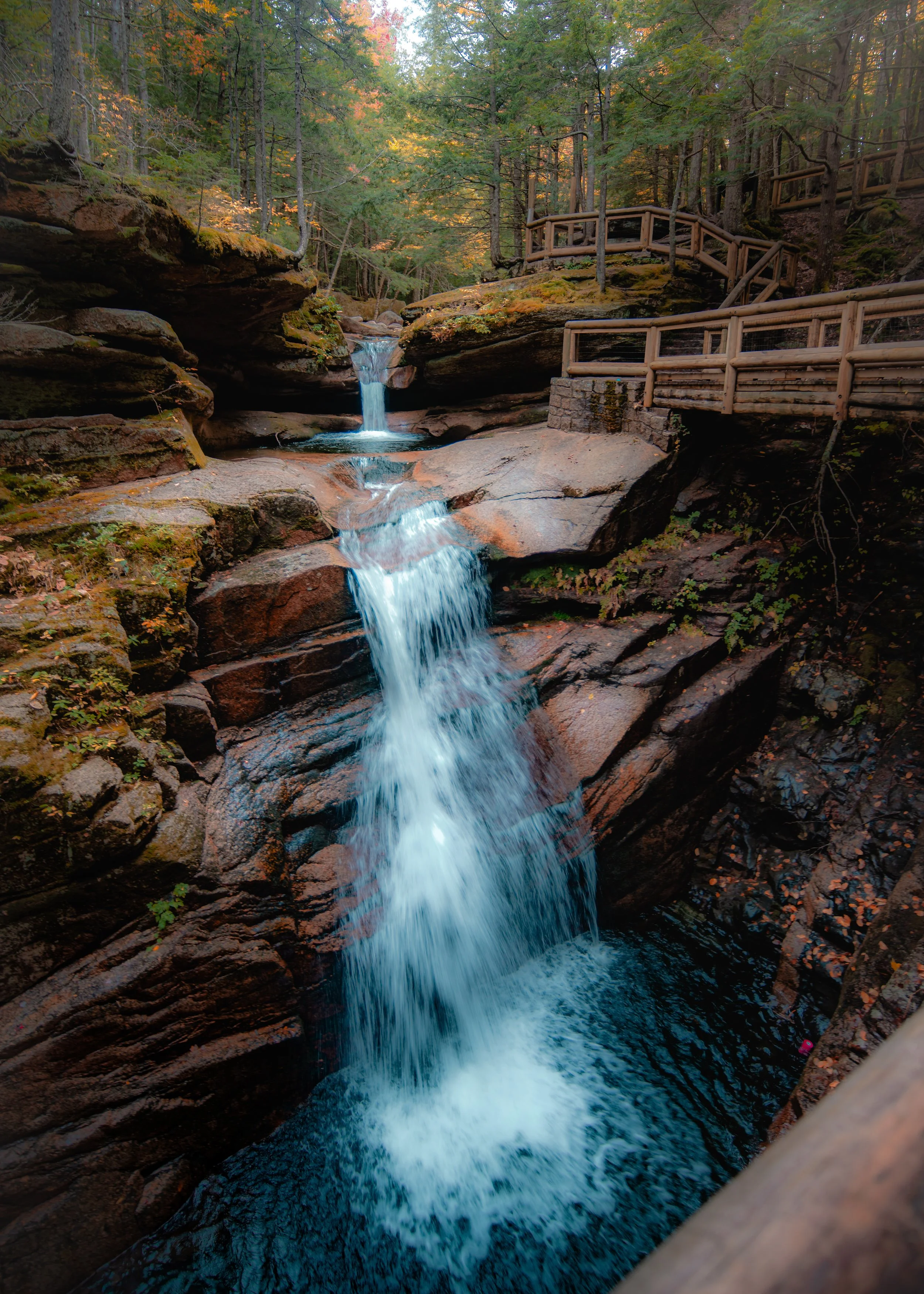
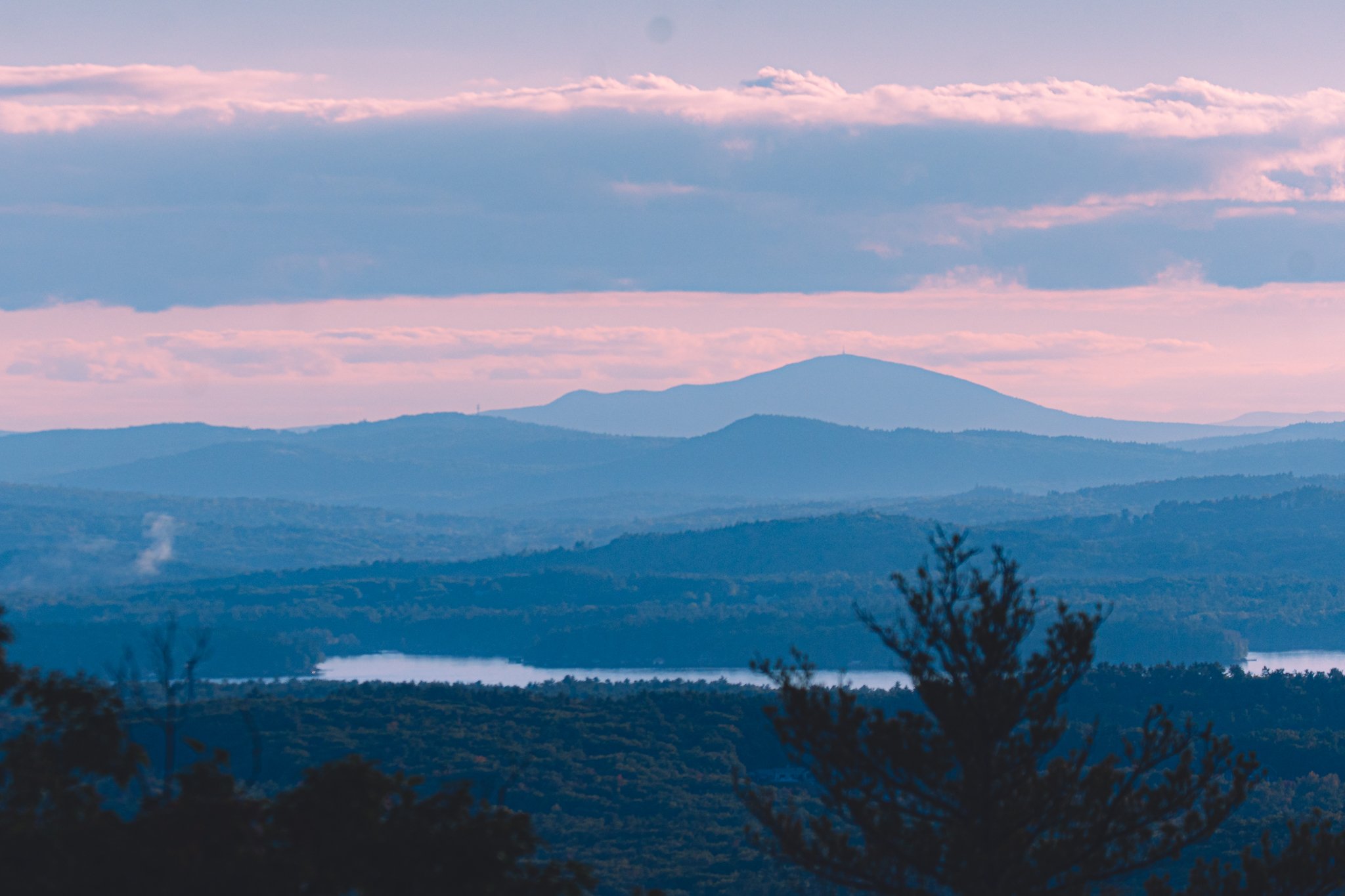
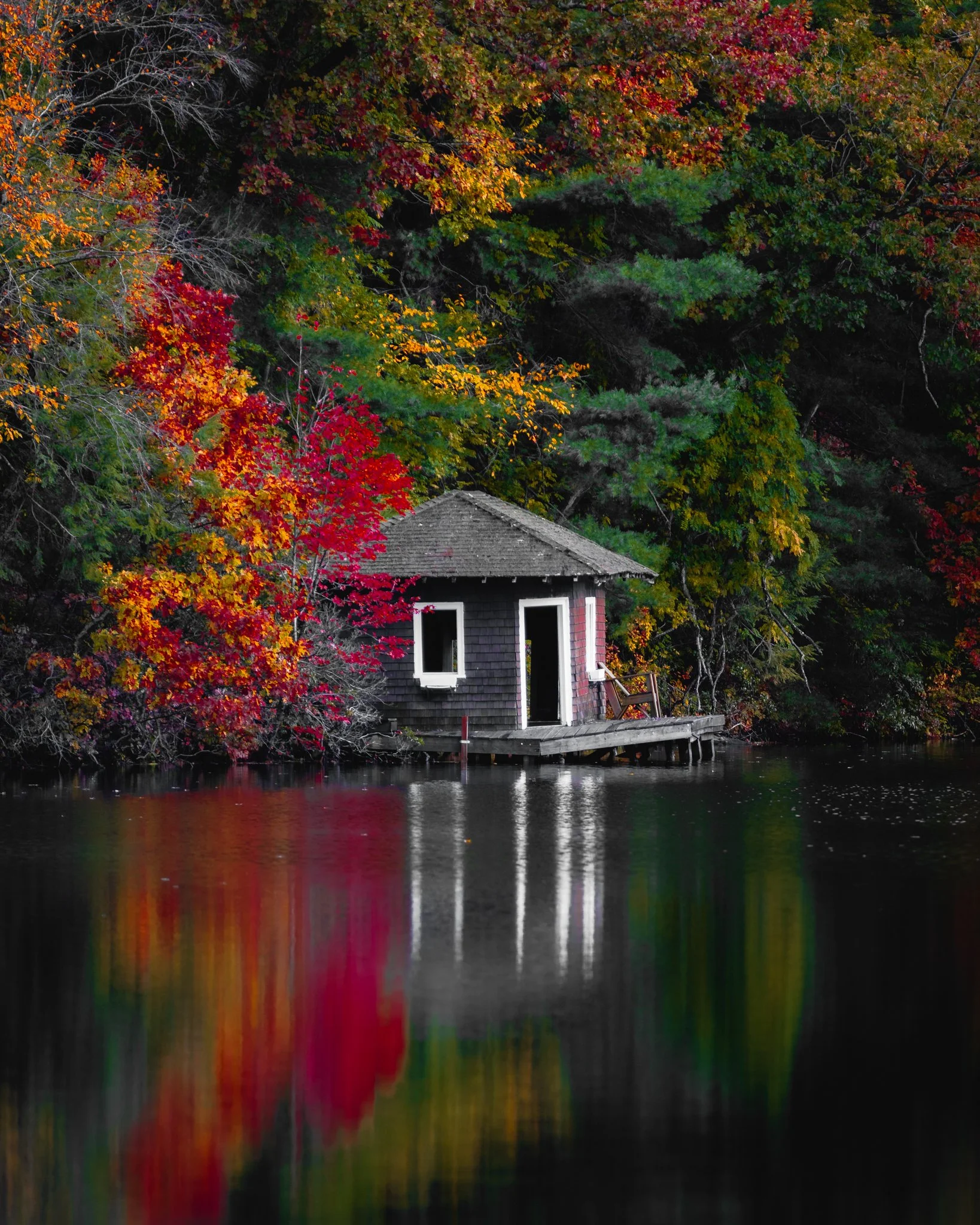
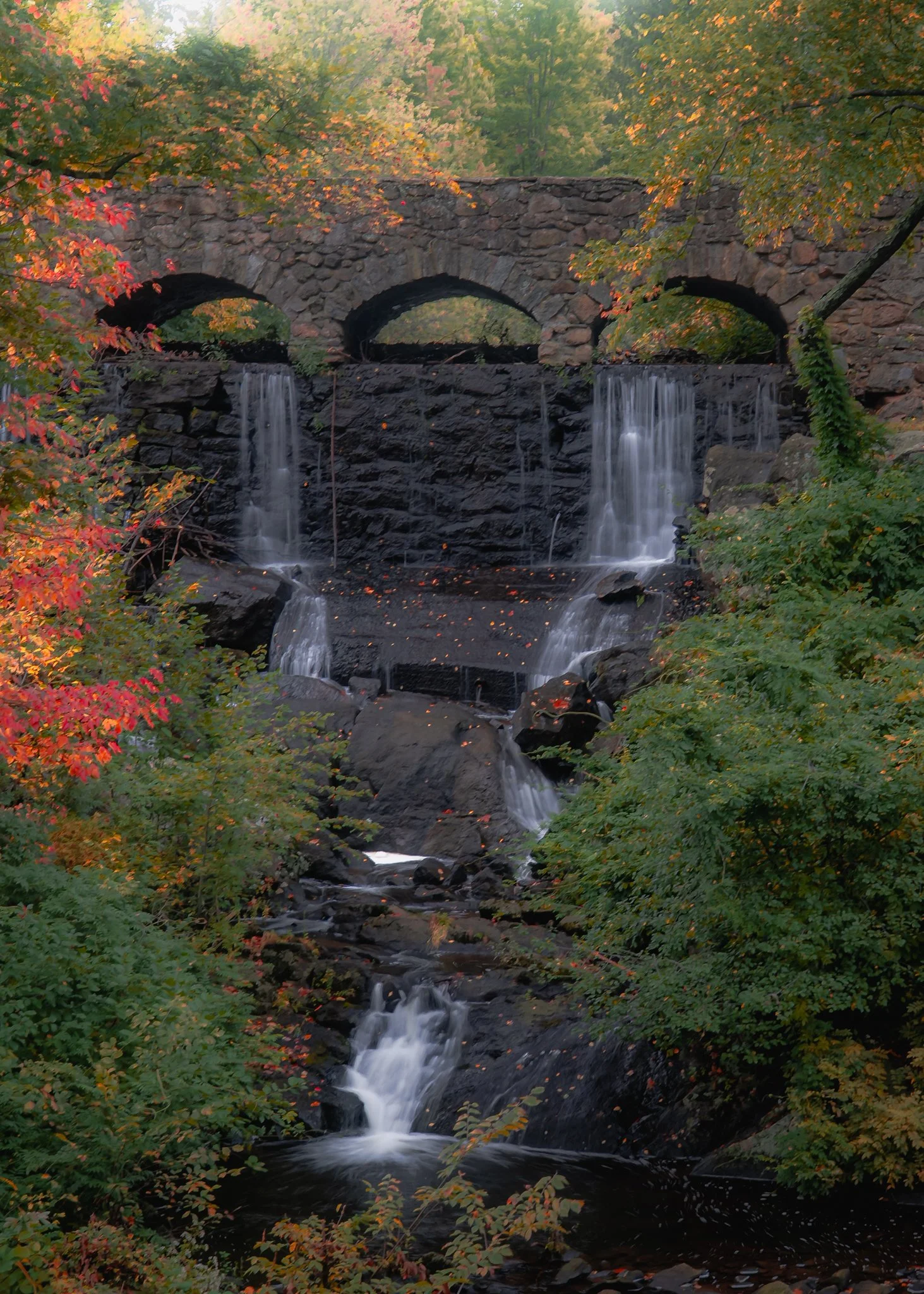
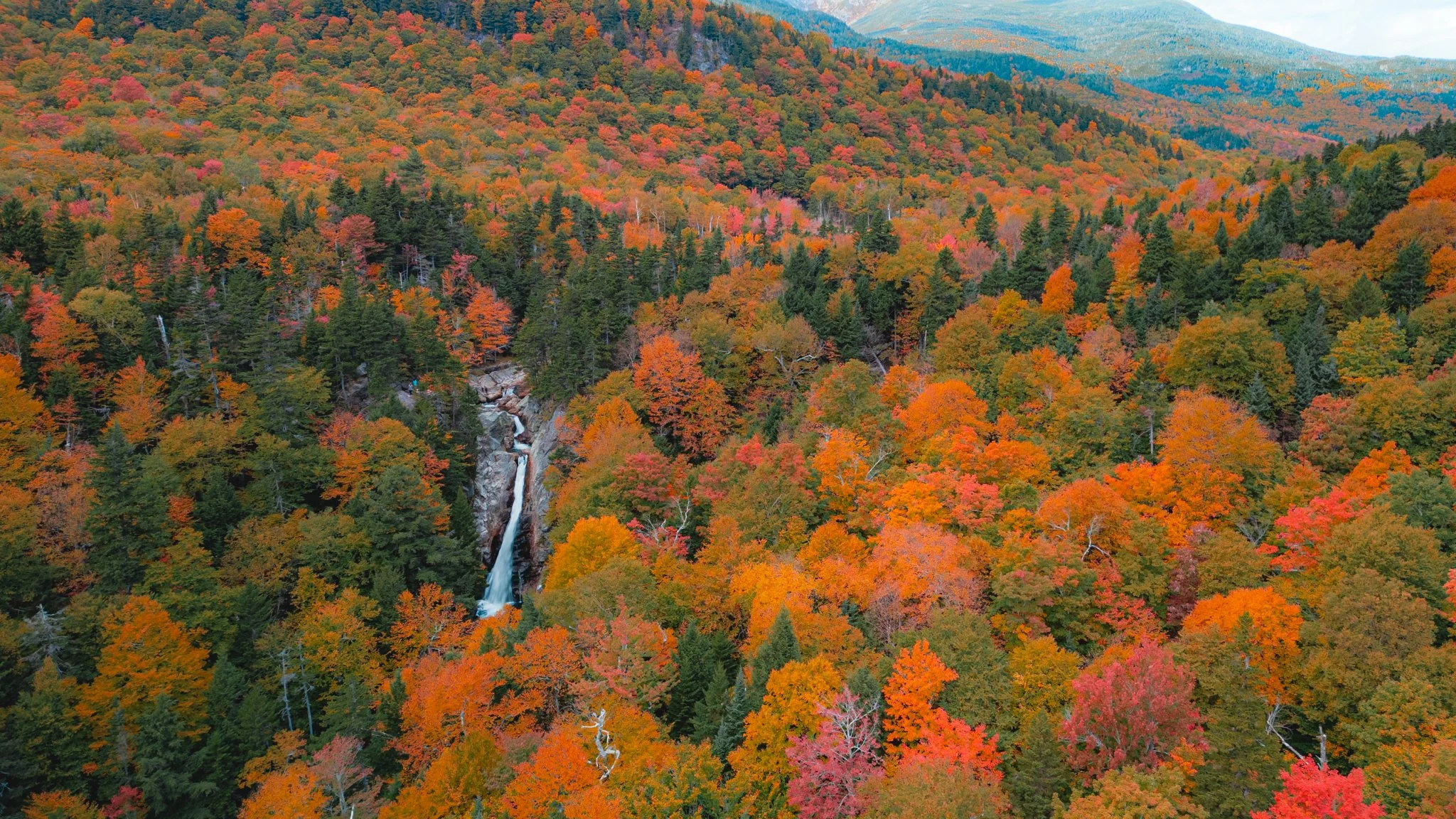
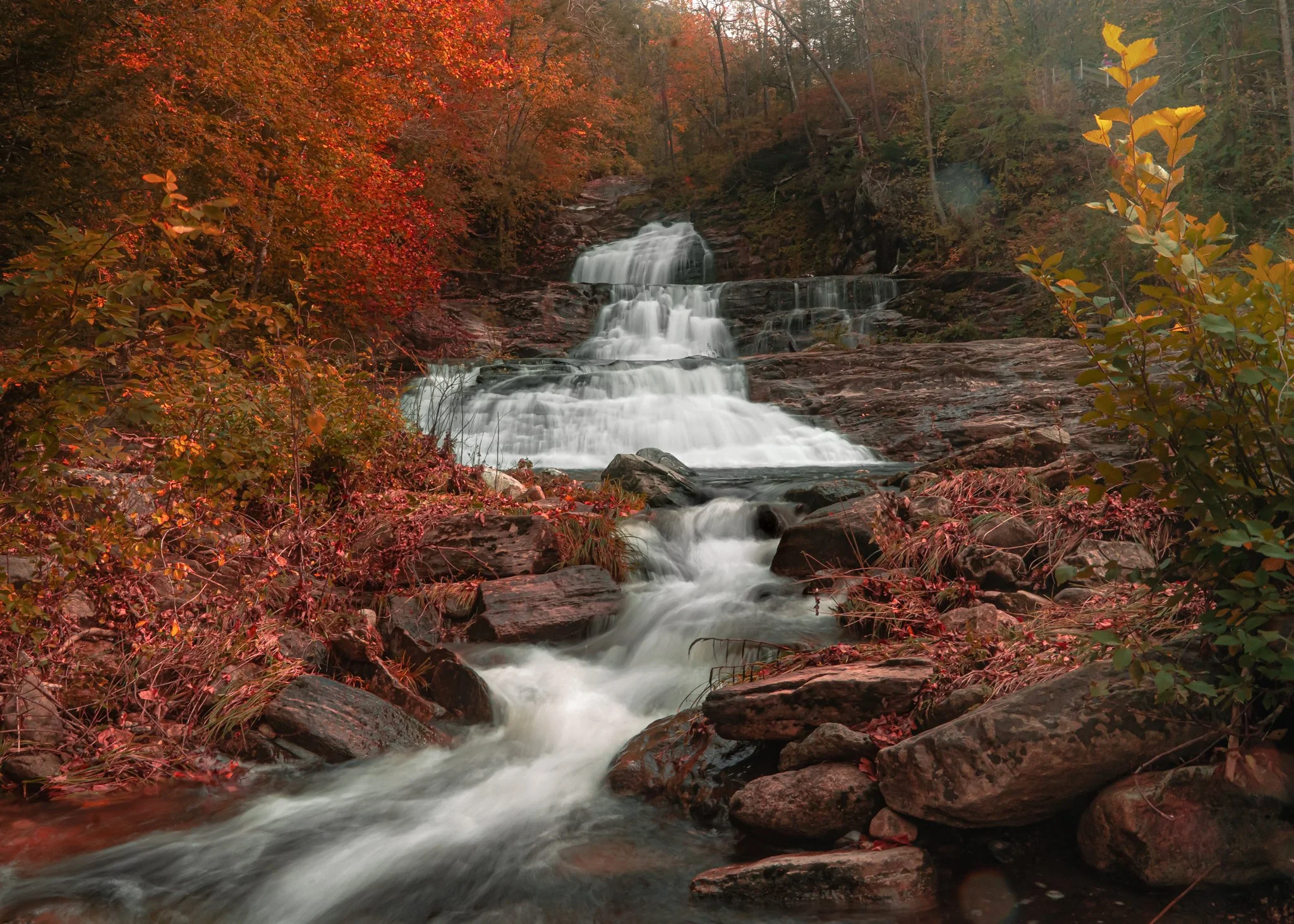
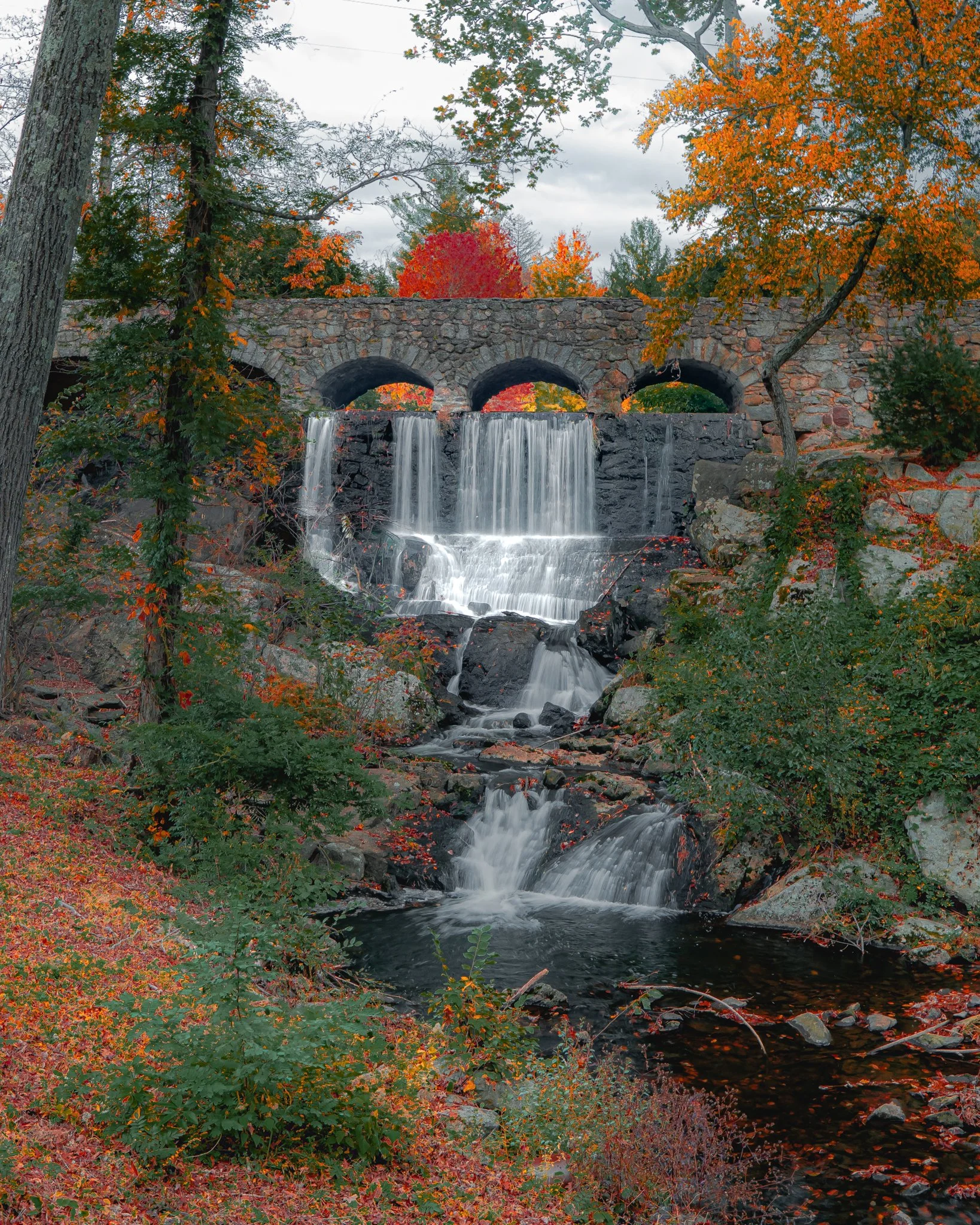
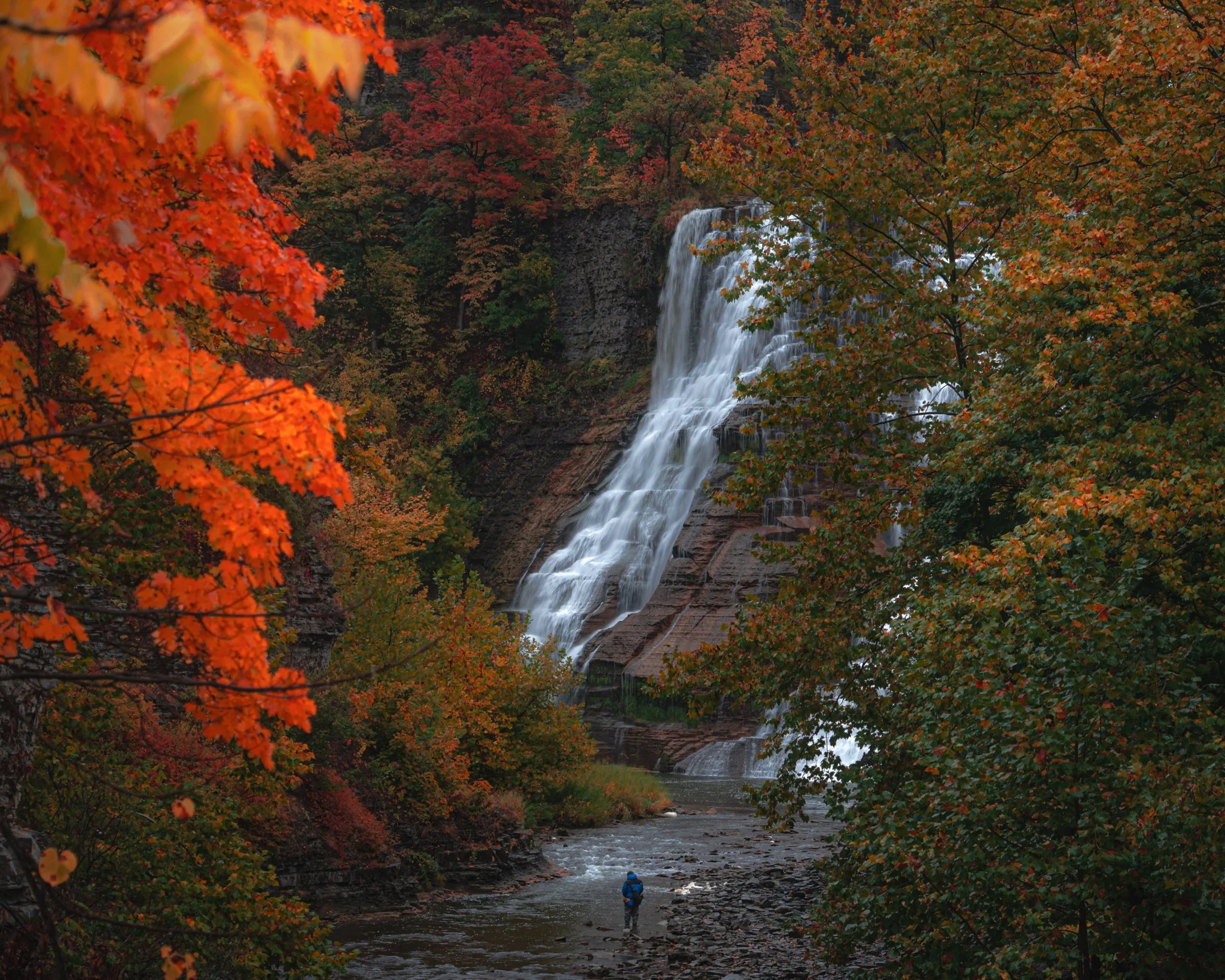
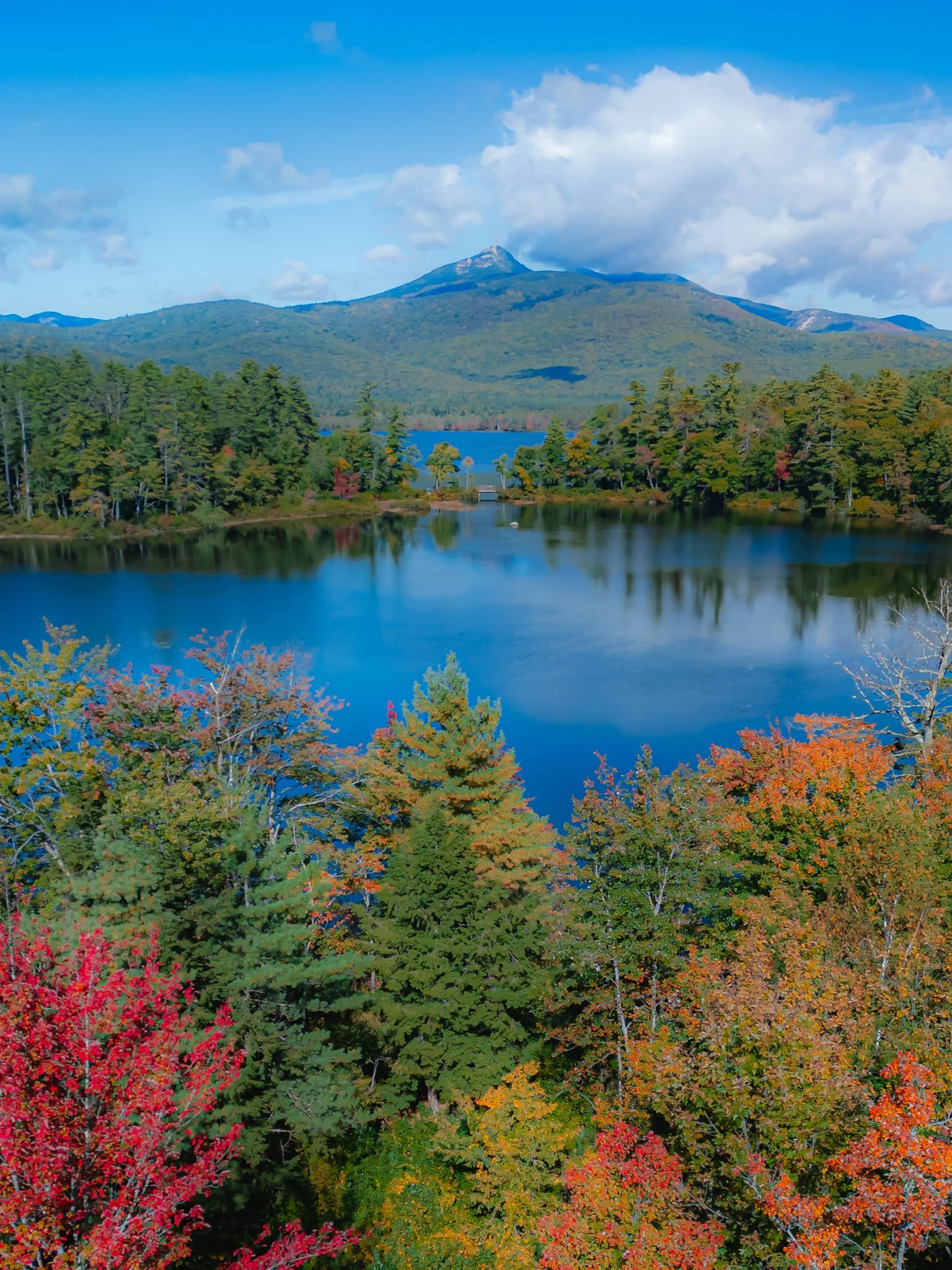
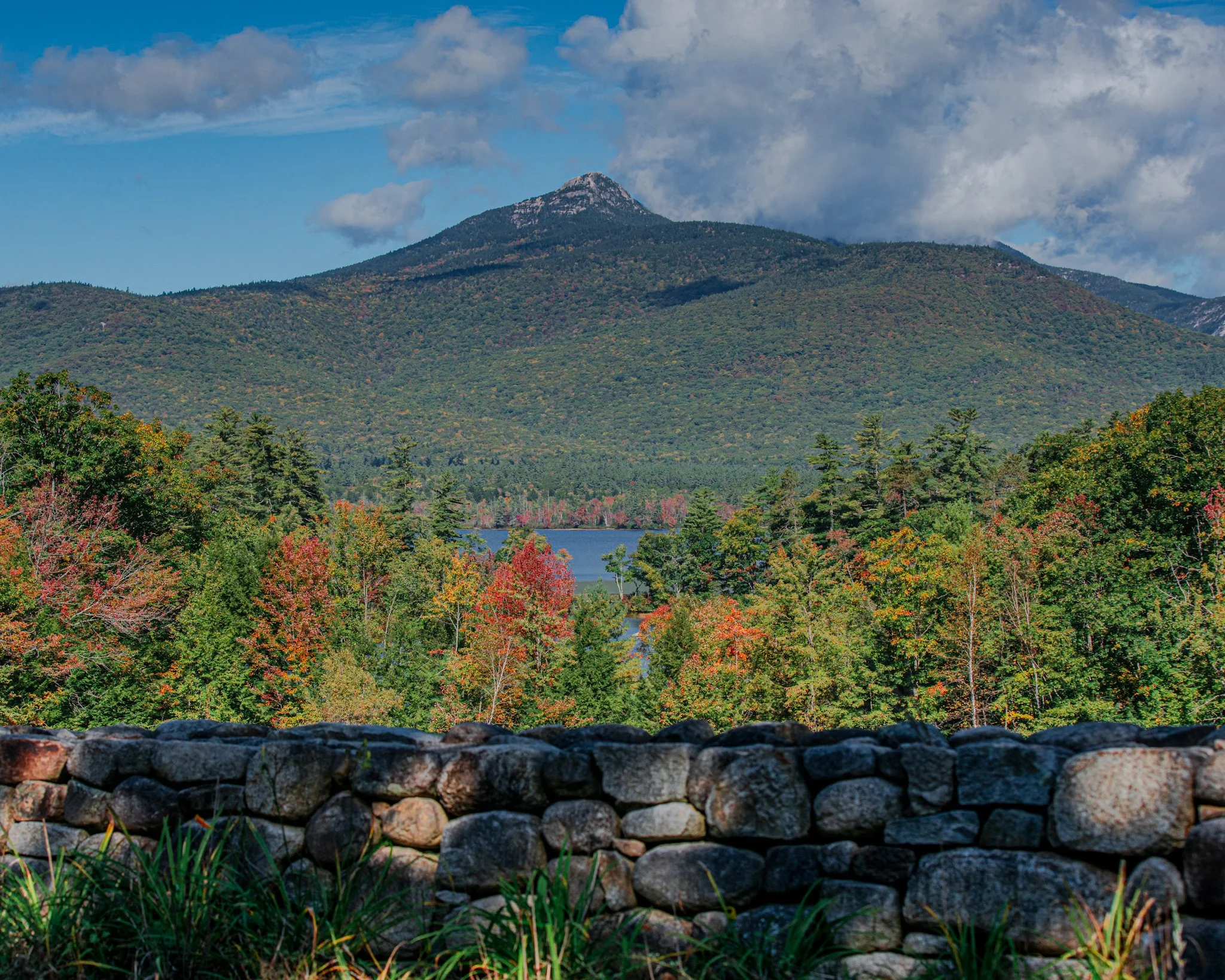
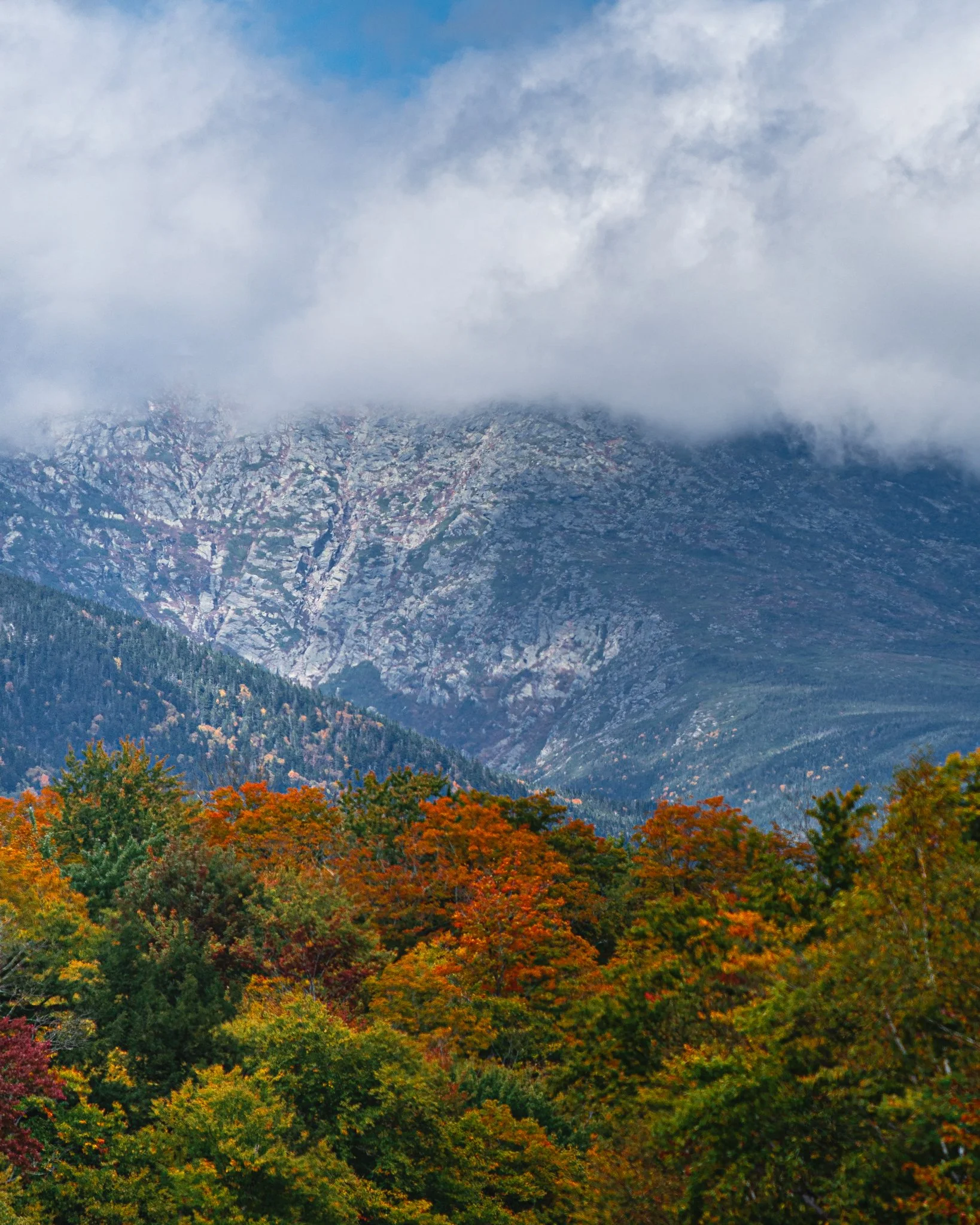
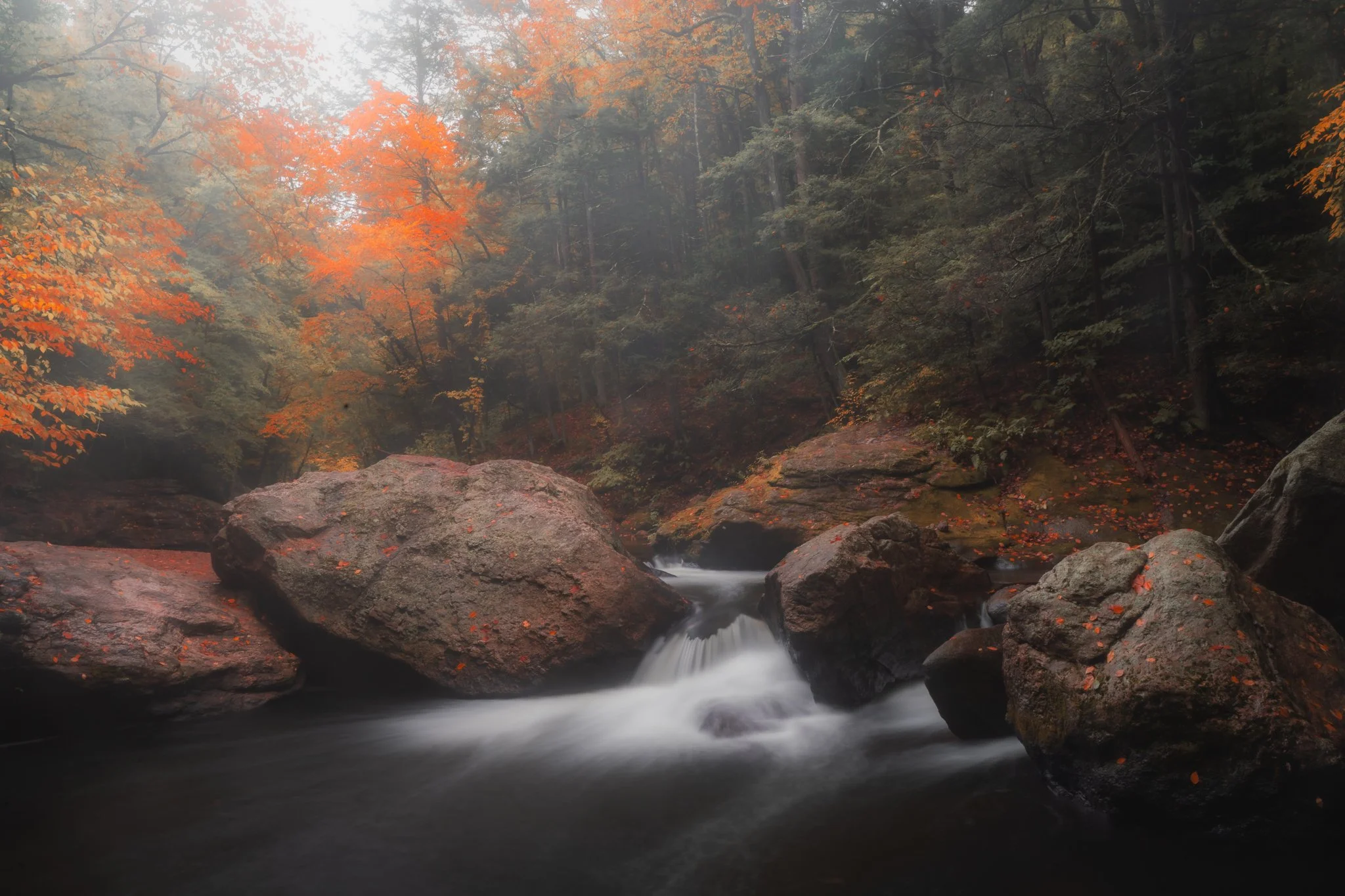
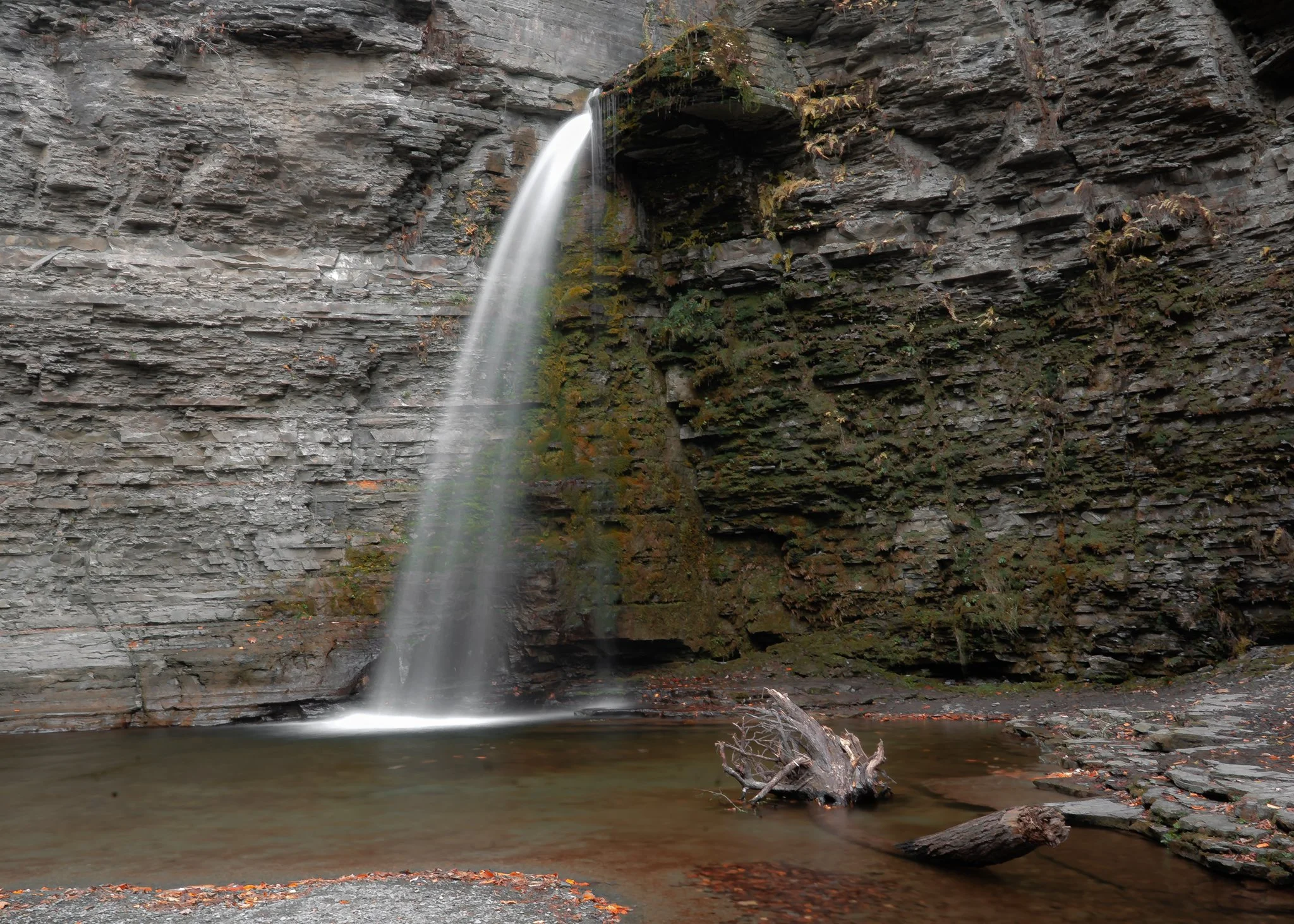
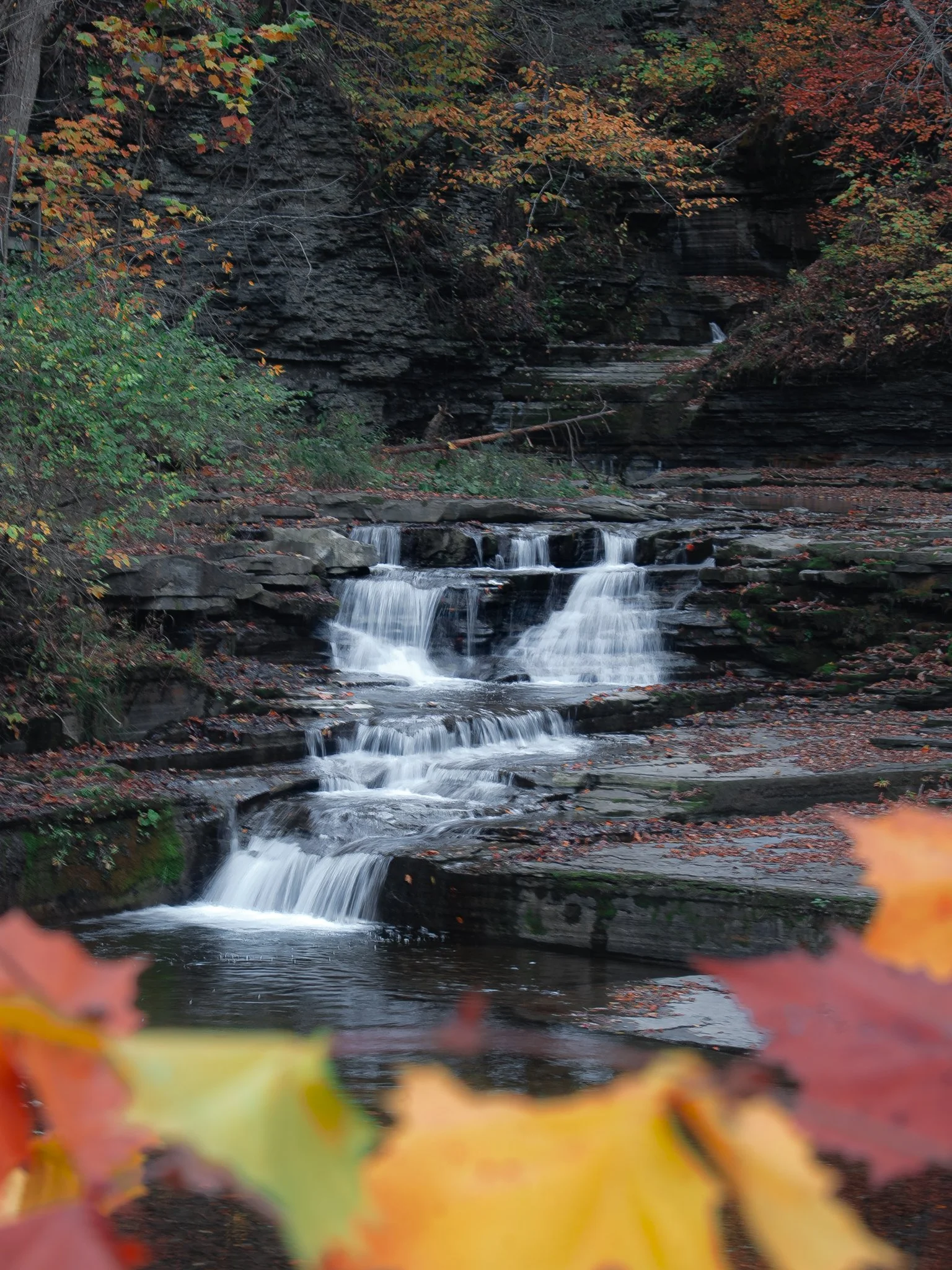
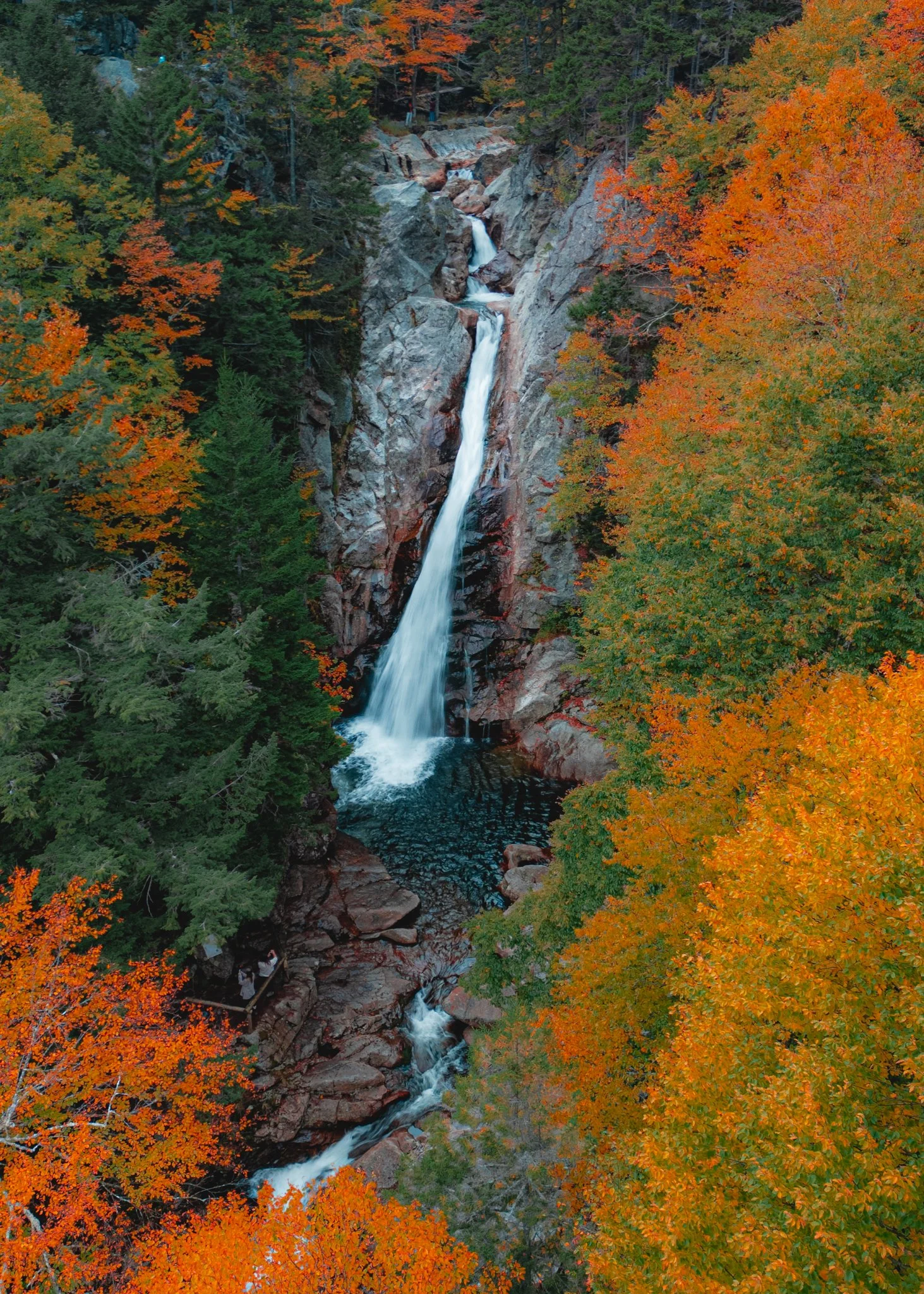
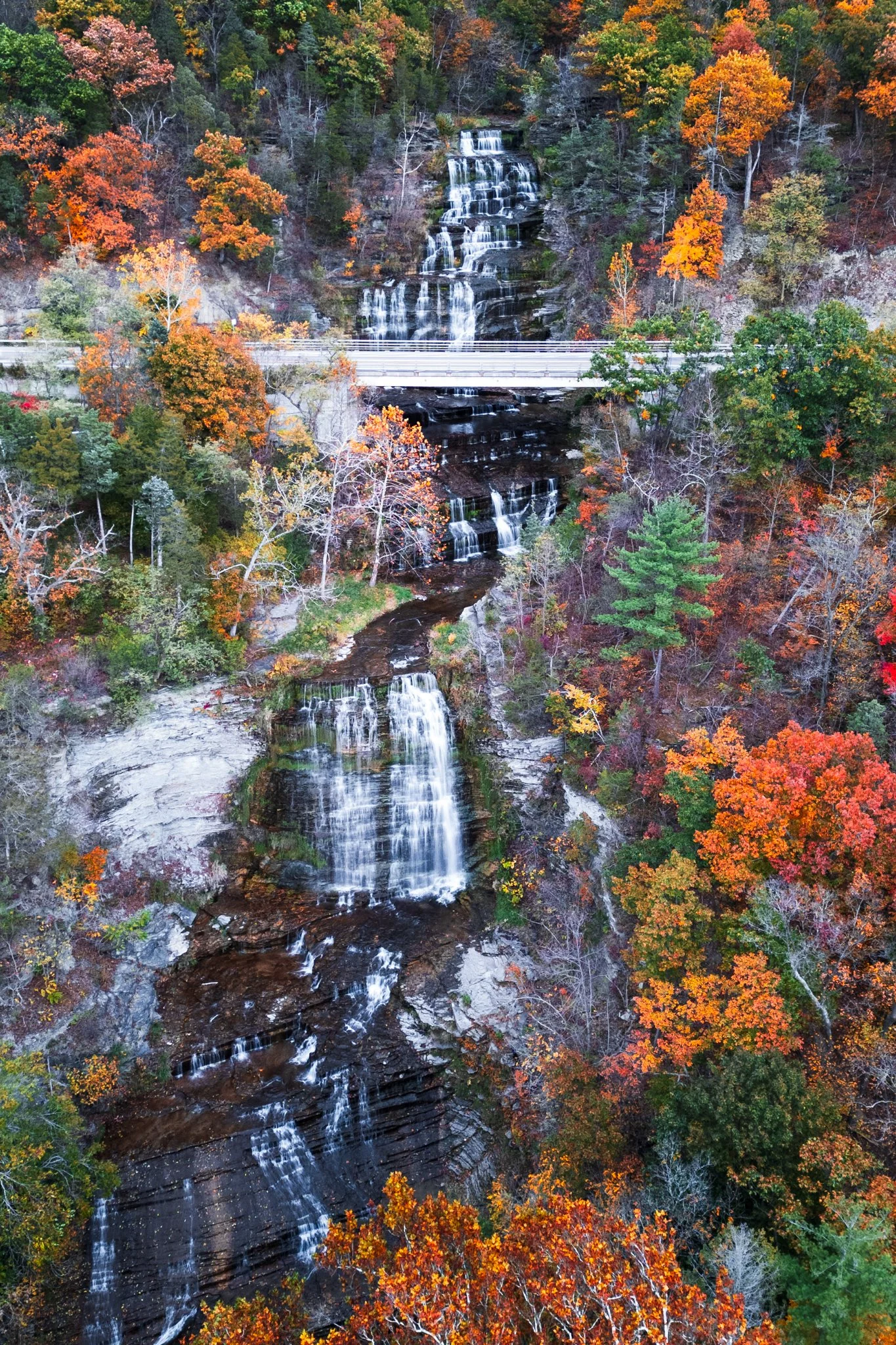
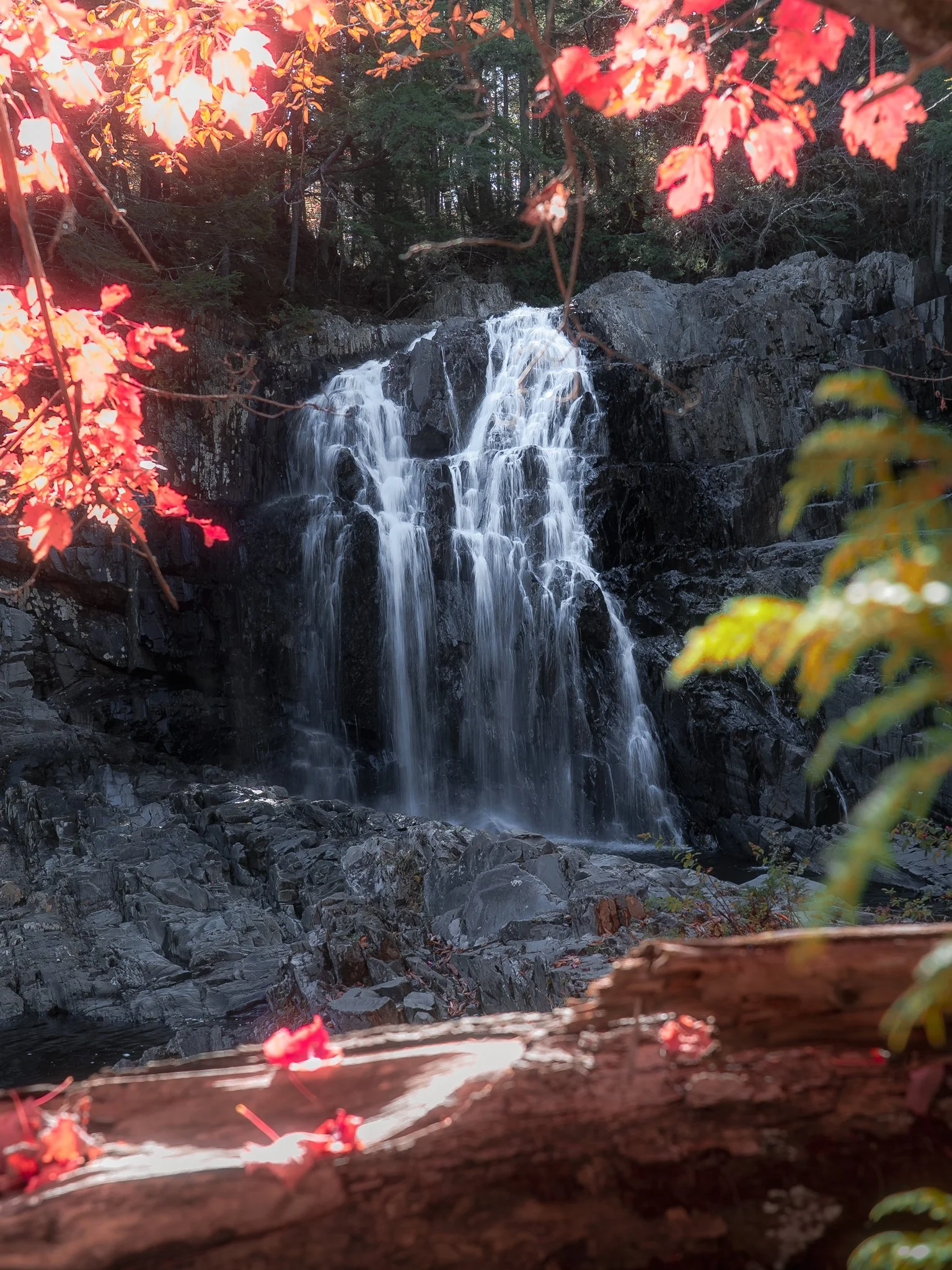
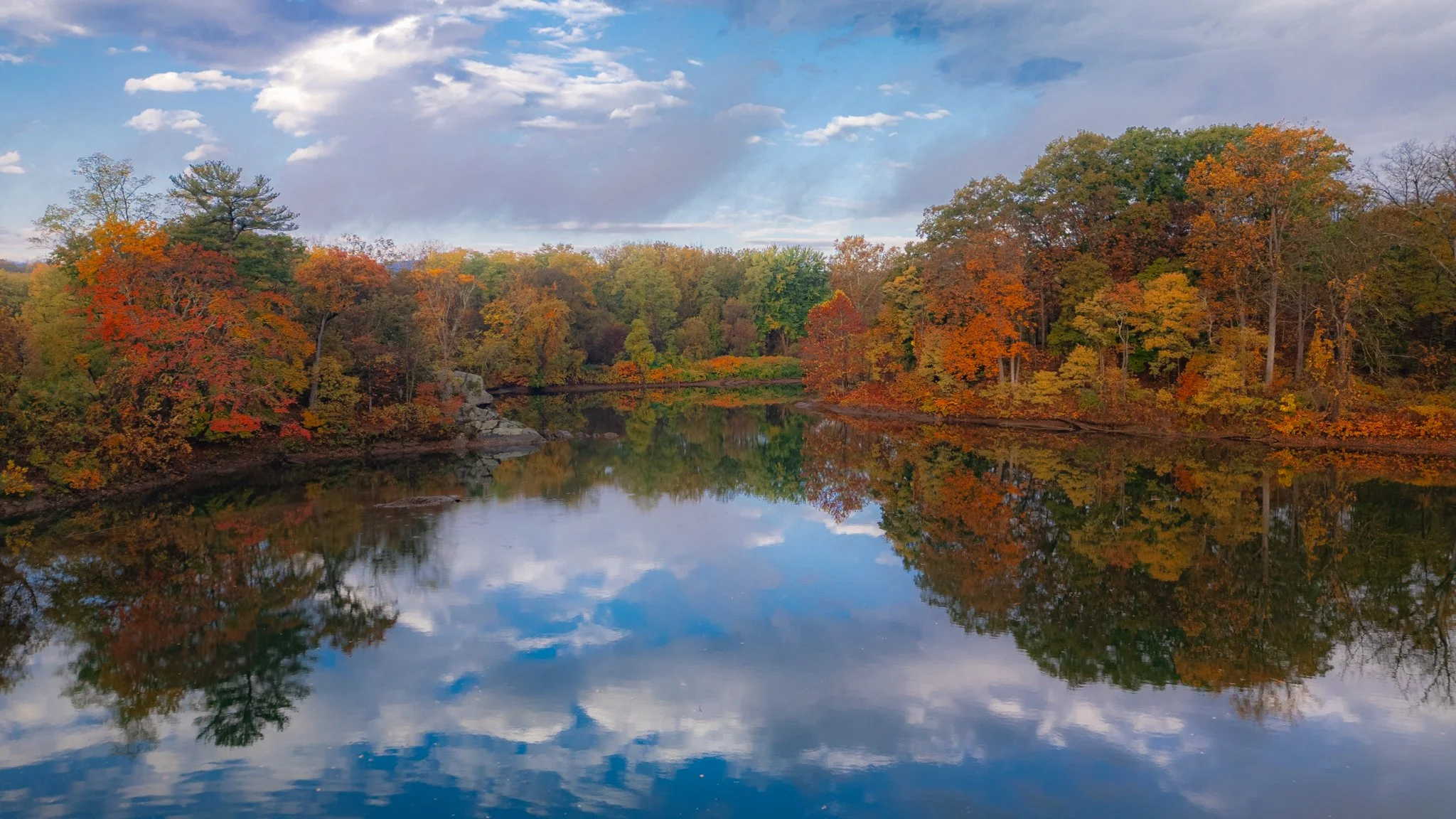
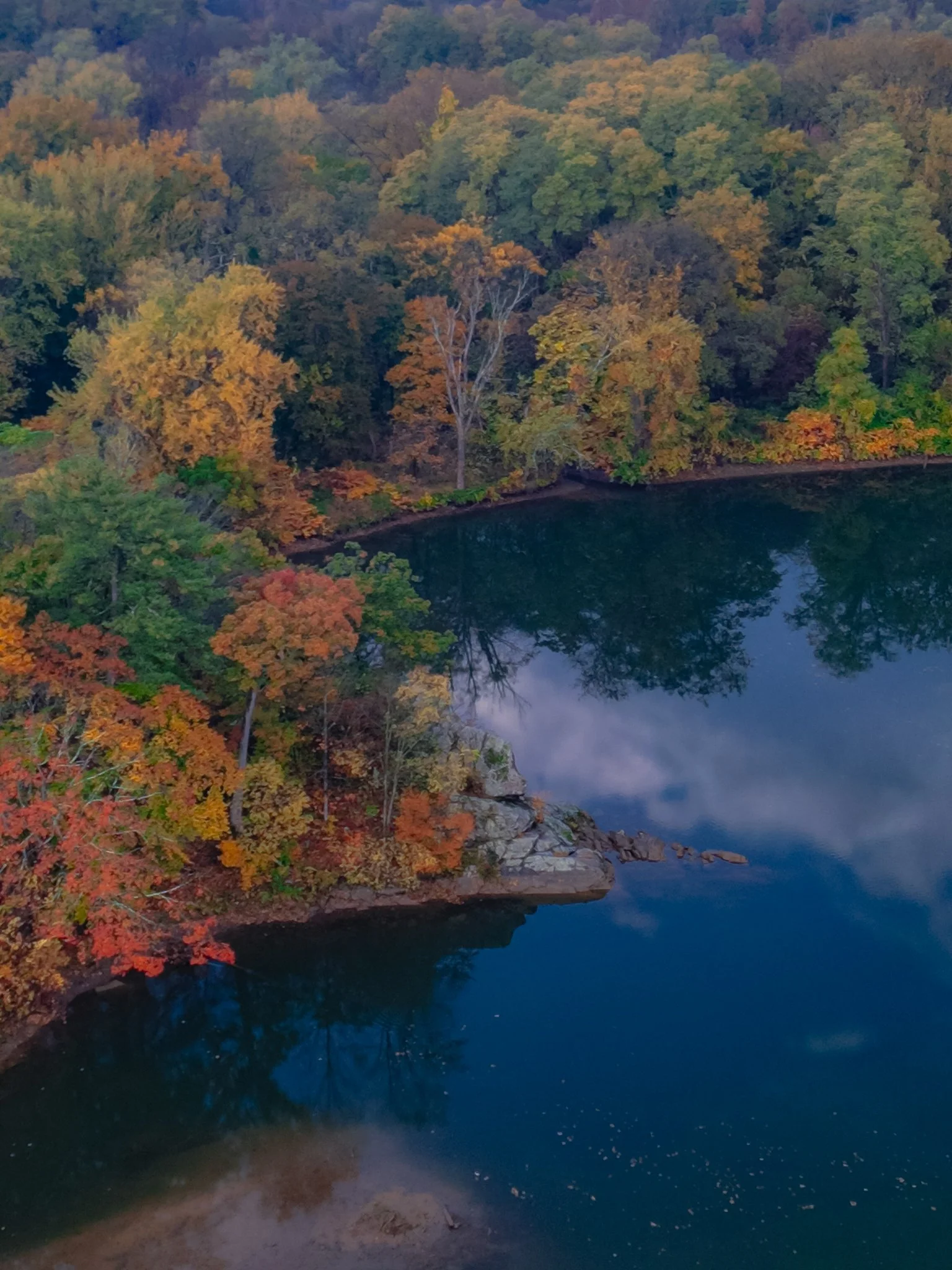
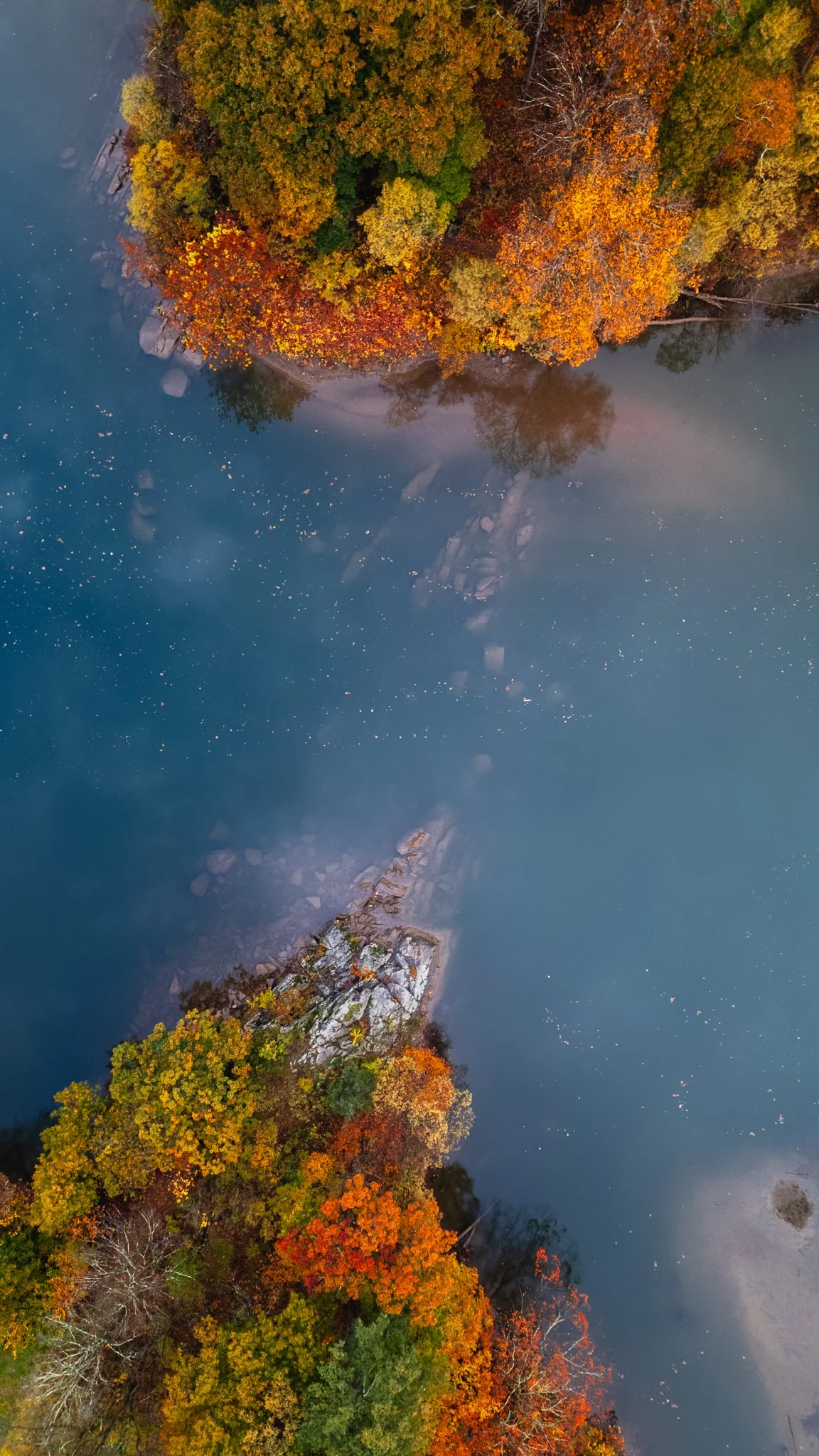
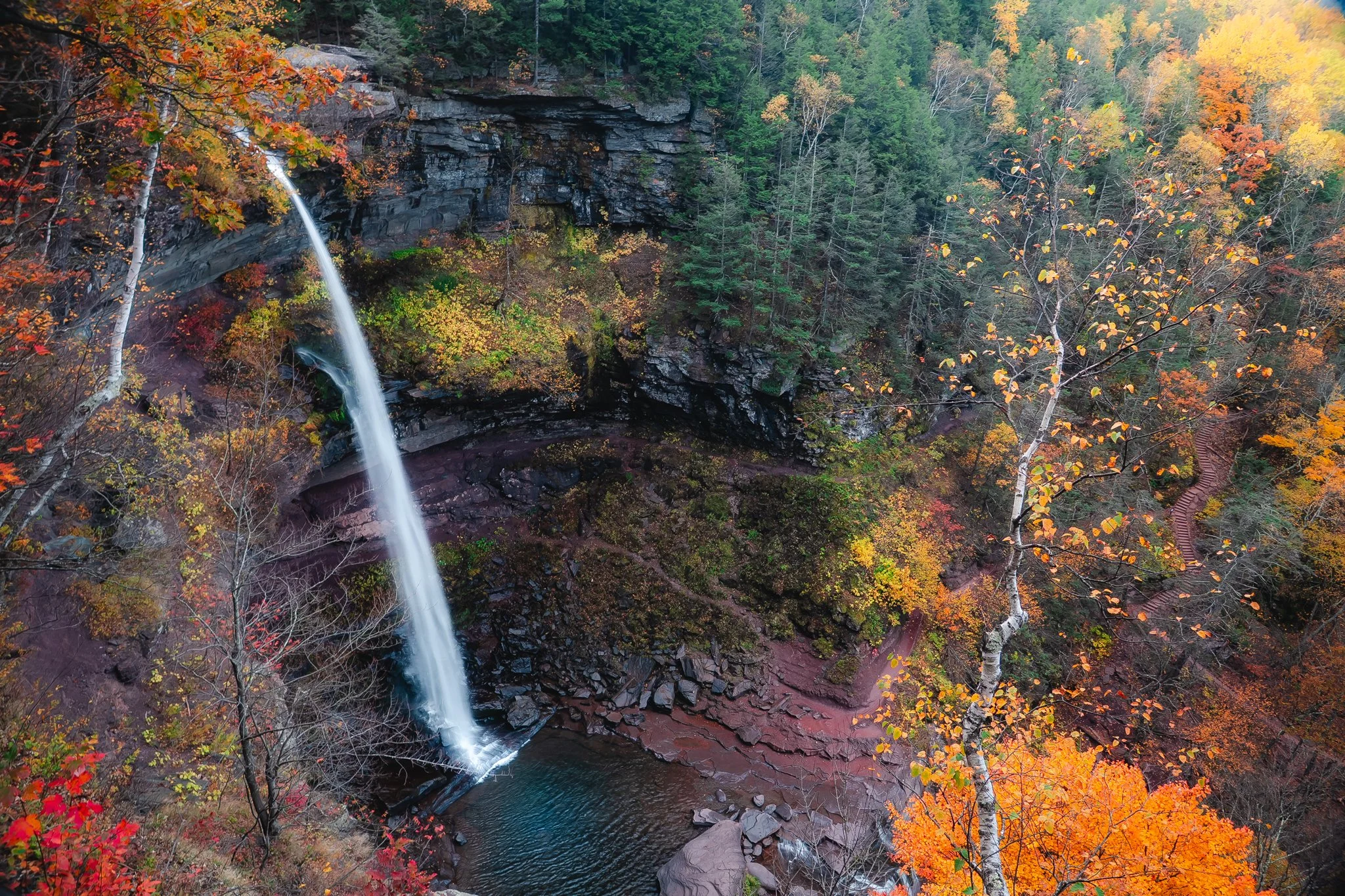
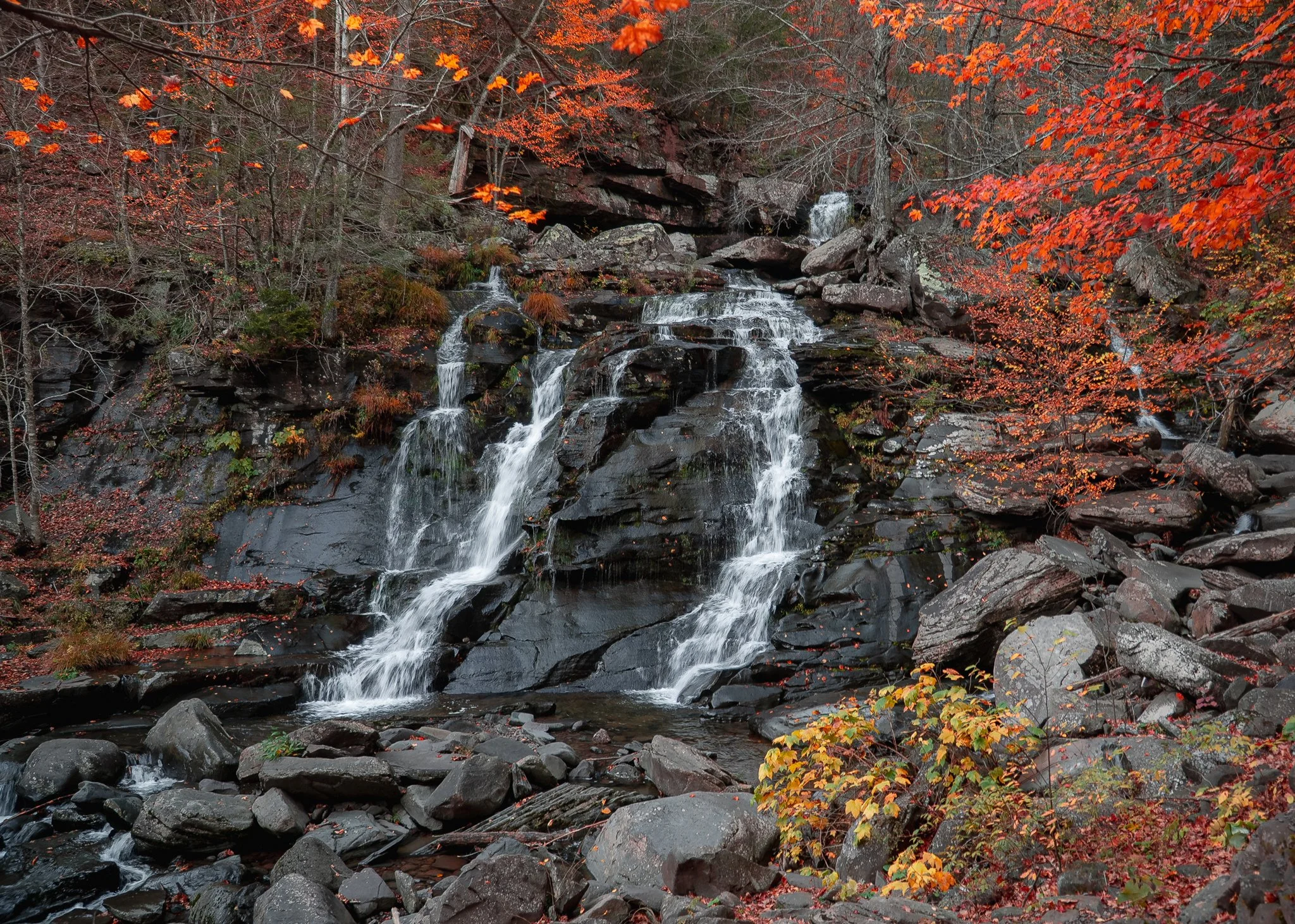
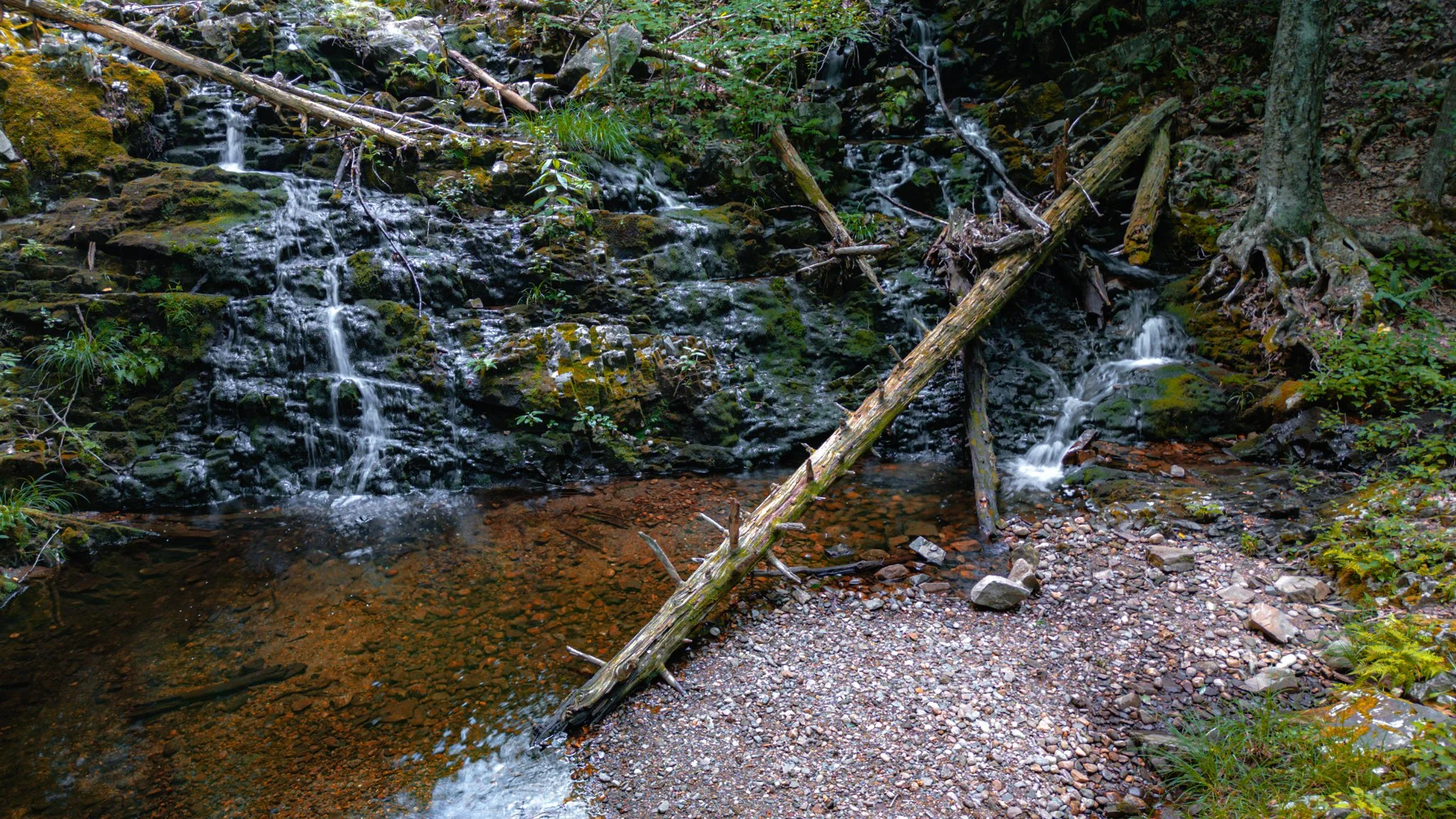
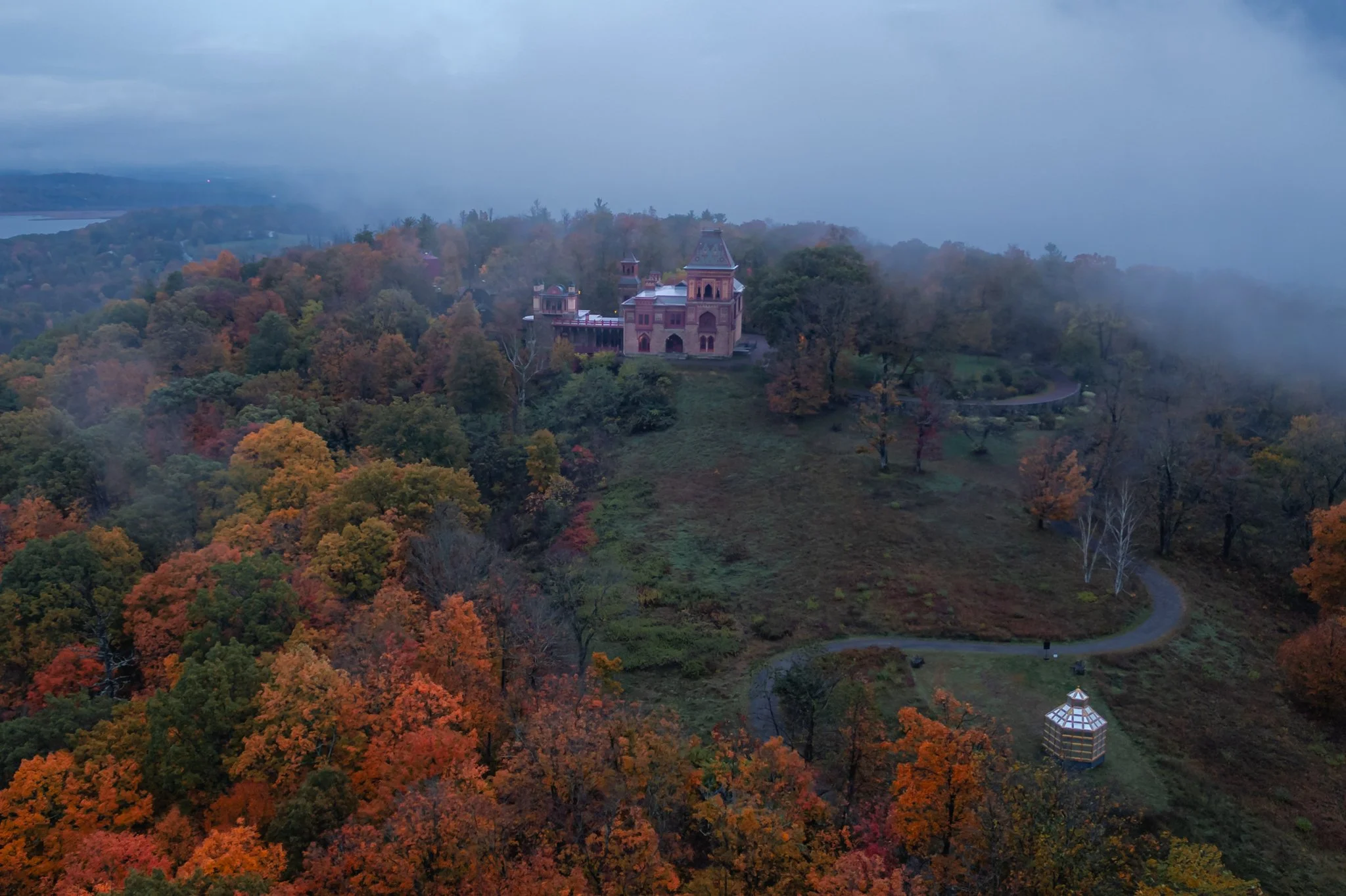
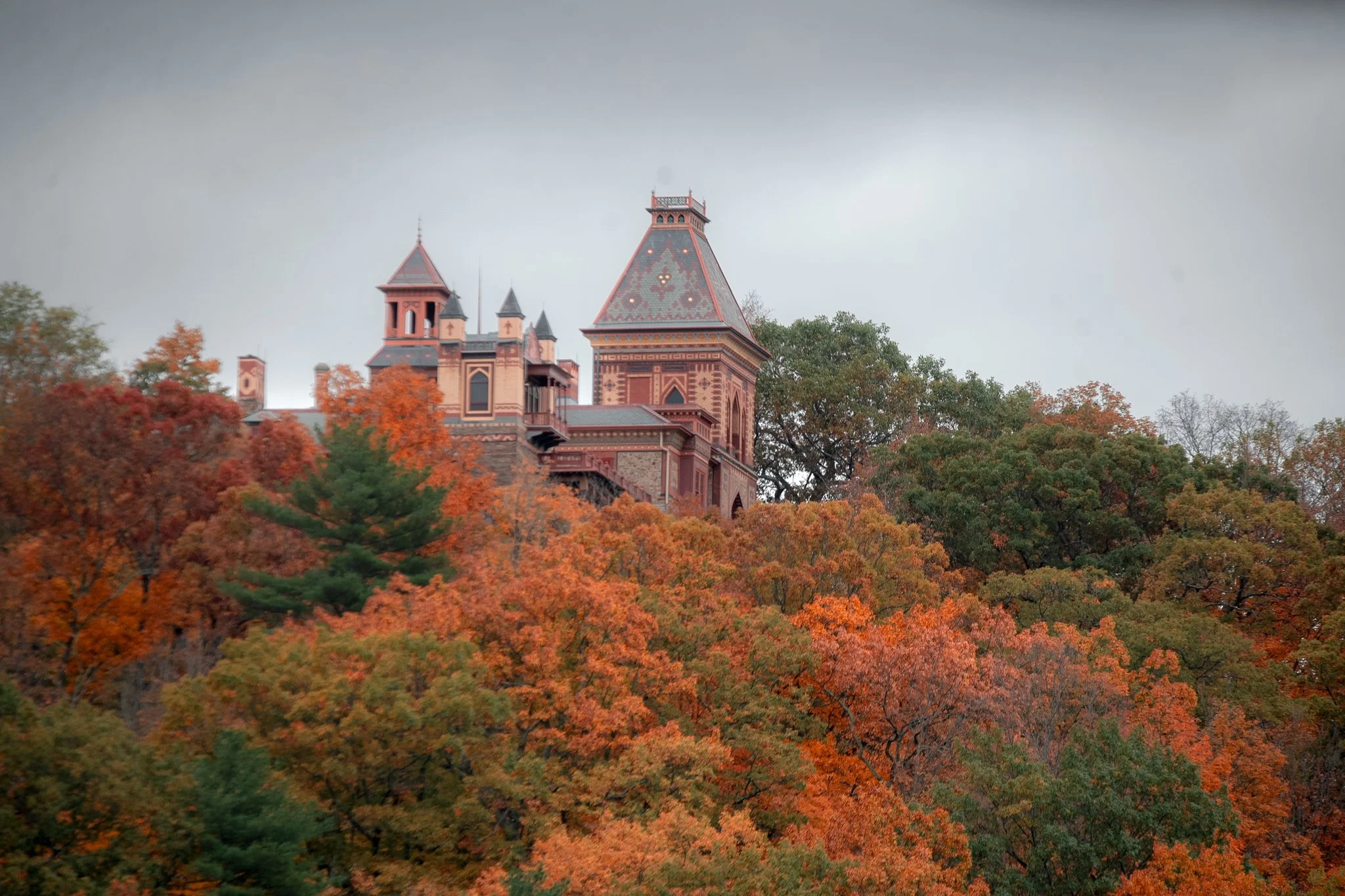
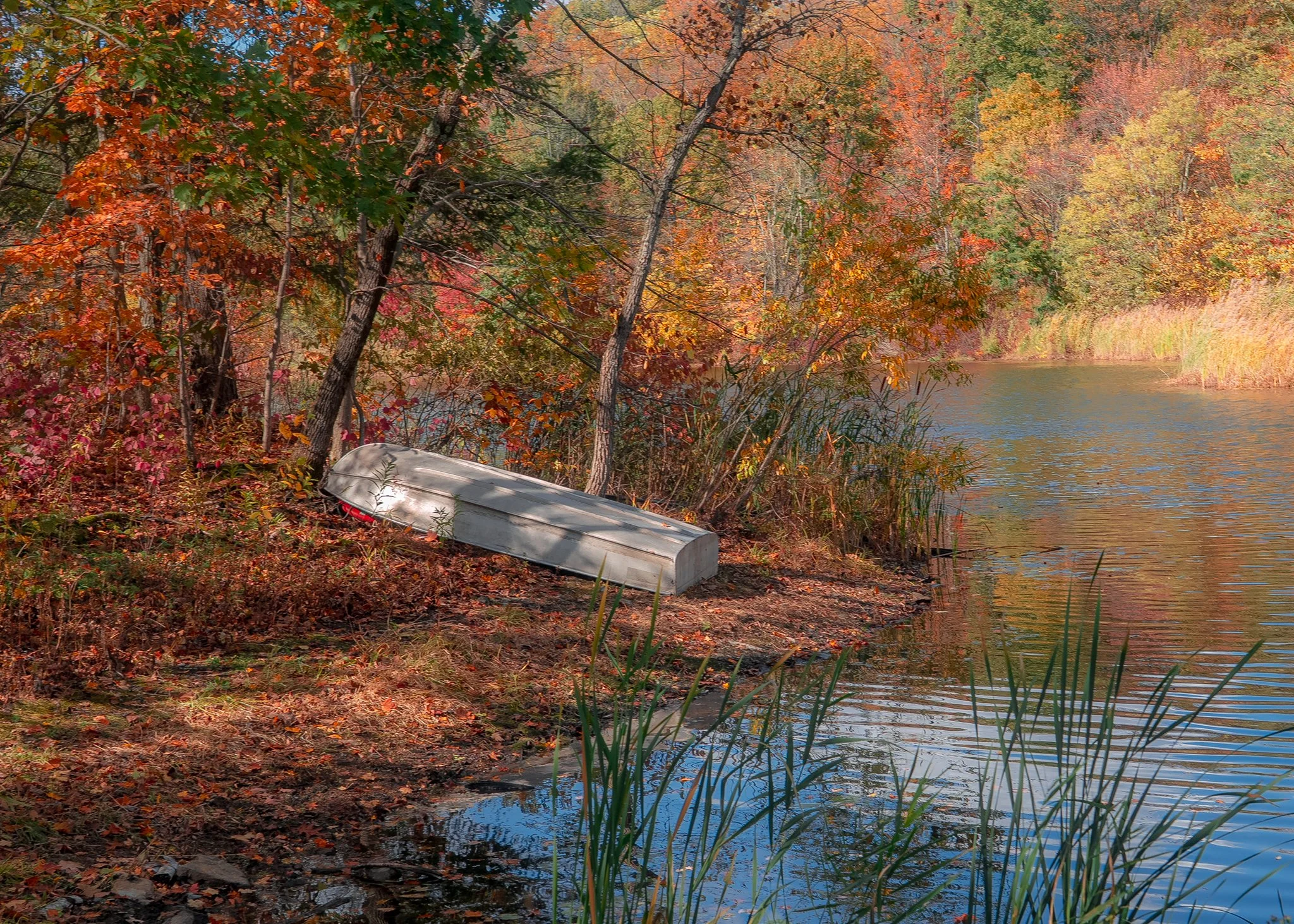
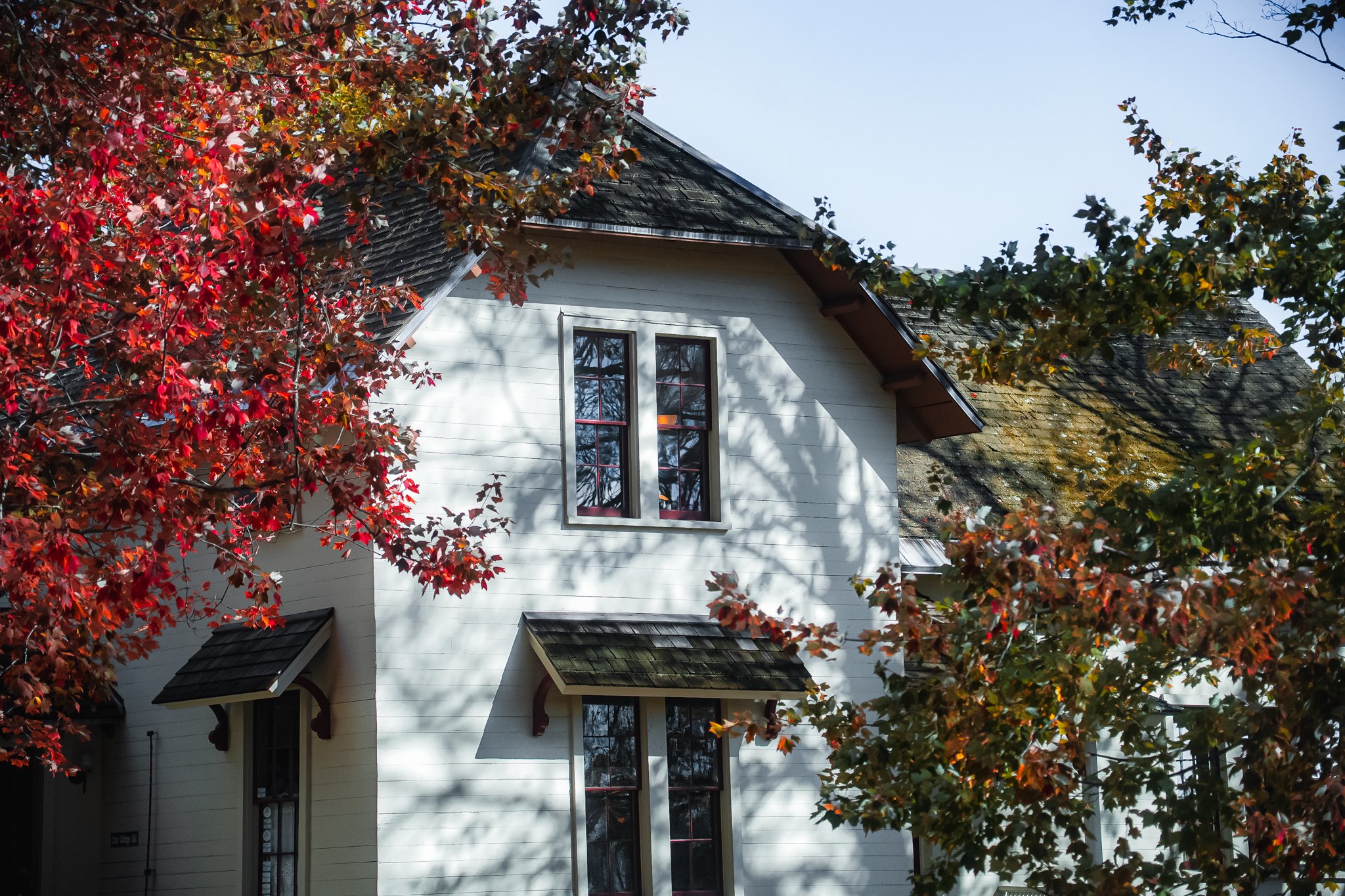
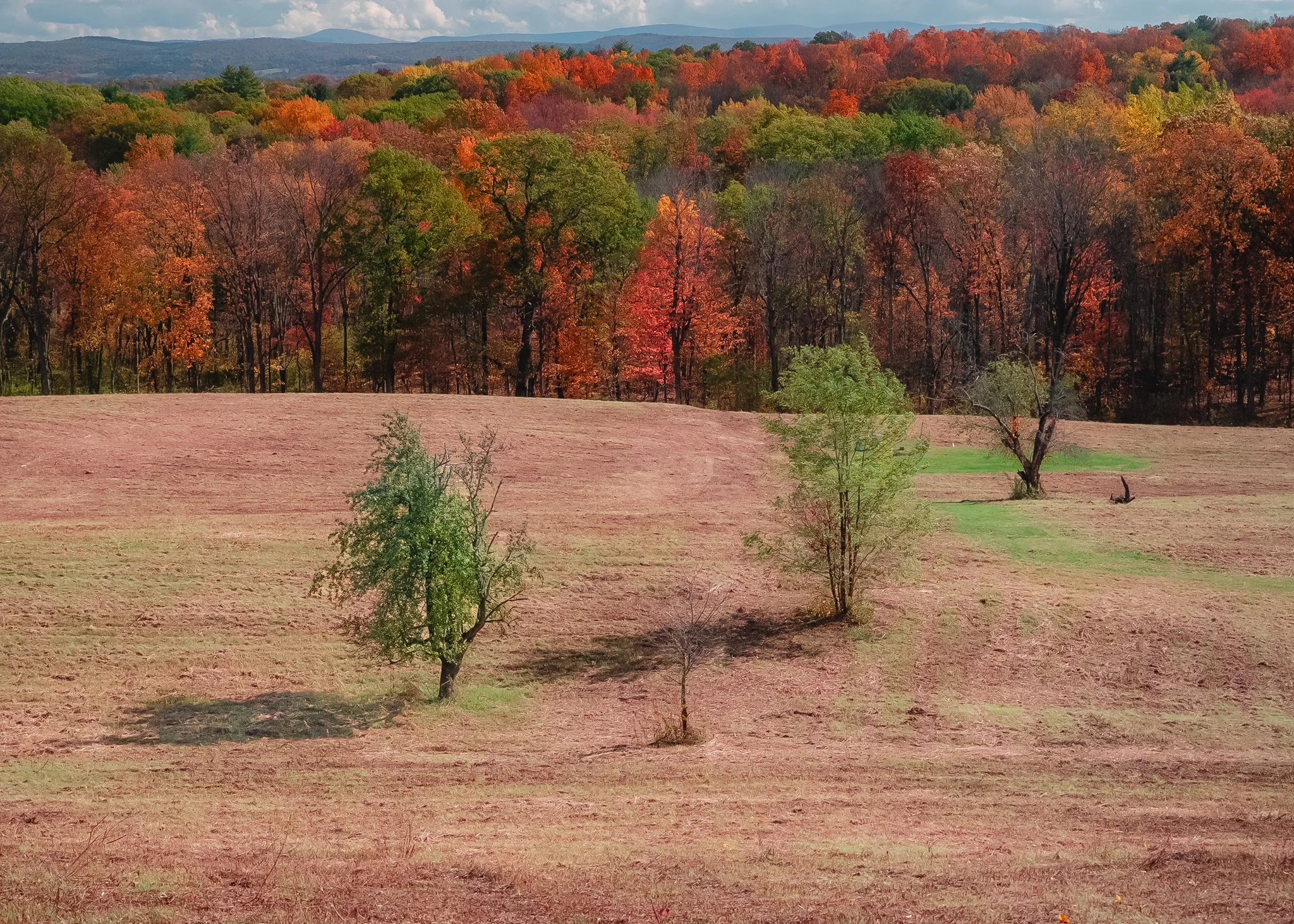
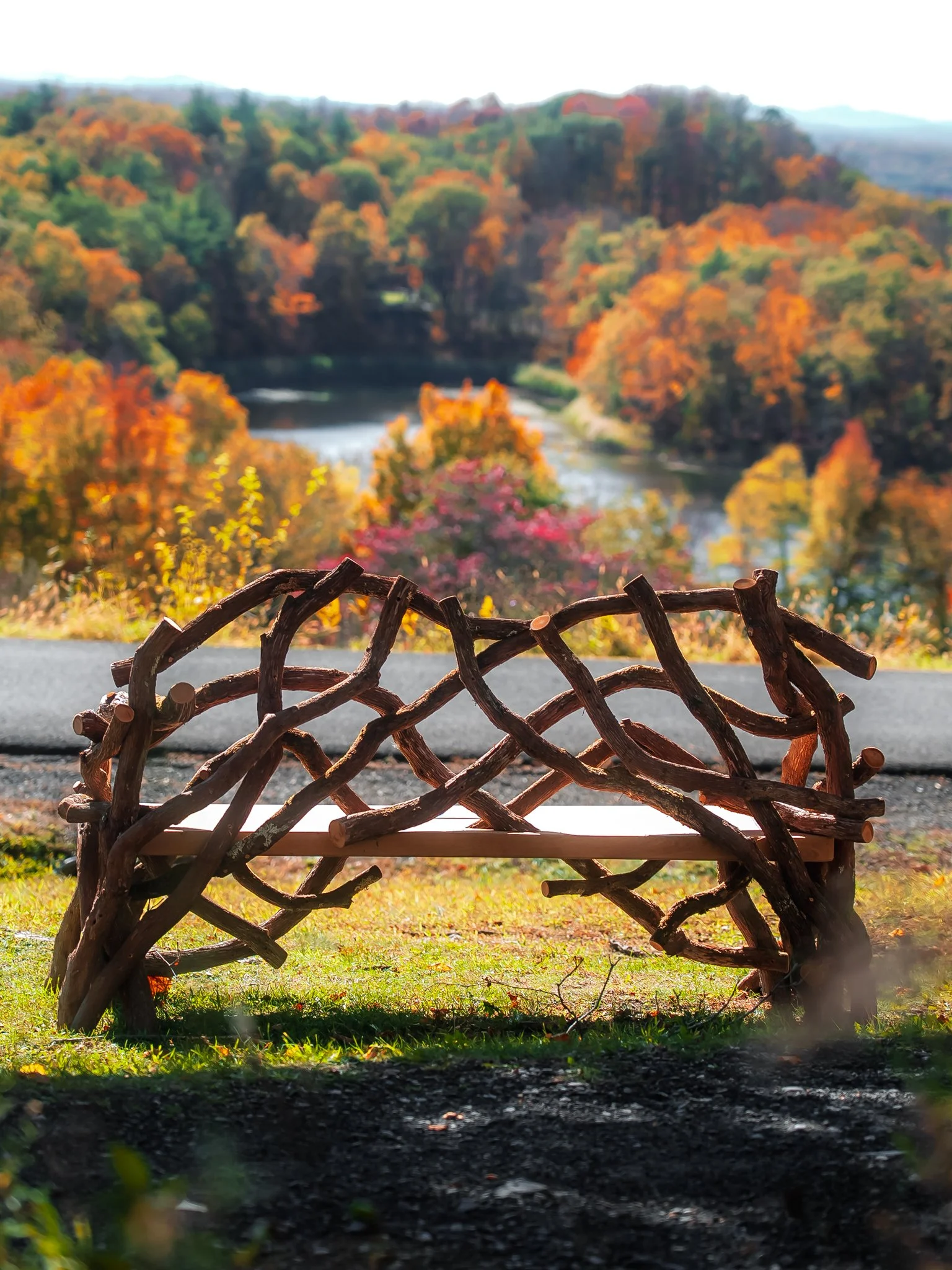
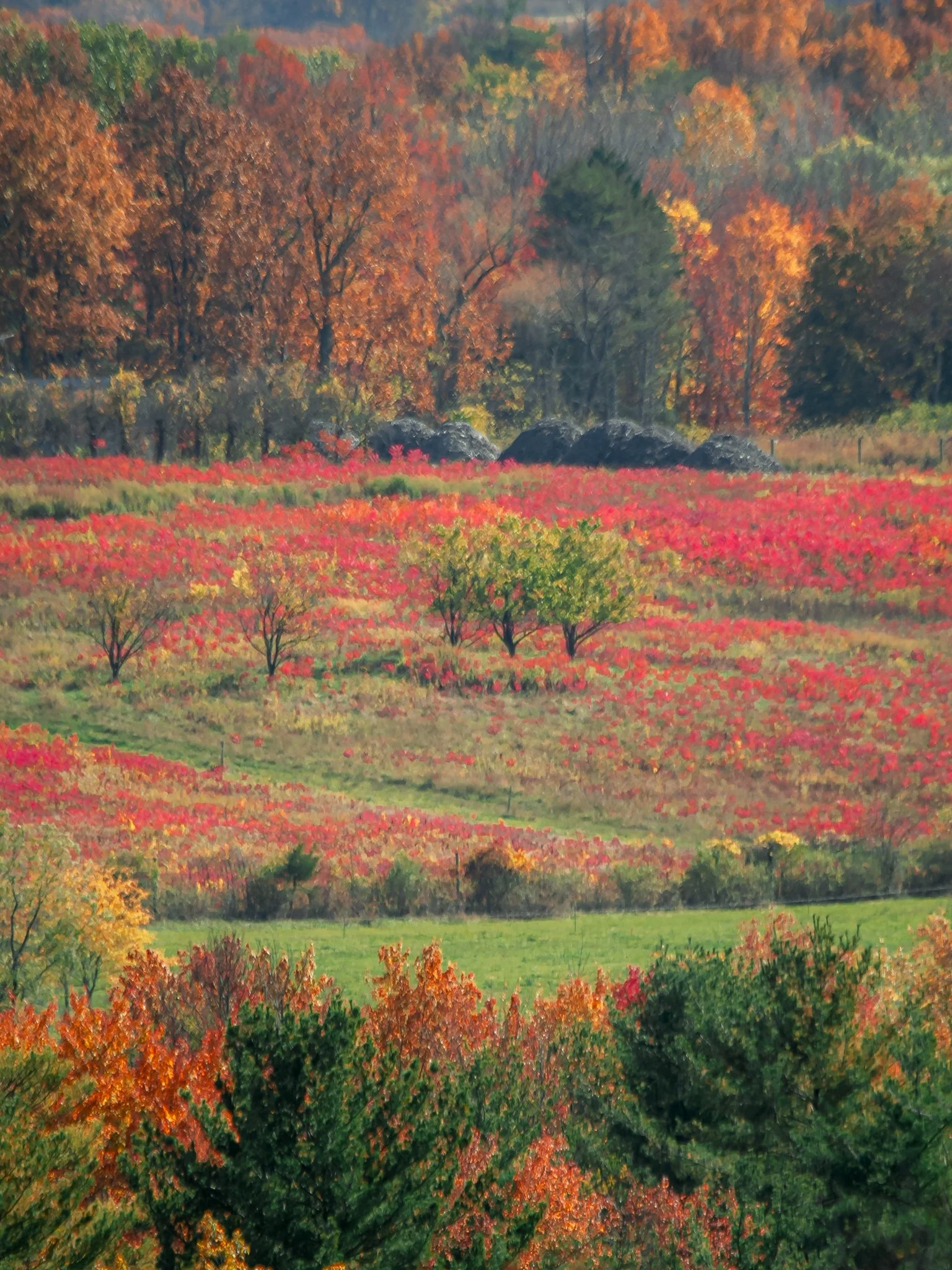
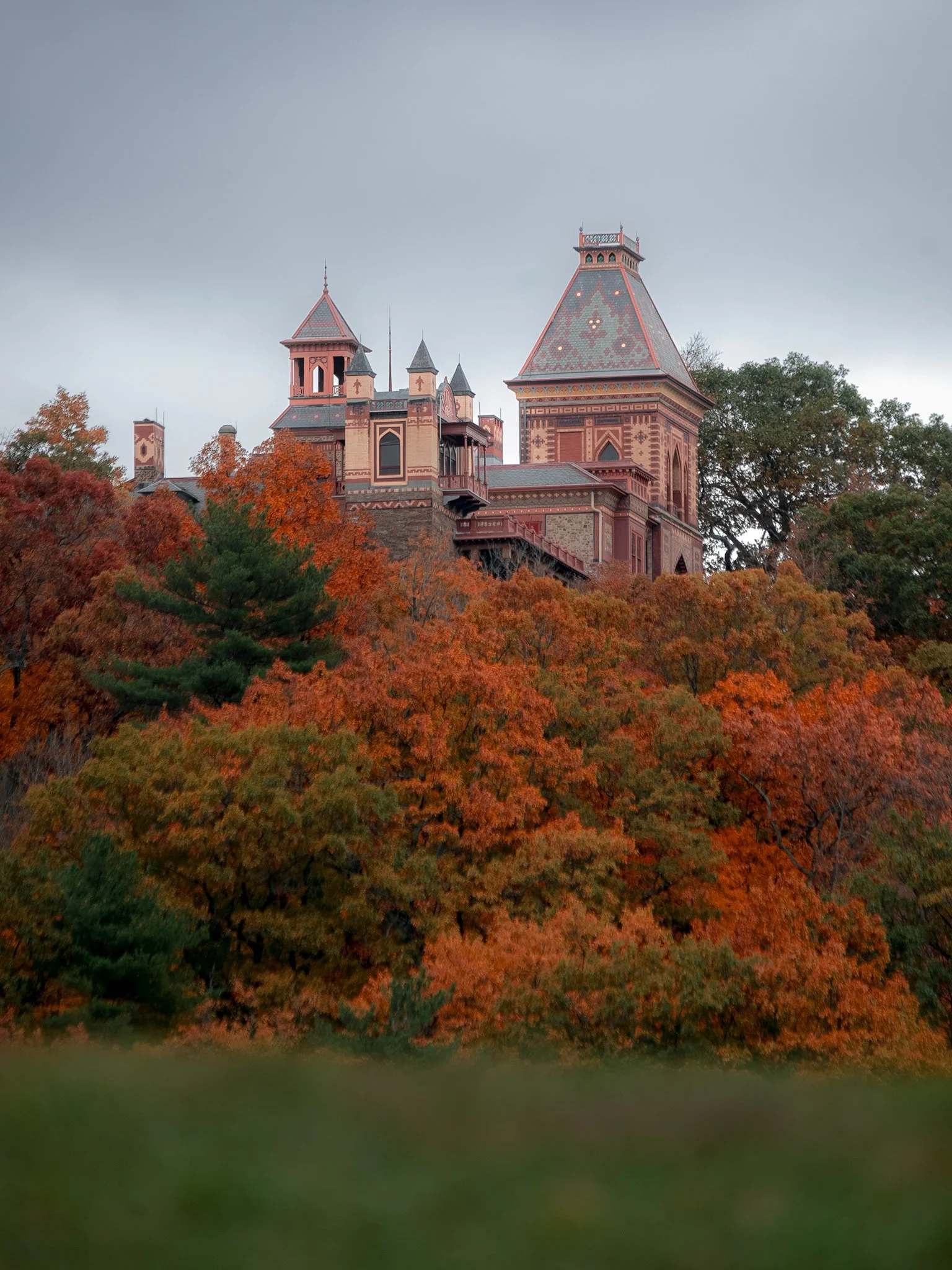
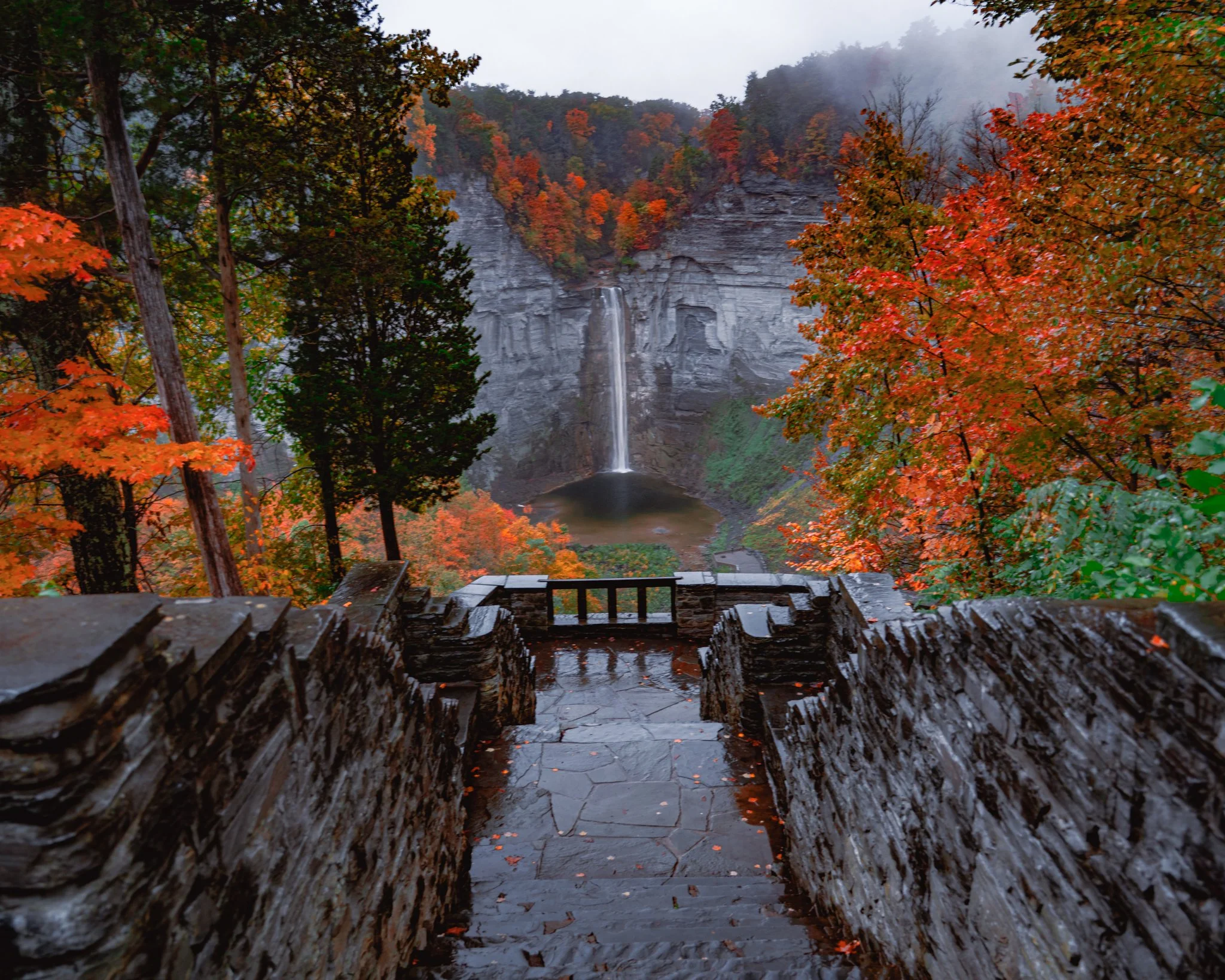
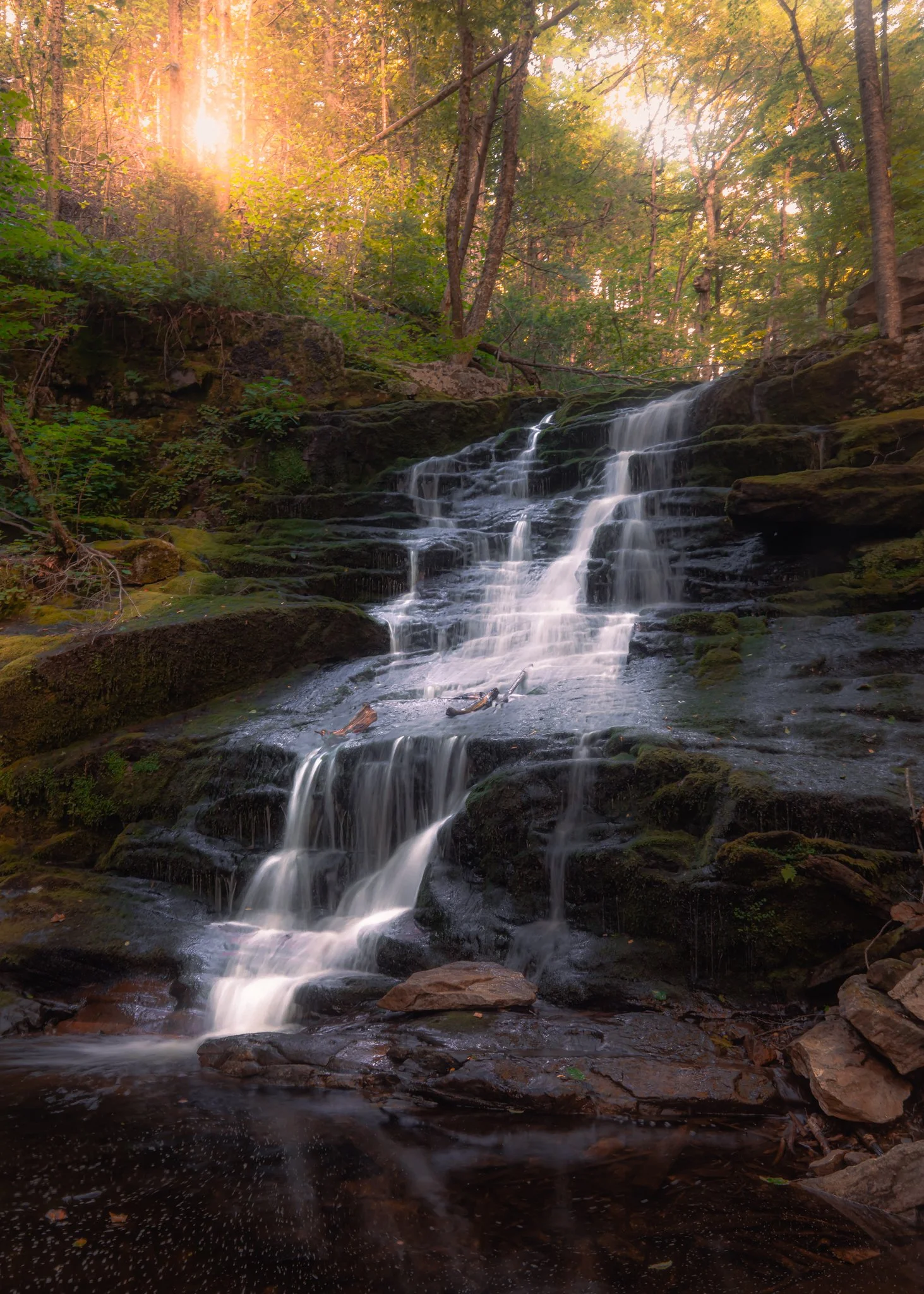
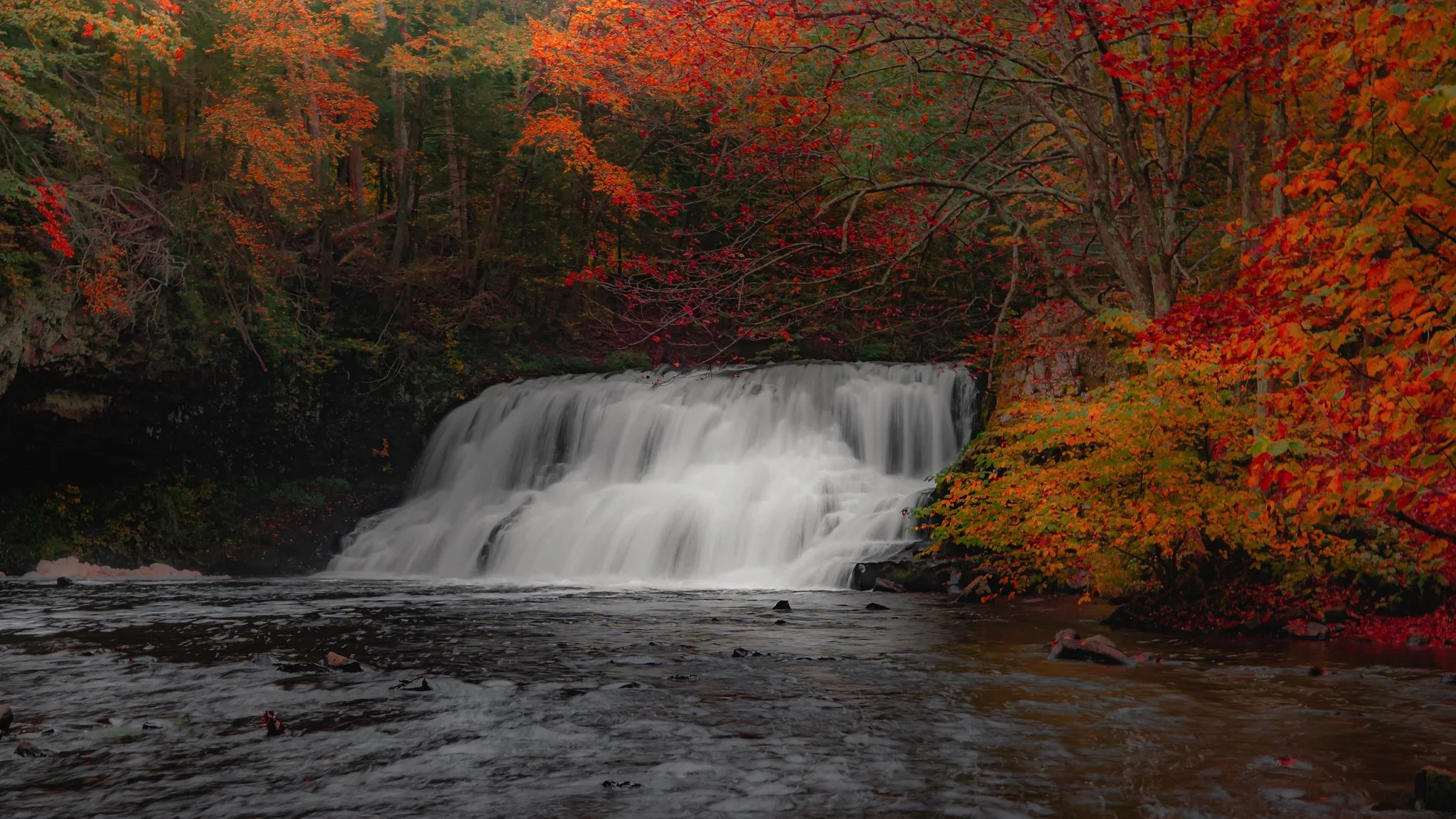
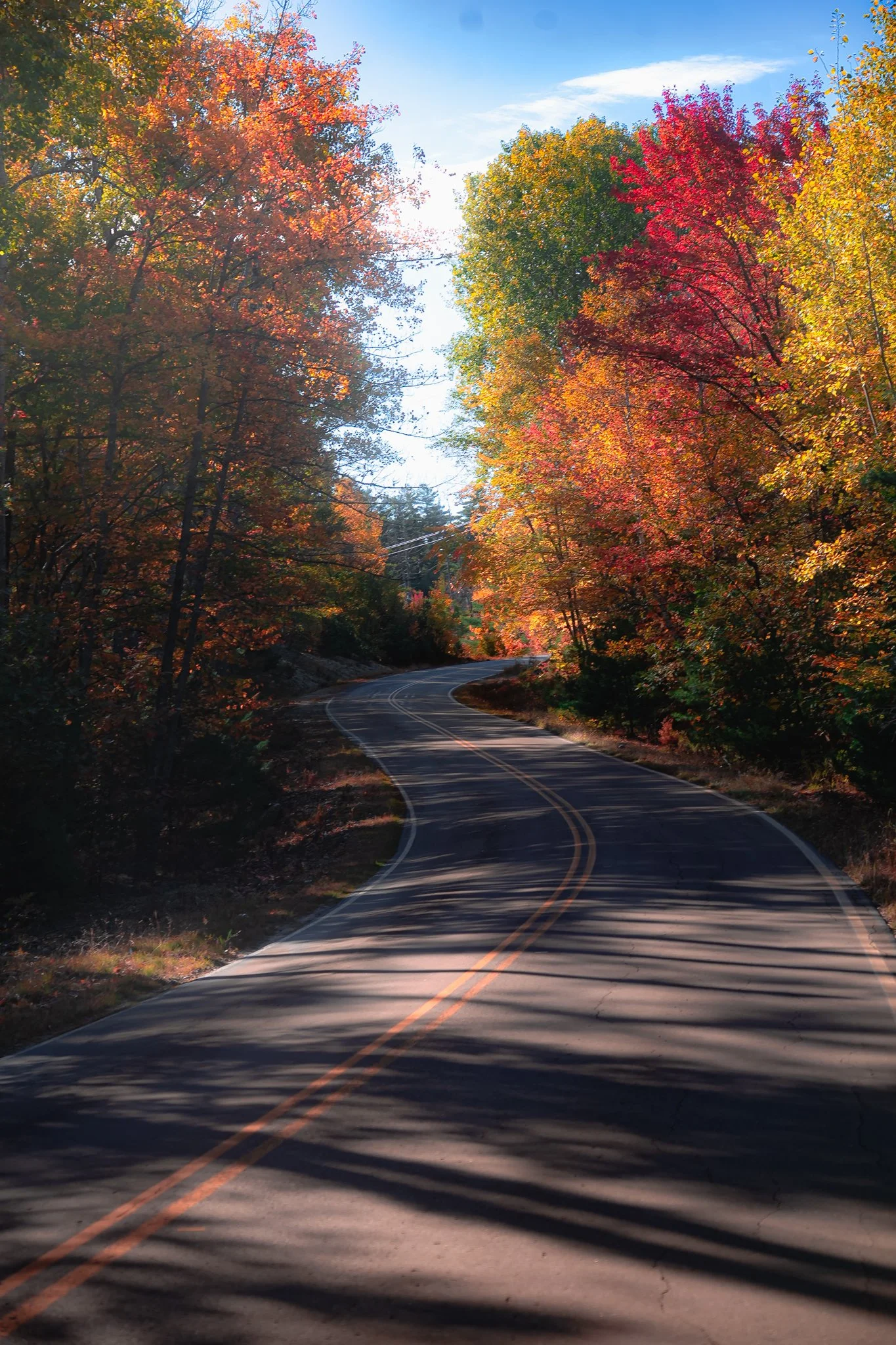
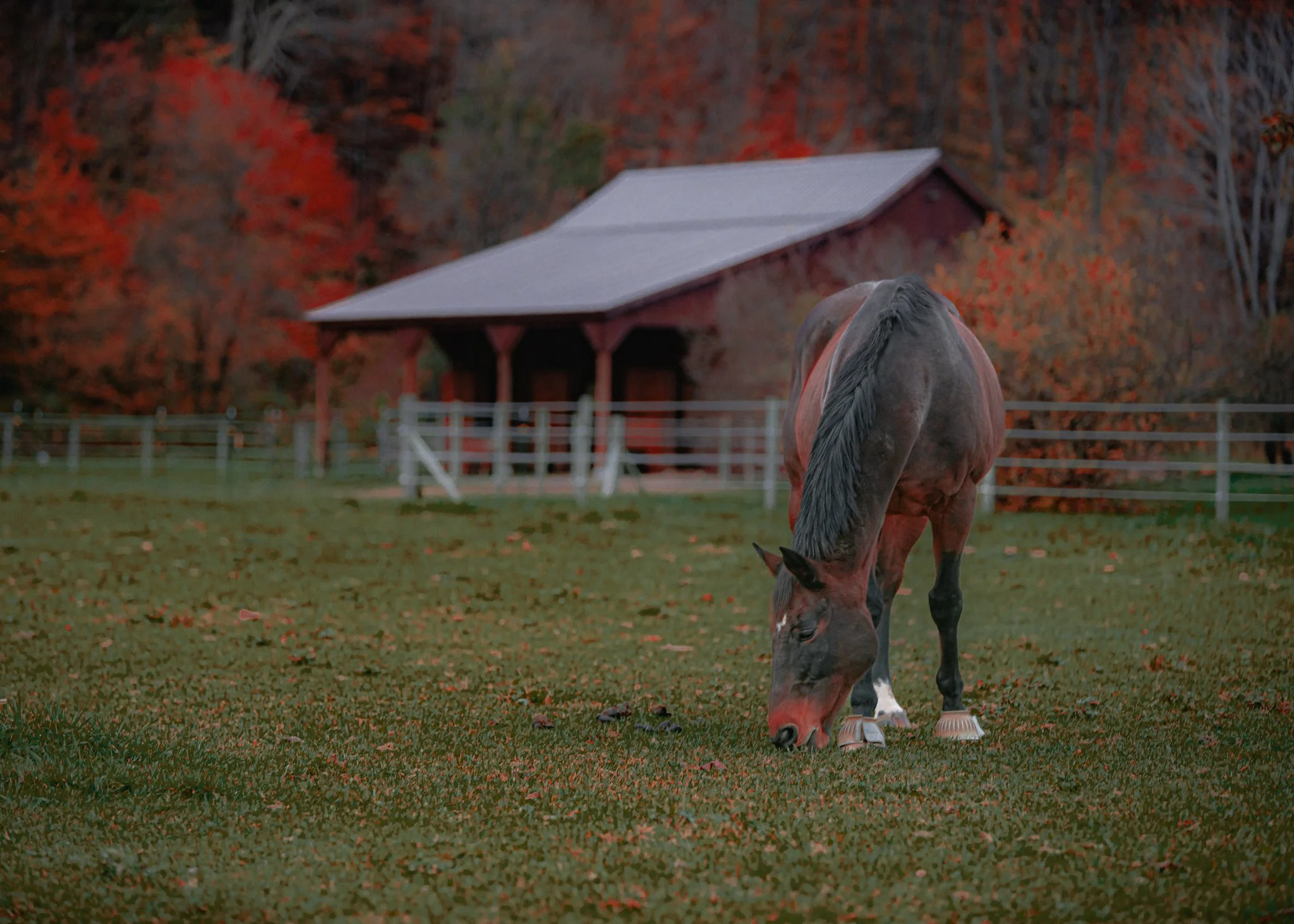
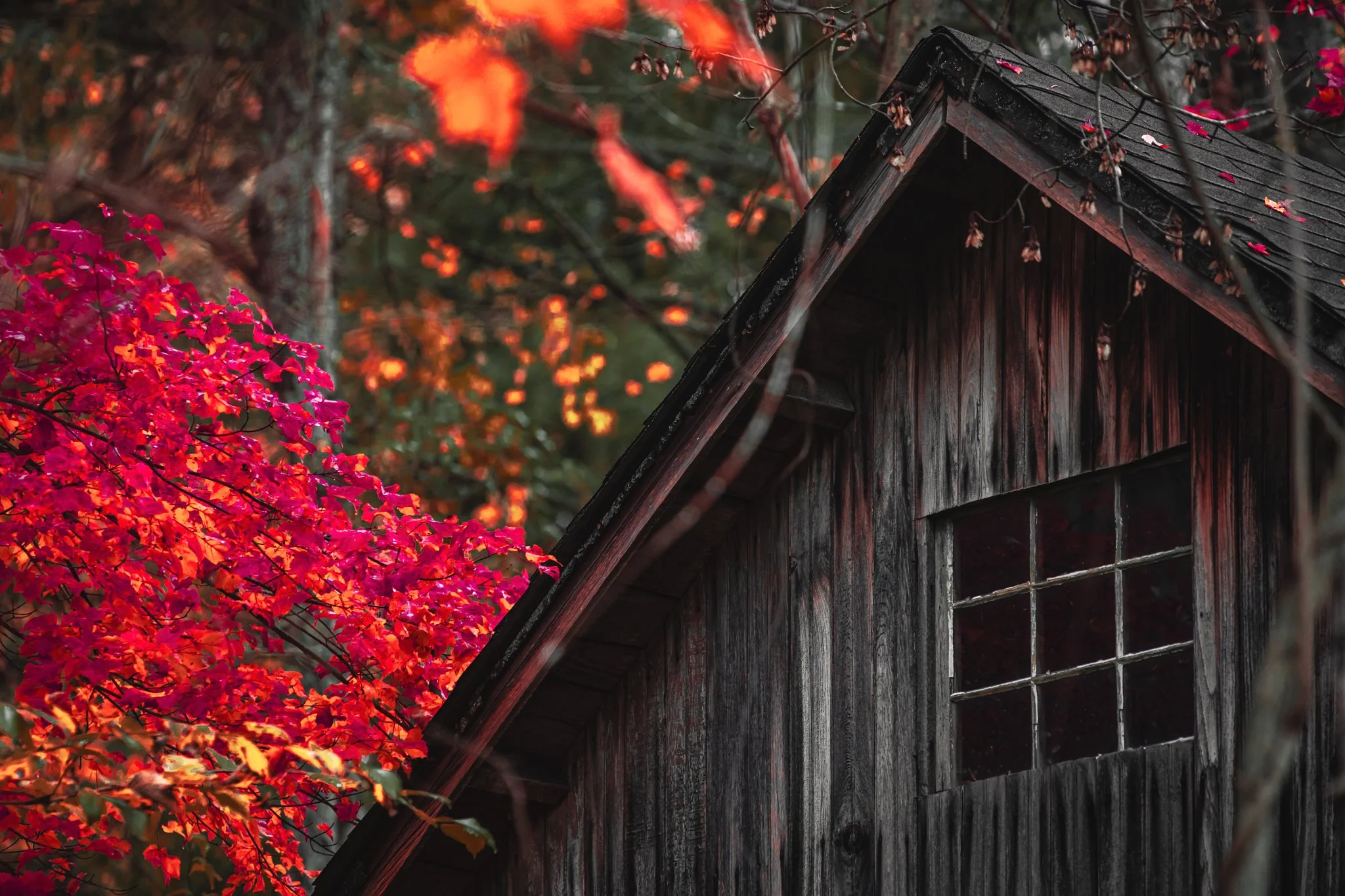
The Hudson River School has deeply inspired my personal artistic practice. Even before deeply engaging with Thomas Cole, Frederic Church, and the Hudson River School, I was drawn to many of the sites — Lake Winnipesaukee, Mt. Chocorua, and the breathtaking waterfalls of the Northeastern US — that captivated their imaginations in the 19th century. Taken mostly on autumn journeys through the New England and New York countrysides, below is a portfolio curated of photos that are in conversation with Hudson River School art.
* For the best experience view the site in landscape orientation*
Resources
Suzanne Pierre, “There is No Painting Over A Colonized Landscape” in Stormcloud: Picturing the Origins of Our Climate Crisis (link)
Jennifer Raab, “Details of Absence: Frederic Church and the Landscape of Post-Emancipation Jamaica”(link)
Jennifer Raab, “Frederic Church in the Americas” (link)
Thomas Cole, “Essay on the American Scenery,” (1836), American Monthly Magazine
Elizabeth Mankin Kornhauser, “Elizabeth Hart Jarvis Colt and Daniel Wadsworth” (link)
“Chapter 3: The Sins of Our Fathers” Hartford Courant
Domínguez, et. al. “White Sanctuaries: White Supremacy, Racism, Space and Fine Arts in Two Metropolitan Museums” (link)
Introduction
“The artist’s task is not the faithful representation of air, water, rocks, and trees, but rather his soul, his sensations should be reflected in them… The task of a work of art is to recognize the spirit of nature and, with one’s whole heart and intention, to saturate oneself with it and absorb it and give it back again in the form of a picture.”
— David Caspar Friedrich
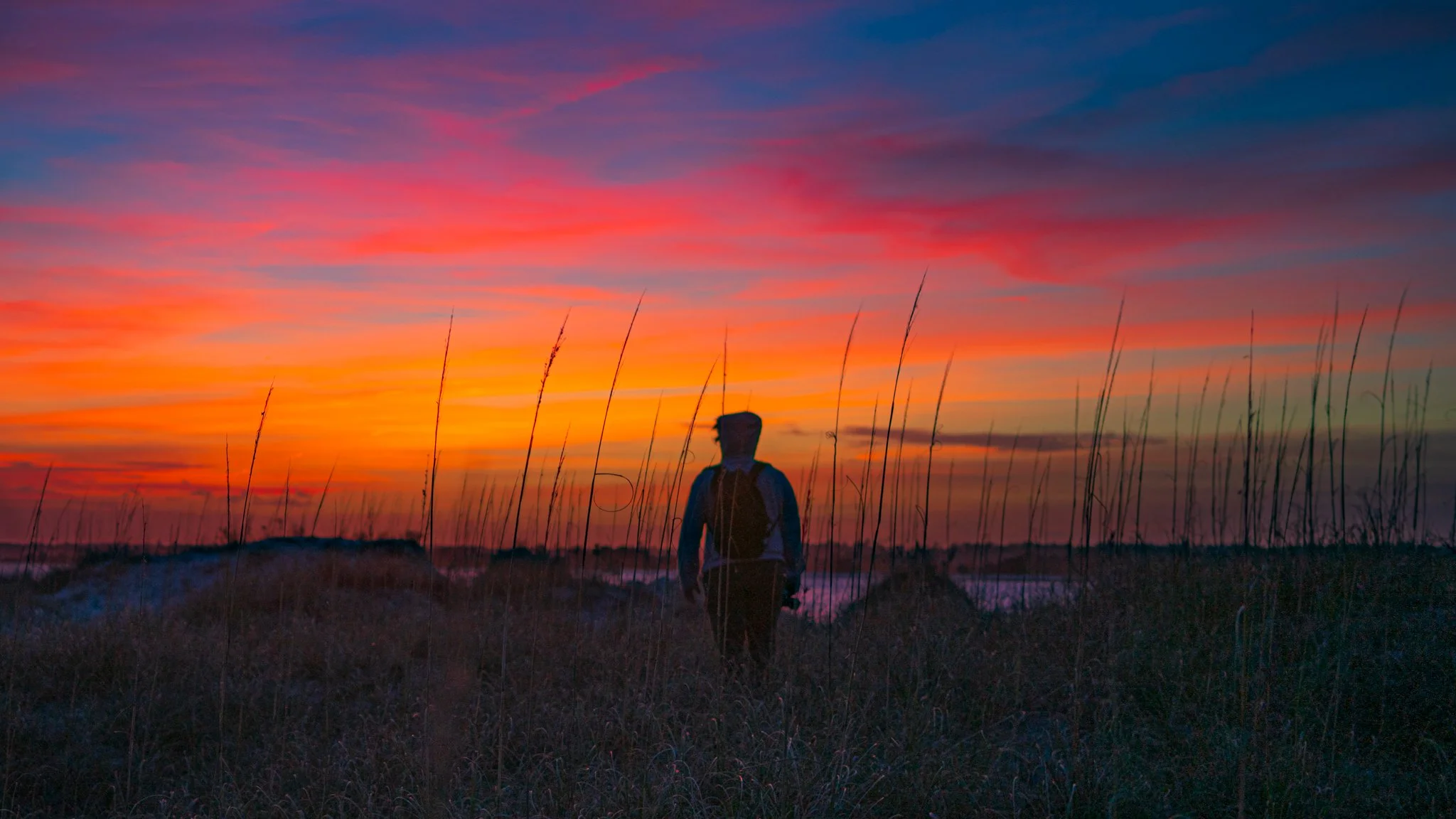
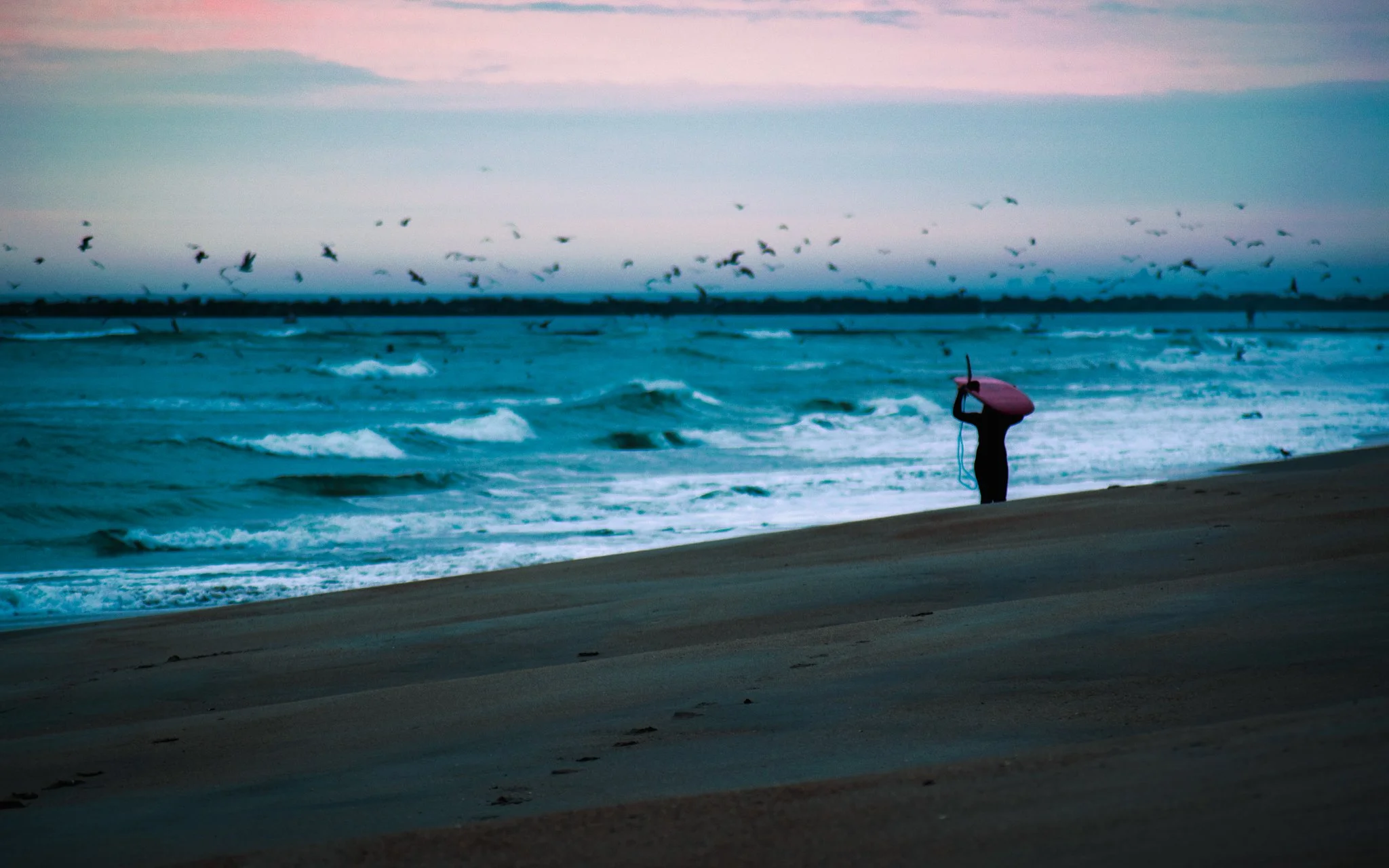
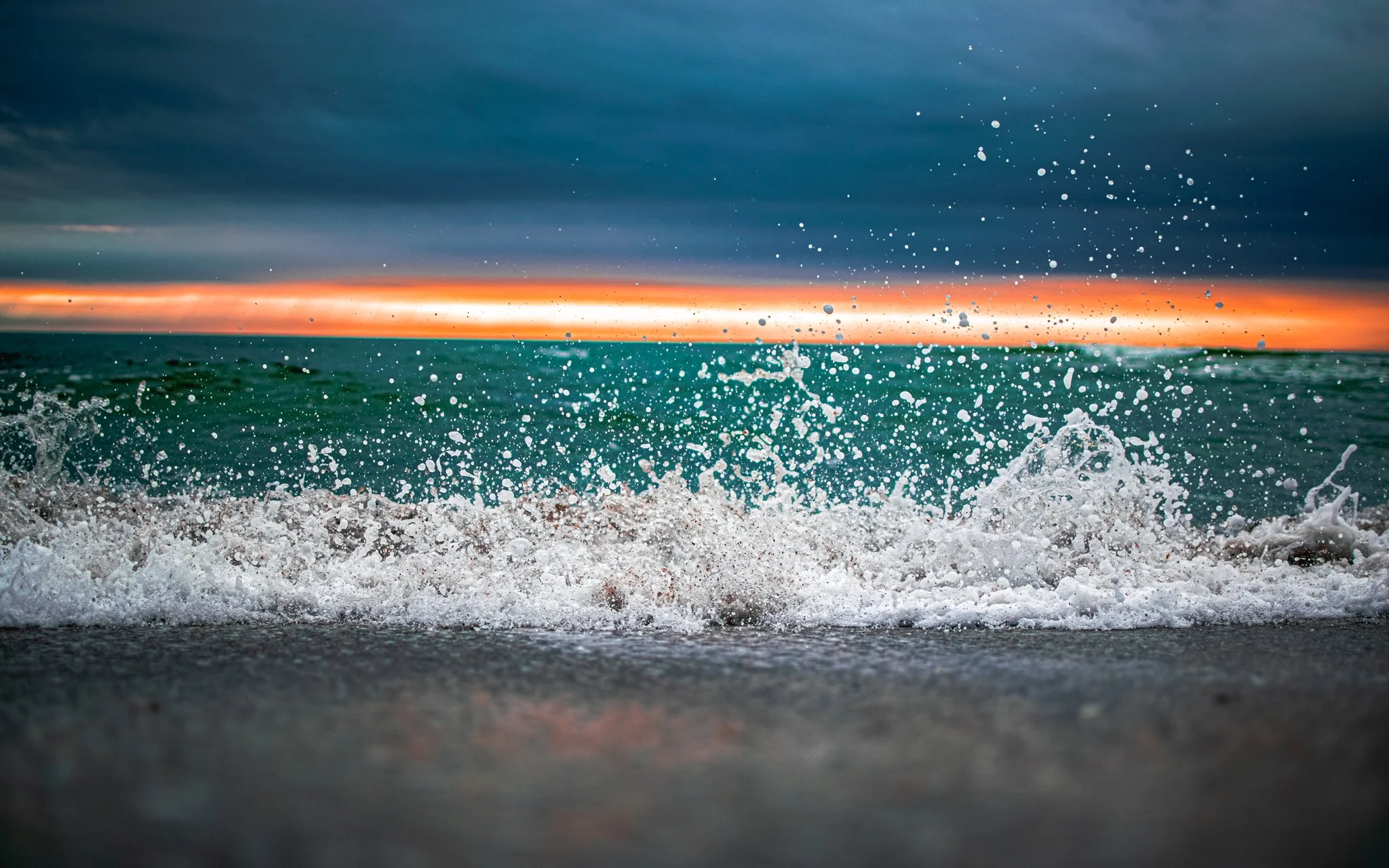
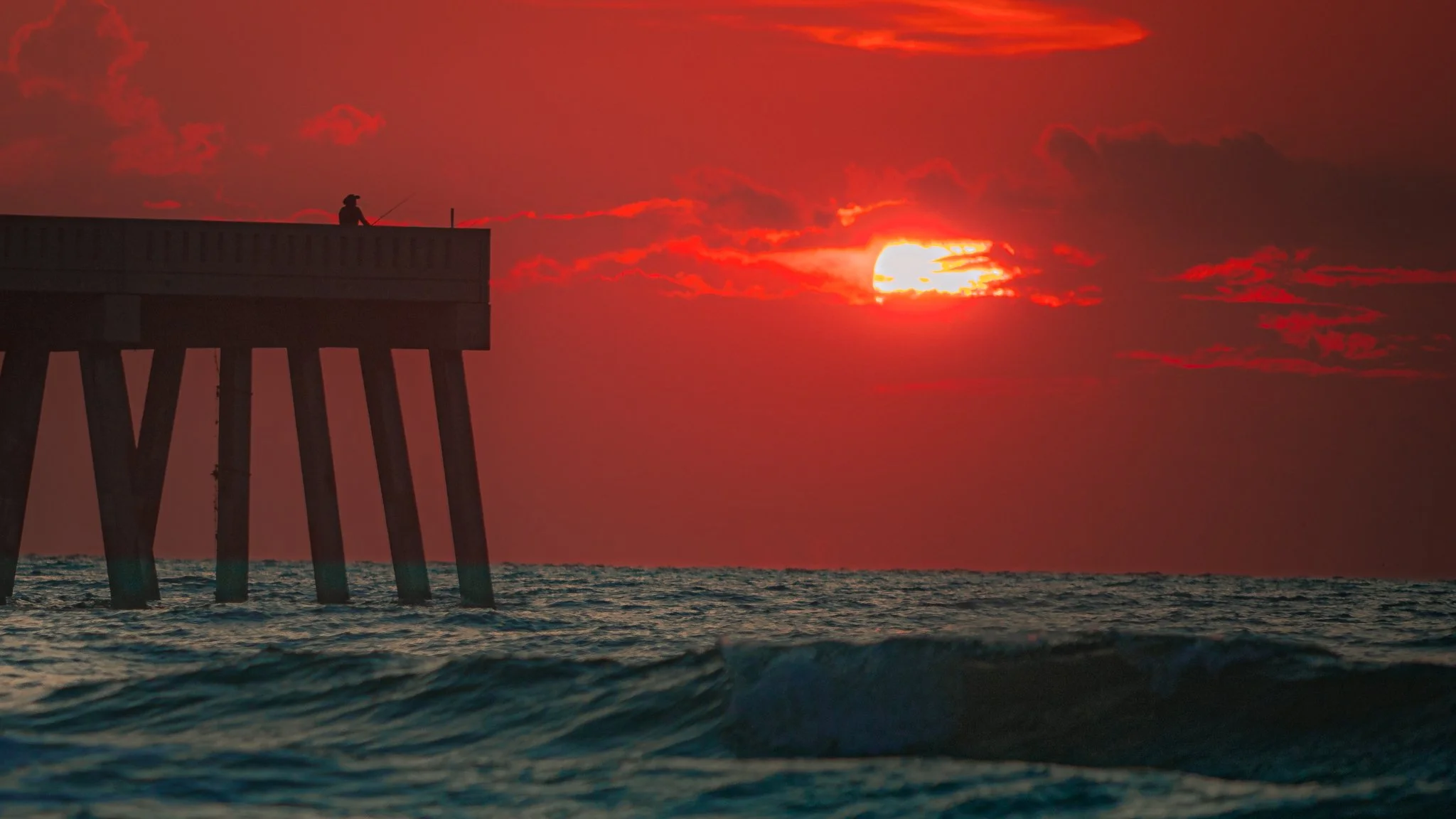
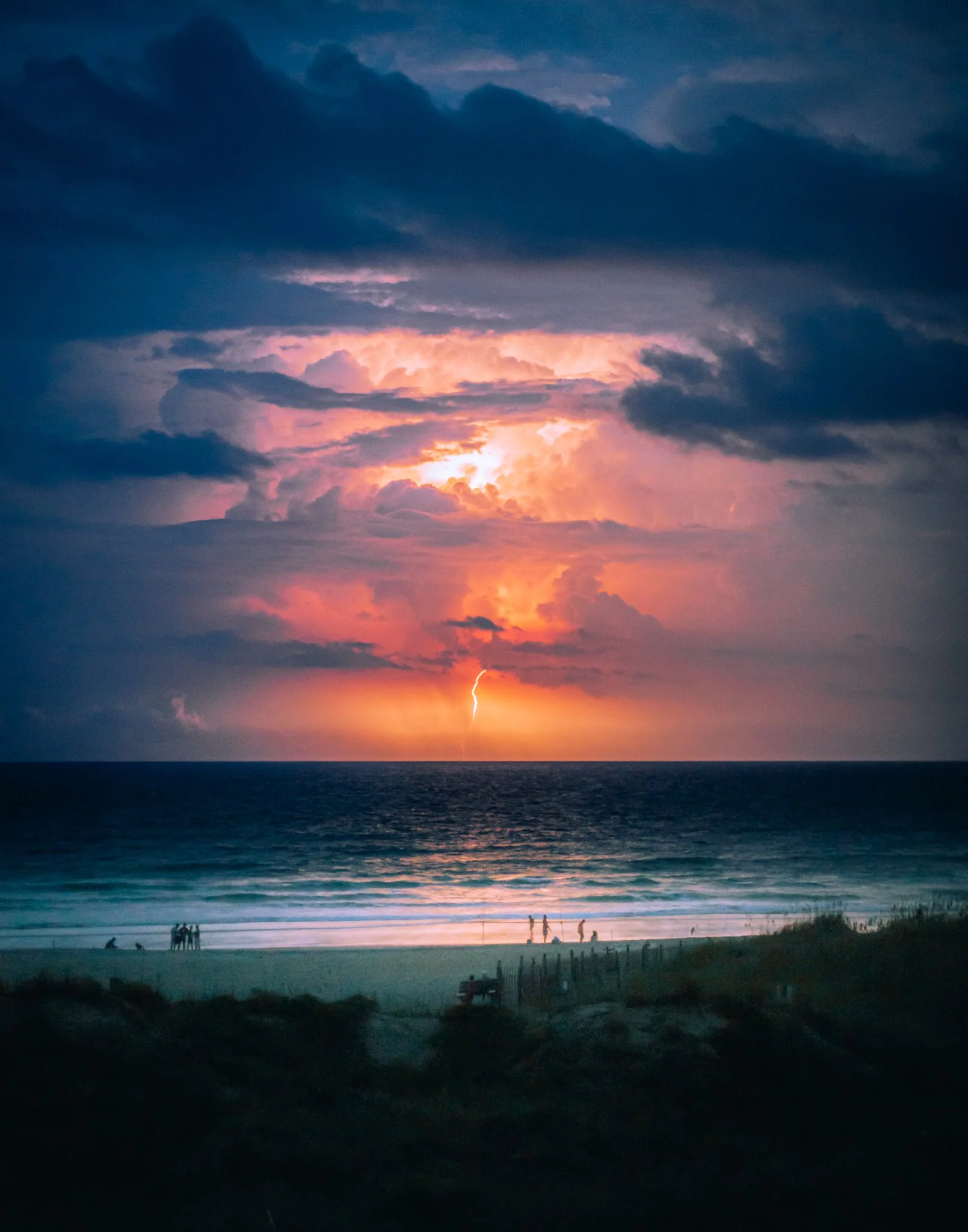
Despite a longstanding interest in Art History, it wasn’t really until after Cornell University’s - Dark Laboratory for Black and Indigenous Ecologies awarded a photo essay of mine, “Free the Land: Landscape Photography as Decolonial Praxis,” that I began to view my personal craft as being in conversation with, and embedded in a broader durée of landscape imagery. In a review of the Dark Lab curation, photographer and critic, Accra Shepp, noted that my “big-sky landscapes are indebted to eighteenth- and nineteenth-century painters such as Caspar David Friedrich and J. M. W. Turner and the photographer Gustave Le Gray.”
Having grown up in Wilmington, my photography was deeply shaped by the land, sky, and seascapes of Southeastern, North Carolina that I remain enamored with. When I moved up to New England for graduate school in 2016, I began to teach myself
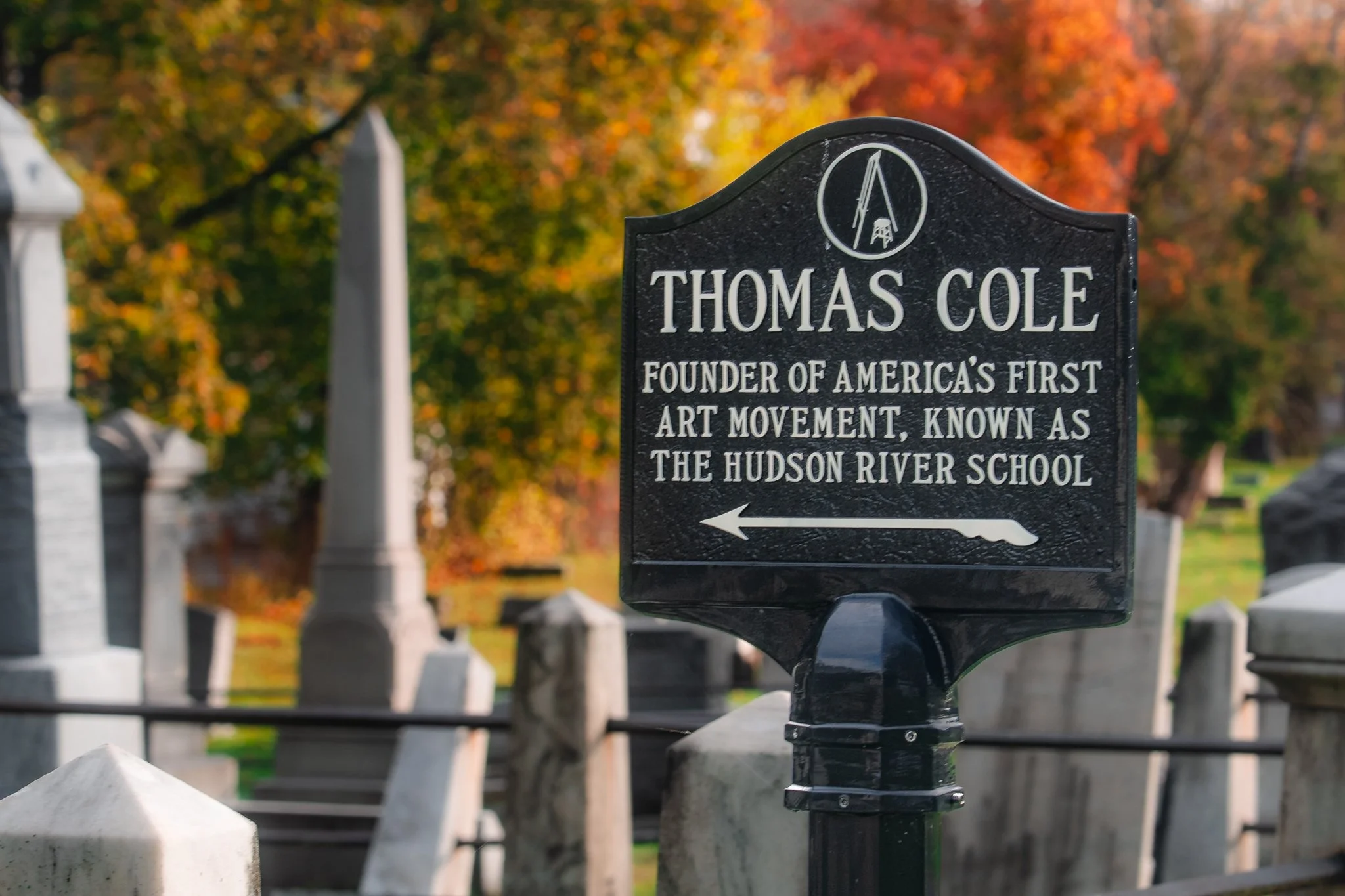
Thomas Cole
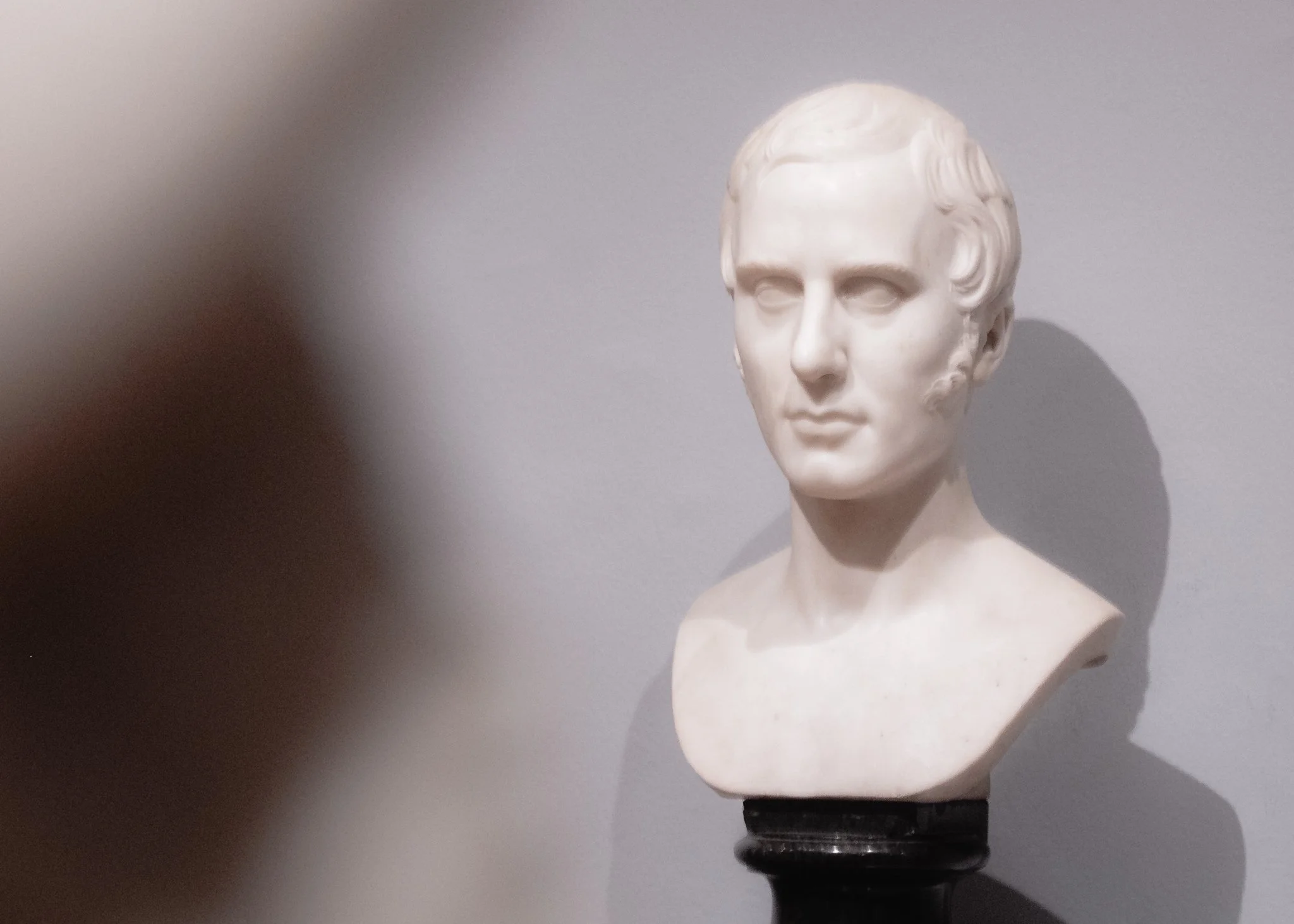
As I’ve grown as an artist, I’ve found so many similarities between my own artistic and environmentalist journey and that of Hudson River School founding painter, Thomas Cole.
Cole moved to the US from Lancashire, England in 1818 at the age of 17. He moved to Philadelphia in 1823 where he worked with and was influenced by the Pennsylvania Academy of the Fine Arts. After journeying up the Hudson River from New York City in 1825, Cole was enticed by the immense beauty of the natural landscapes in the Catskills. He exhibited a number of canvasses of Hudson River subjects in New York City, which were discovered by fellow artists Asher D. Durand and John Trumbull.
I've been doing a lot of thinking with and about Cole a lot over the past few years. In addition to being a brilliant artist and recognized founder of the Hudson River School — first distinctive "American" art school — Cole was one of the most important environmental philosophers in the country's history.
Inspired by and in conversation with many of the European "master" landscape artists like Caspar David Friedrich, JMW Turner, Claud Lorraine, John Constable, and others, Cole sought to embed deep meaning and myth making that was popularly associated with portraiture into the landscape genre.
Although his imagination was captured by the immense beauty and magic of Northeastern landscapes, he vowed to avoid being perceived as a "mere leaf painter" and aimed to elevate allegorical storytelling from his easel.
Cole was also a deeply spiritual Christian and influenced by Emerson, Thoreau, and the transcendentalist movement that found a closeness to the divine through an intimacy with the sublime character of the natural world around him. Throughout his life, he bore witness to and used his pen and brush to testify against the wanton deforestation, mass extinction of terrestrial species, and environmental degradation that characterized the long 19th Century.
He watched as the pristine, what he viewed as Edenic, vistas were ravaged by the axe for profits, or as he would phrase it, "desecrated by what is called improvement." This, coupled with studies of ancient Roman ruins throughout Europe, led to a deep skepticism and criticism of the rise and inevitable fall of empire.
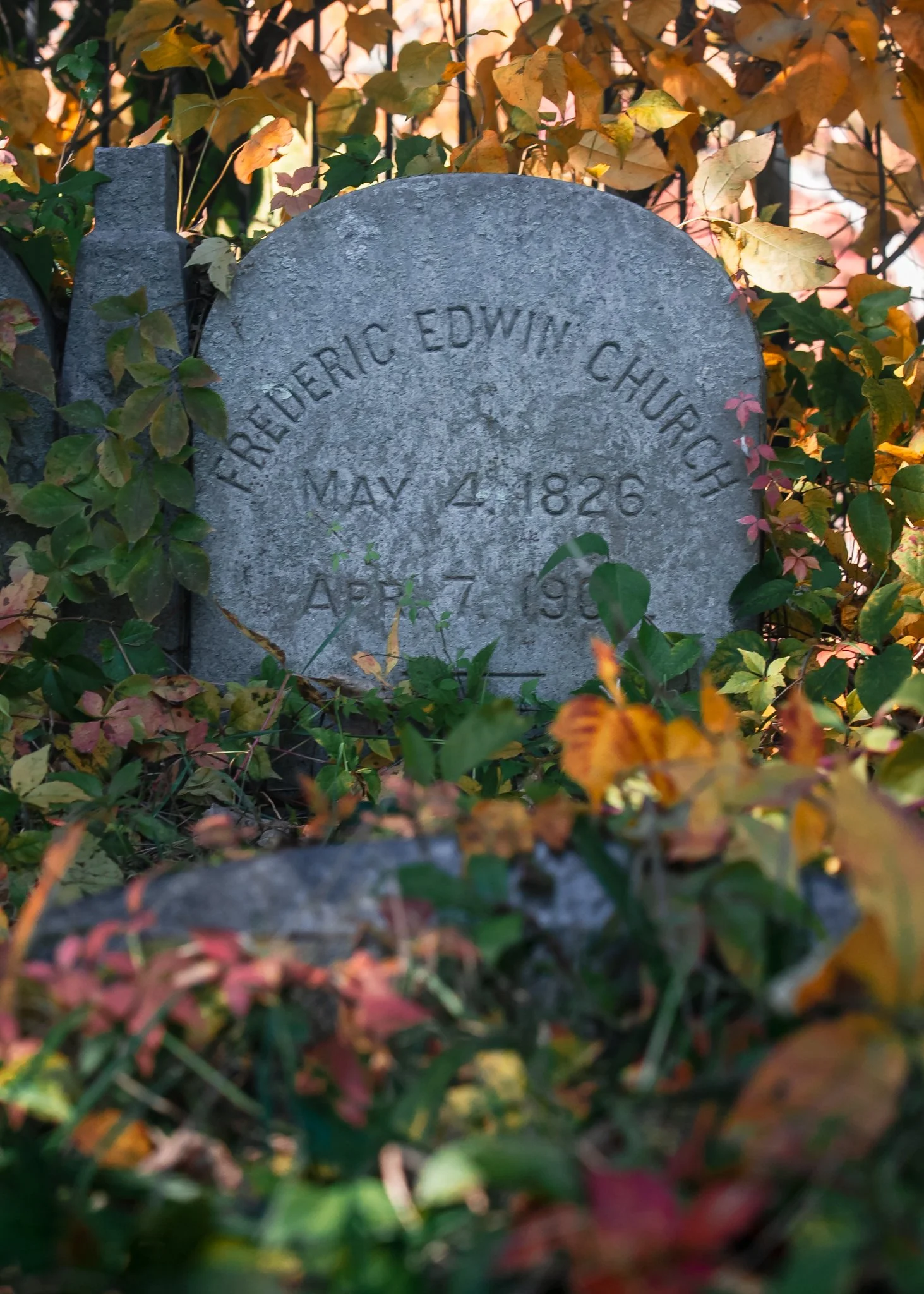
He passed at the young age of 47, but the importance of his legacy will continue to resonate long into the future.
As a nature photographer and environmental philosopher myself, I feel a deep kinship with Thomas Cole's spirit. When I moved to New England, I was awestruck by many of the same sights that captivated Cole's imagination. And as my study of the Hudson River School has become more focused, I find myself indebted to and inextrably situated within the rich tradition.
Segesta, Sicily
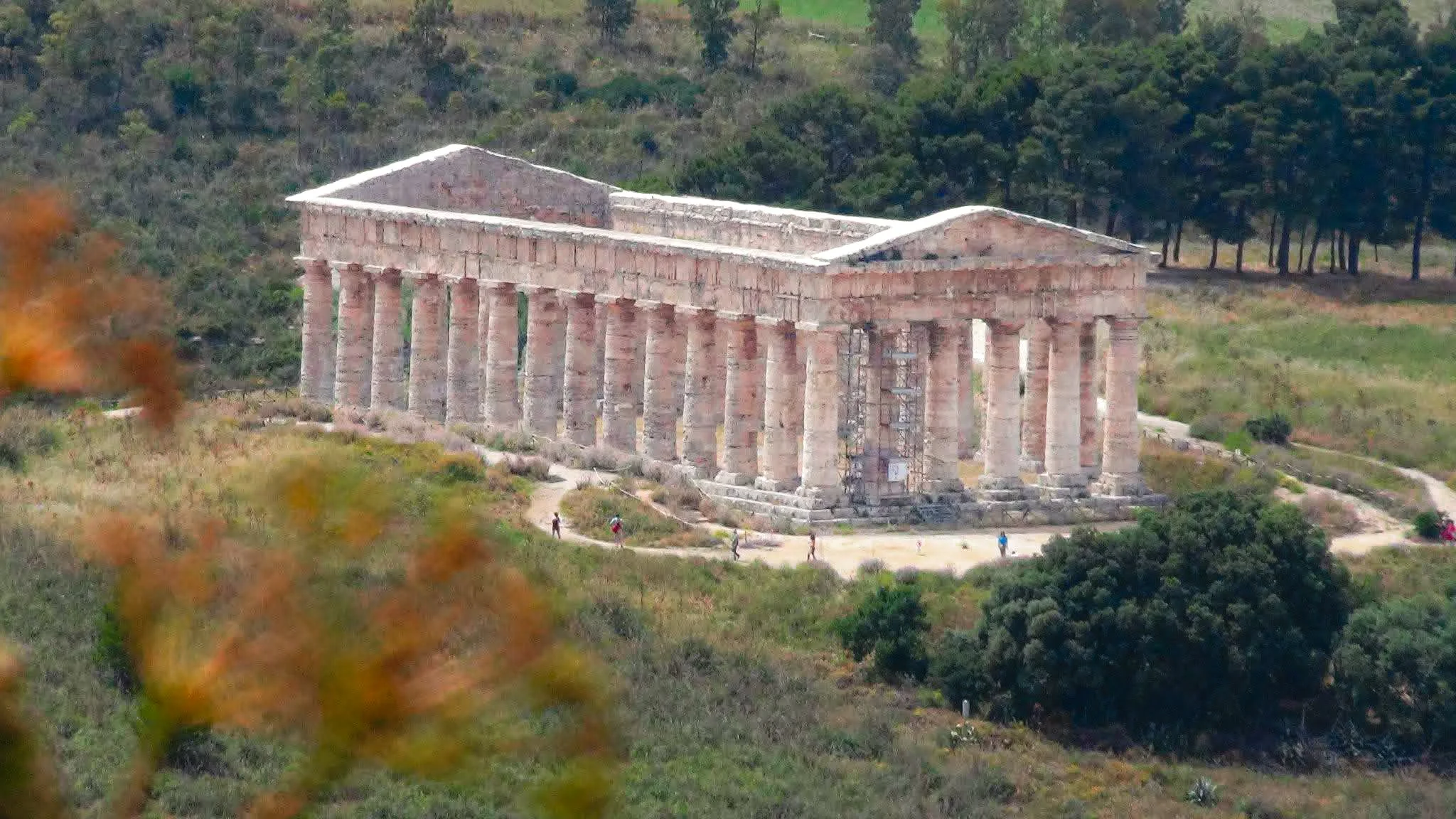
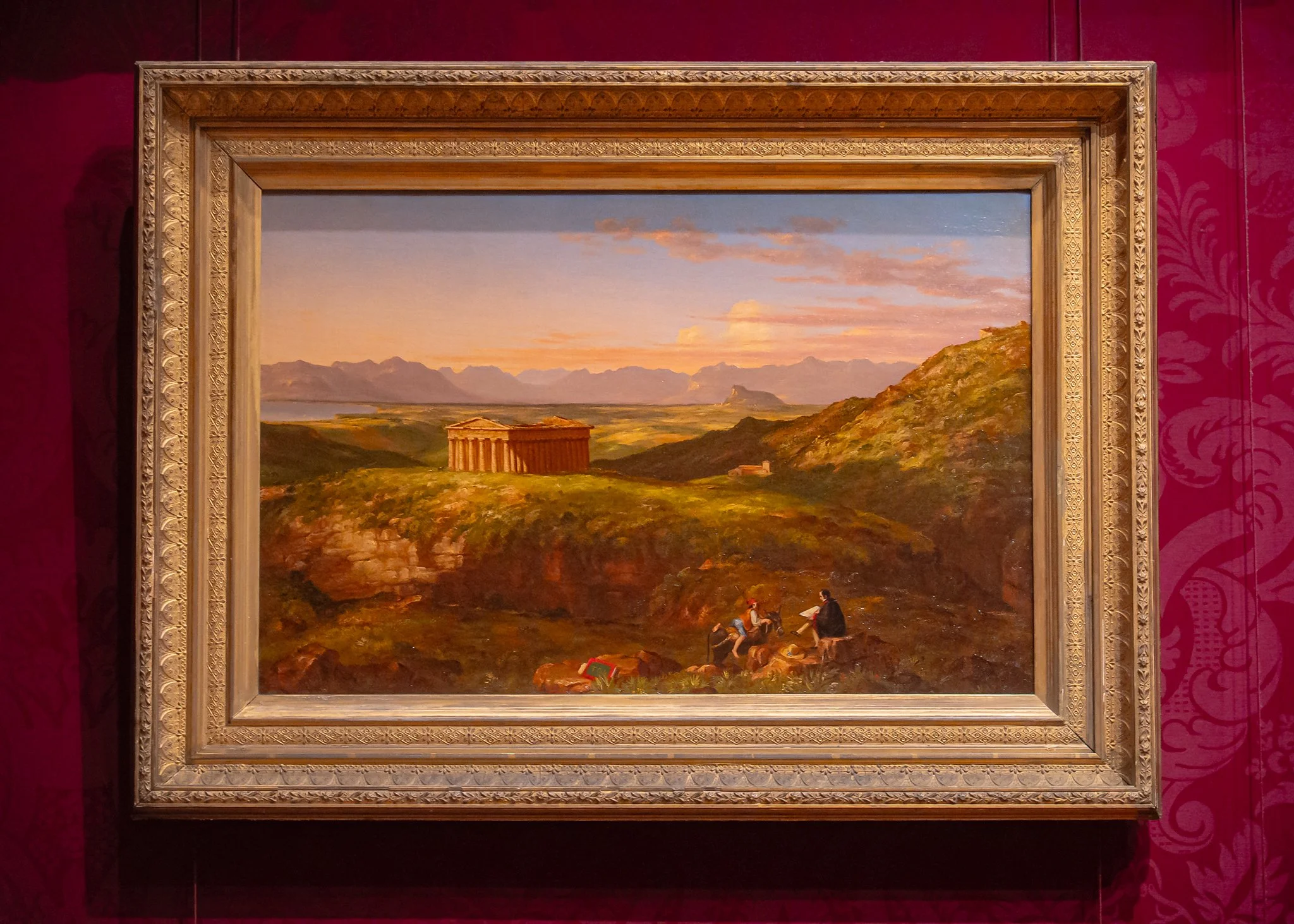
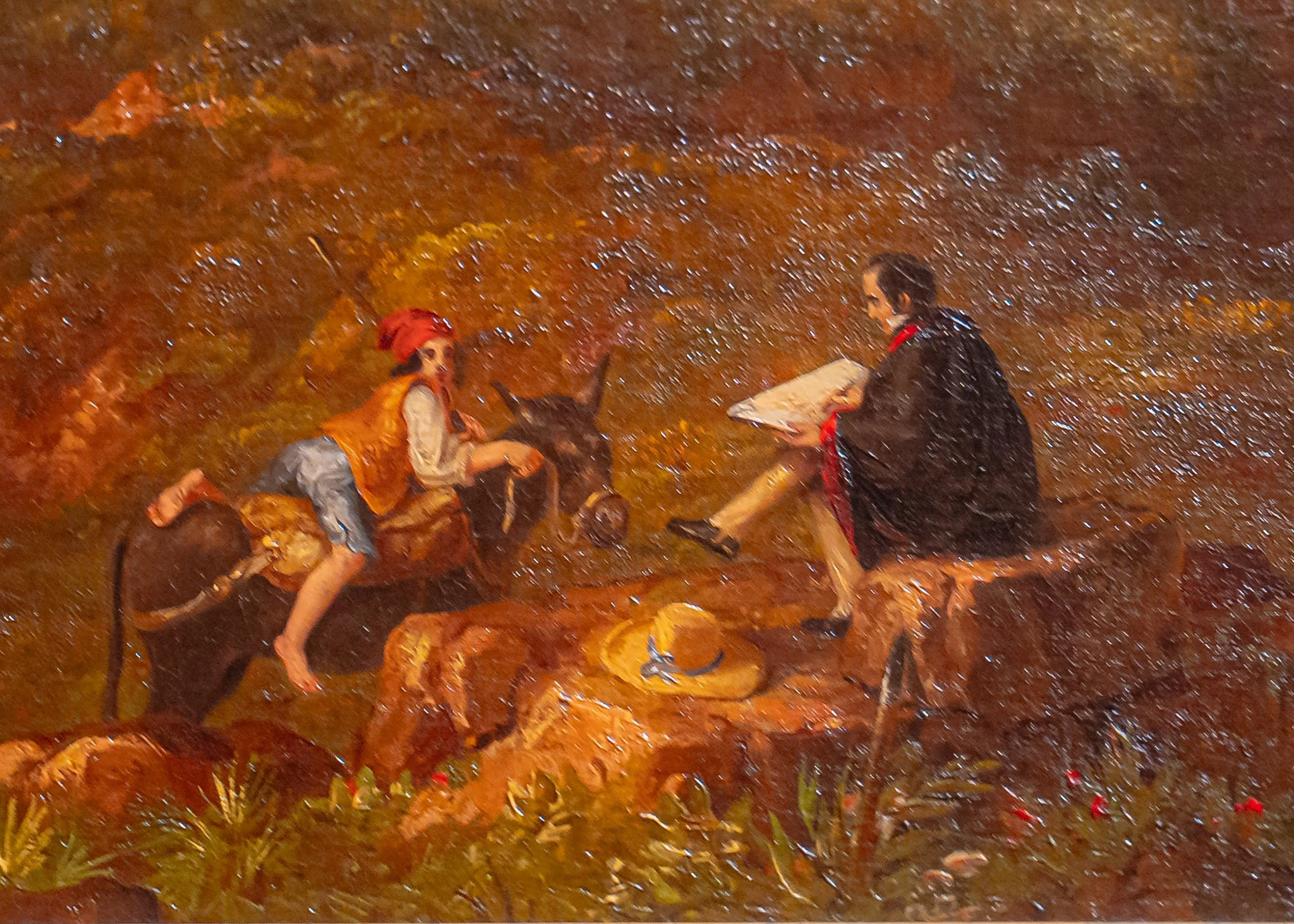
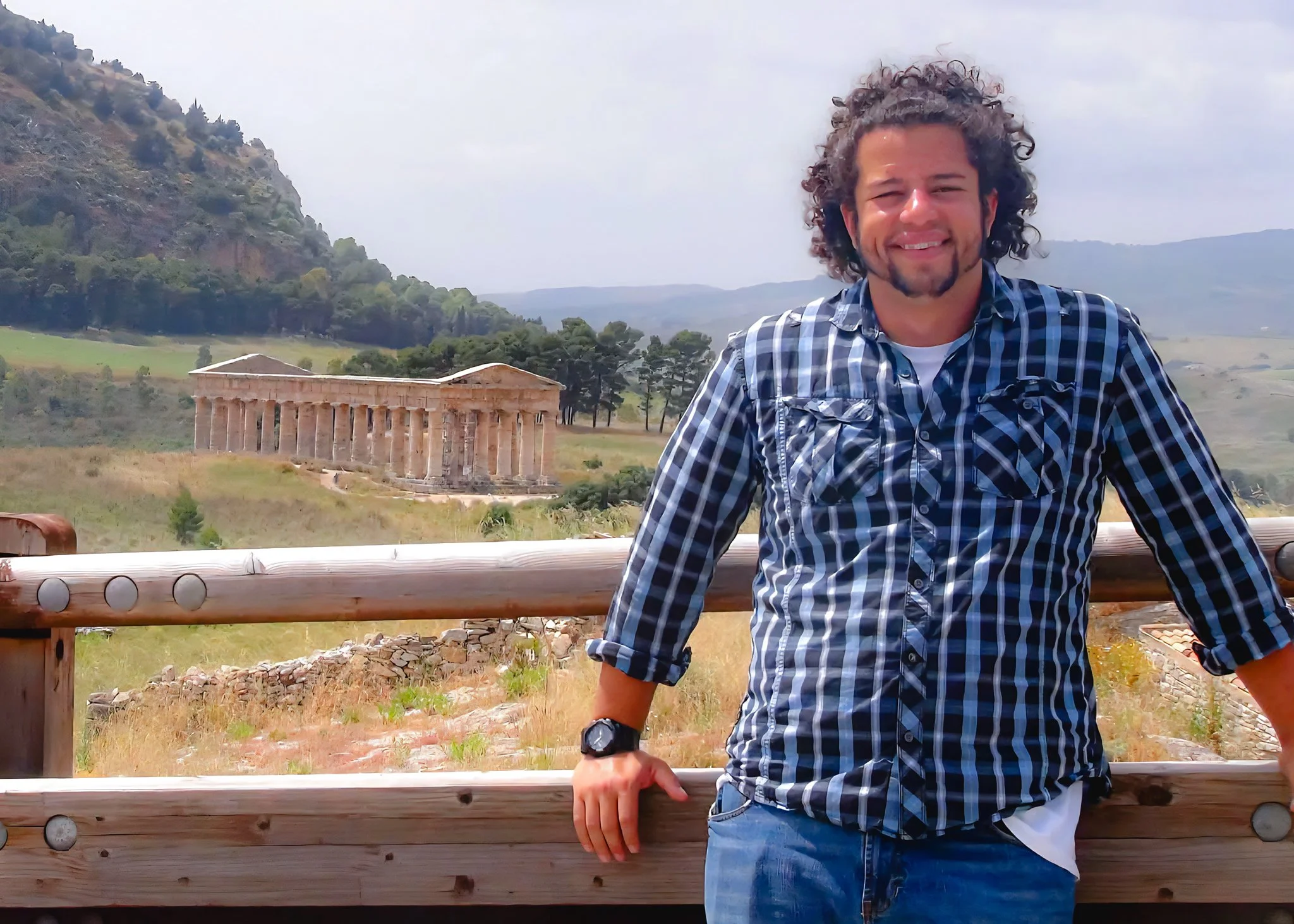
After spending years in the Army and the contracting as a Personal Security Specialist on an Embassy Protection Detail in Kabul Afghanistan, I decided to use GI Bill benefits to pursue a degree at UNCW. I wanted to learn more about the links between Islamophobia and public policy that animated the US occupation of Afghanistan and the broader context underpinning the so-called “Global War on Terror,” so I enrolled in the Philosophy & Religion Department at UNC-Wilmington, where I fell madly in love with learning.
I took an Archaeology of the Near East course with Dr. Teddy Burgh, who later invited me to join him on an archaeological dig in Sicily during the summer of 2014. During the trip I realized that archaeology wasn’t for me, but the exposure to the European ruins whet my appetite for learning. Trying to maximize the GI Bill benefits, at one point I was pursuing a quadruple major in philosophy, religion, anthropology and art history. I ultimately dropped the art history major (and replaced it with a Classical Studies minor), but my interest in the field has continued to grow.
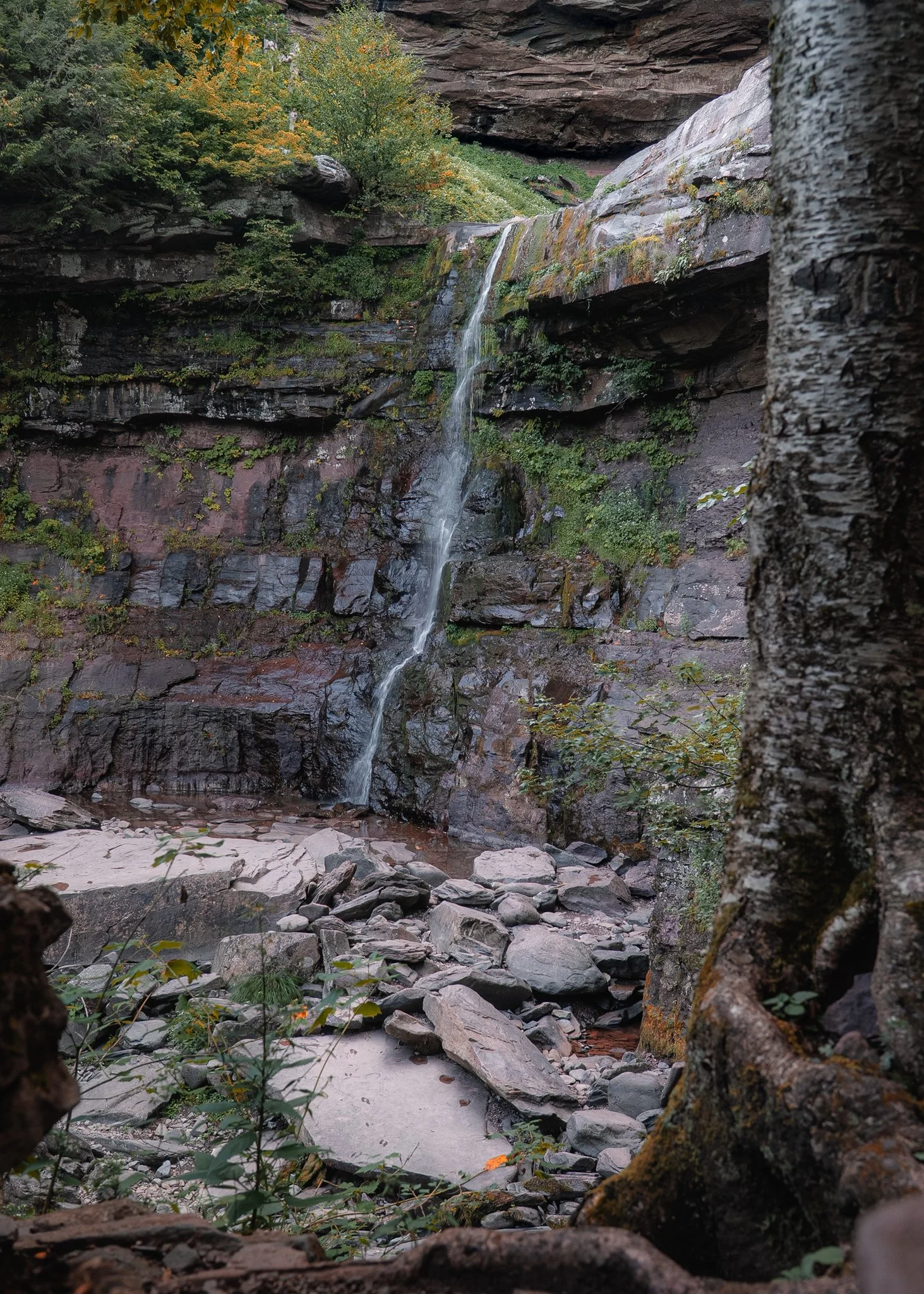
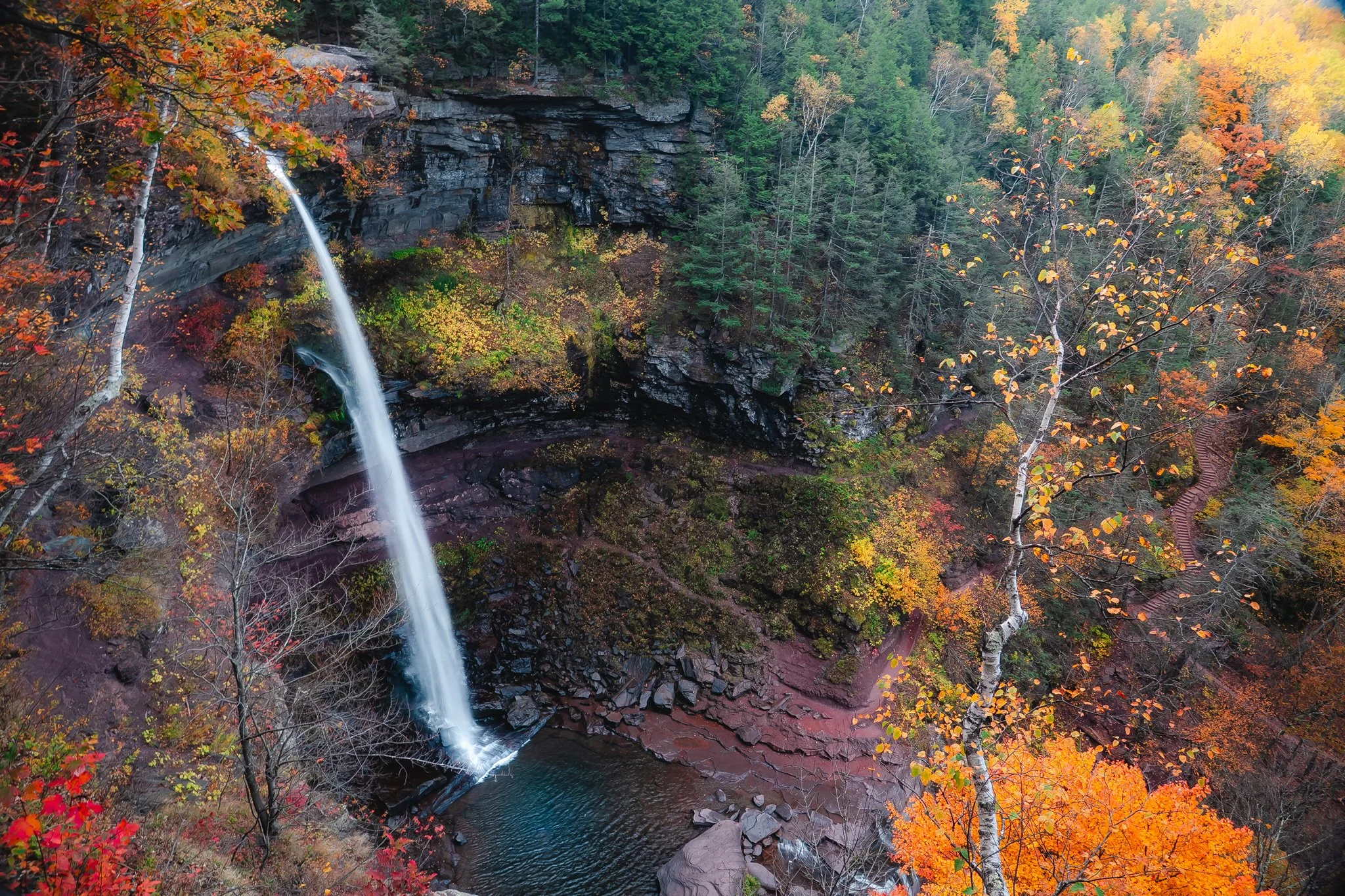
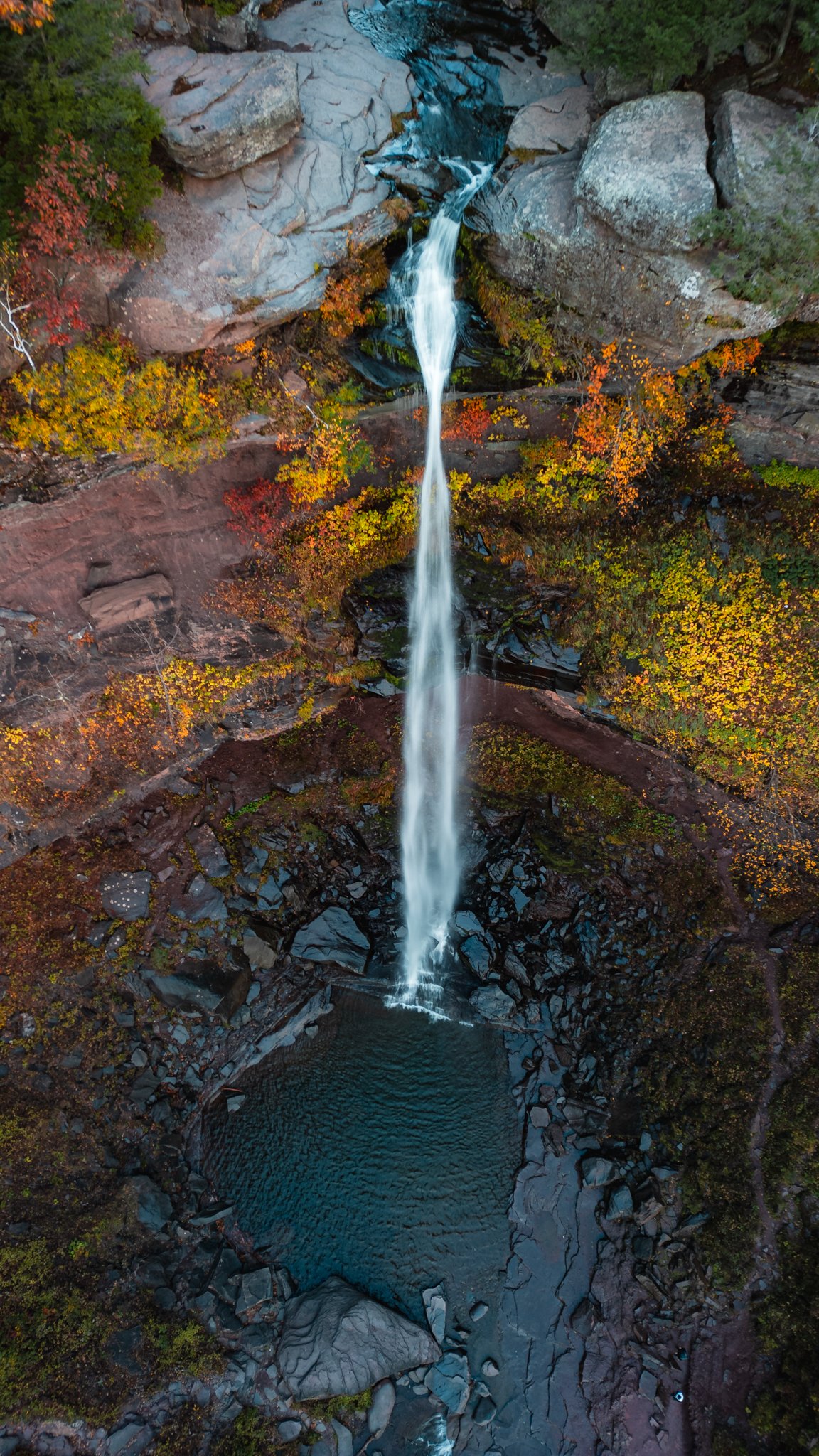
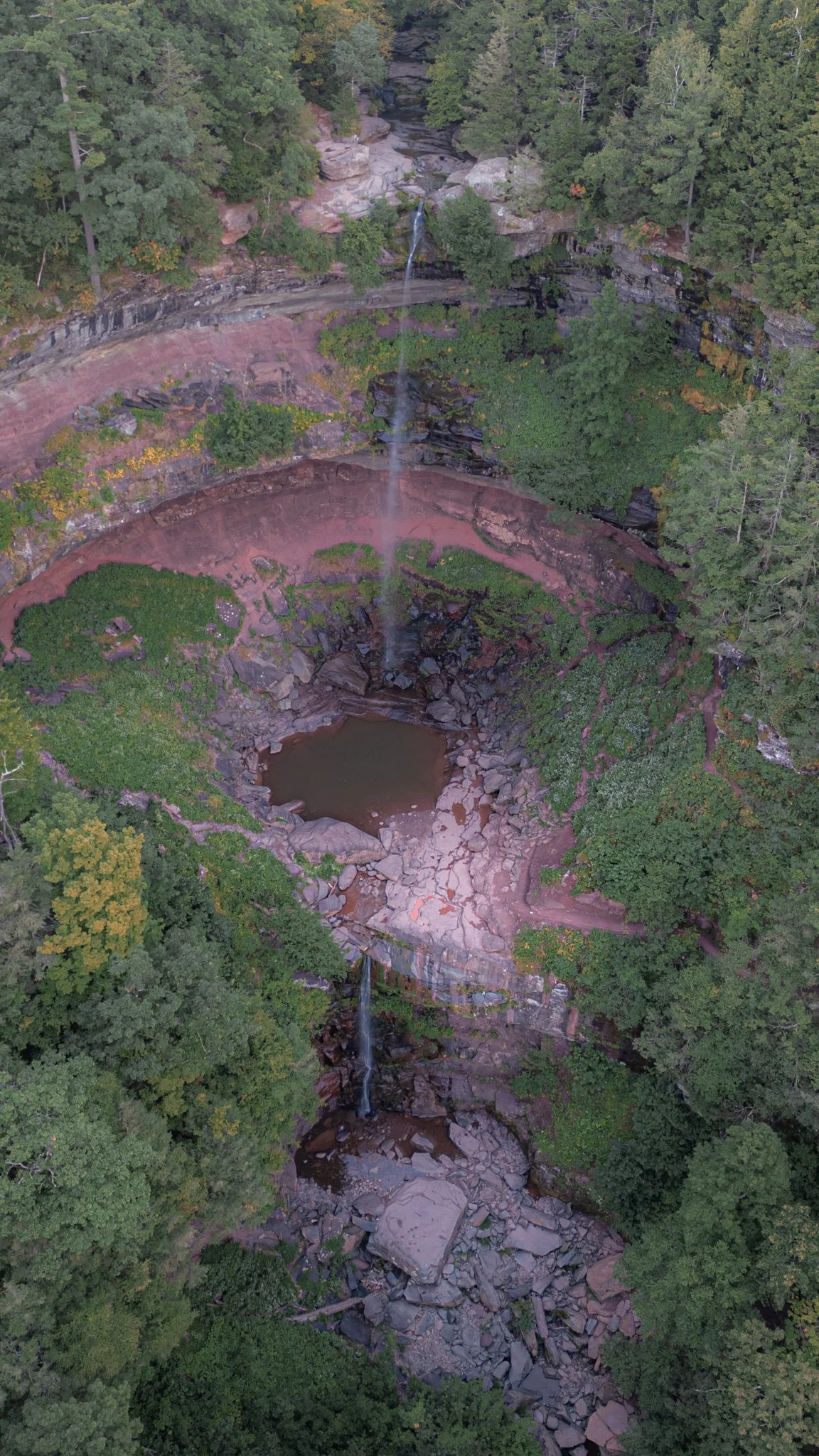
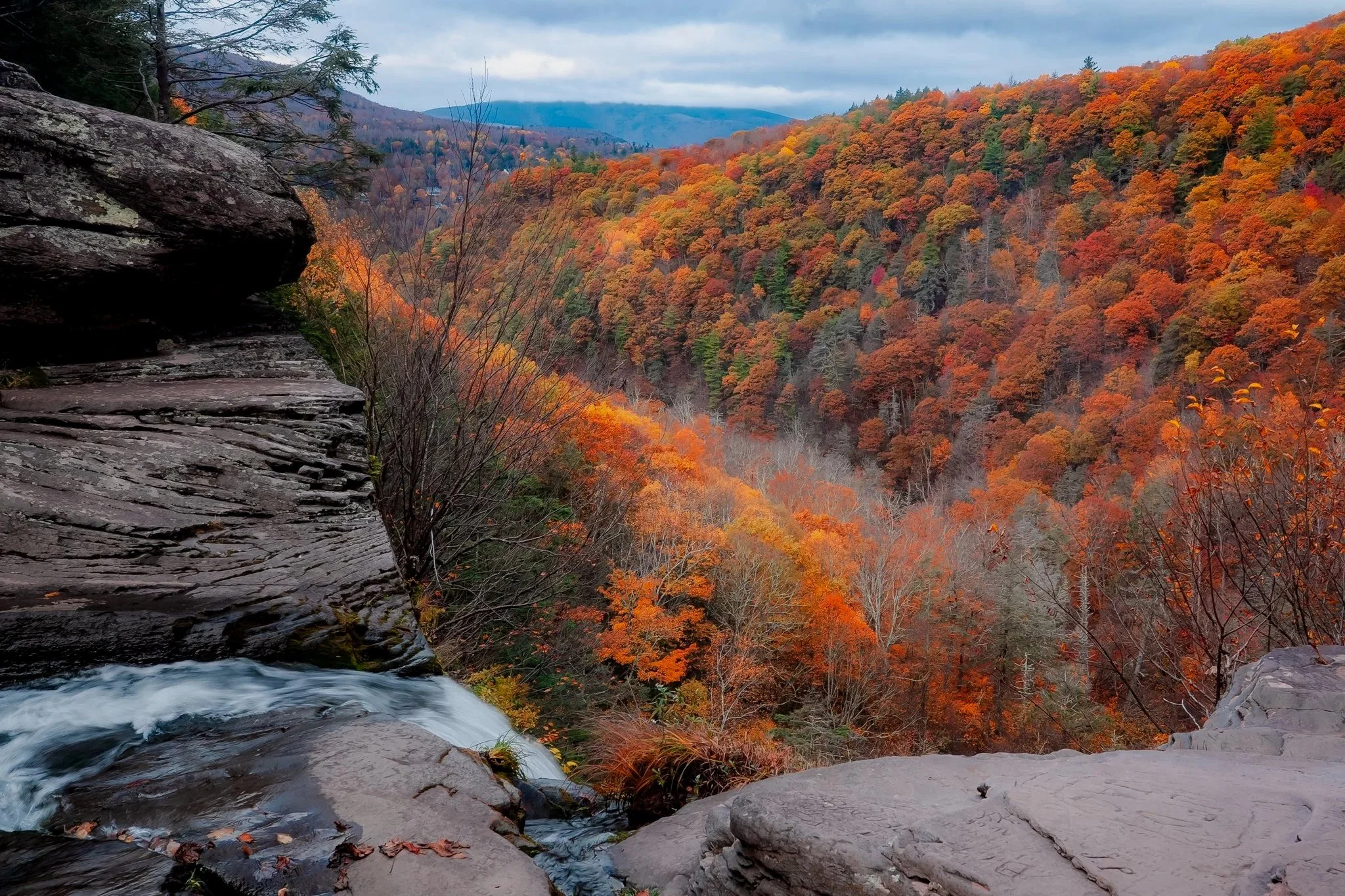
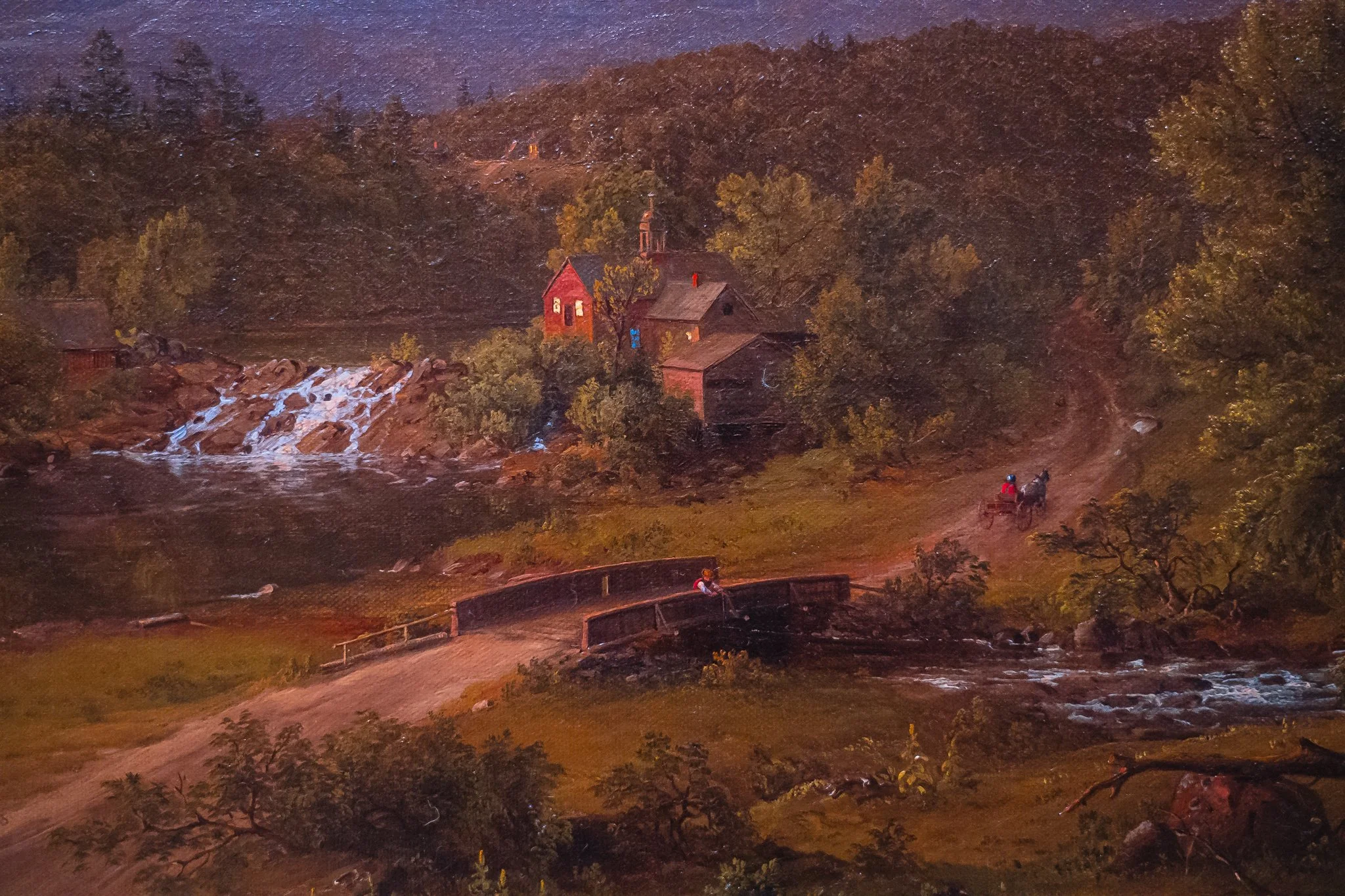
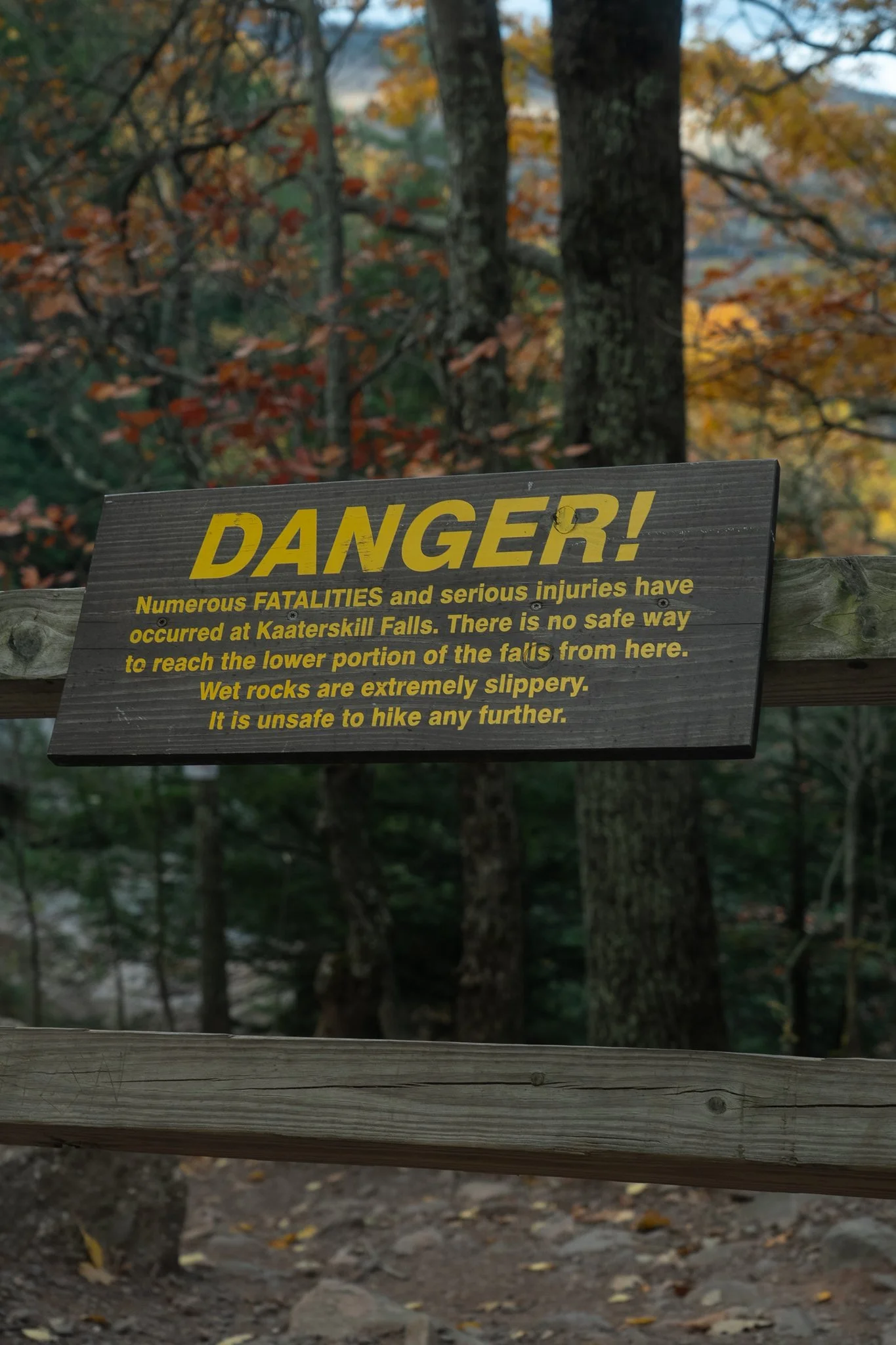
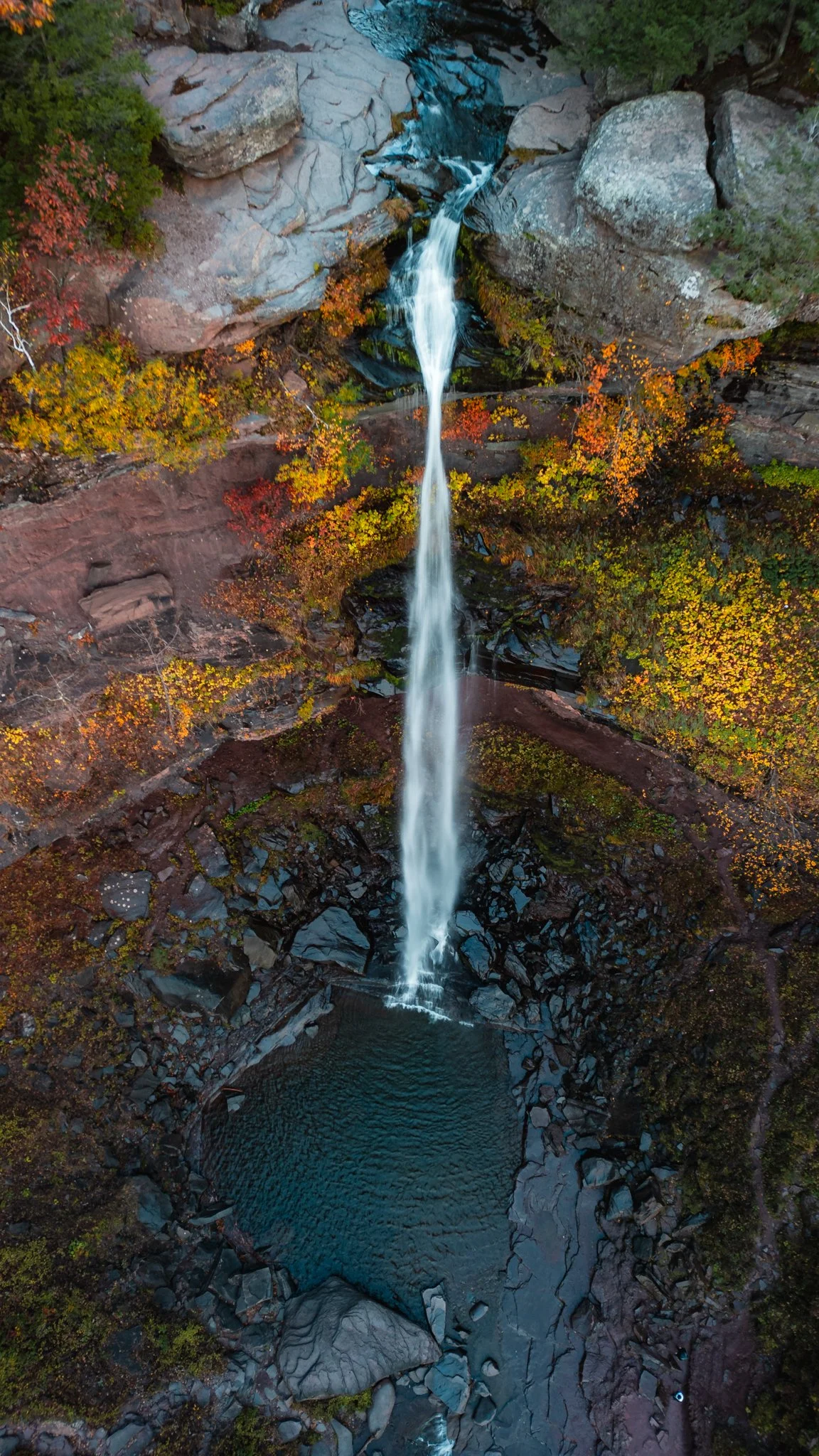
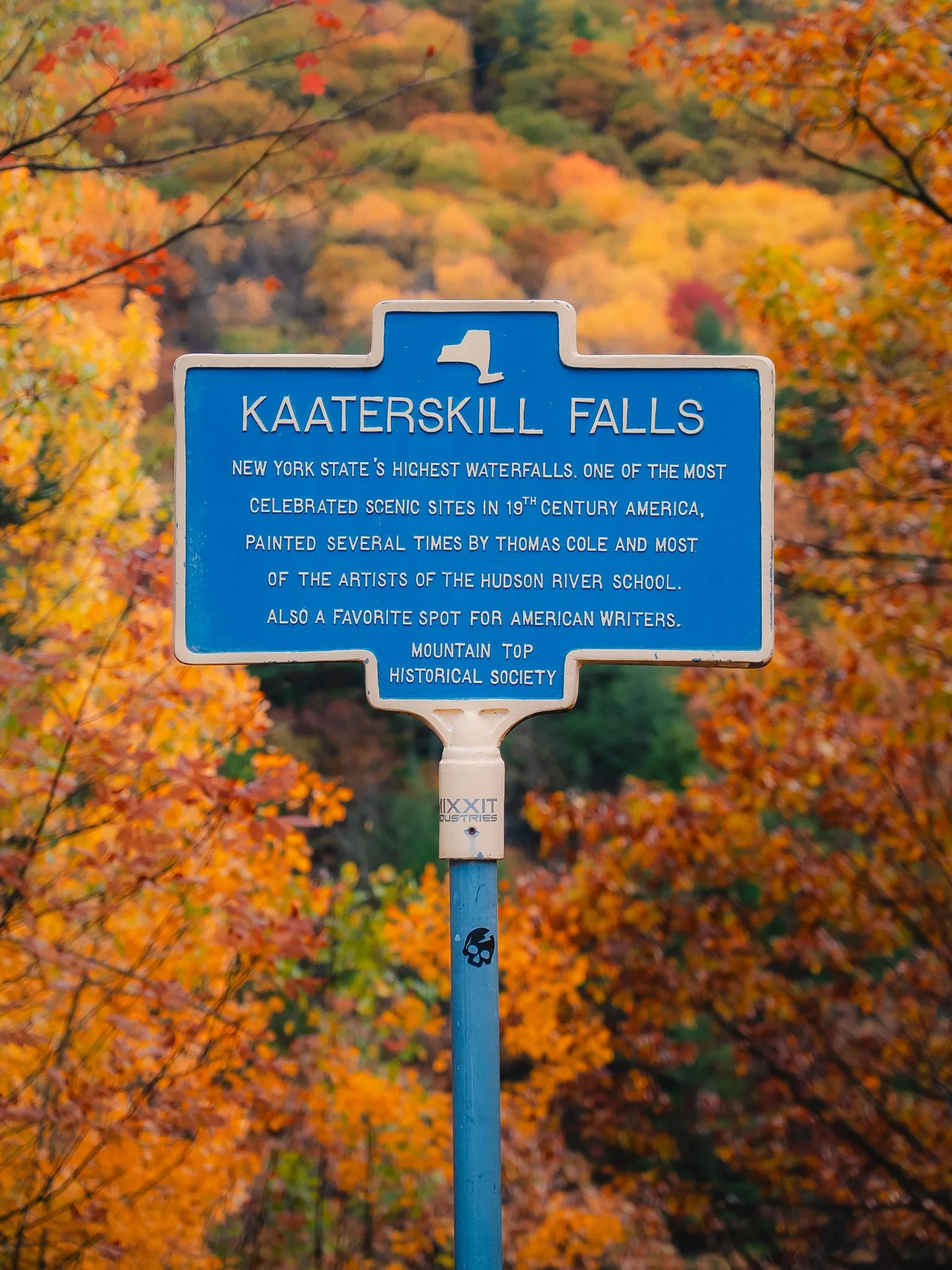
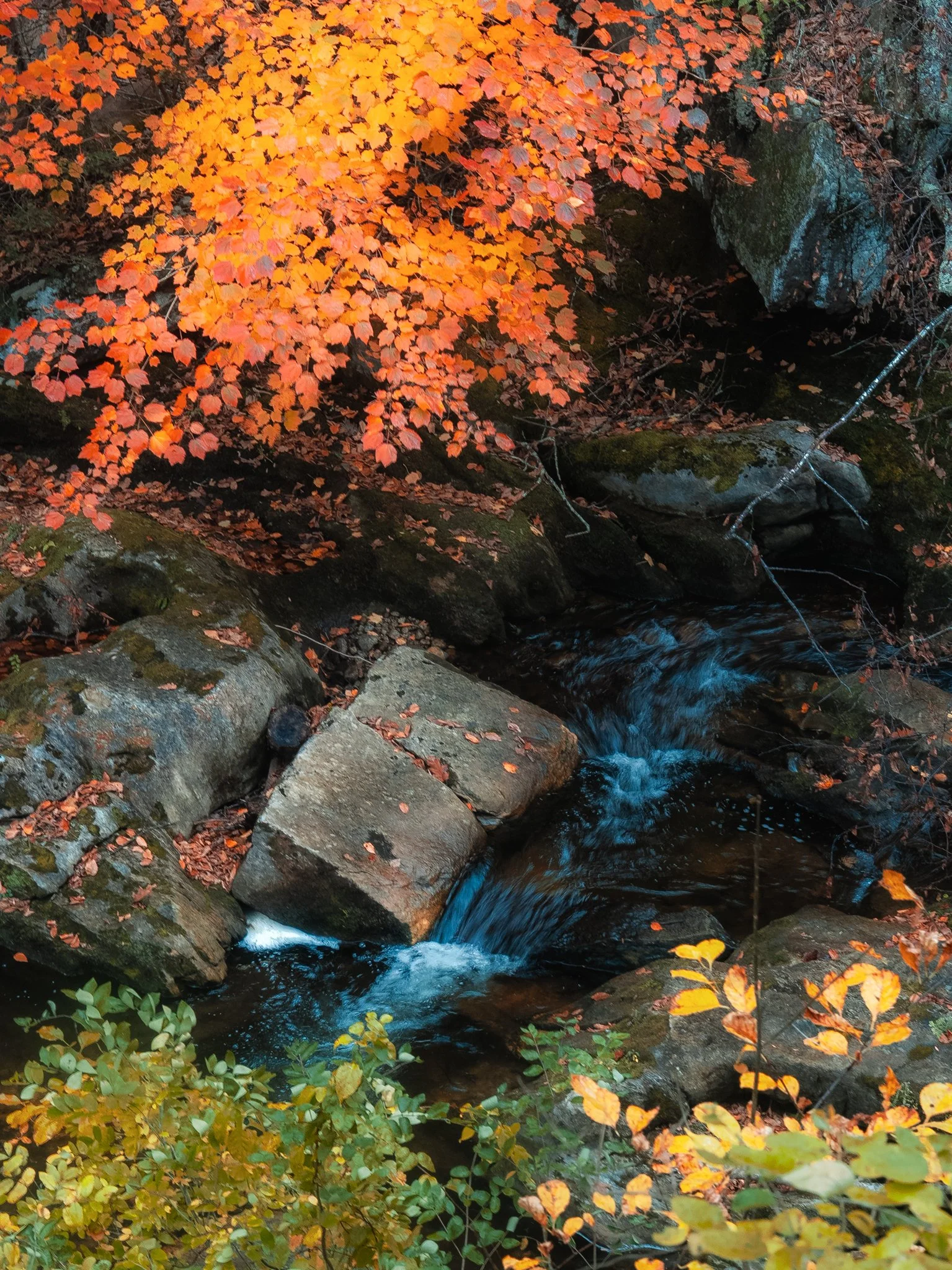
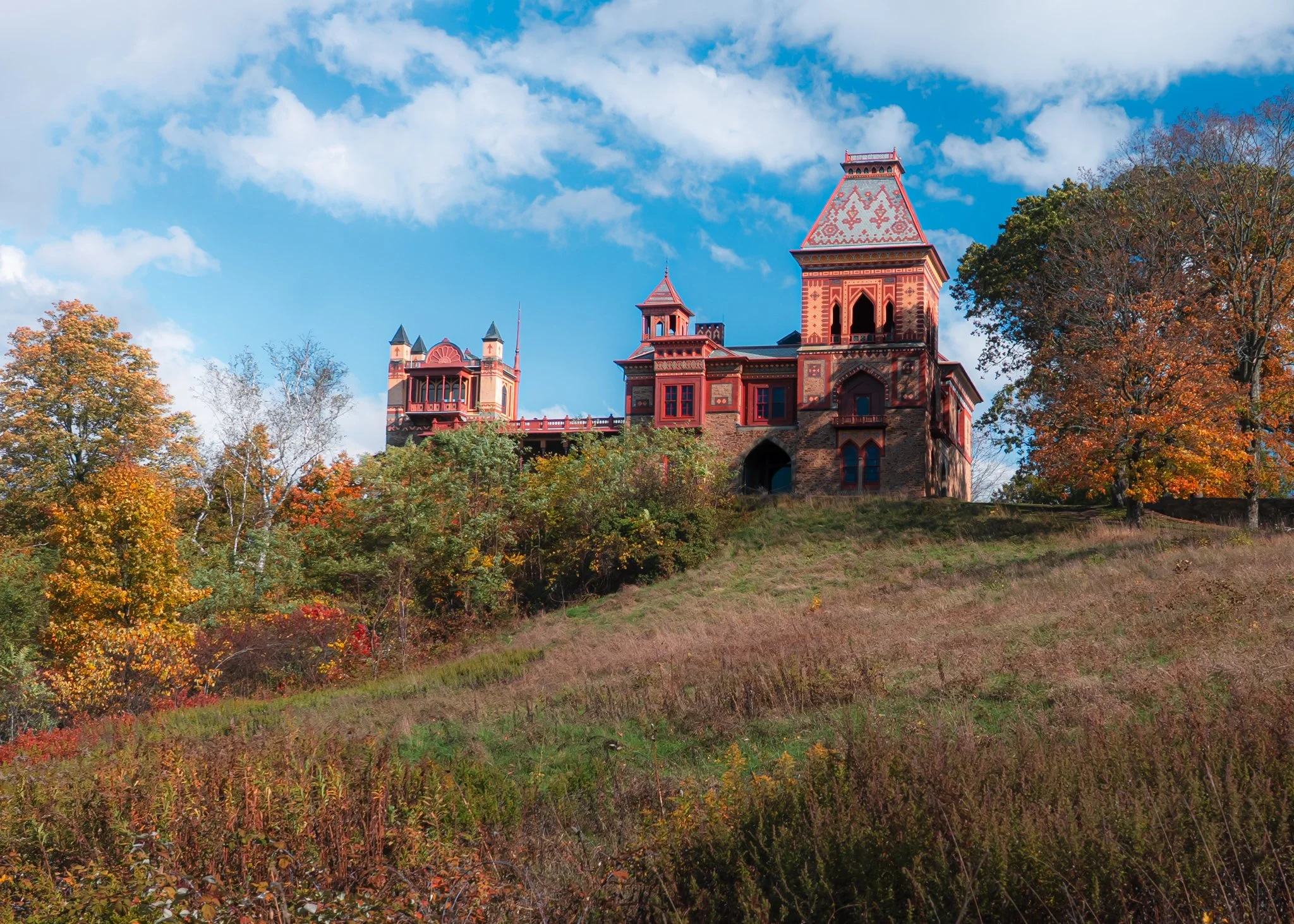
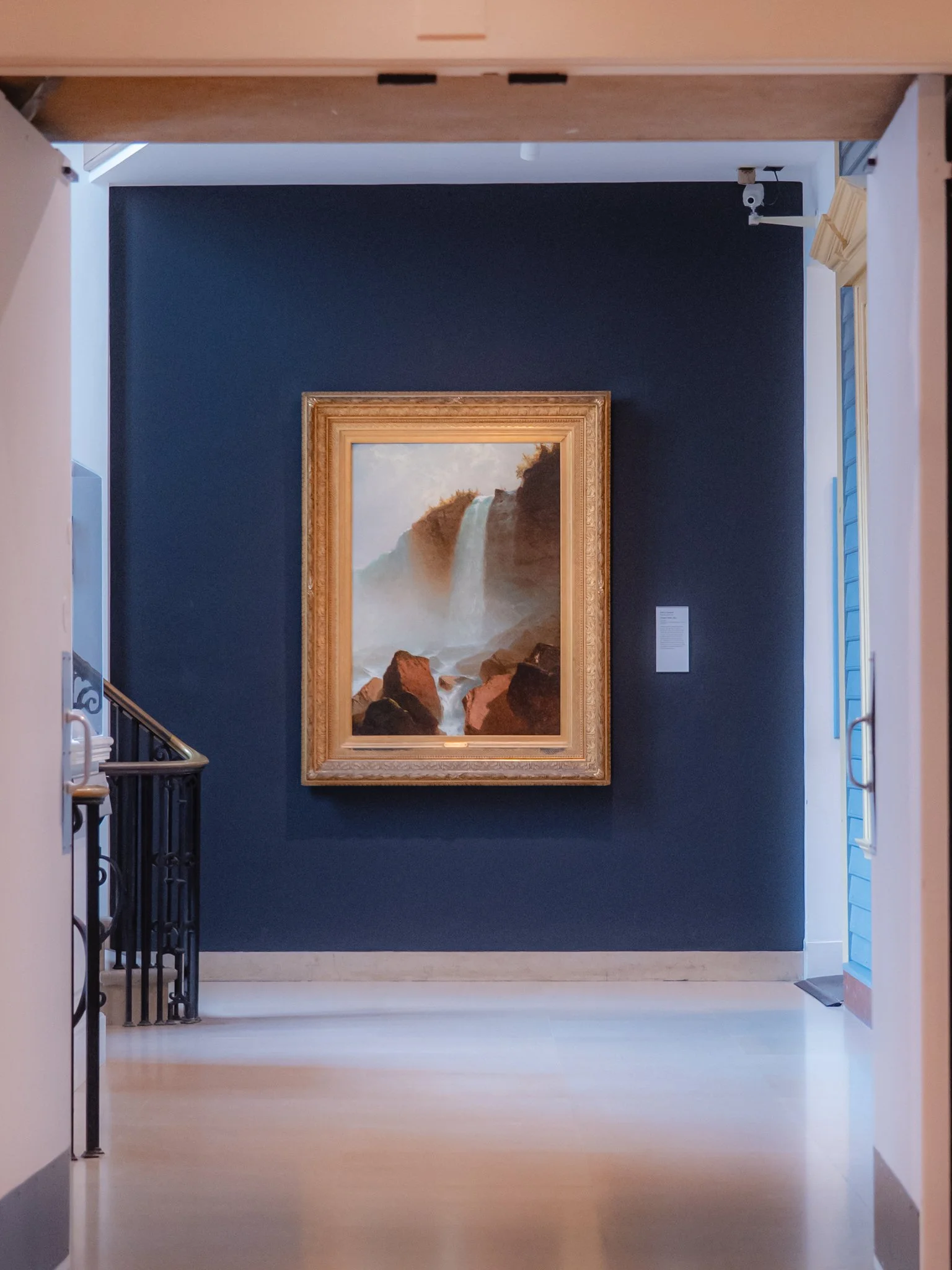
Kaaterskill Falls
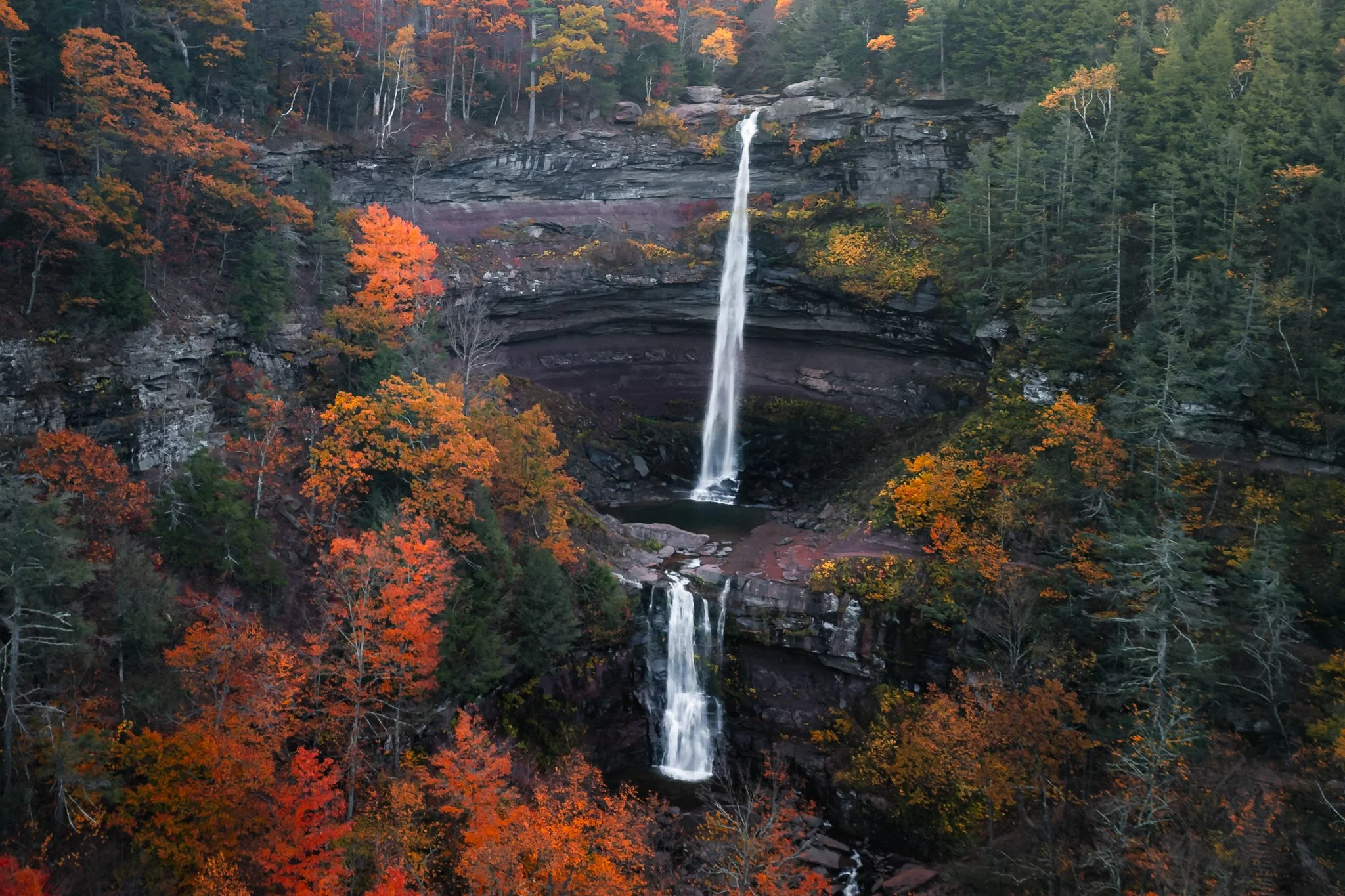
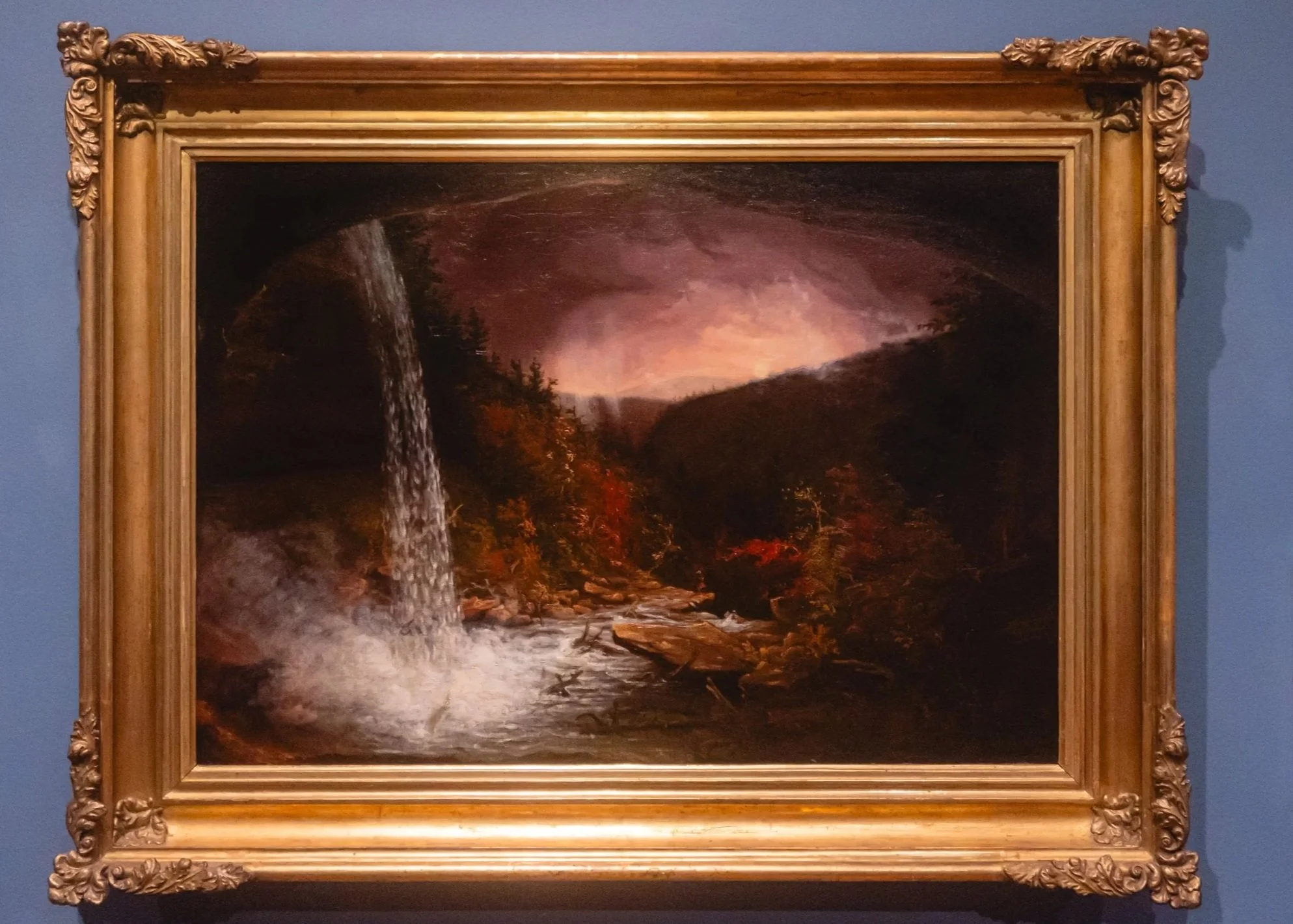
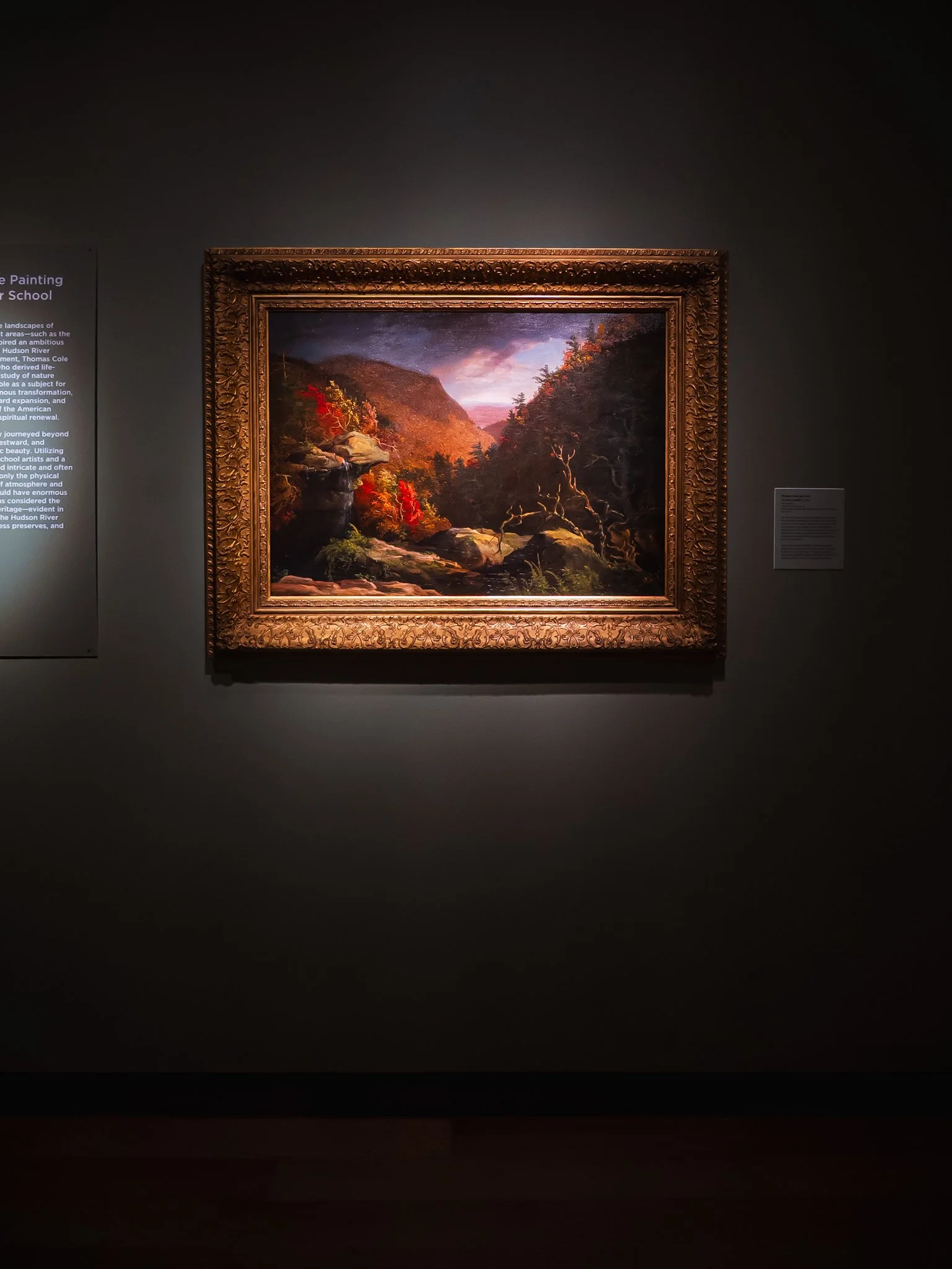
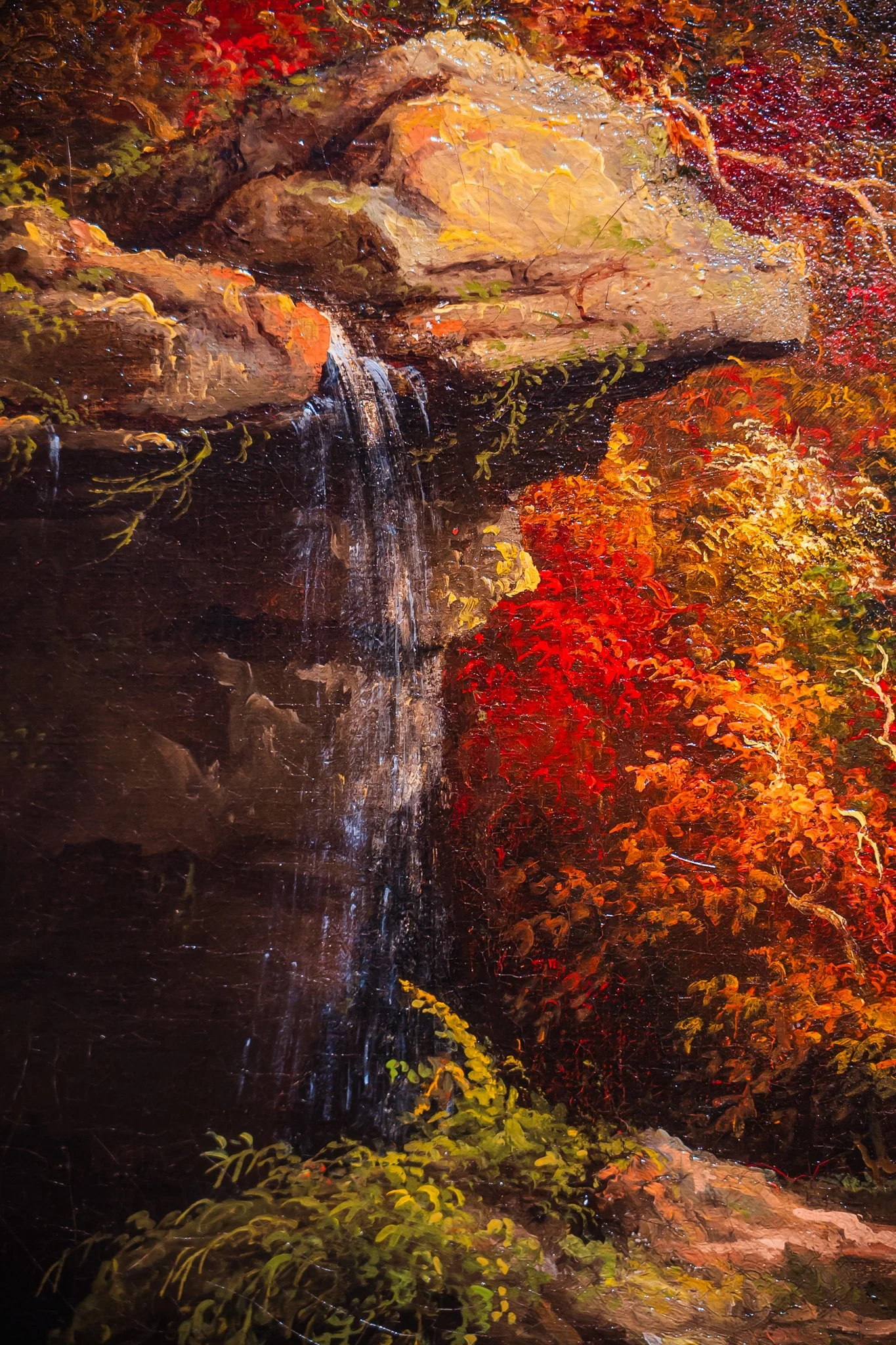
“Kaaterskill Falls”, Thomas Cole (1826)
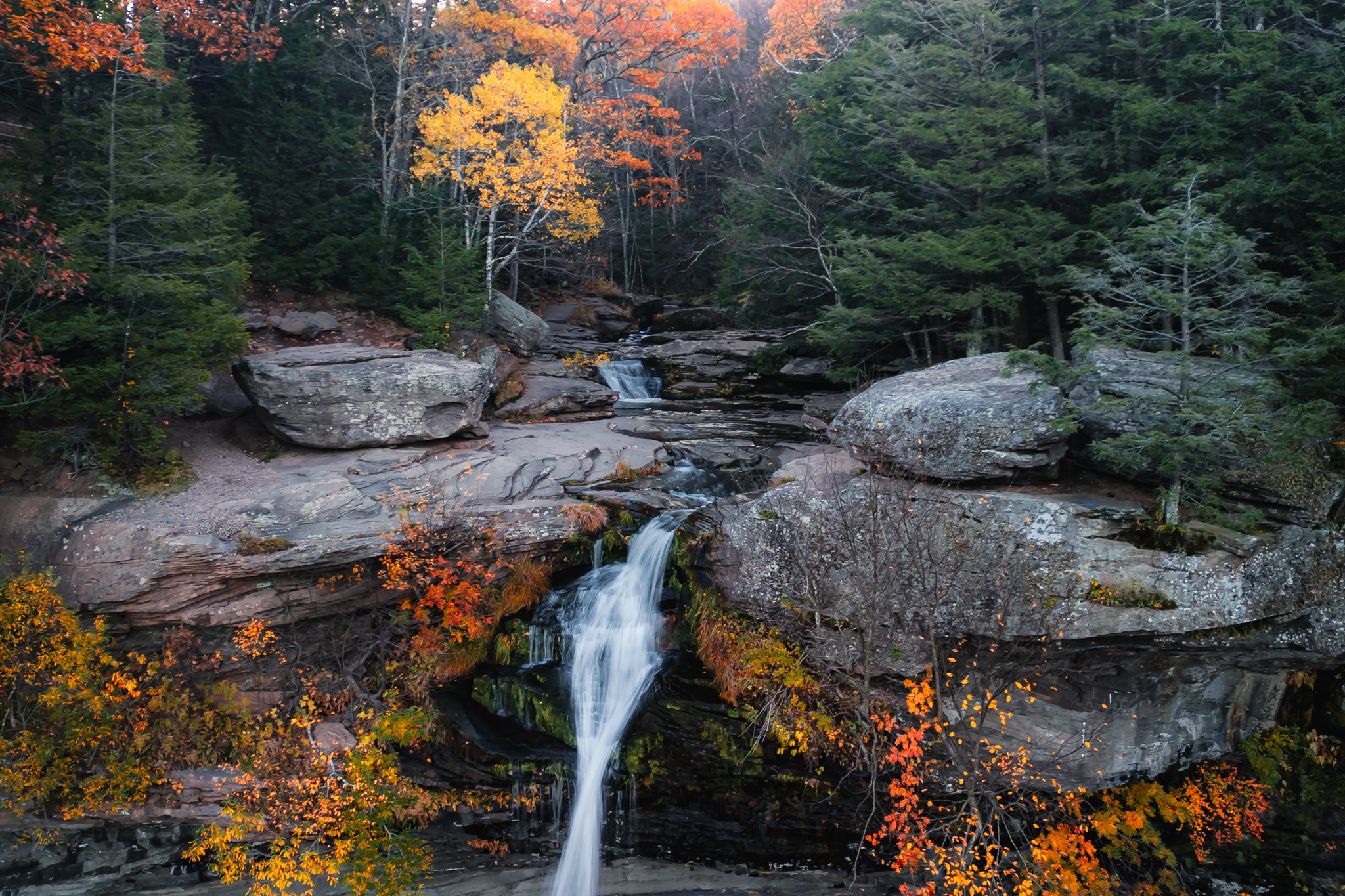
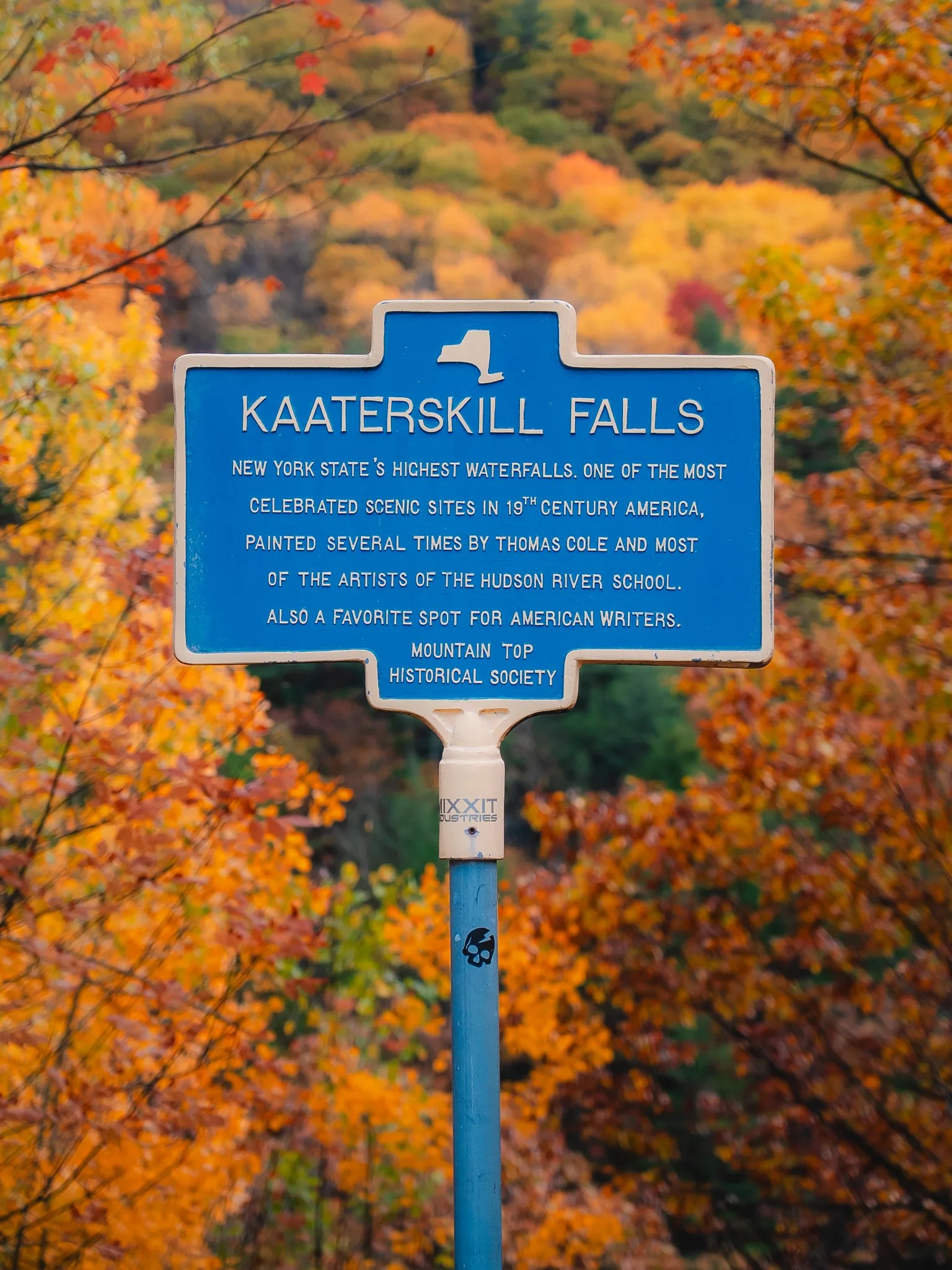
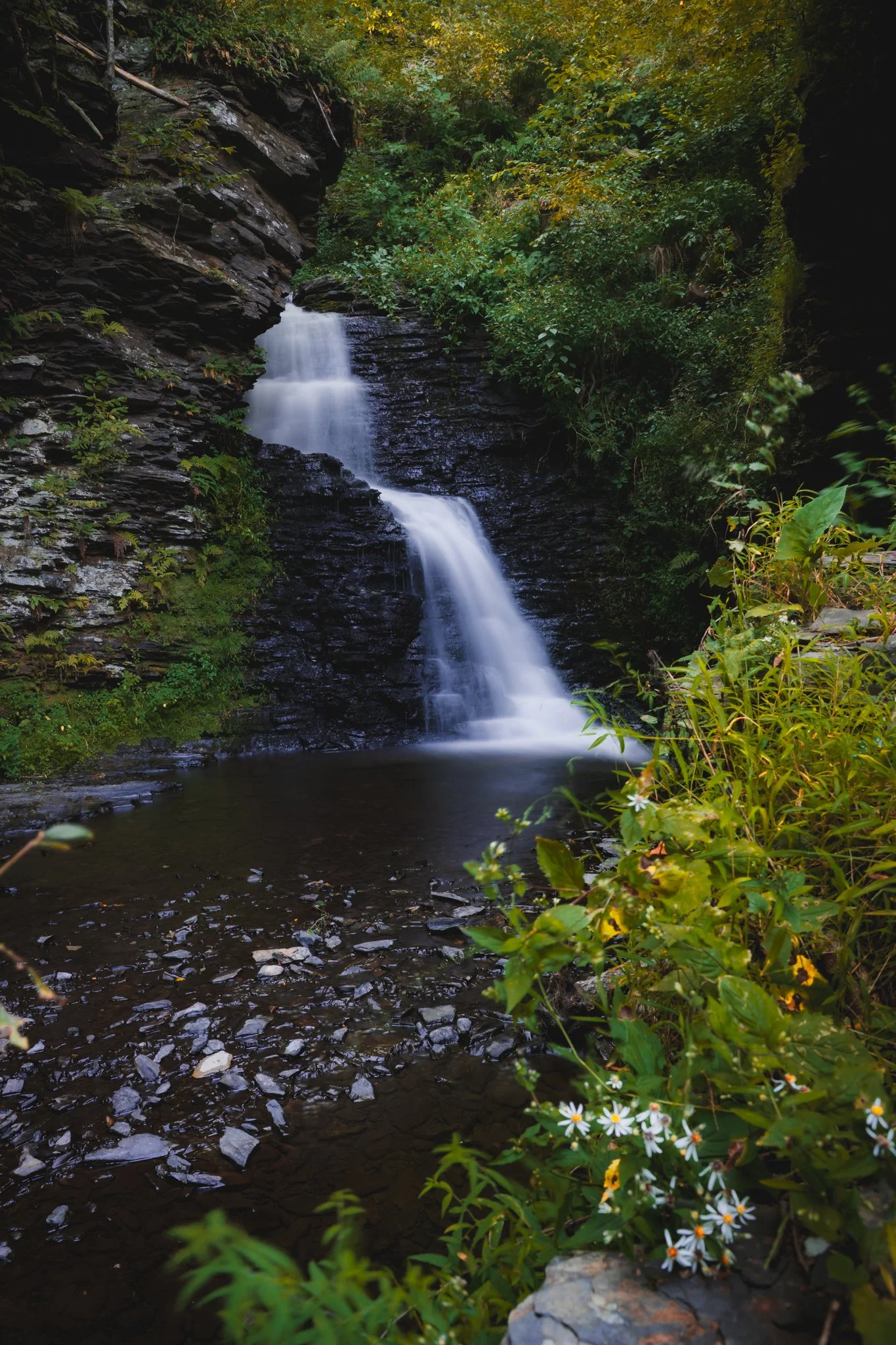
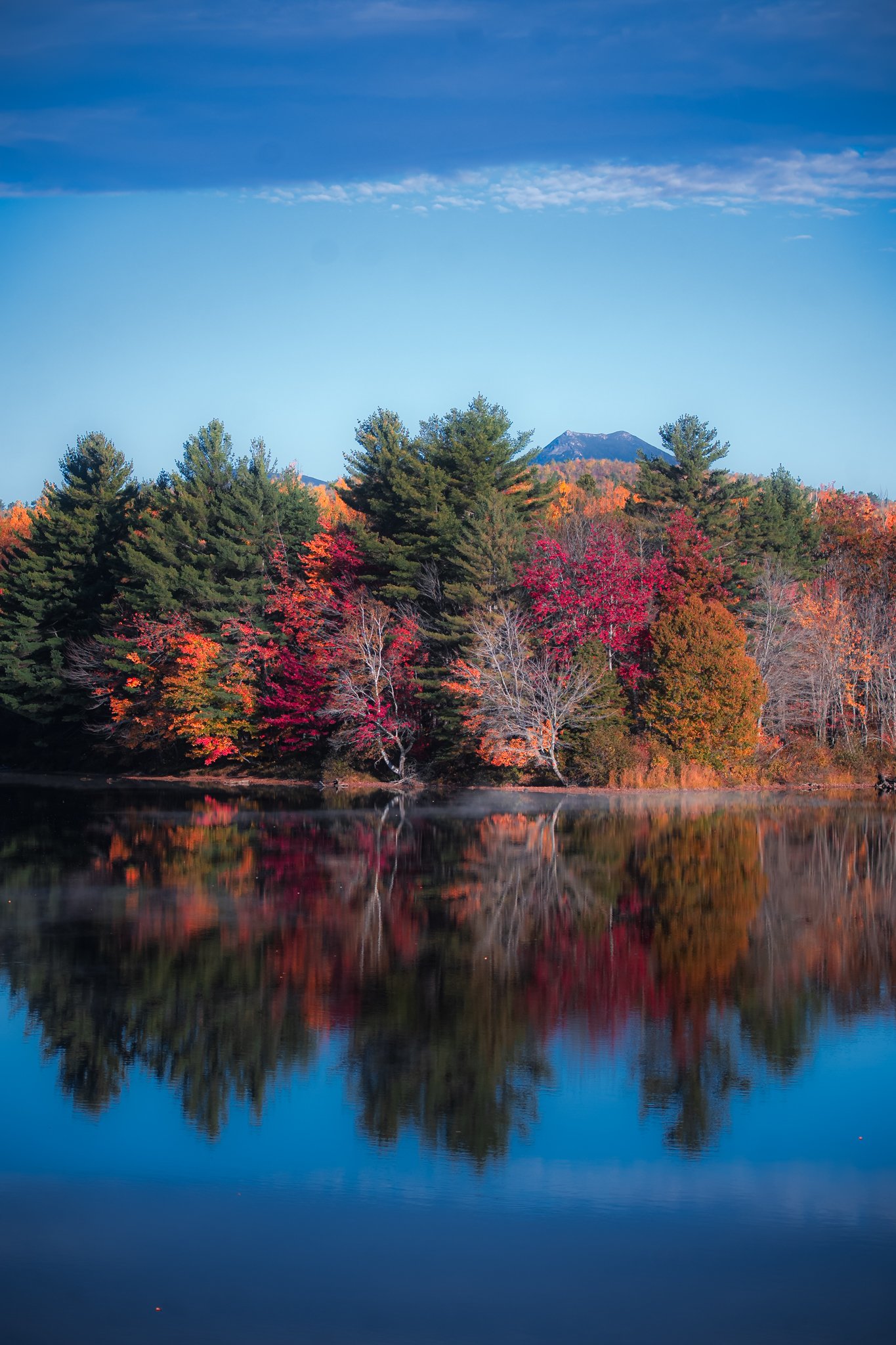
Kaaterskill Clove
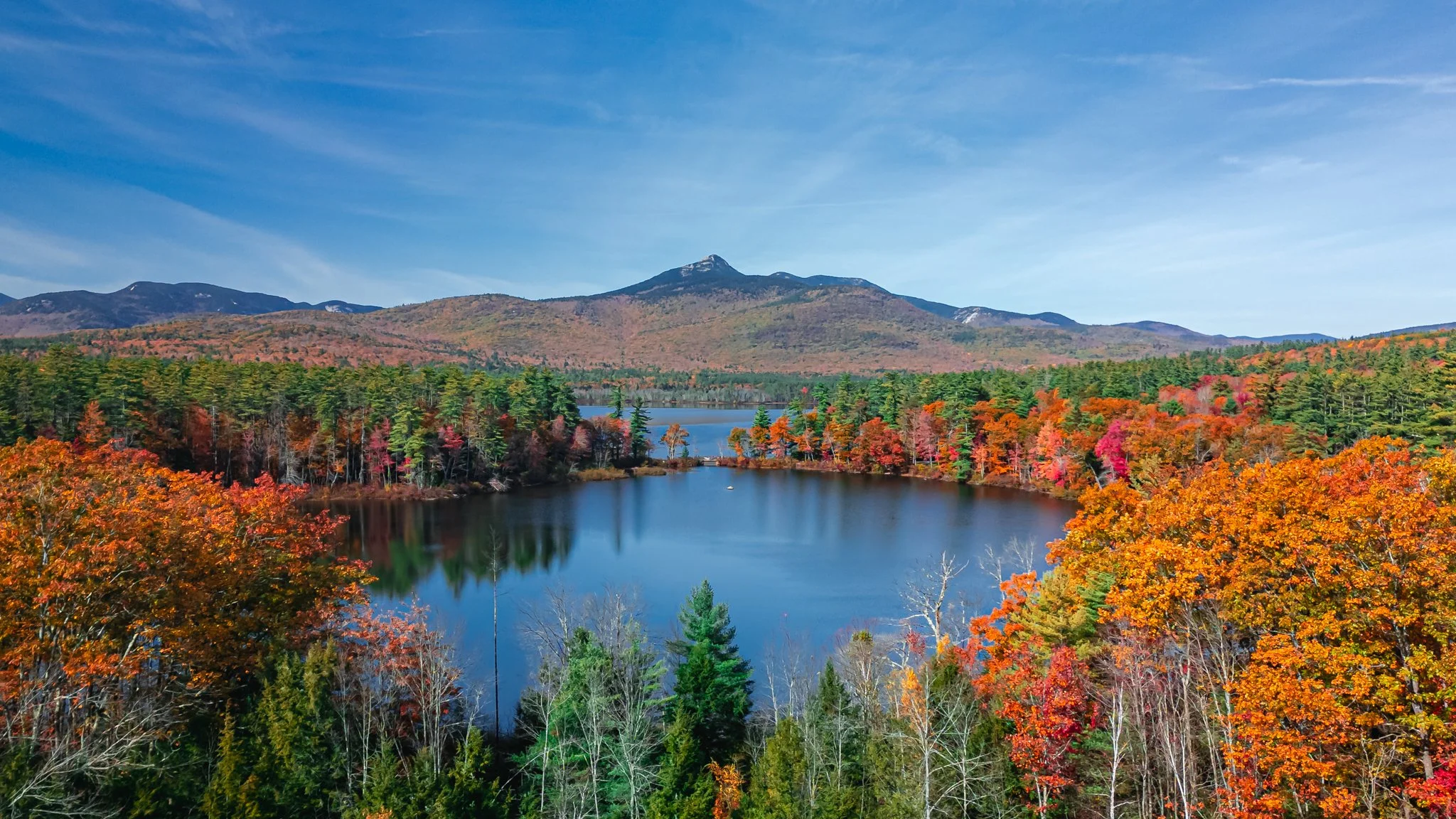
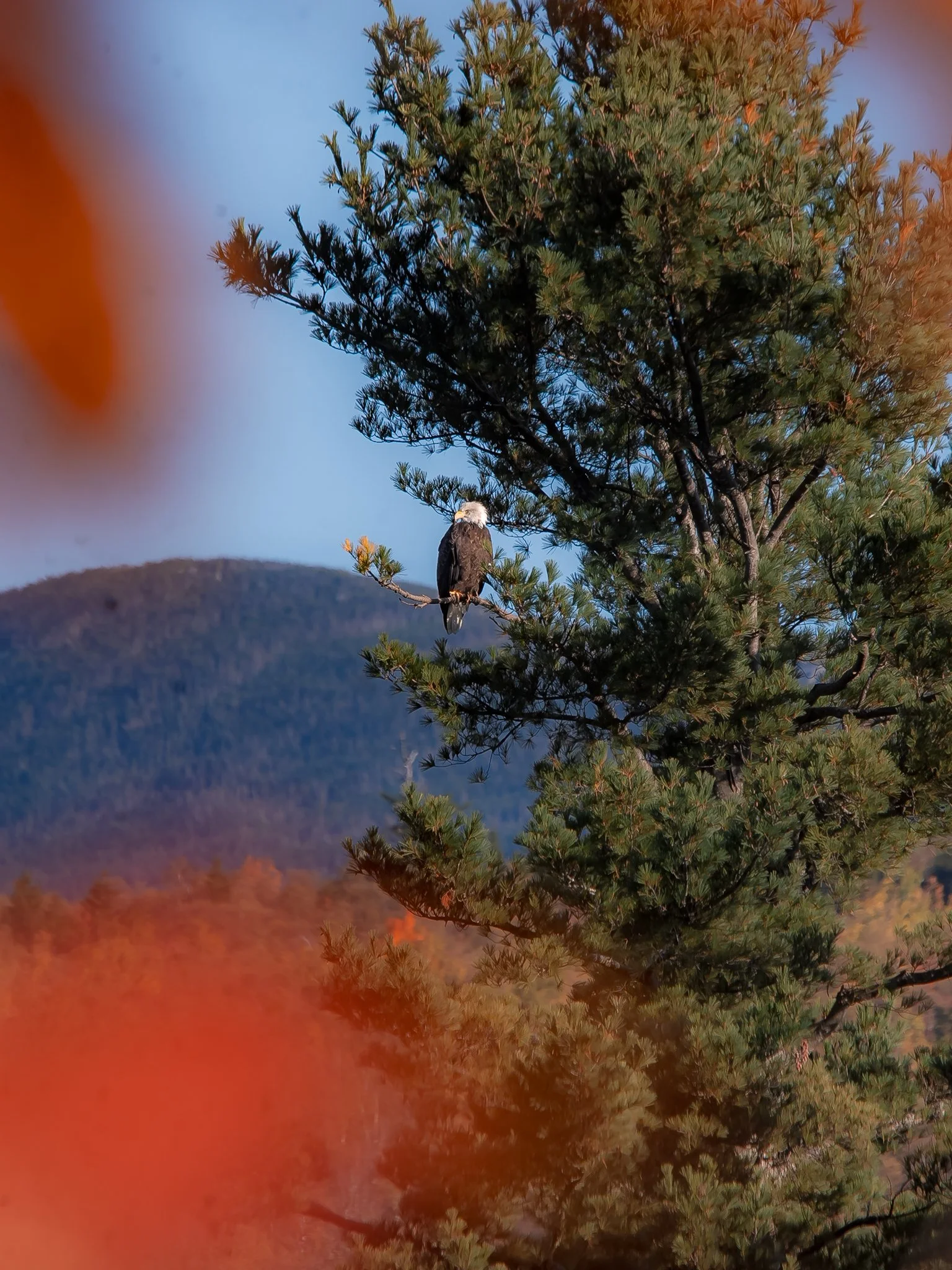
White Mountains
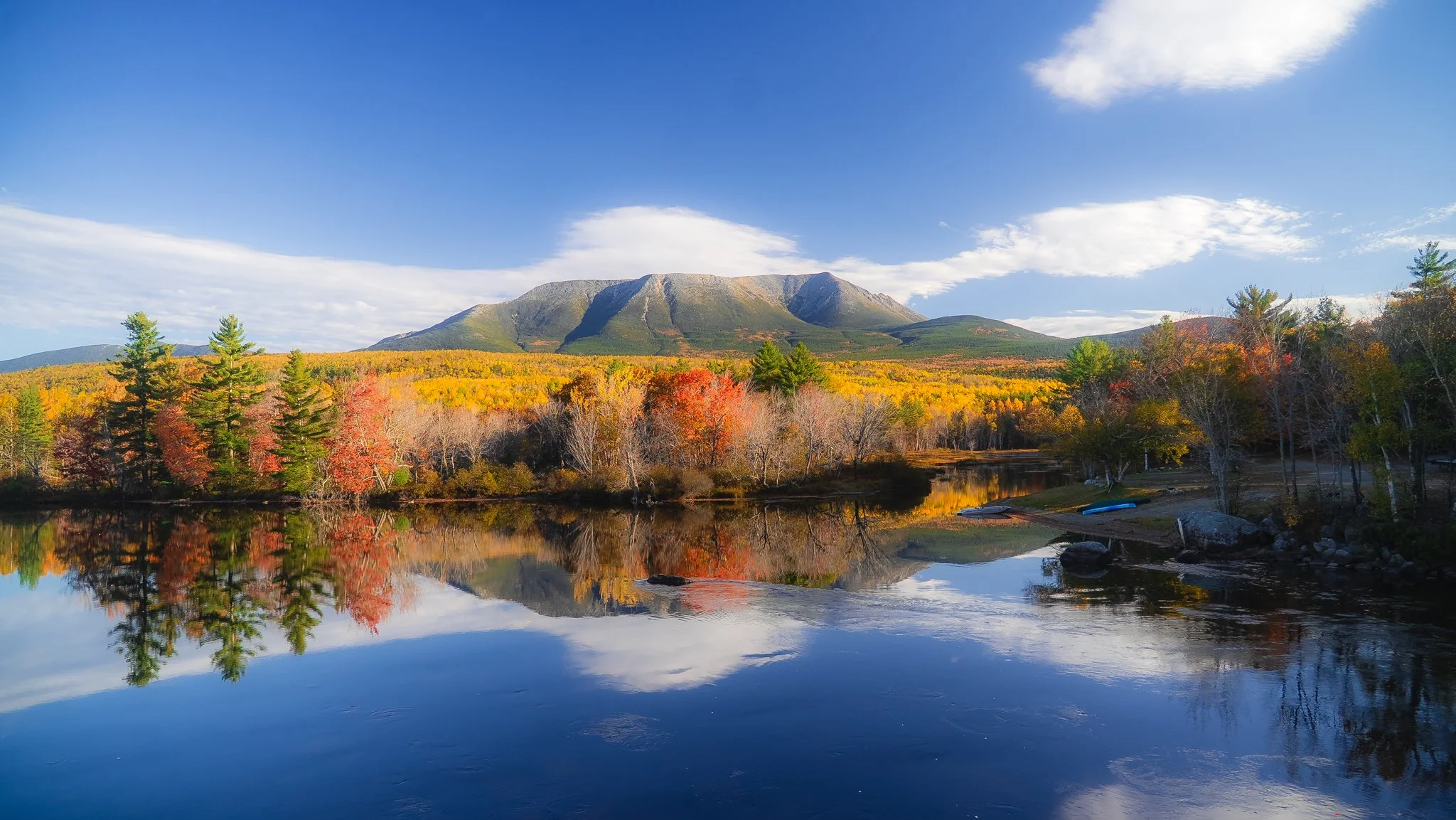
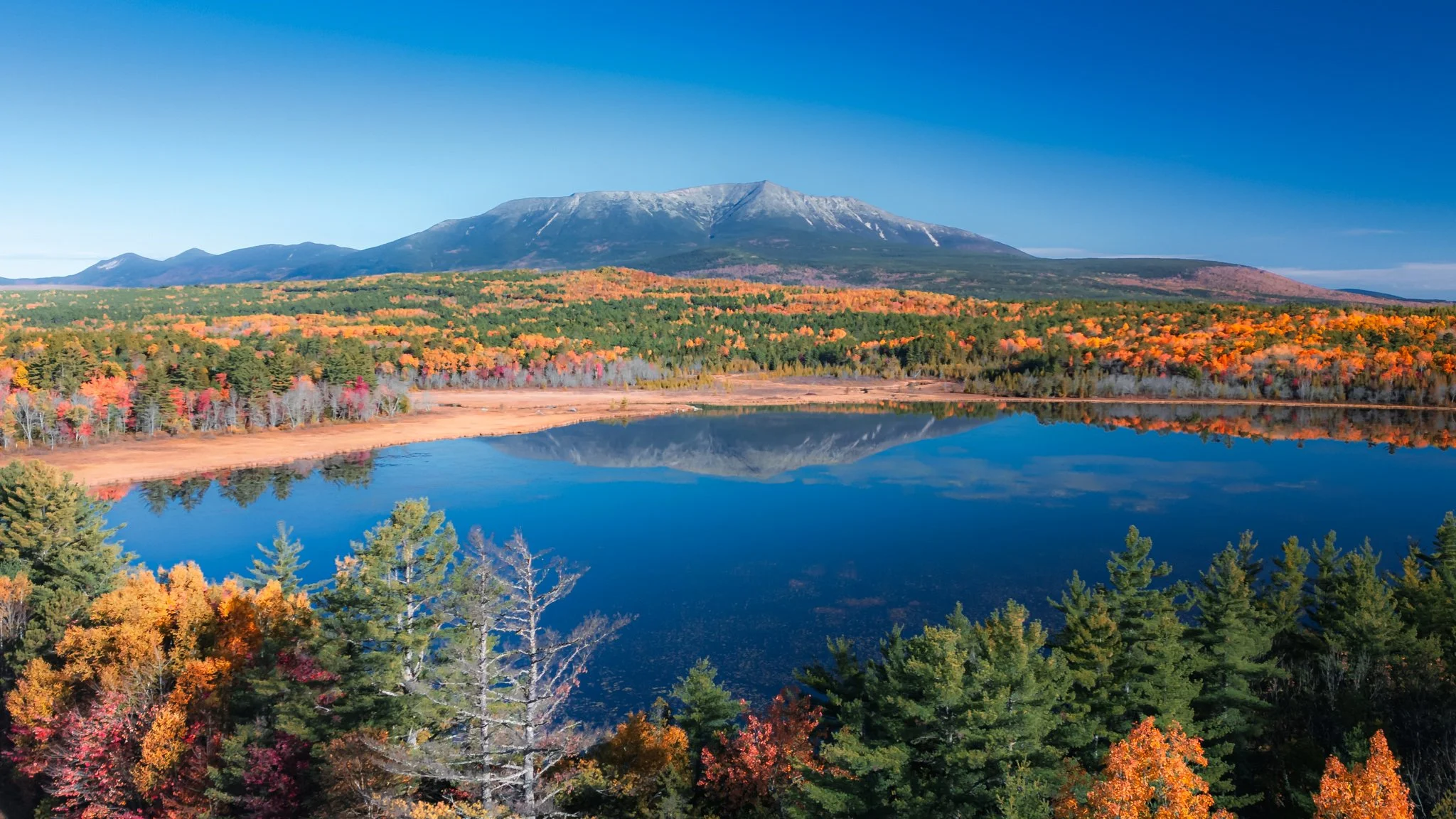
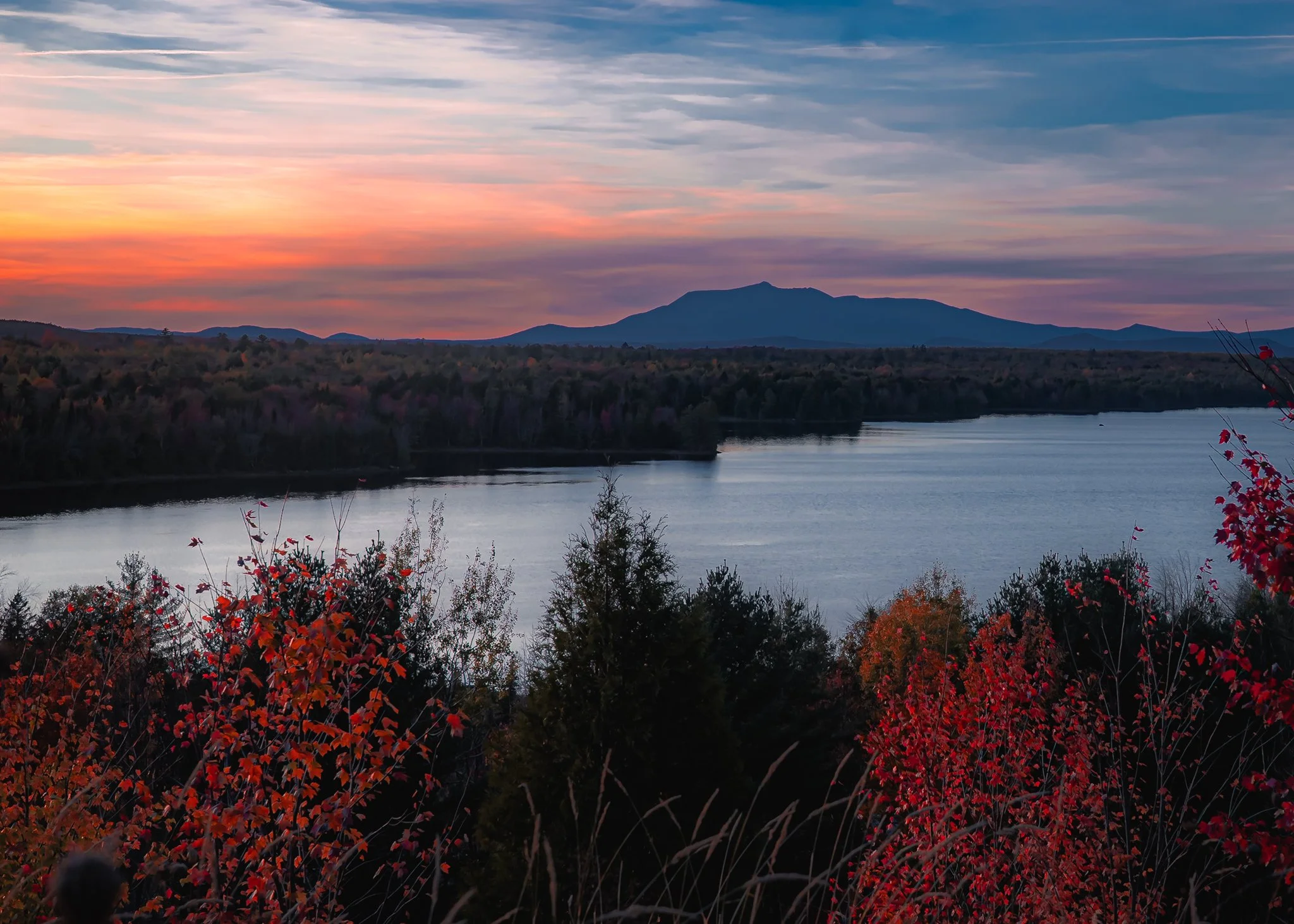
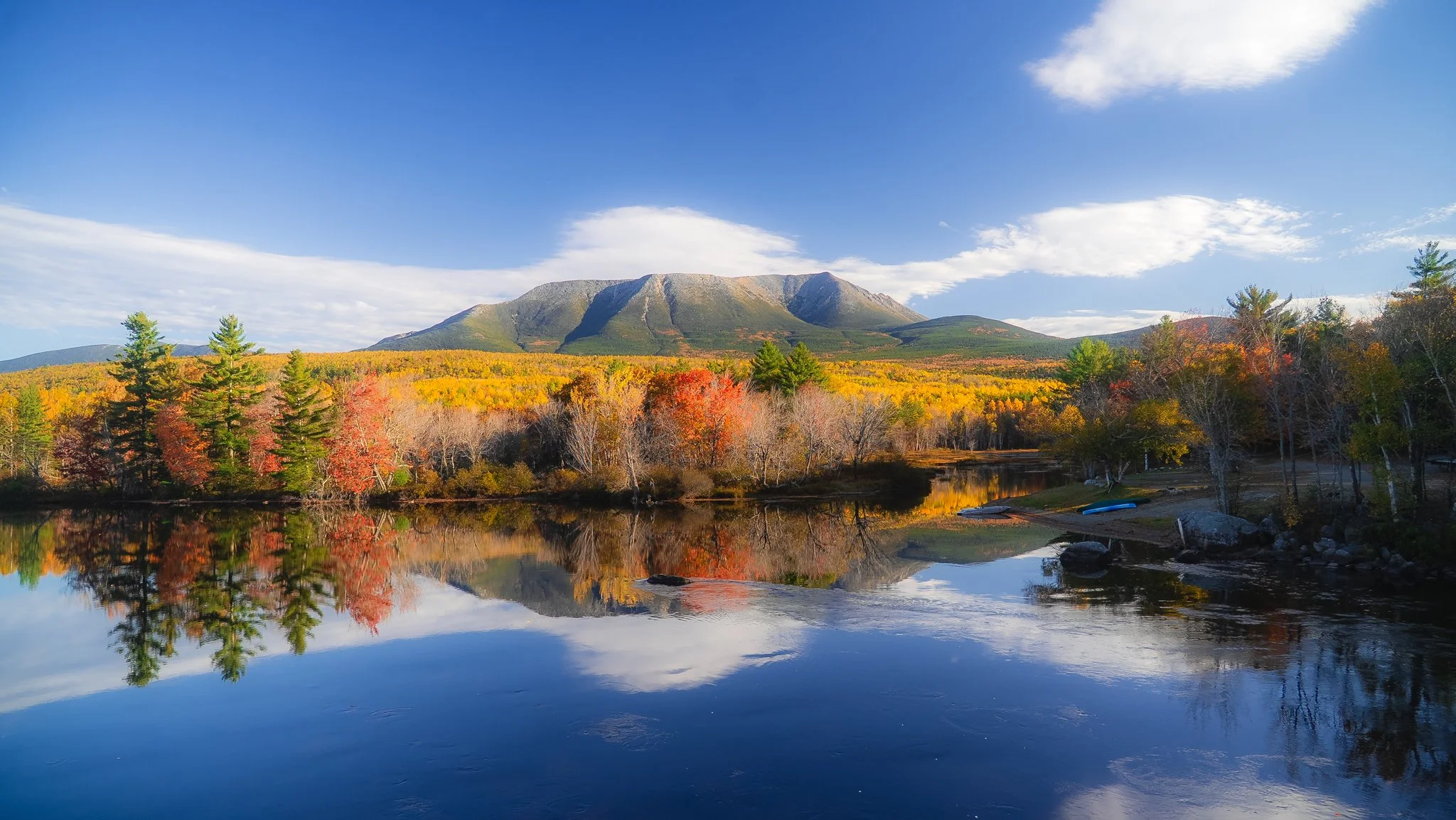
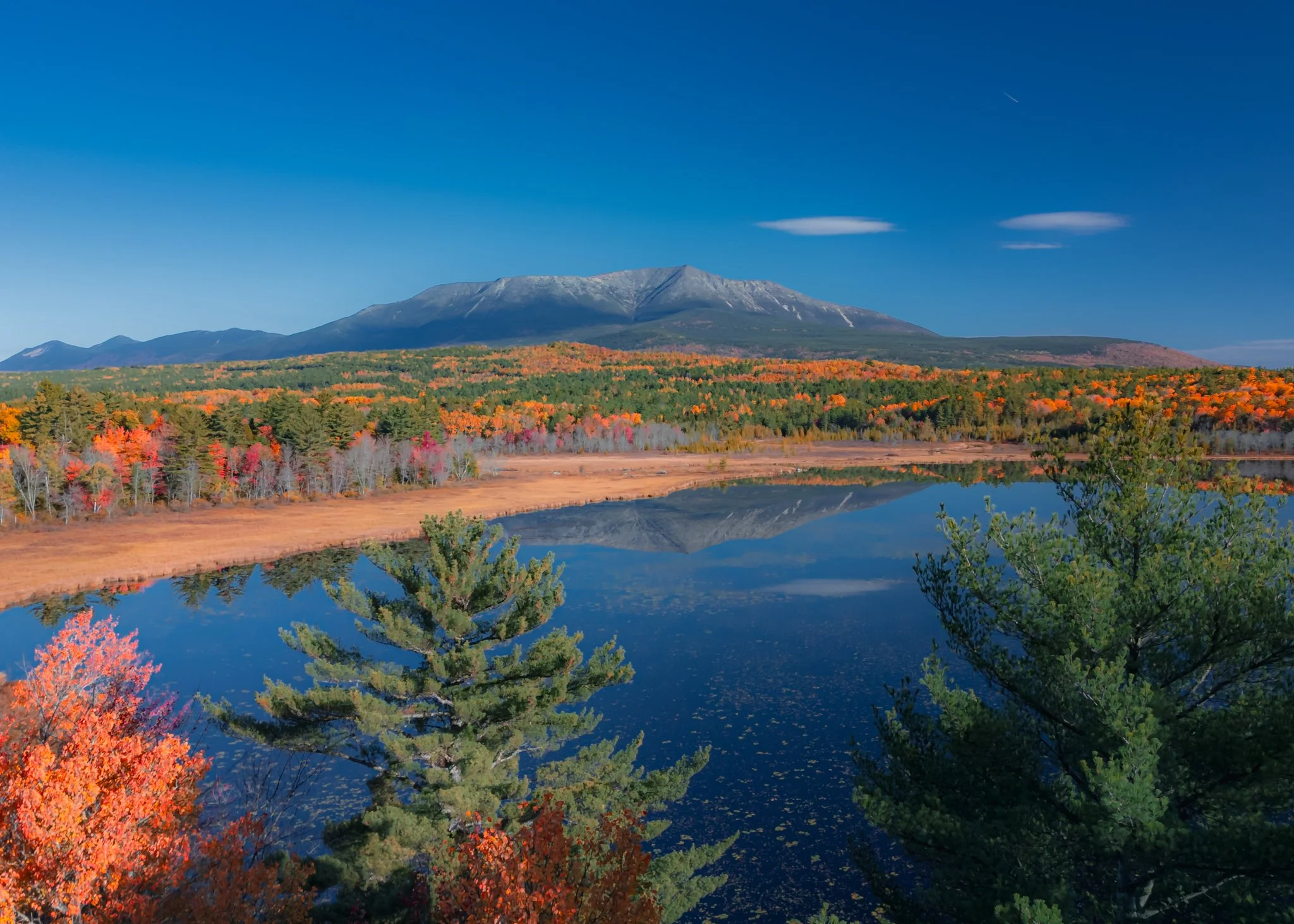
Mt. Ktaadn & The Maine Wilderness
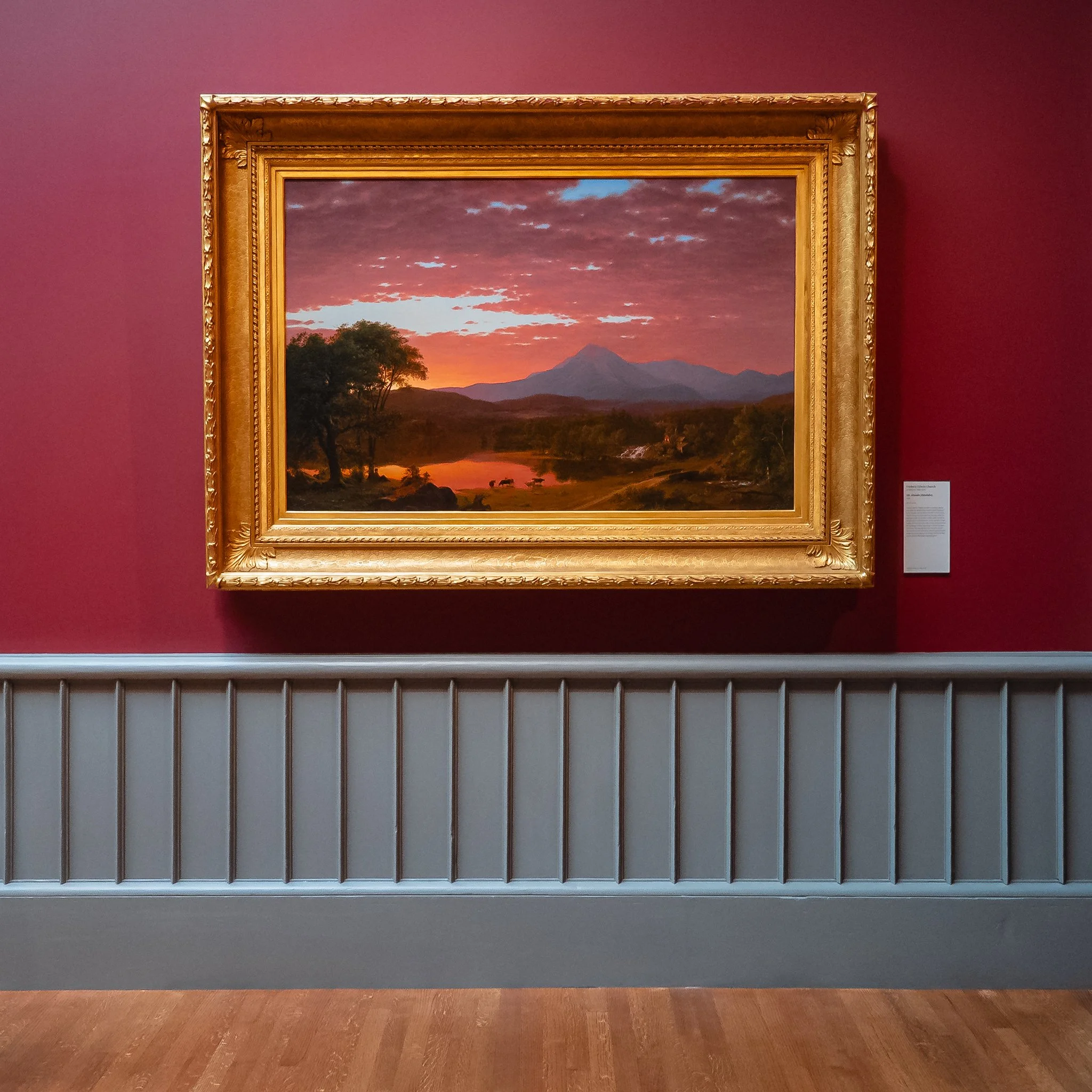
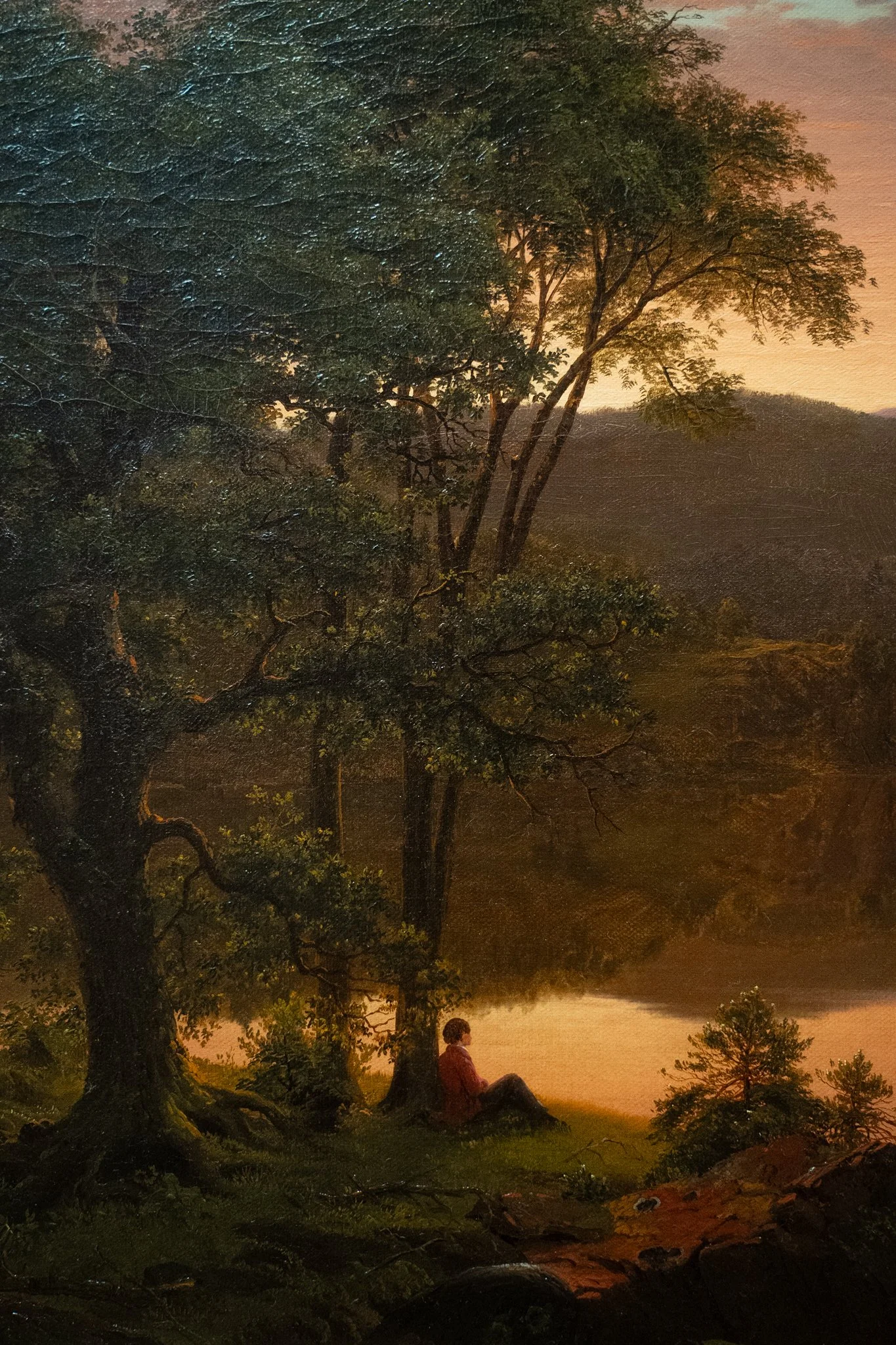
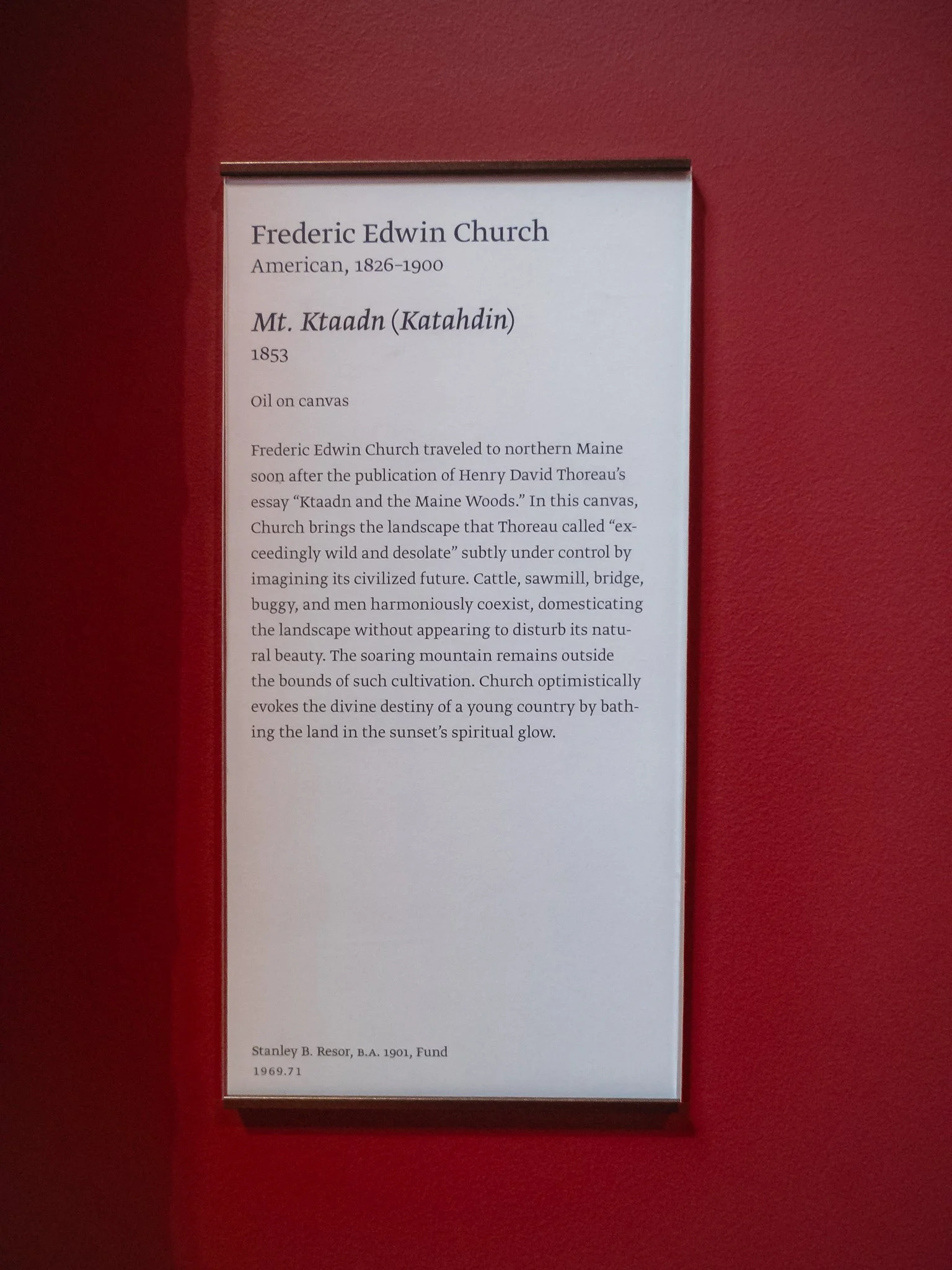
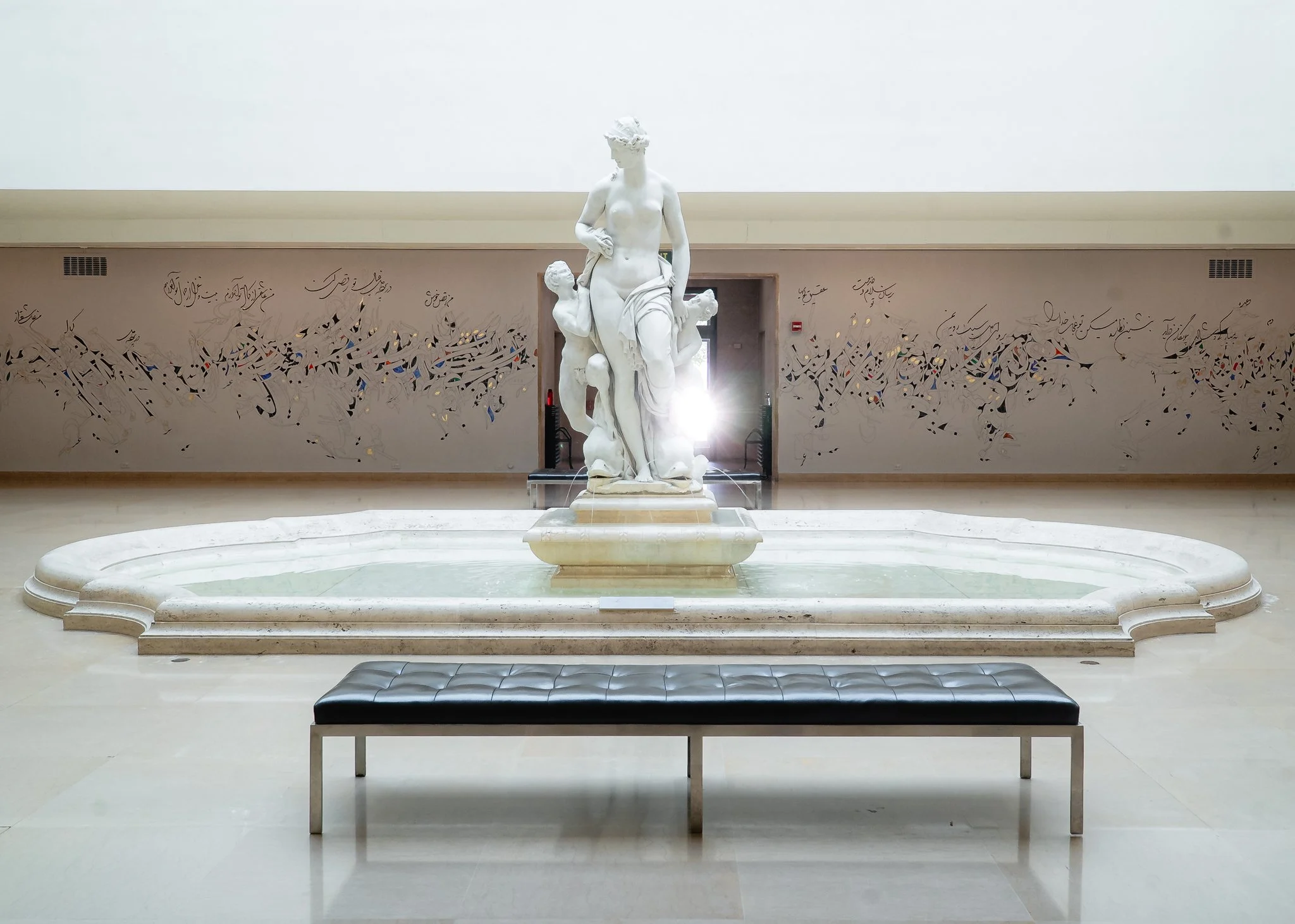
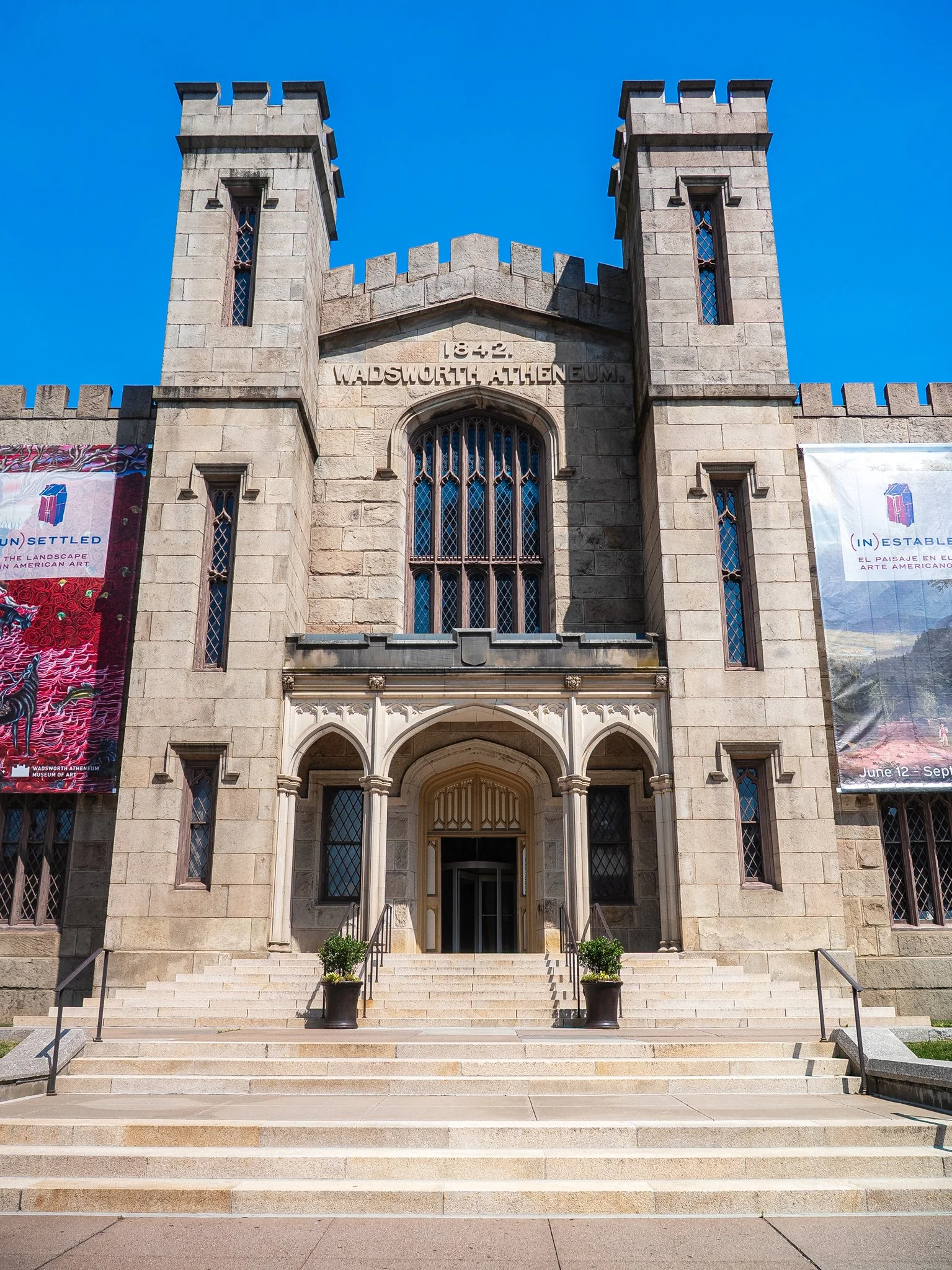
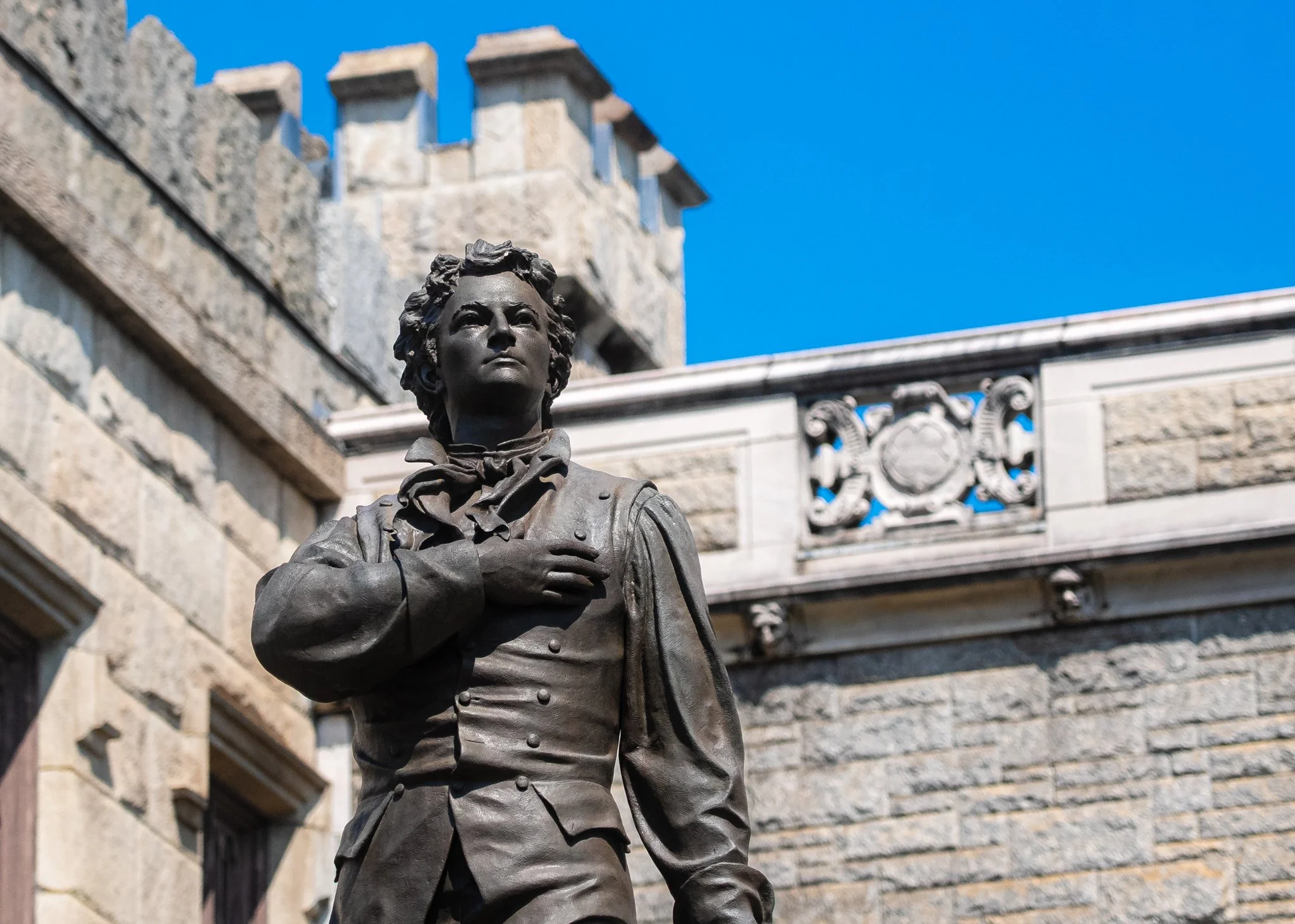
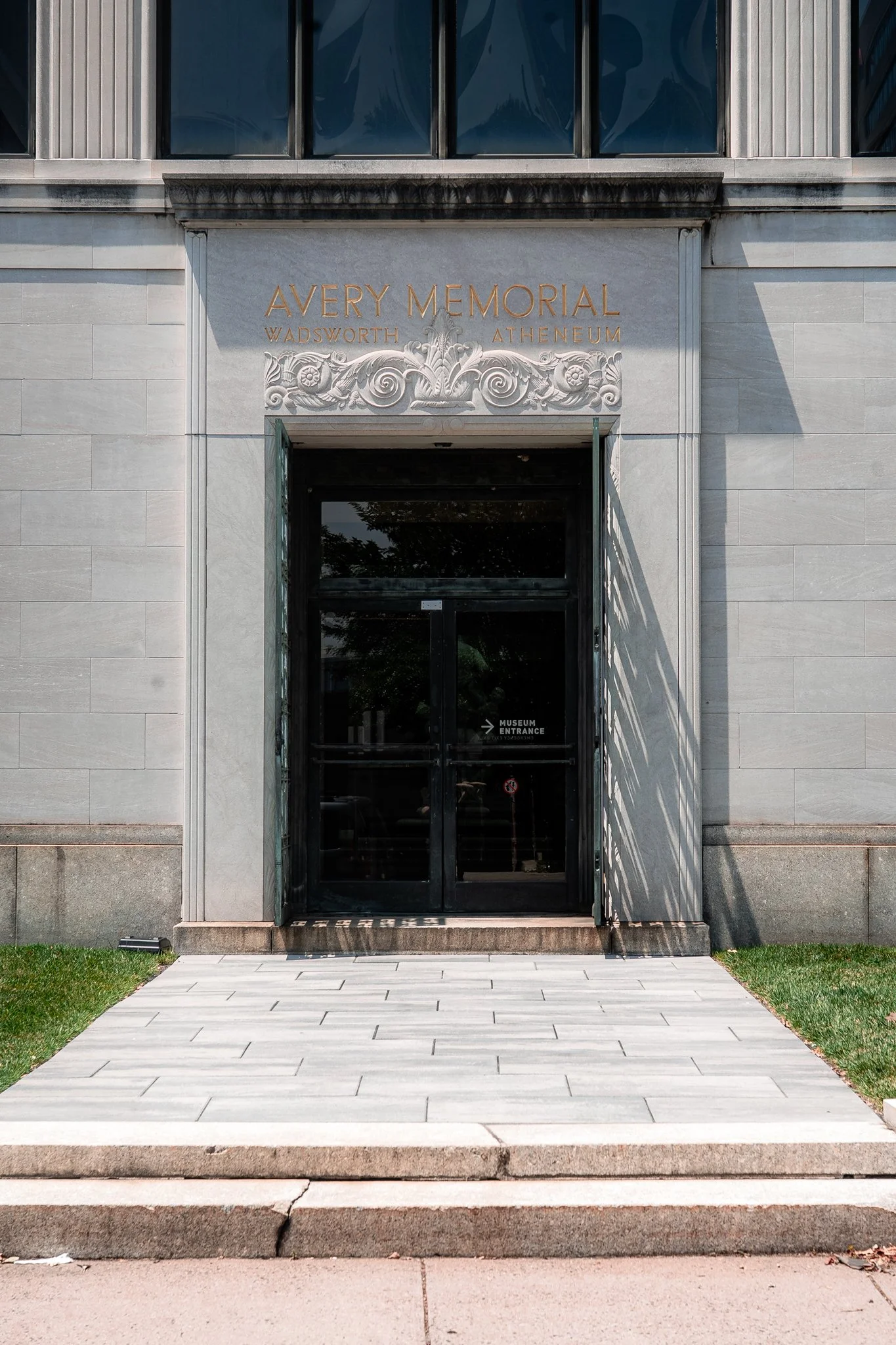
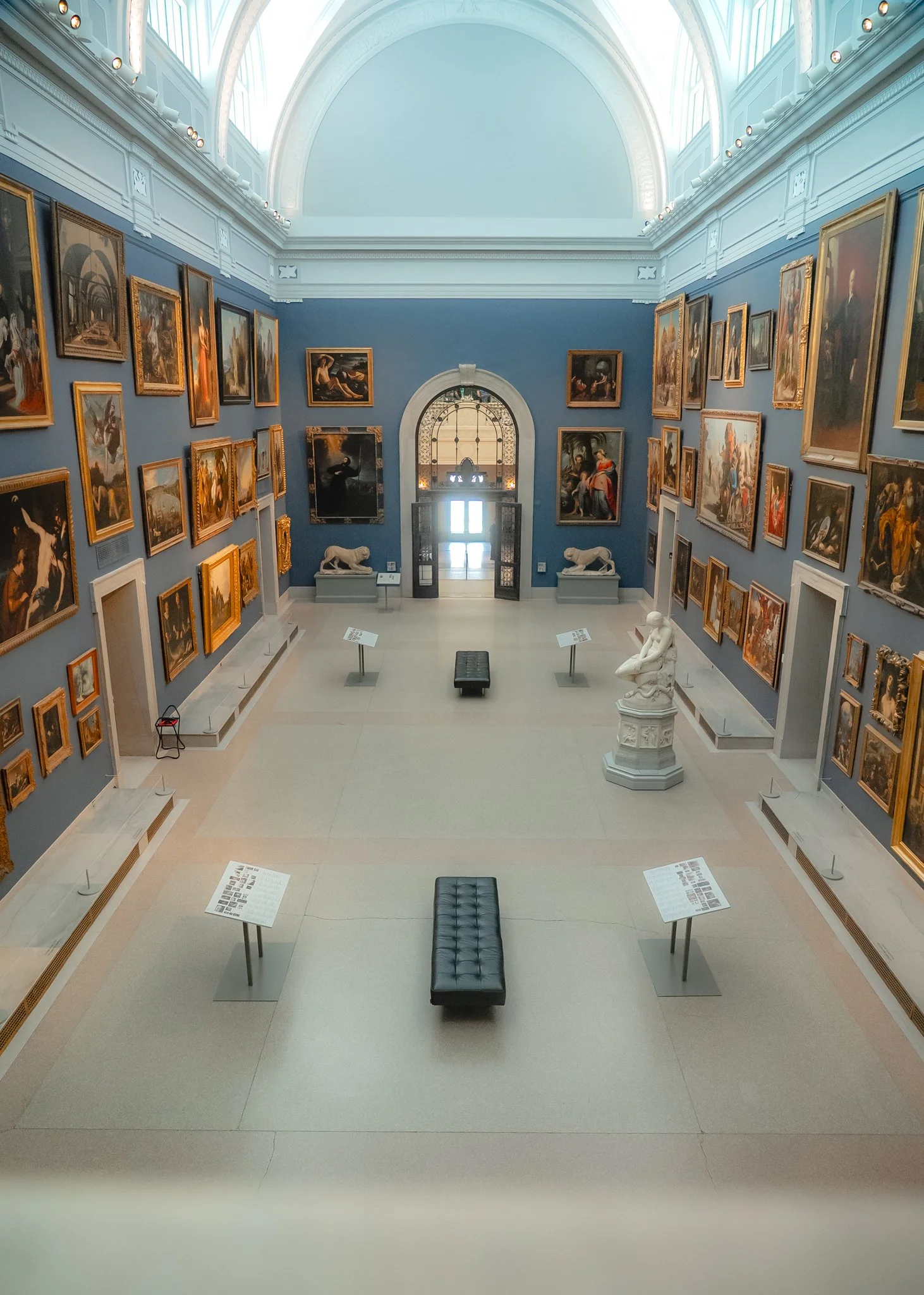
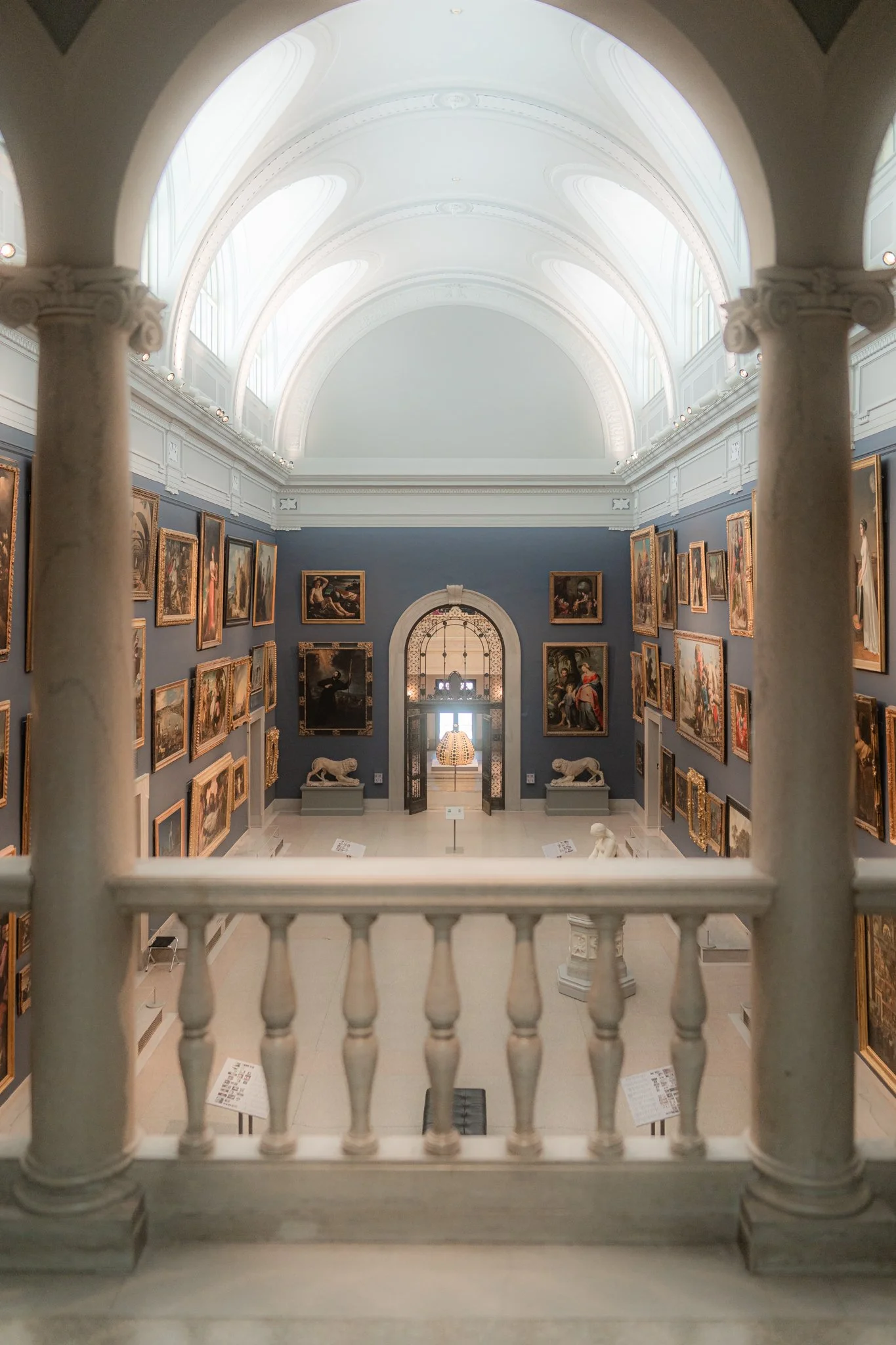
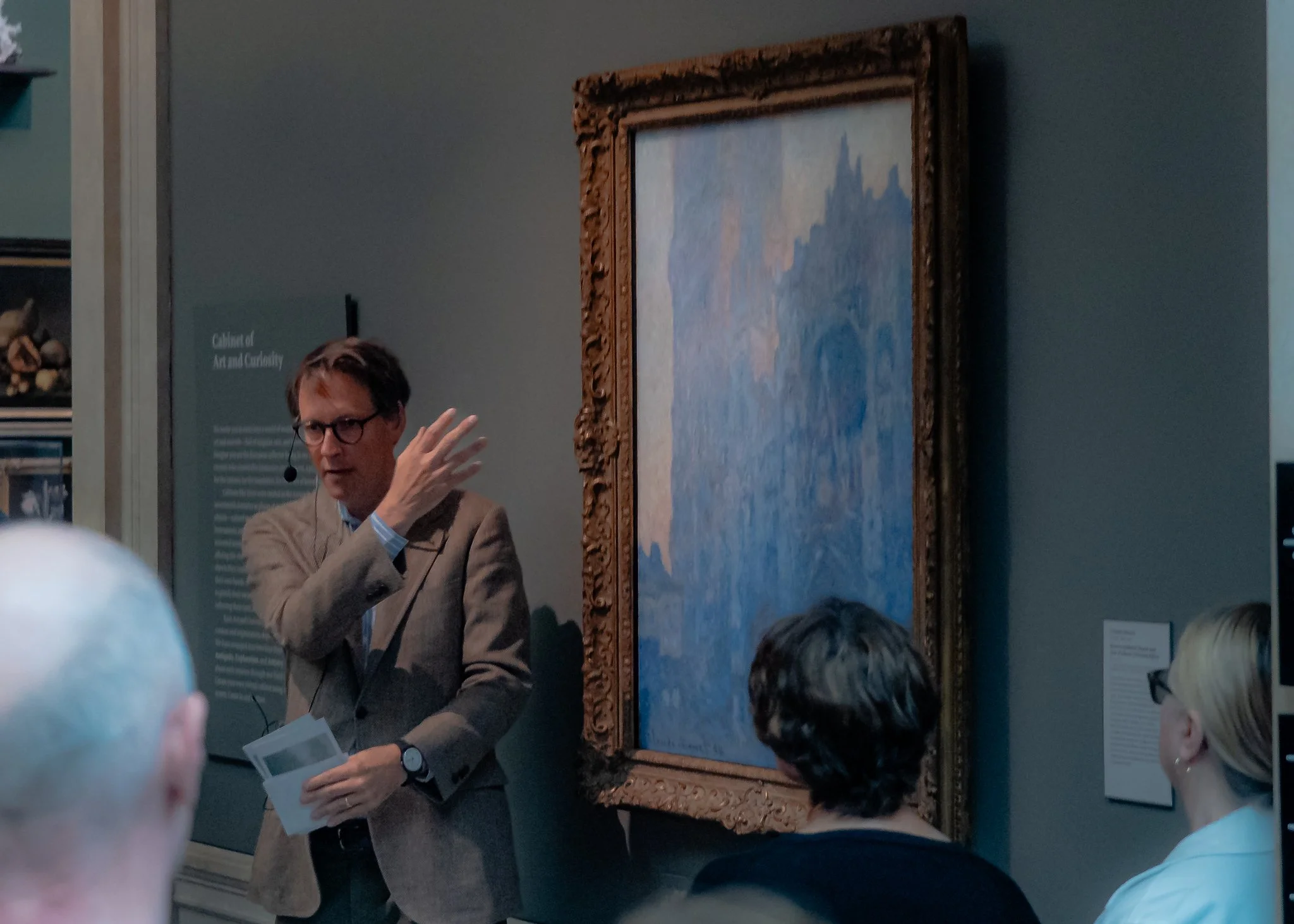
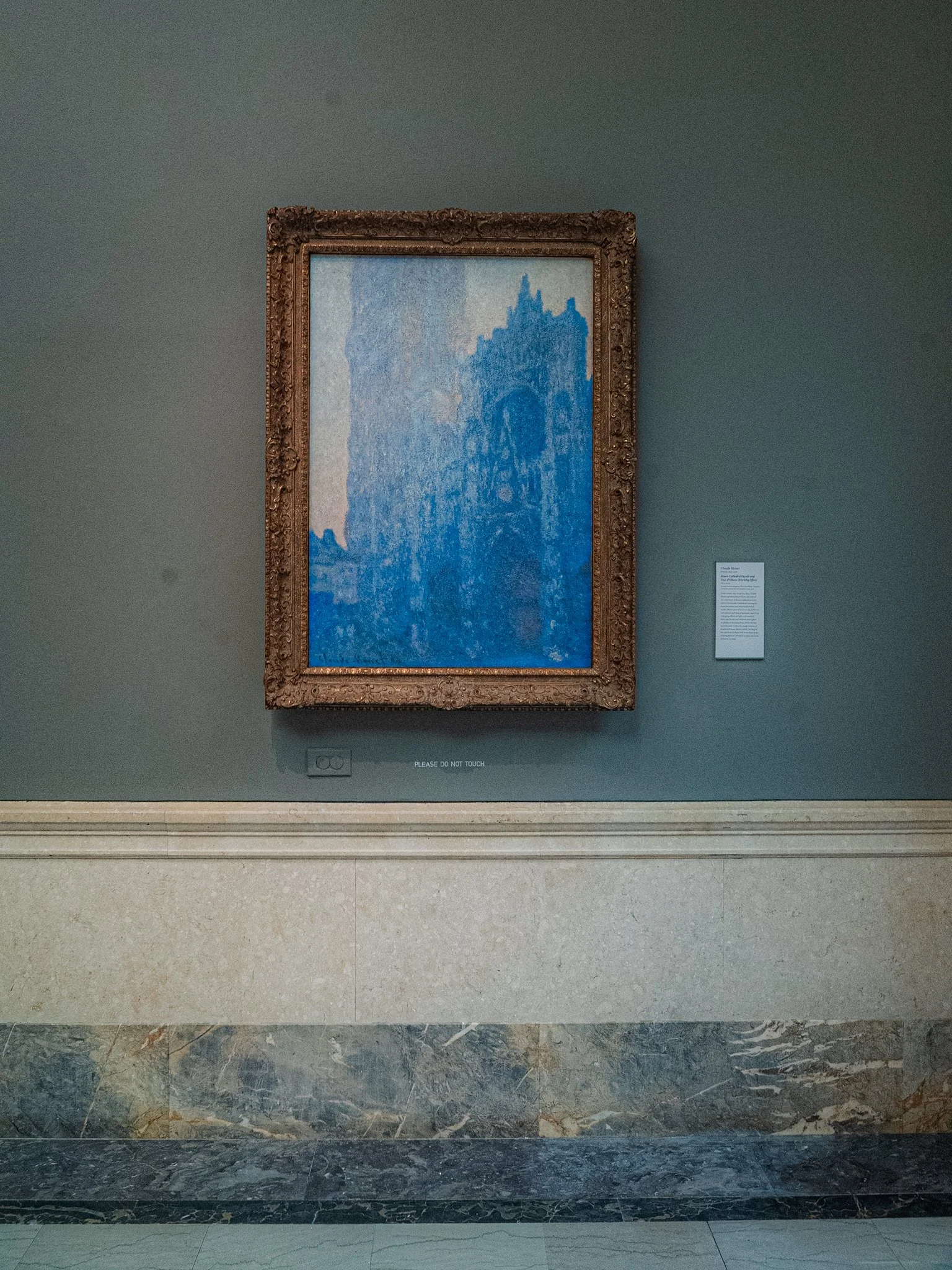
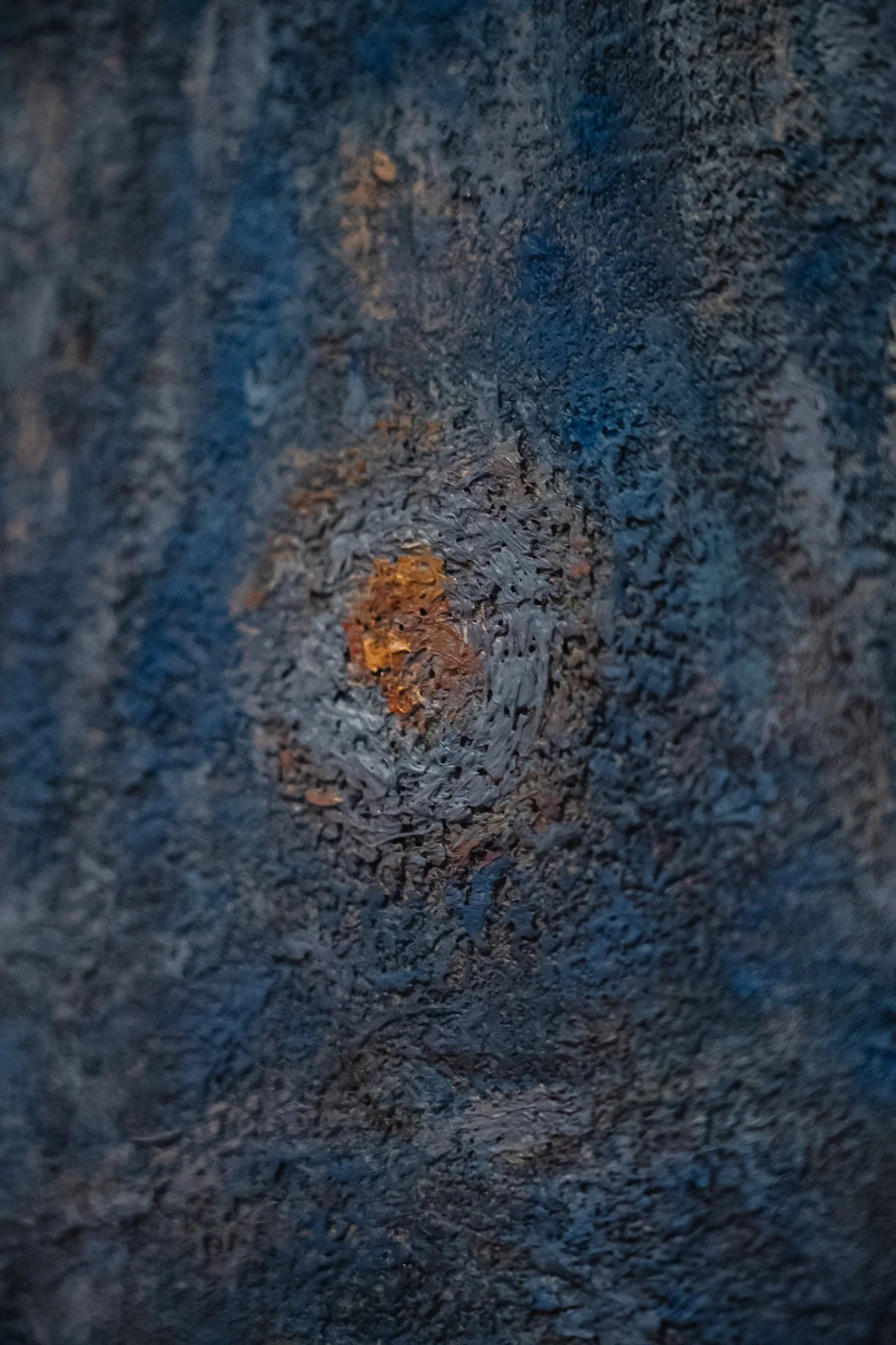
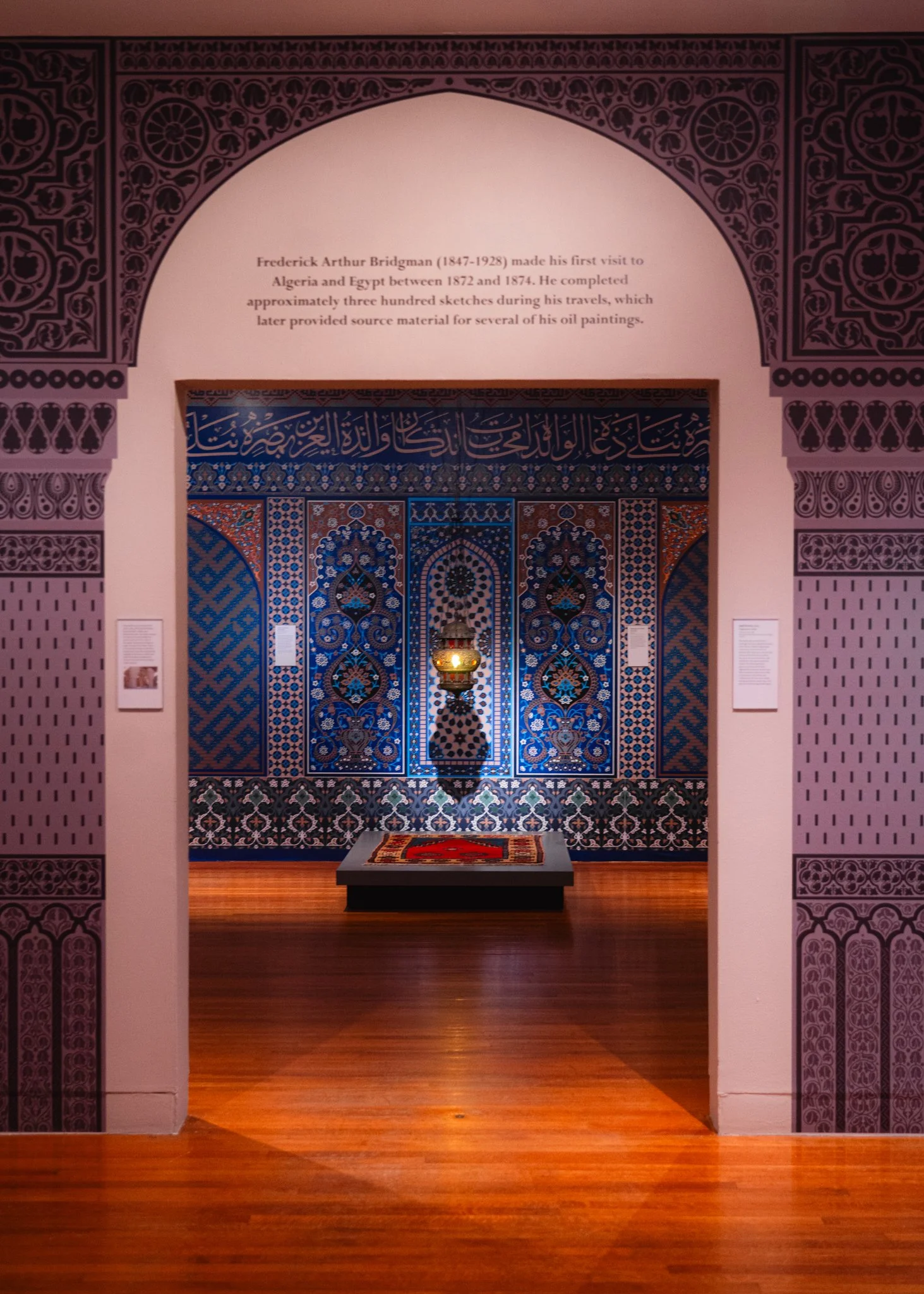
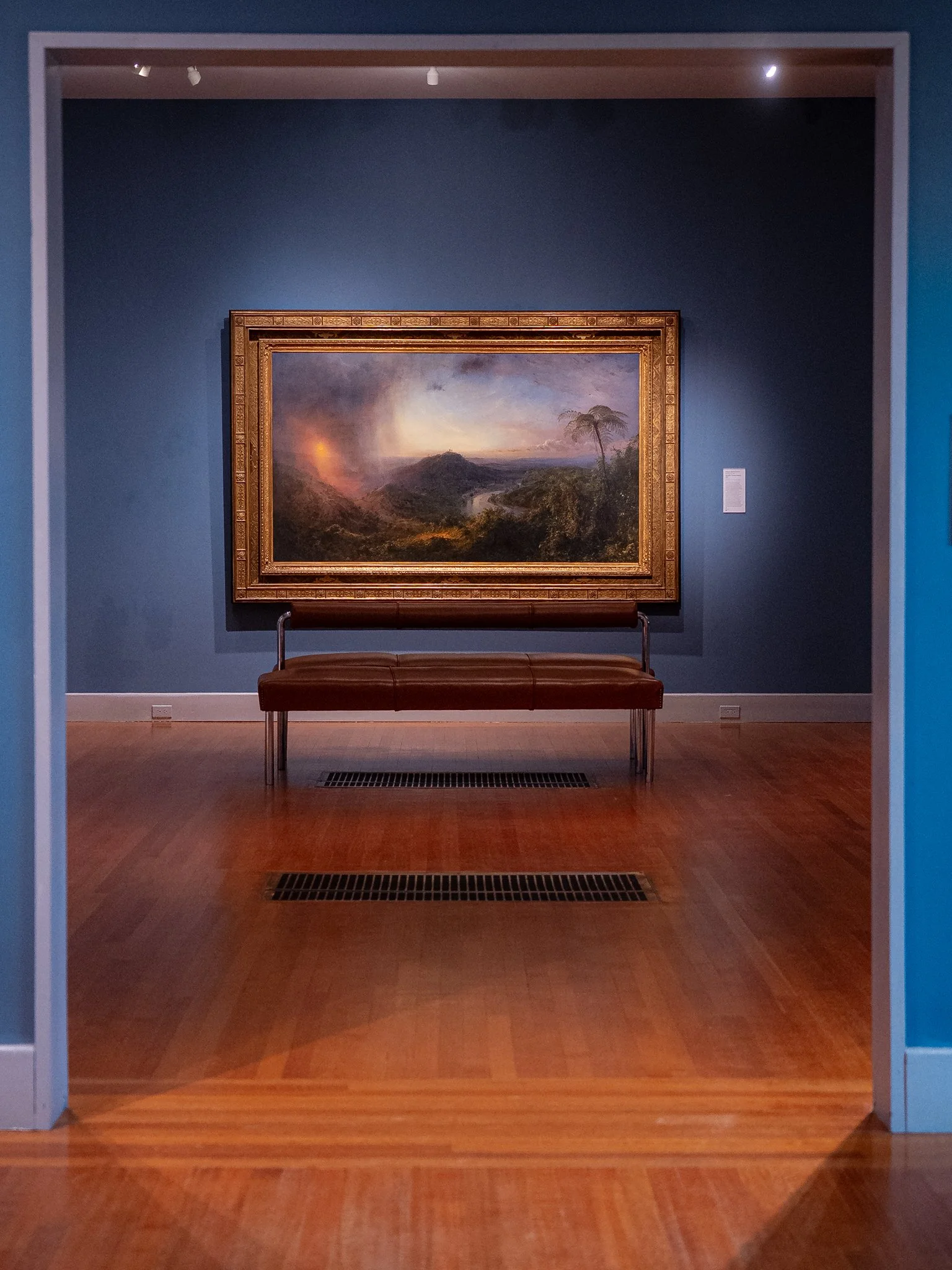
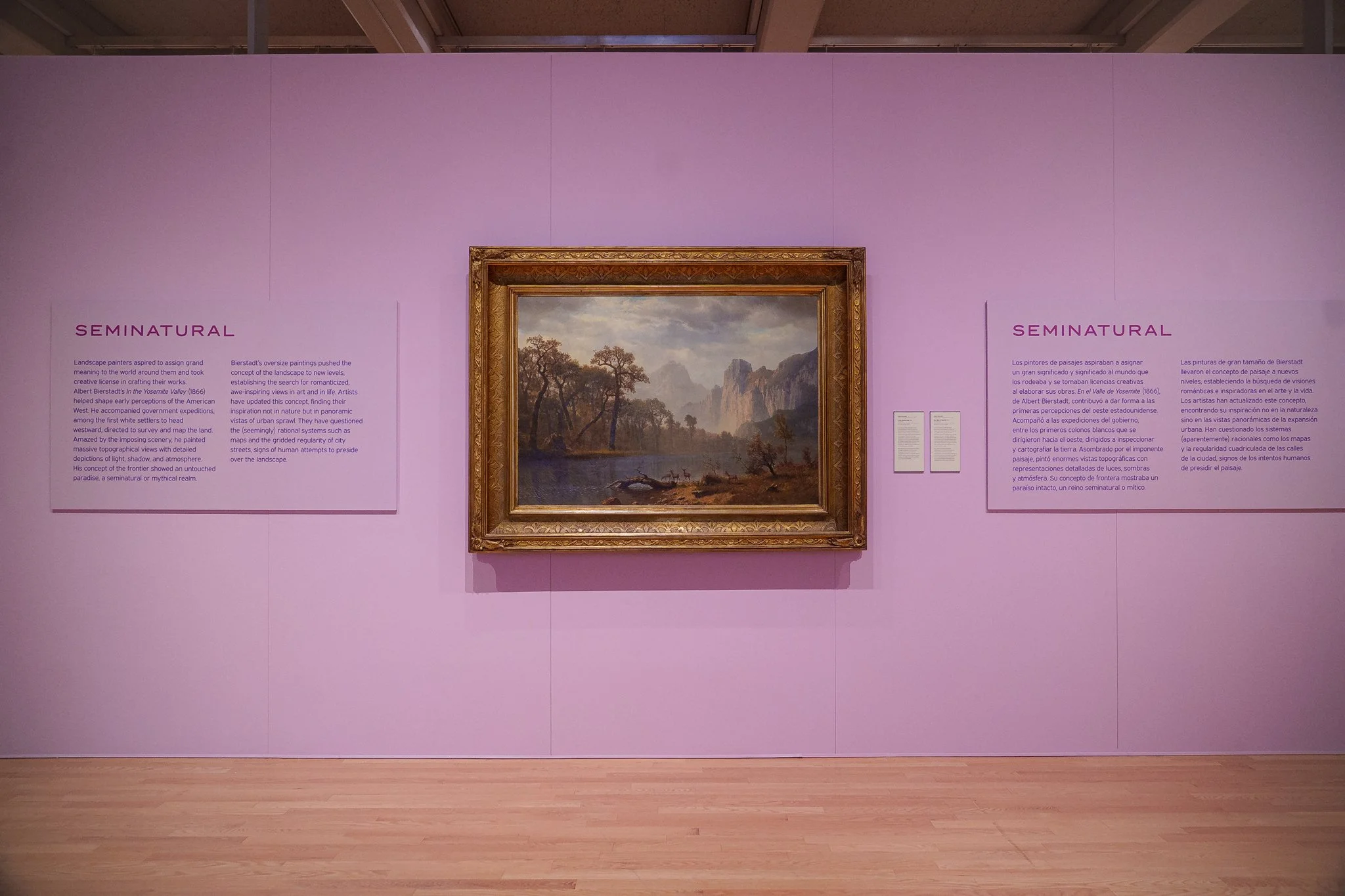
Wadsworth Athenuem
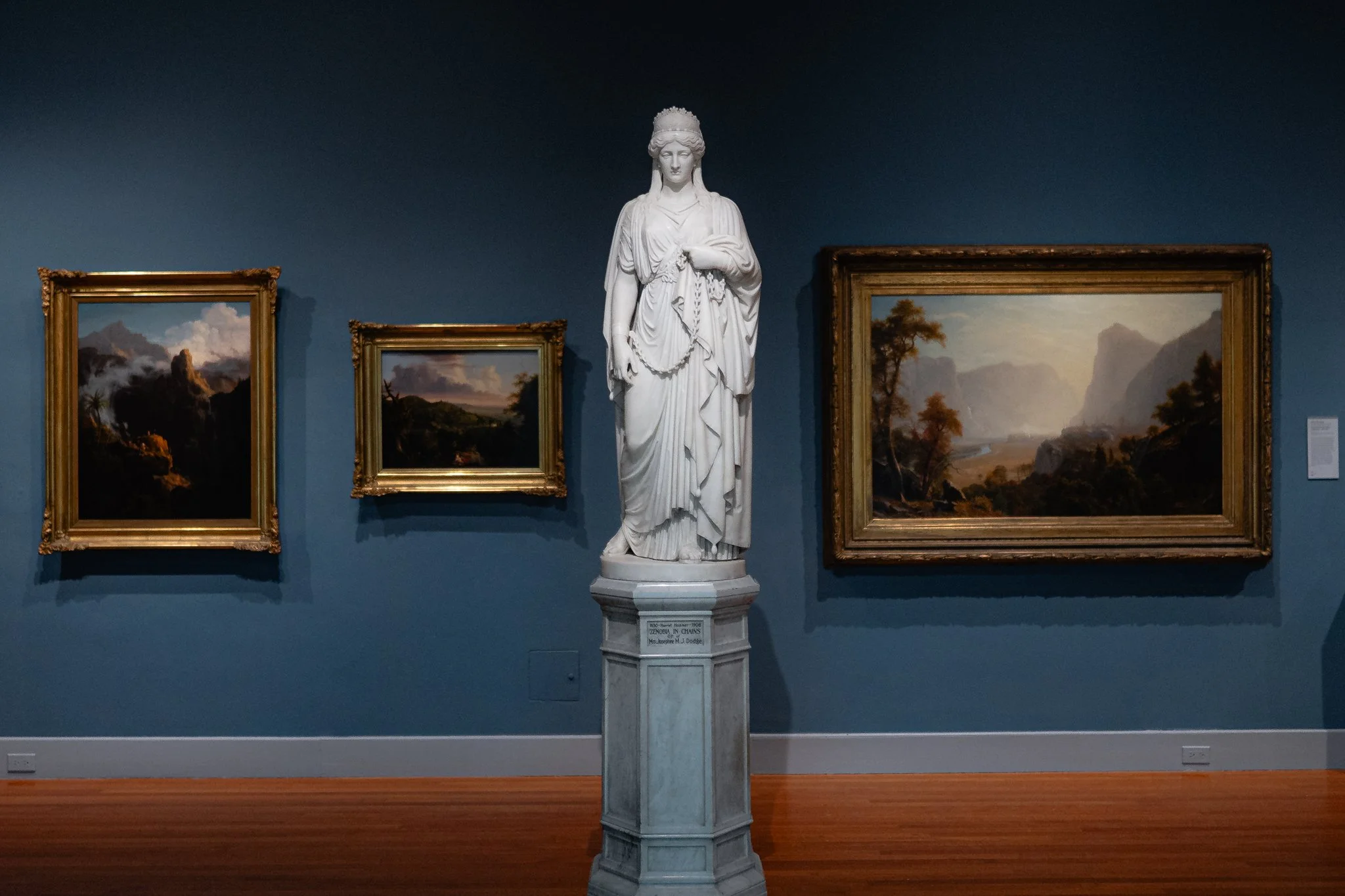
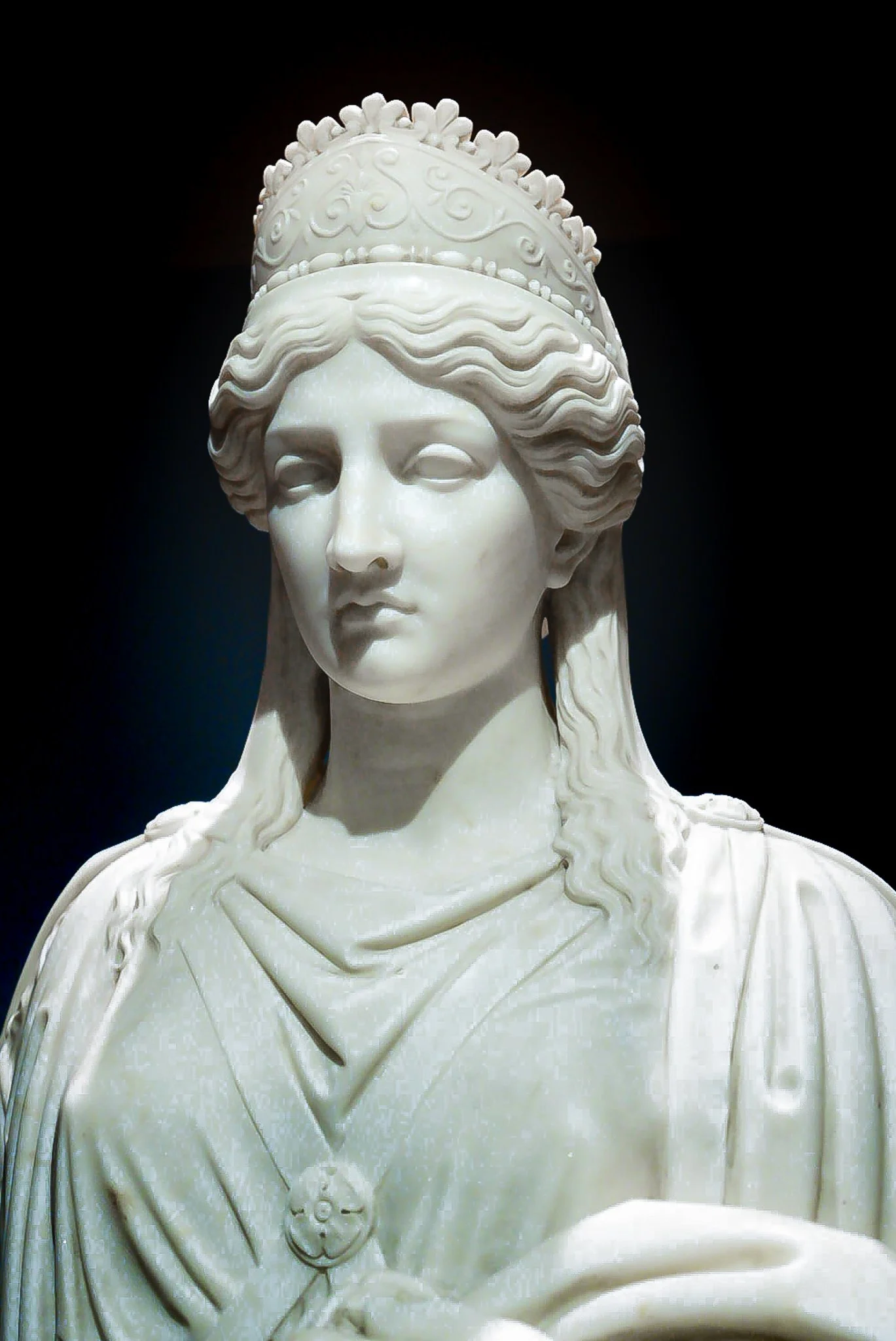
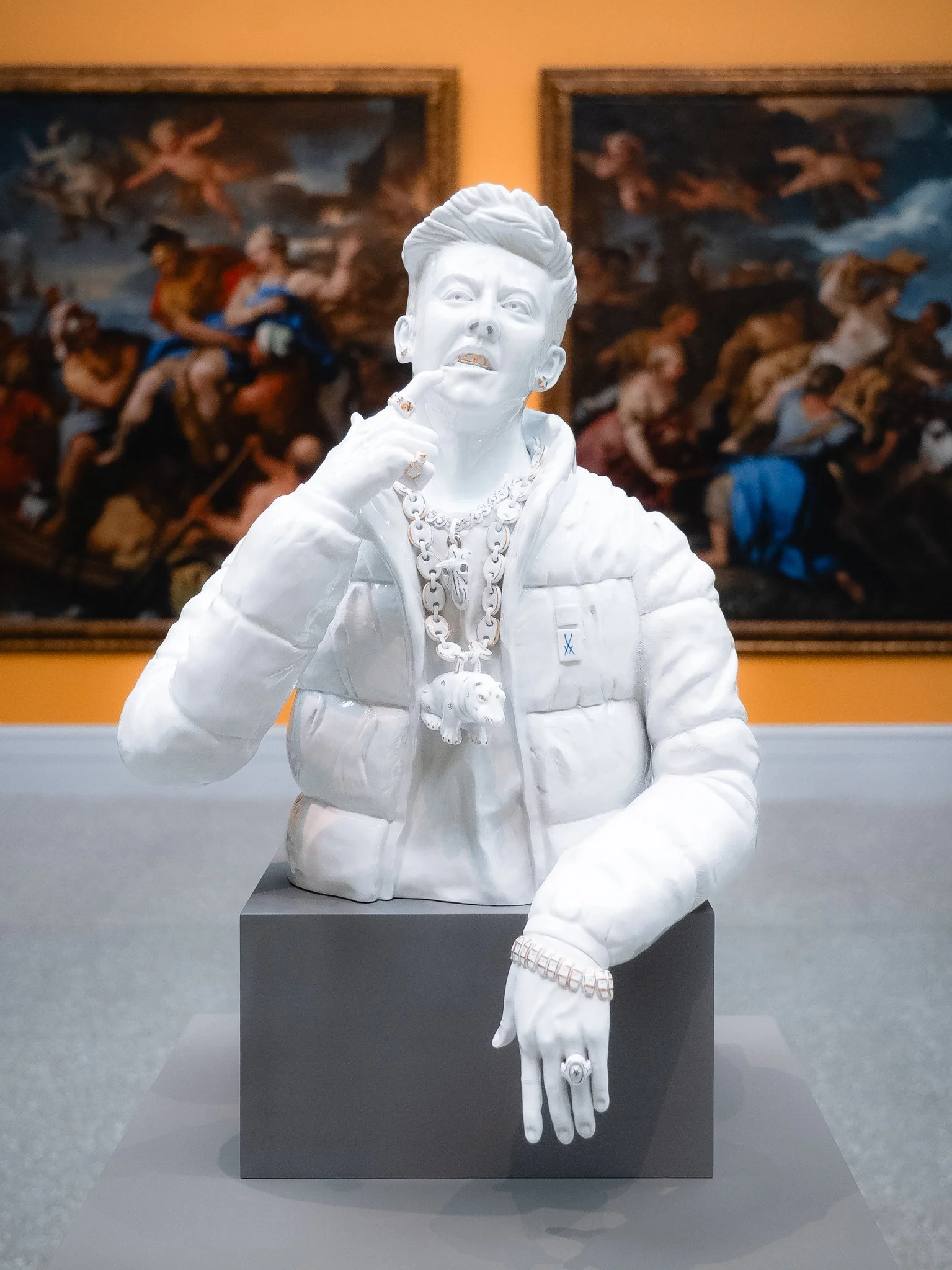
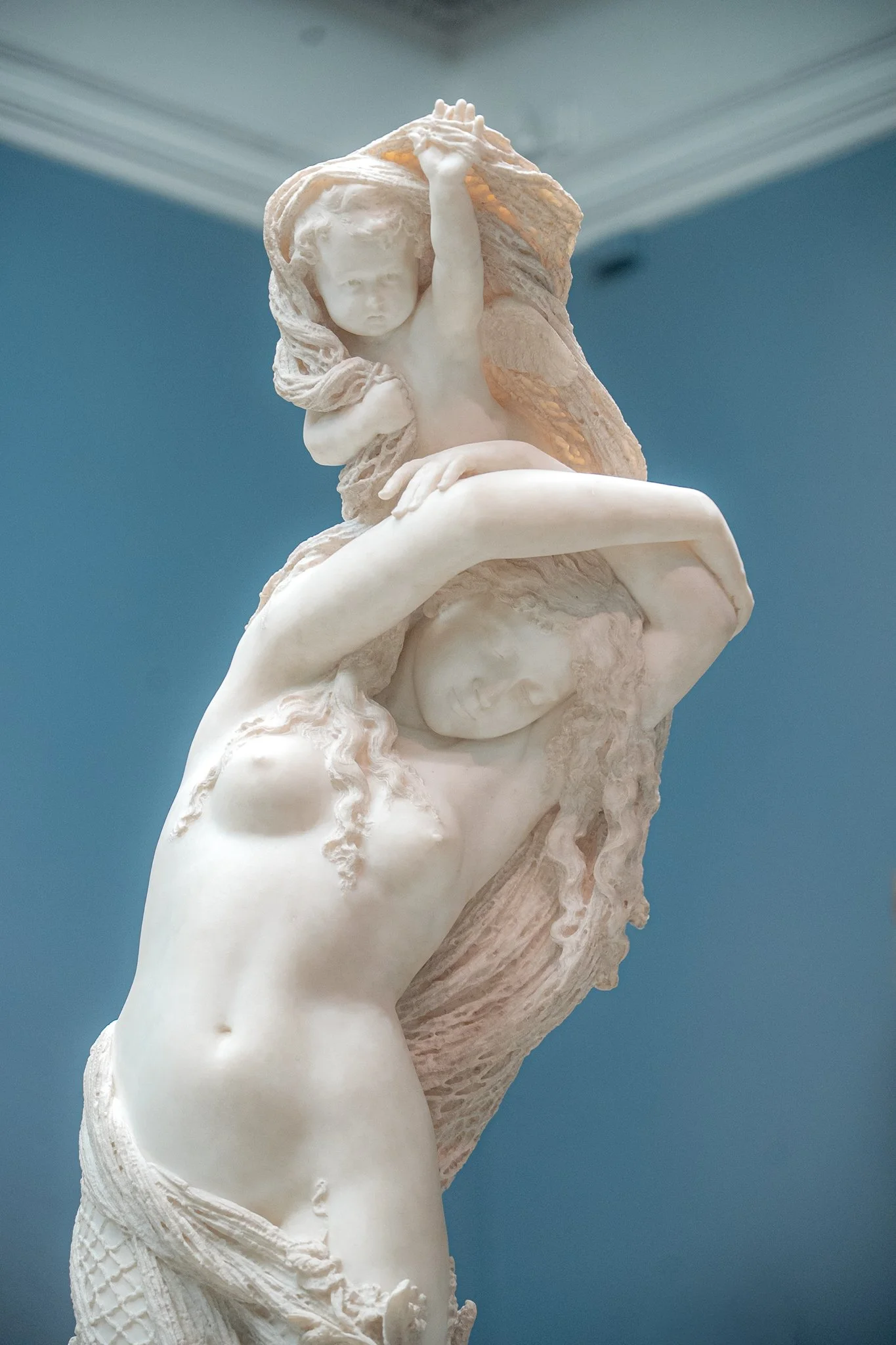
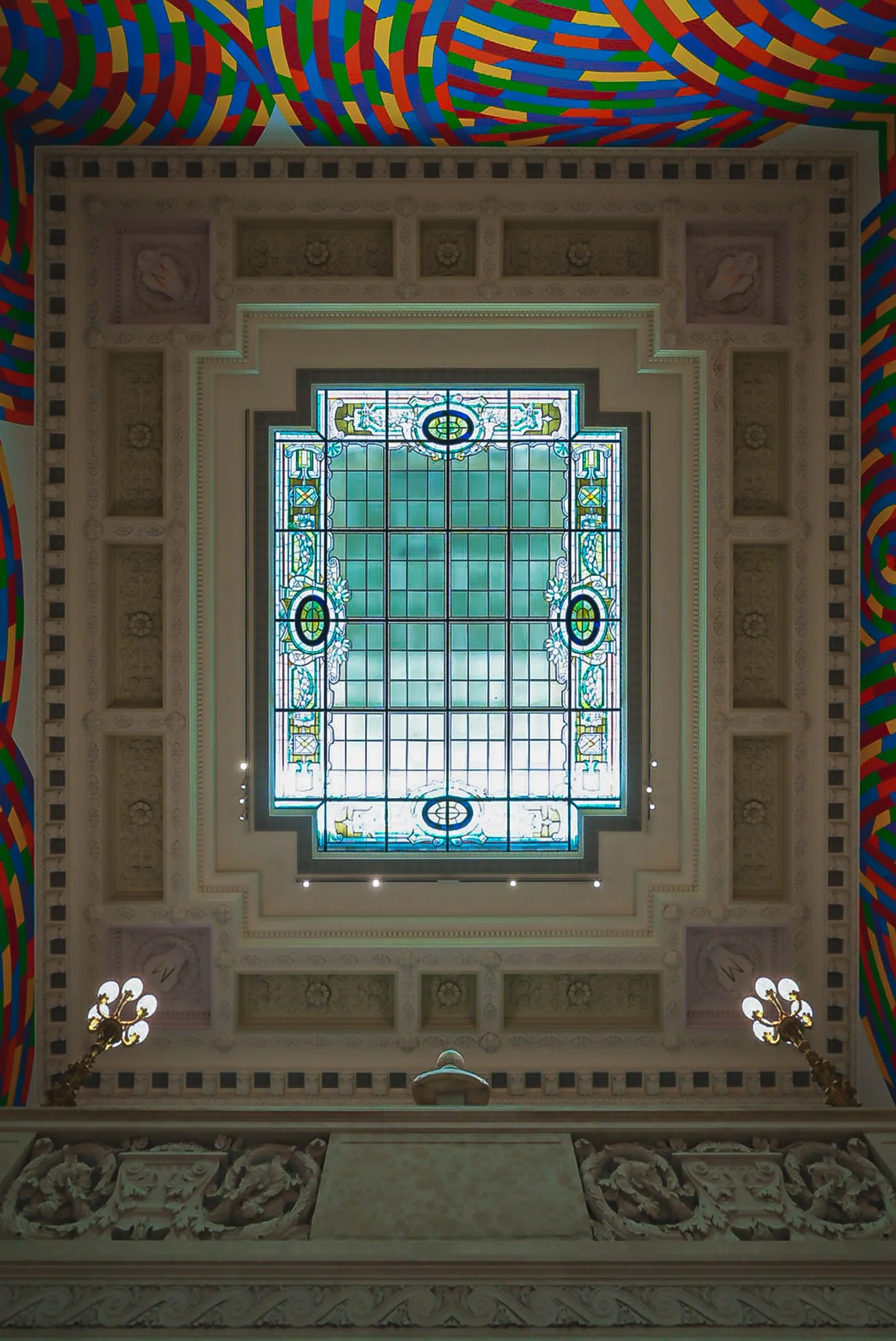
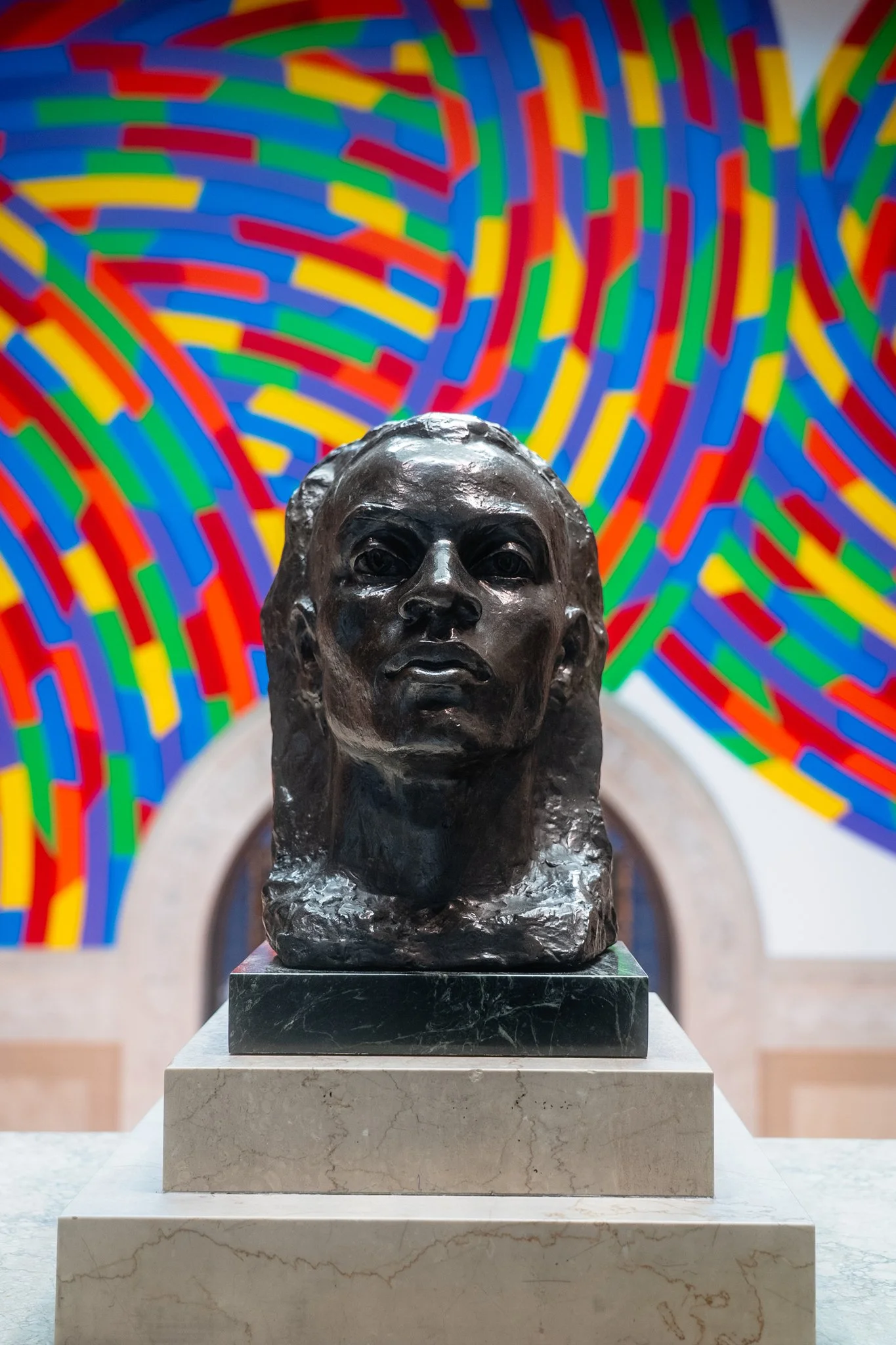
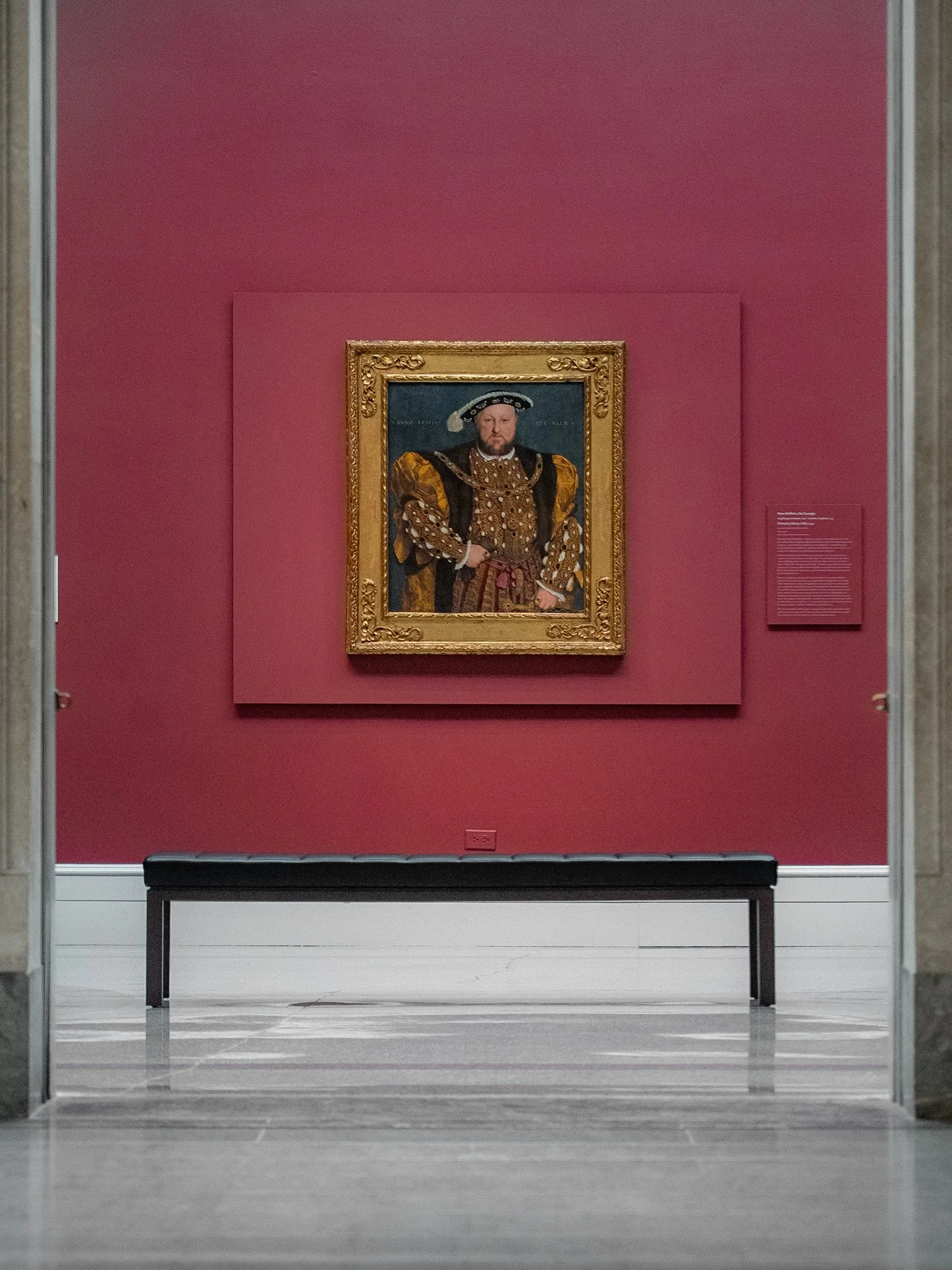
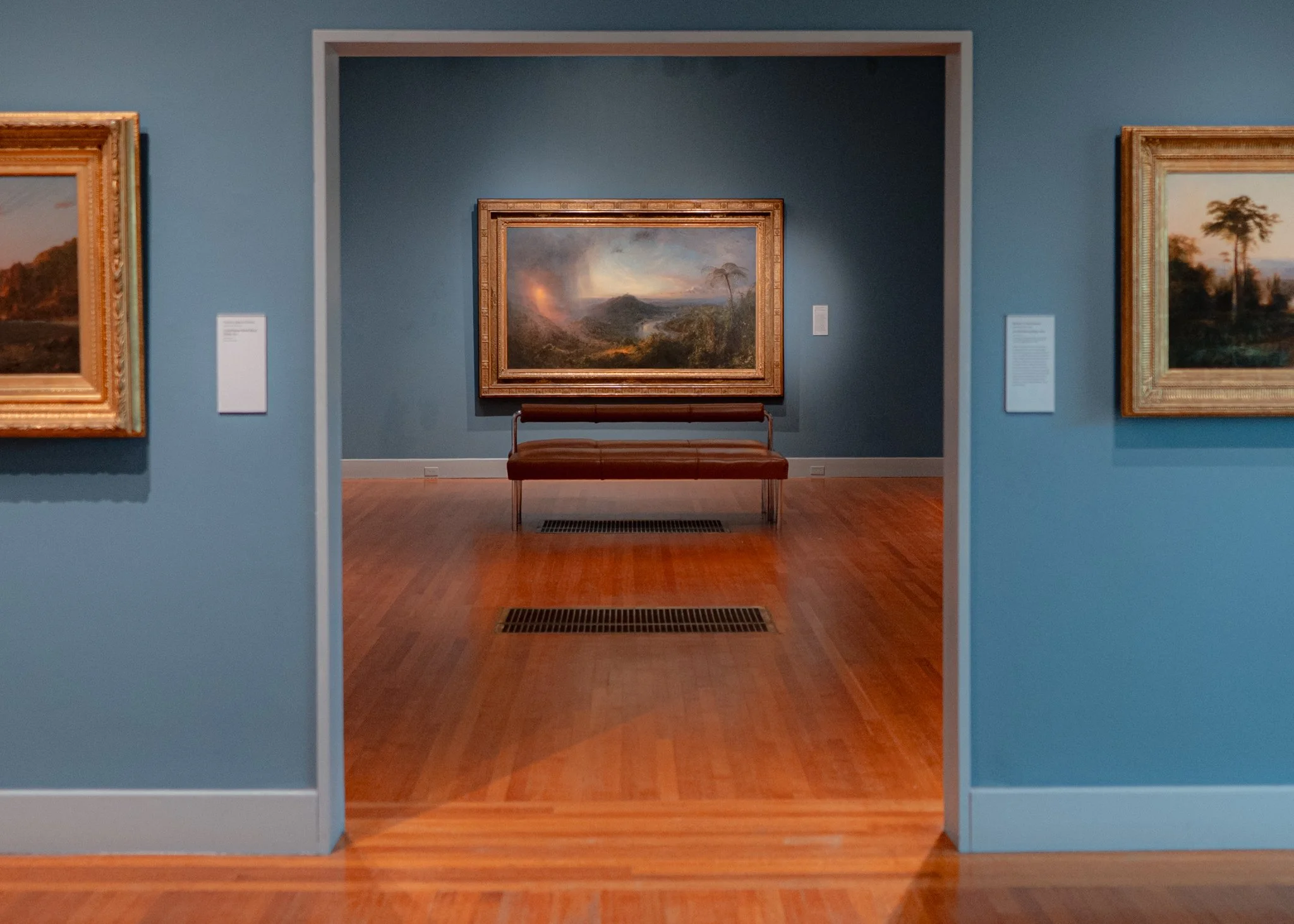
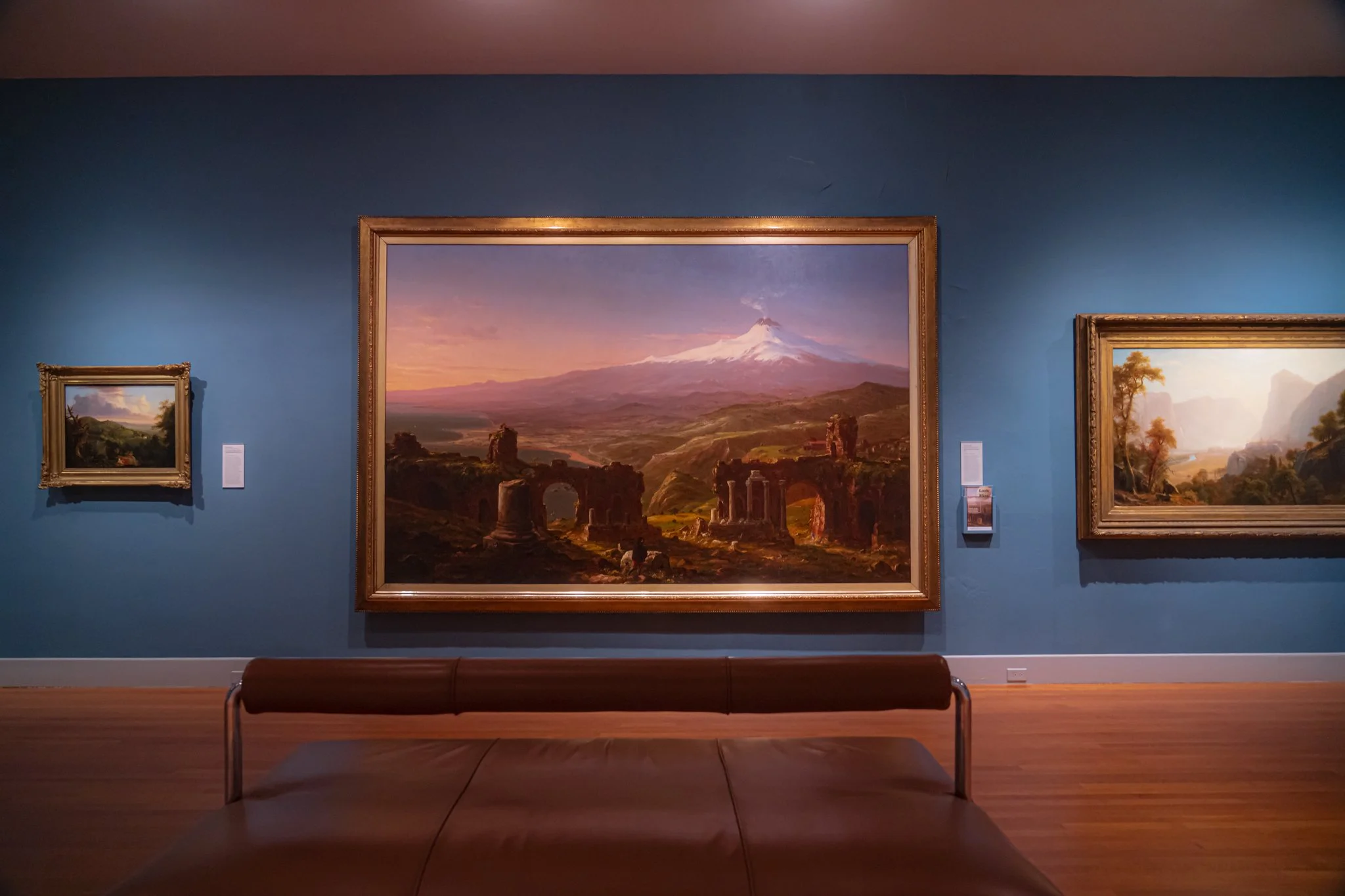
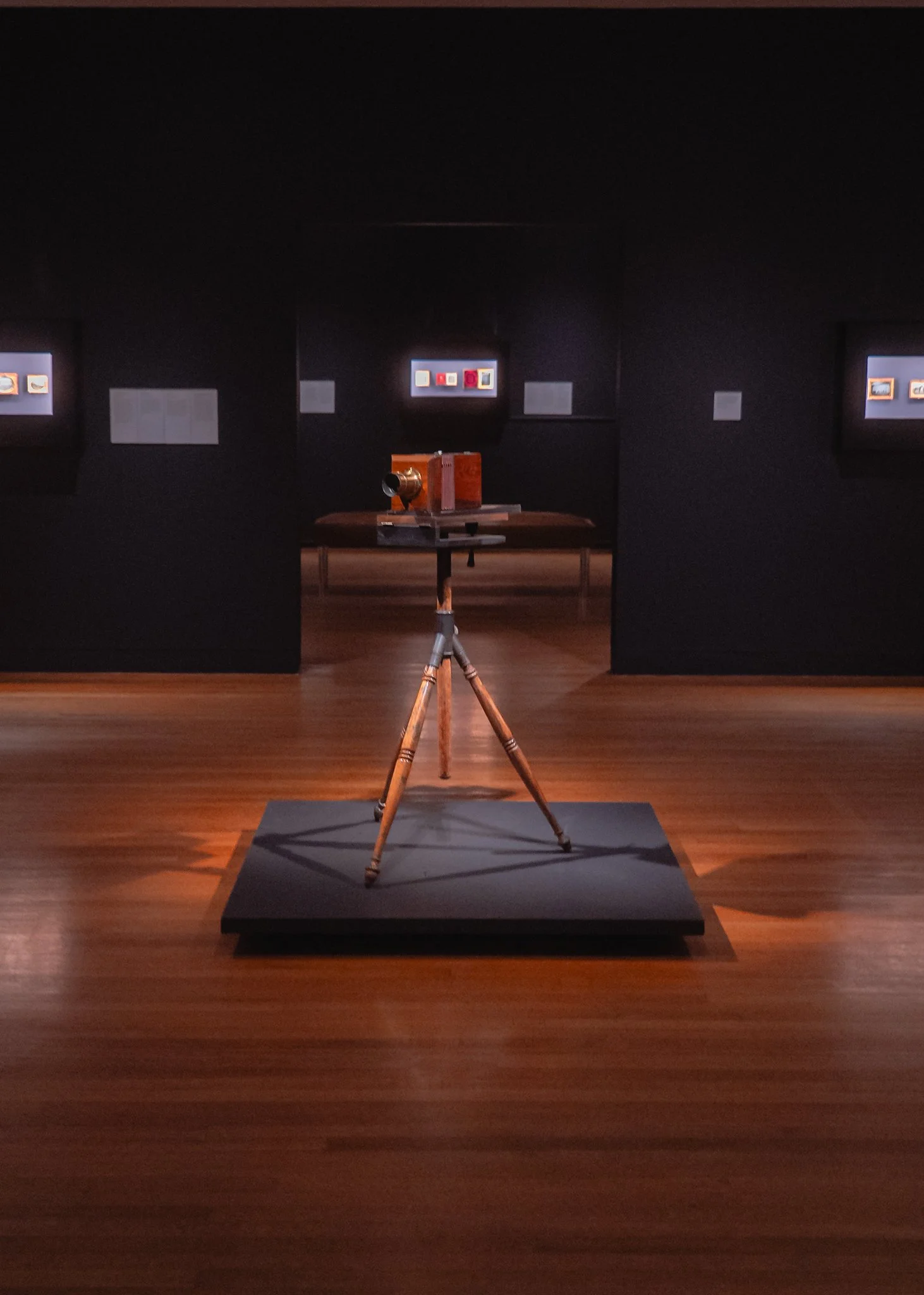
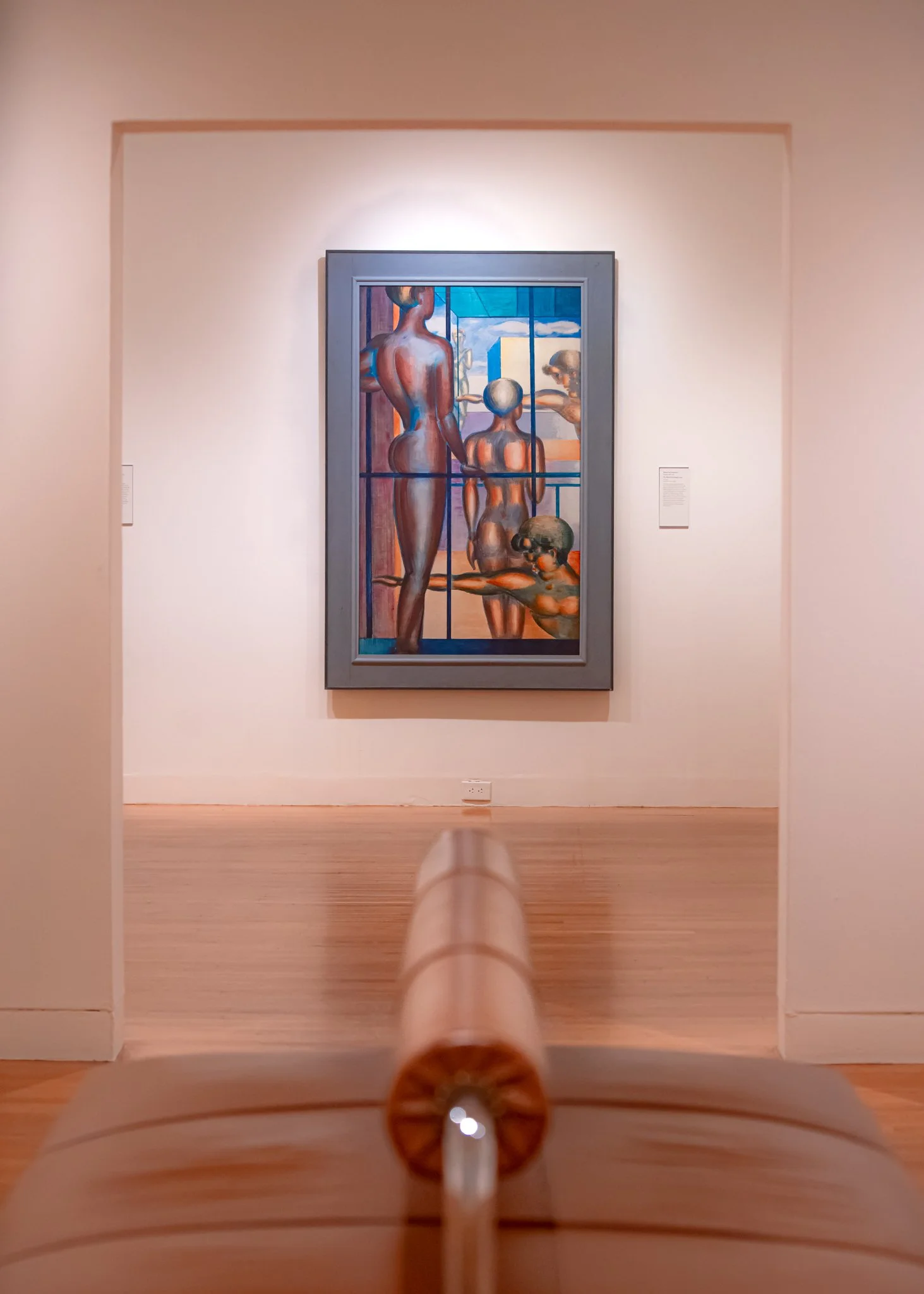
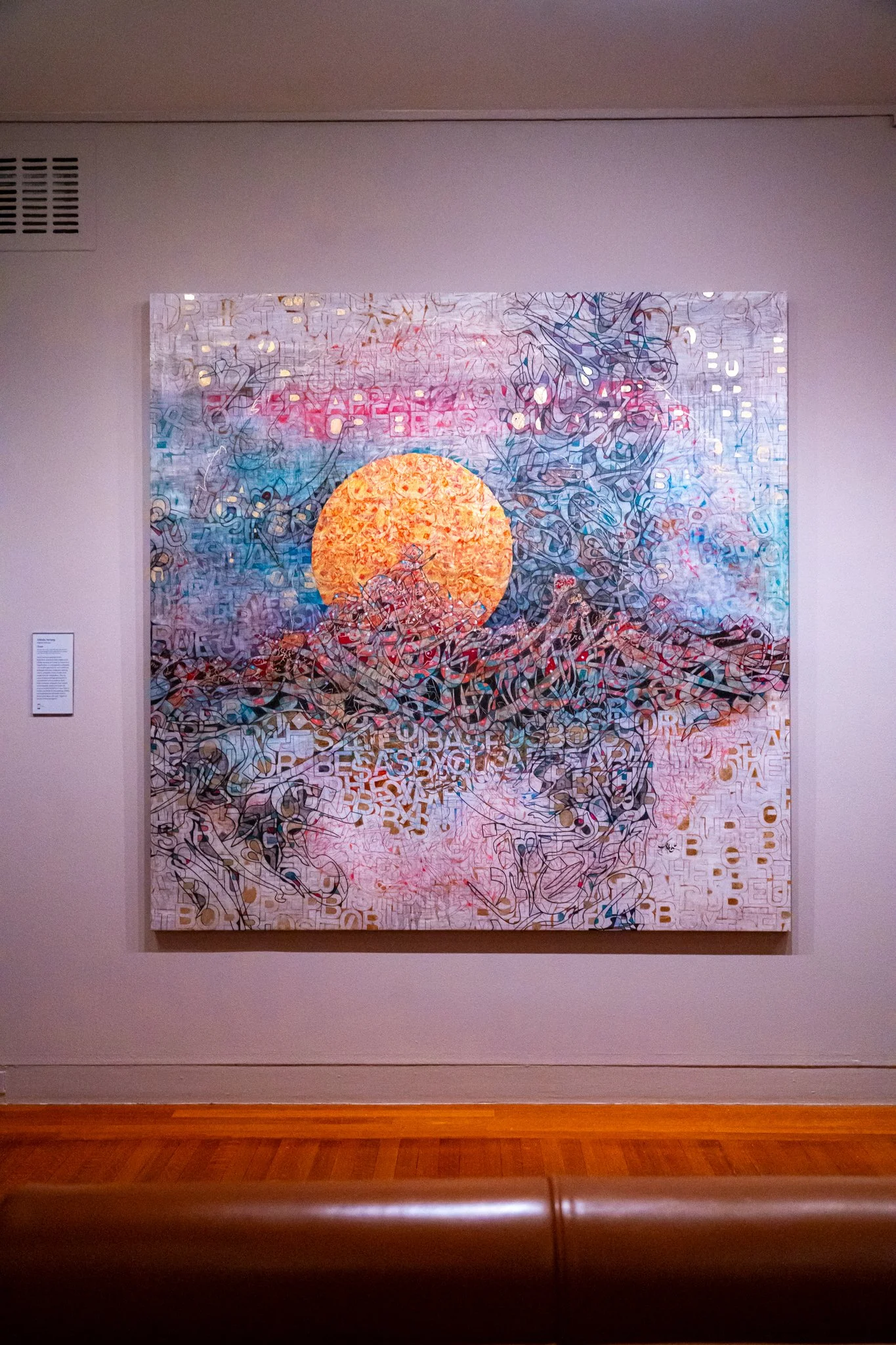
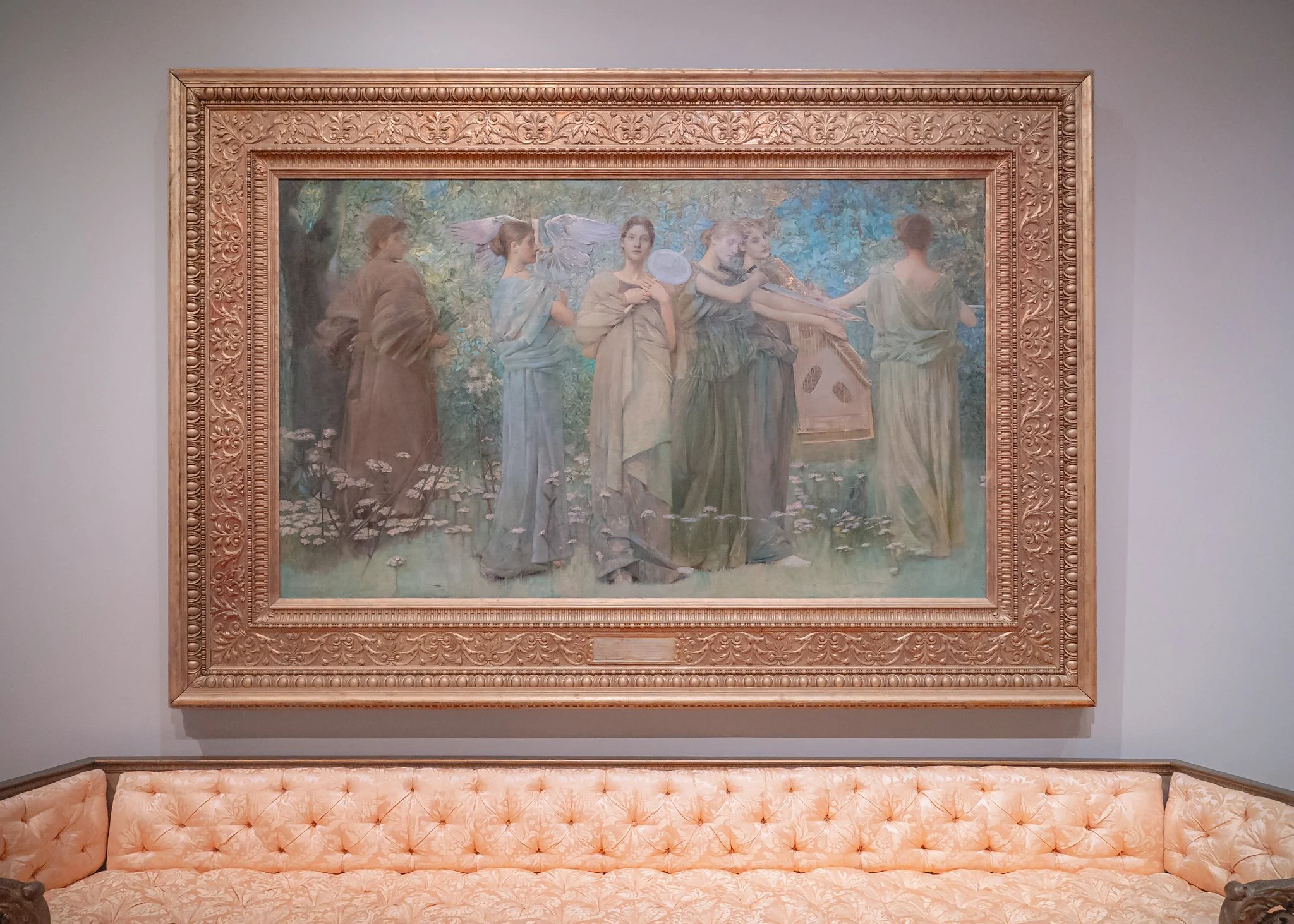
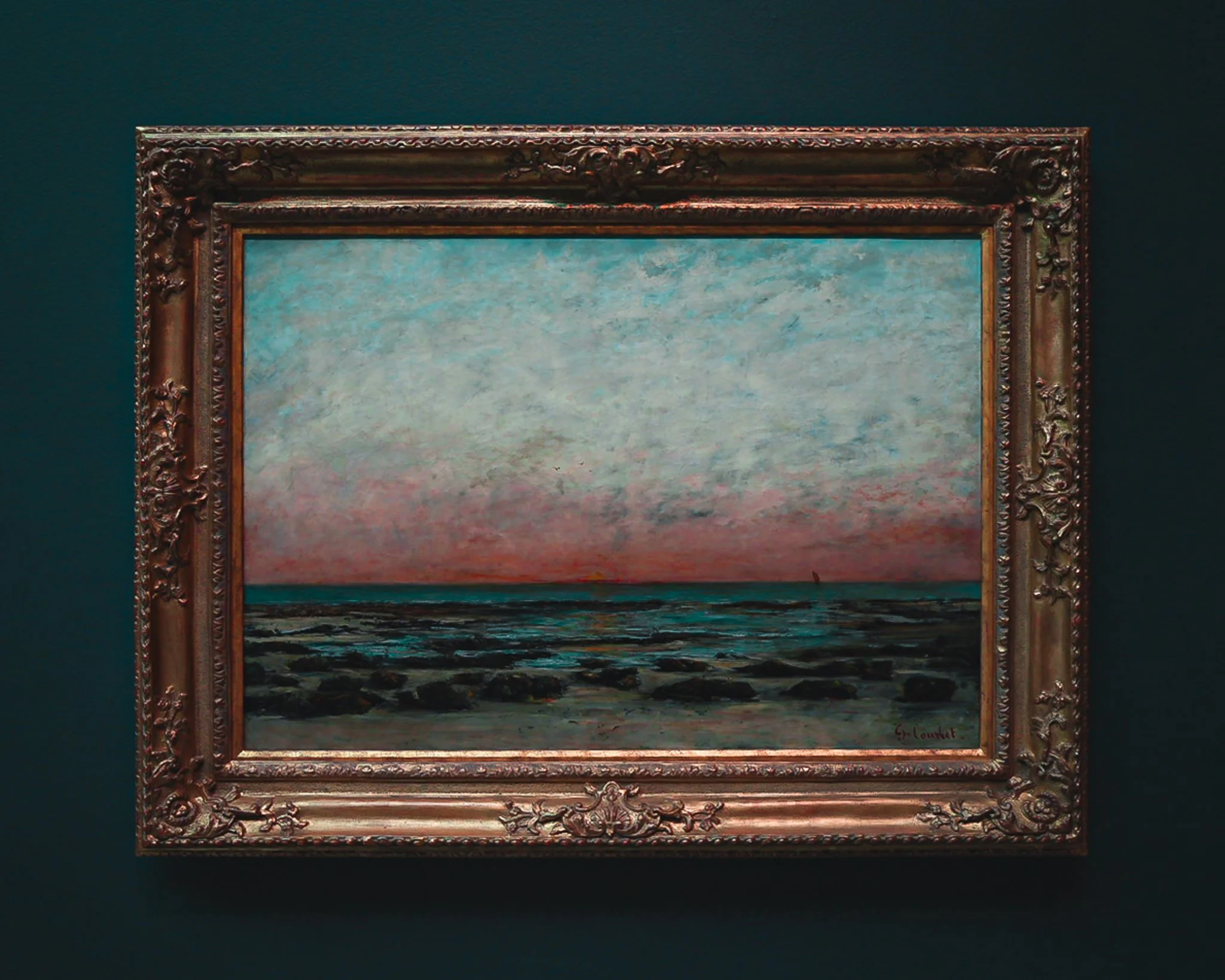
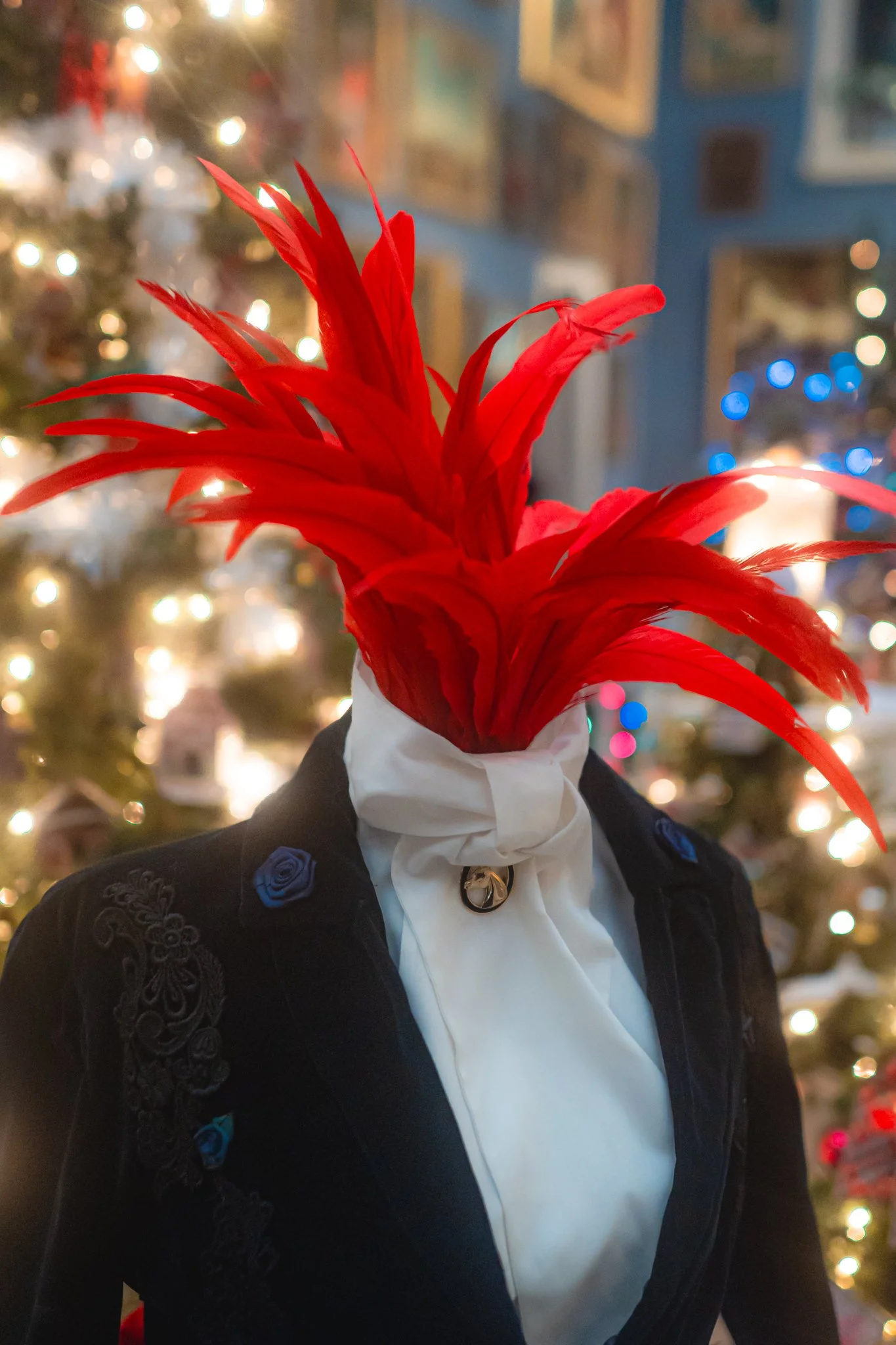
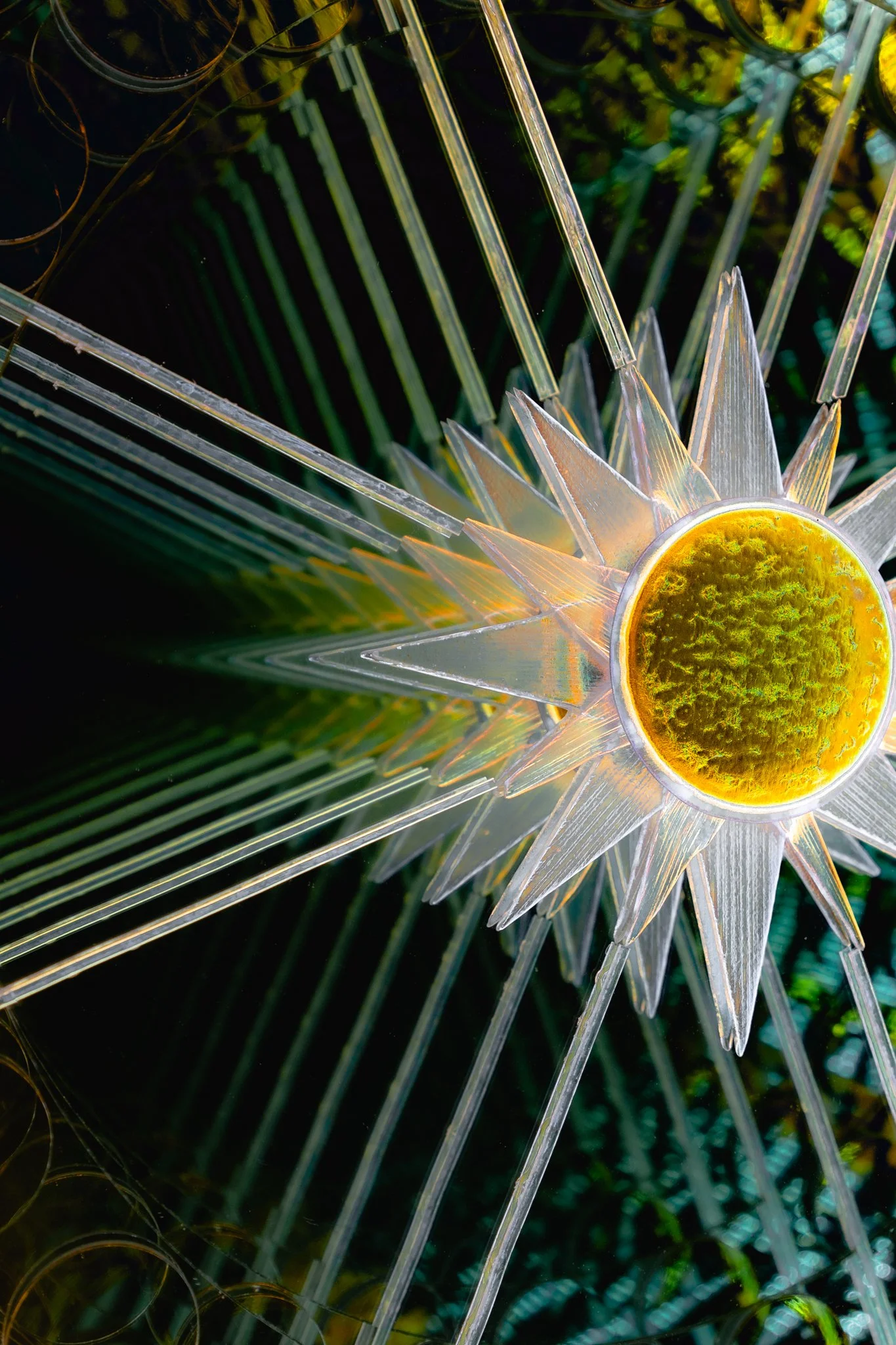
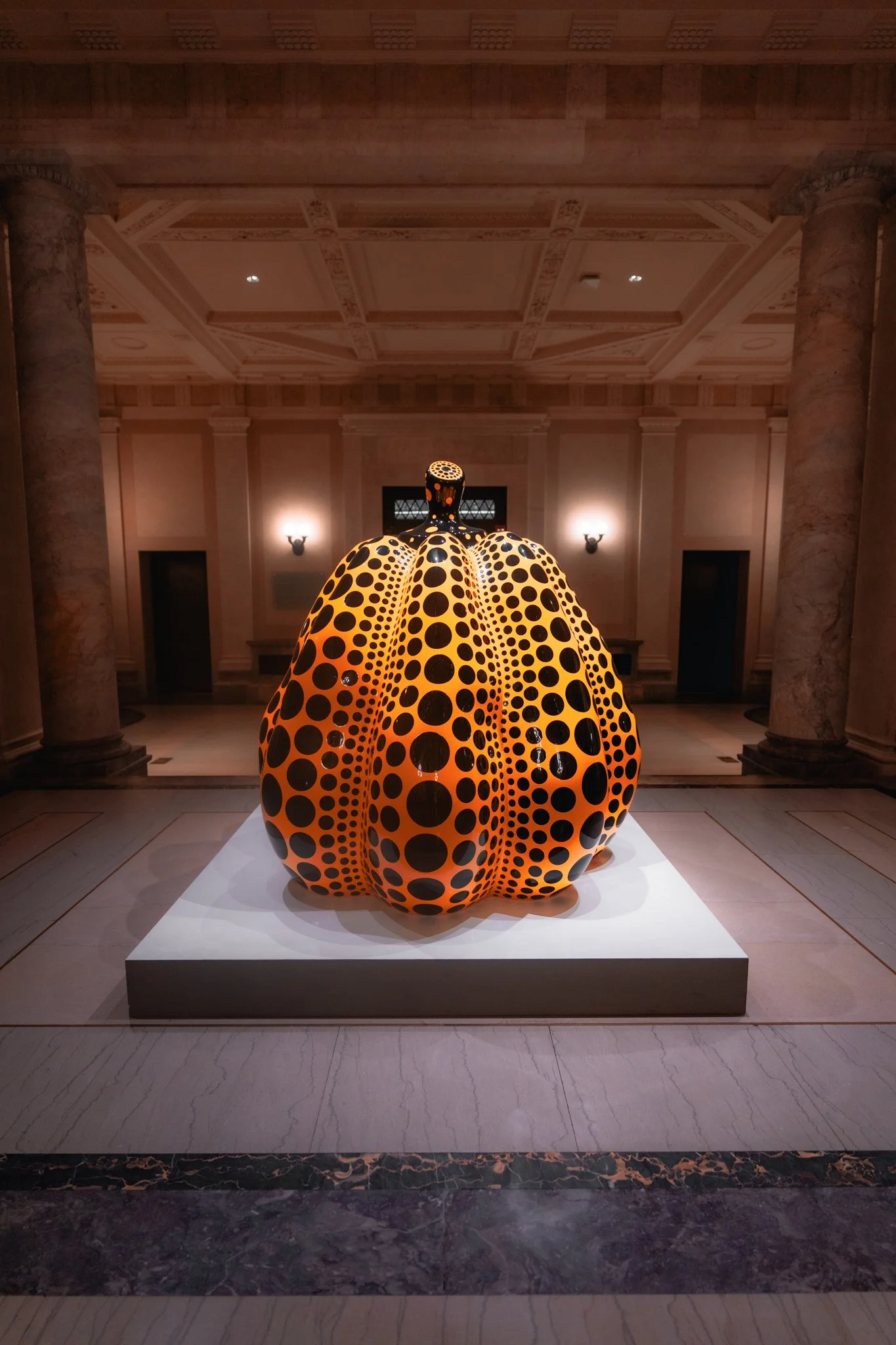
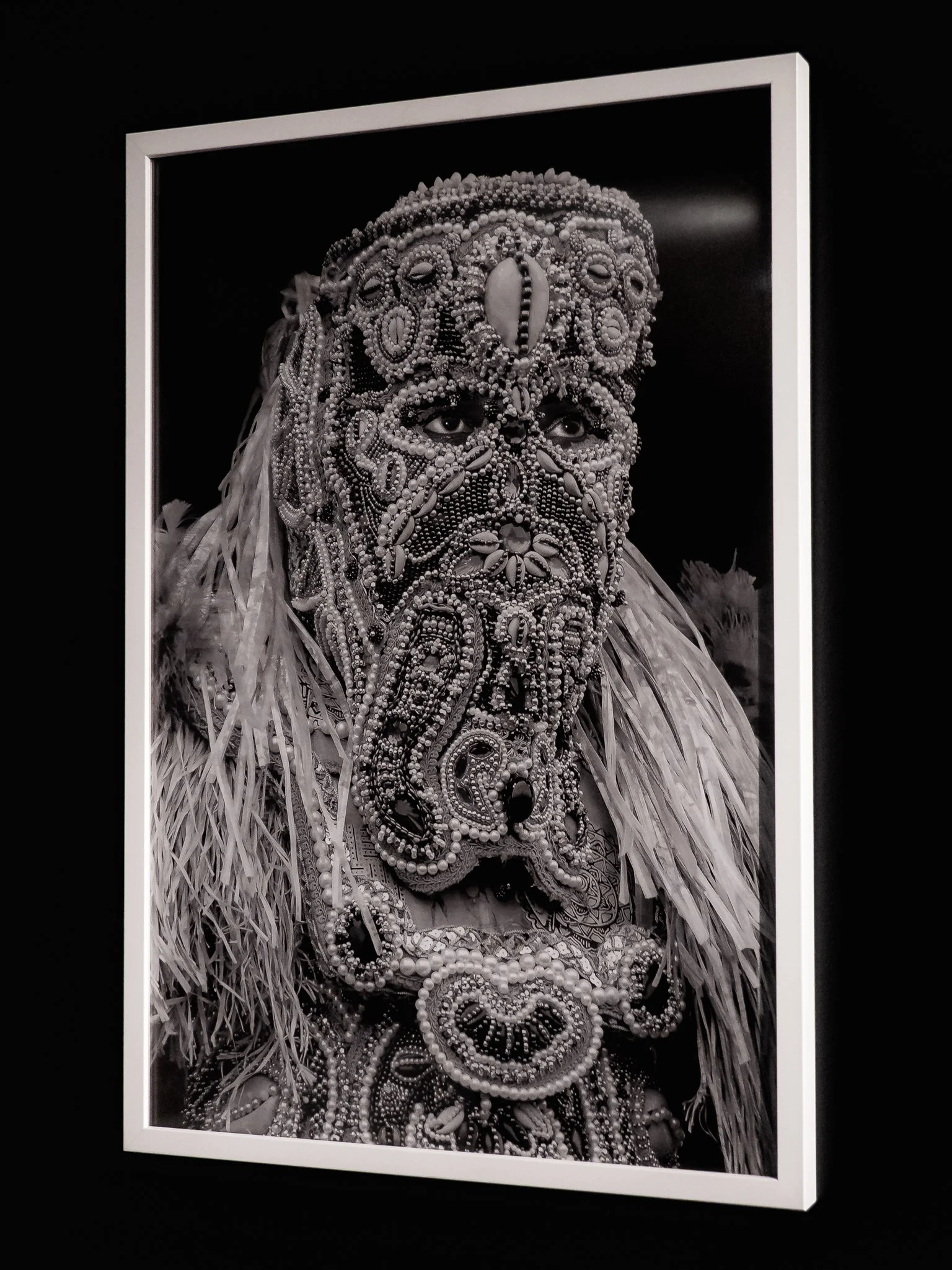
Founded in 1842, the Wadsworth Atheneum Museum of Art is the oldest continuously operating public art museum in the United States.
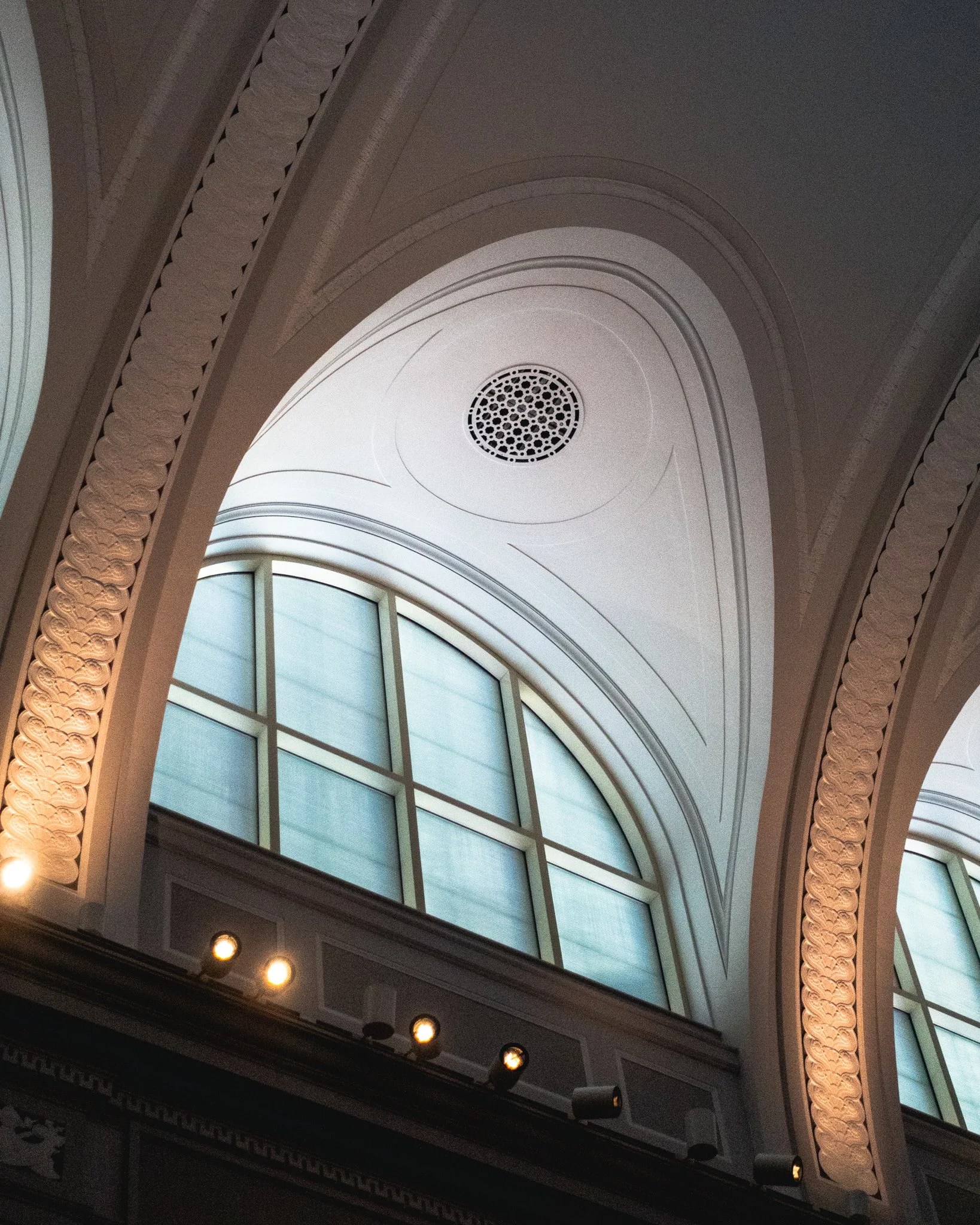
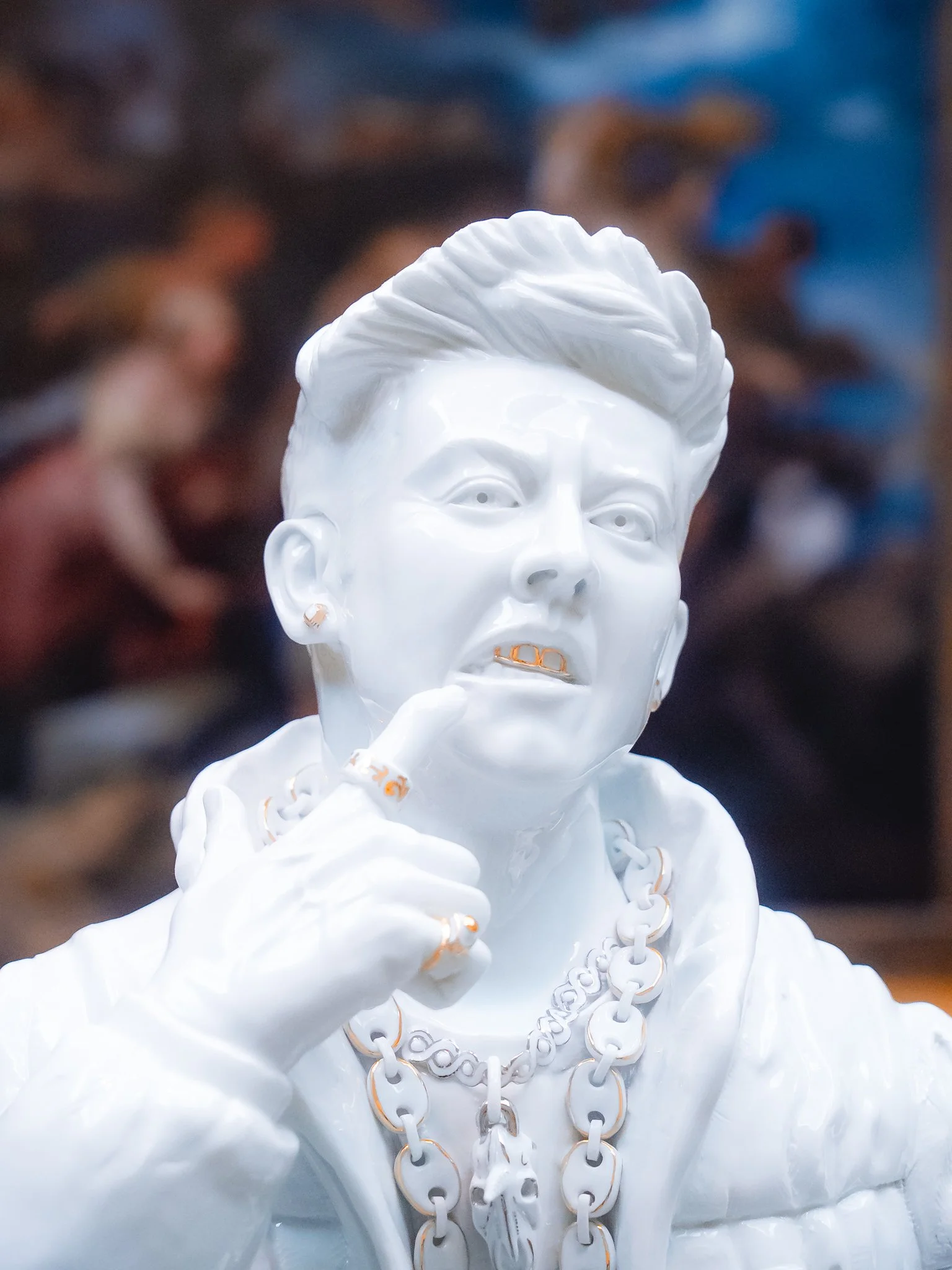
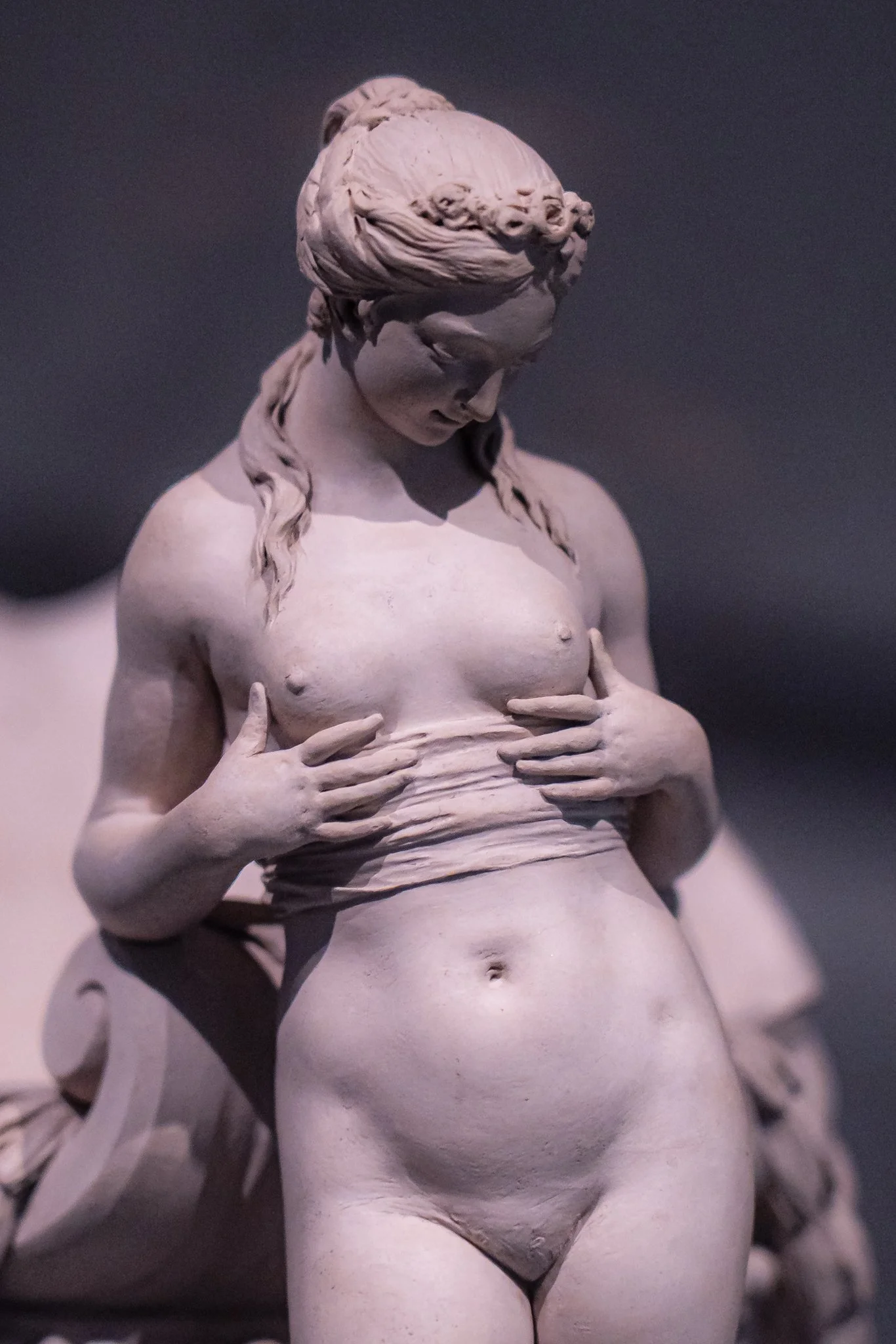
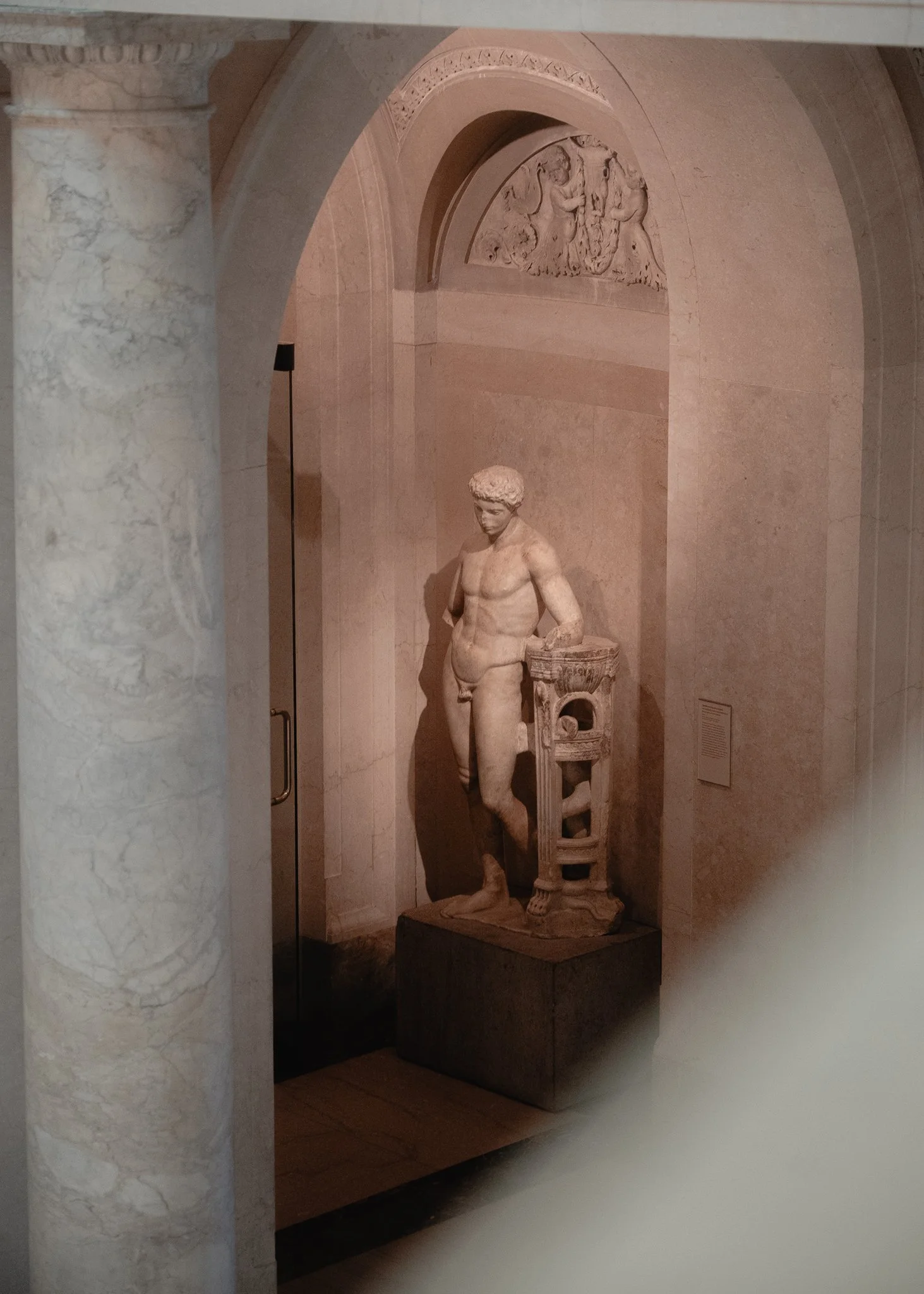
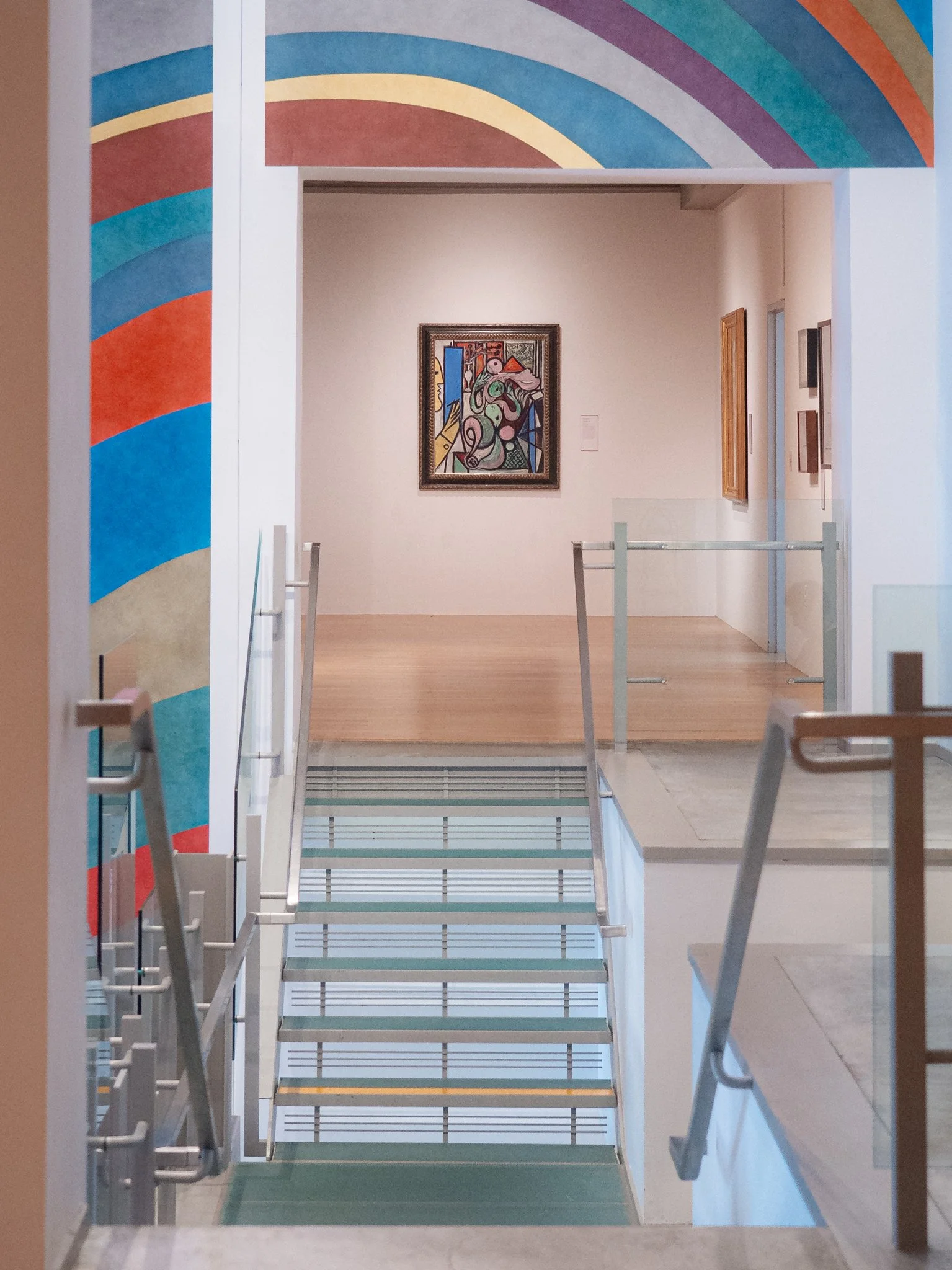
Located in the heart of Hartford, Connecticut, the museum is renowned for its diverse and forward-thinking collection—ranging from Baroque masterpieces and Hudson River School classics, to cutting-edge contemporary works. Over the years, the Wadsworth has played a vital role in shaping American museum culture and expanding public access to the arts. This portfolio reflects my appreciation for the museum’s rich history, architectural beauty, and continued relevance as a cultural cornerstone.
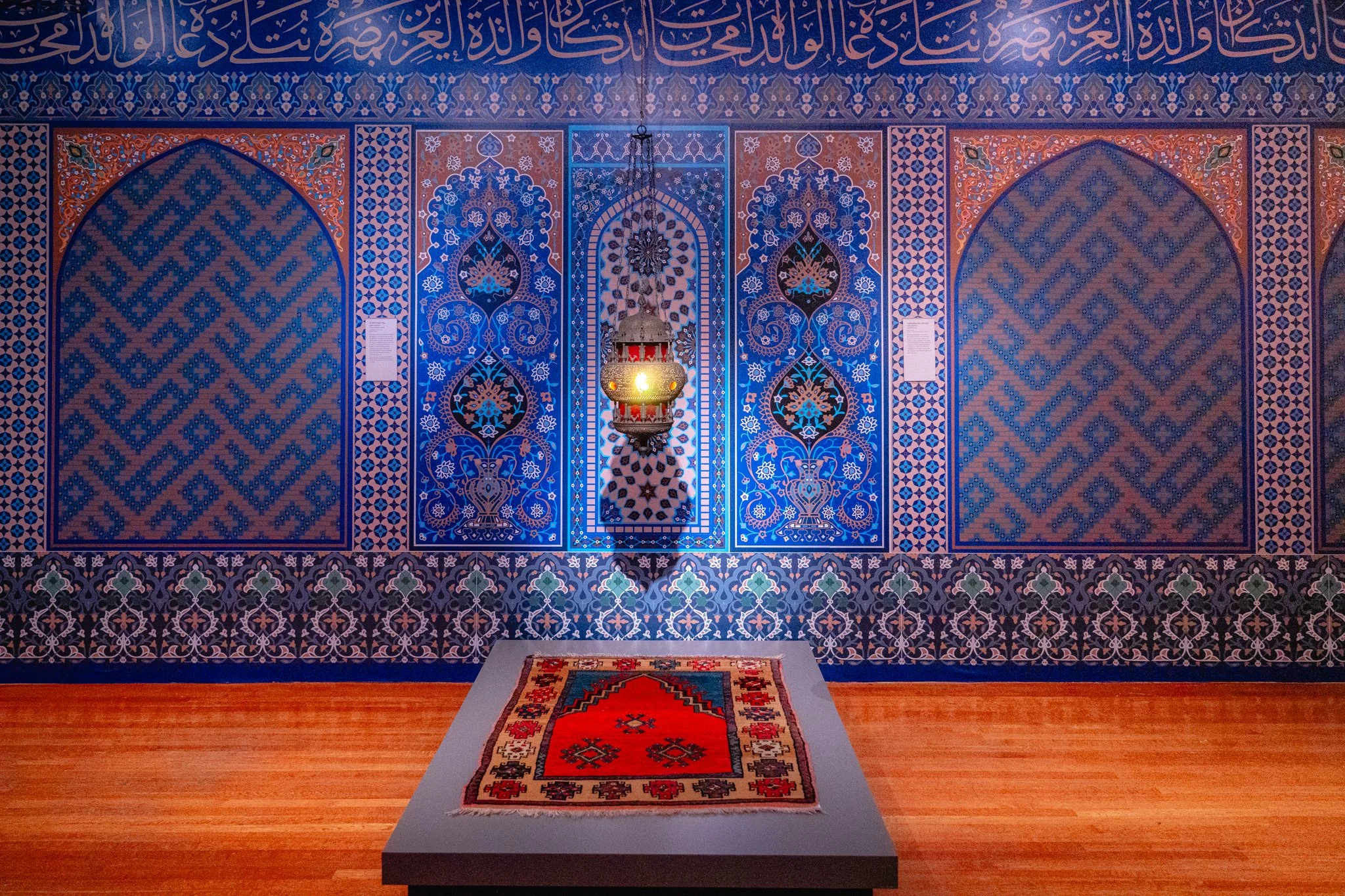
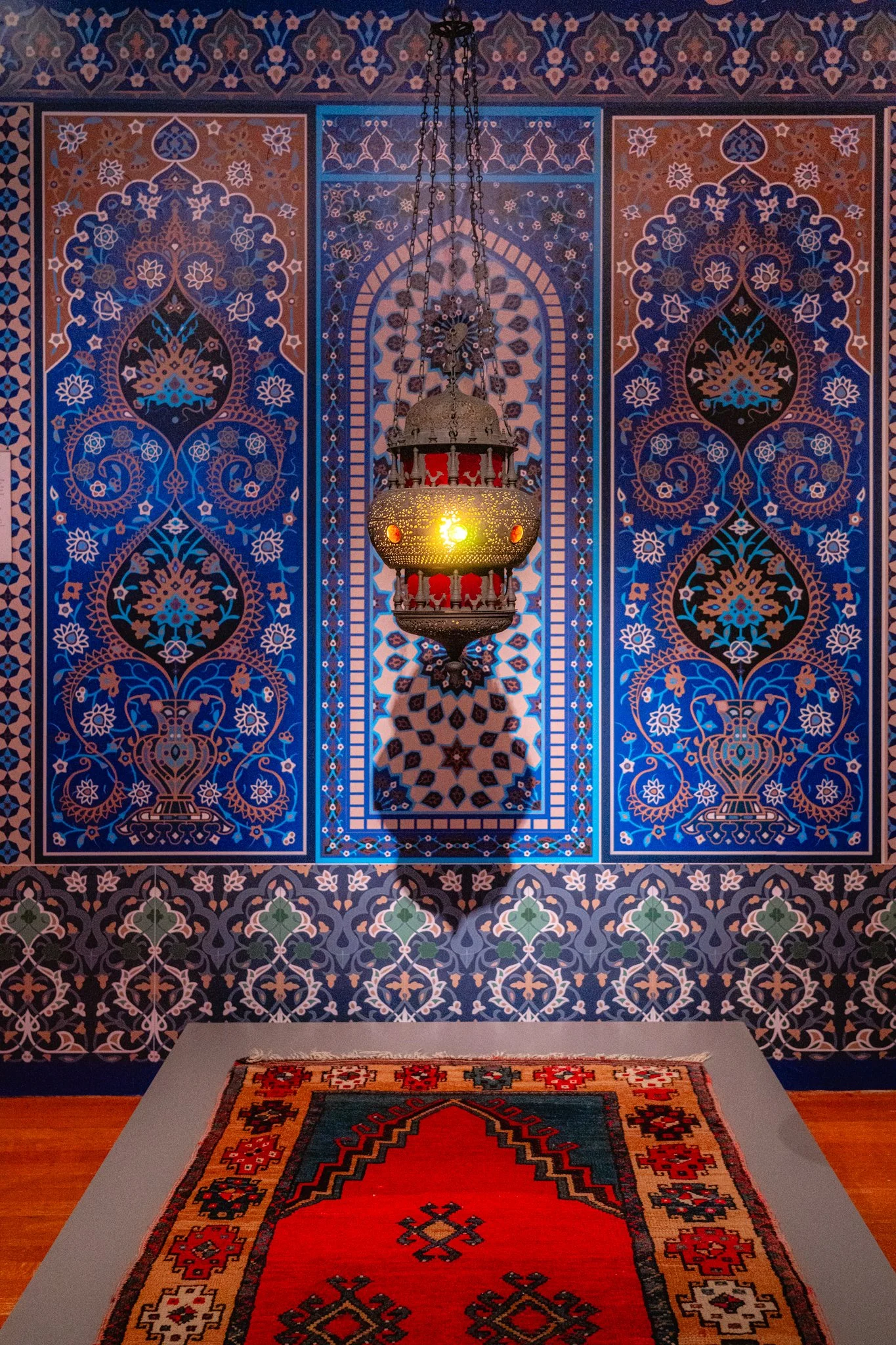
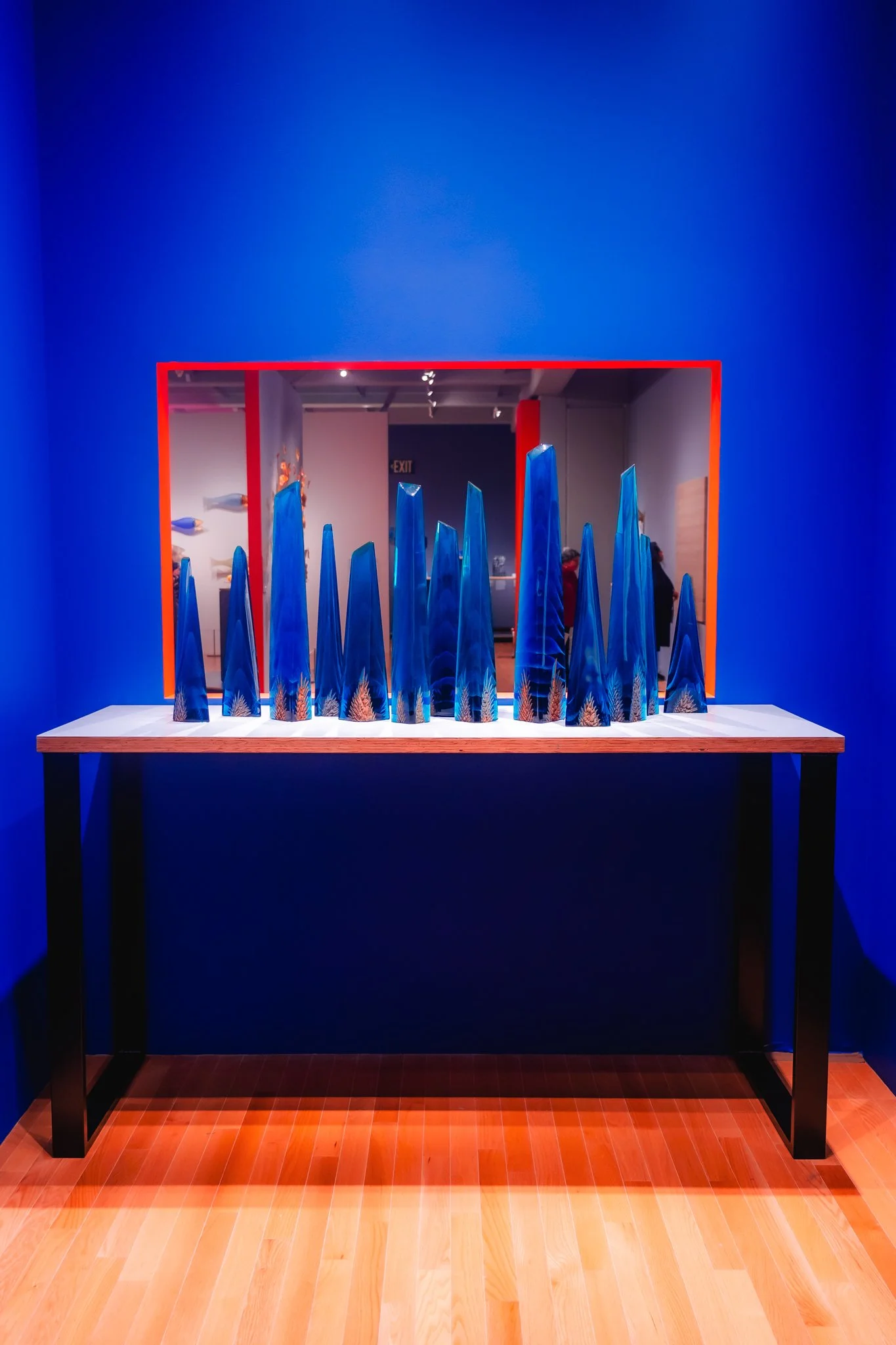
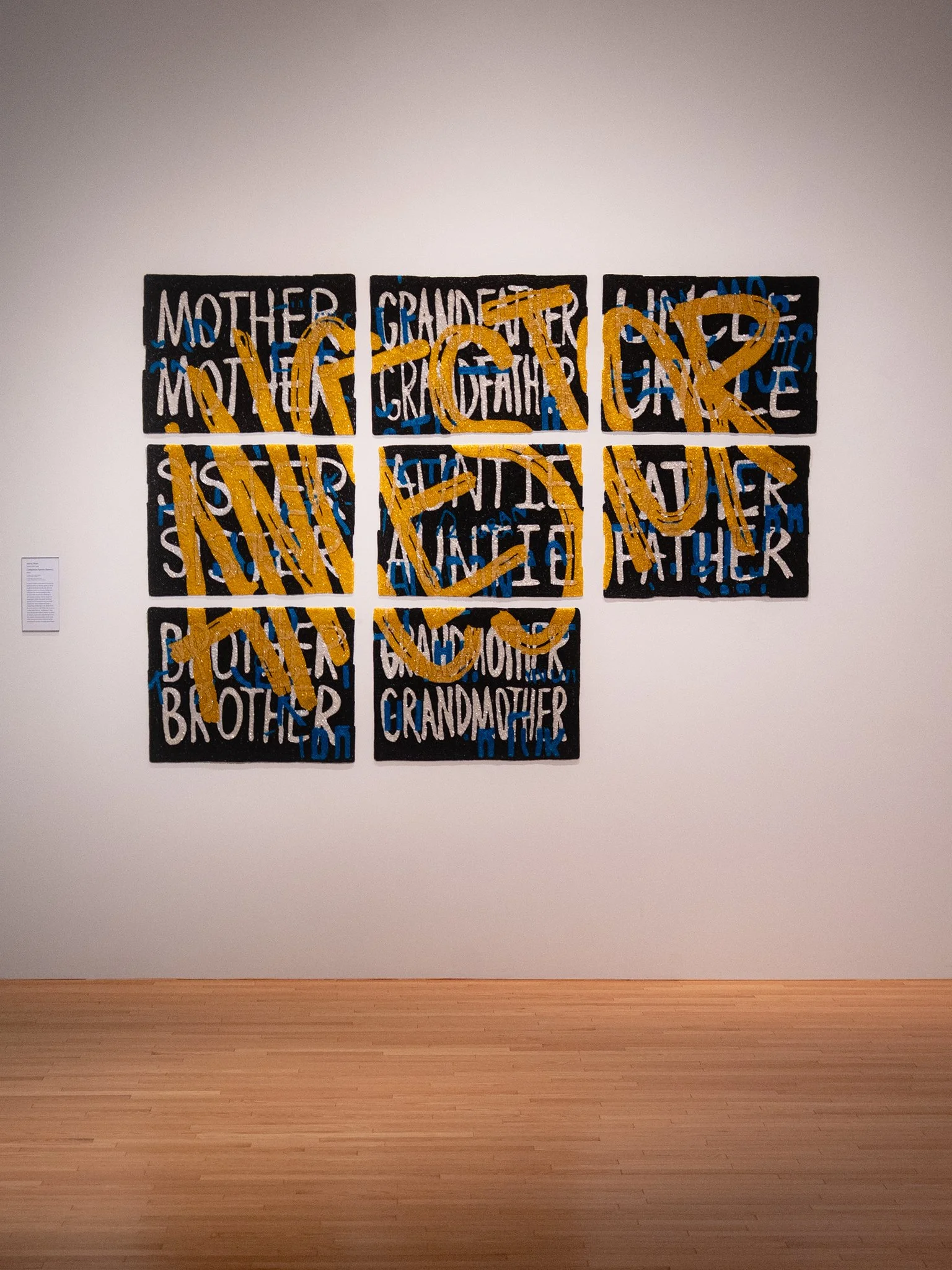
Harmonia Rosales
Founded in 1842, the Wadsworth Atheneum Museum of Art is the oldest continuously operating public art museum in the United States.
Located in the heart of Hartford, Connecticut, the museum is renowned for its diverse and forward-thinking collection—ranging from Baroque masterpieces and Hudson River School classics, to cutting-edge contemporary works. Over the years, the Wadsworth has played a vital role in shaping American museum culture and expanding public access to the arts. This portfolio reflects my appreciation for the museum’s rich history, architectural beauty, and continued relevance as a cultural cornerstone.
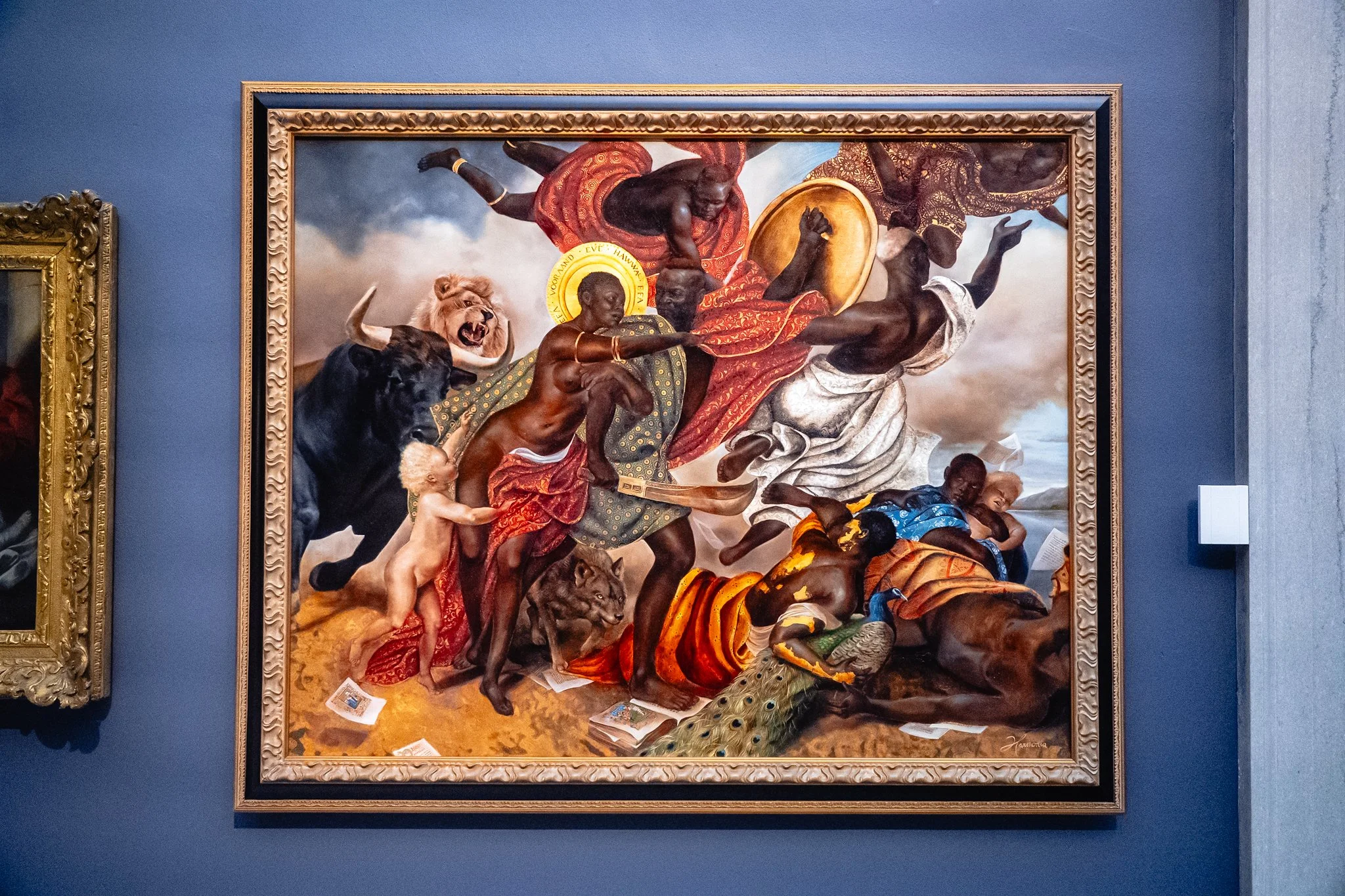
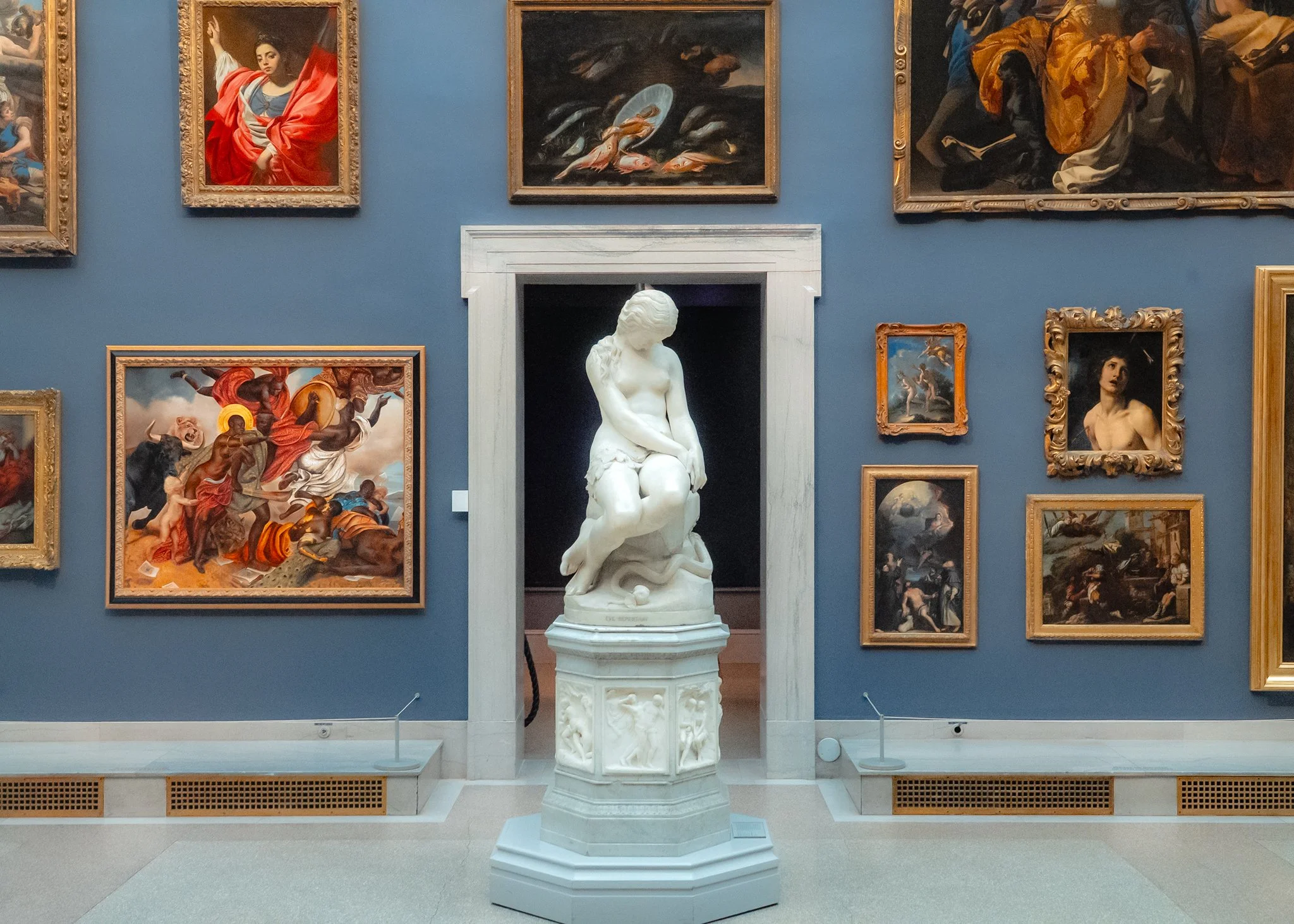
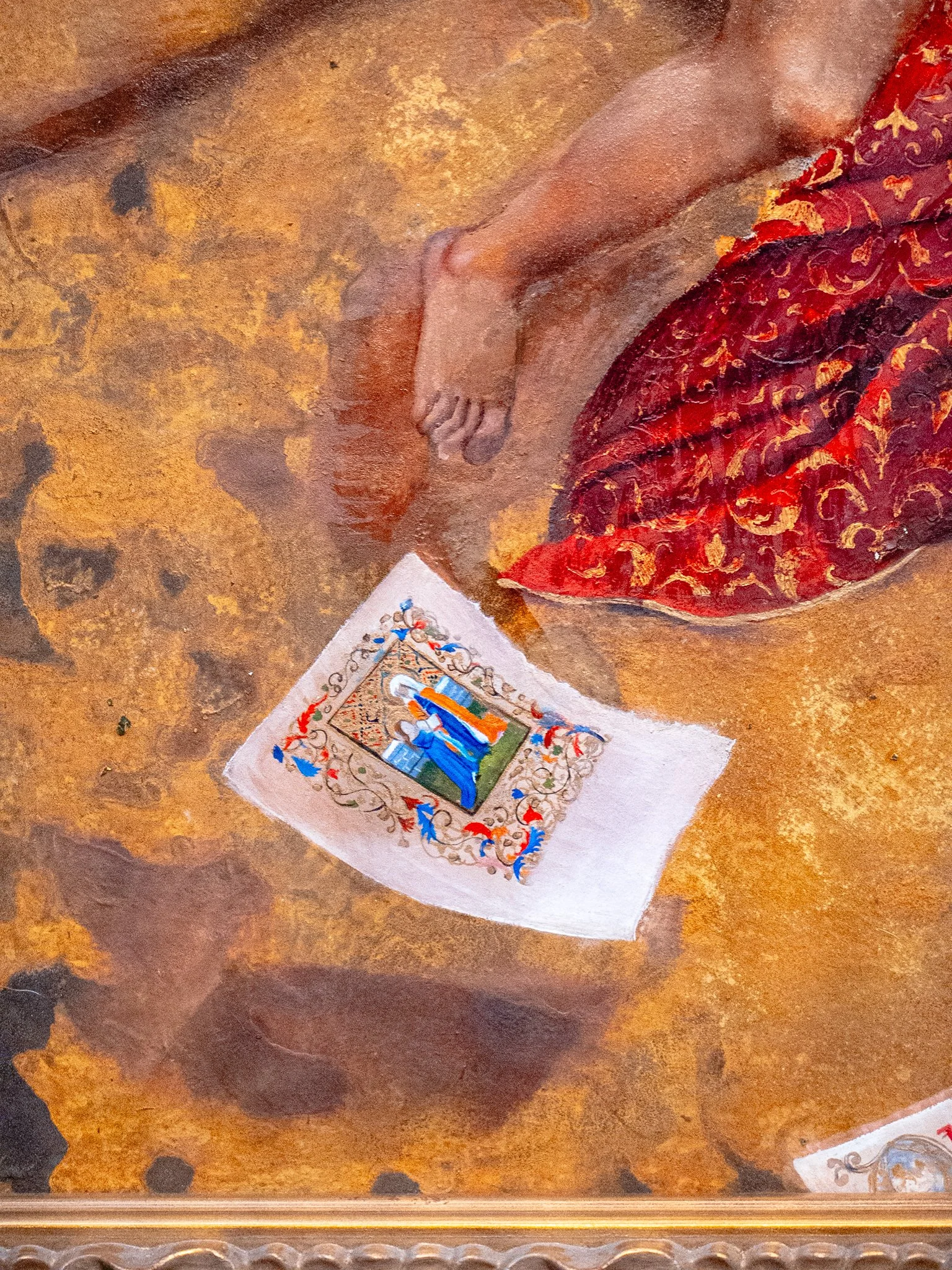
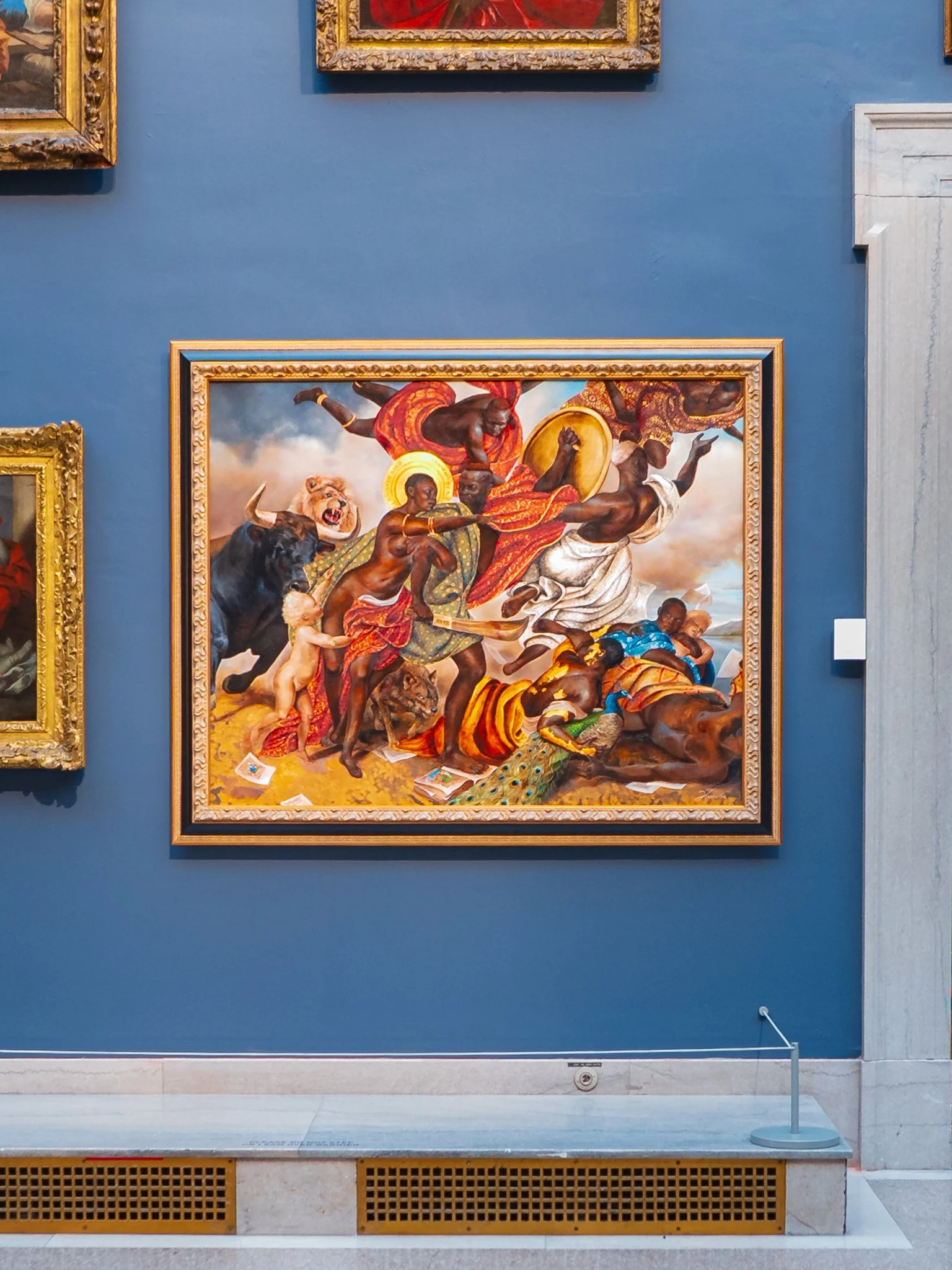
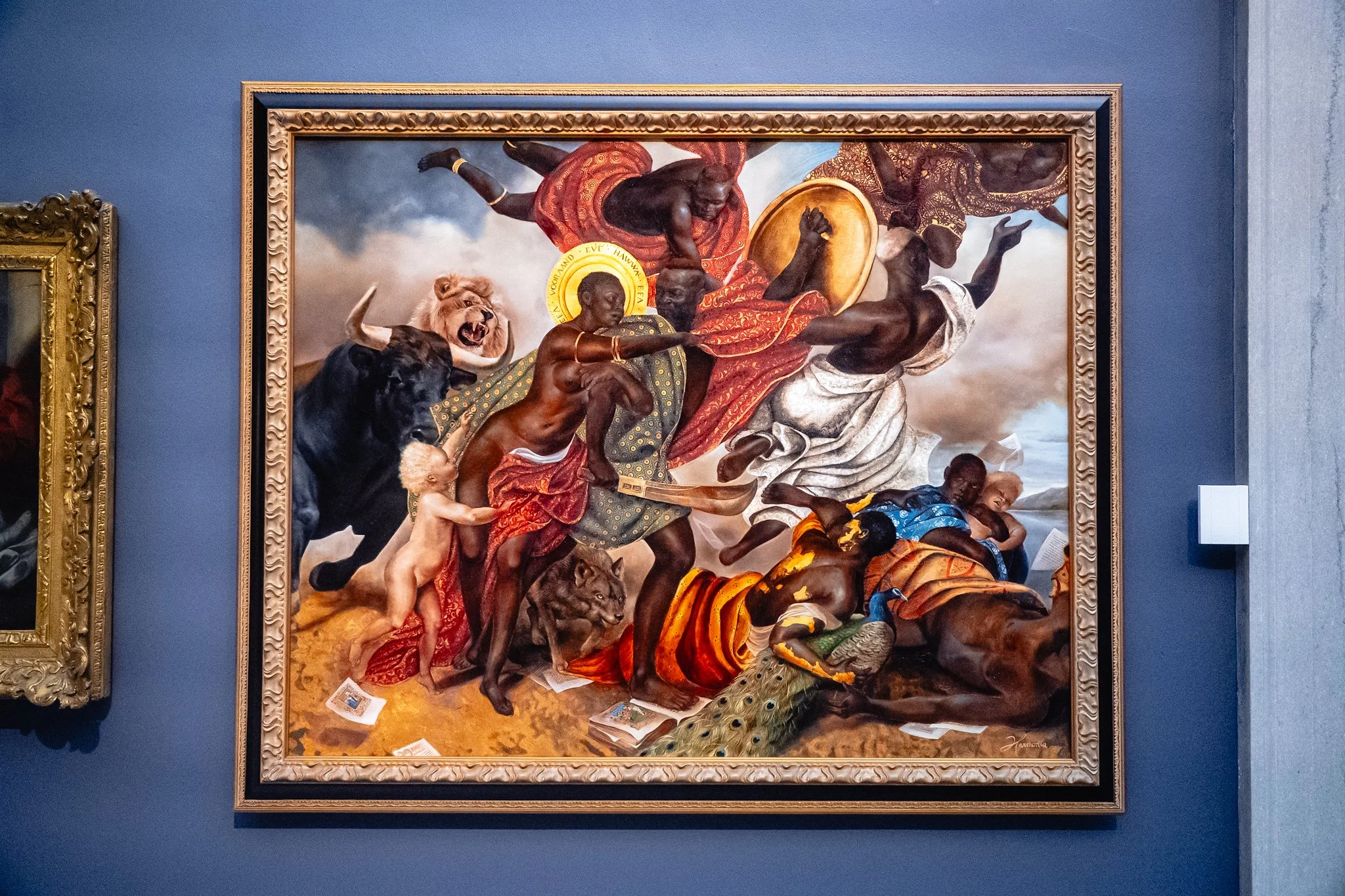
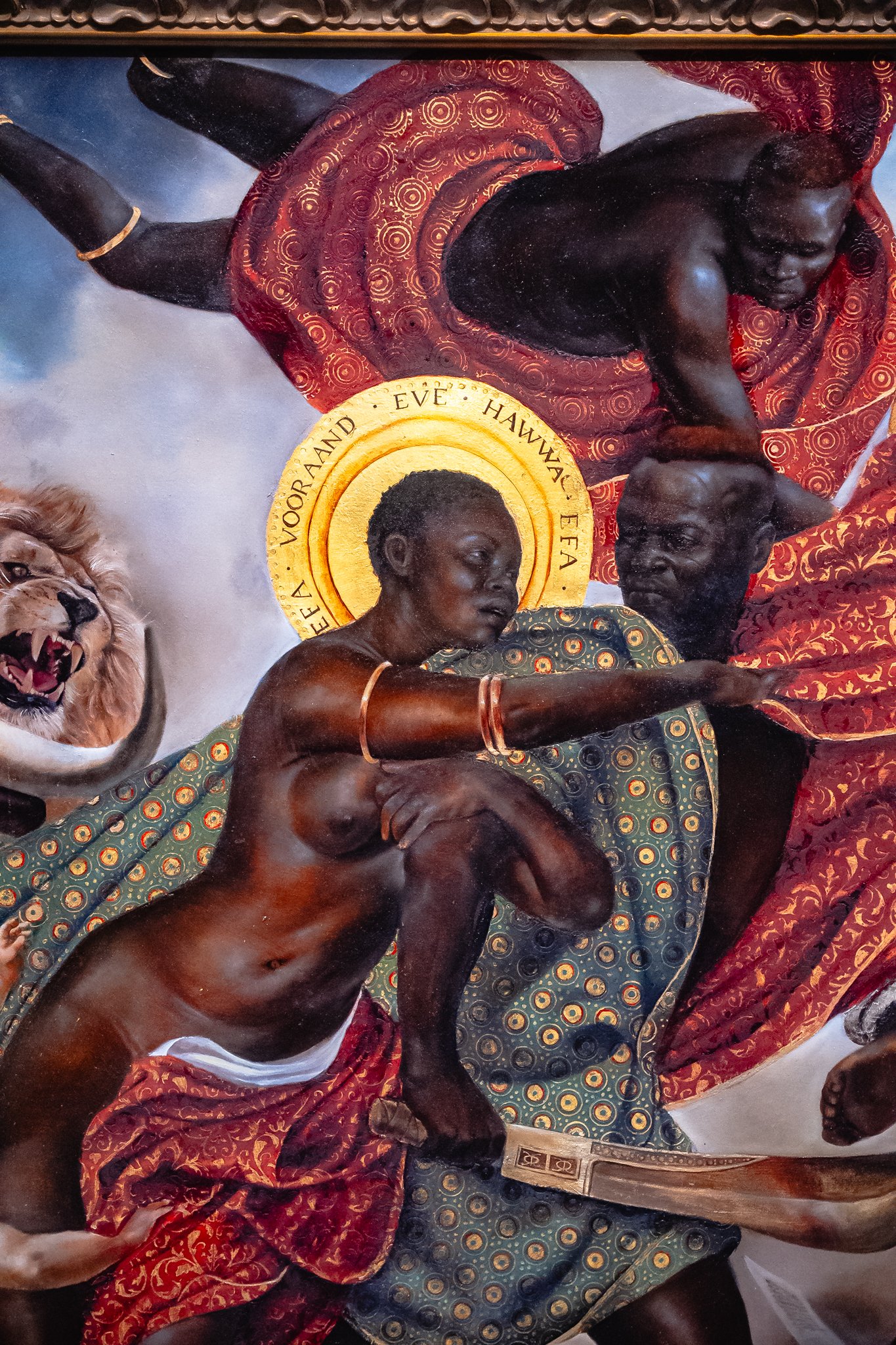
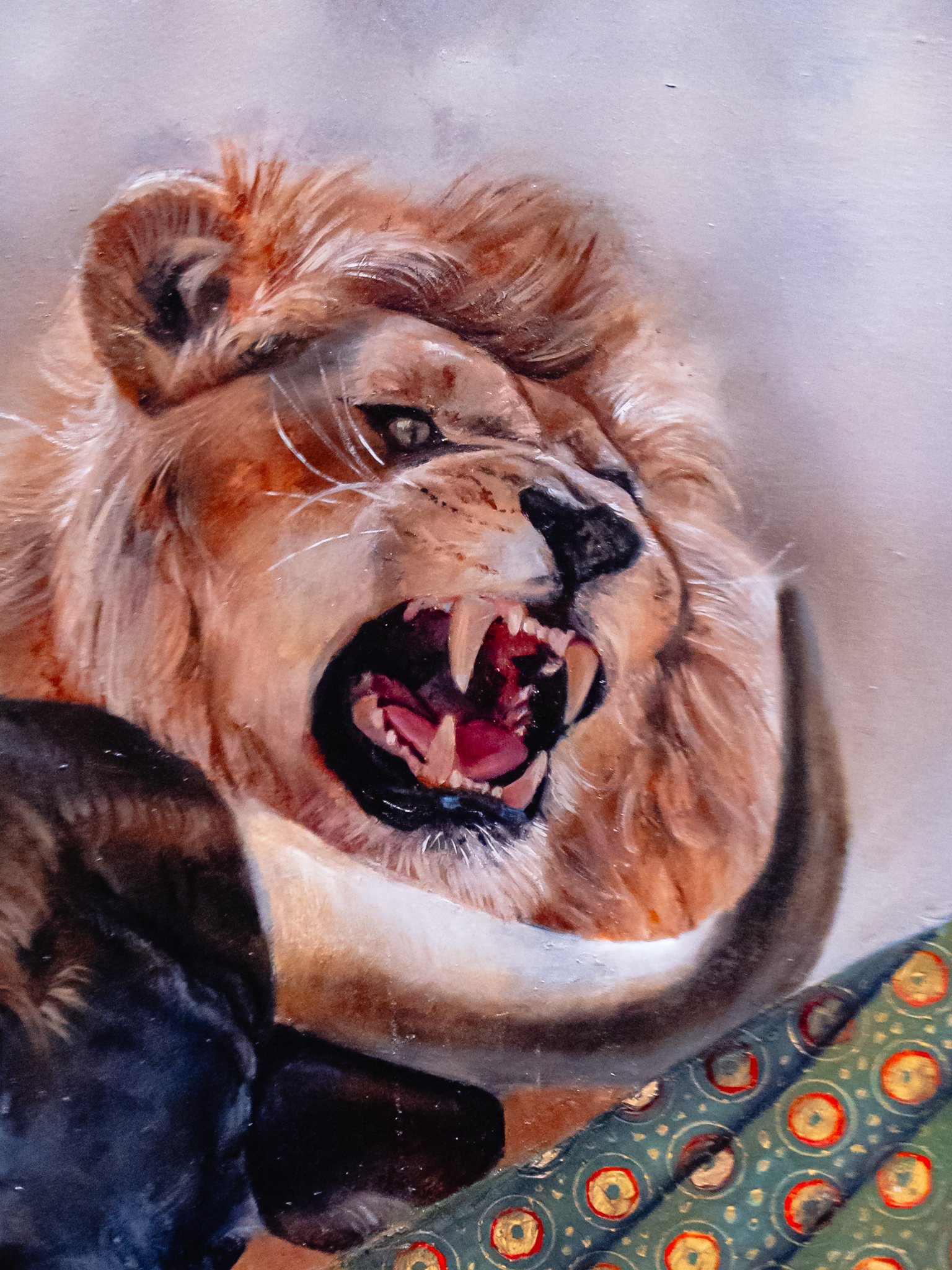
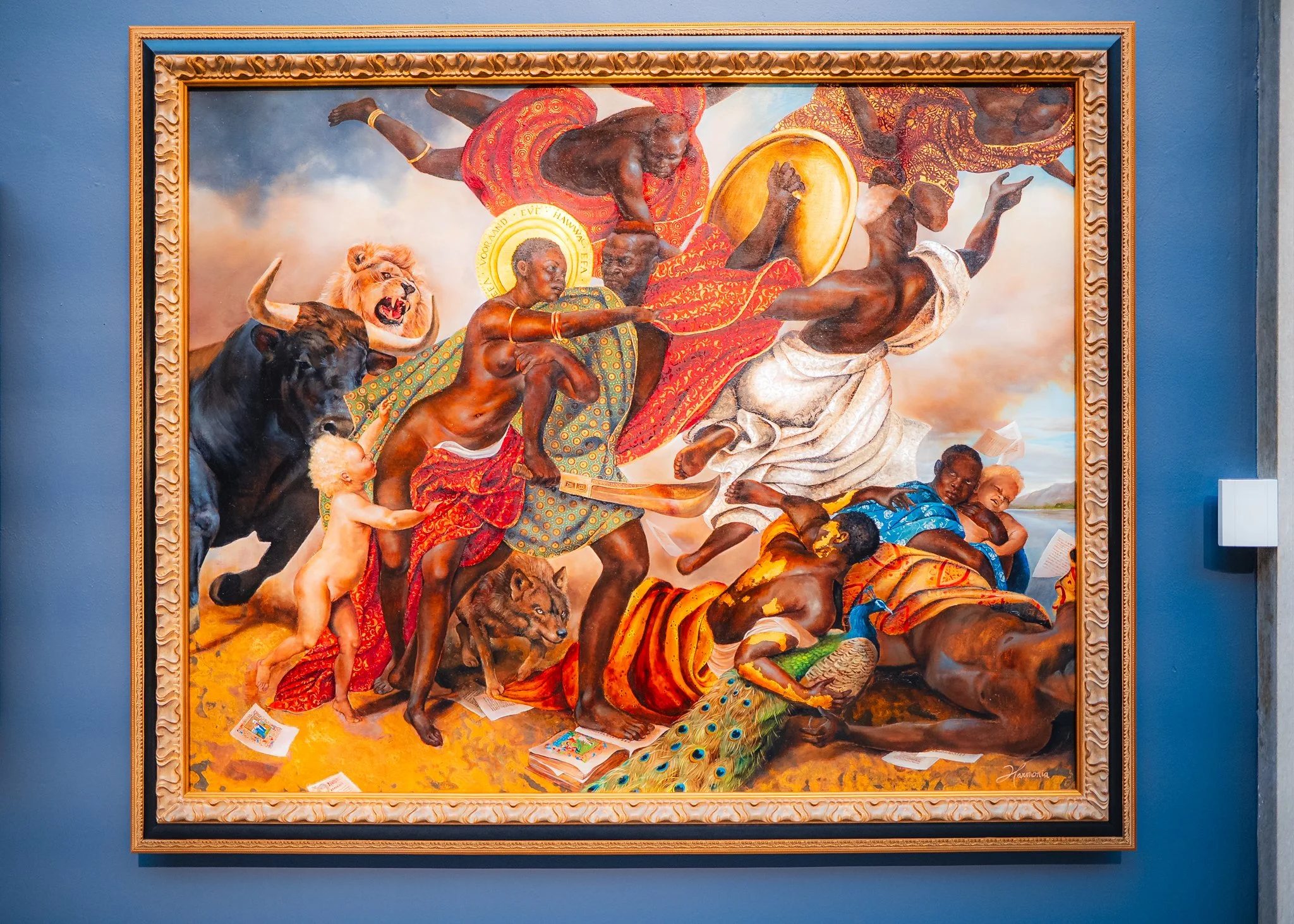
Eve & The Orishas
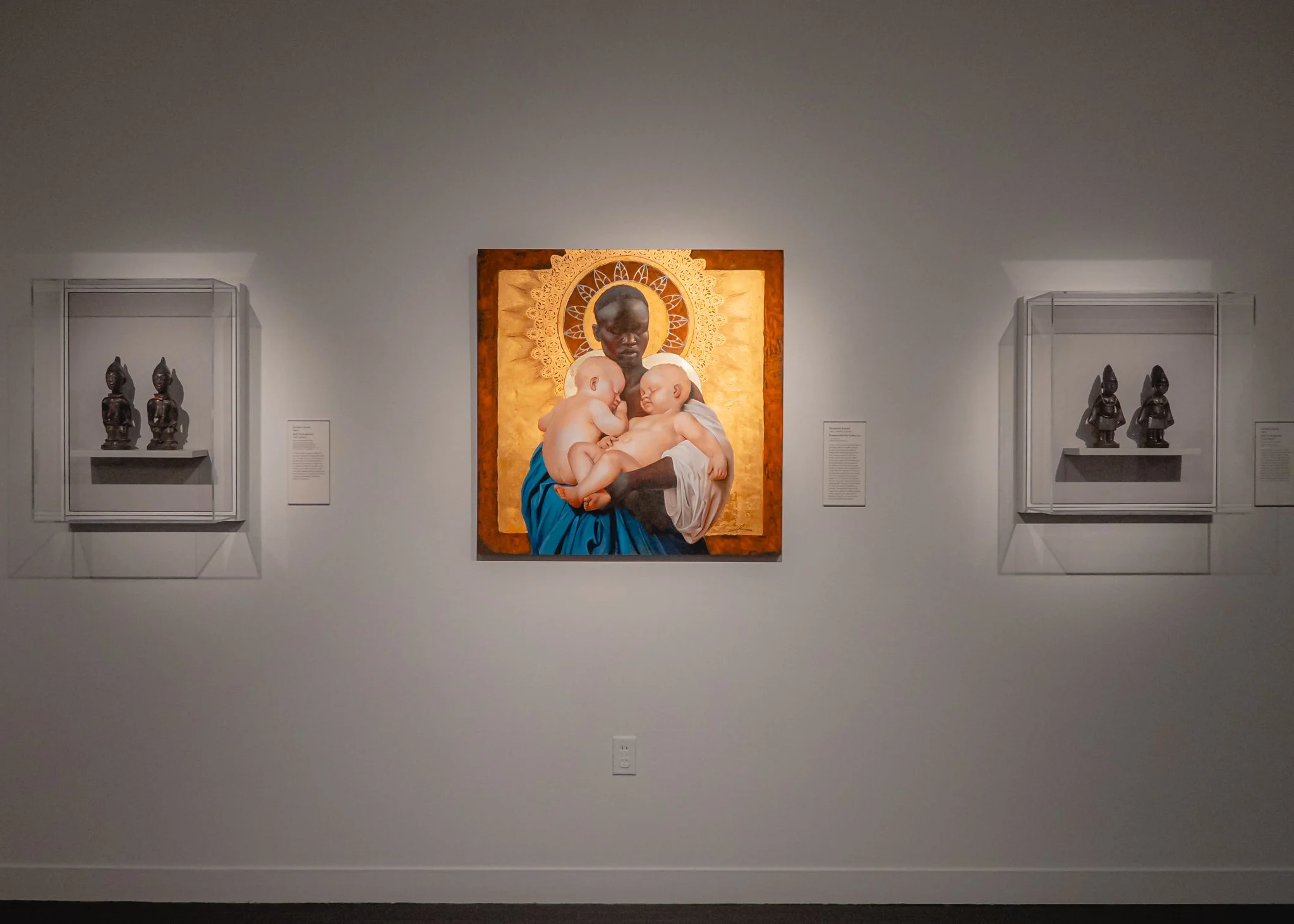
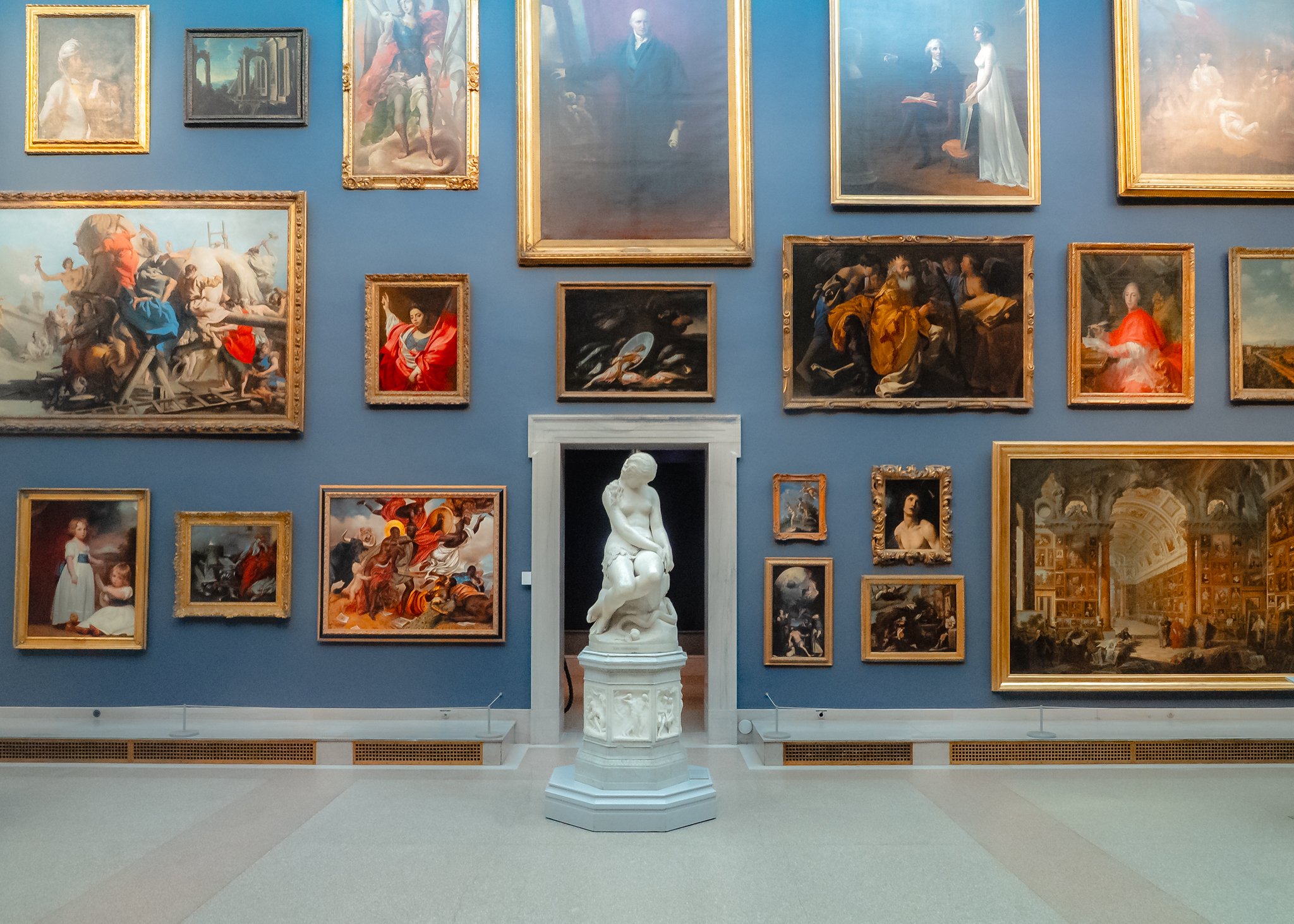
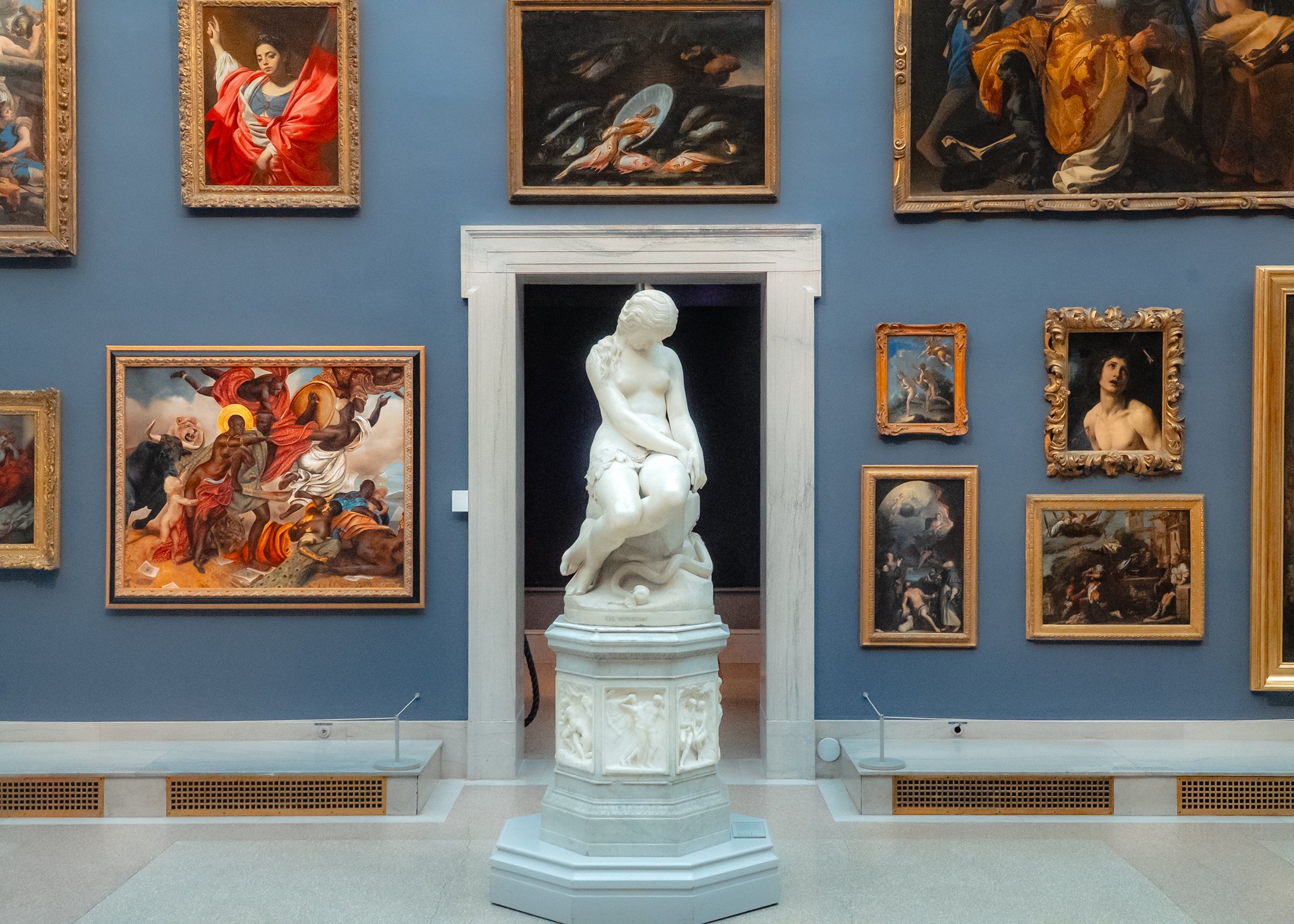
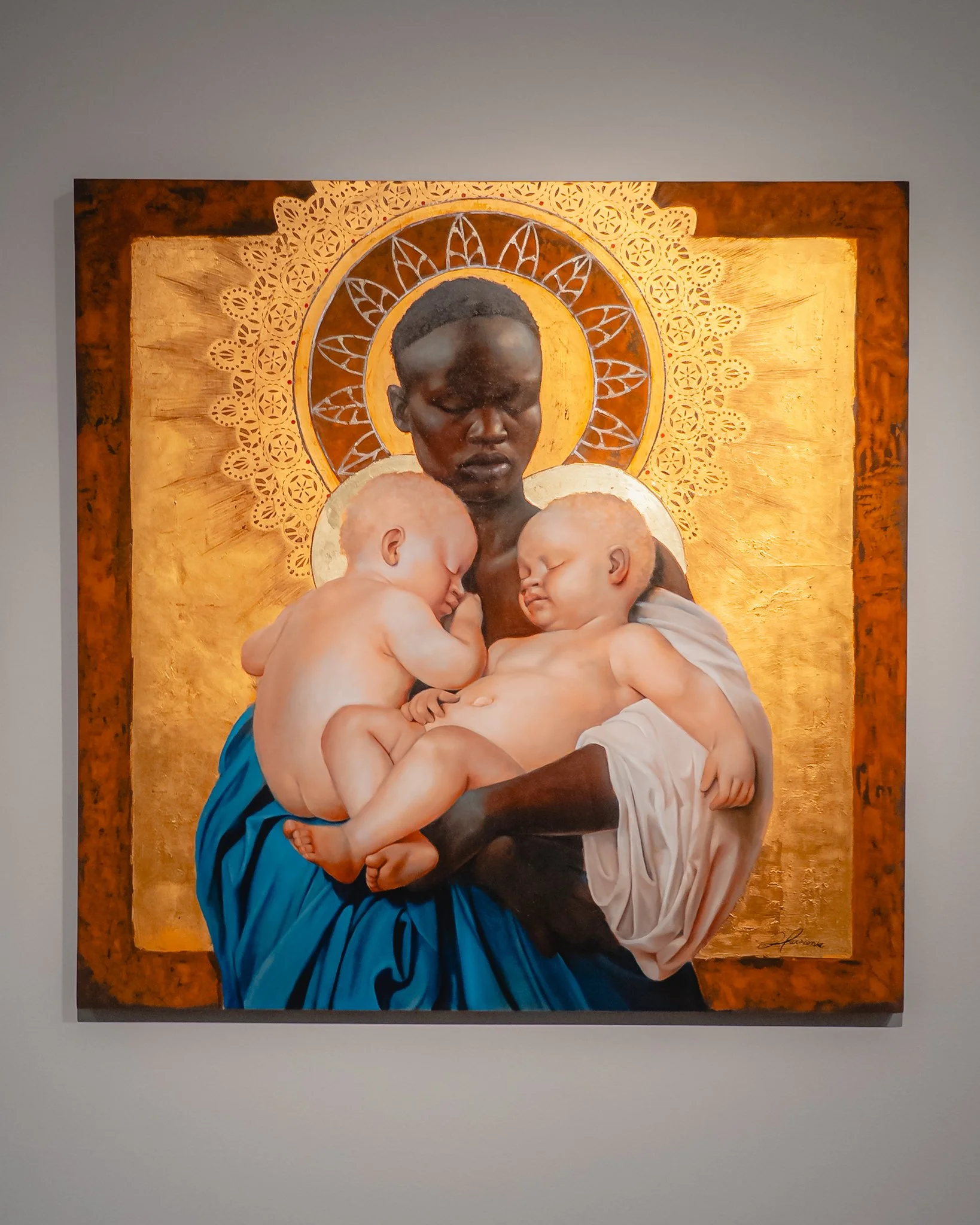
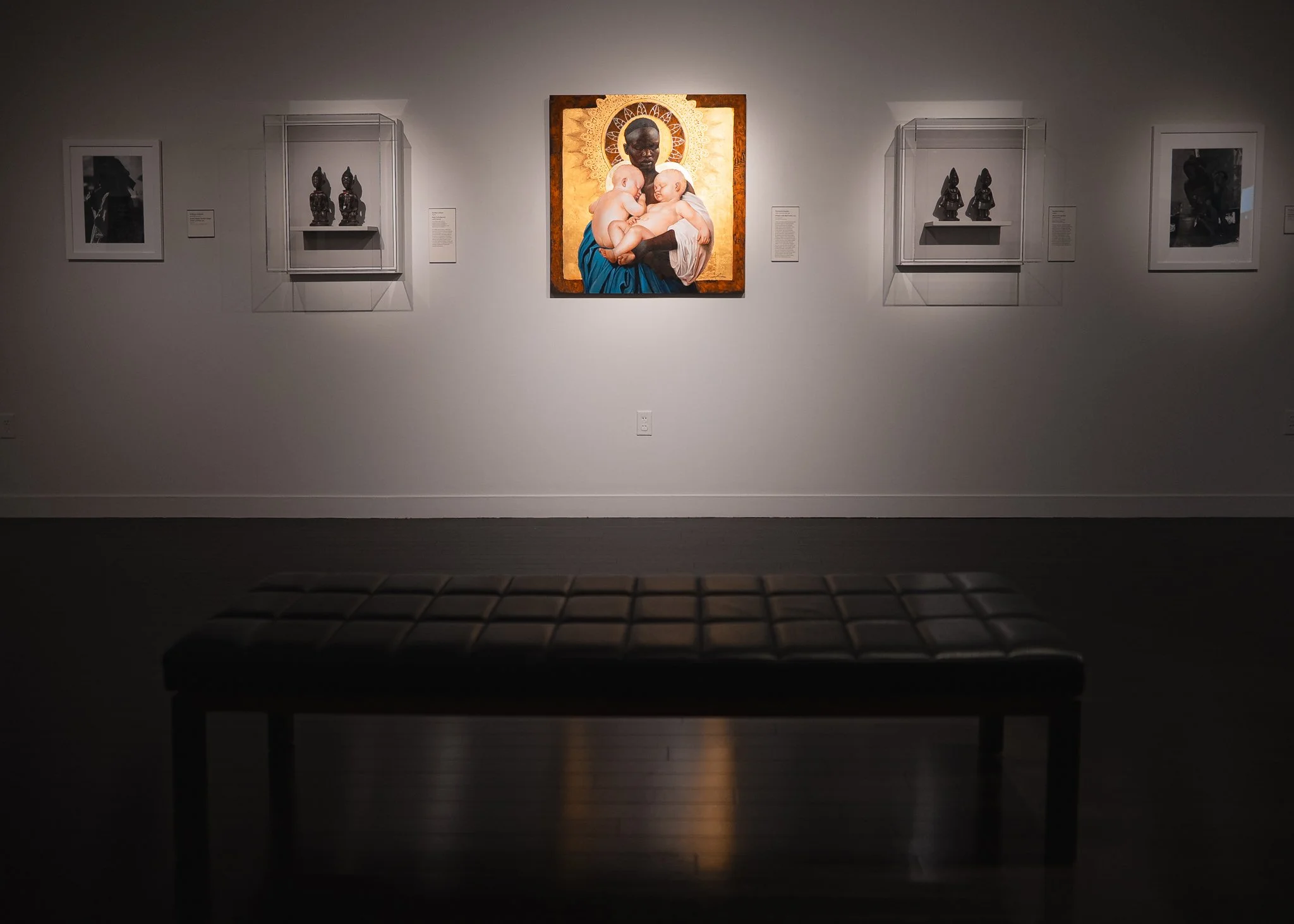
Prominently displayed in the Morgan Memorial Gallery at the Wadsworth in 2025, Harmonia Rosales “Eve & the Orishas” marks an important example of thoughtful (and somewhat subversive) curatorial decision making.
Learn more about Rosales on her website and order Chronicles of Ori here.
Unbound
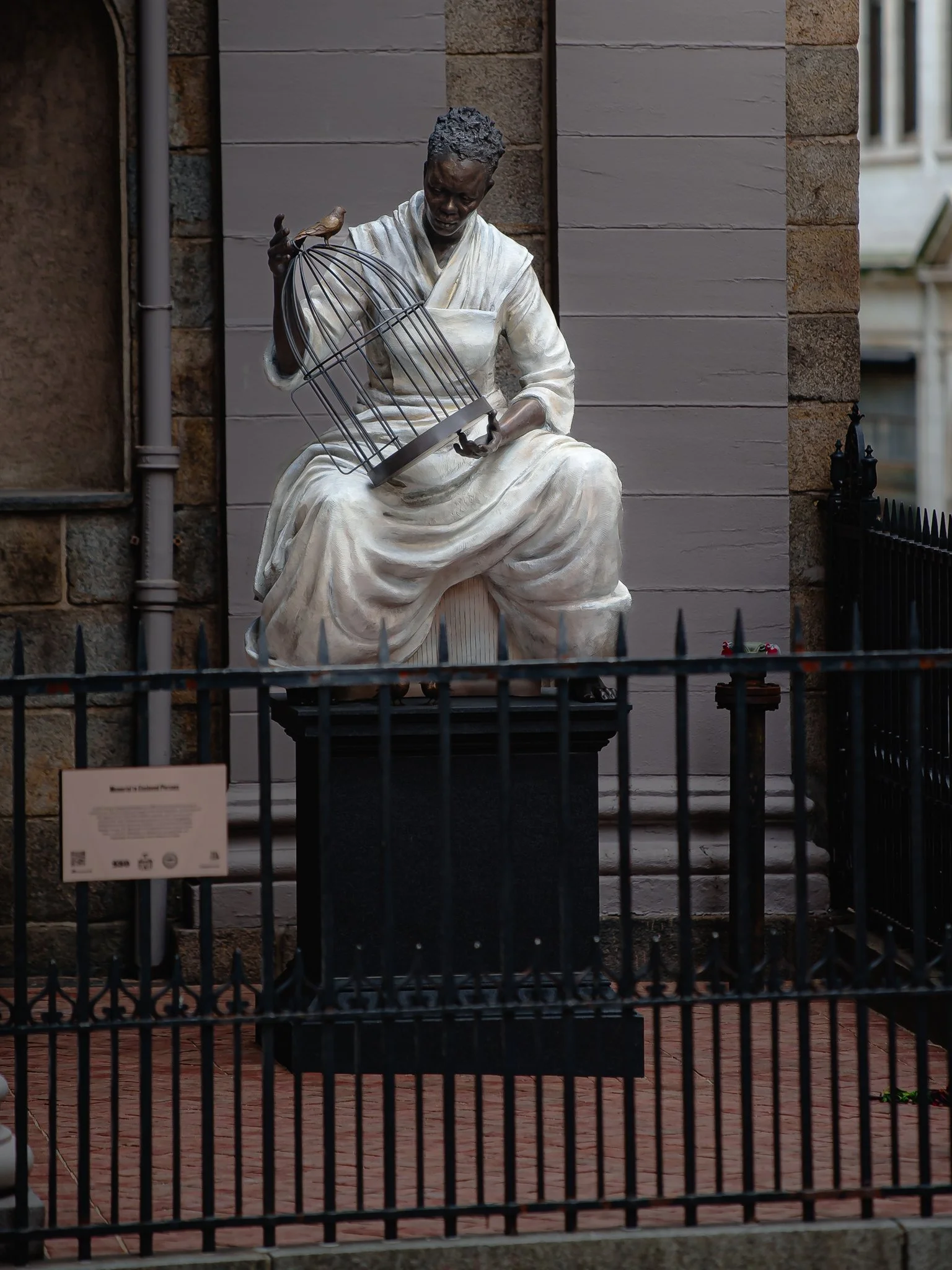
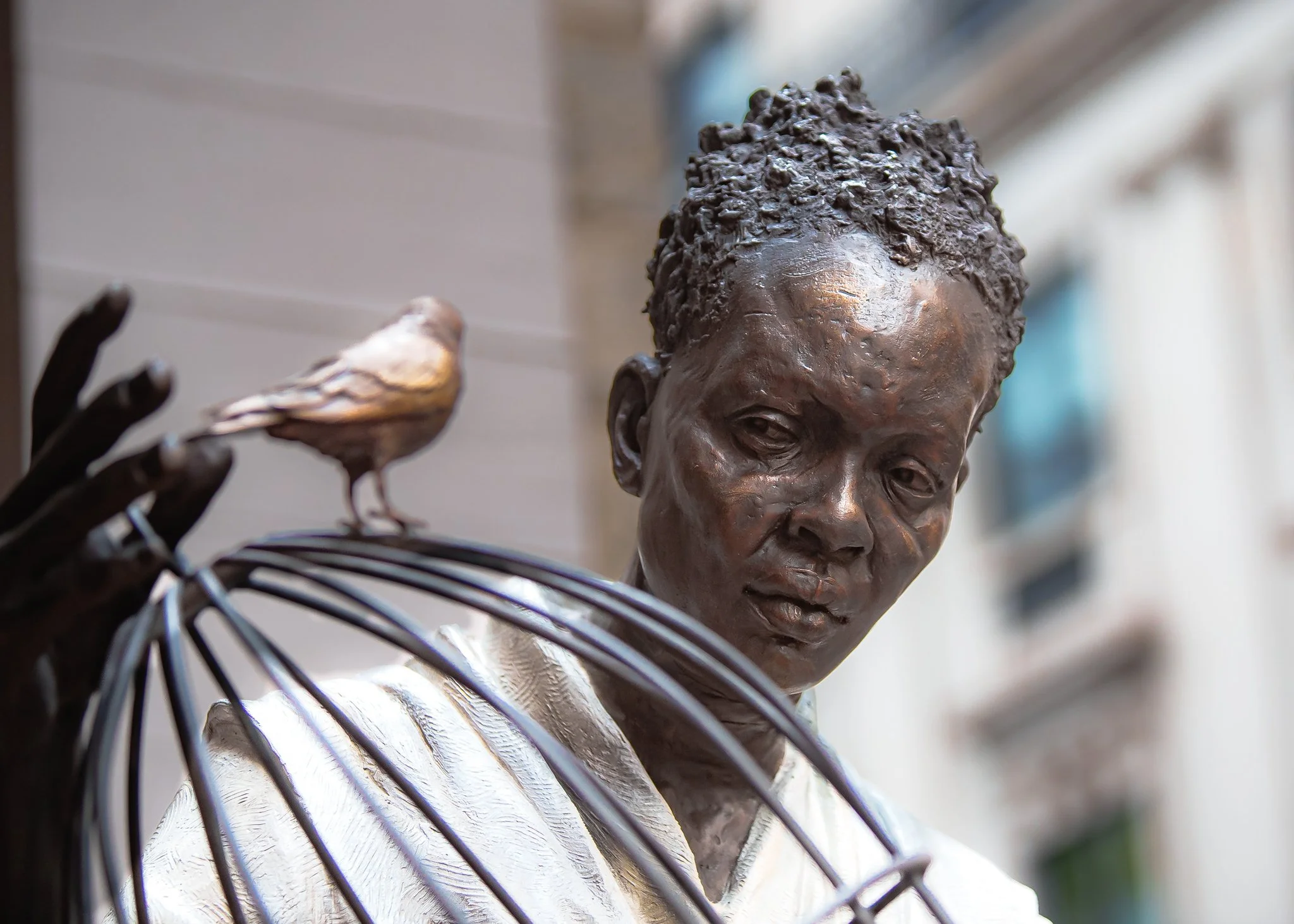
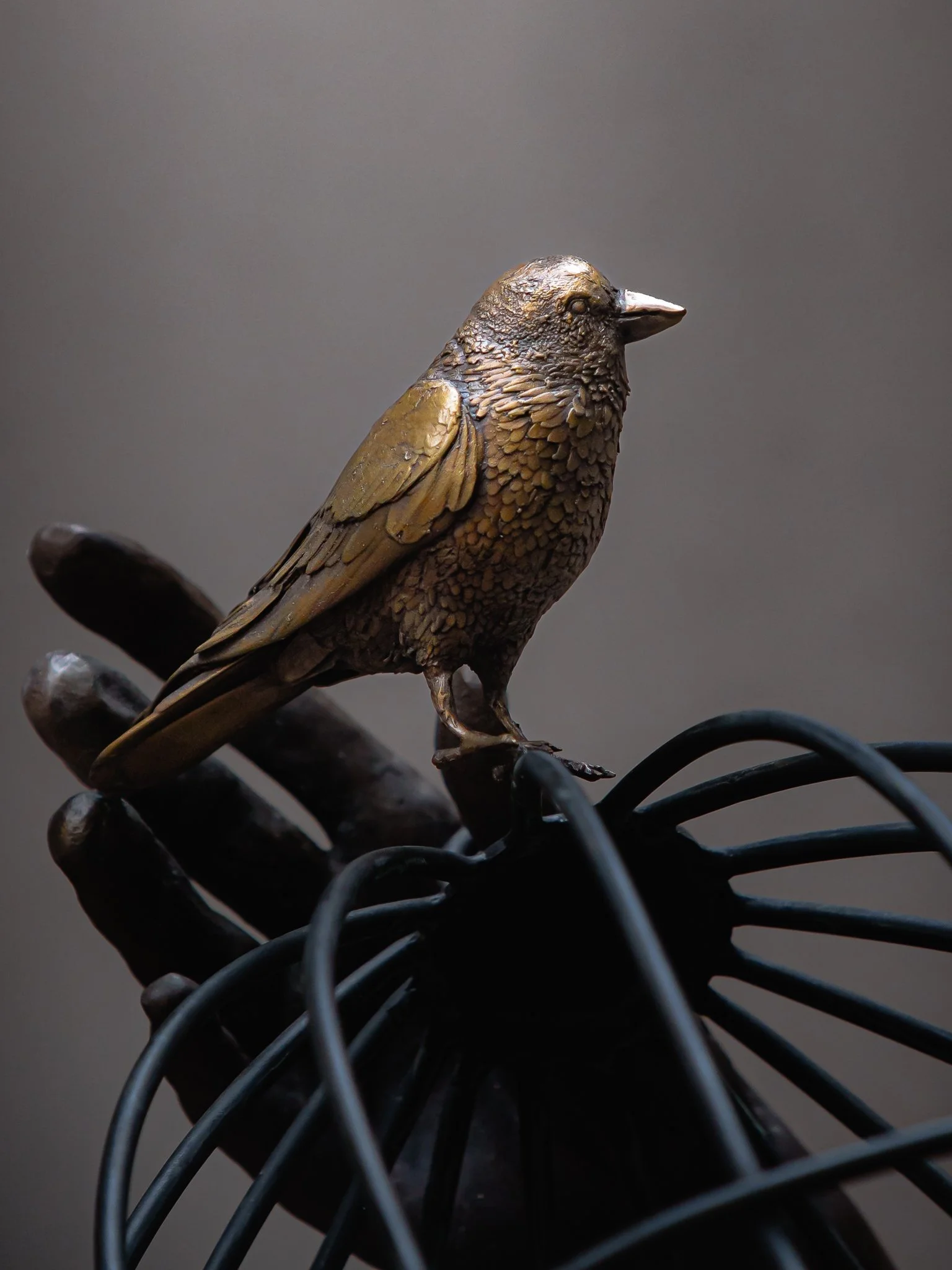
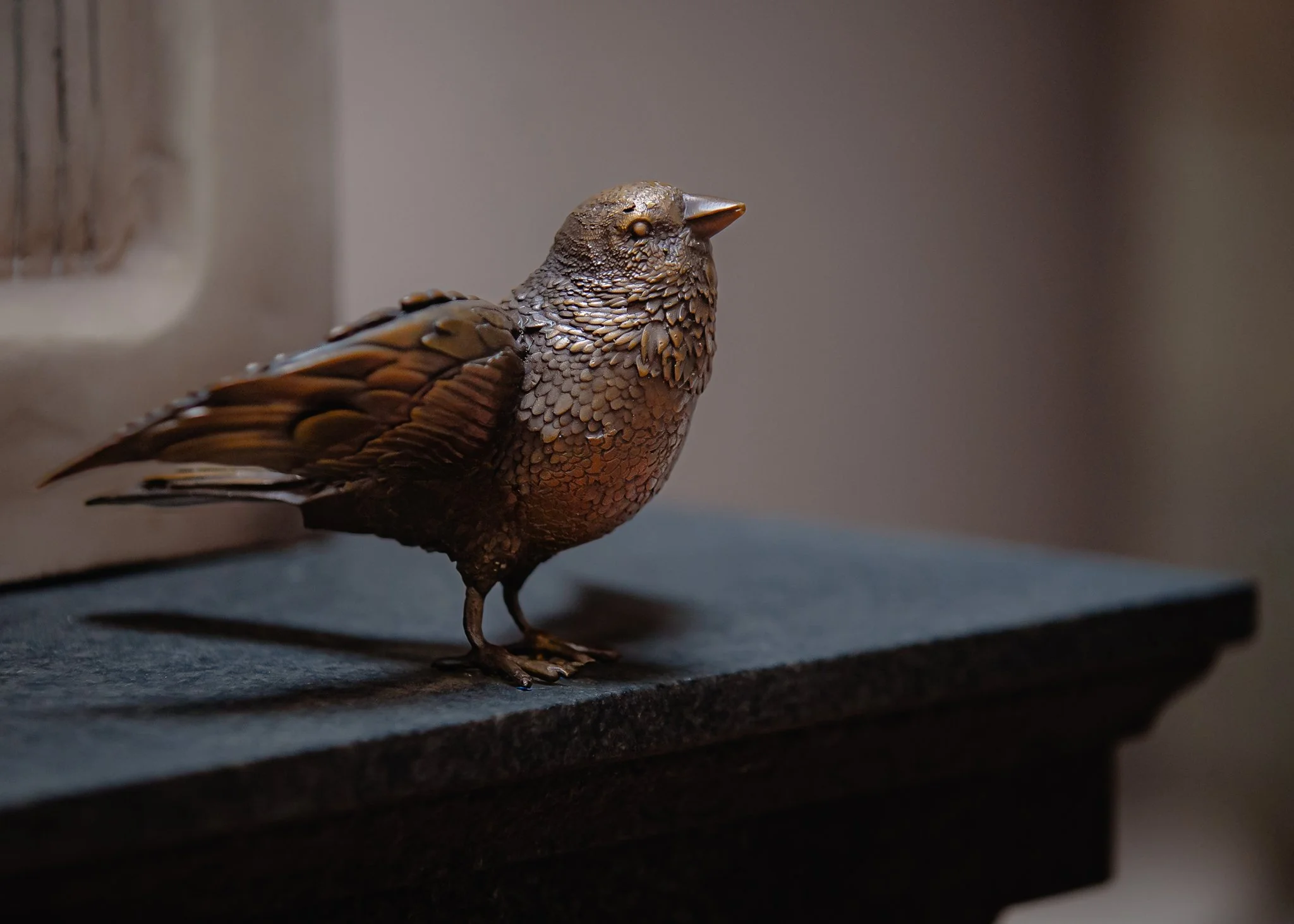
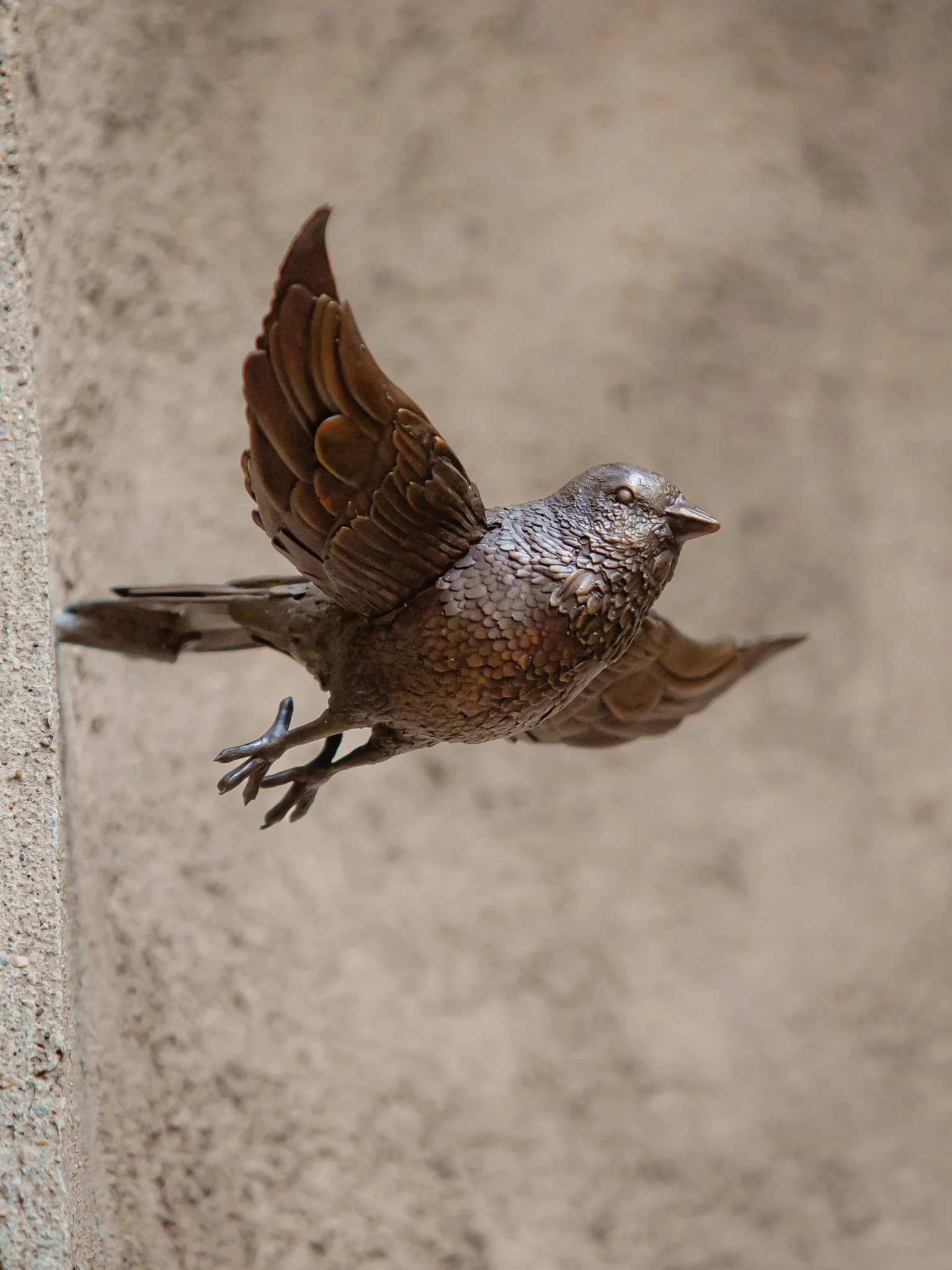
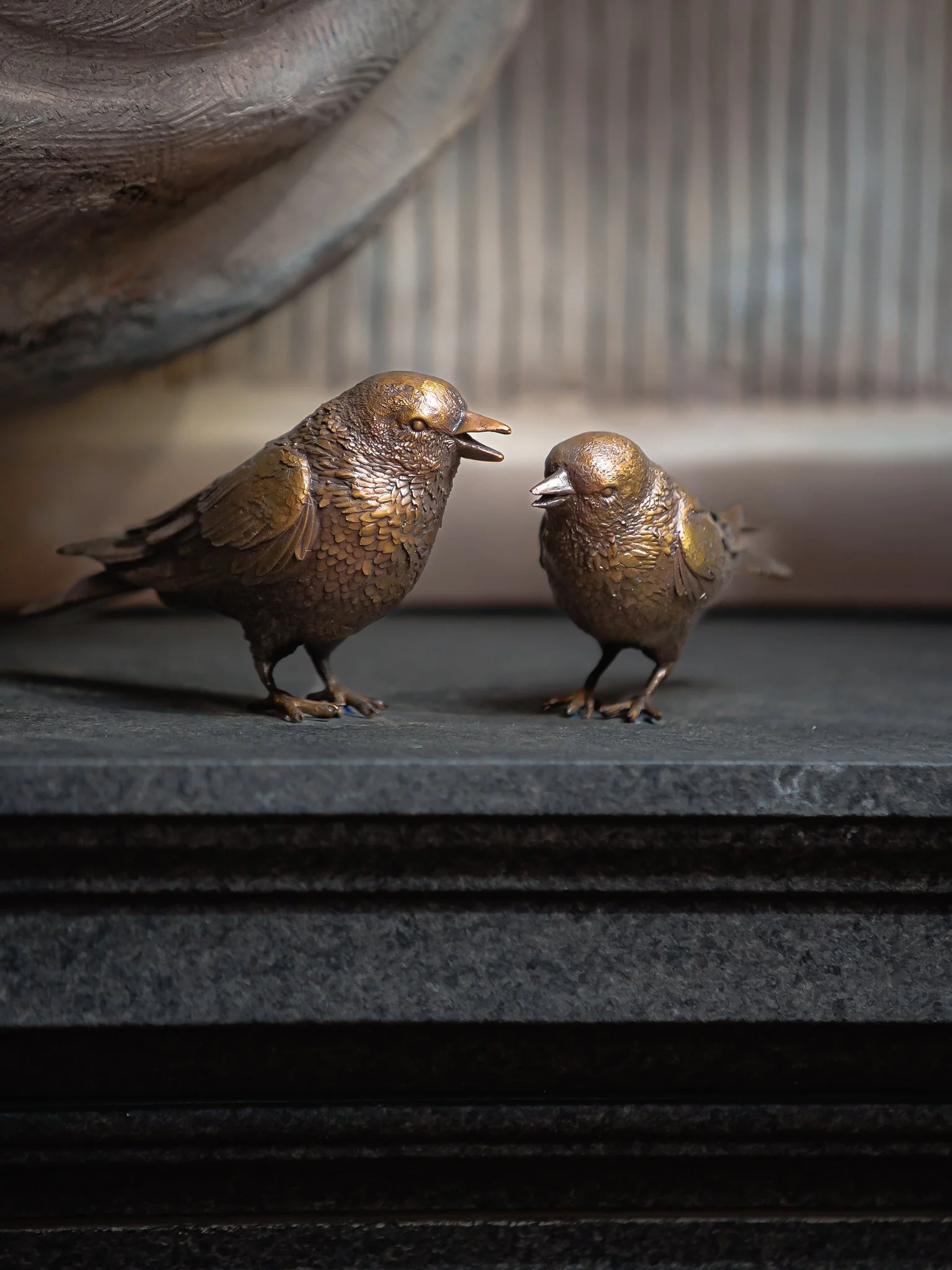
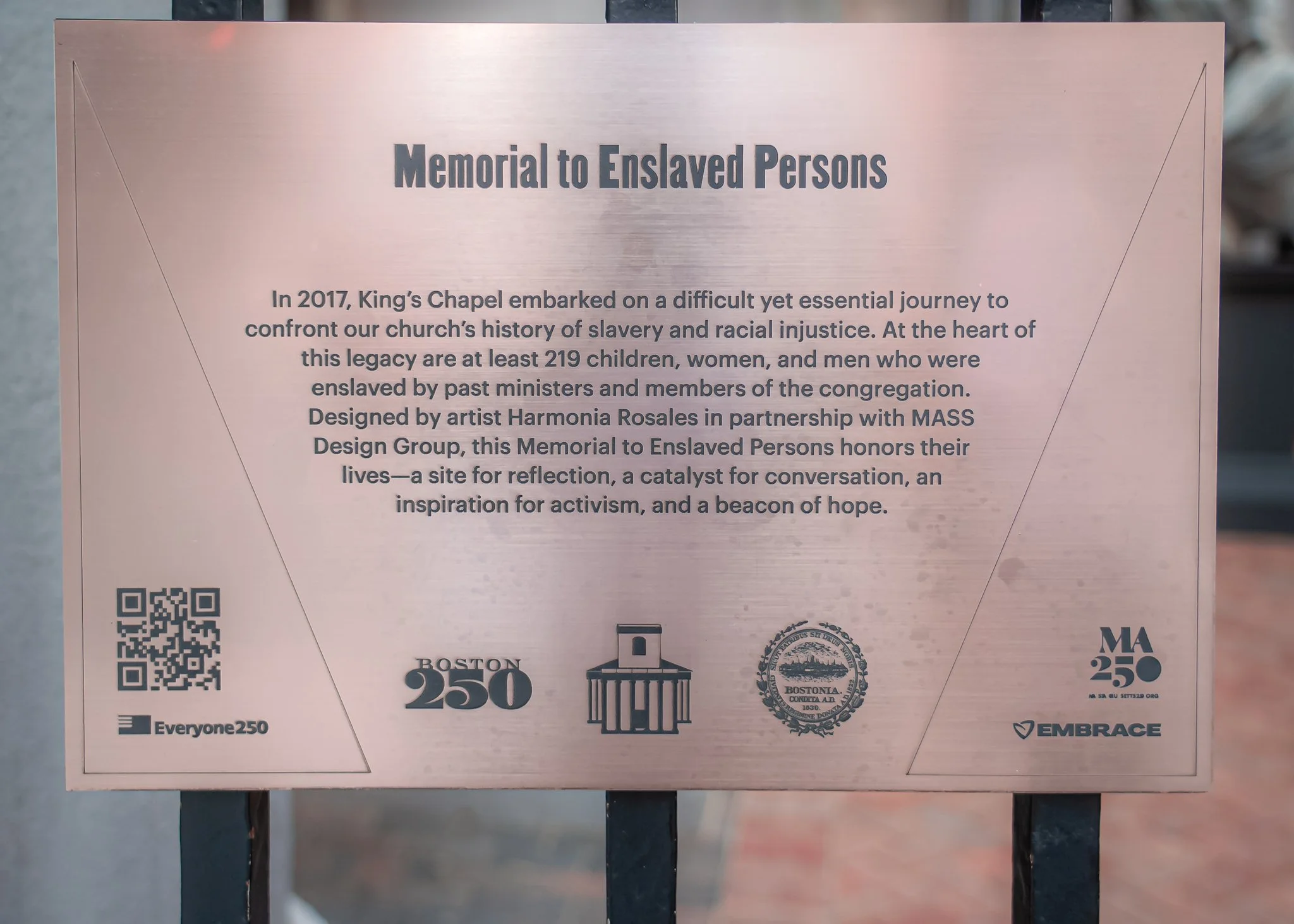
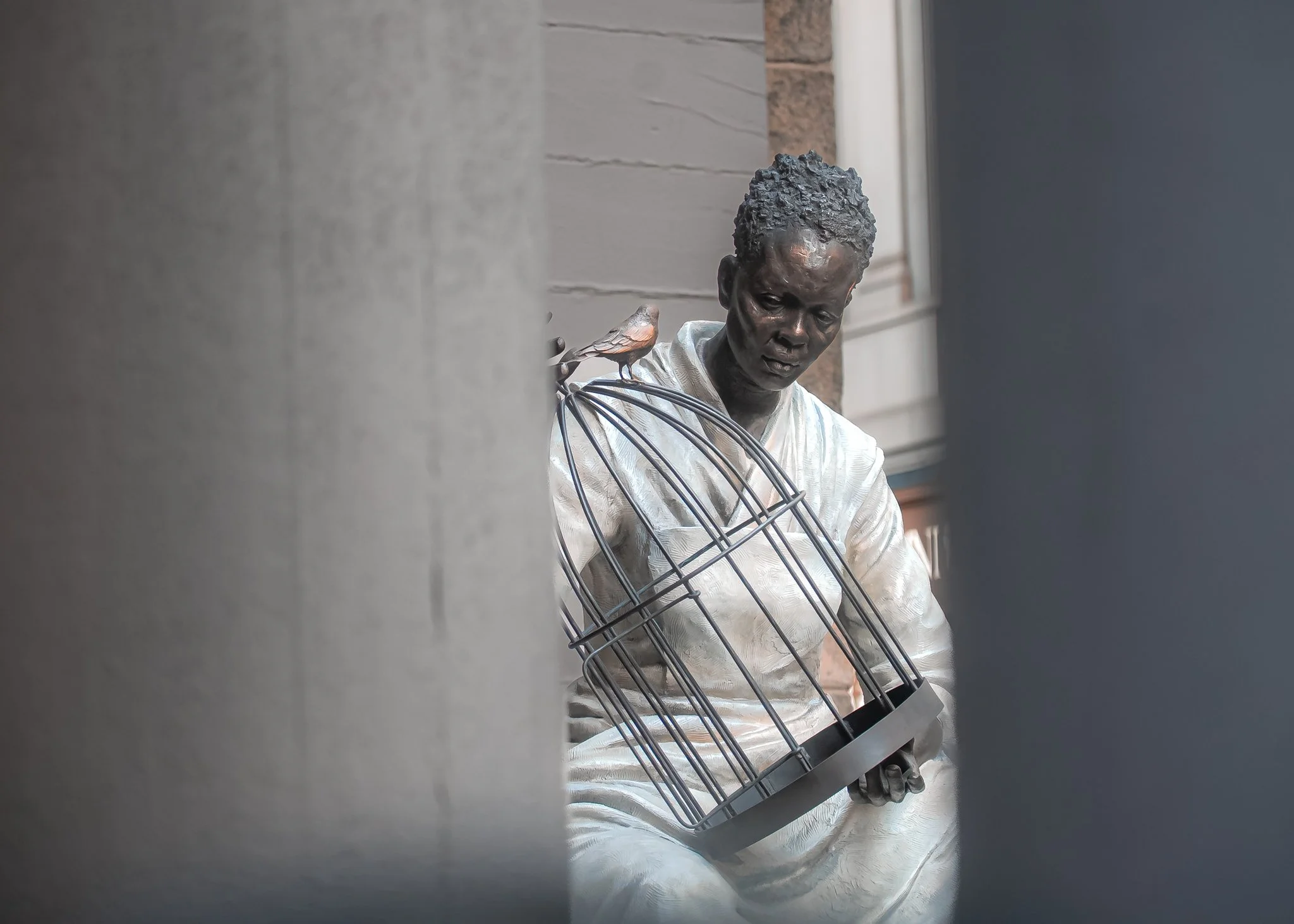
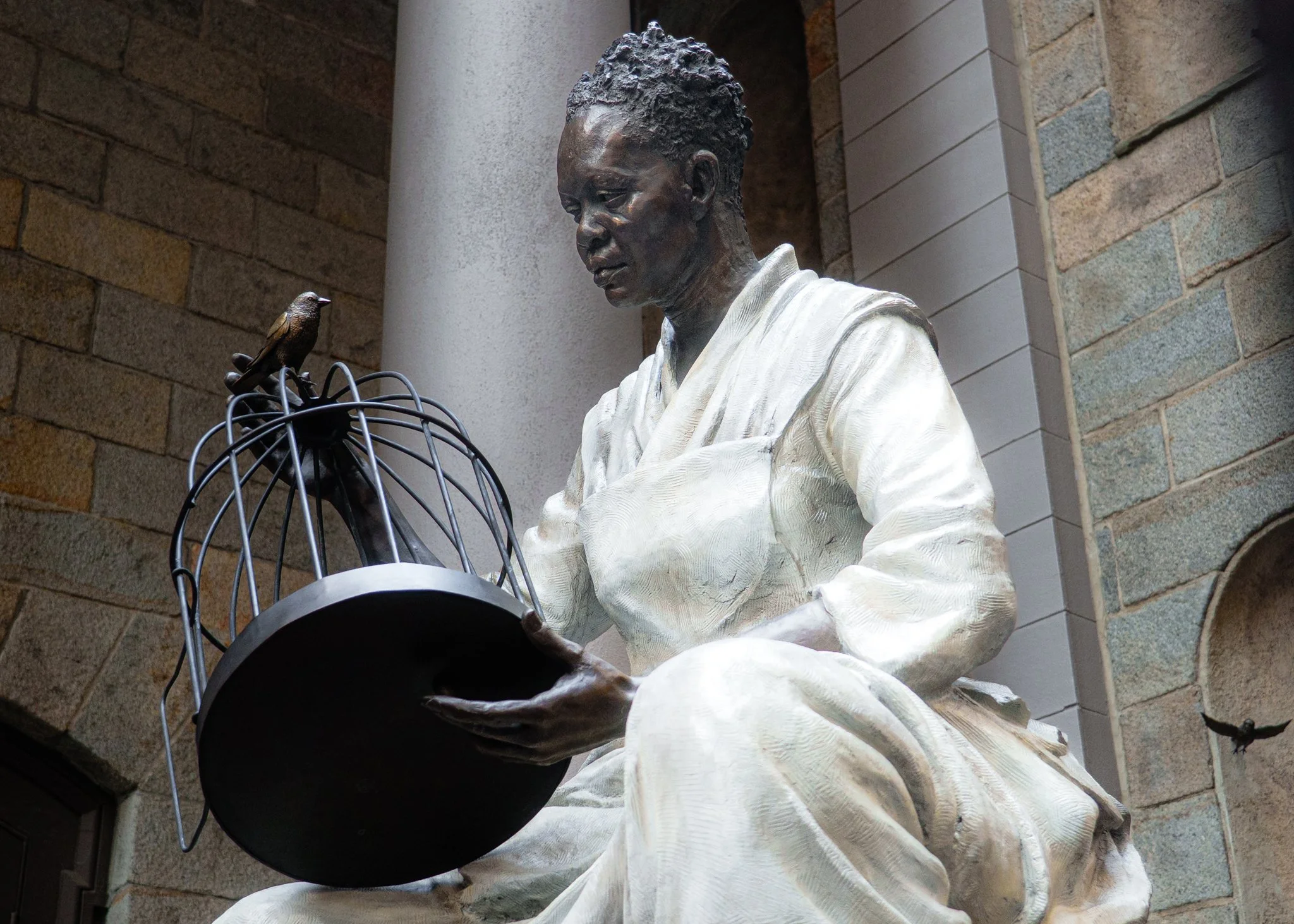
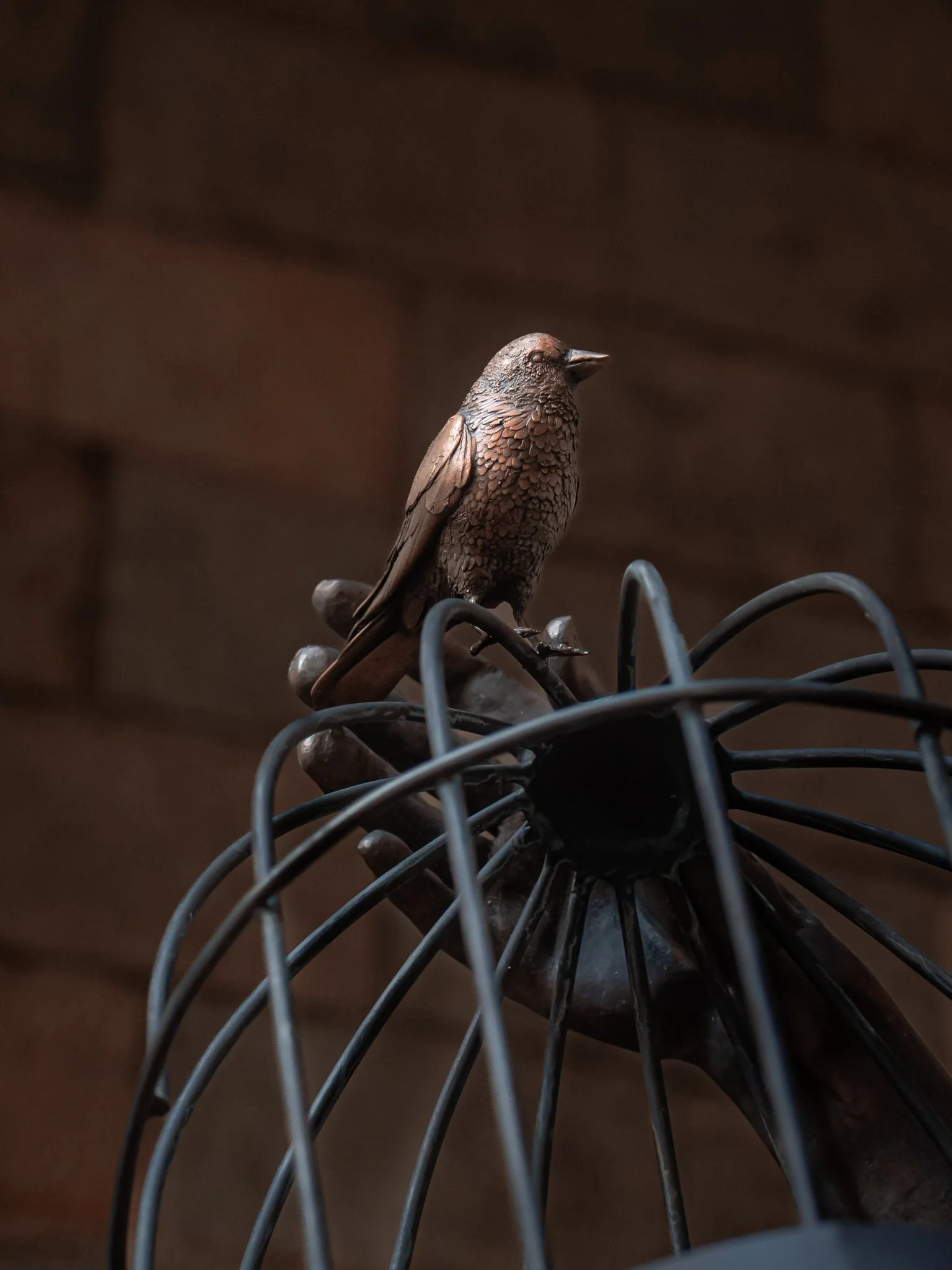
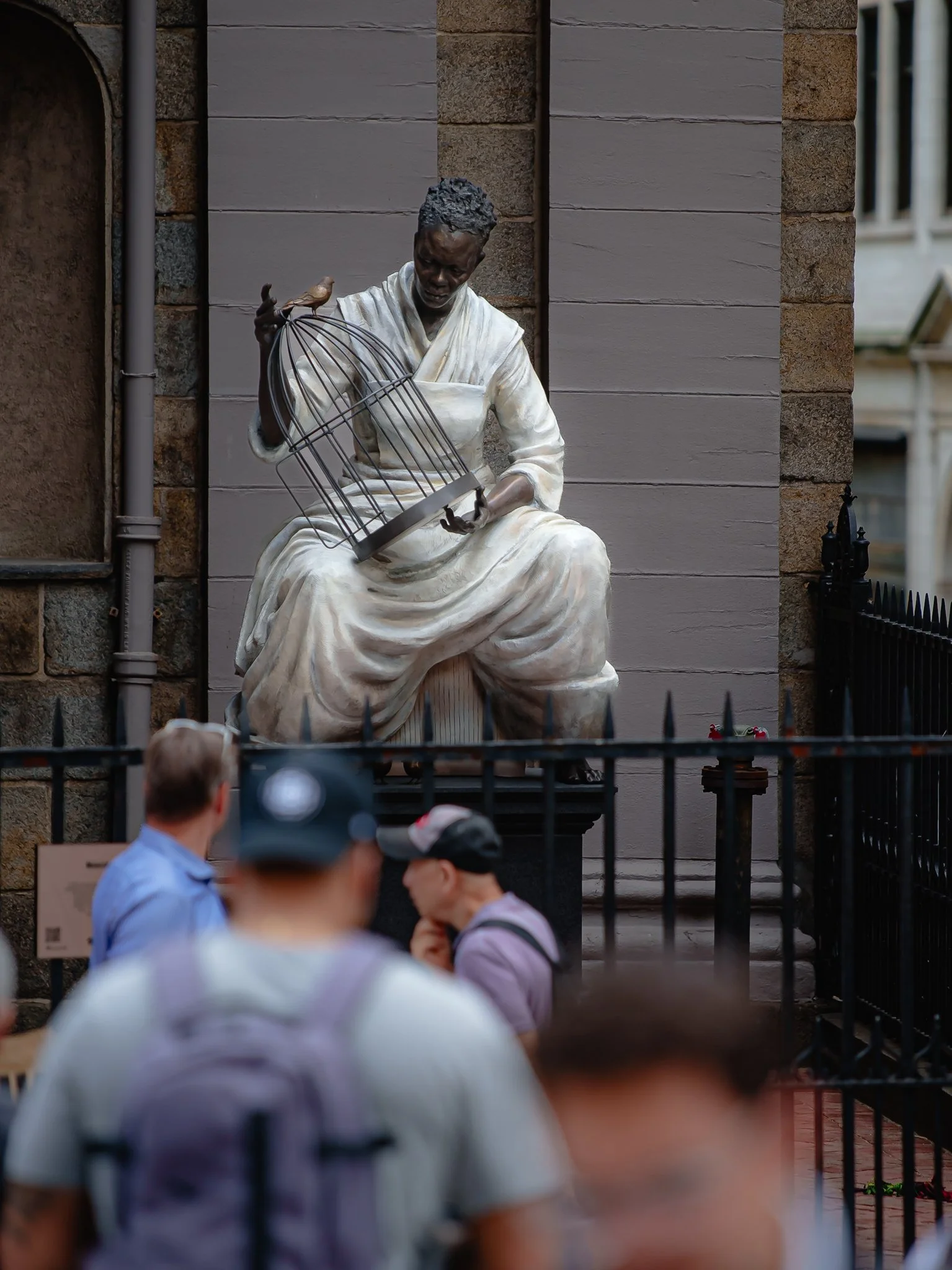
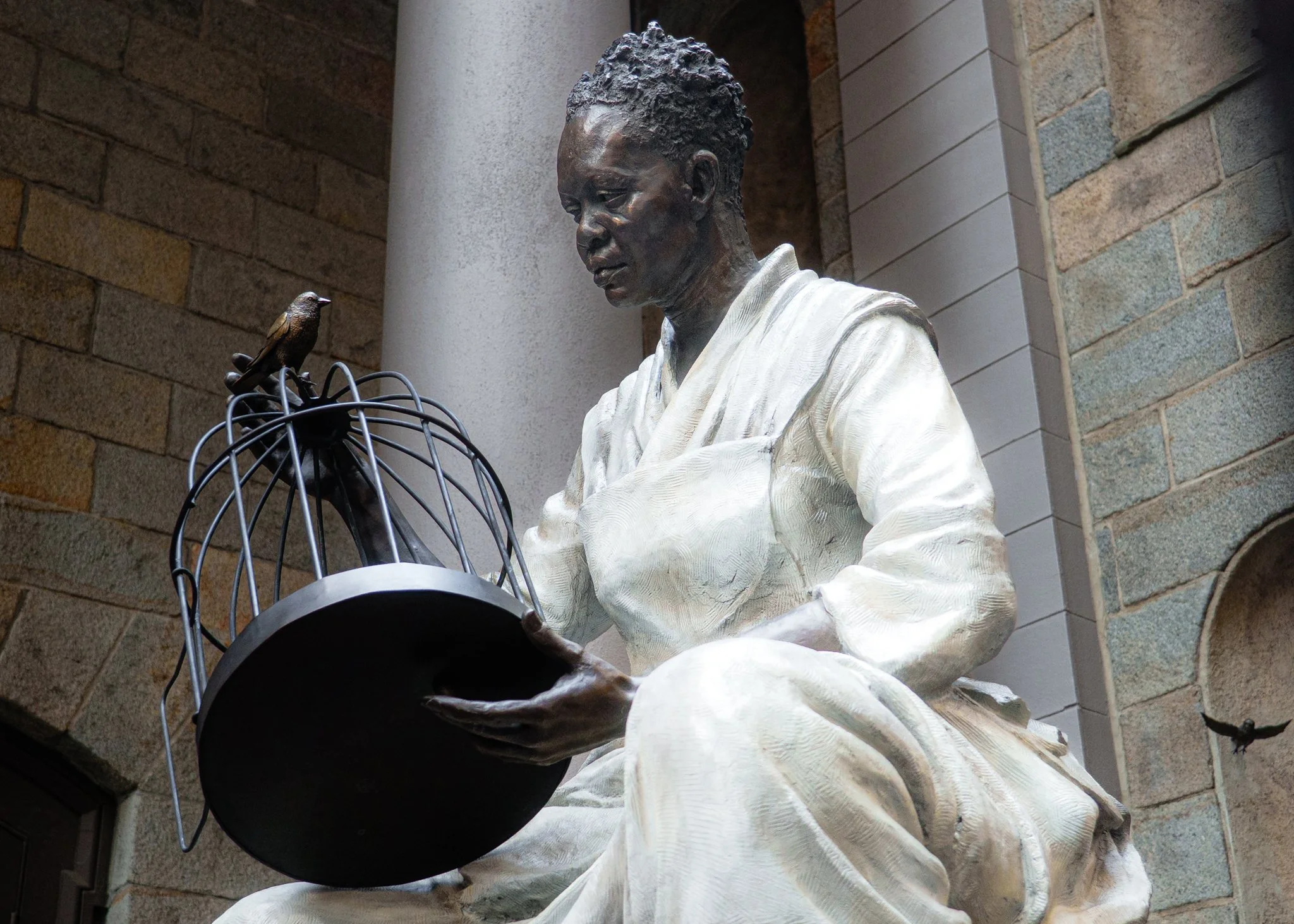
Rosales is also an incredible sculptor. Unveiled in 2025, the statue “Unbound” commissioned by King’s Chapel in Boston to reckon with the history and legacy of enslavement.
Learn more here.