


Land, Sea, and Skyscapes
“It was my intention to attempt a description of several districts remarkable for their picturesqueness and truly American character; but I fear to trespass longer on your time and patience. Yet I cannot but express my sorrow that the beauty of such landscapes are quickly passing away—the ravages of the axe are daily increasing--the most noble scenes are made desolate, and oftentimes with a wantonness and barbarism scarcely credible in a civilized nation. The wayside is becoming shadeless, and another generation will behold spots, now rife with beauty, desecrated by what is called improvement; which, as yet, generally destroys Nature's beauty without substituting that of Art.”
— Thomas Cole
For me, landscape photography begins with a way of seeing: an attempt to slow down, pay attention, and encounter the world beyond the immediacy of our own concerns. It is an exercise in patience, precision, and contemplation, an opportunity to become present to the textures, rhythms, and relationships that shape the places we inhabit. A shifting tide, the geometry of a marsh, the last light falling across a mountain, or the seemingly infinite expanse of a night sky can become an invitation to reflect on our place within a world that is at once magnificent, vulnerable, and impermanent.
My entry into landscape photography emerged from an unexpected transition. As a former Special Forces Weapons Sergeant, I spent years developing the discipline of firearms marksmanship: learning to regulate my breathing, control my movements, establish a sight picture, and attend to minute changes in my environment. When I turned from firearms to cameras, I discovered that many of these skills could be carried into an entirely different practice. The instrument changed, and so did the purpose of looking. What had once demanded precision in the service of targeting became a means of attending to the world, searching for beauty, complexity, and meaning rather than a point of impact.
This transition was more than a change in equipment. It offered an opportunity to reconsider what it means to look, what it means to frame a subject, and what responsibilities accompany the act of seeing. Both marksmanship and photography demand a particular relationship between the eye, the body, and the surrounding environment. Yet photography has allowed me to redirect that discipline toward contemplation: to approach the landscape not as something to be mastered or conquered, but as something to encounter, learn from, and care for. The camera has become an instrument of introspection, a way to explore the relationship between perception and reality, presence and absence, and the finite lives we lead within a world that exceeds our understanding.
Growing up in Wilmington, North Carolina, I developed an early fascination with the seascapes and wetlands of the southeastern coast. These environments taught me to appreciate the understated drama of the natural world. Coastal landscapes are never entirely still. Water advances and recedes; marsh grasses bend with the wind; clouds transform the character of the light; and familiar places become unrecognizable as the conditions surrounding them change. What might initially appear ordinary reveals itself, through sustained attention, to be a complex interplay of movement, color, texture, and time. These early encounters continue to inform my photographic practice, grounding my interest in the shifting boundaries between land and water, permanence and change, and the familiar and the sublime.
My understanding of landscape deepened considerably after moving to New England to pursue graduate education at Harvard Divinity School. There, I became increasingly interested in the work of the Hudson River School, whose artists—including Thomas Cole, Frederic Edwin Church, Martin Johnson Heade, and Robert Duncanson—transformed the American landscape into a site of aesthetic, spiritual, philosophical, and political inquiry. Their paintings invited viewers to encounter nature through the intertwined concepts of the picturesque and the sublime: the former finding beauty in the arrangement, texture, and apparent harmony of the visible world; the latter confronting the vastness, power, and inscrutability of nature in ways that challenge the limits of human comprehension.
These traditions offered me a vocabulary for understanding what had drawn me to photography in the first place. A landscape can be beautiful without being benign, immense without being empty, and familiar without being fully knowable. The sublime, in particular, gestures toward the limits of human perception and control. Standing before a vast ocean, beneath a field of stars, or at the edge of an expansive wetland, we encounter something that cannot be reduced to our immediate experience of it. The photograph offers a way to dwell within that encounter, to preserve a fragment of it while acknowledging that the image can never contain the entirety of what we have seen.
Yet the history of landscape representation also demands a more critical kind of attention. The picturesque and sublime did not emerge outside history. American landscape painting developed alongside colonial expansion, Indigenous dispossession, industrial capitalism, and the transformation of land into property, commodity, resource, and national inheritance. Images of seemingly untouched wilderness often obscured the histories of the people who had inhabited, cultivated, and cared for those places long before they became celebrated as scenic landscapes. The ideal of pristine nature could make the land appear empty precisely by making its human histories invisible.
These contradictions continue to shape how landscapes are photographed, represented, accessed, and protected. National parks and other celebrated natural spaces are often presented as universal treasures, even as their histories reveal the violence of Indigenous dispossession and the unequal distribution of access to land. Meanwhile, development, extraction, pollution, and the privatization of once-accessible spaces continue to transform our relationships with the environments we call home. The landscape is never simply a view. It is also a place shaped by histories of power, competing claims of belonging, and decisions about whose lives, memories, and futures matter.
My landscape photography practice is an ongoing engagement with these tensions. Drawing from my intellectual background in environmental philosophy, ethics, and the study of religion, I approach land, sea, and sky as more than aesthetic subjects. They are environments through which we encounter questions of existence, responsibility, history, and hope. My photographs are informed by the traditions that have taught us to find wonder in the natural world, but they also ask what those traditions have concealed, whose perspectives they have privileged, and what other ways of seeing might be possible.
This inquiry extends to the skies above us. Whether photographing the changing colors of twilight, the luminous passage of the moon, or the immense distances revealed by astrophotography, I am drawn to the tension between the infinite and the infinitesimal. The night sky reminds us that our lives occupy a brief and fragile position within a universe that vastly exceeds us. At the same time, even these seemingly remote environments bear the marks of human activity. Artificial light obscures the stars; atmospheric pollution alters the conditions of life; and the accelerating consequences of climate change transform both terrestrial and celestial encounters. What appears distant from human affairs is often intimately connected to the ways we organize and inhabit our world.
Photography allows me to hold these seemingly contradictory experiences together: wonder and grief, beauty and devastation, intimacy and vastness. The camera can isolate a moment of extraordinary visual harmony, but the image need not suggest that the world exists in a state of harmony. A beautiful landscape may also be an endangered habitat, a contested territory, or a place bearing the consequences of historical and ongoing violence. To photograph such a place is not simply to celebrate its appearance. It is to consider what exists beyond the frame, what histories have shaped its present, and what futures remain possible.
Critics have described my photography as meditations “on spirituality, existence, and hope”. Aptly situating my work in conversation with “eighteenth- and nineteenth-century painters such as Caspar David Friedrich and J. M. W. Turner and the photographer Gustave Le Gray,” they recognize that “attention to minute details requires the slowness of a spiritual pause to take notice of nature’s vastness.”
Ultimately, I understand landscape photography as both a contemplative practice and an ethical one. The images gathered here emerge from a desire to look closely at the world while resisting the assumption that looking is a passive or politically neutral act. What we choose to frame, preserve, and share influences how we understand the places around us and the relationships we have with them. Photography can encourage us to see landscapes as more than scenery: as living environments, historical places, shared inheritances, and worlds of meaning that exceed their usefulness to us.
The photographs in this collection are therefore invitations to encounter the land, sea, and sky with curiosity, humility, and care. They celebrate the textures, colors, patterns, and shifting atmospheres that make the natural world so compelling, while acknowledging that beauty does not absolve us of responsibility. Each image is an attempt to hold a moment in time, to attend to what might otherwise go unnoticed, and to ask what our ways of seeing make possible.
Look closely. Take a moment. Breathe.
Consider the ground beneath your feet, the waters that move across it, and the sky that stretches beyond your reach. These are not merely backdrops to human life. They are the conditions of our existence, the sites of histories we have inherited, and the fragile worlds for which we are responsible.
There is always more than what meets the eye. And in a world increasingly shaped by ecological crisis, contested land, and the consequences of our own making, learning how to see may be one of the first steps toward learning how to care.
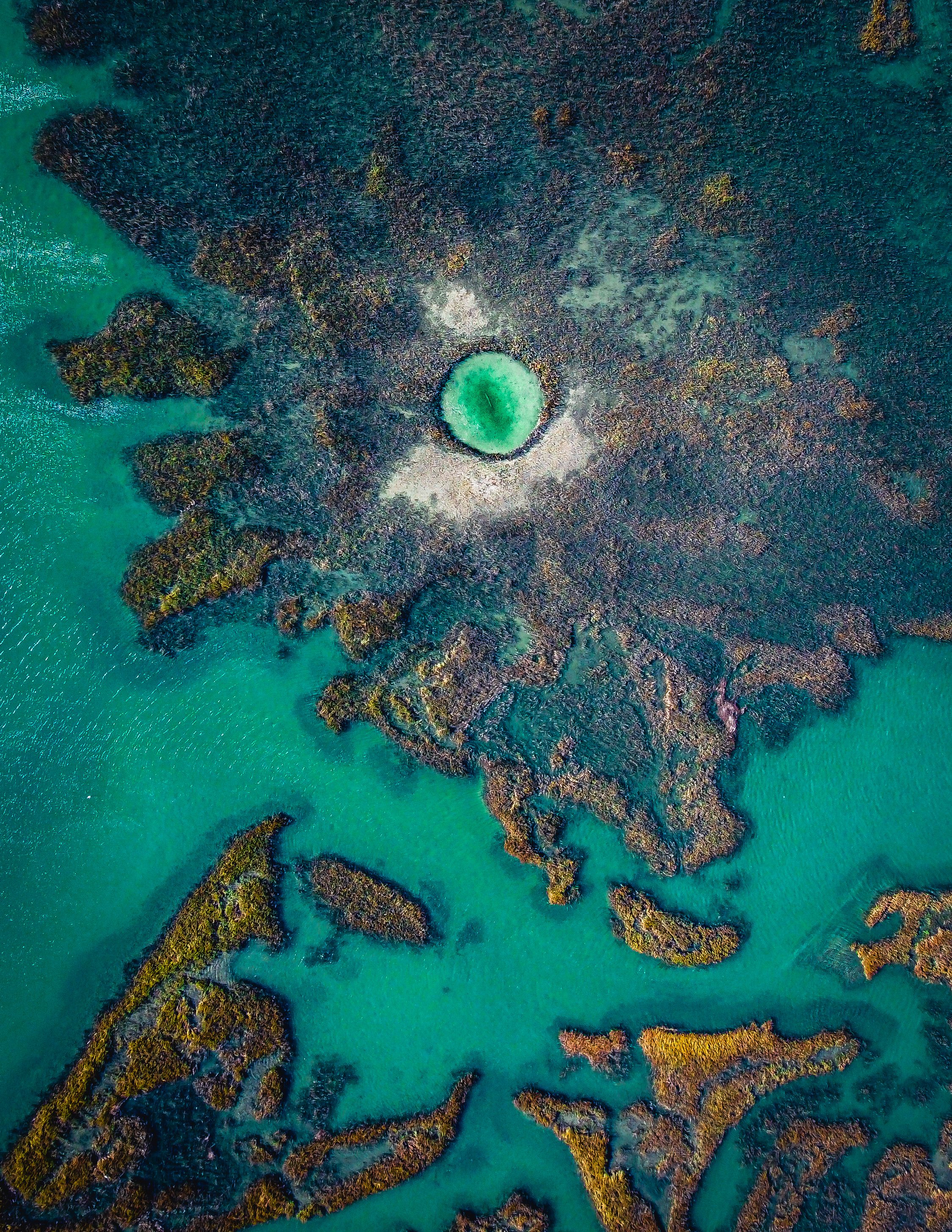
Olokun.
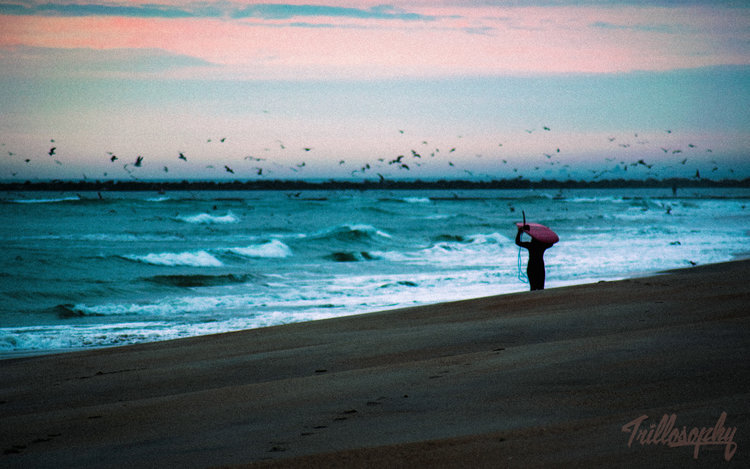
serenity.
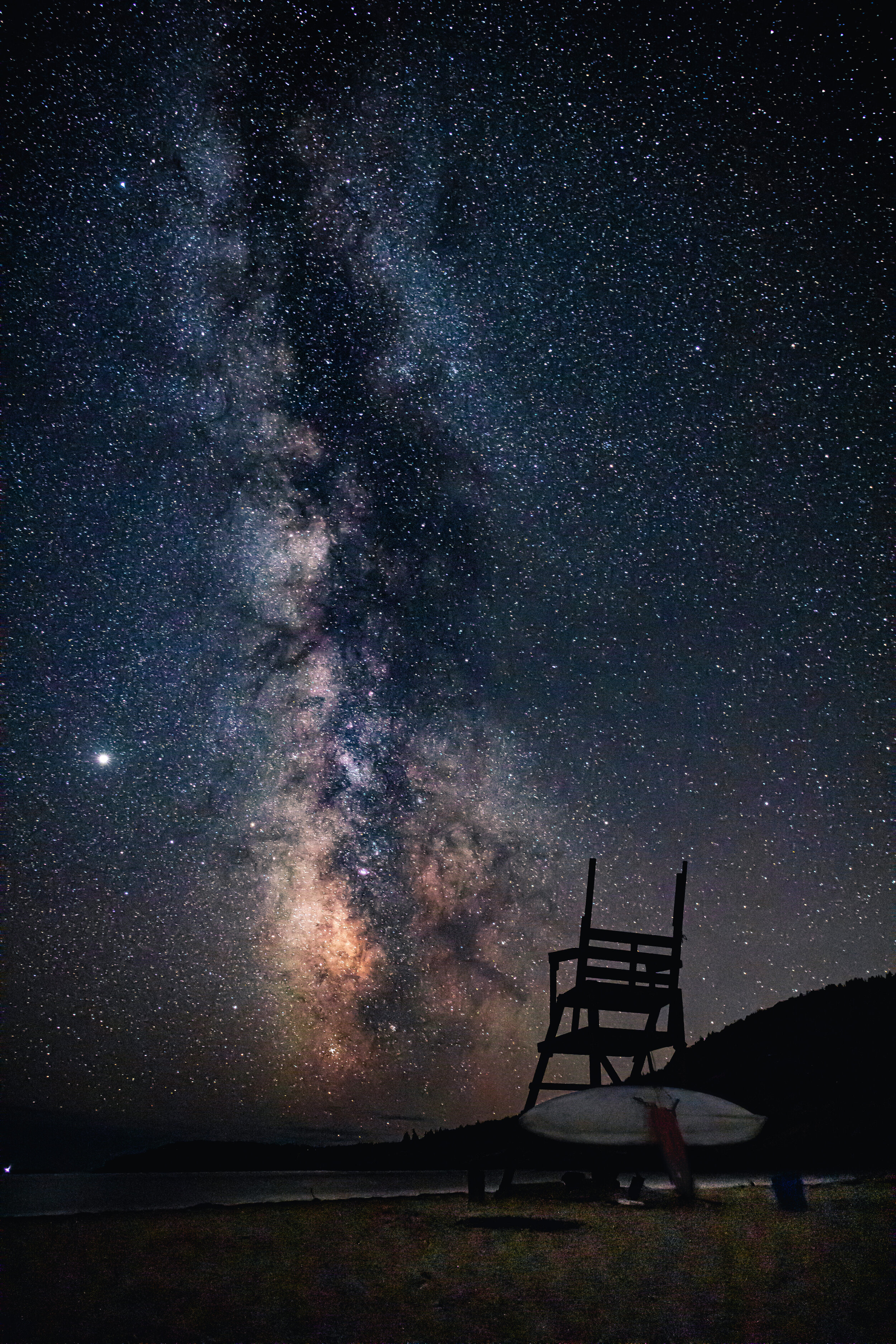
gravity.

crest.
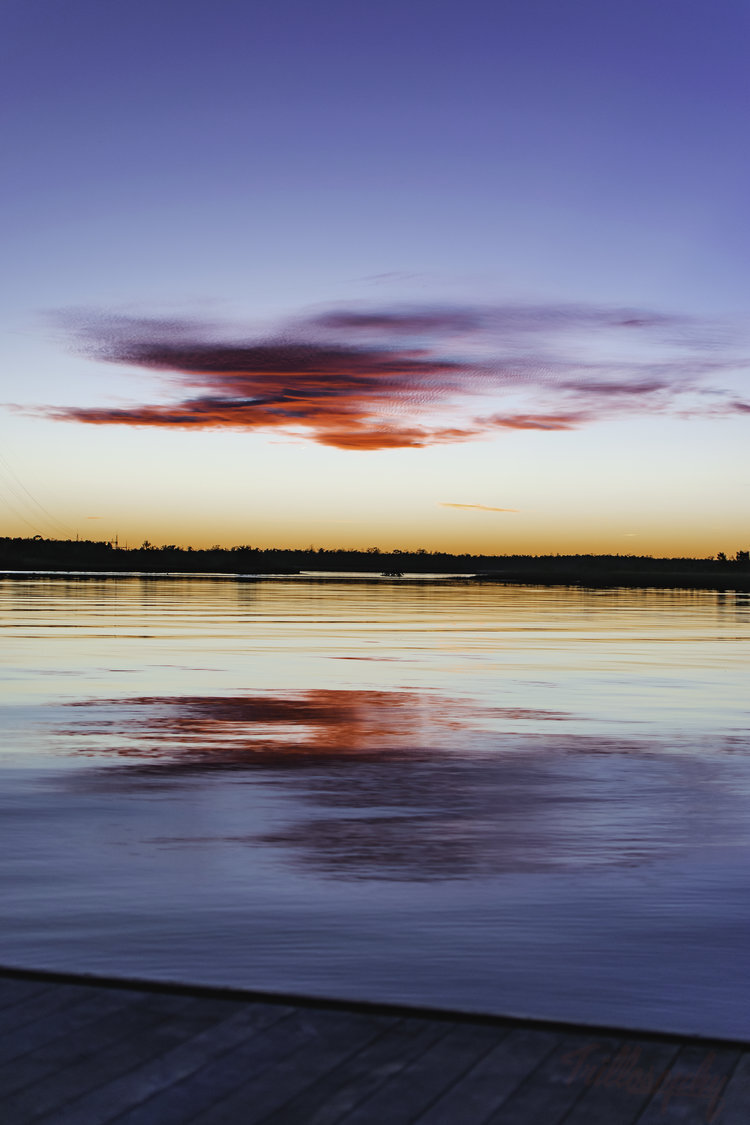
hyaline.
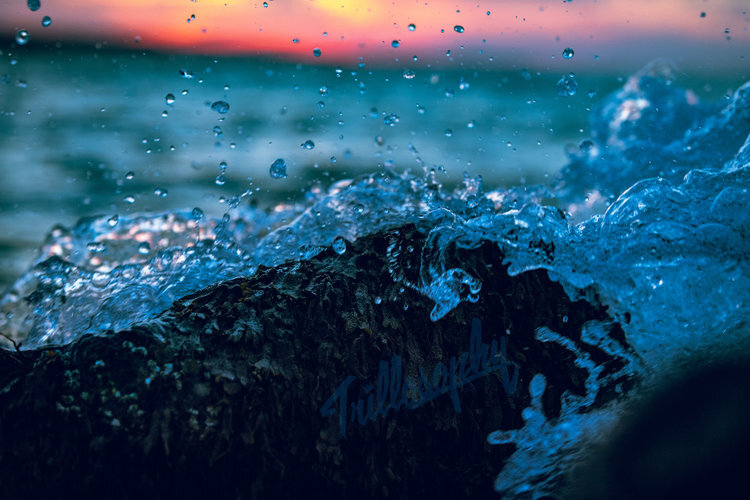
jaup.
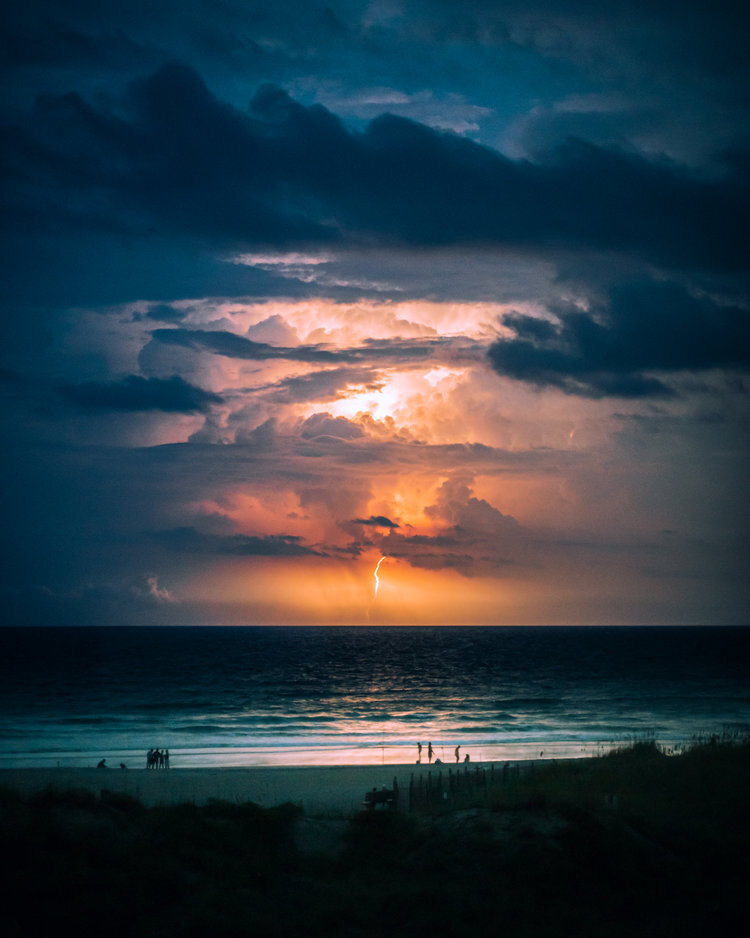
tempest.


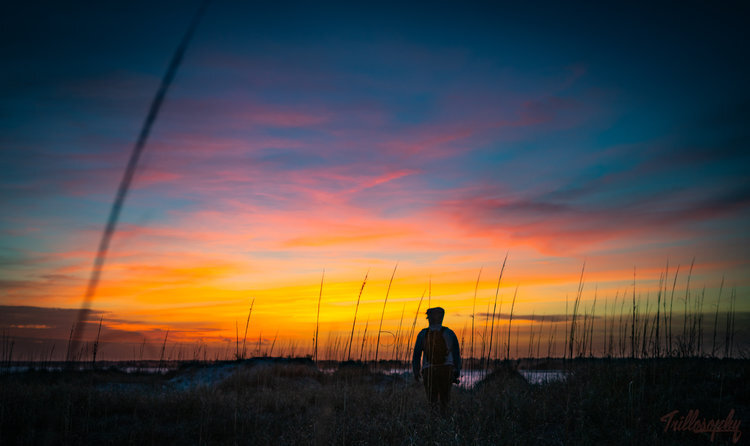
skyegasm.
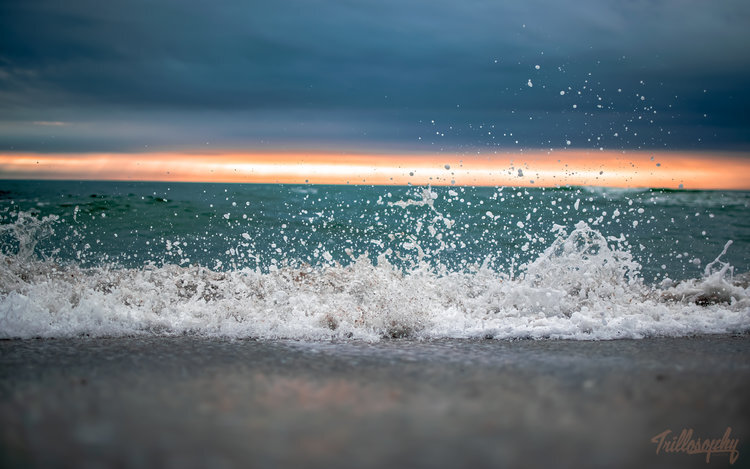
oceanspray.
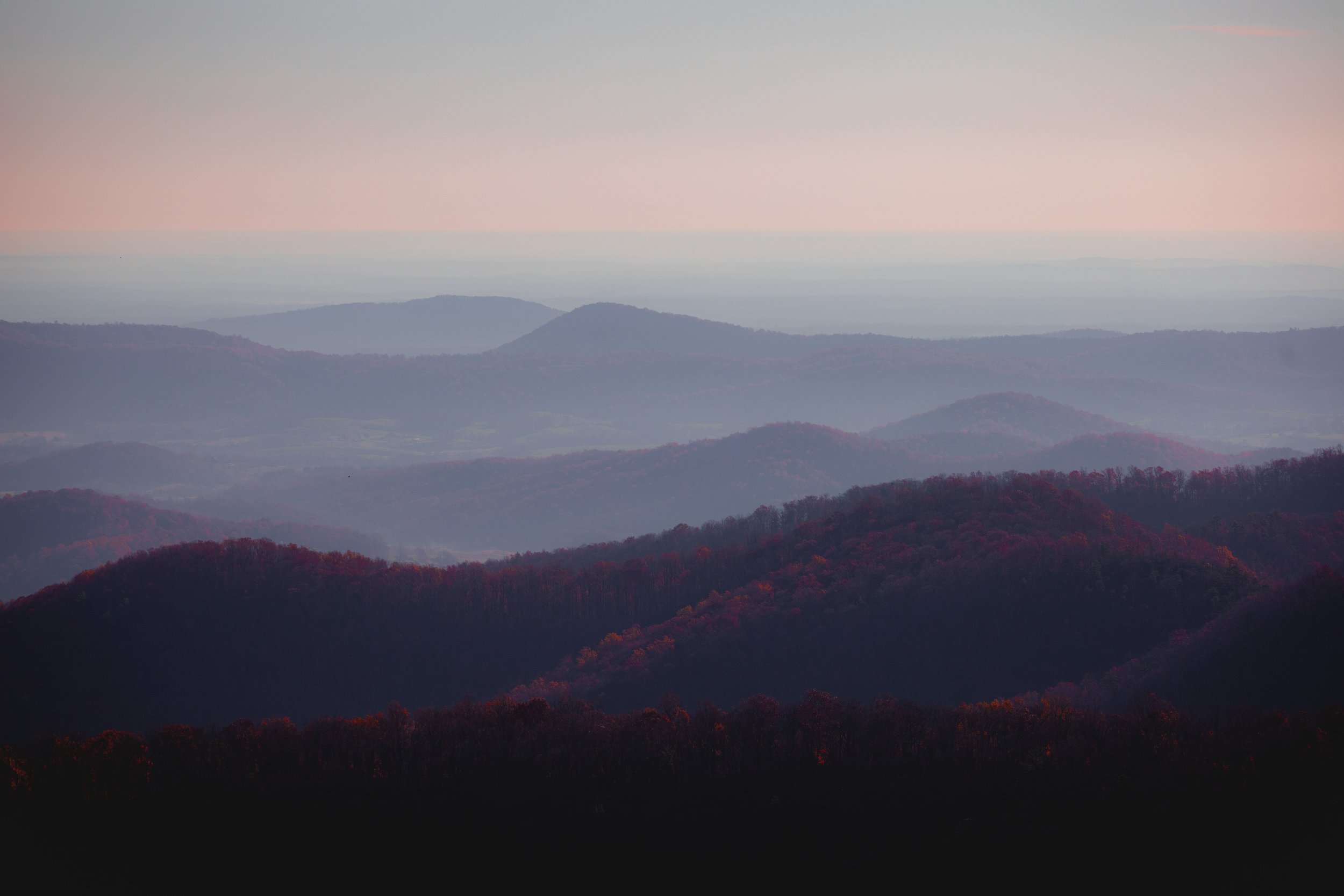
crimson peaks.

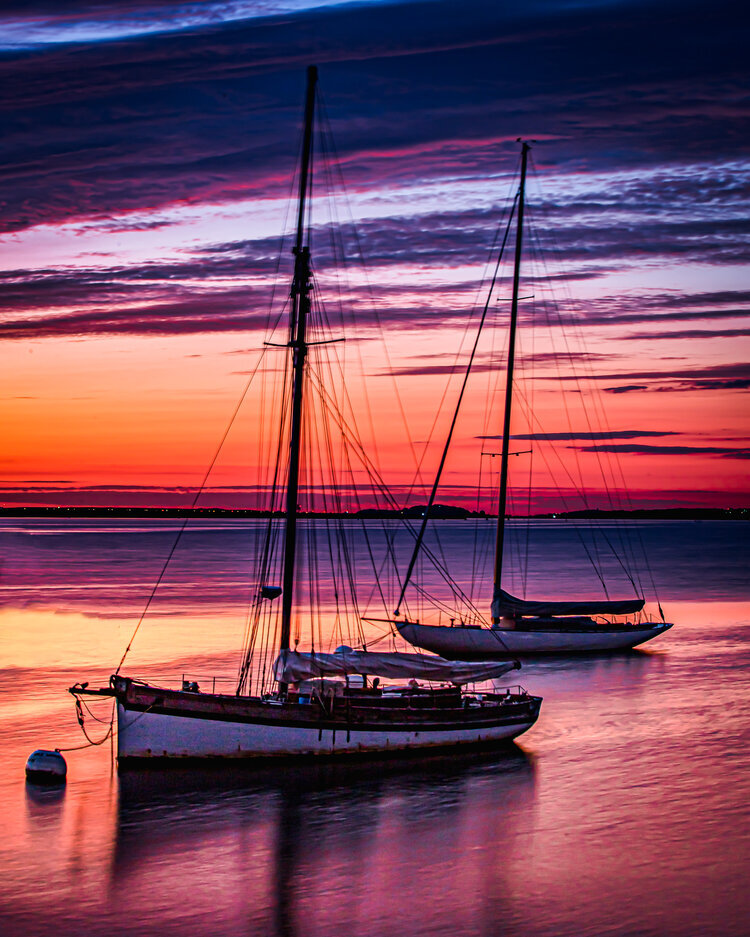
sorbet.
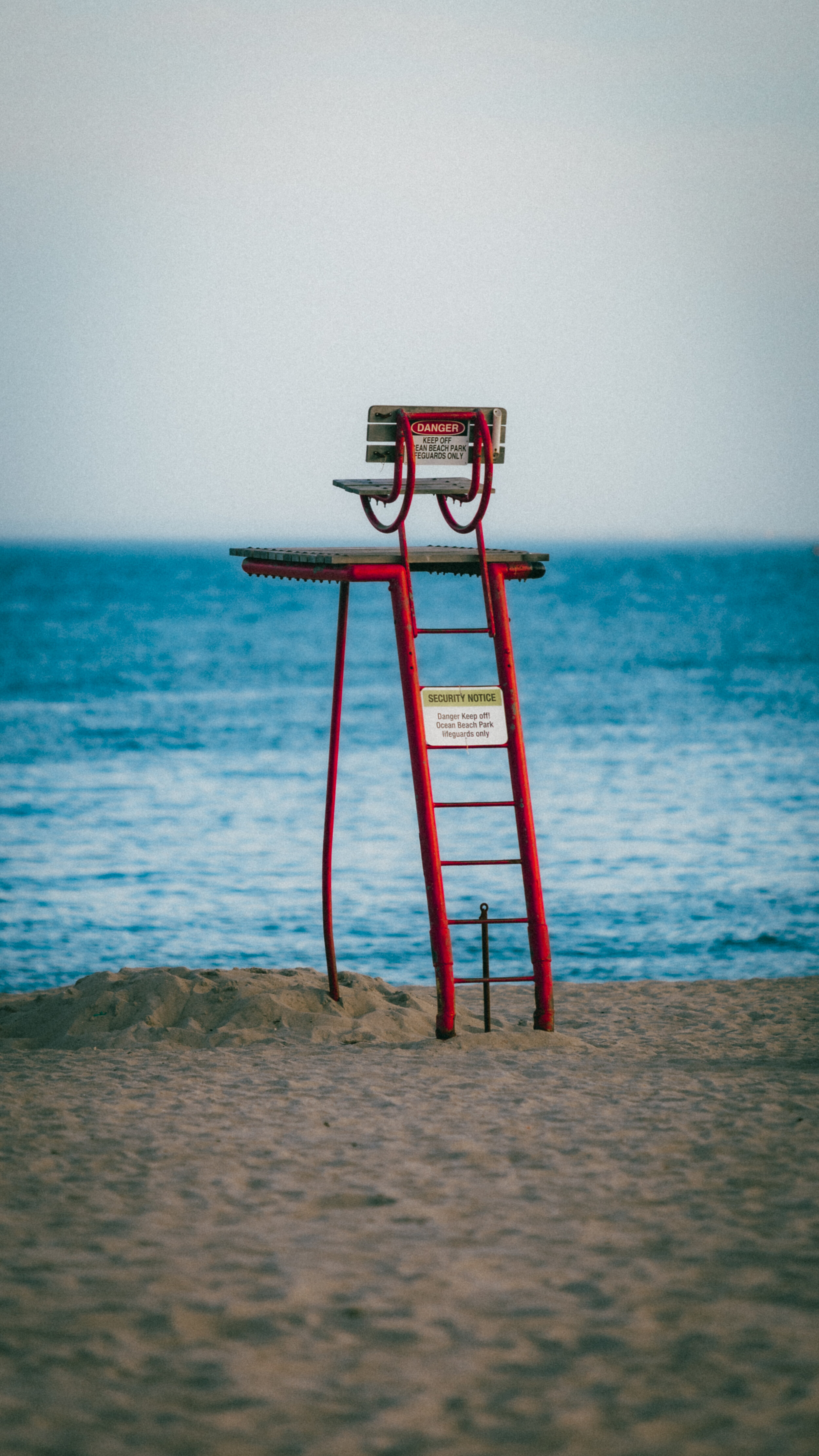
unattended.
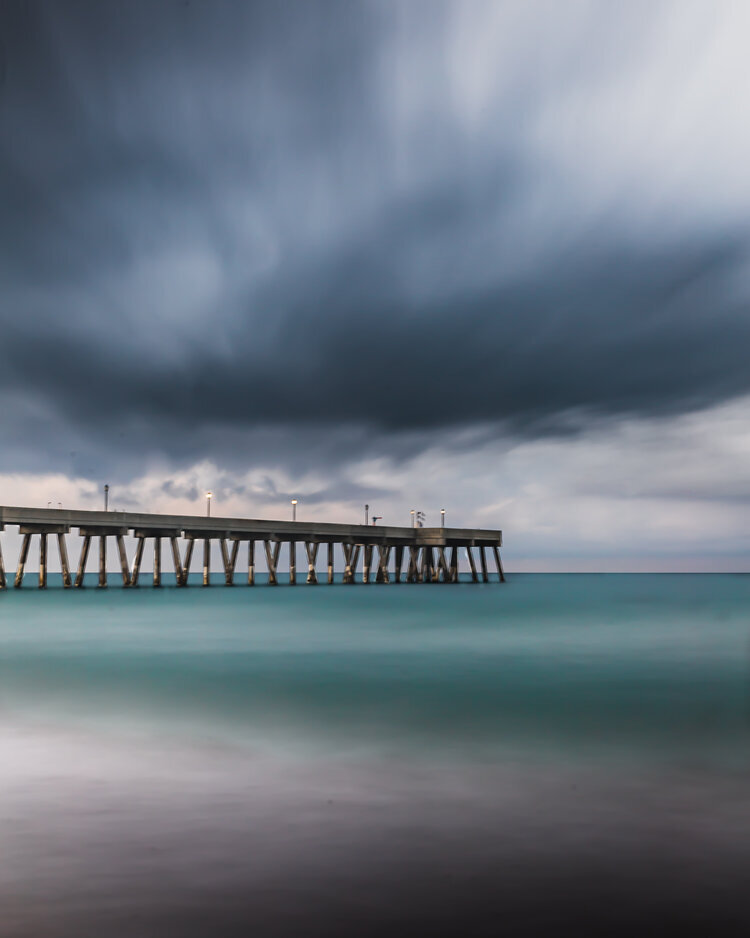
johnny mercer 1.

johhny mercer 2.
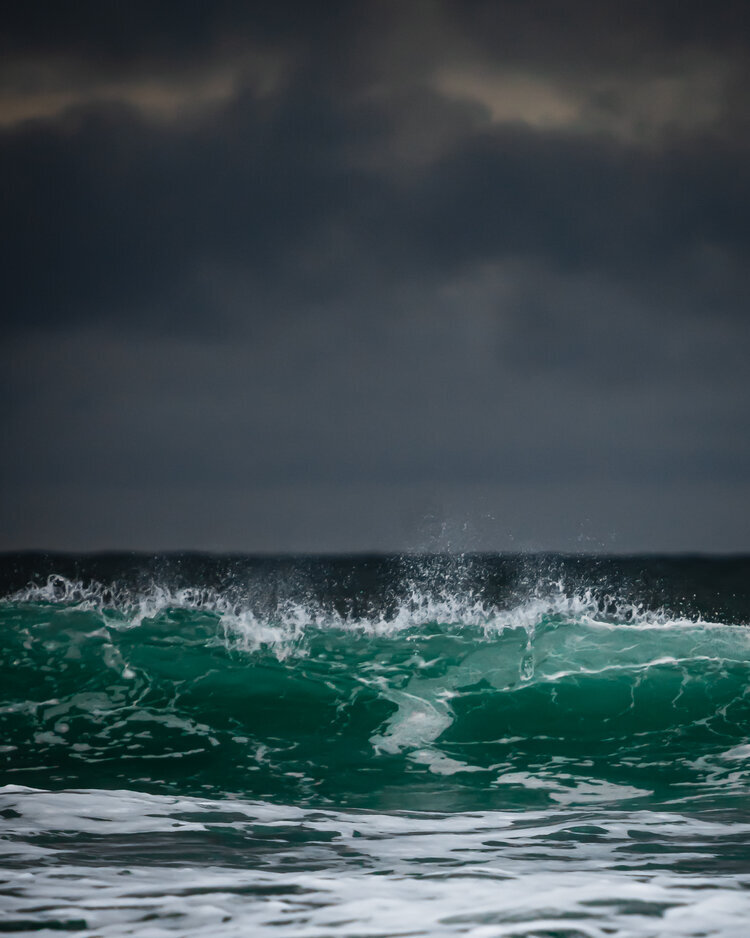
toward drowning.


tube-ular.


holidaze.

sunrise.
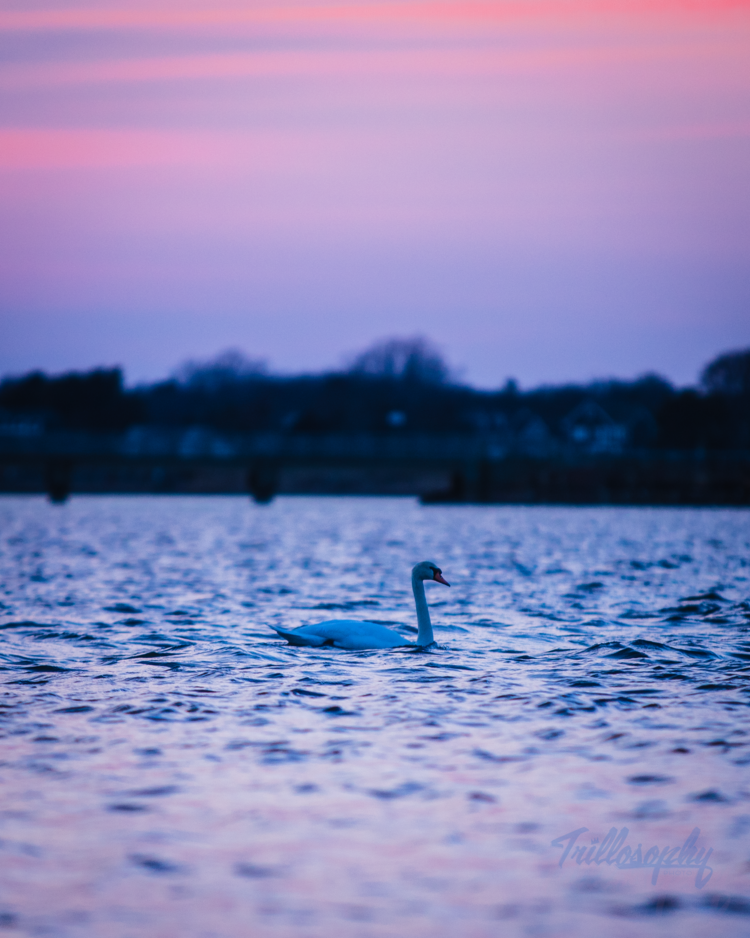
cygne.

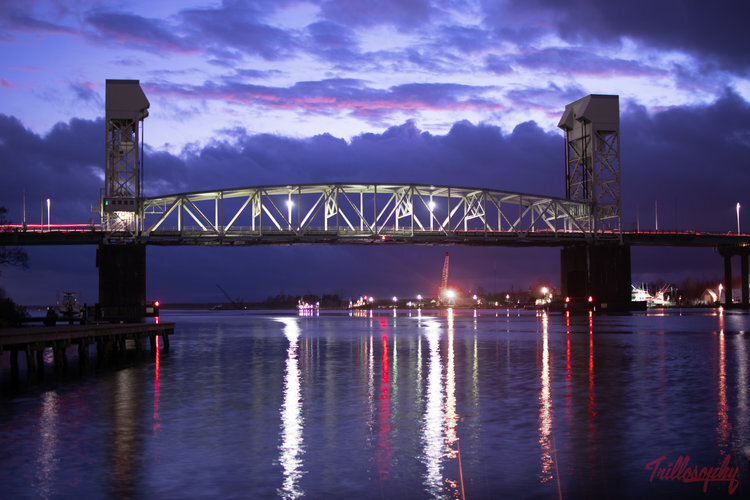
cape fear.
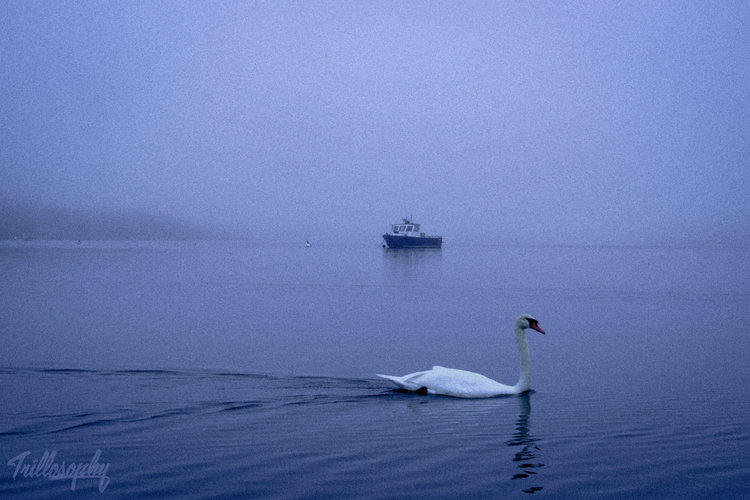
schwäne.
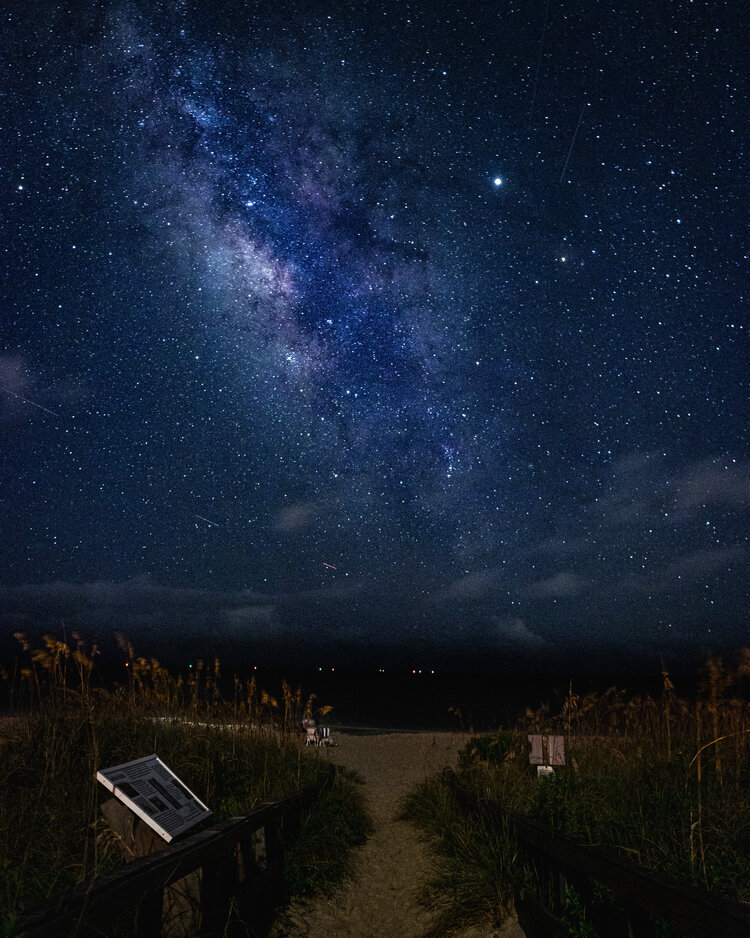
ethereal.

skyving.
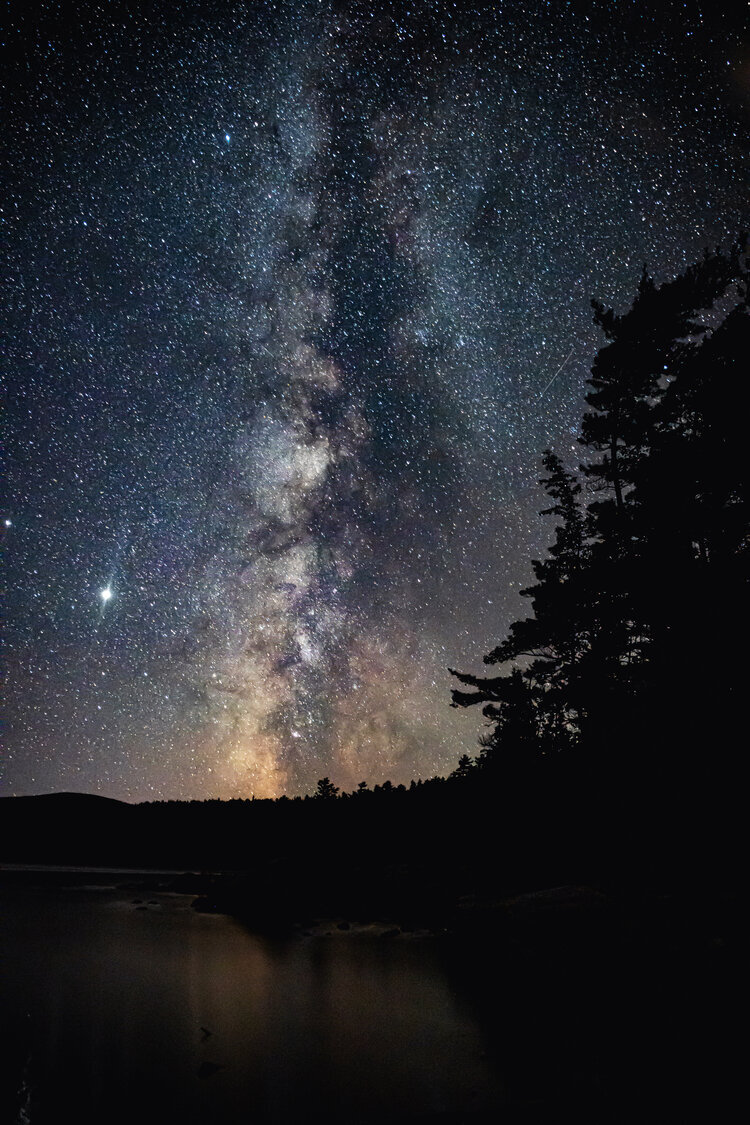
drops of jupiter.
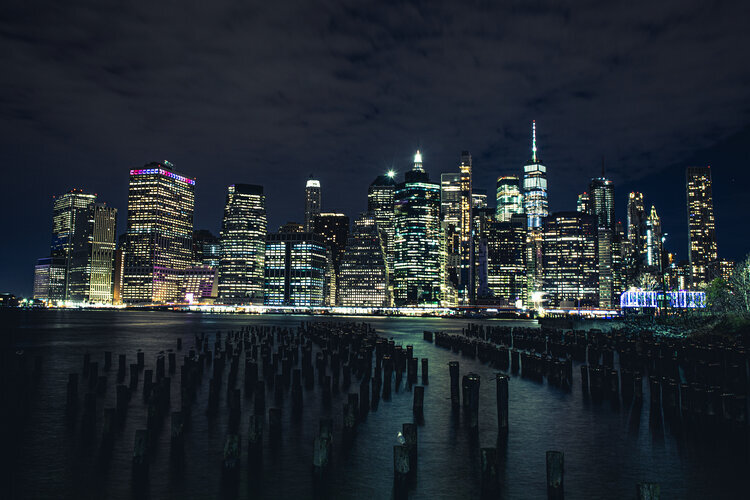
new amsterdam.

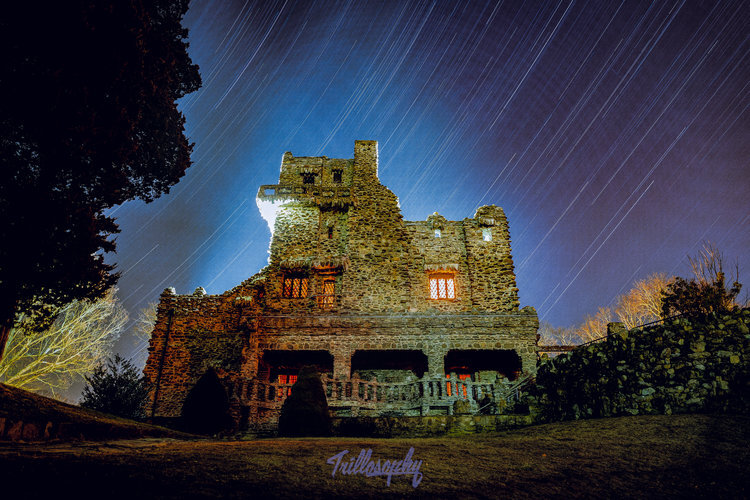
gilette.
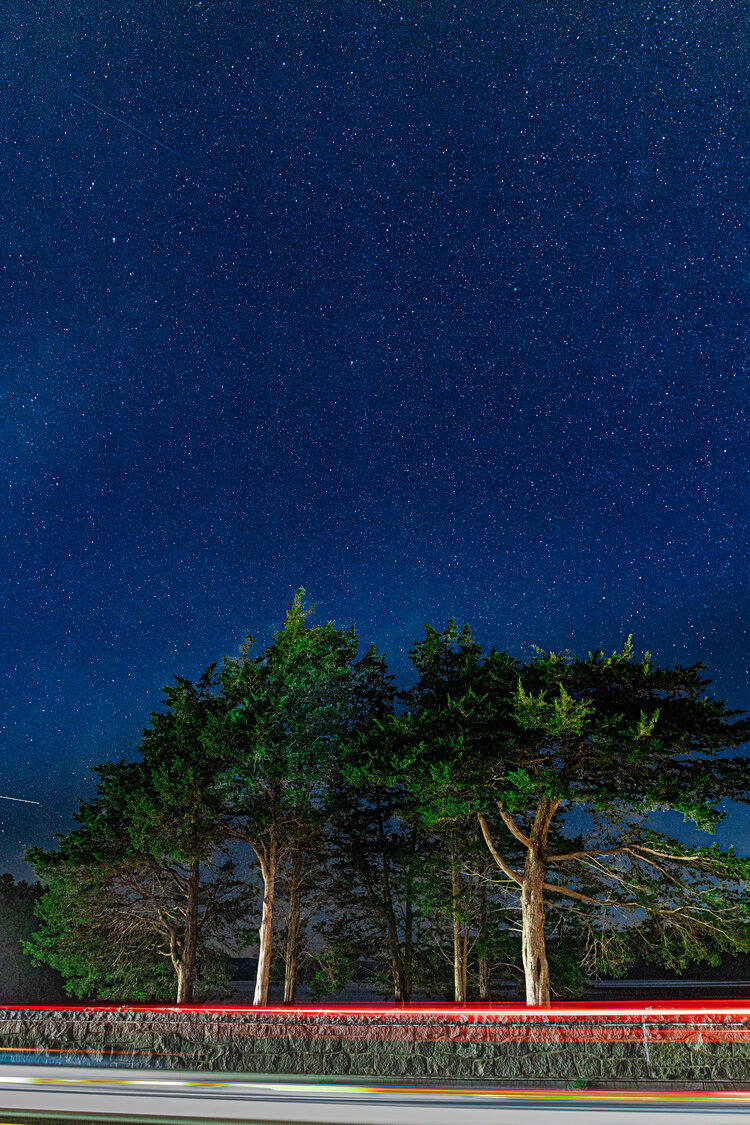
spectrum.
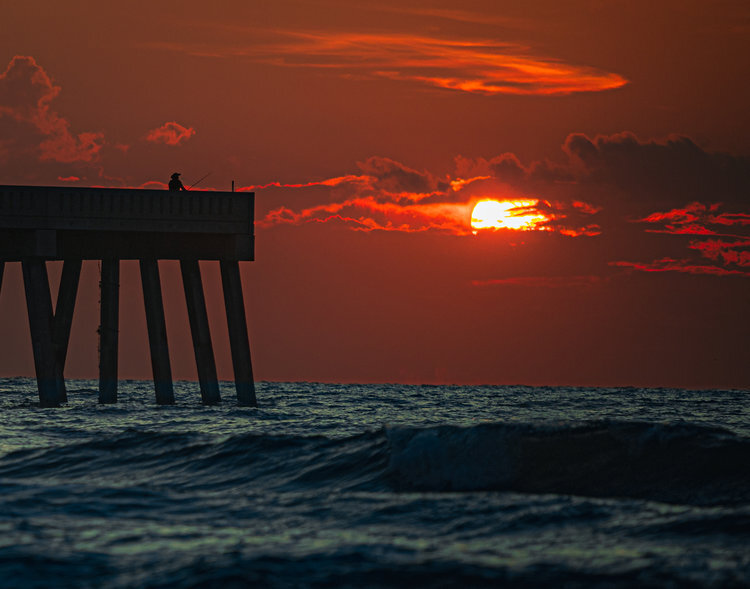
reeling dawn.

electric ladyland.
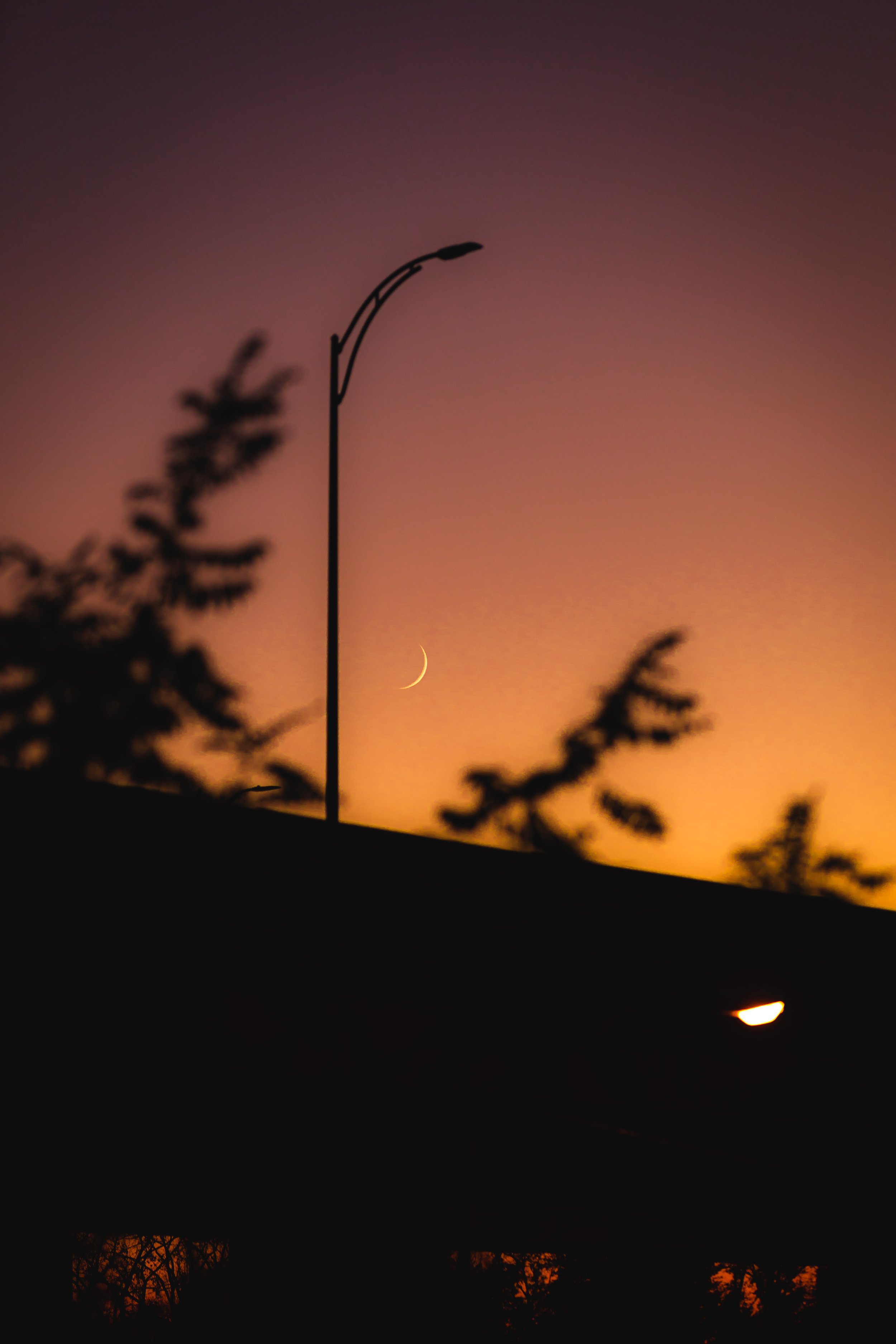
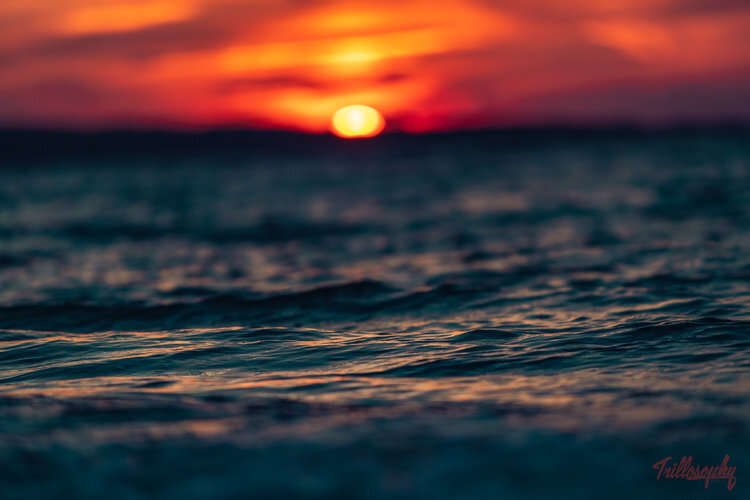
repose.
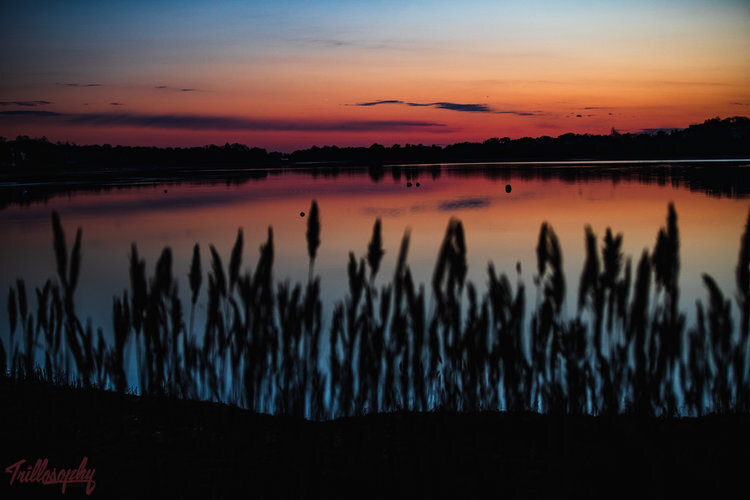
se-reed.

life sabre.
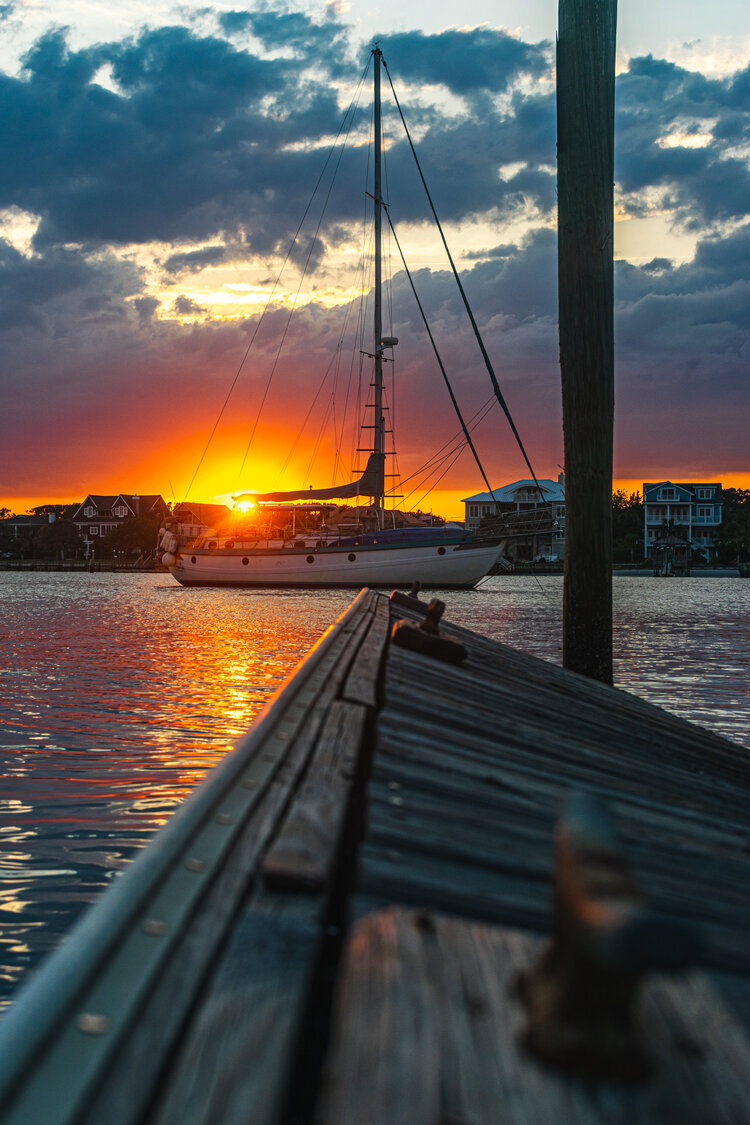
wobbly docks.
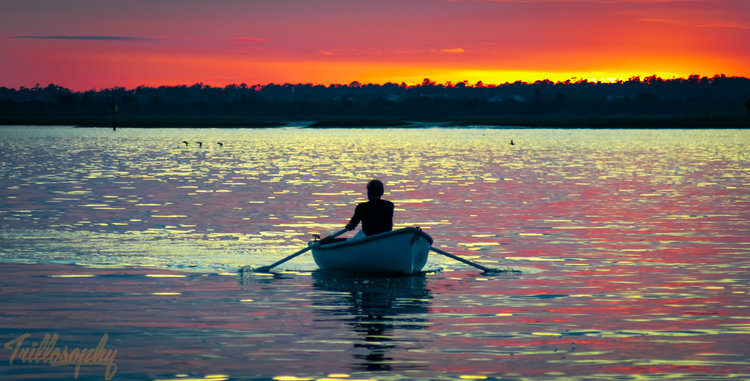
row.
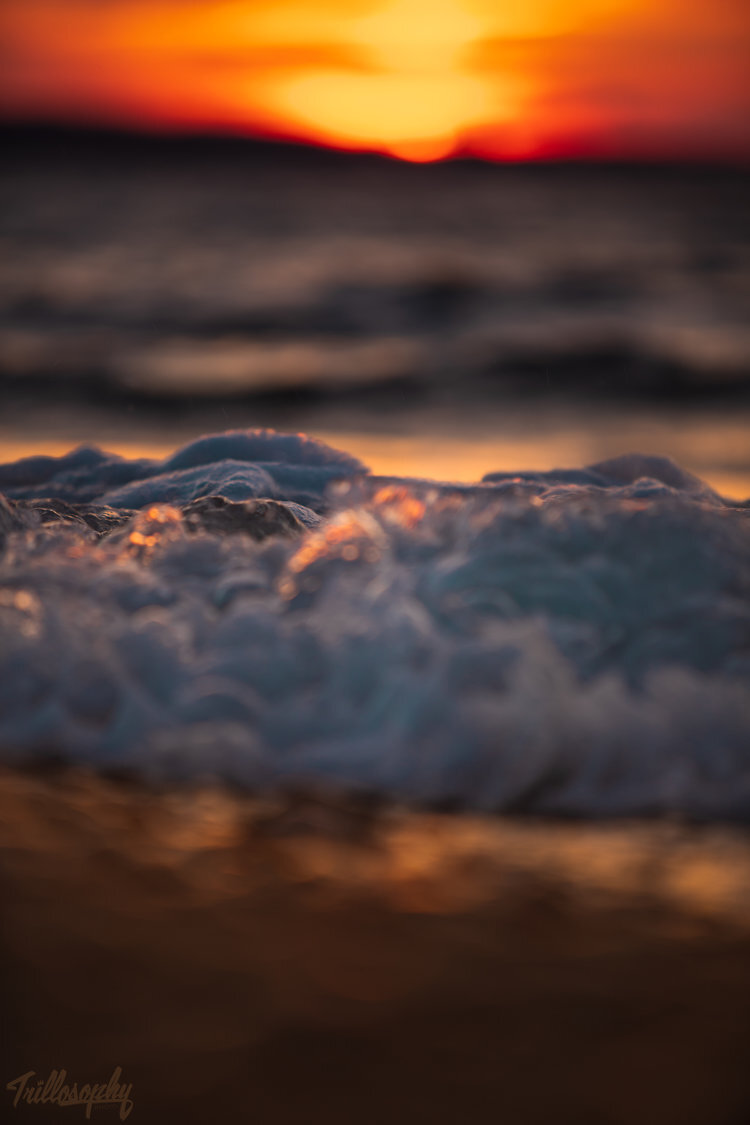
neap.
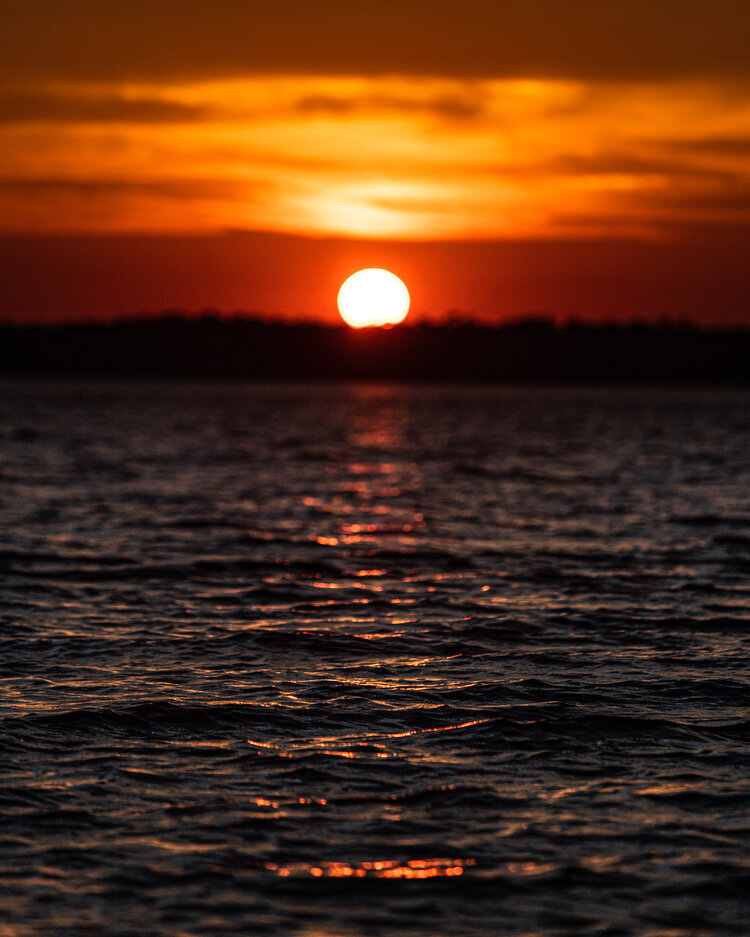
burn.


selfie.
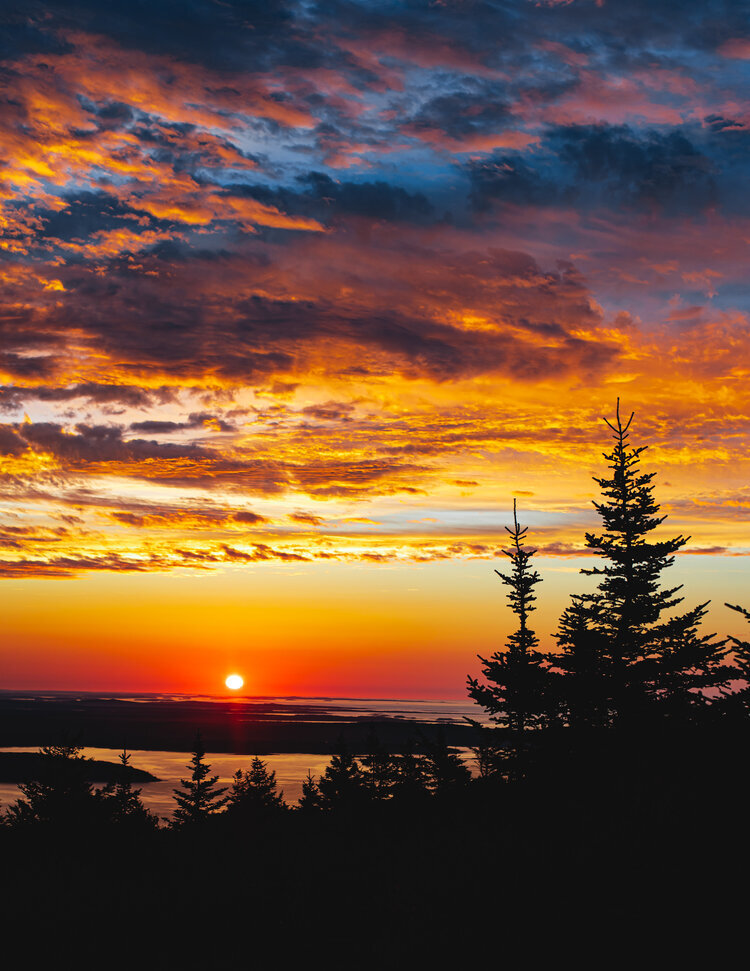
cadillac sunrise.

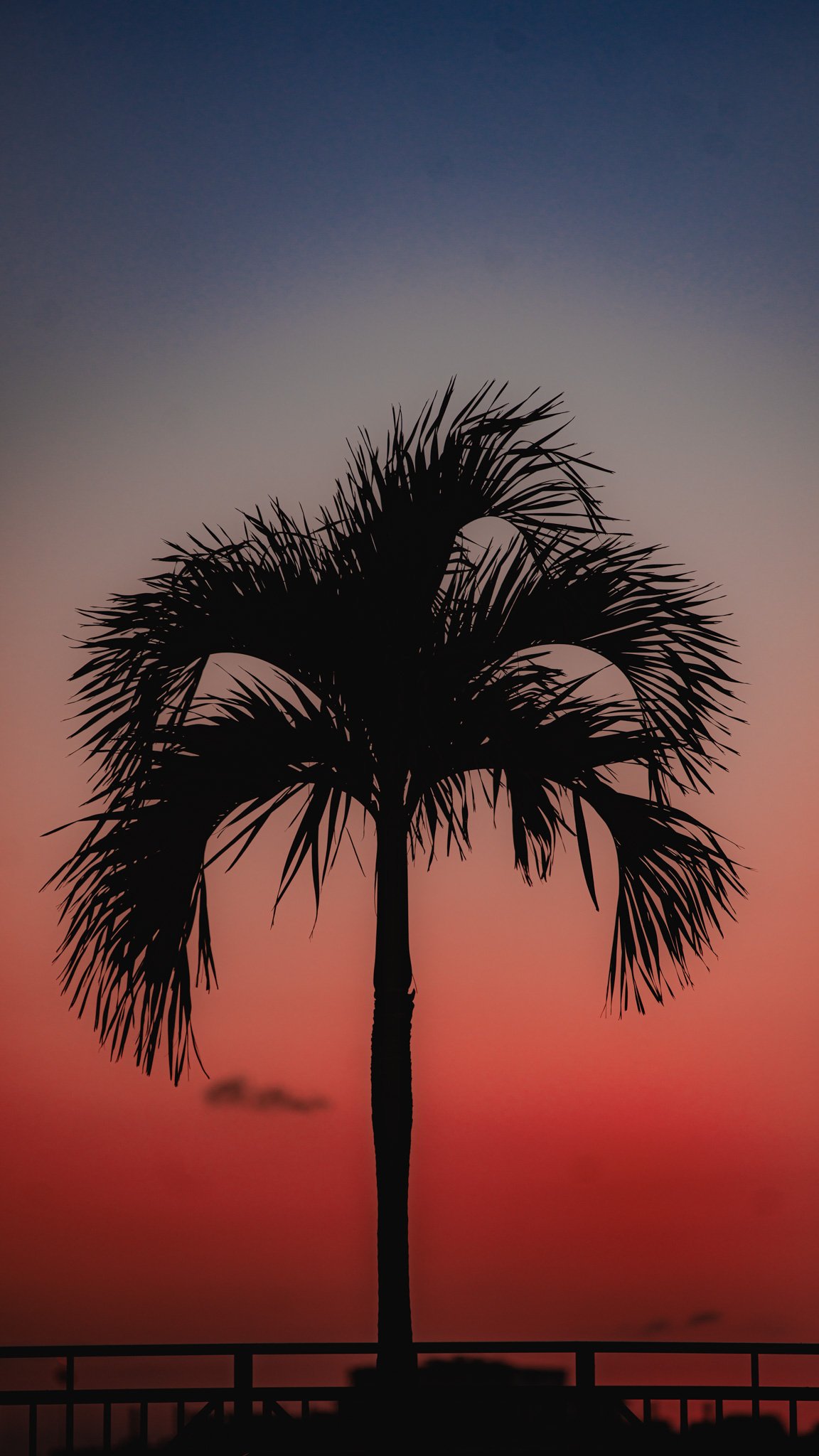
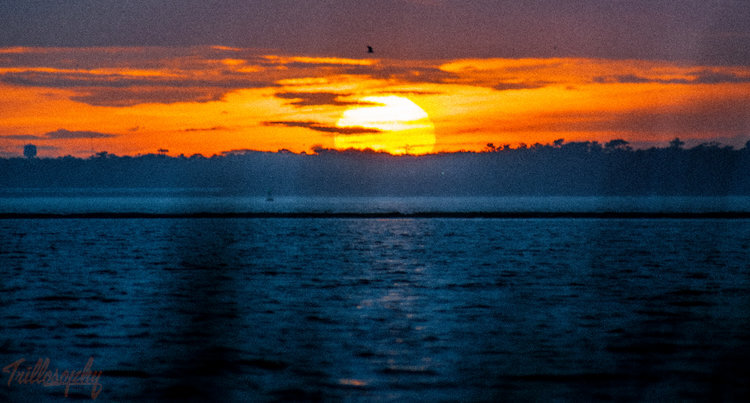
tangerine sunset.
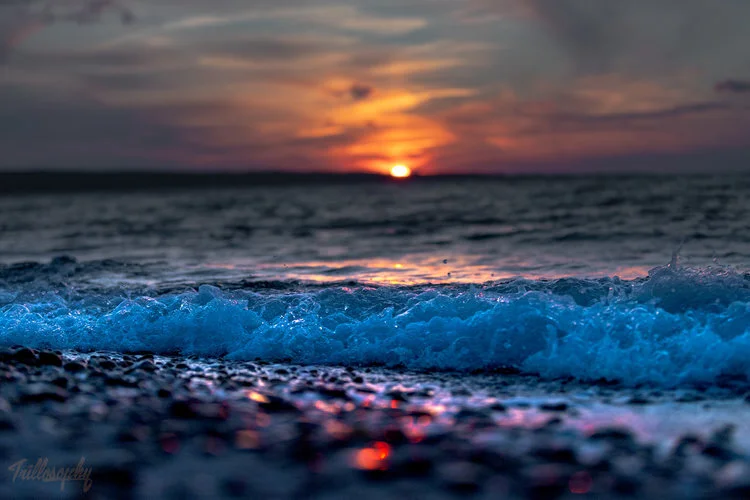
division.
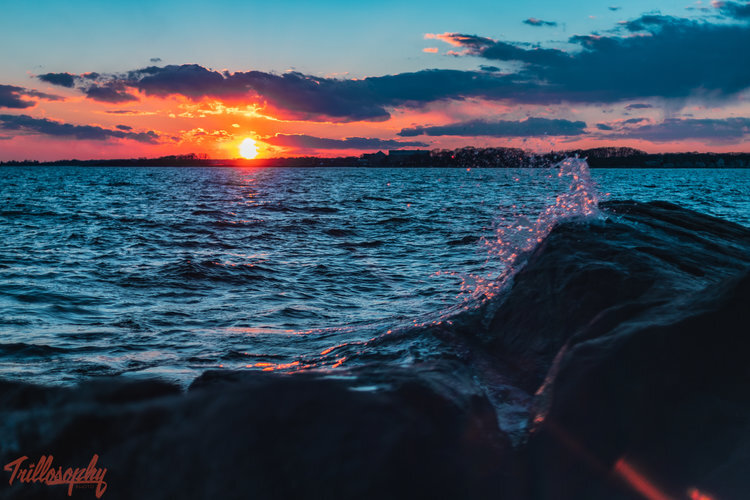
splash.
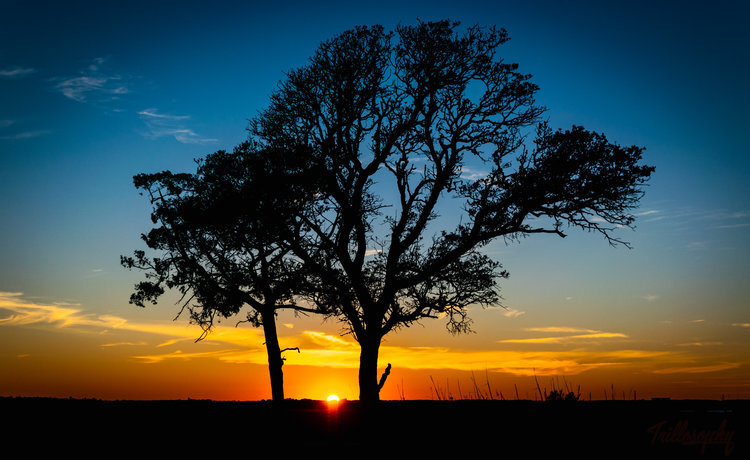
deasperate.
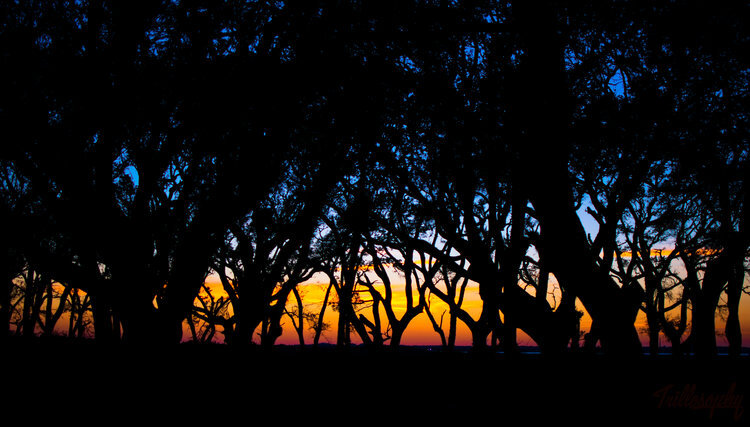
arterial.
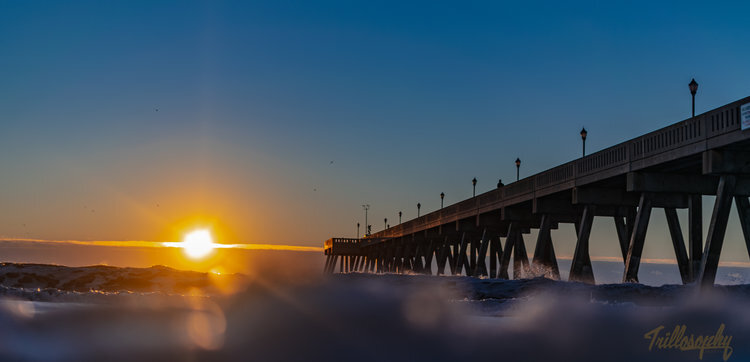
solitude.
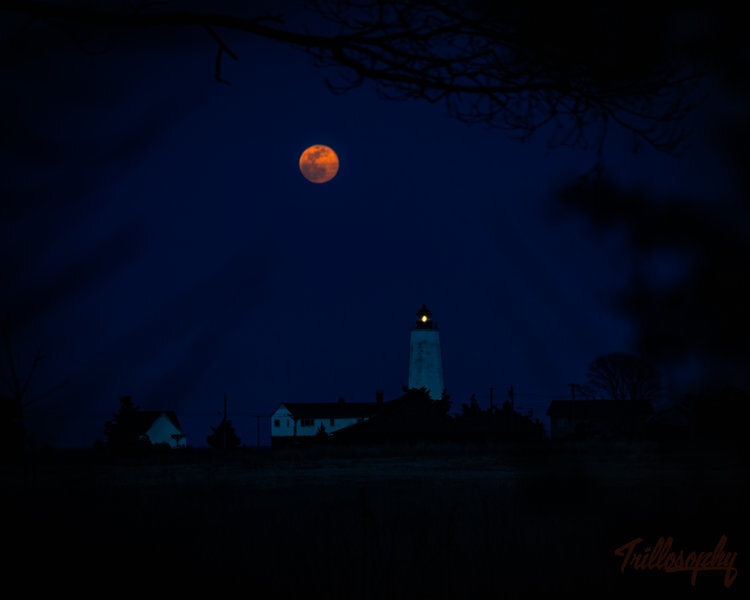
worm moon.

delighted sailor.
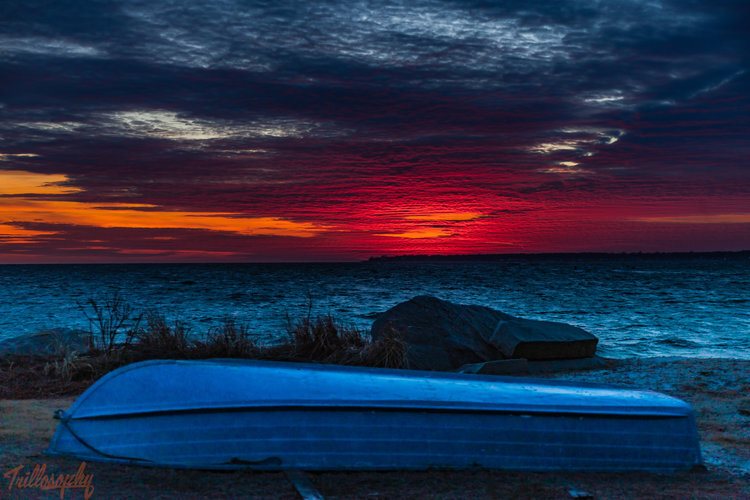
sailor's delight.
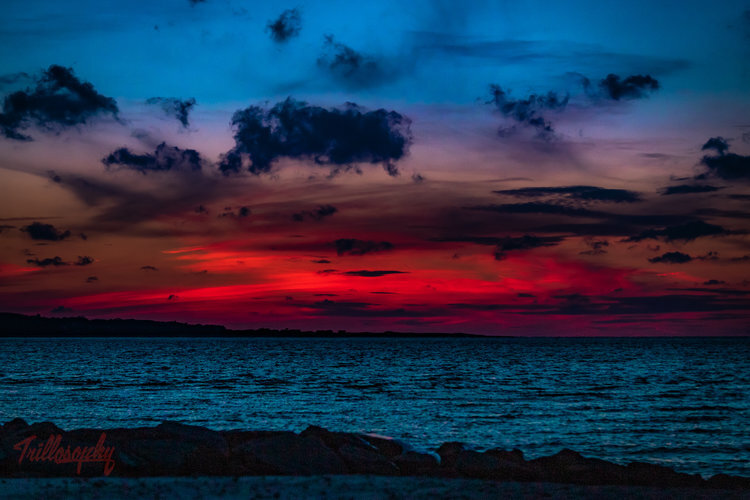
bruise.

cheese.
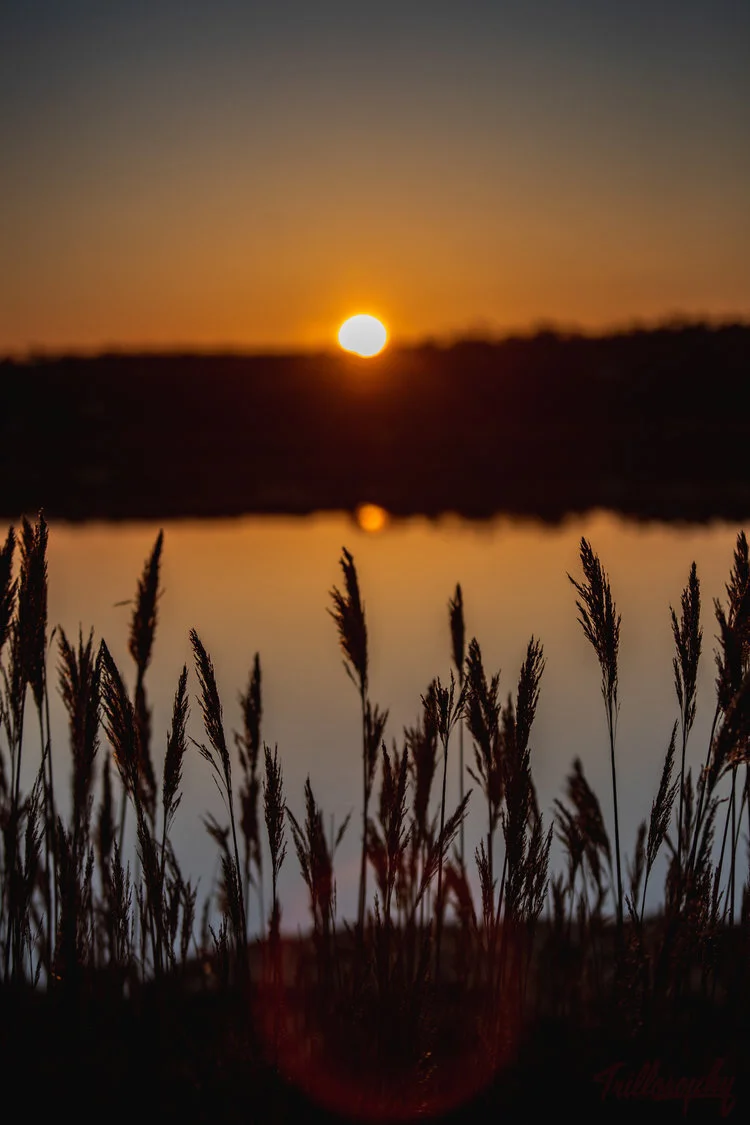
flare.

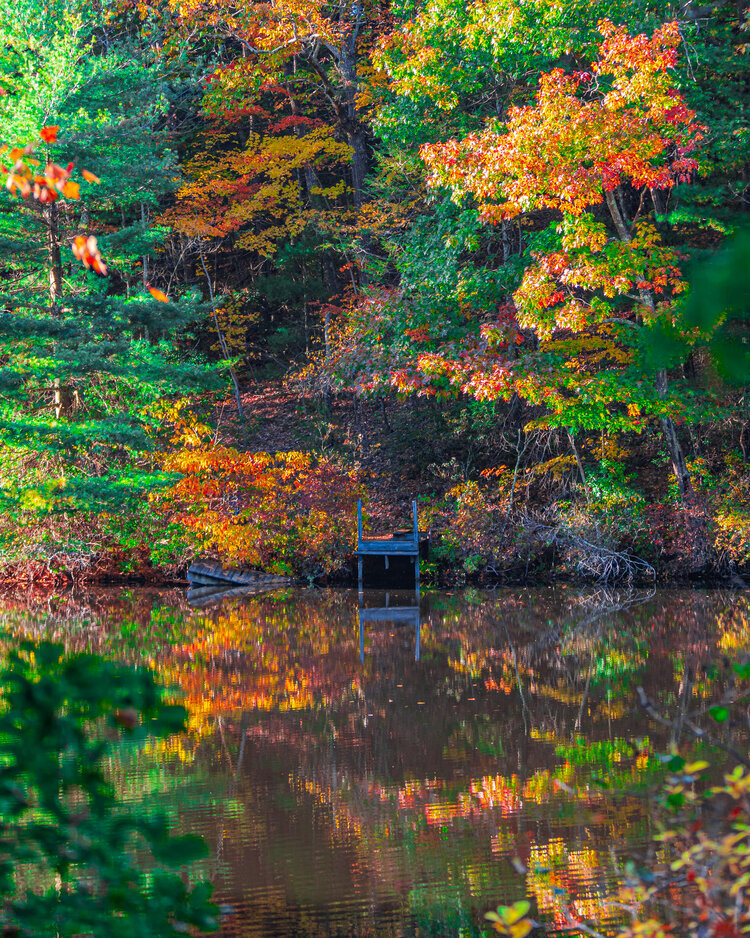
harvest moorning.

bish bash, fall.

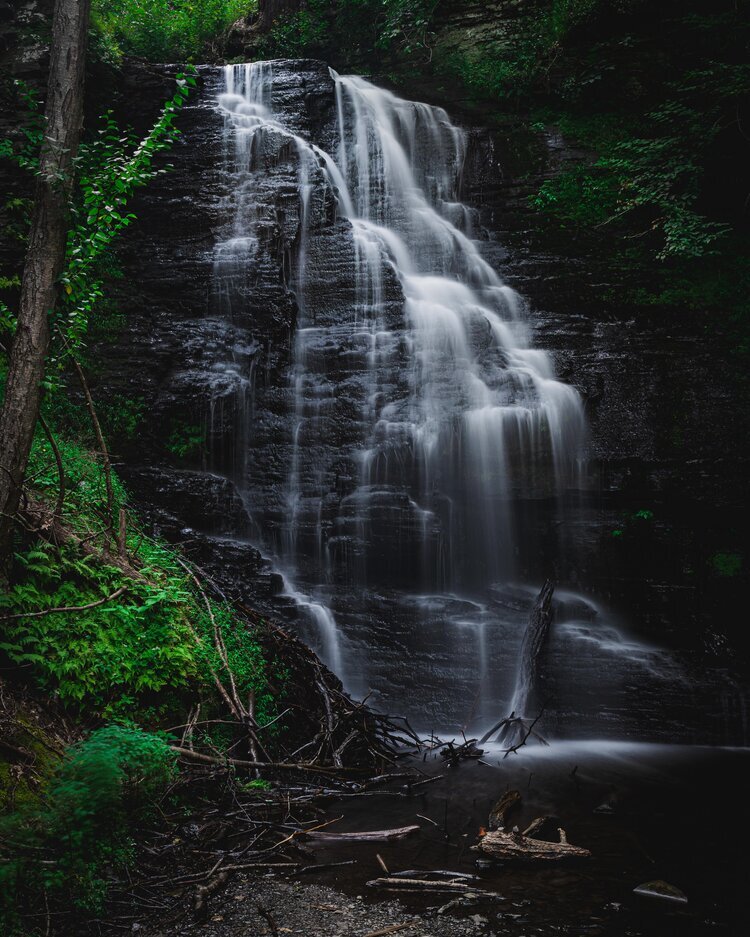
resolve.


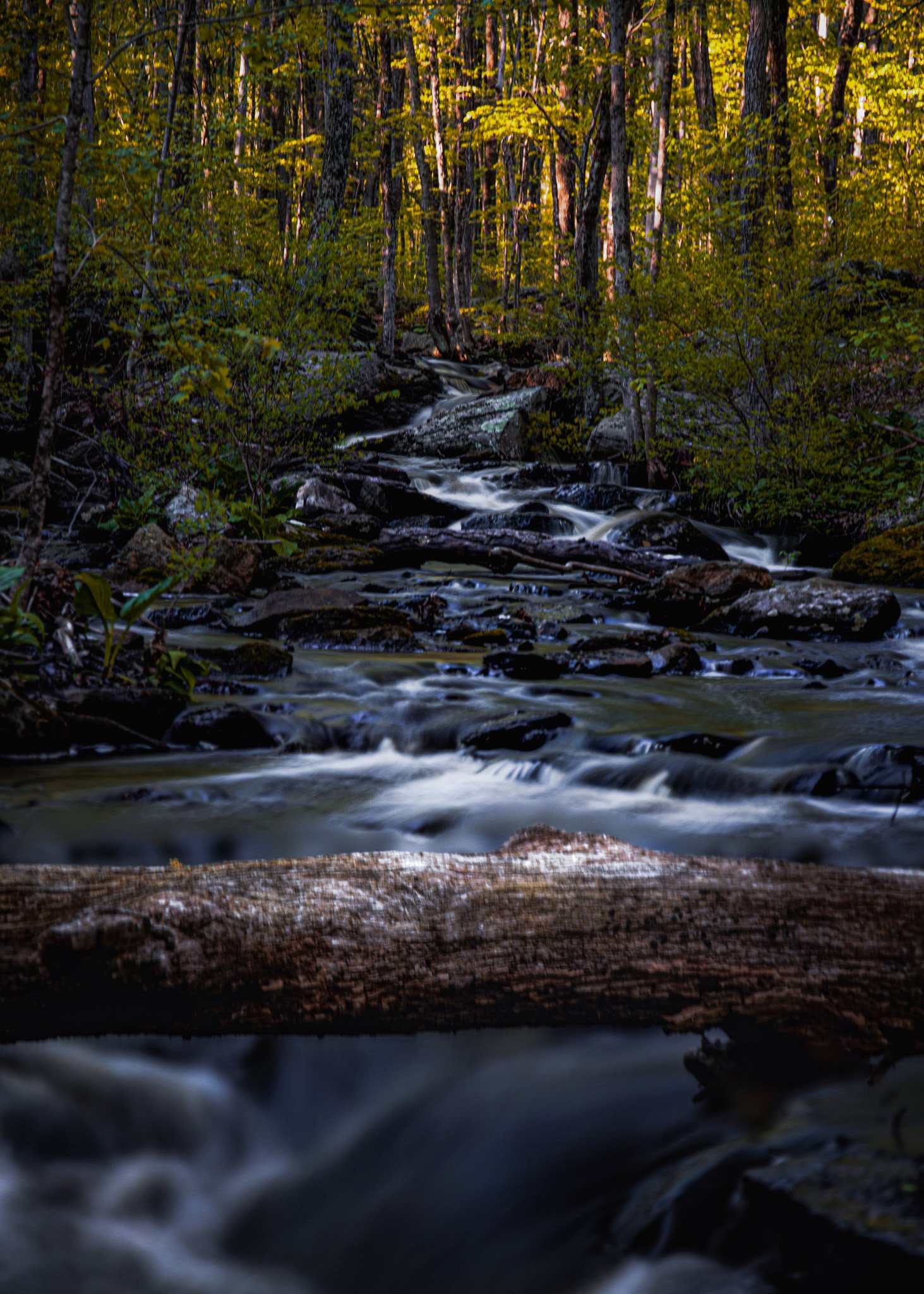

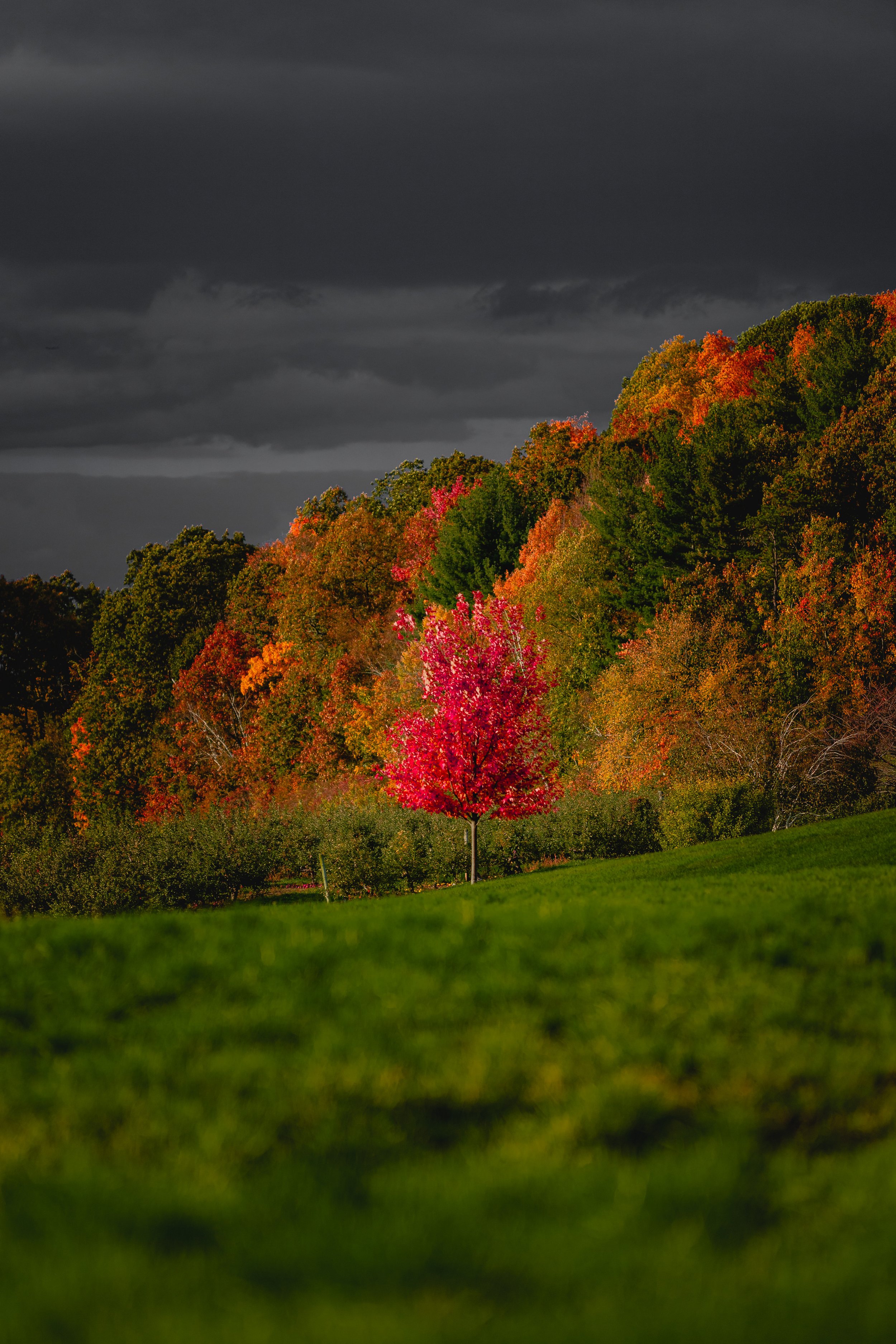


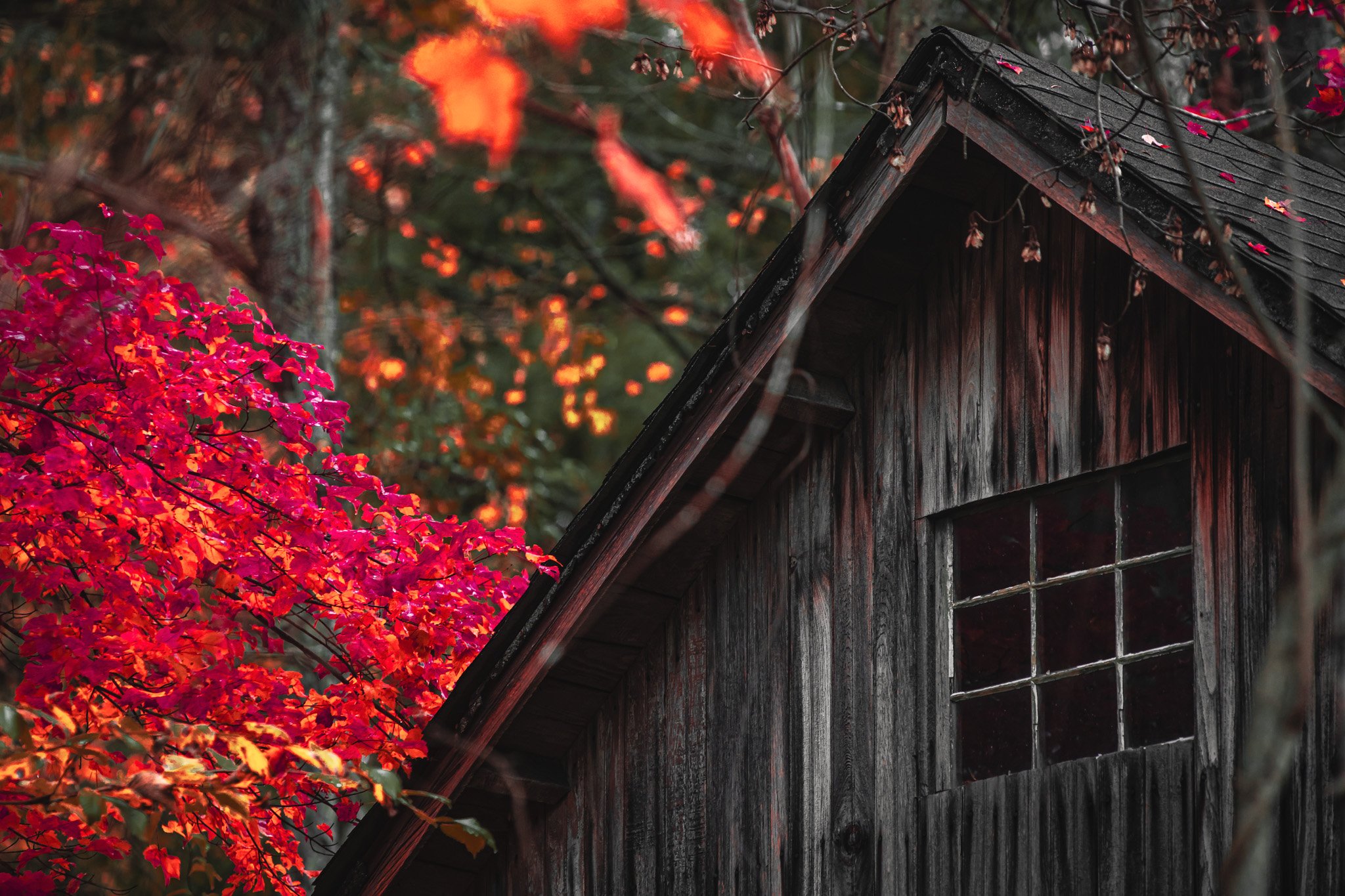


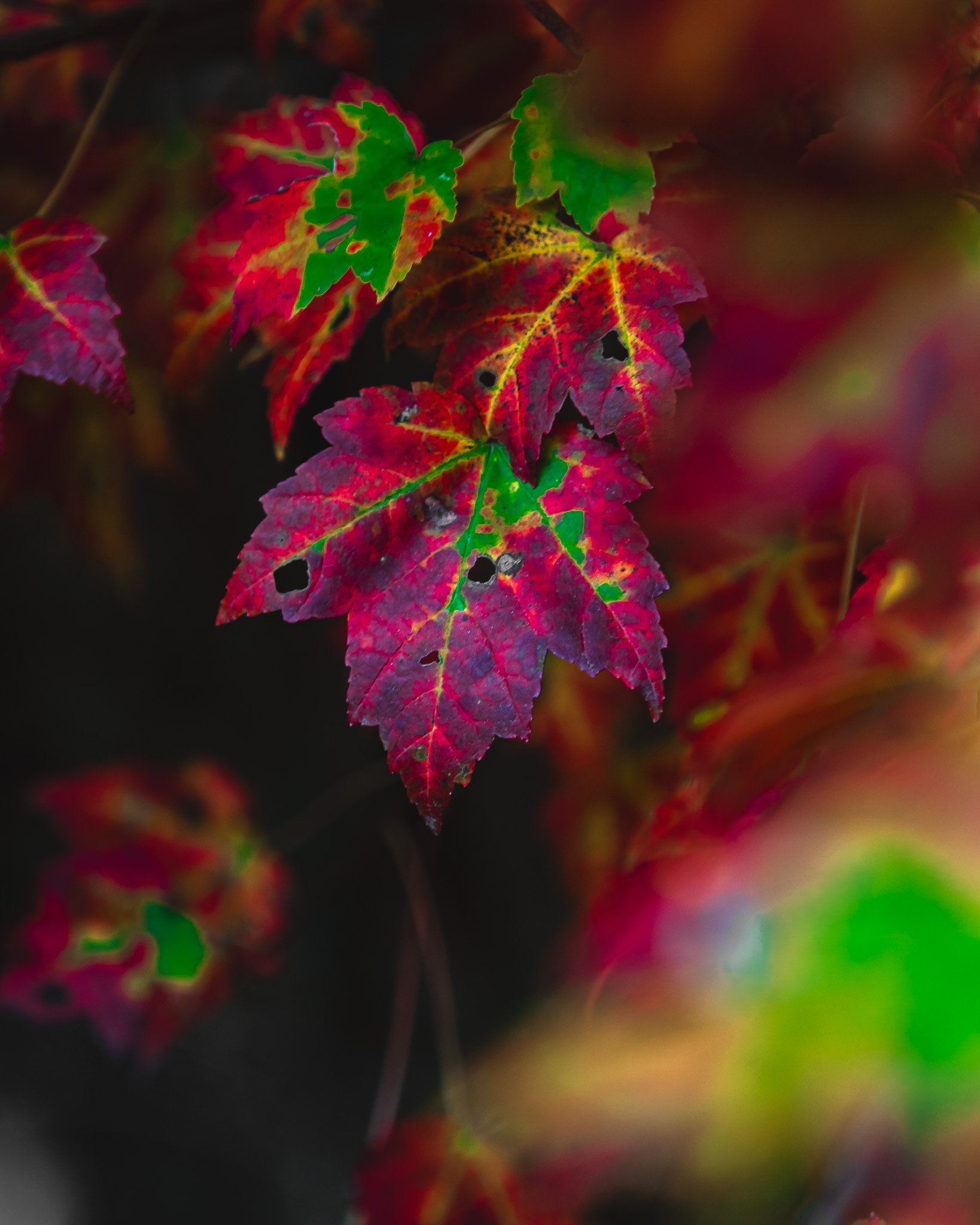
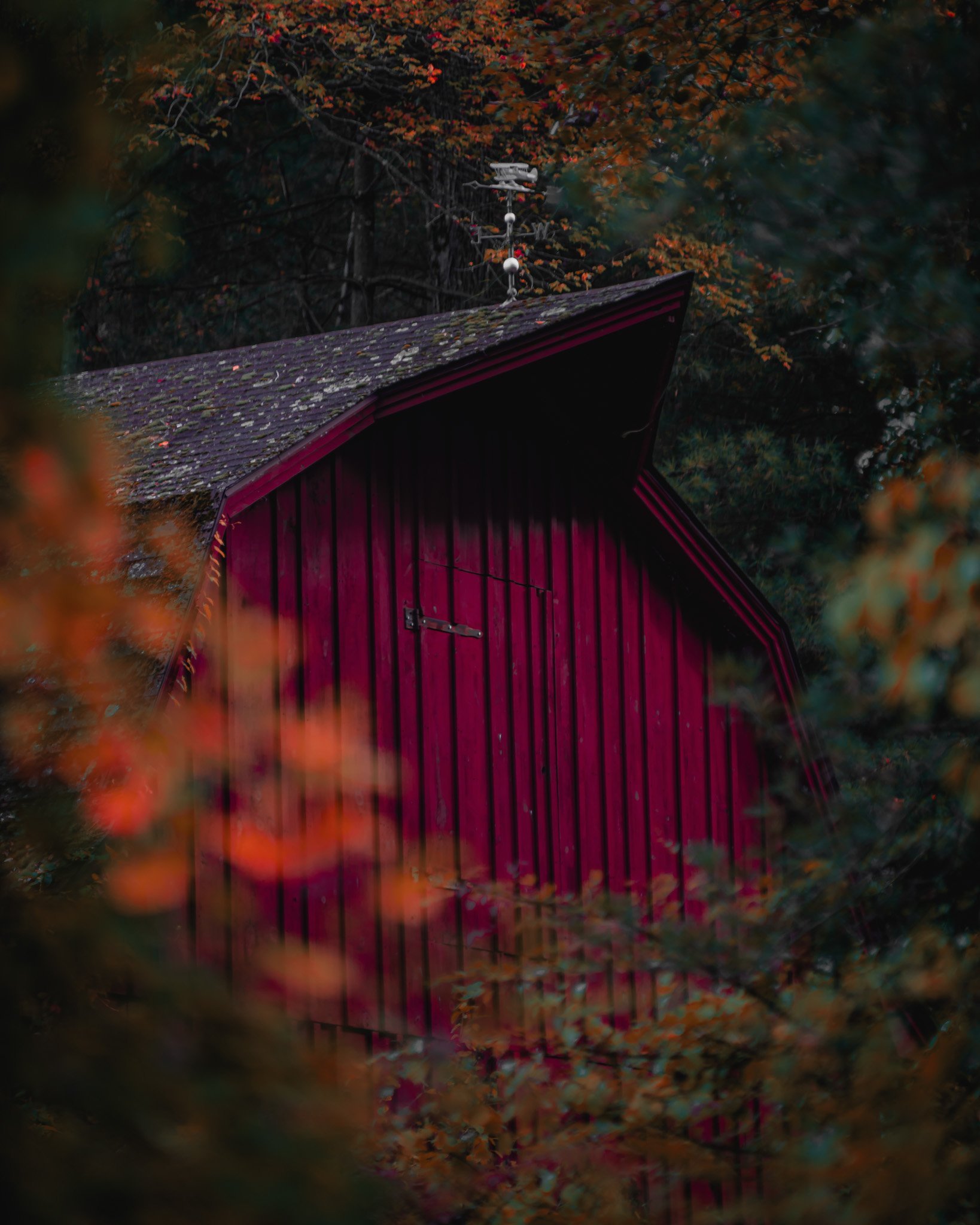


golden october.
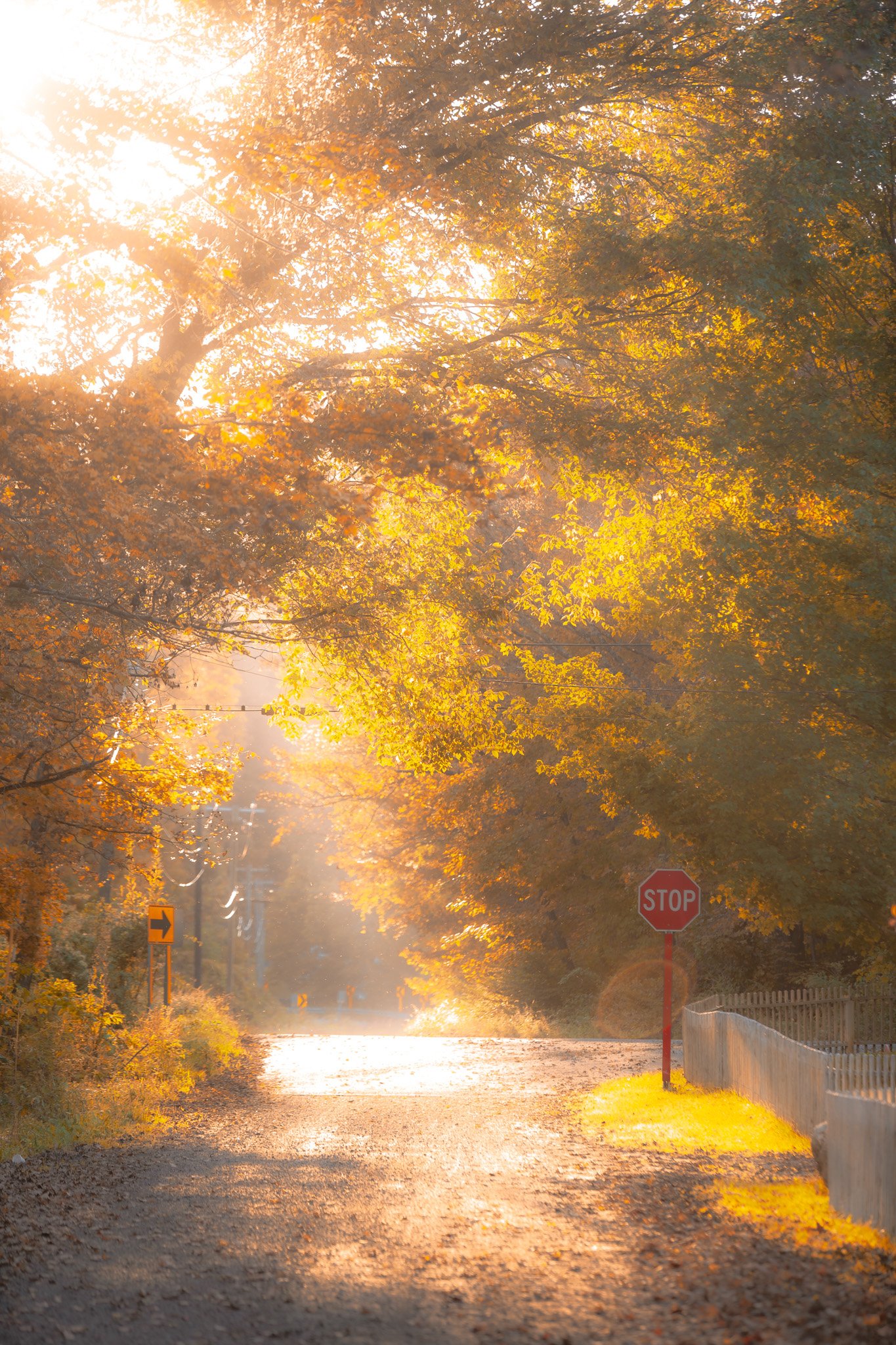
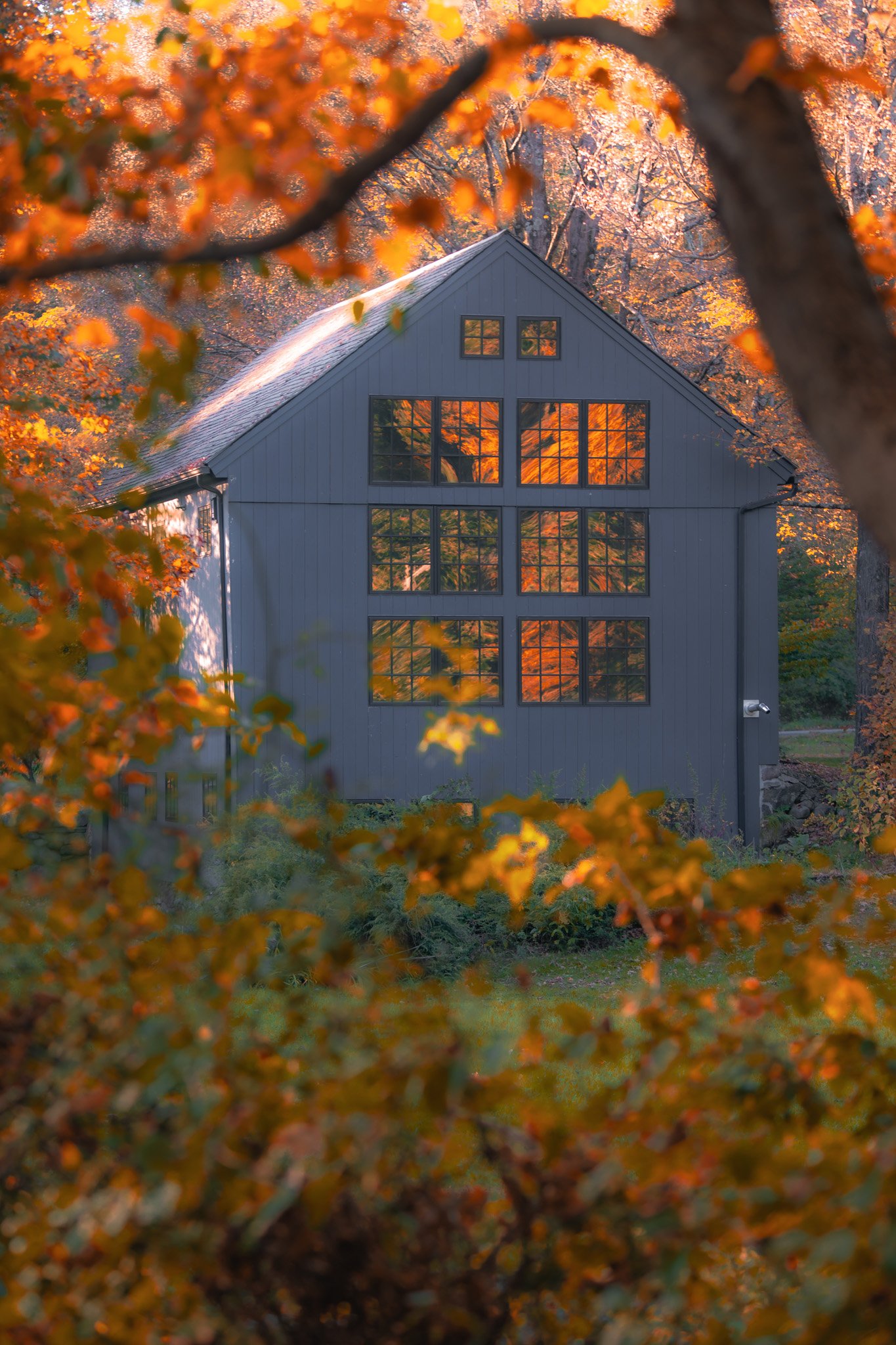


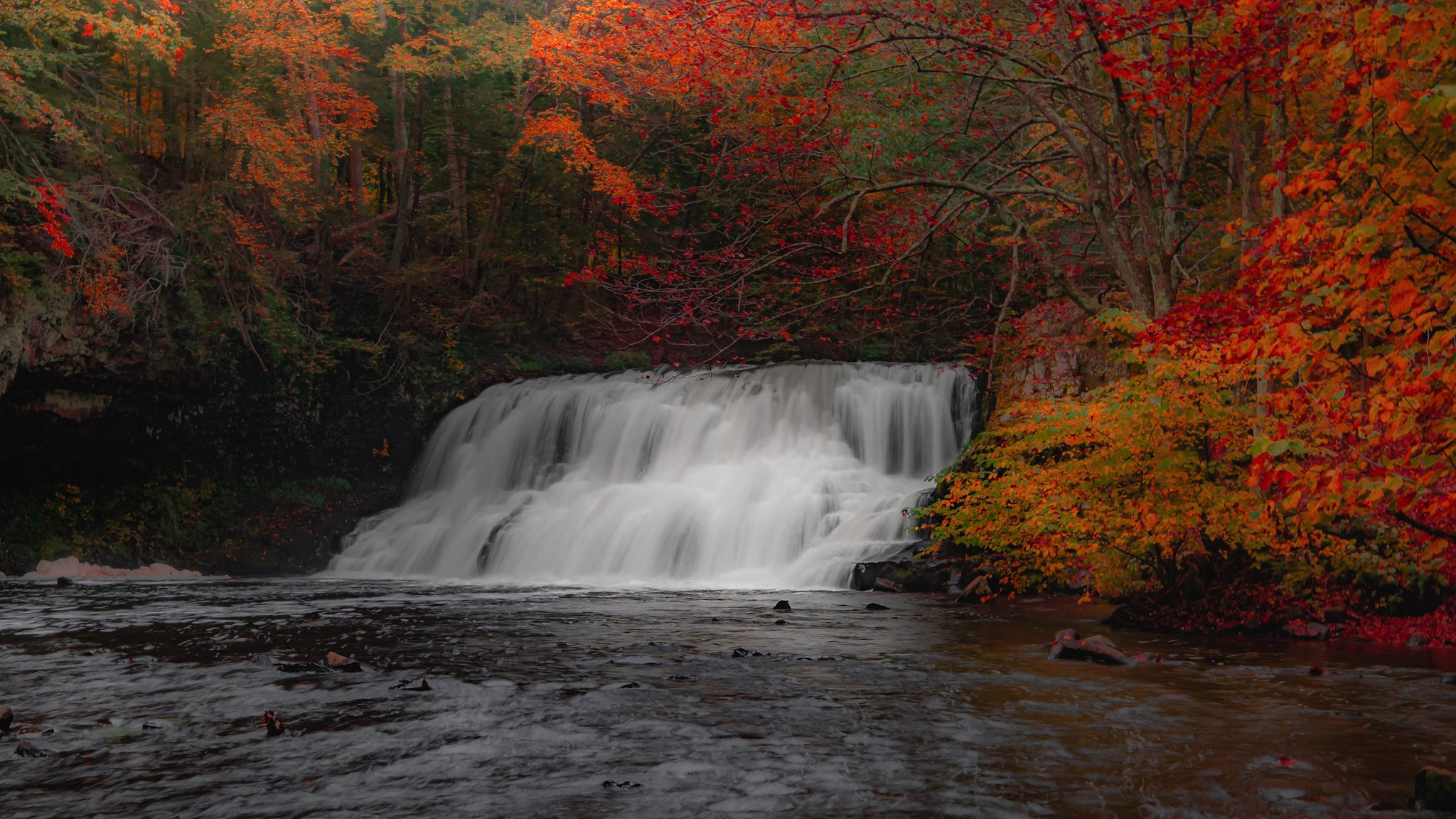


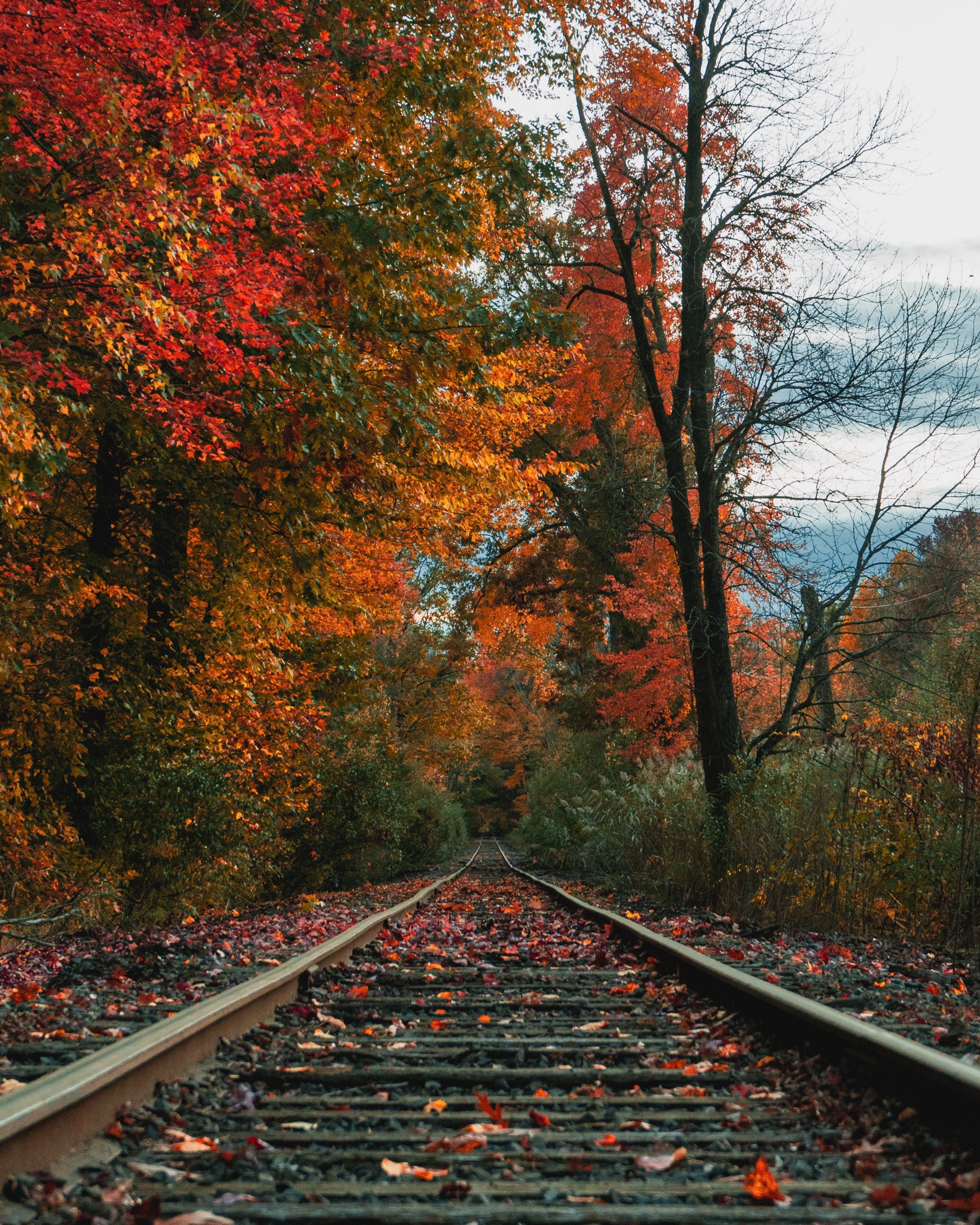


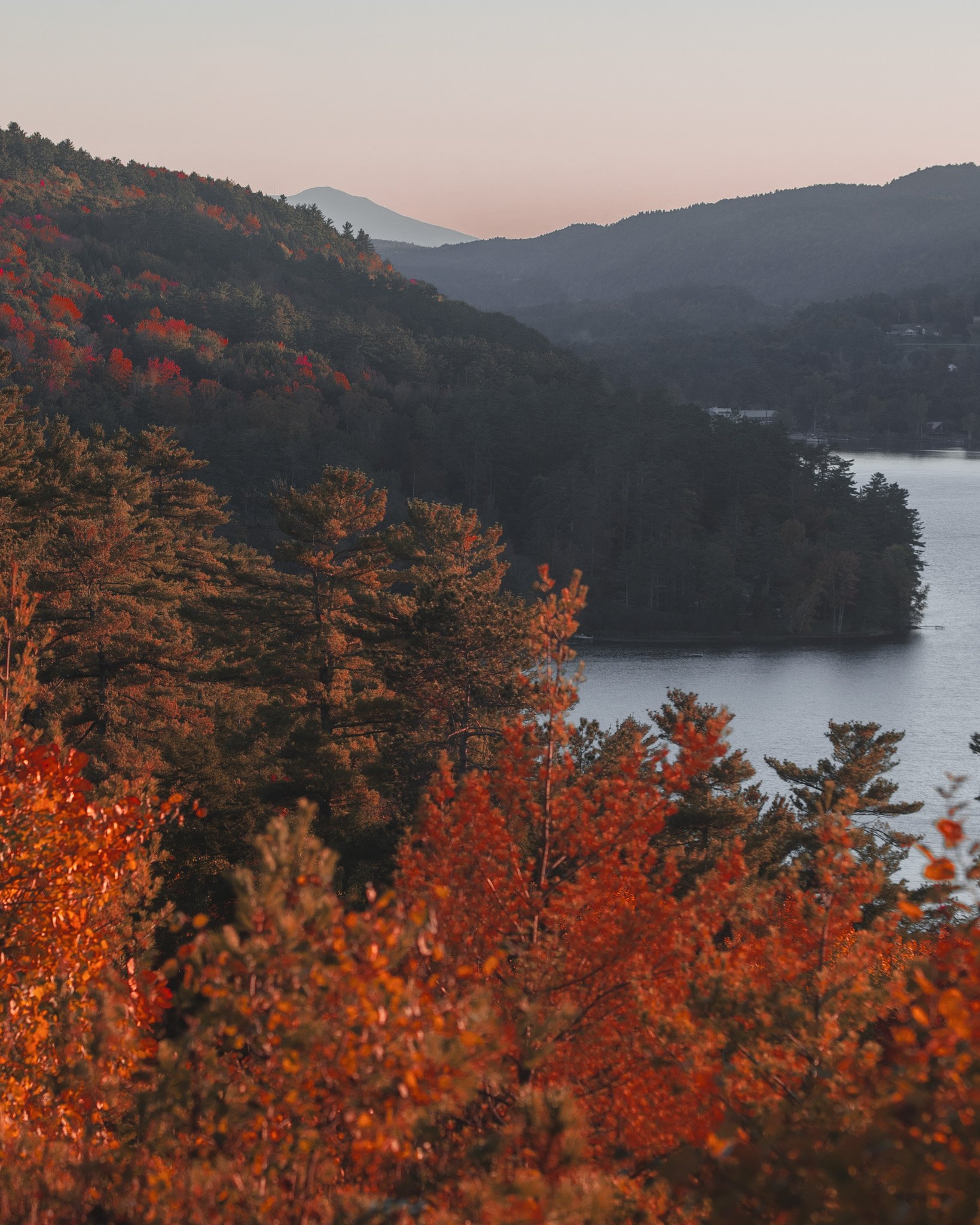
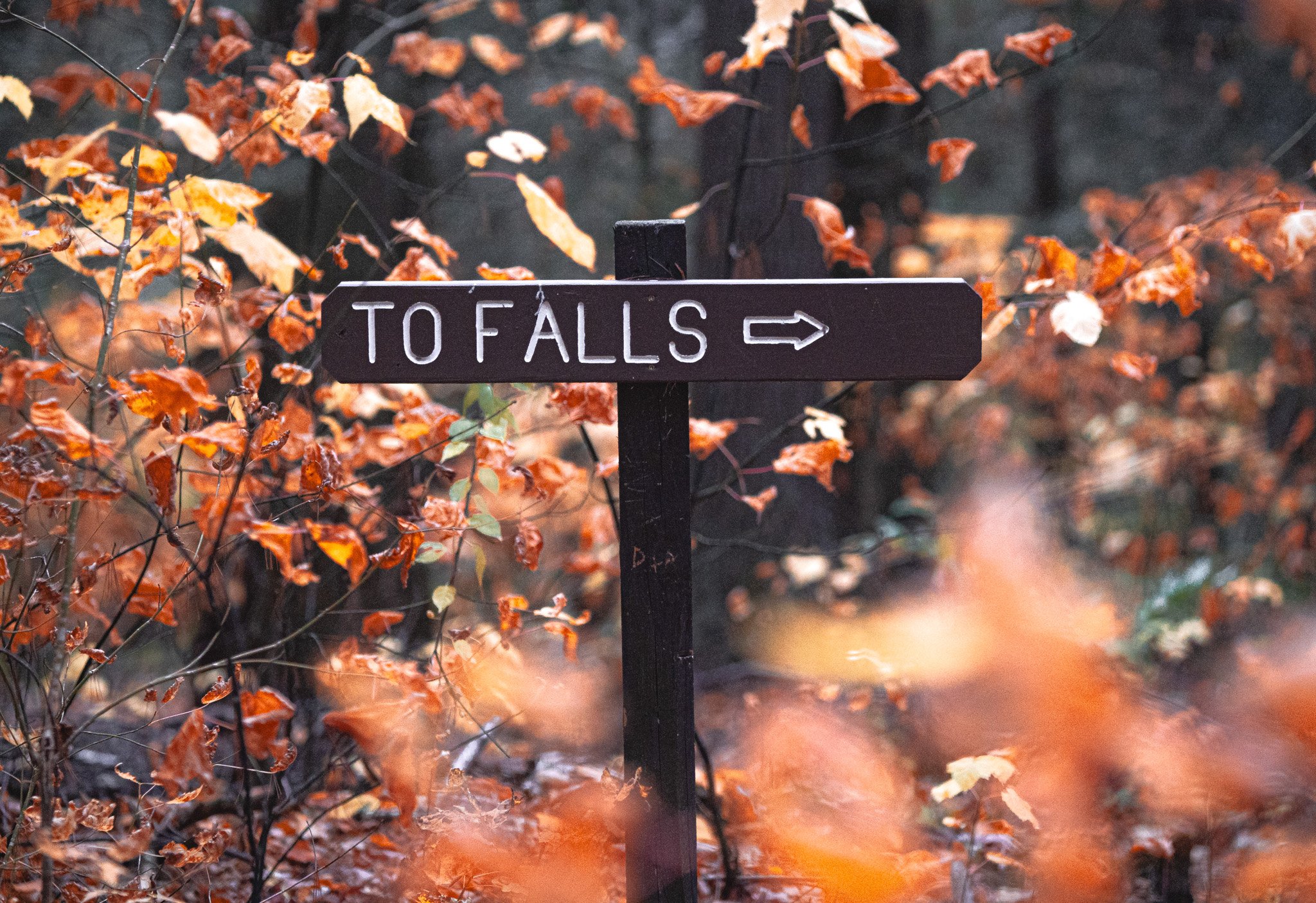
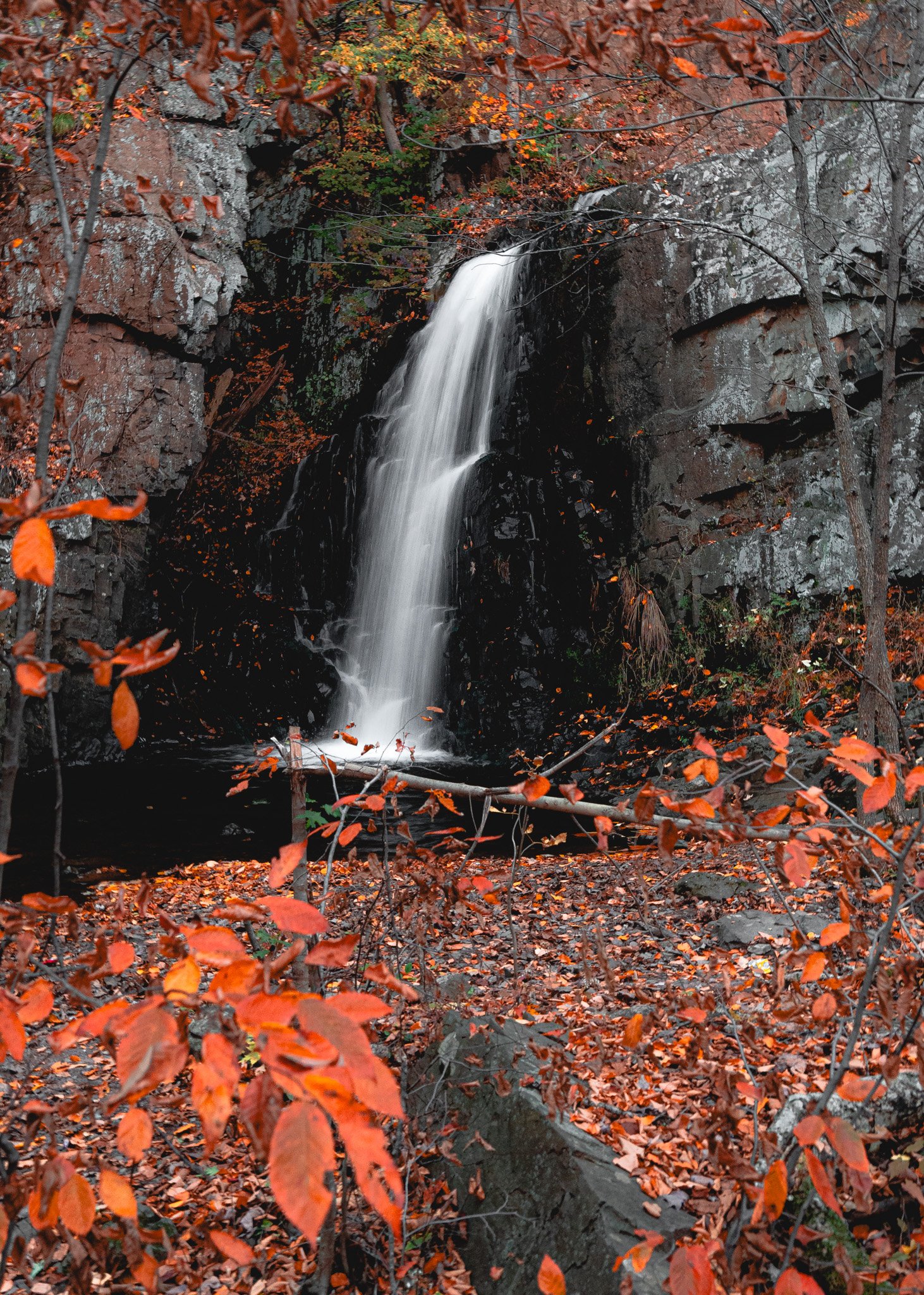
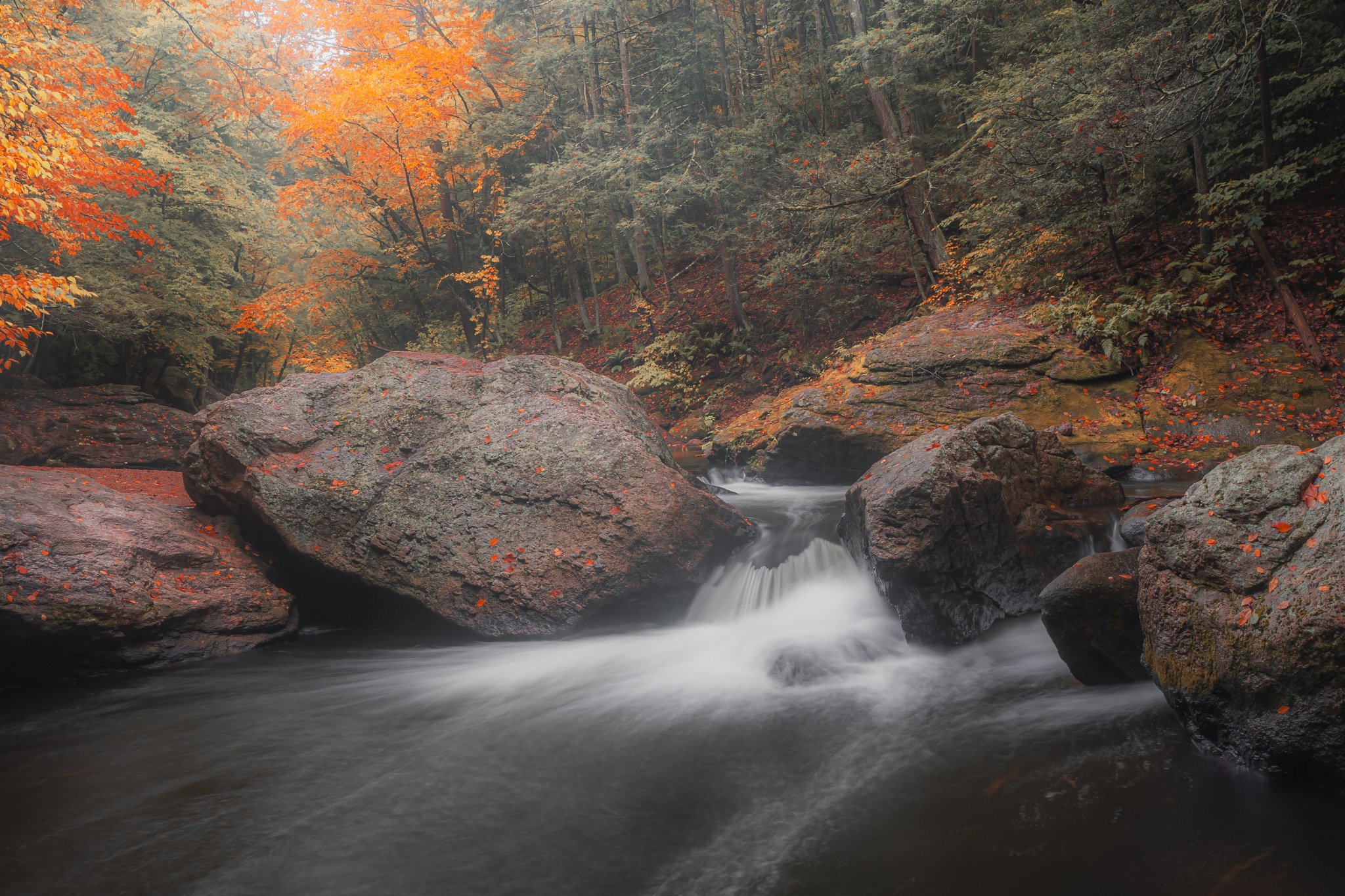

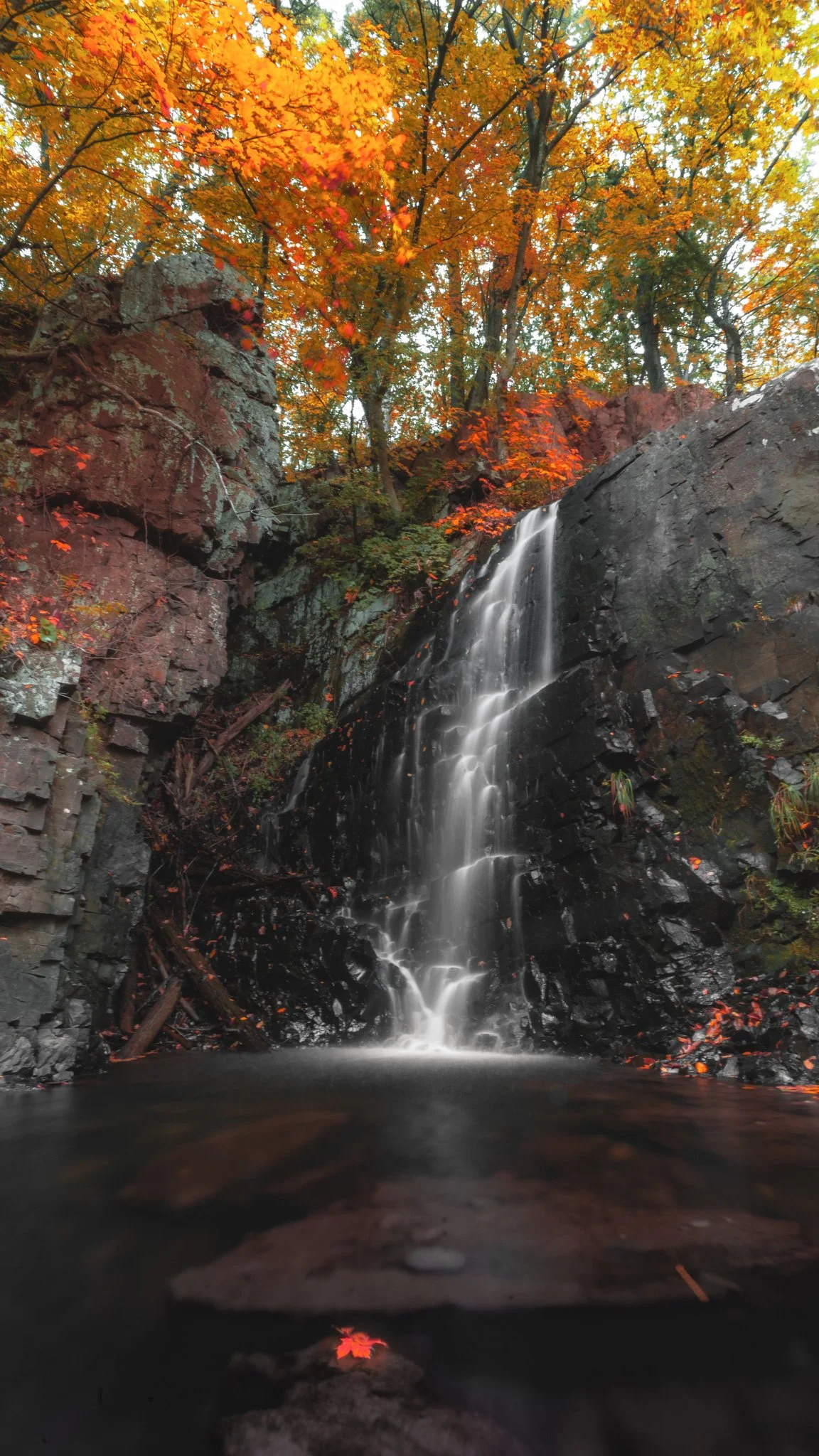
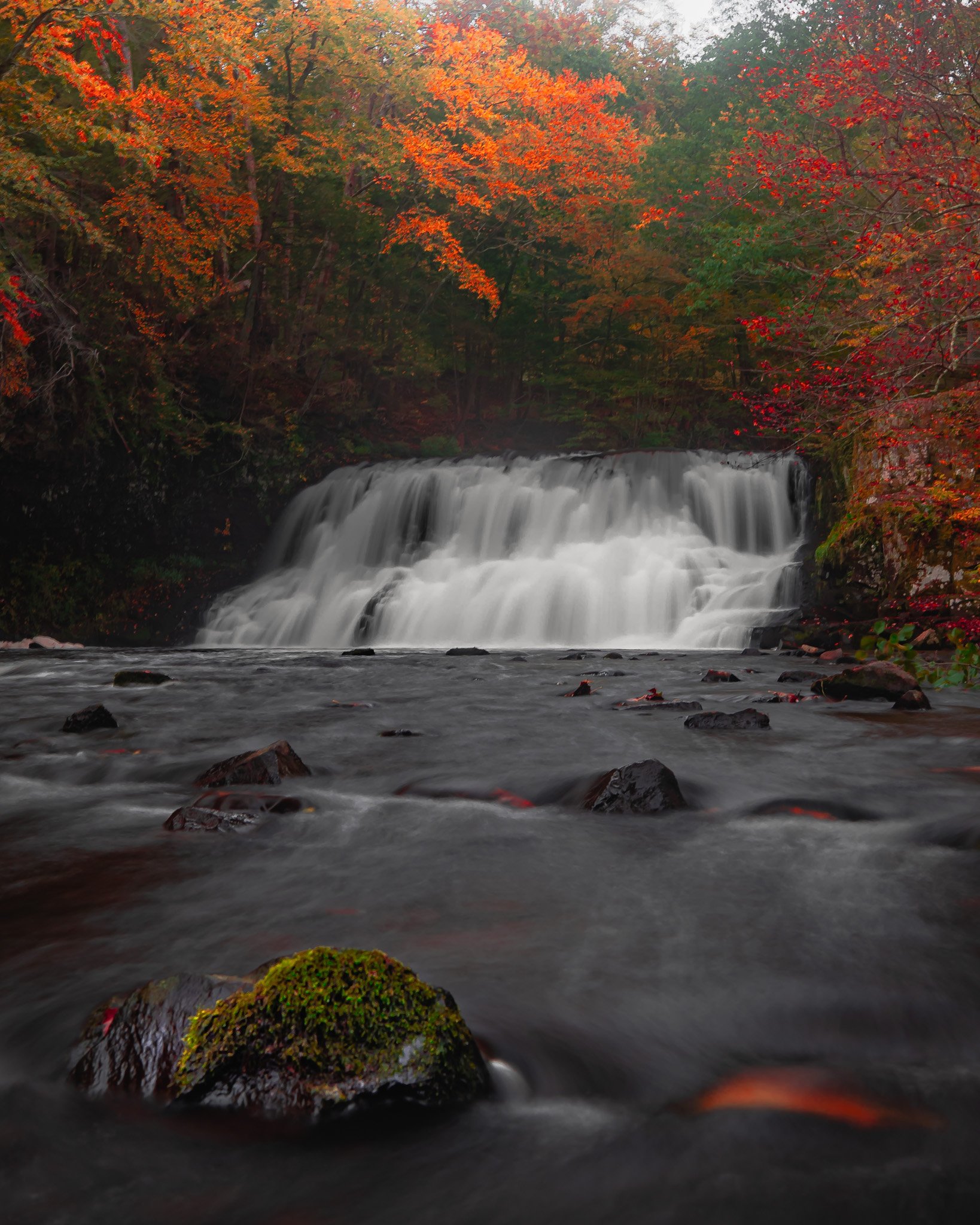
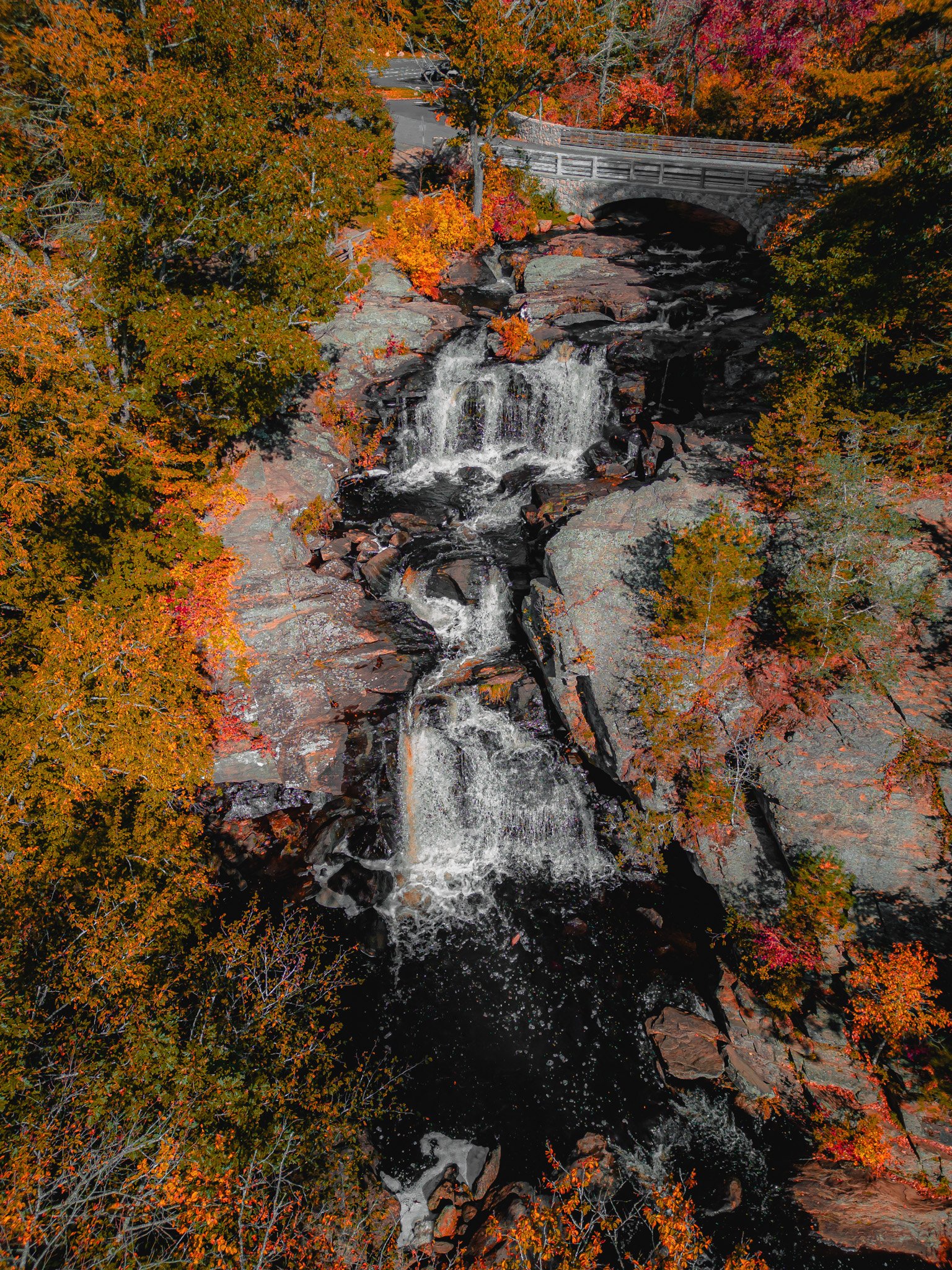
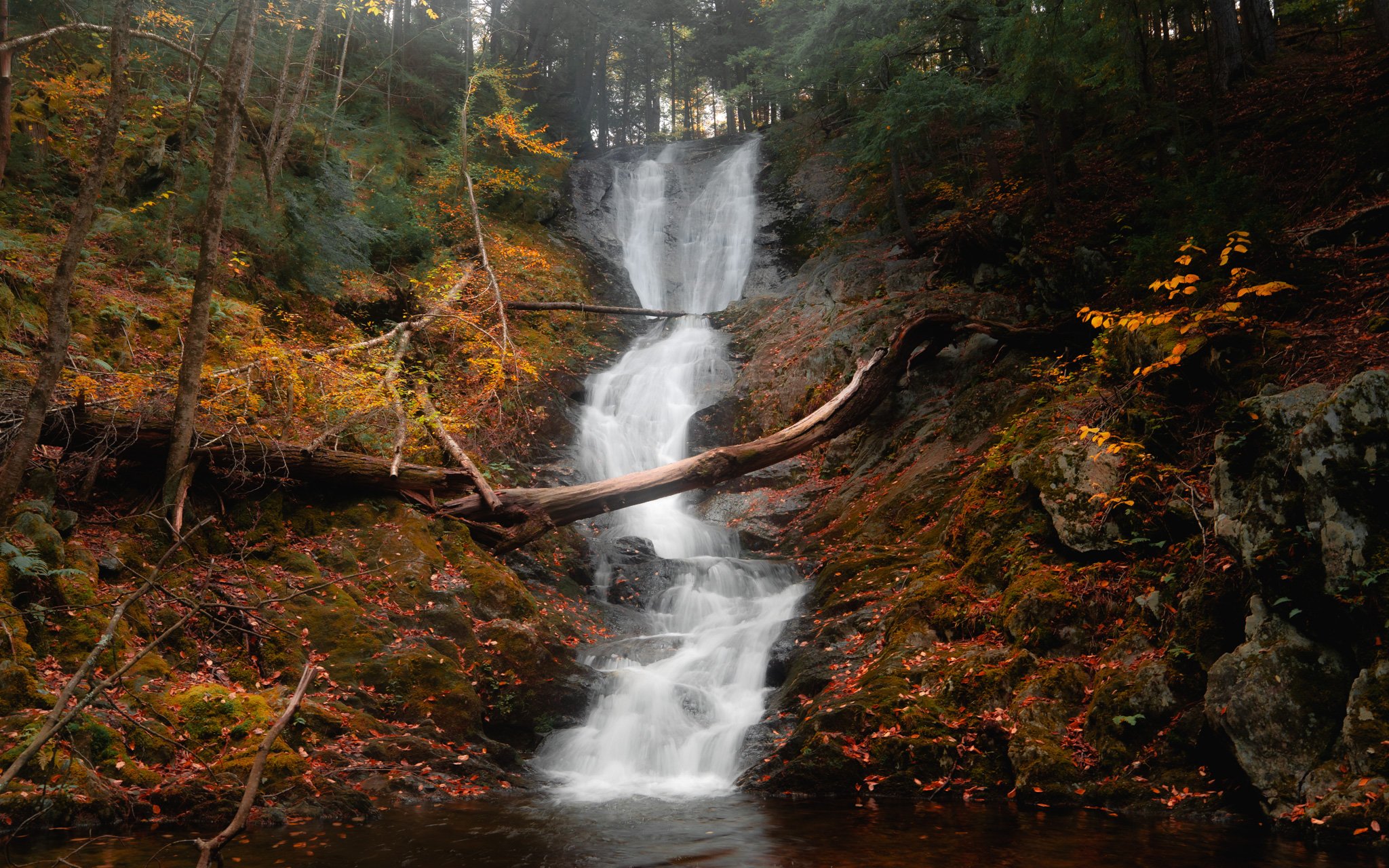
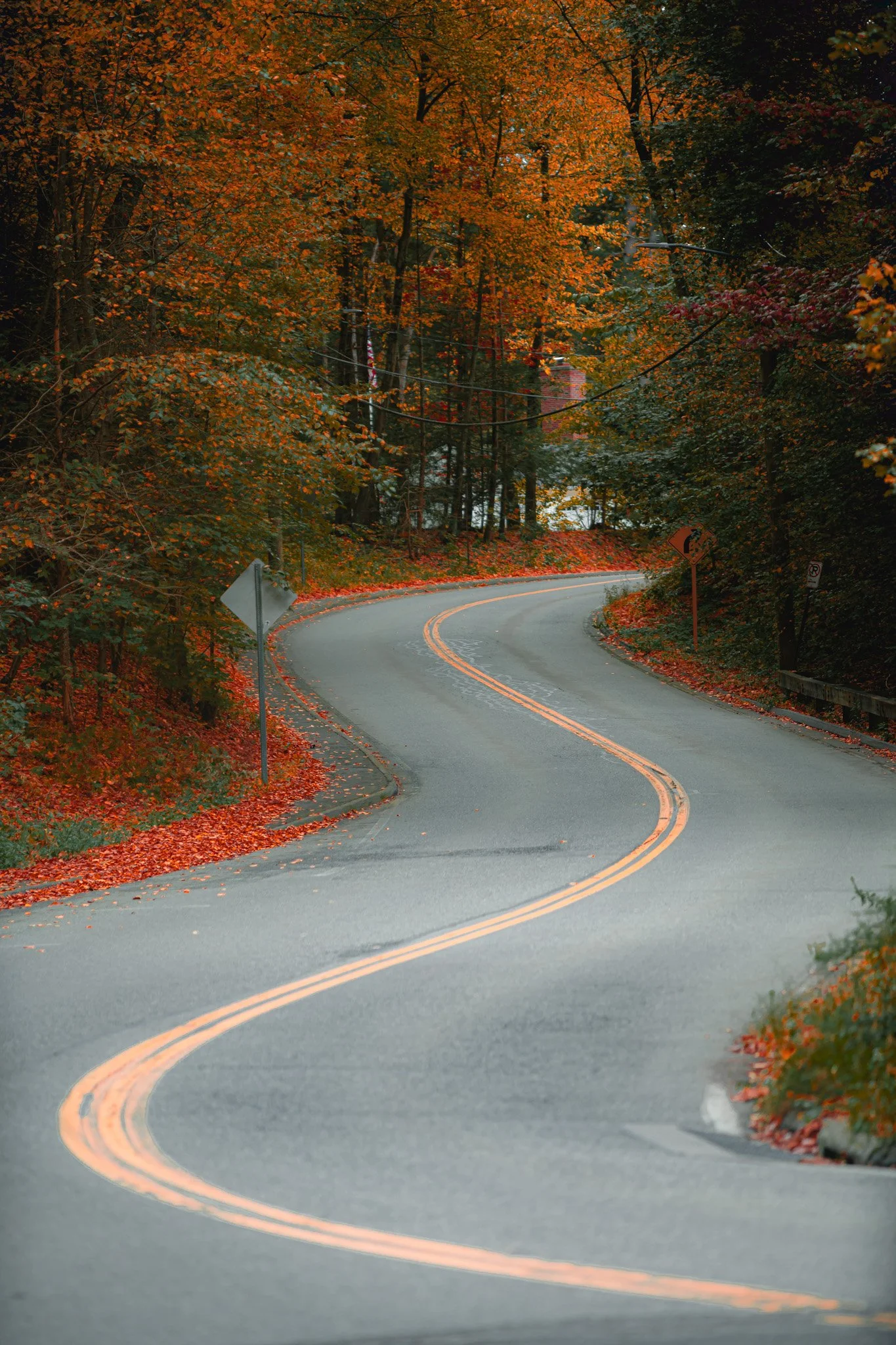
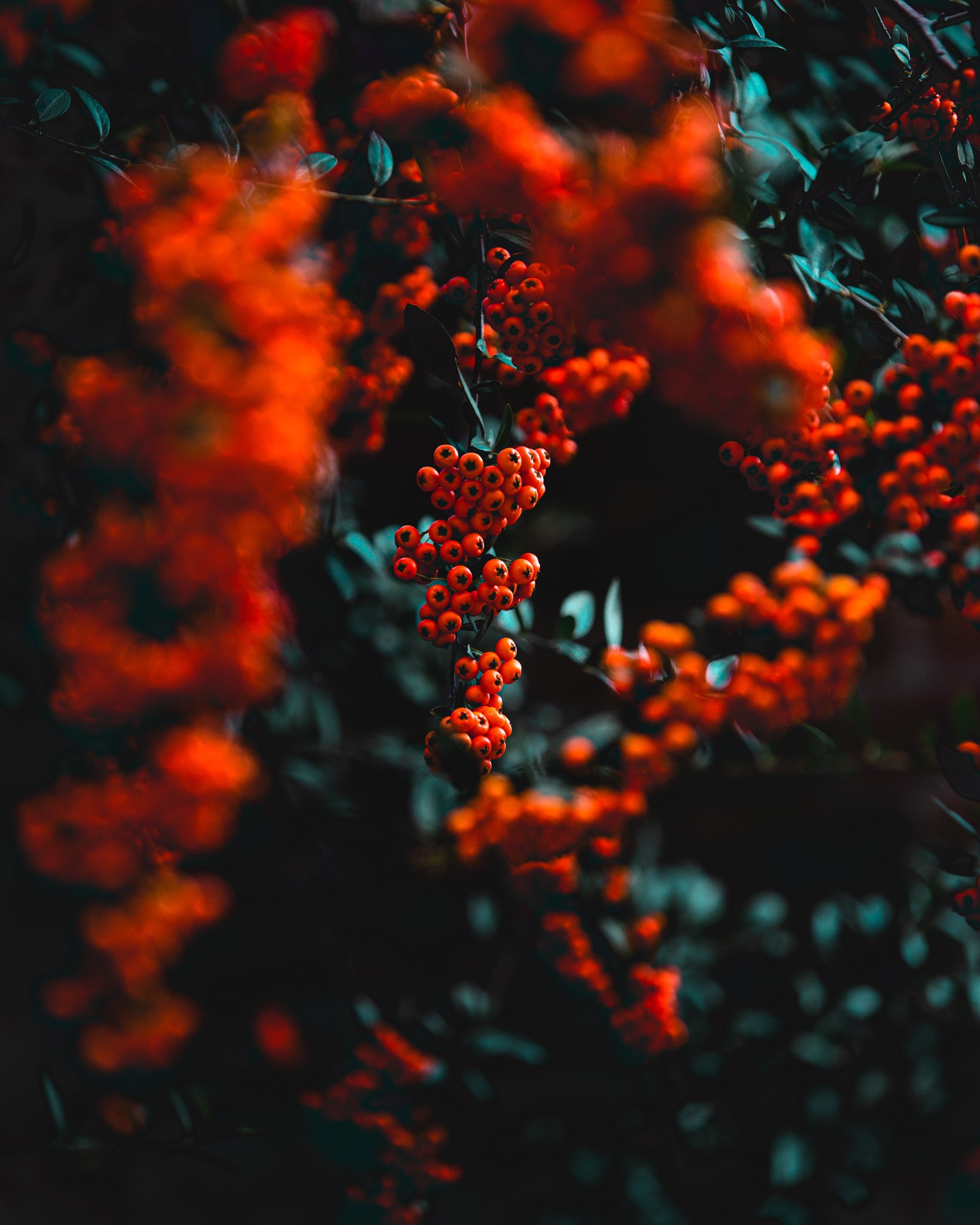


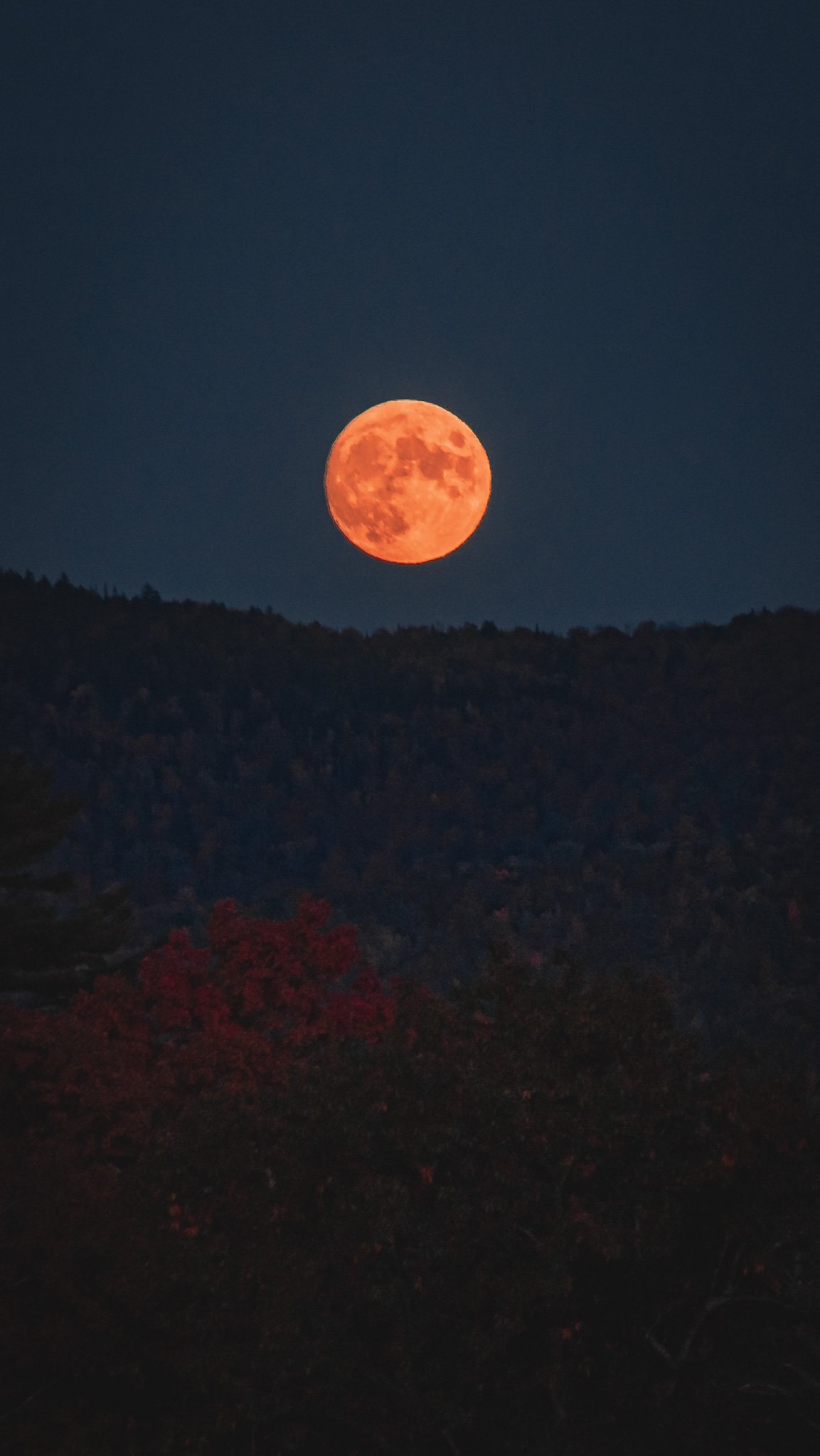
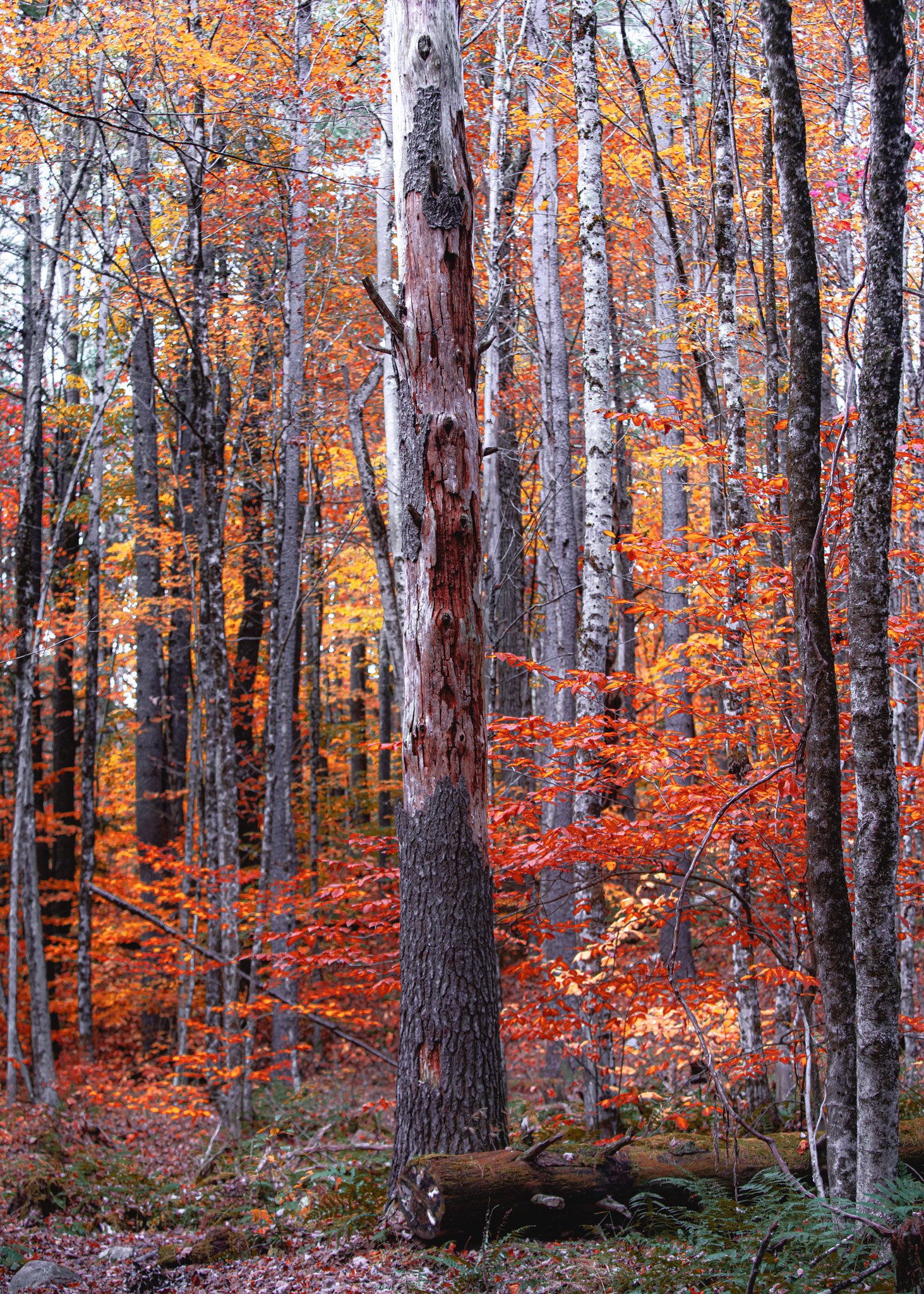
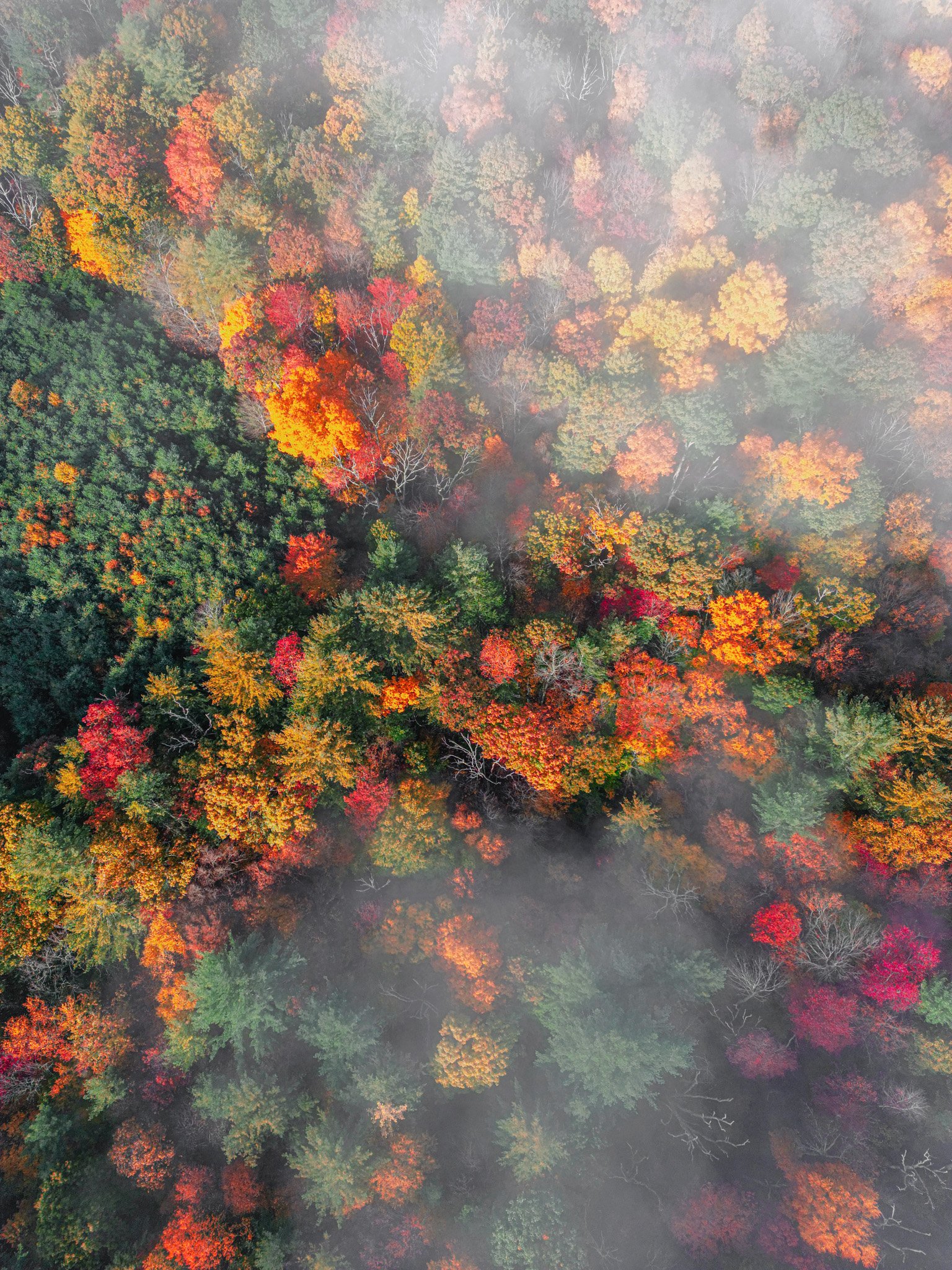


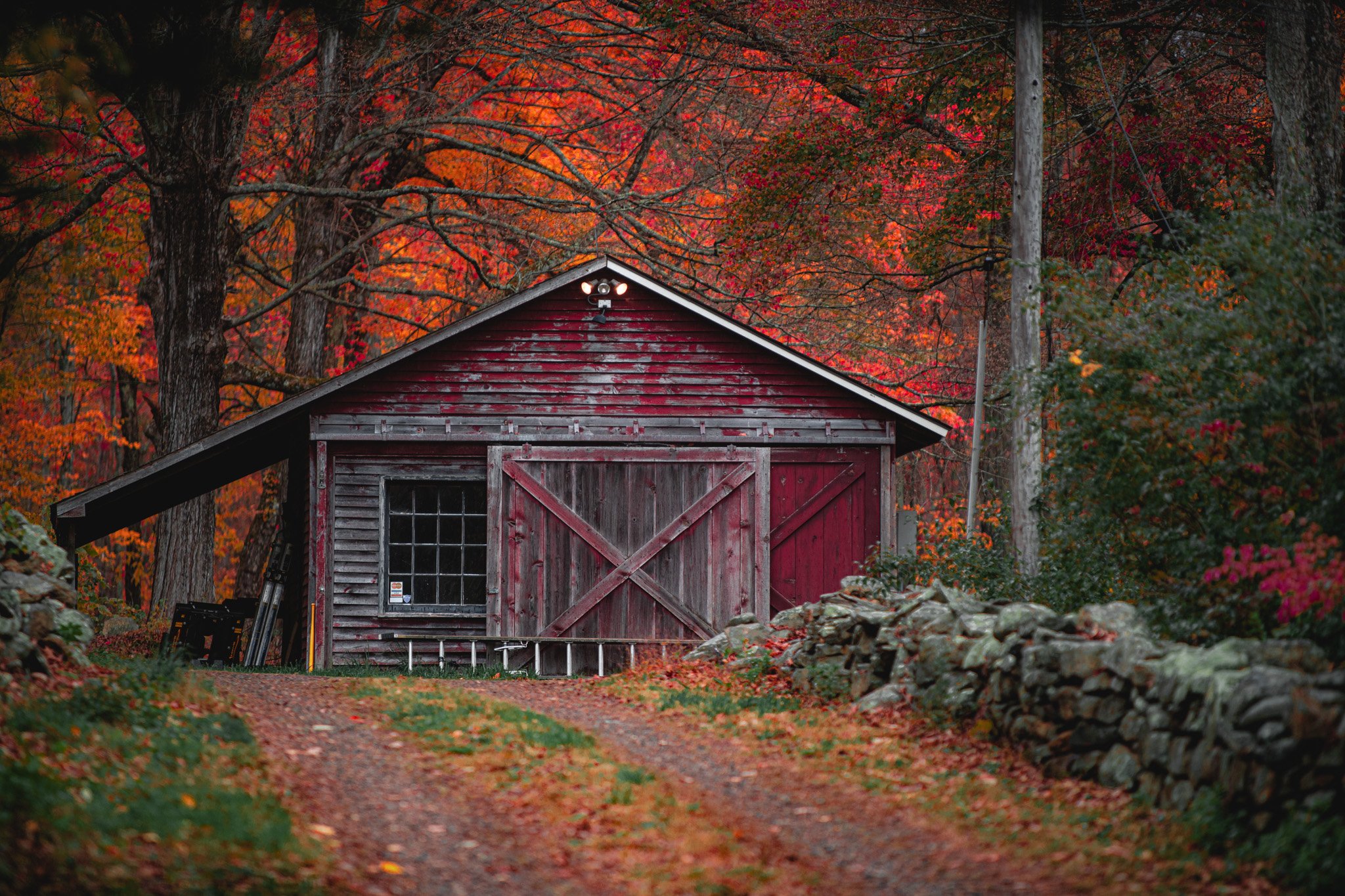


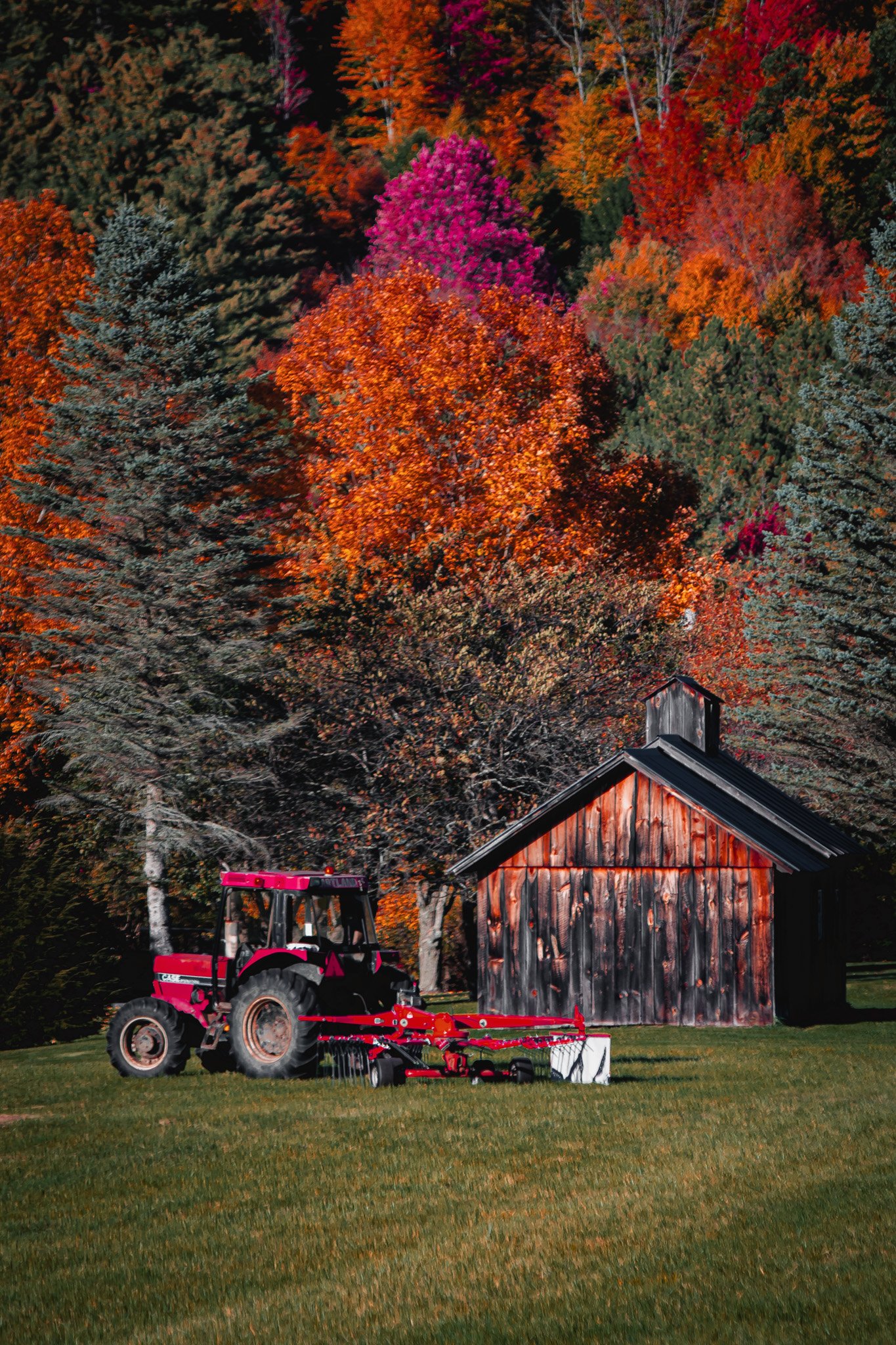
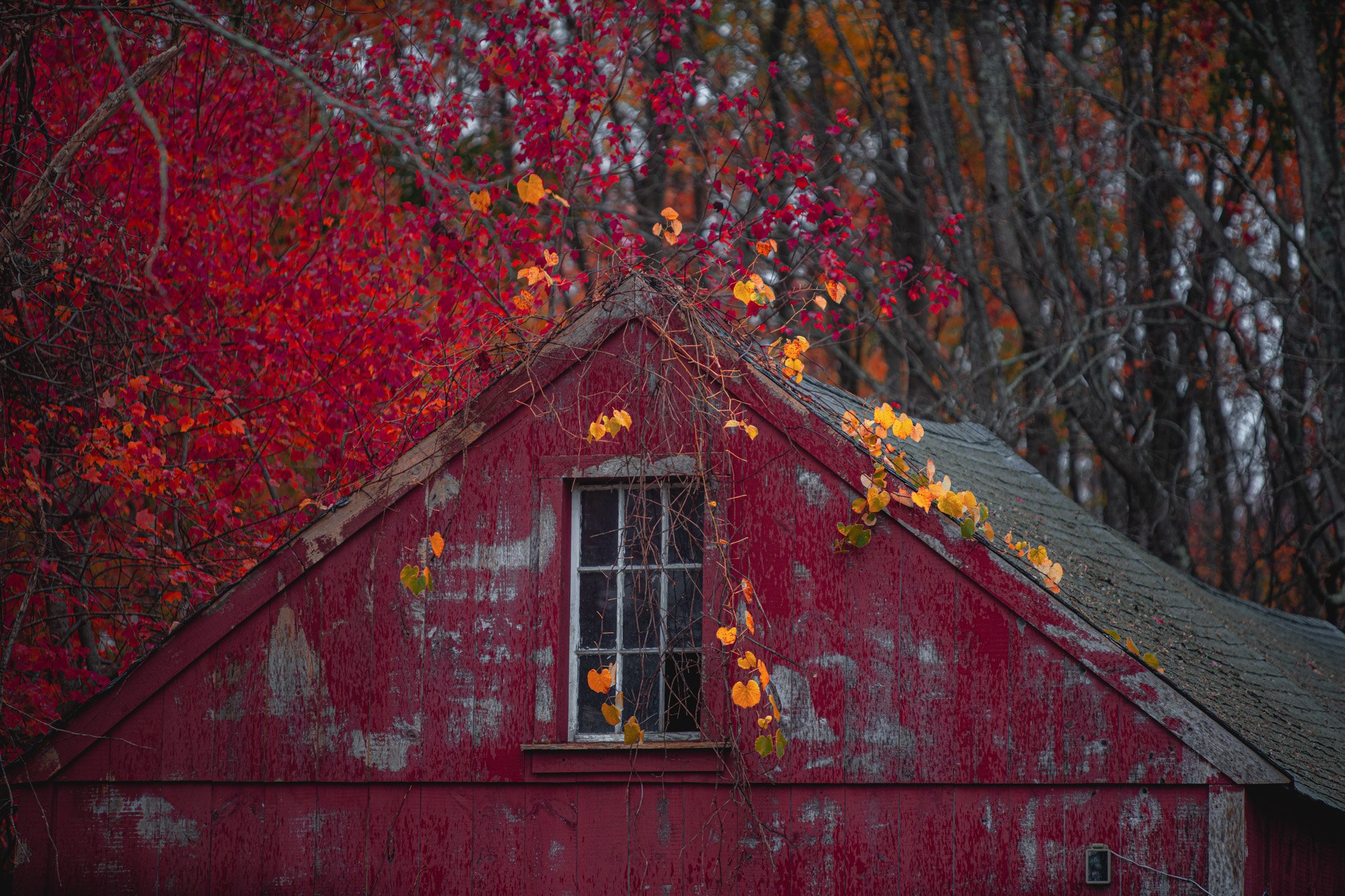

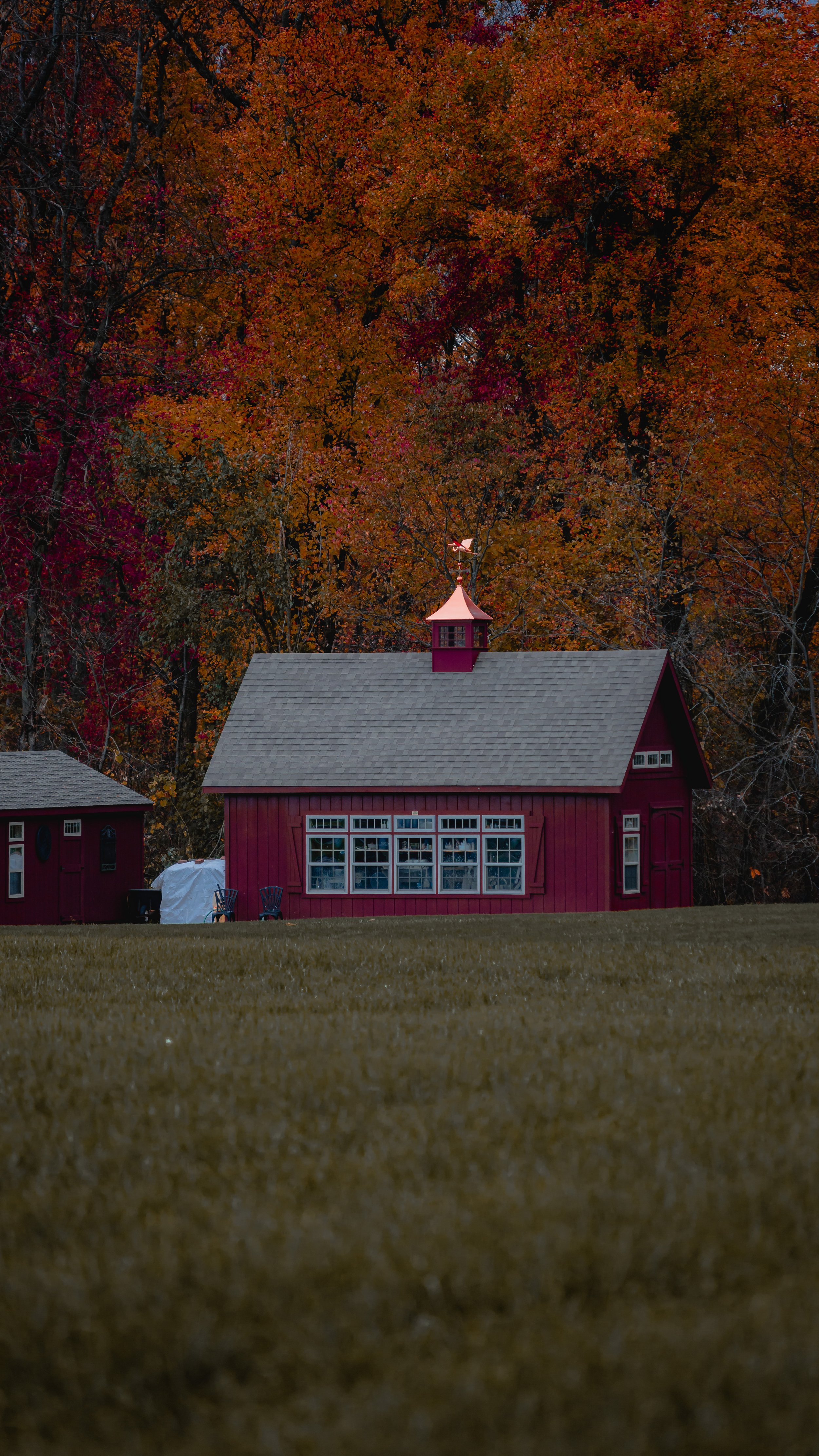
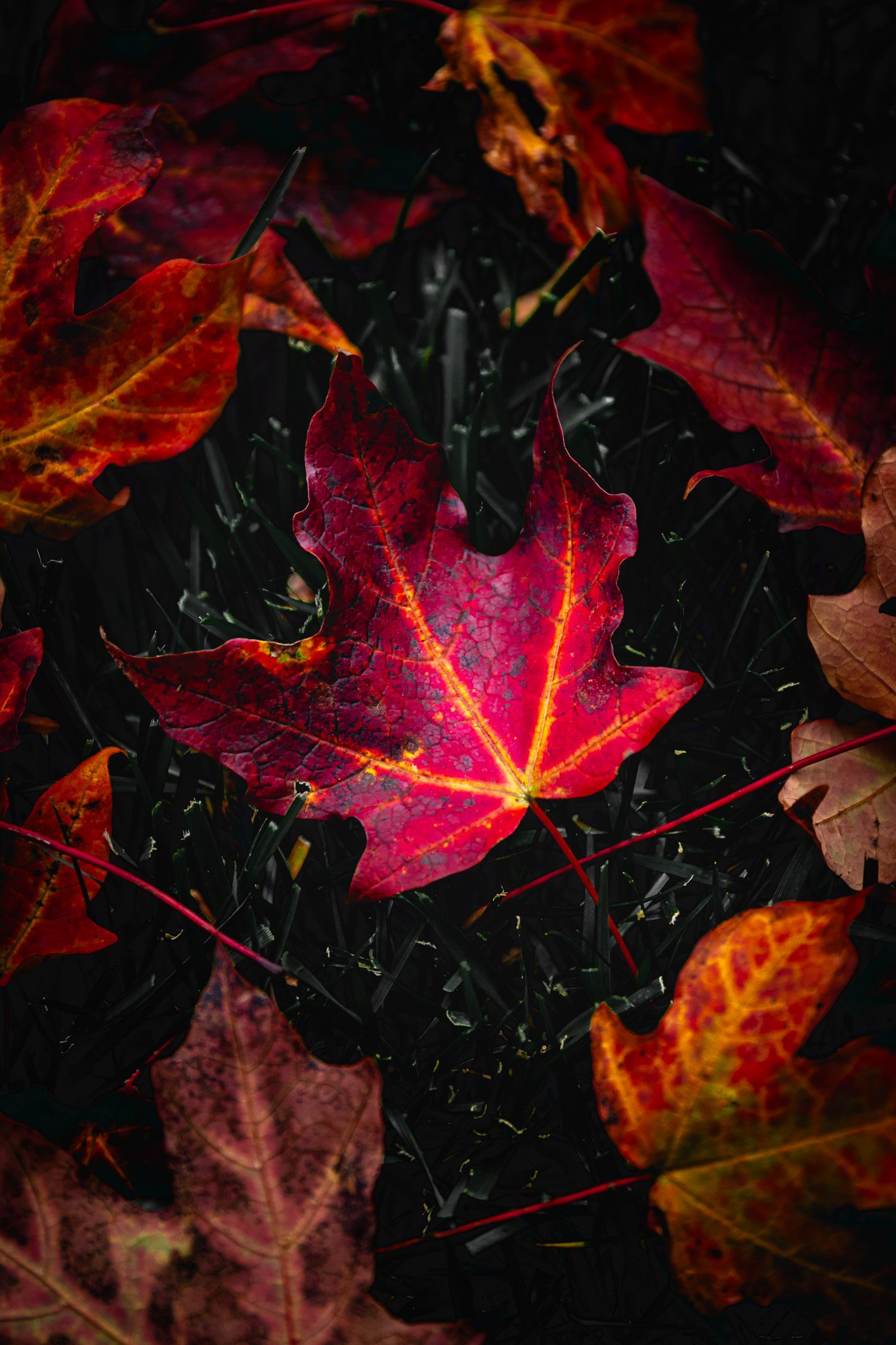

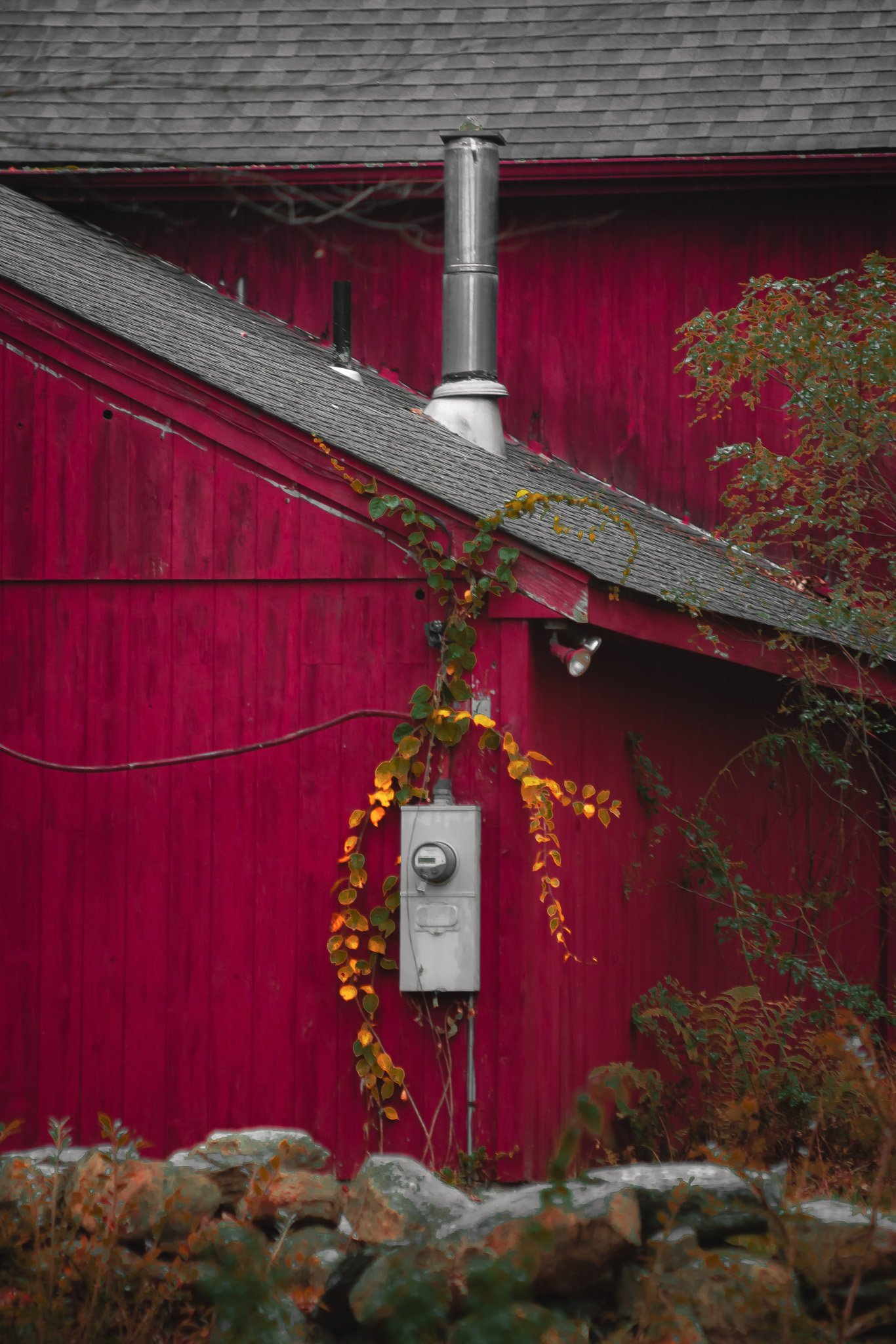
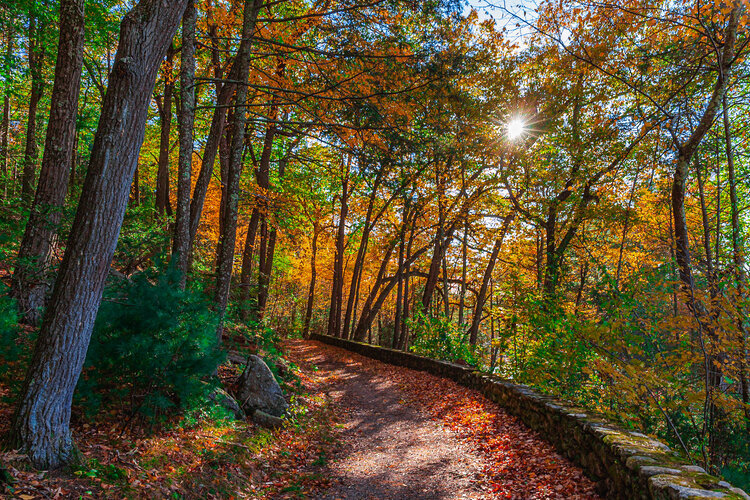
stroll.

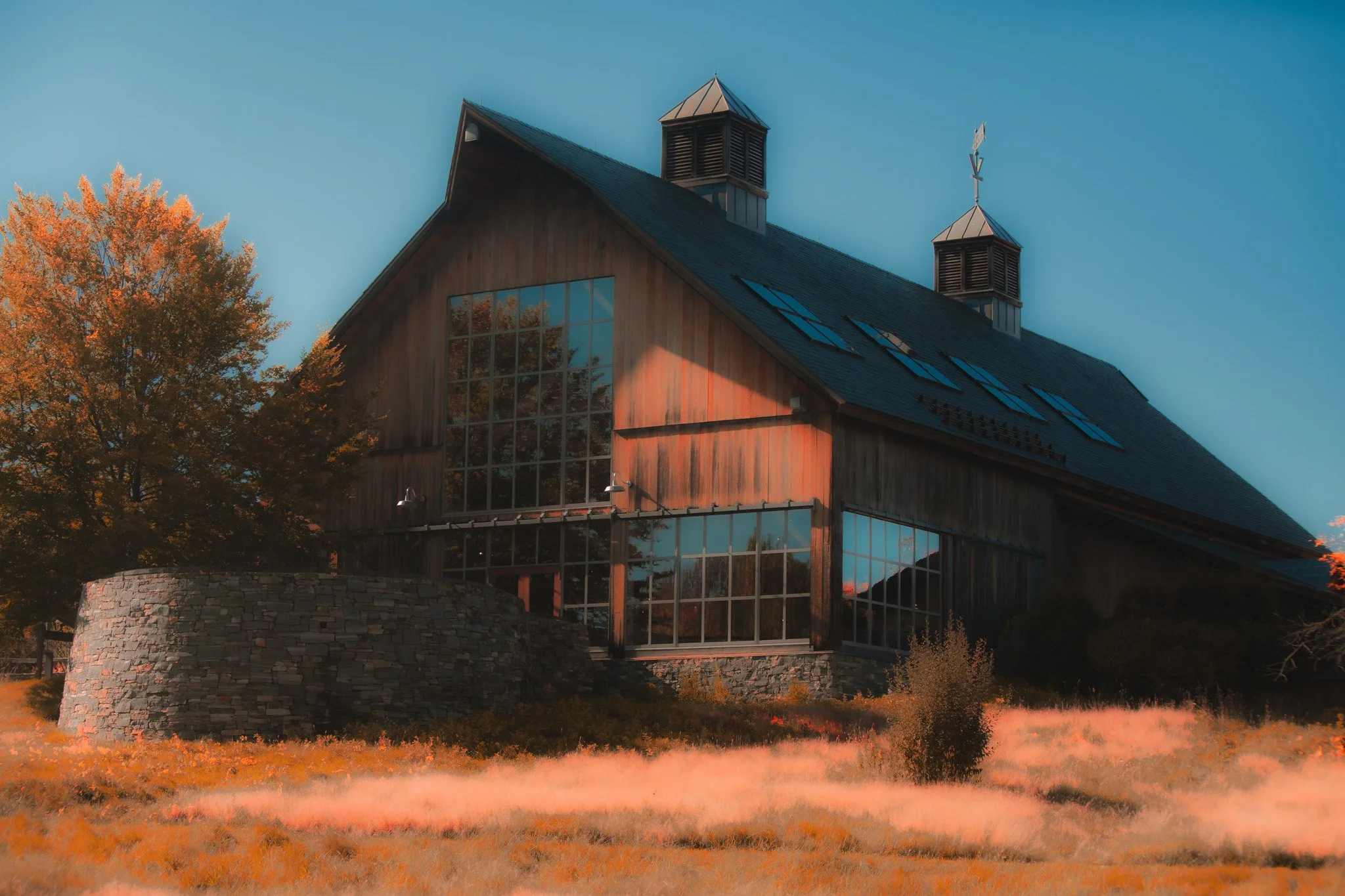


solitude.
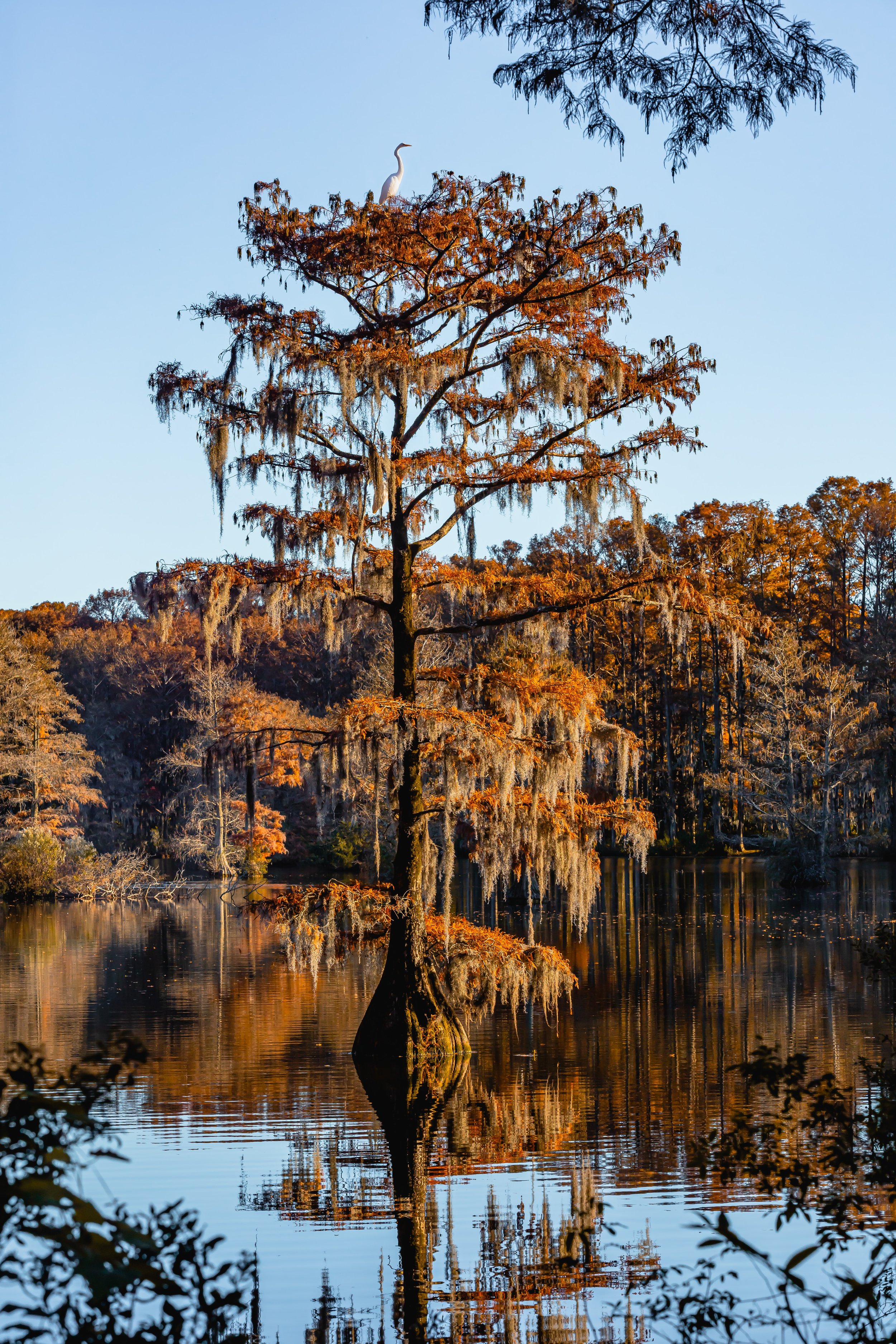

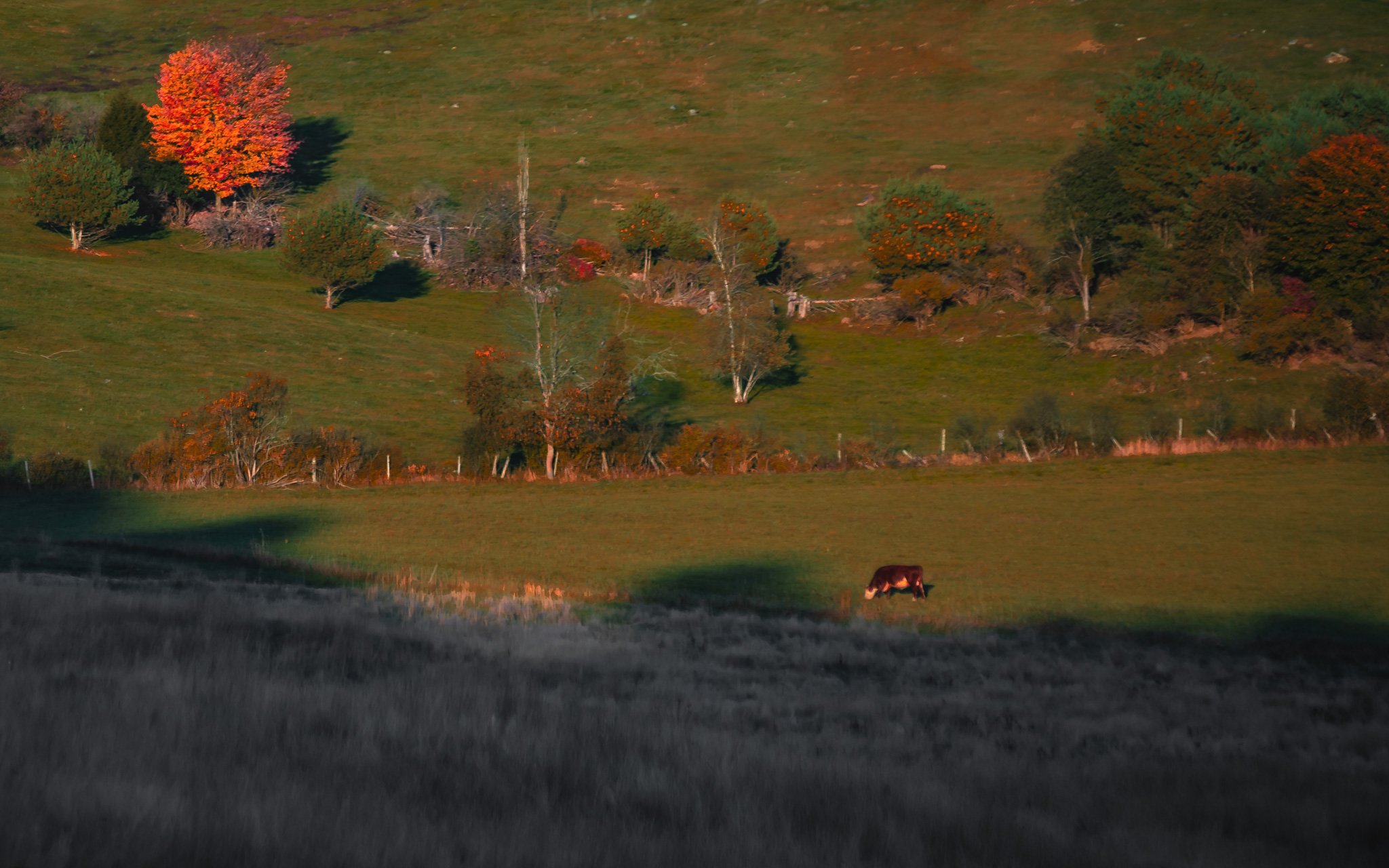
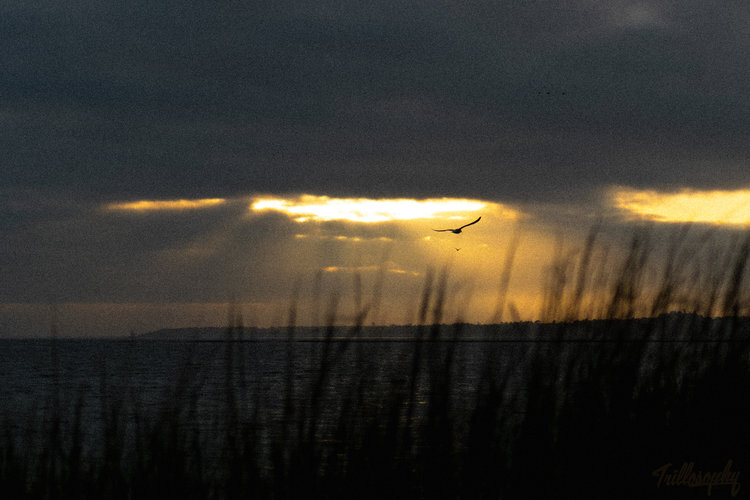
soar.
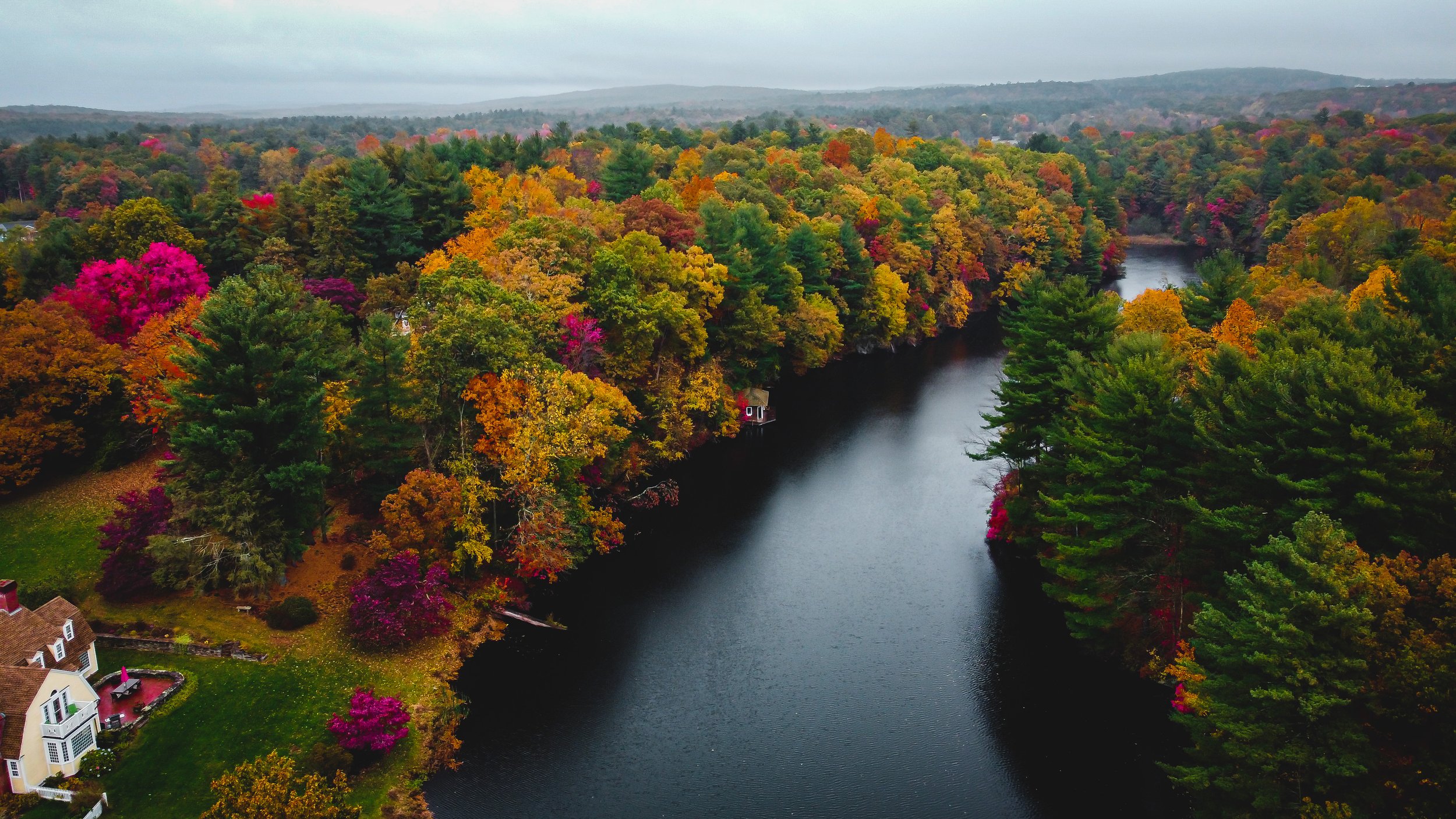
skittles.
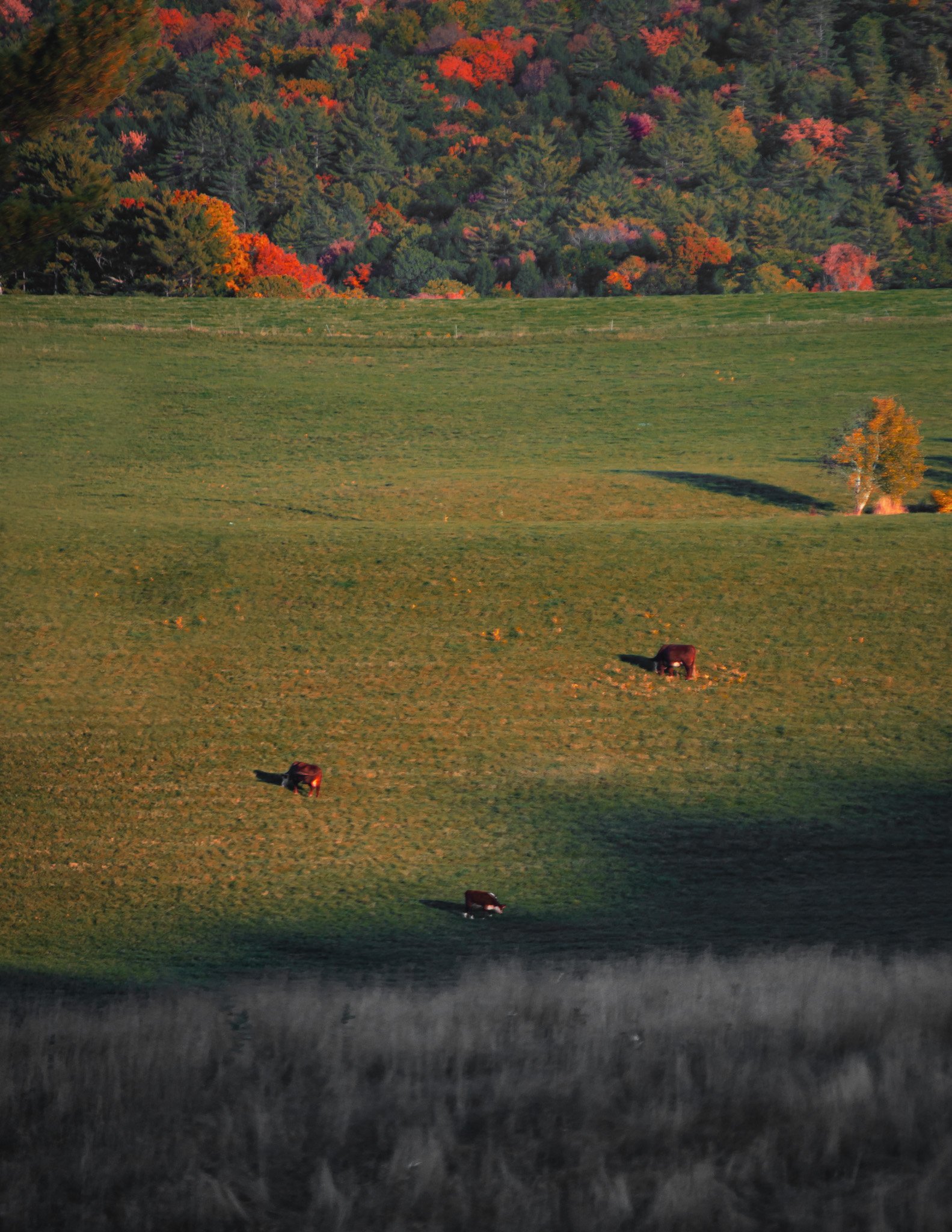

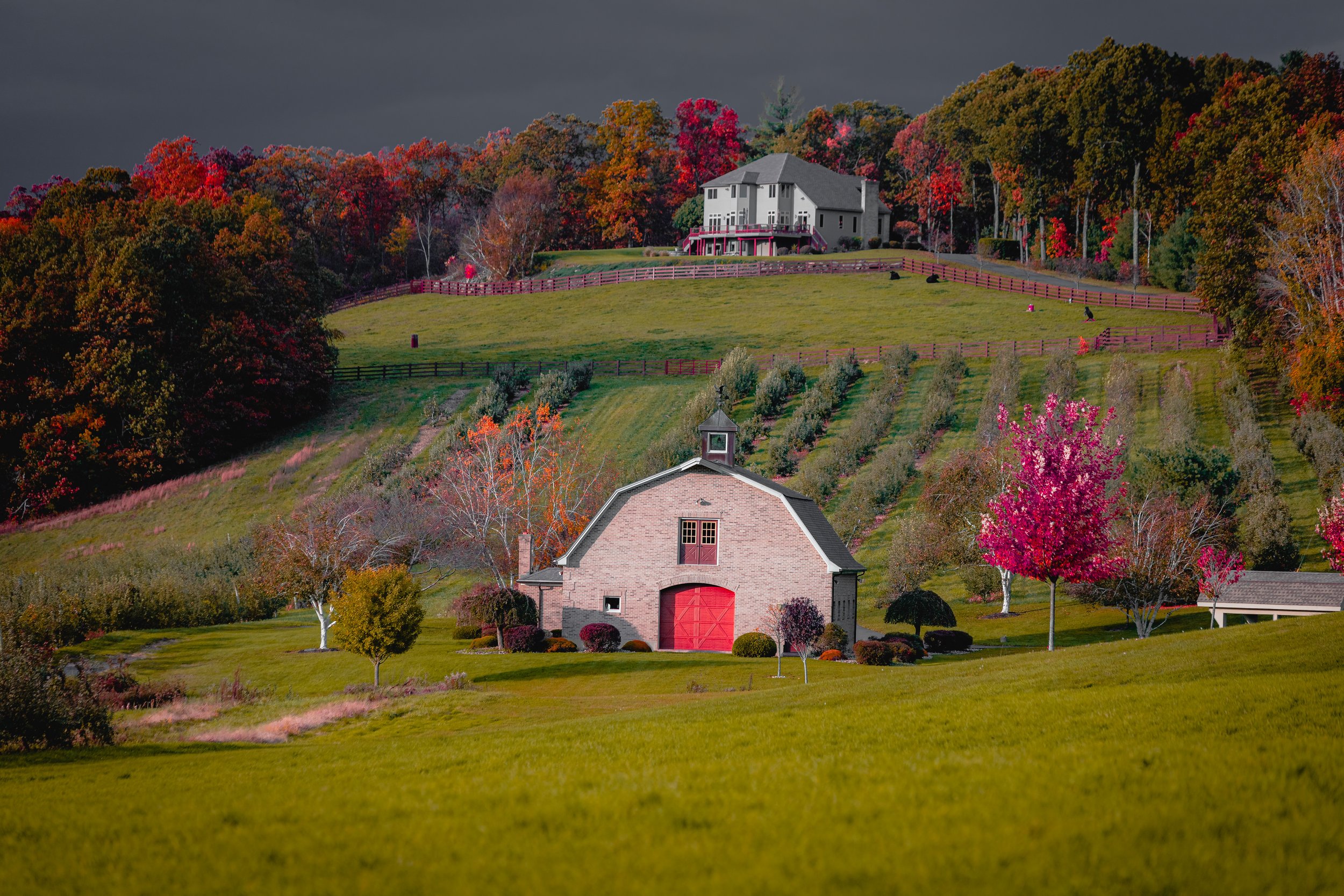
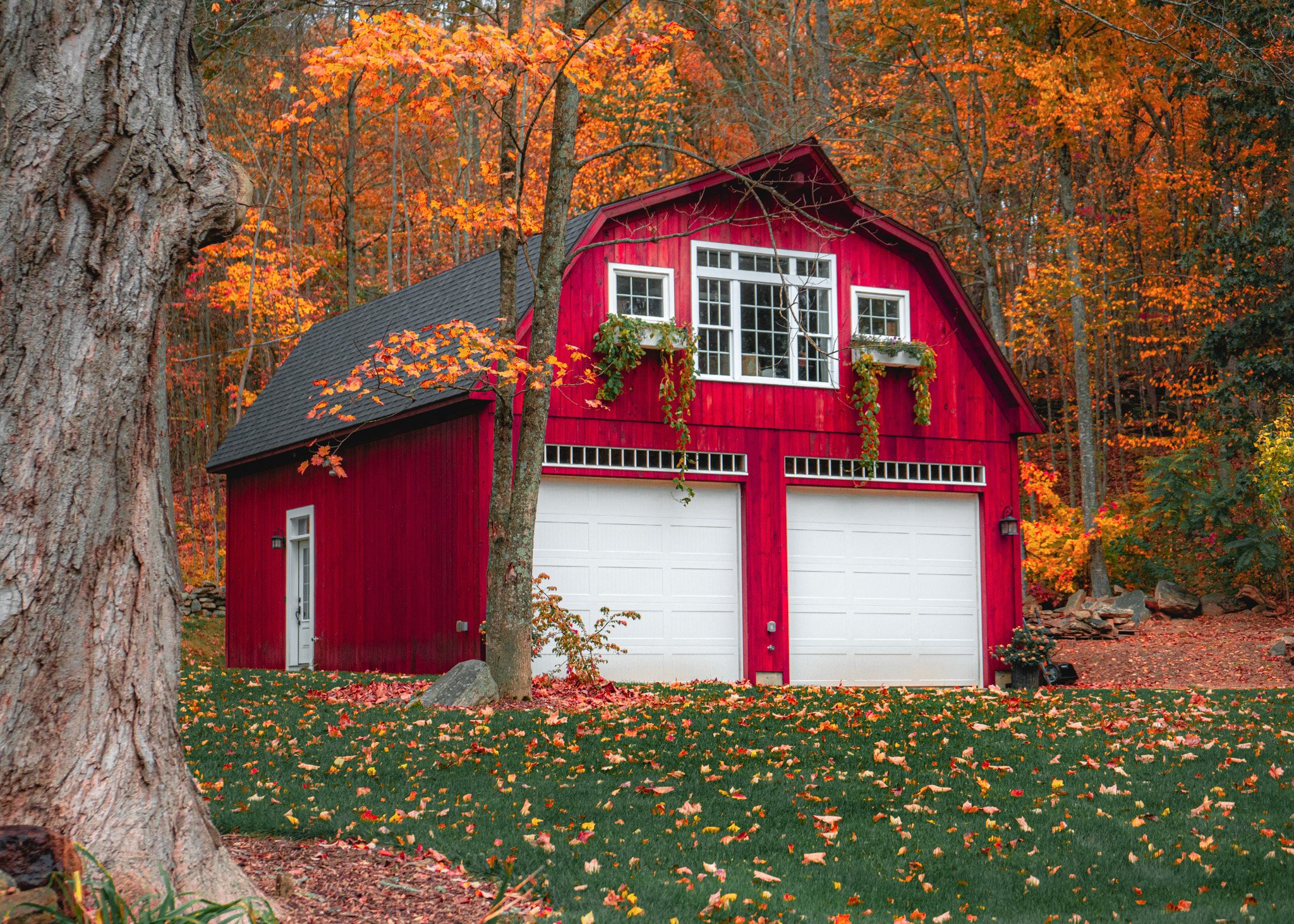
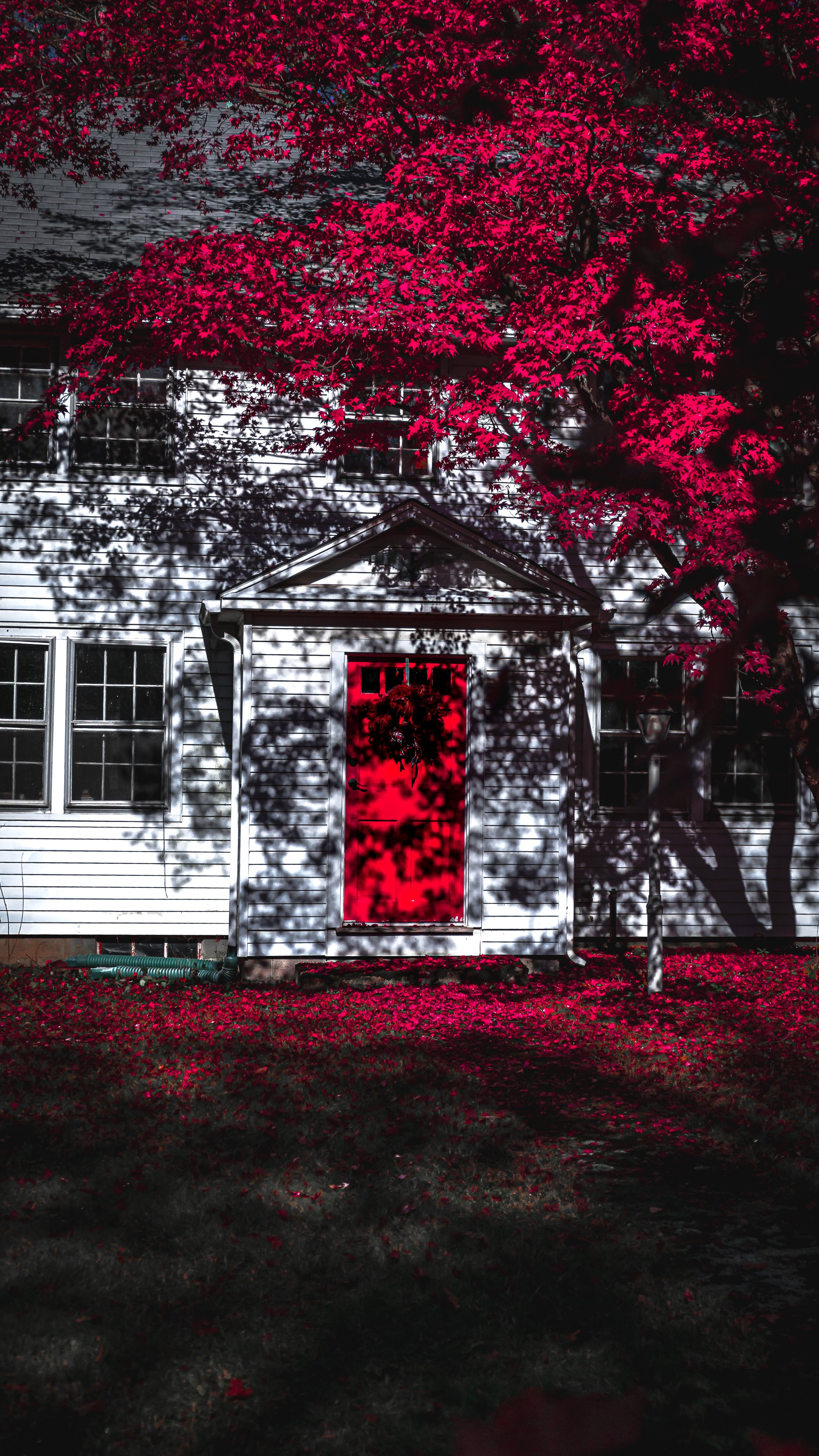
into the further.


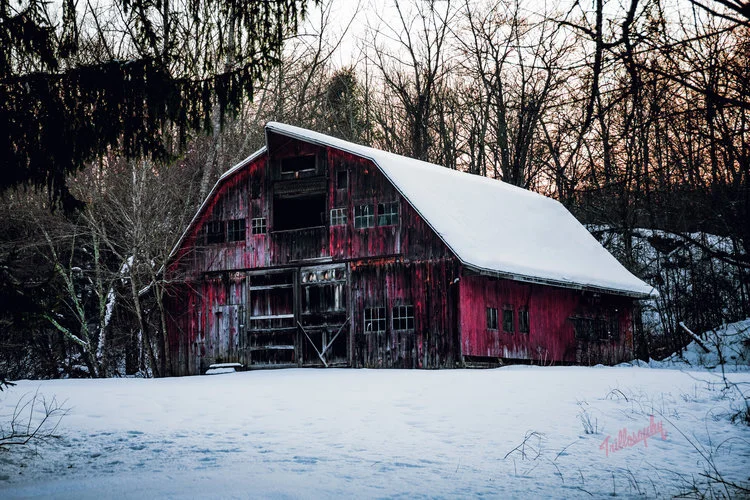
byre.
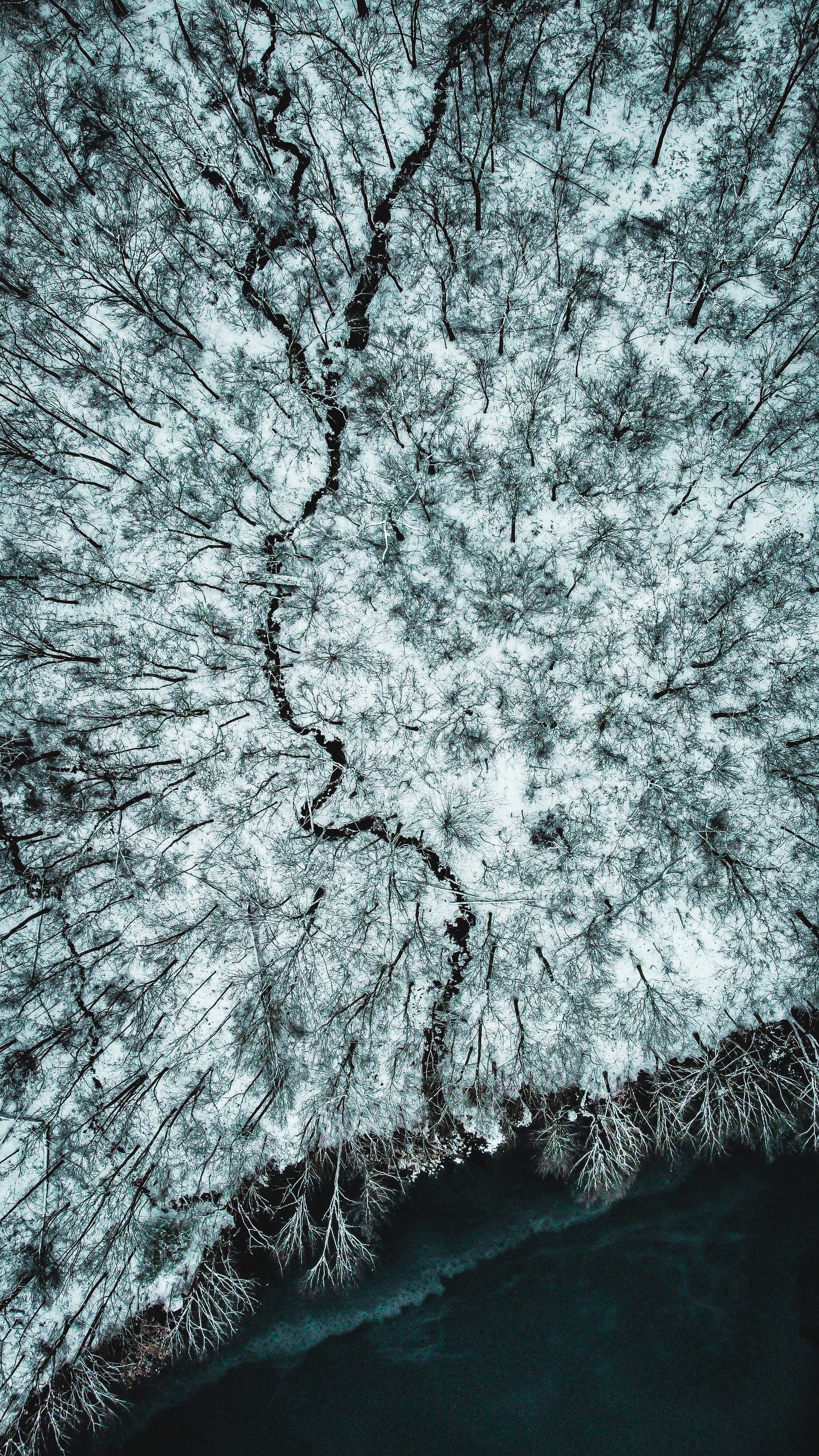
meander.

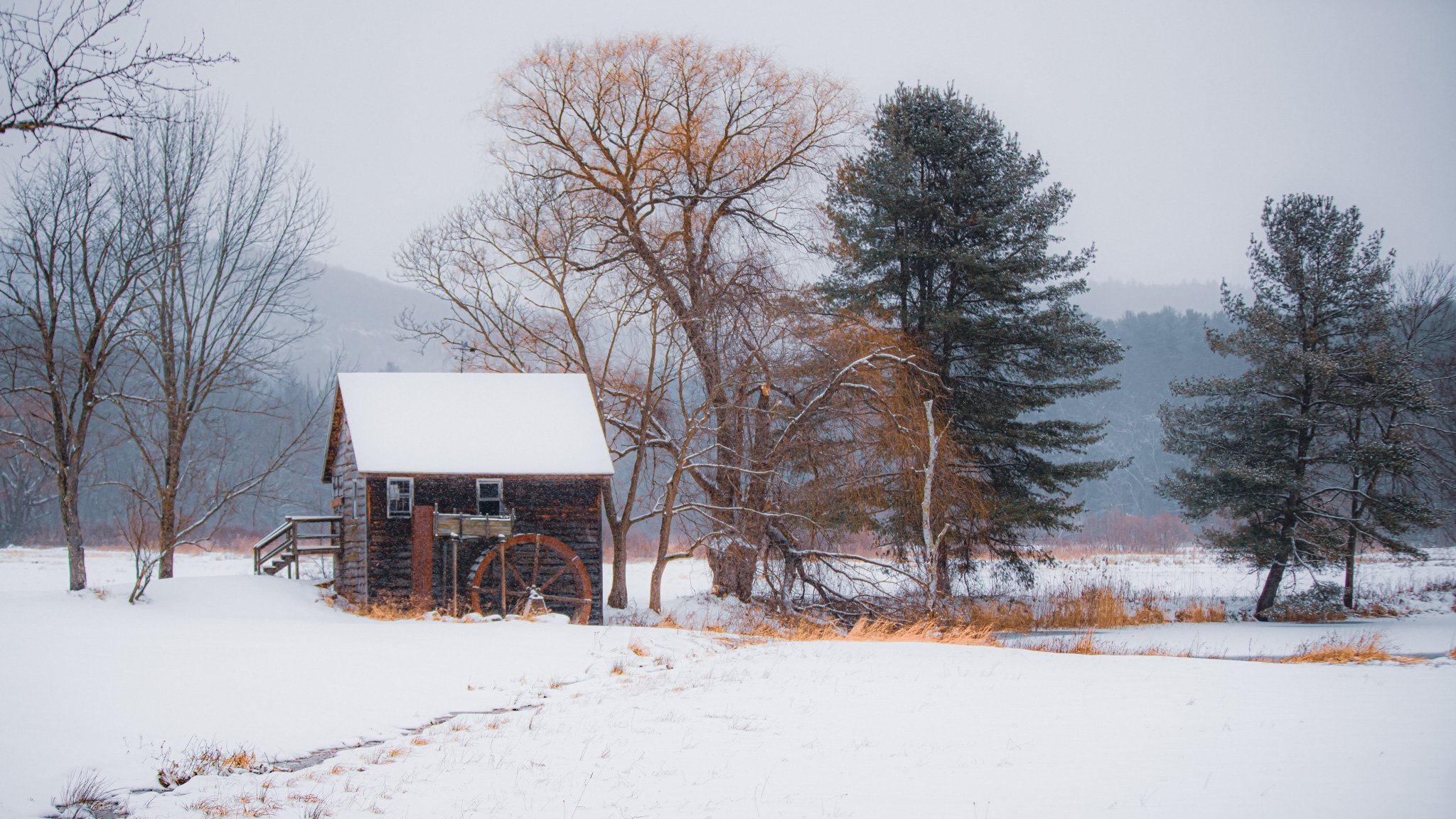
winter mooring.
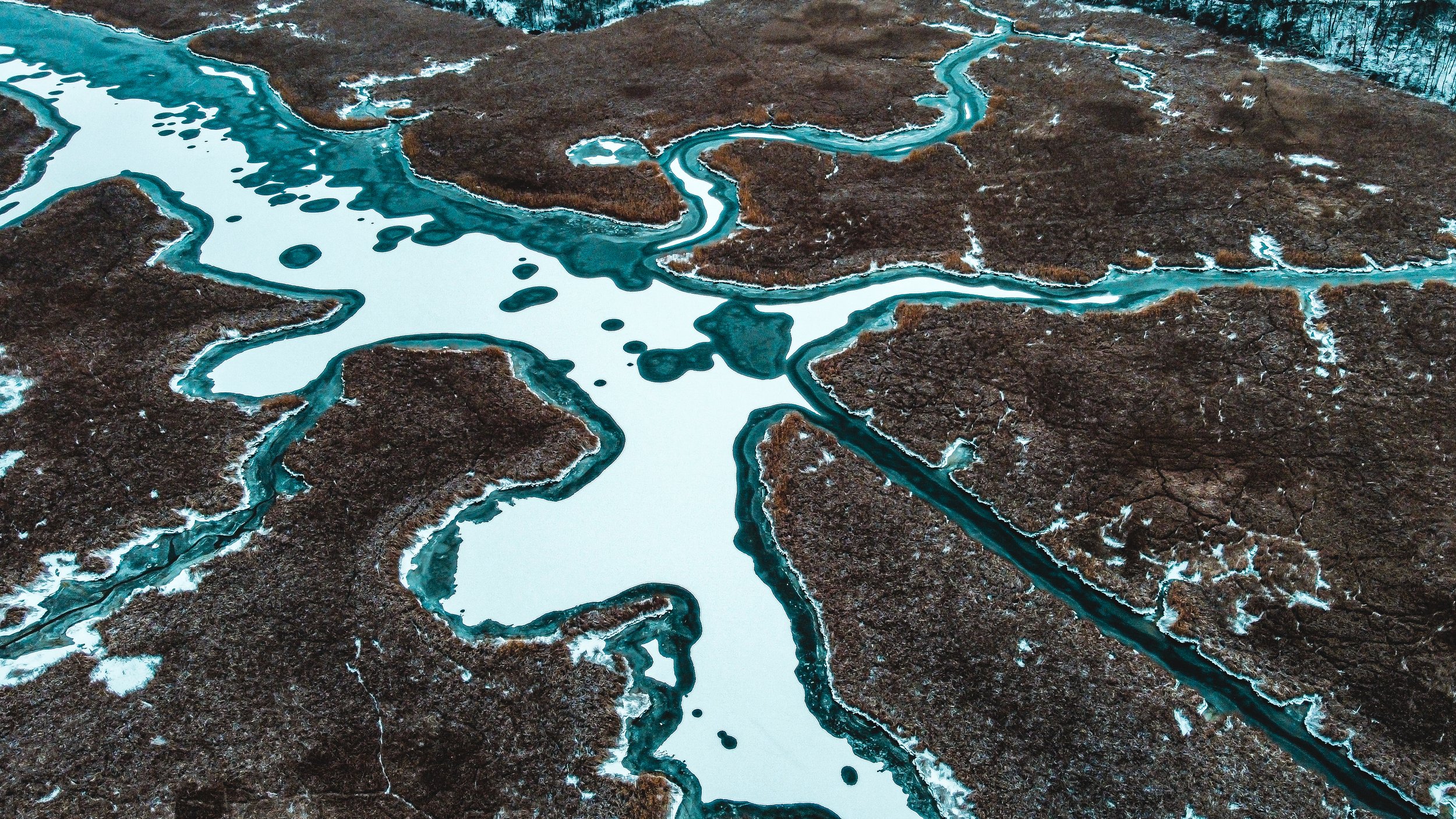
epoxy.

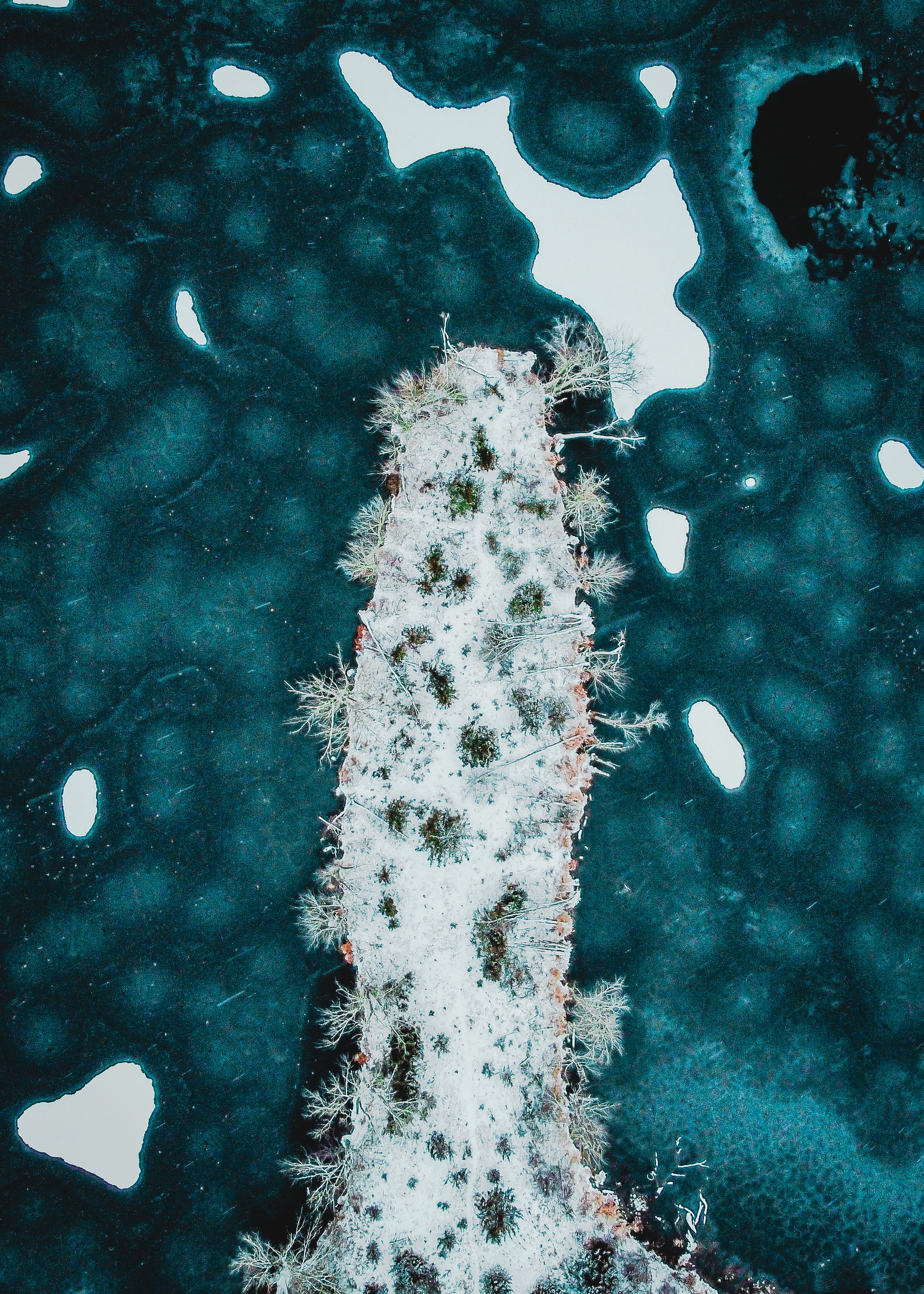
peninsula, one.
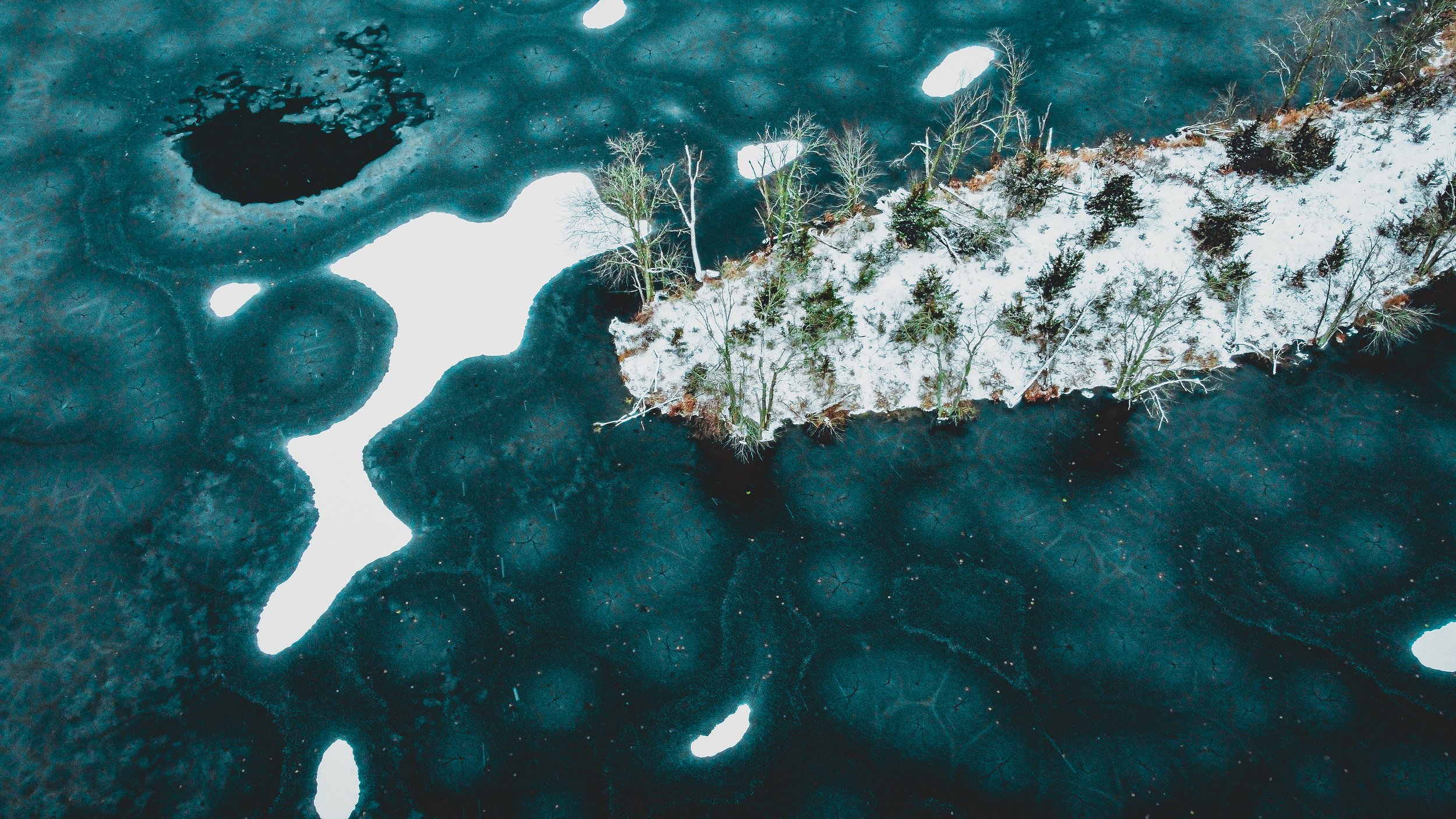
peninsula, too.
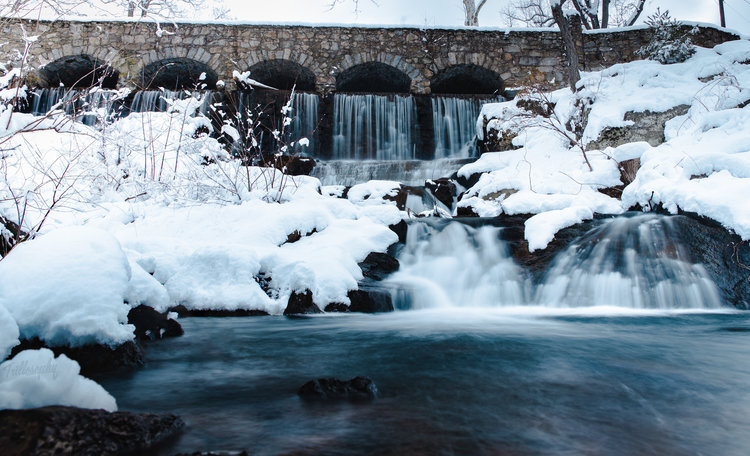
in case of falls.
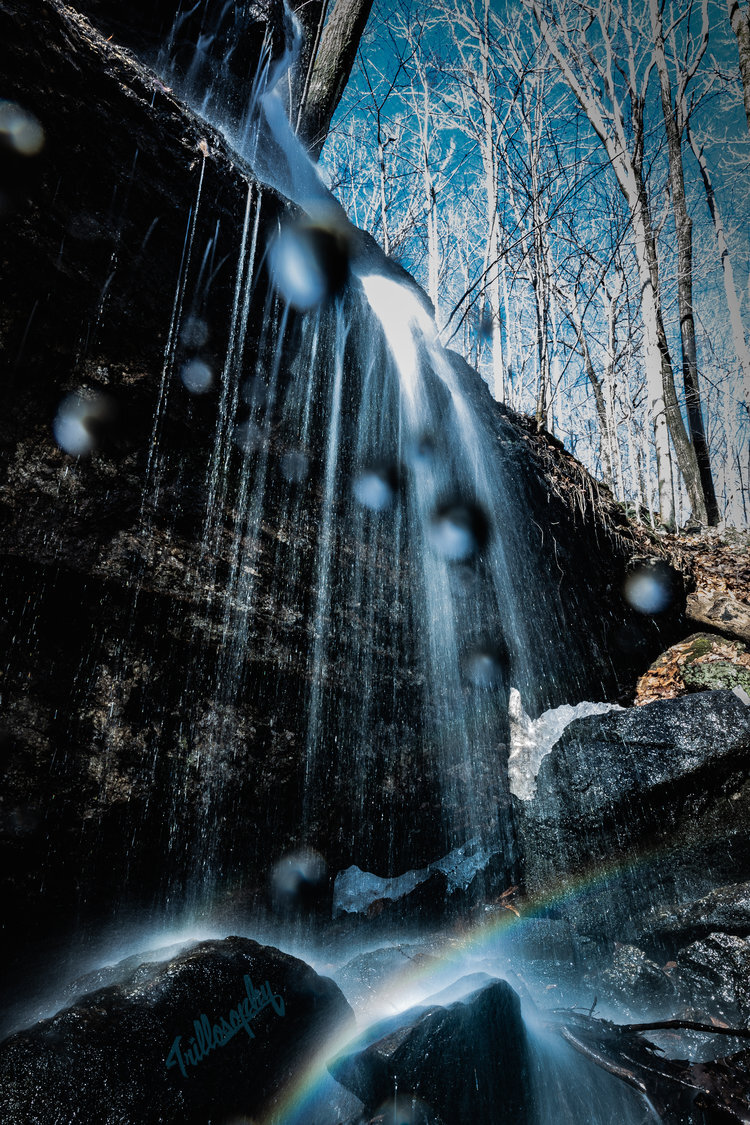
cataract.
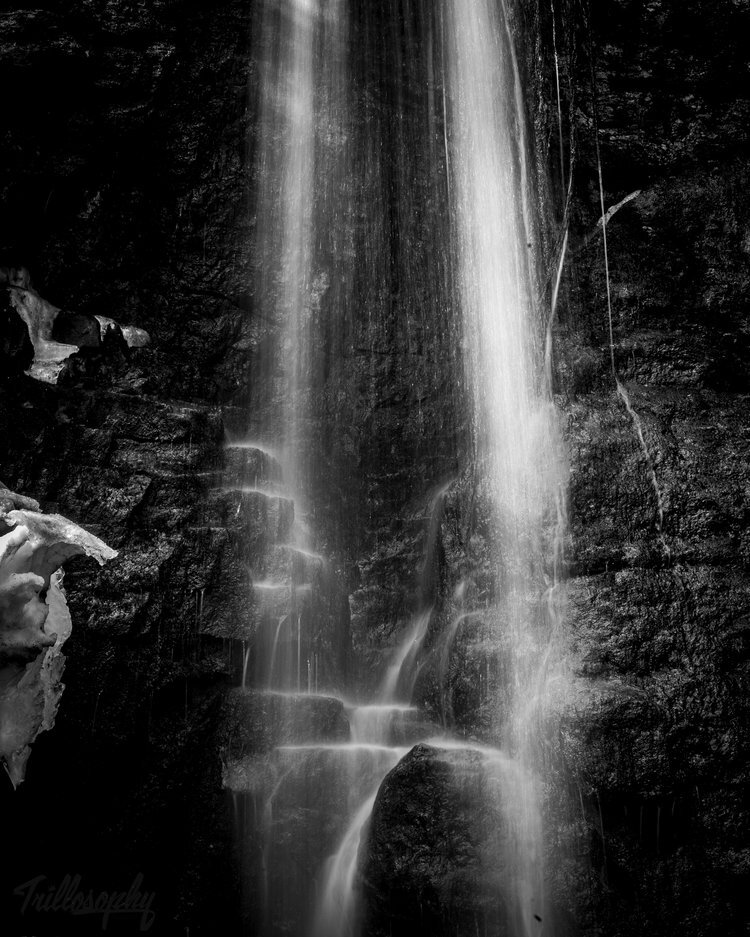
cascade.
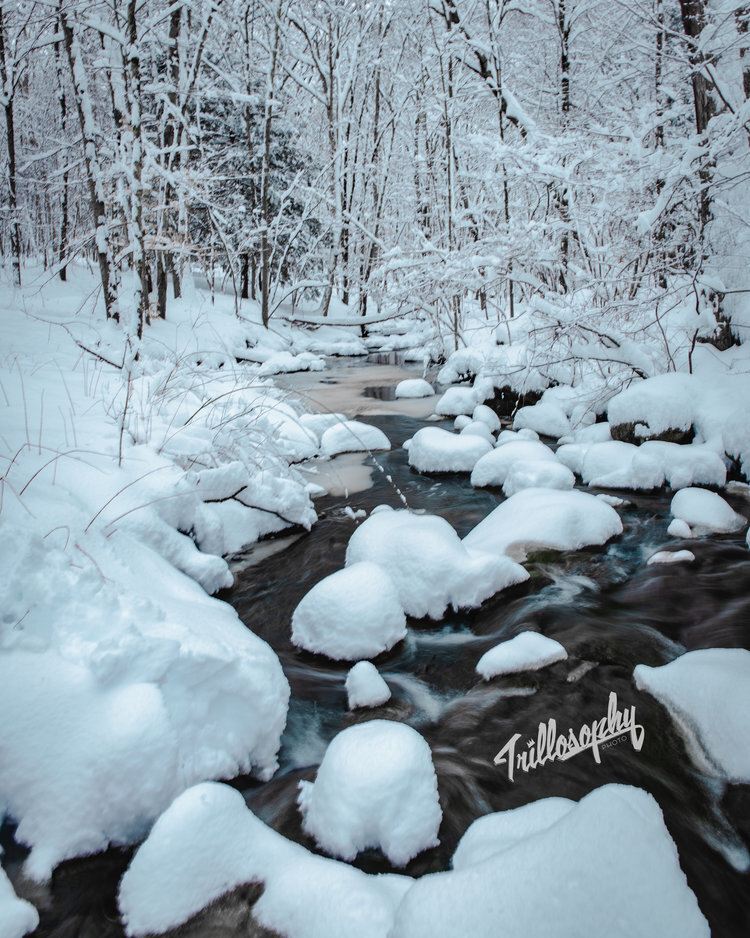
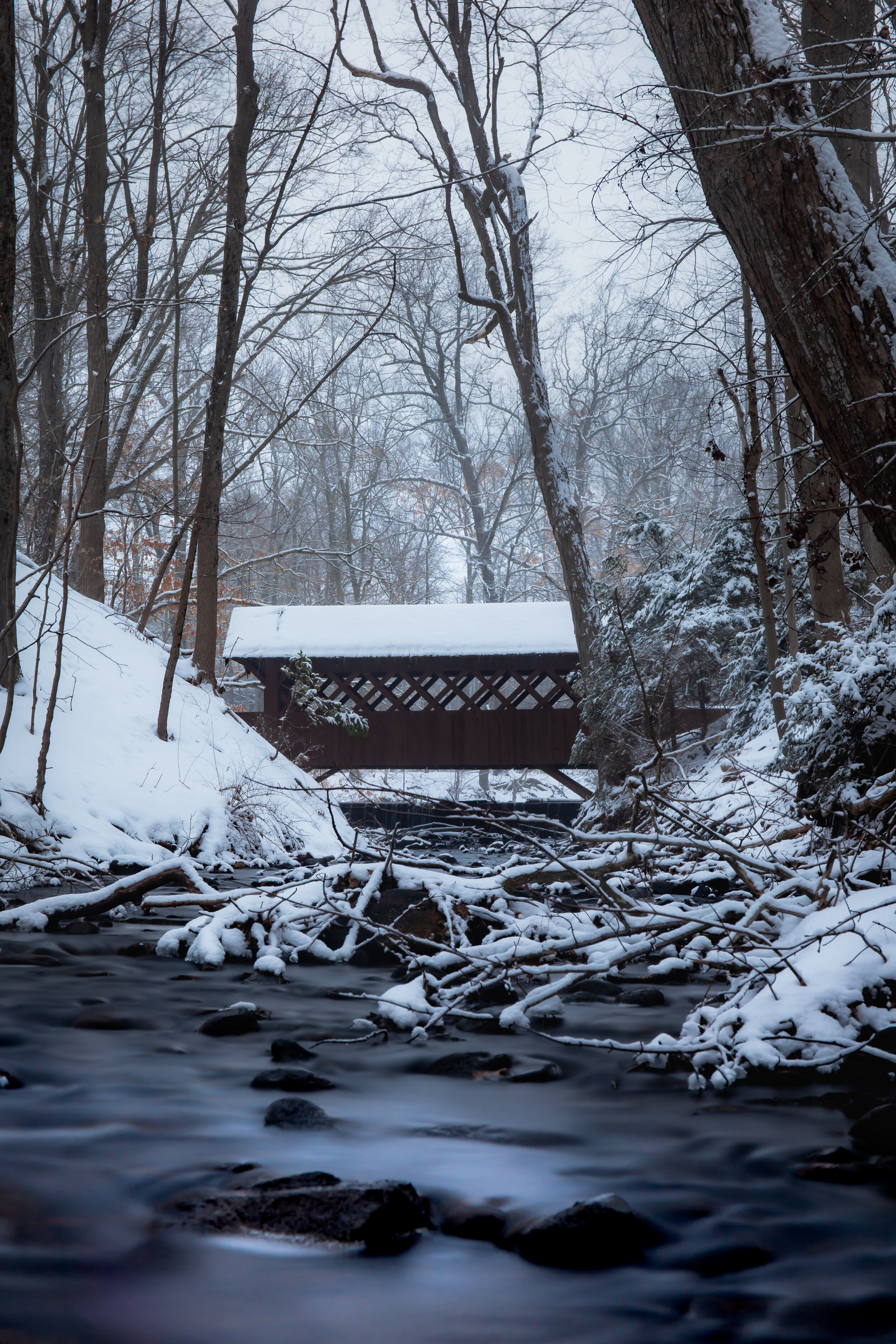
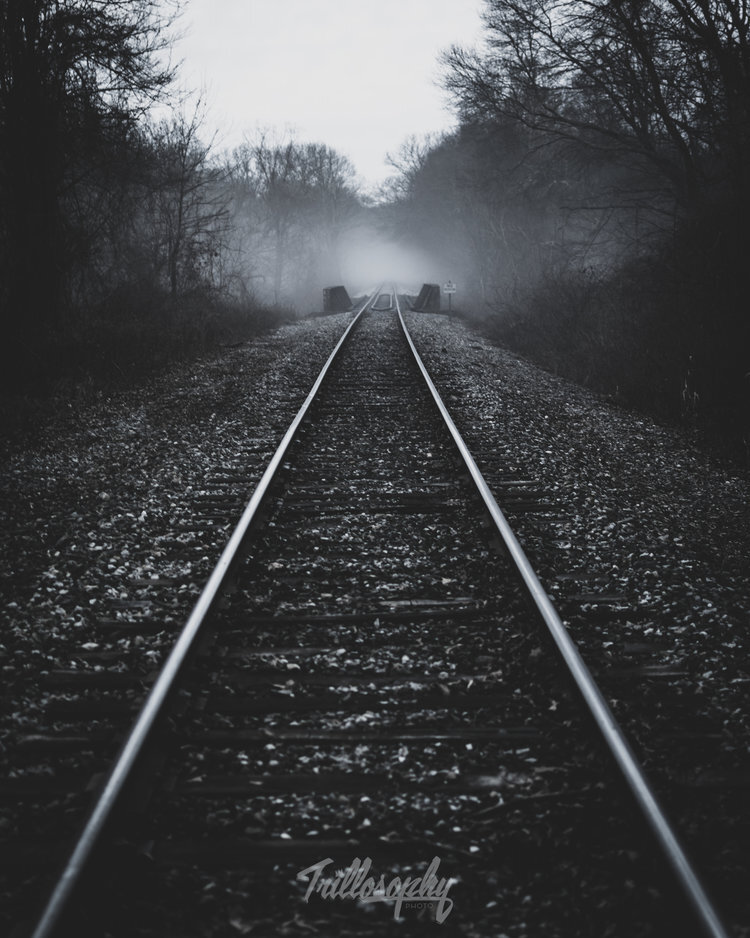
existential disquietude.

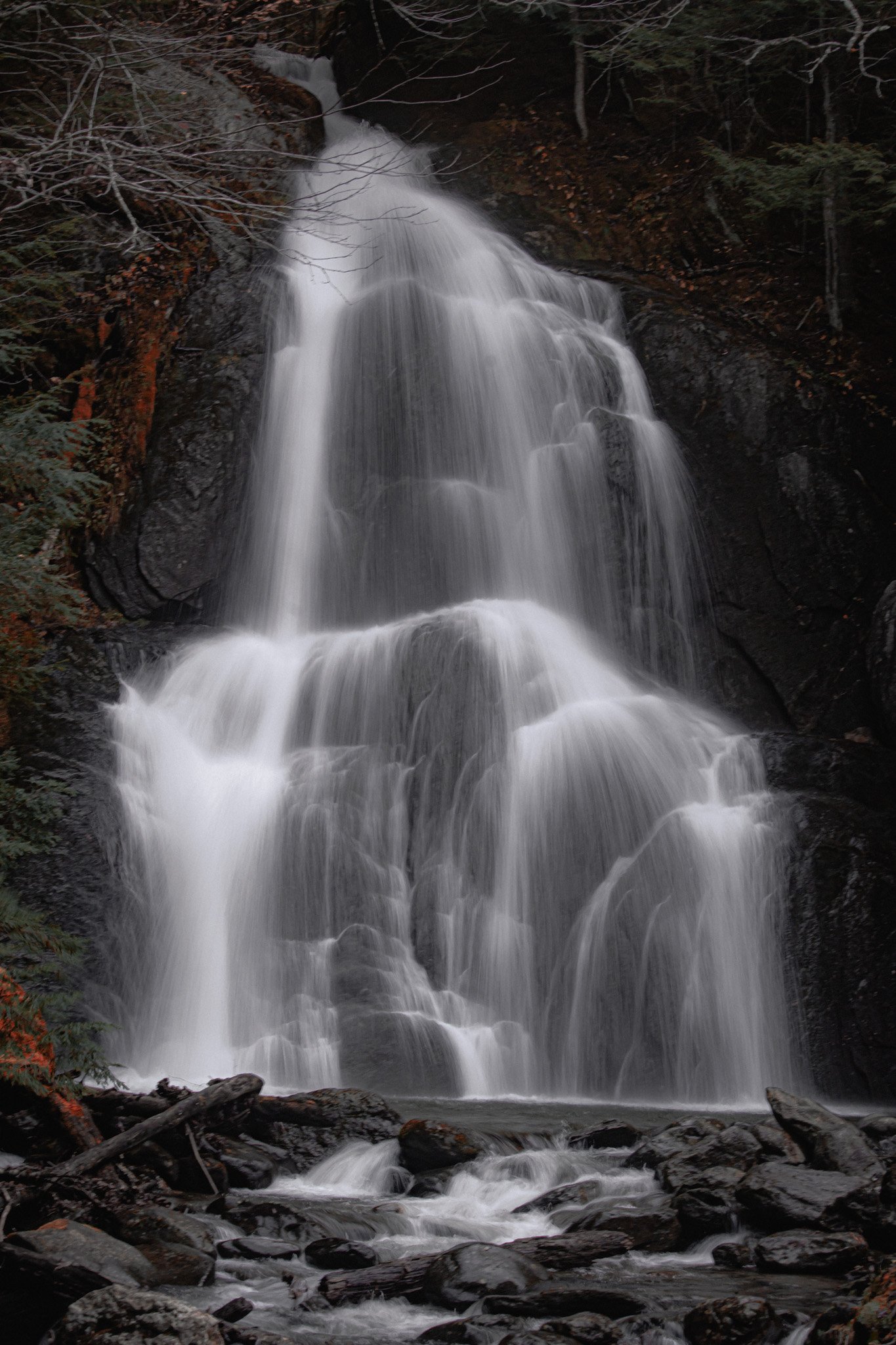
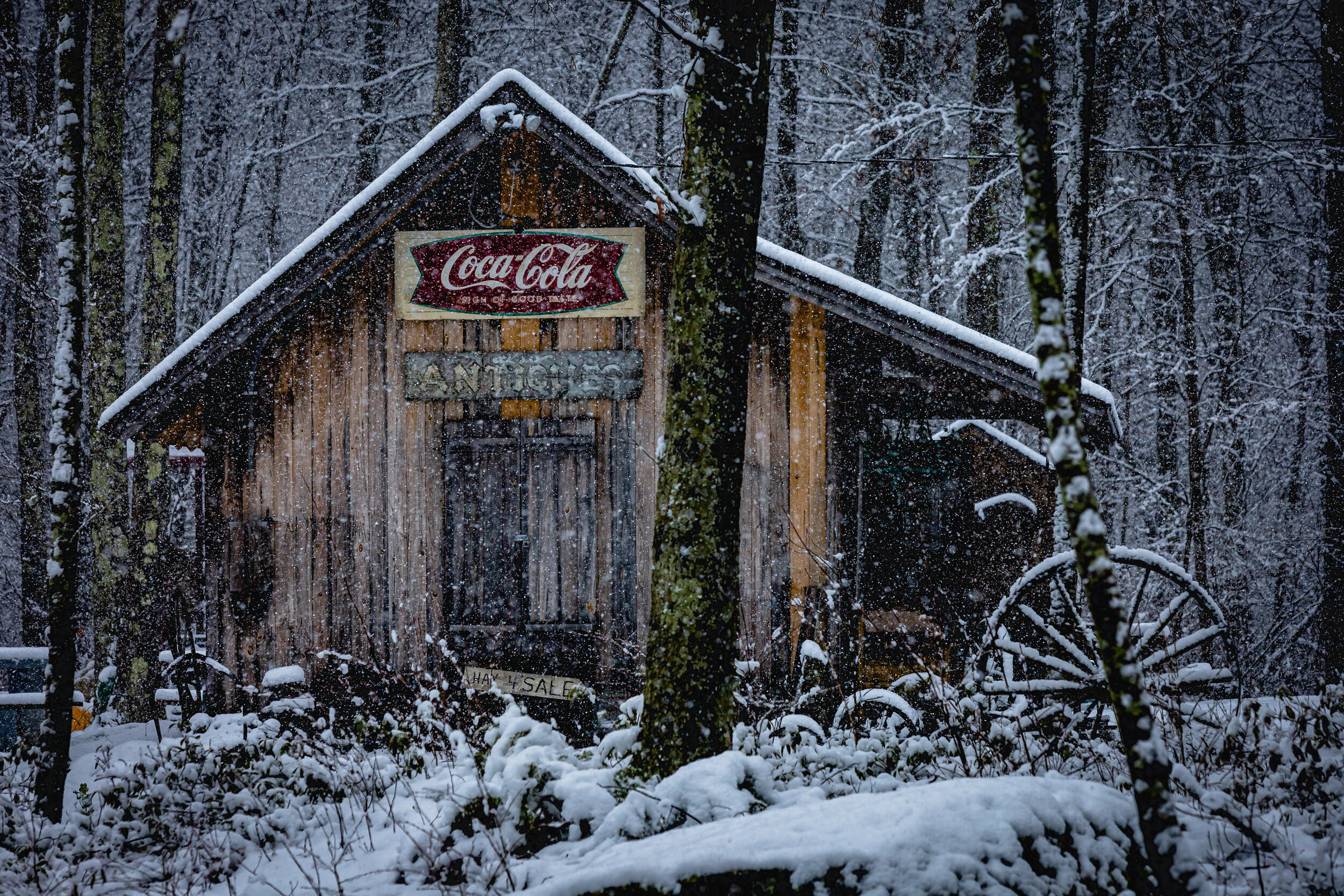
minnie's haberdashery.
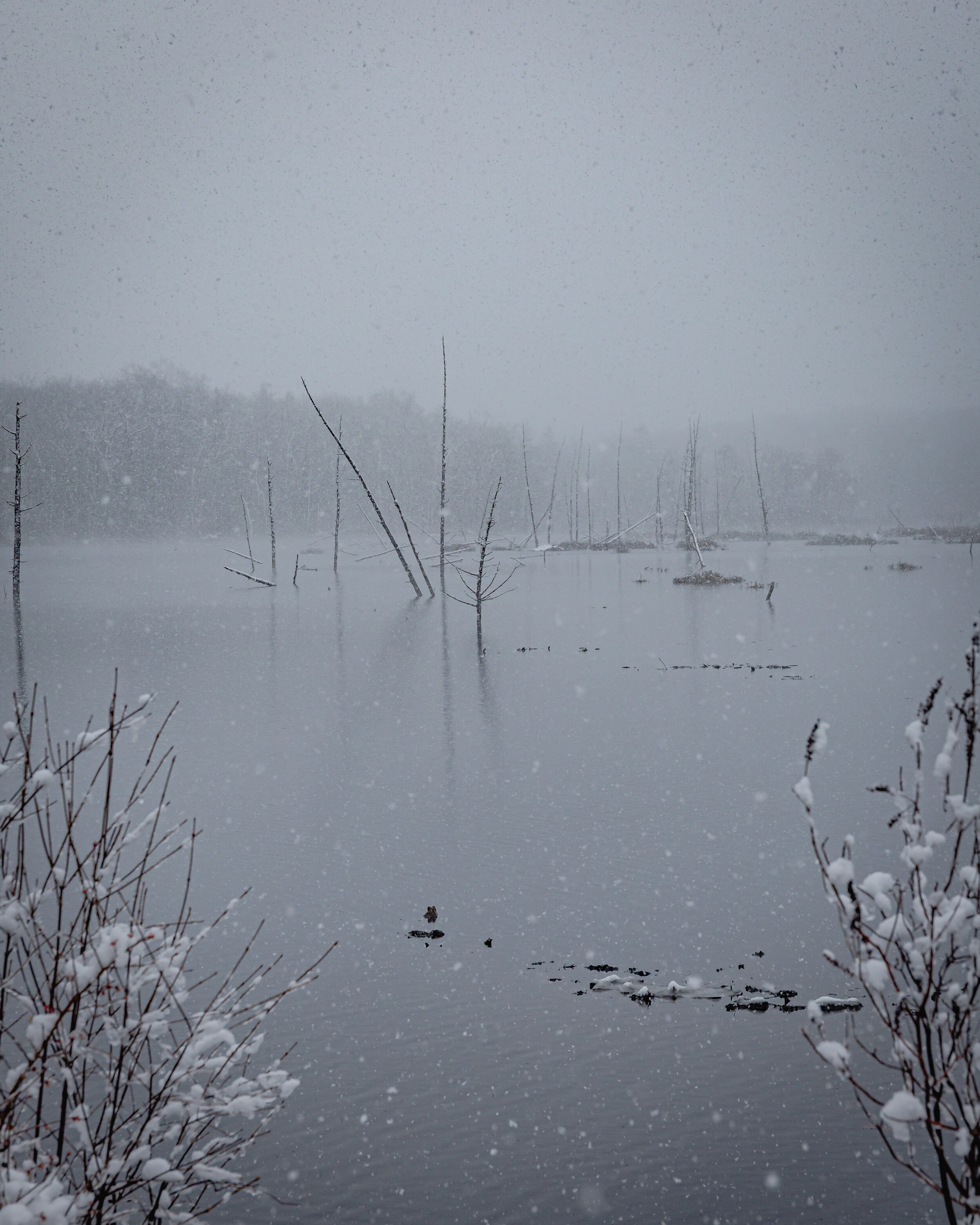
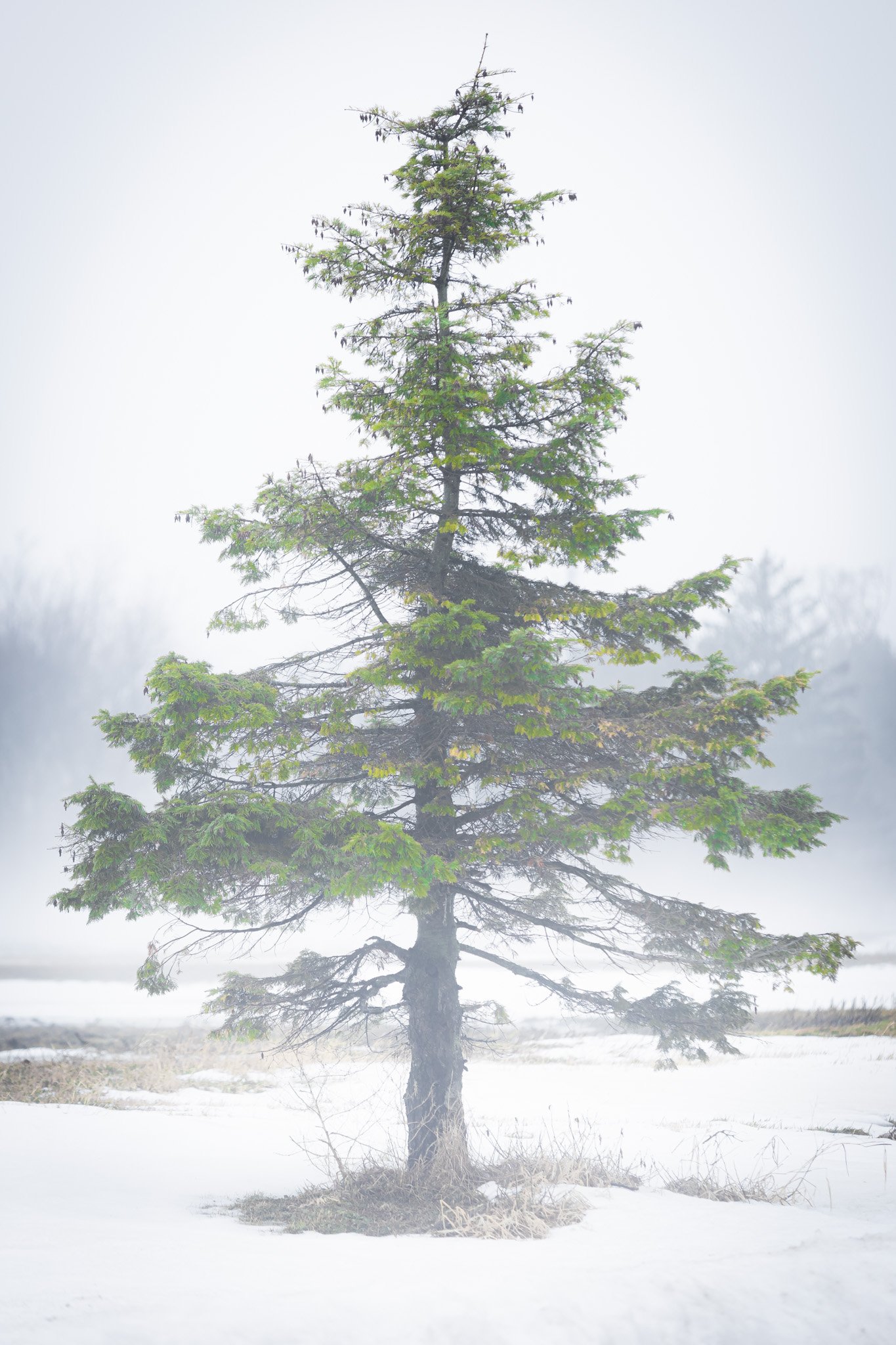

˙ƃuᴉɹds
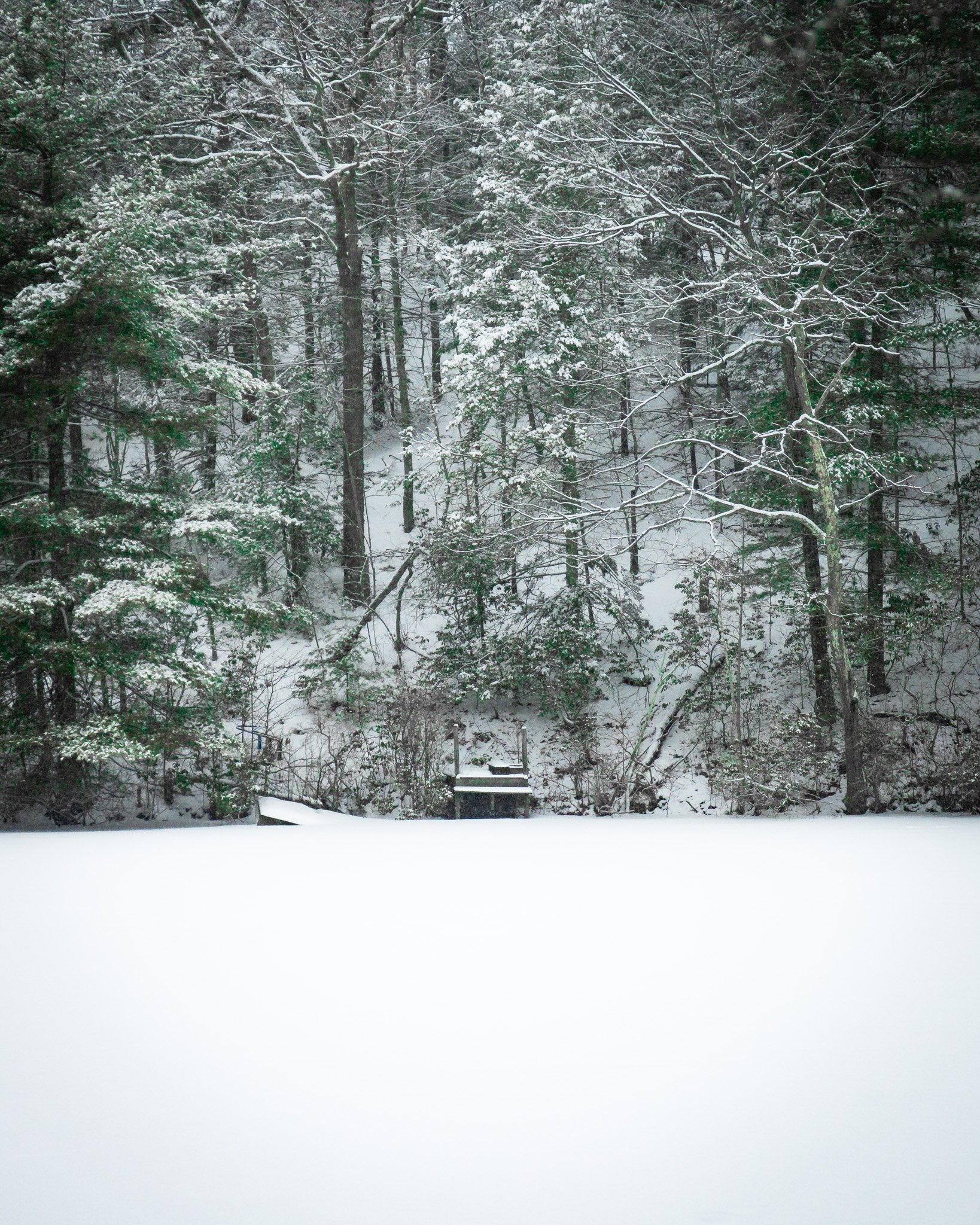



...more like nathan hail
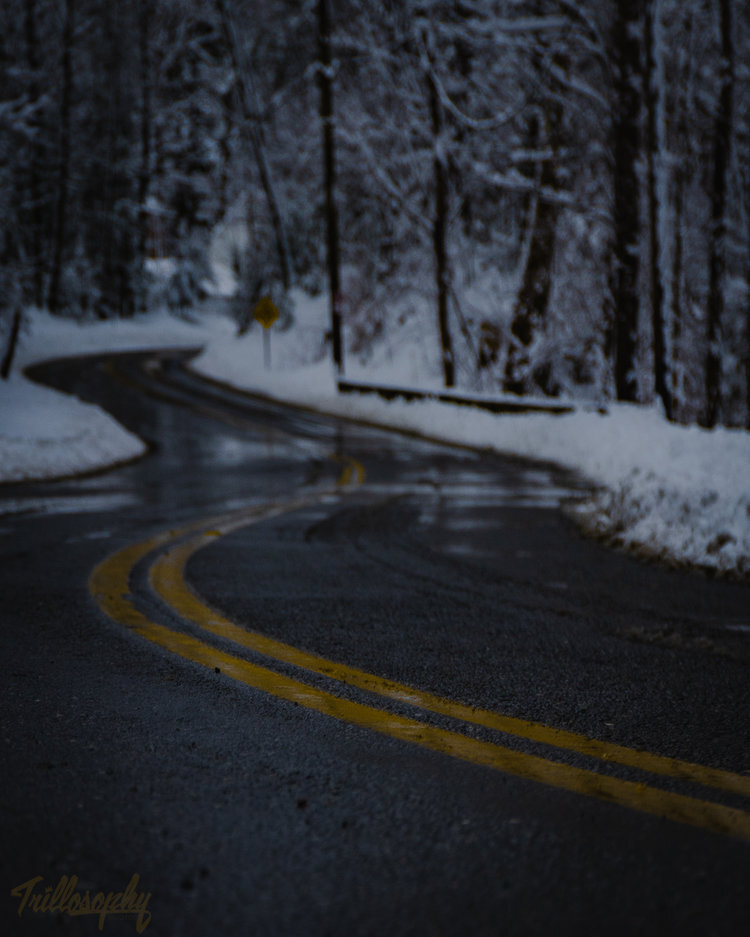
brumal.

