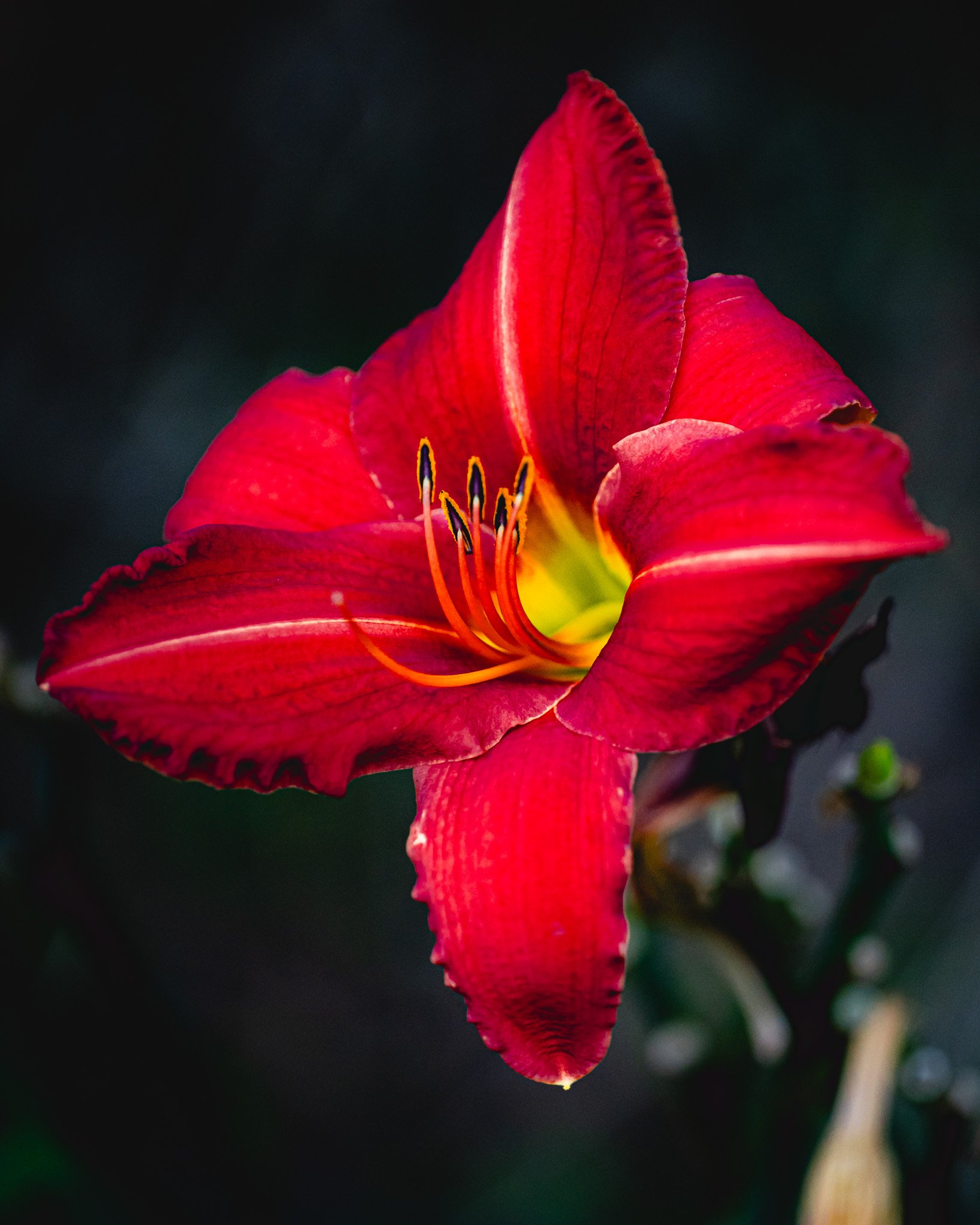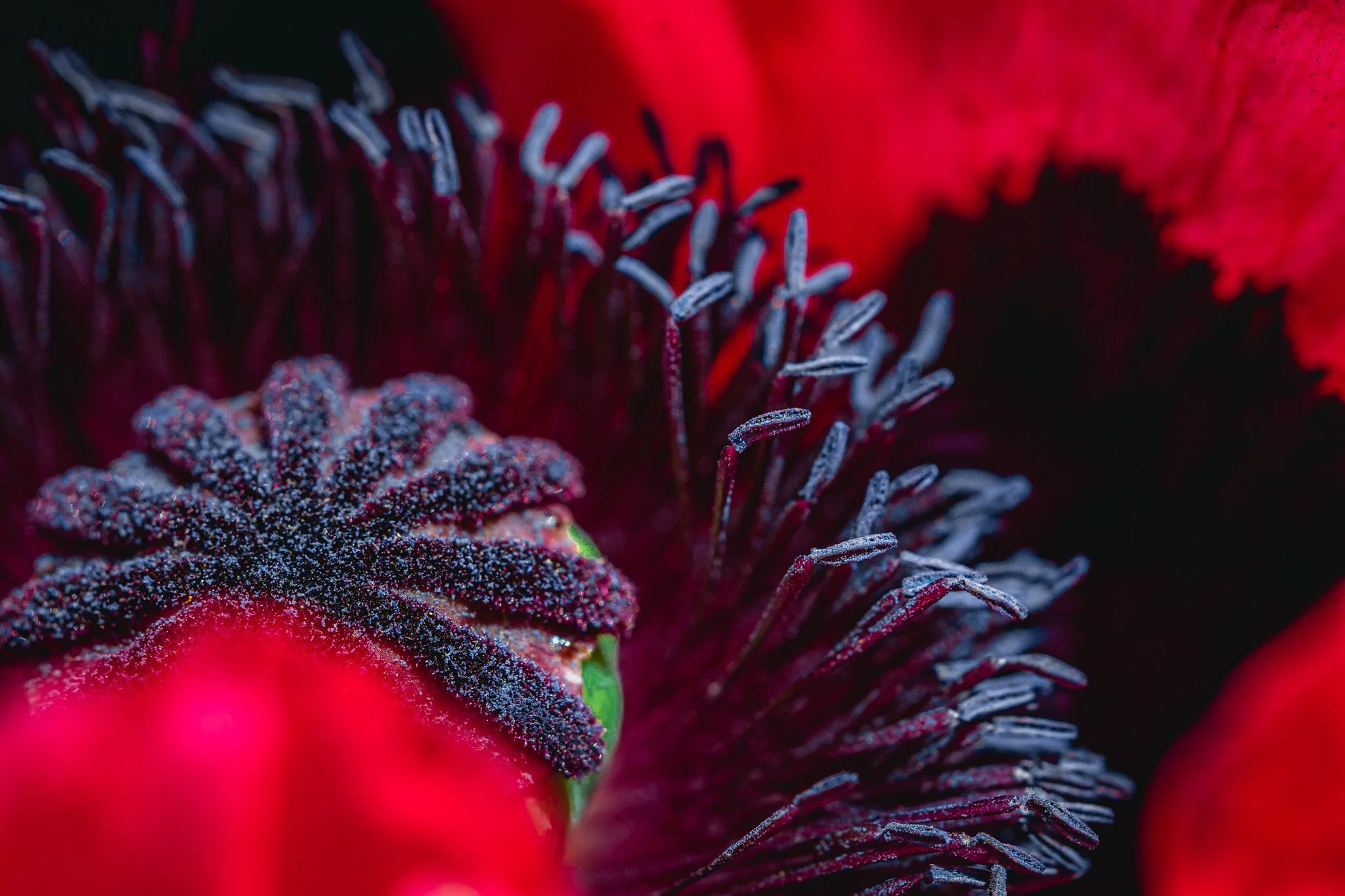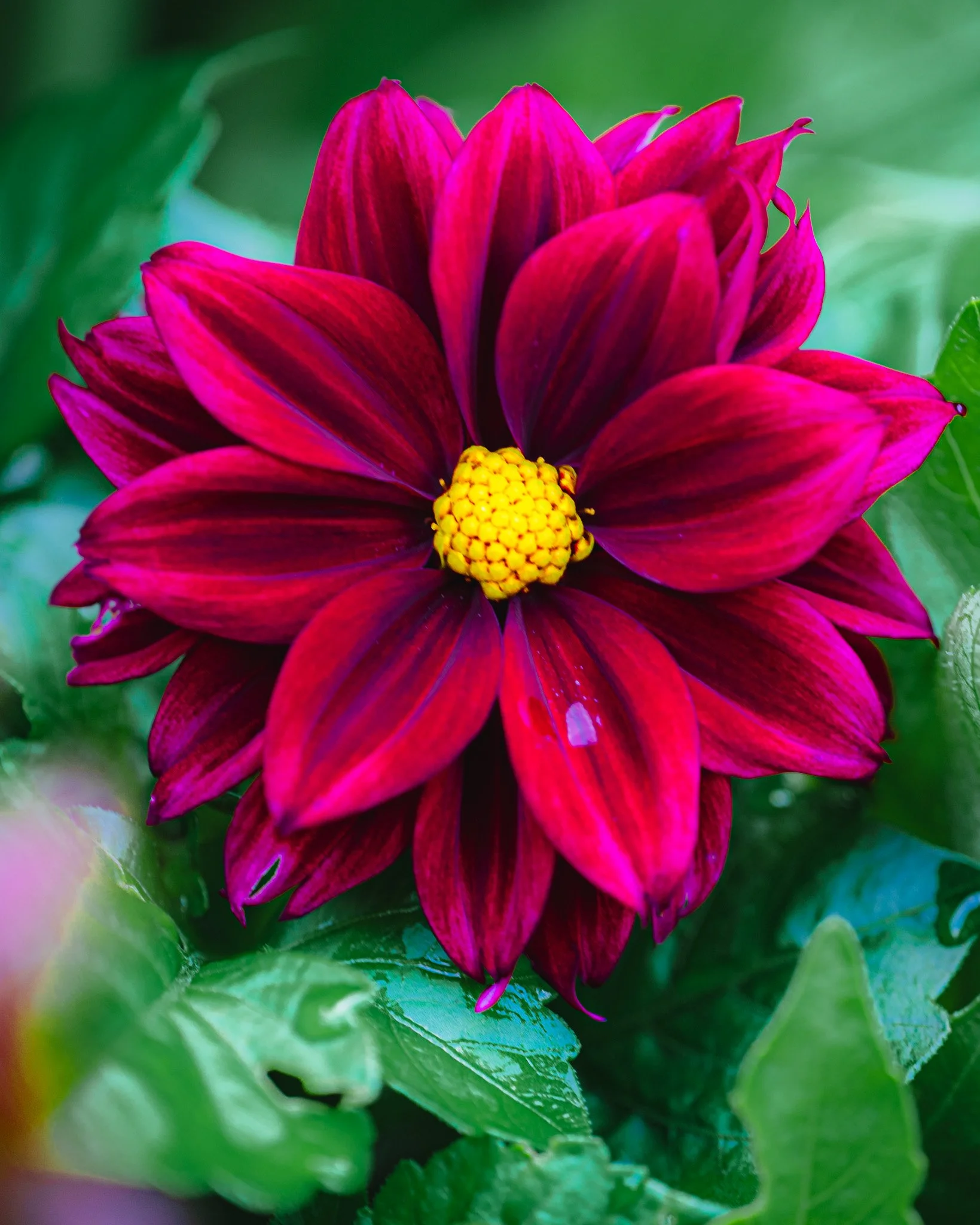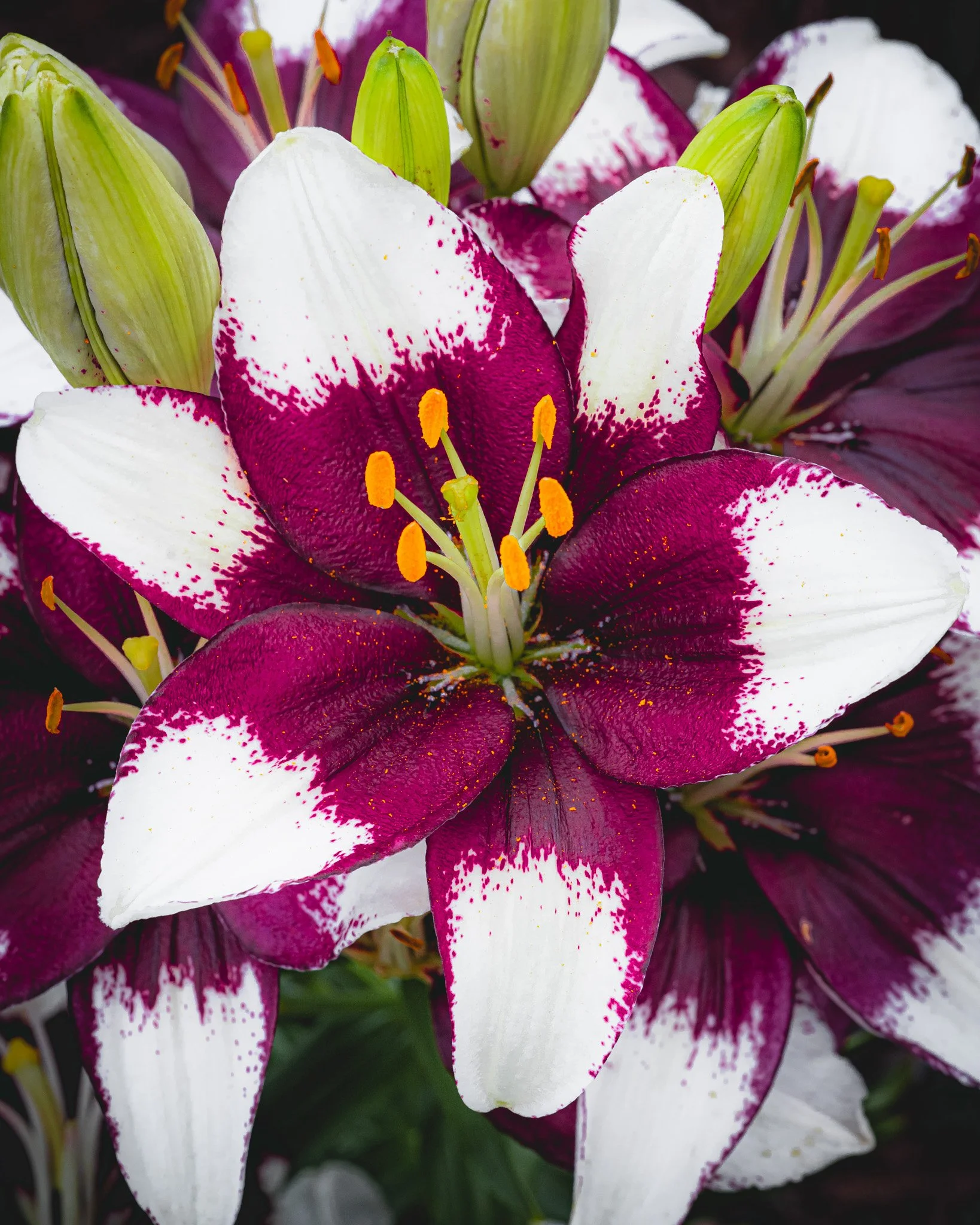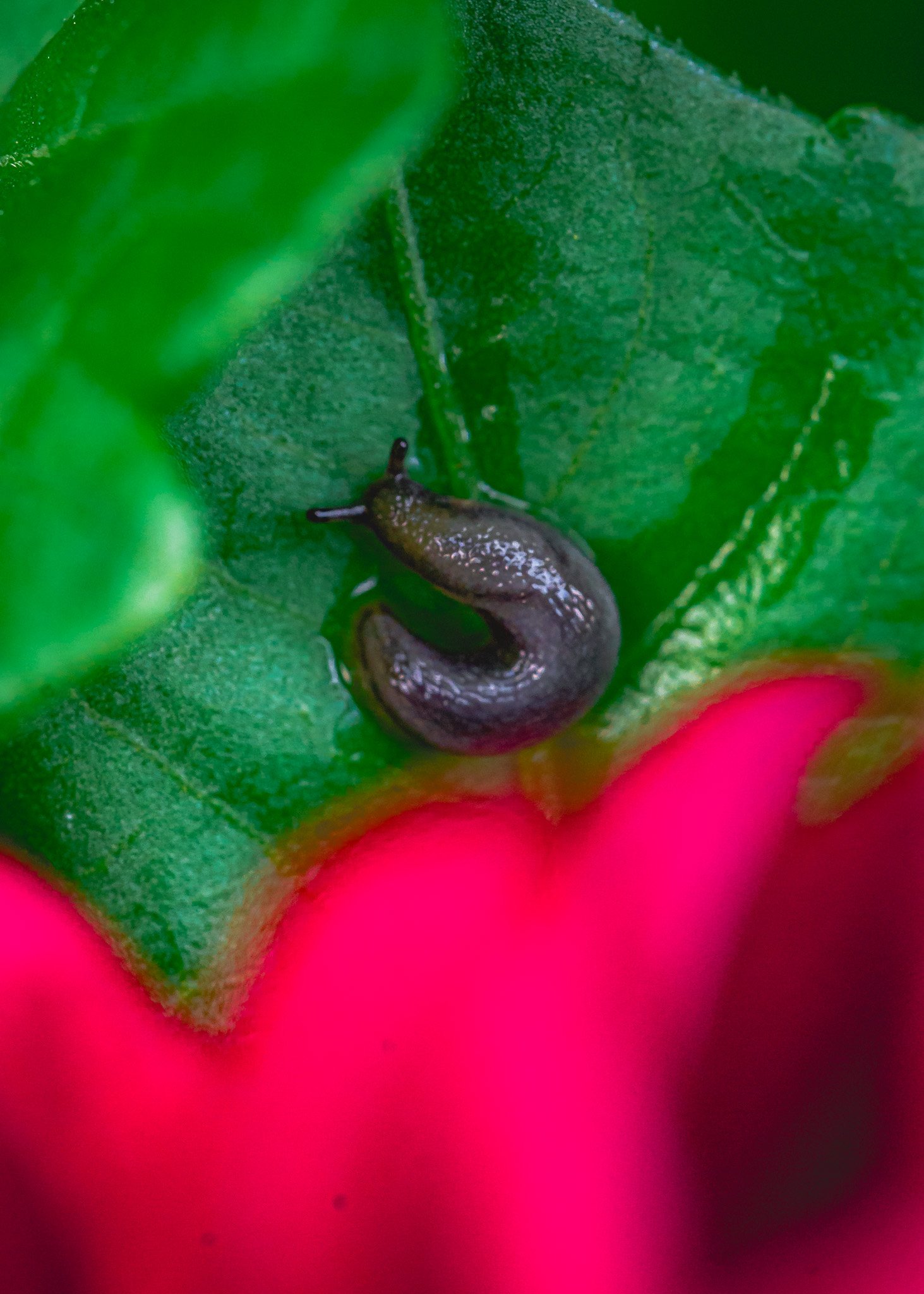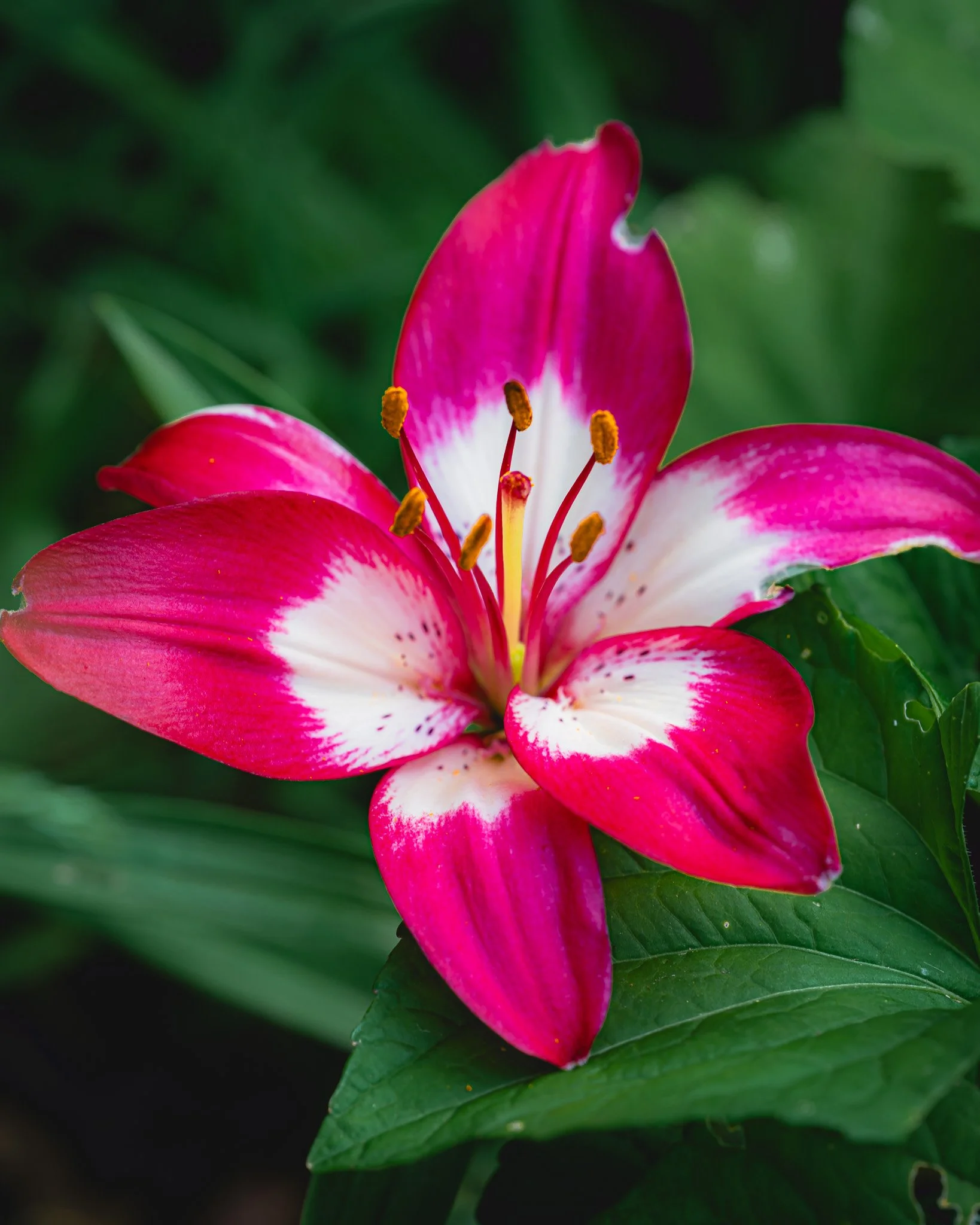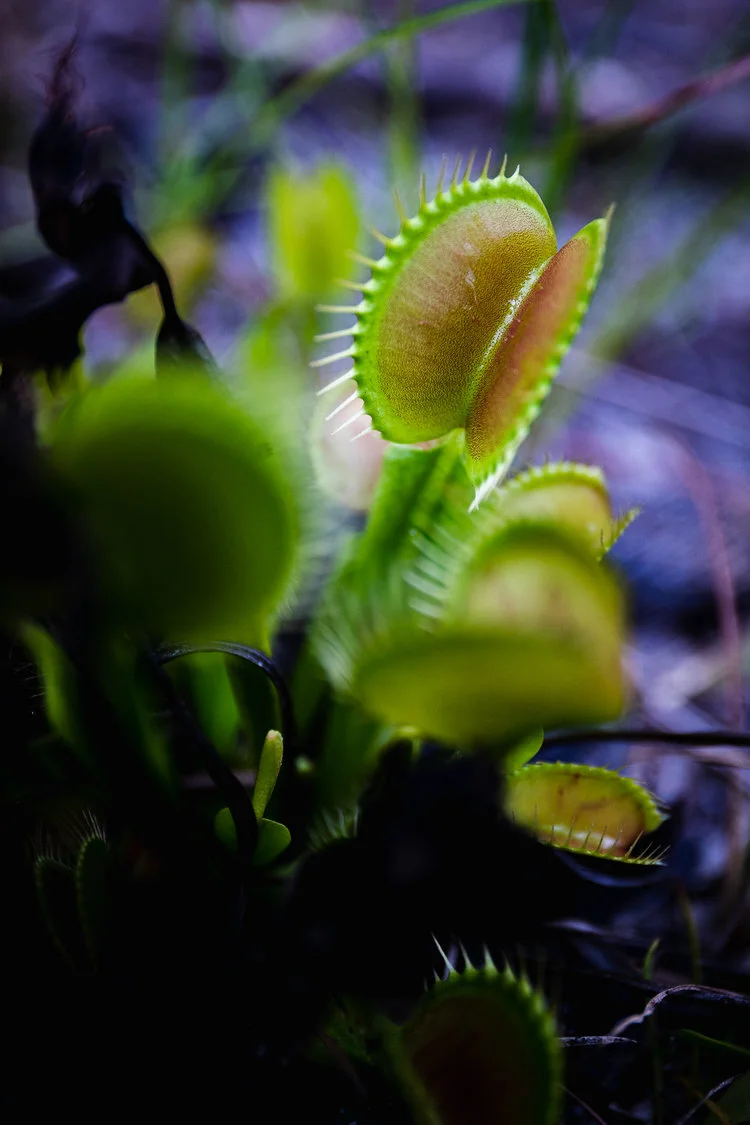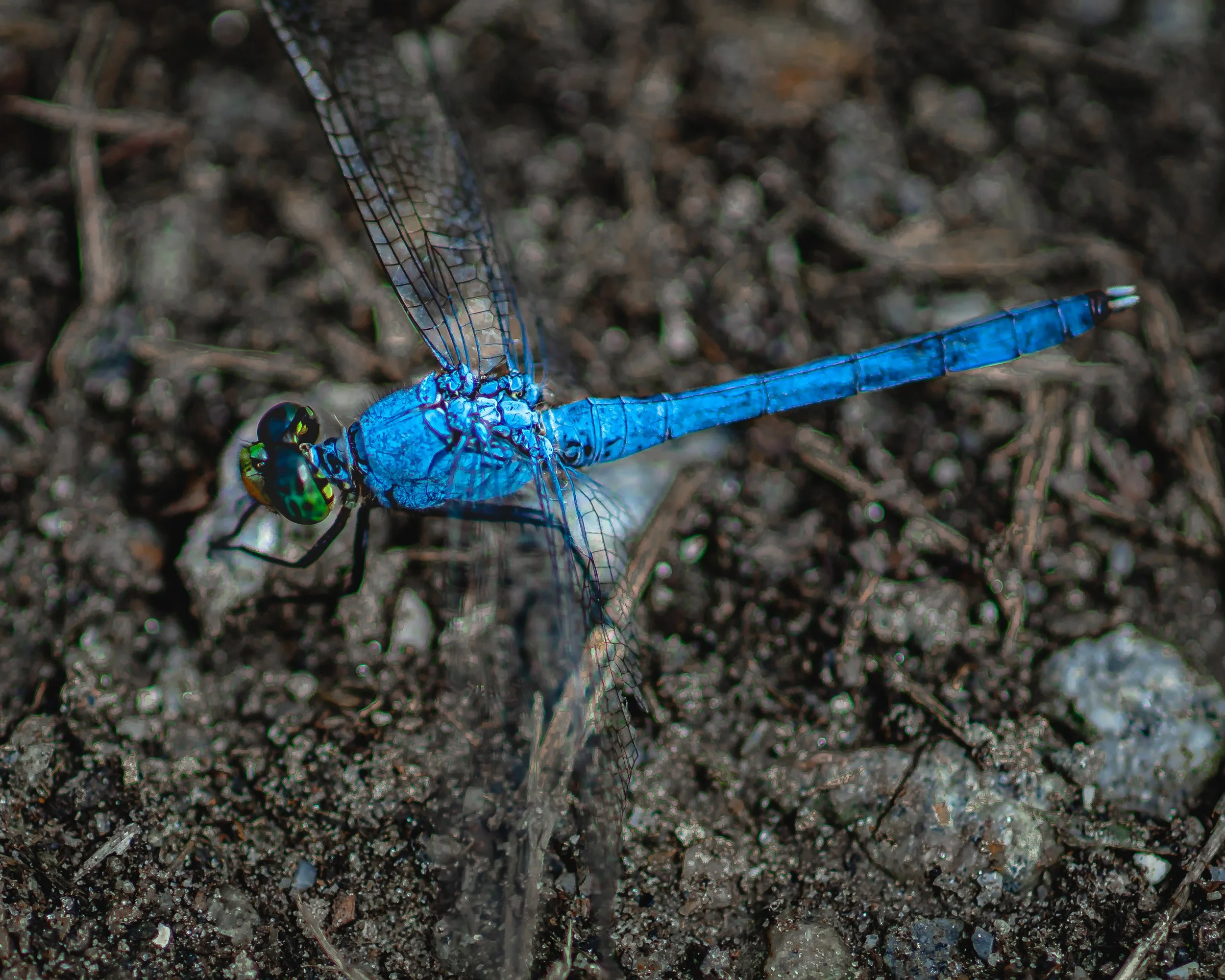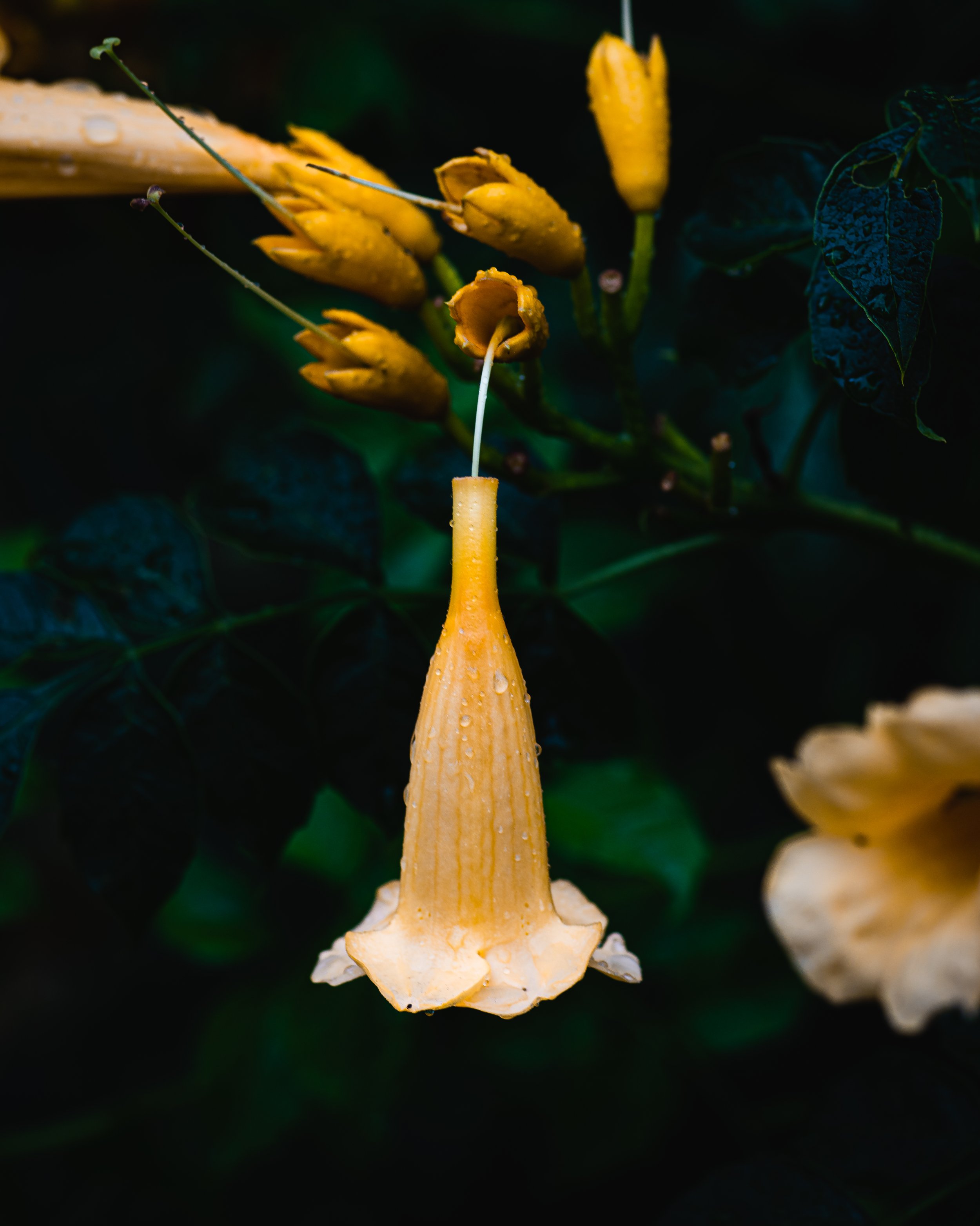


Macro and Garden Photography
“The creation of a thousand forests is within one acorn.”
— Ralph Waldo Emerson
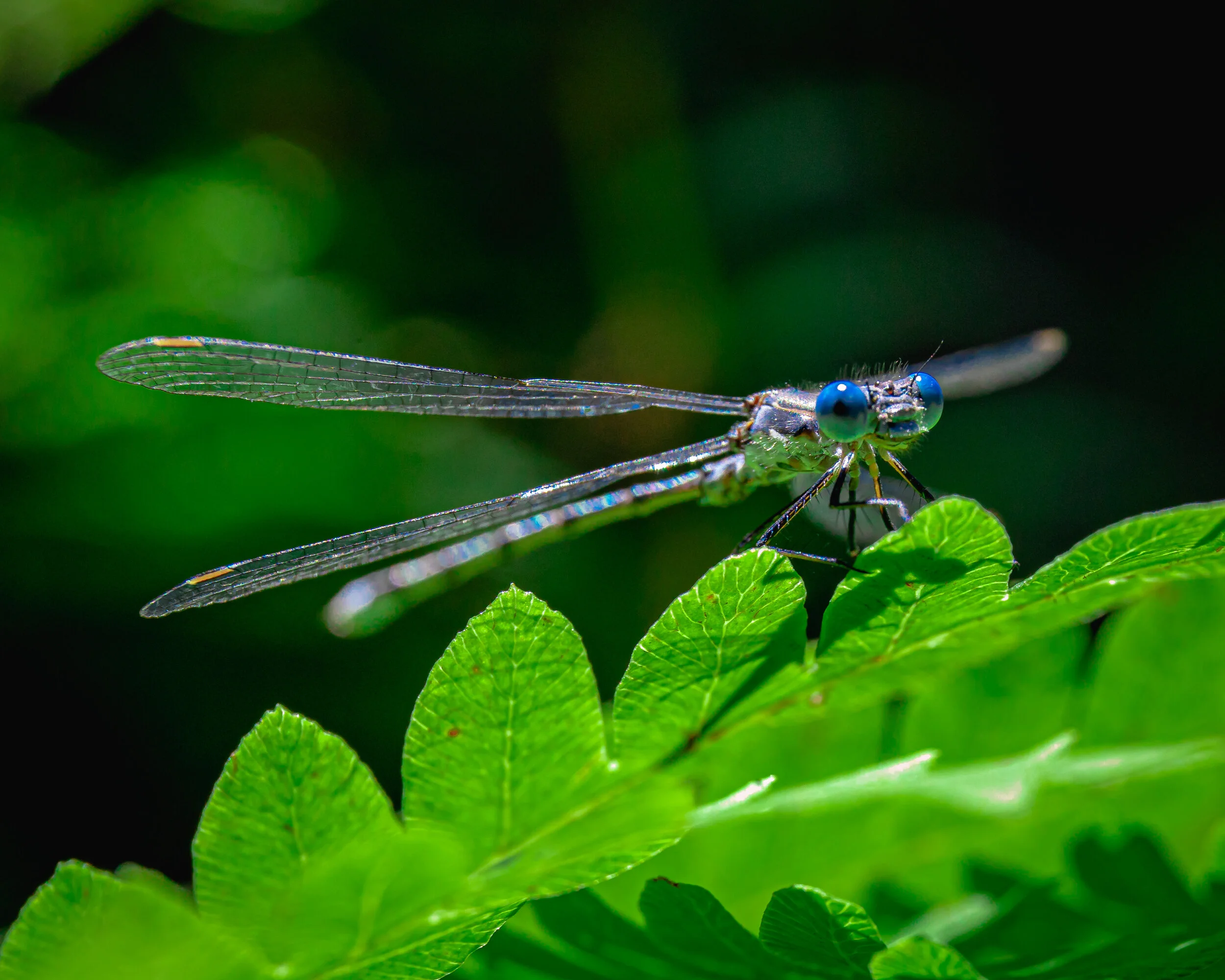
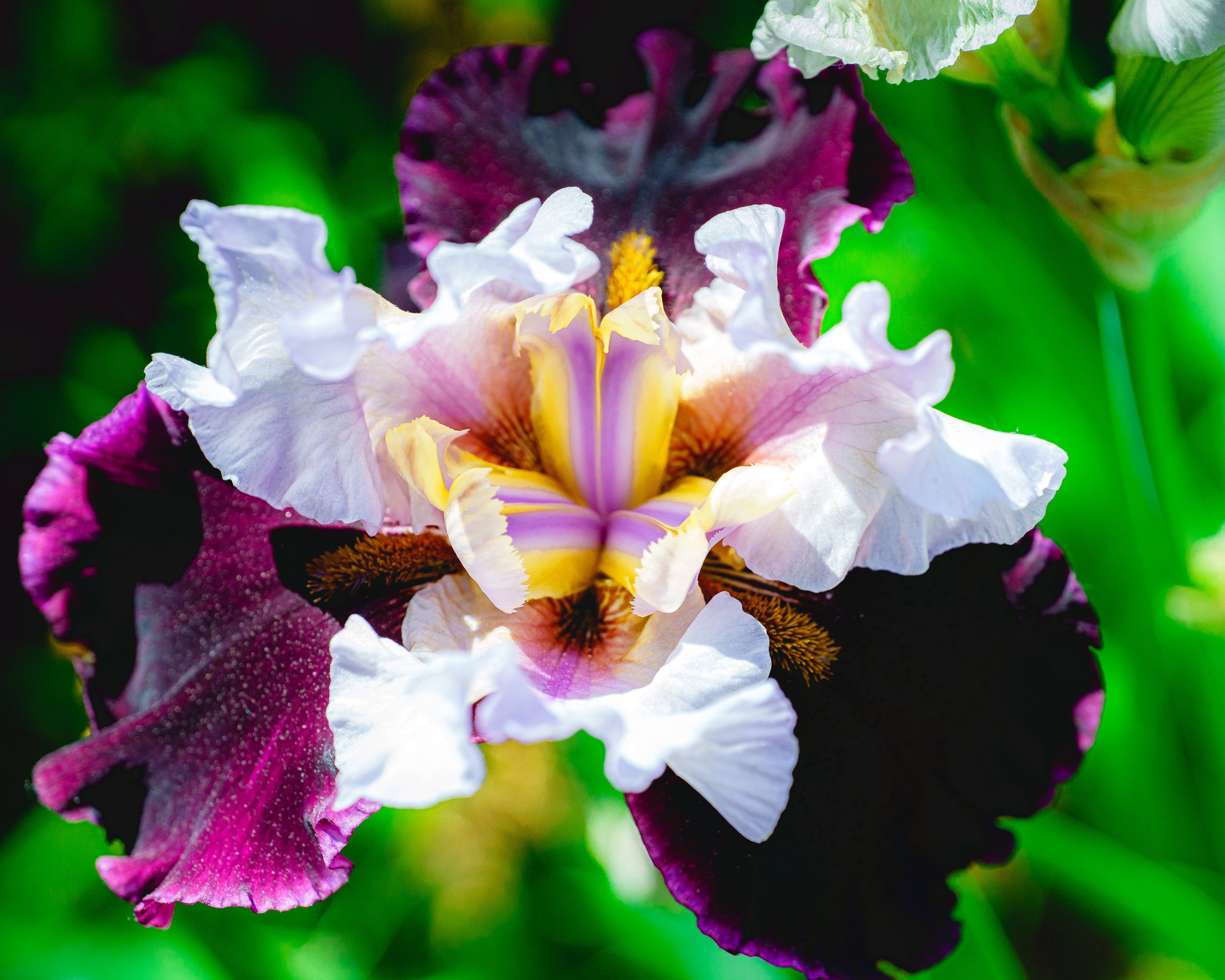
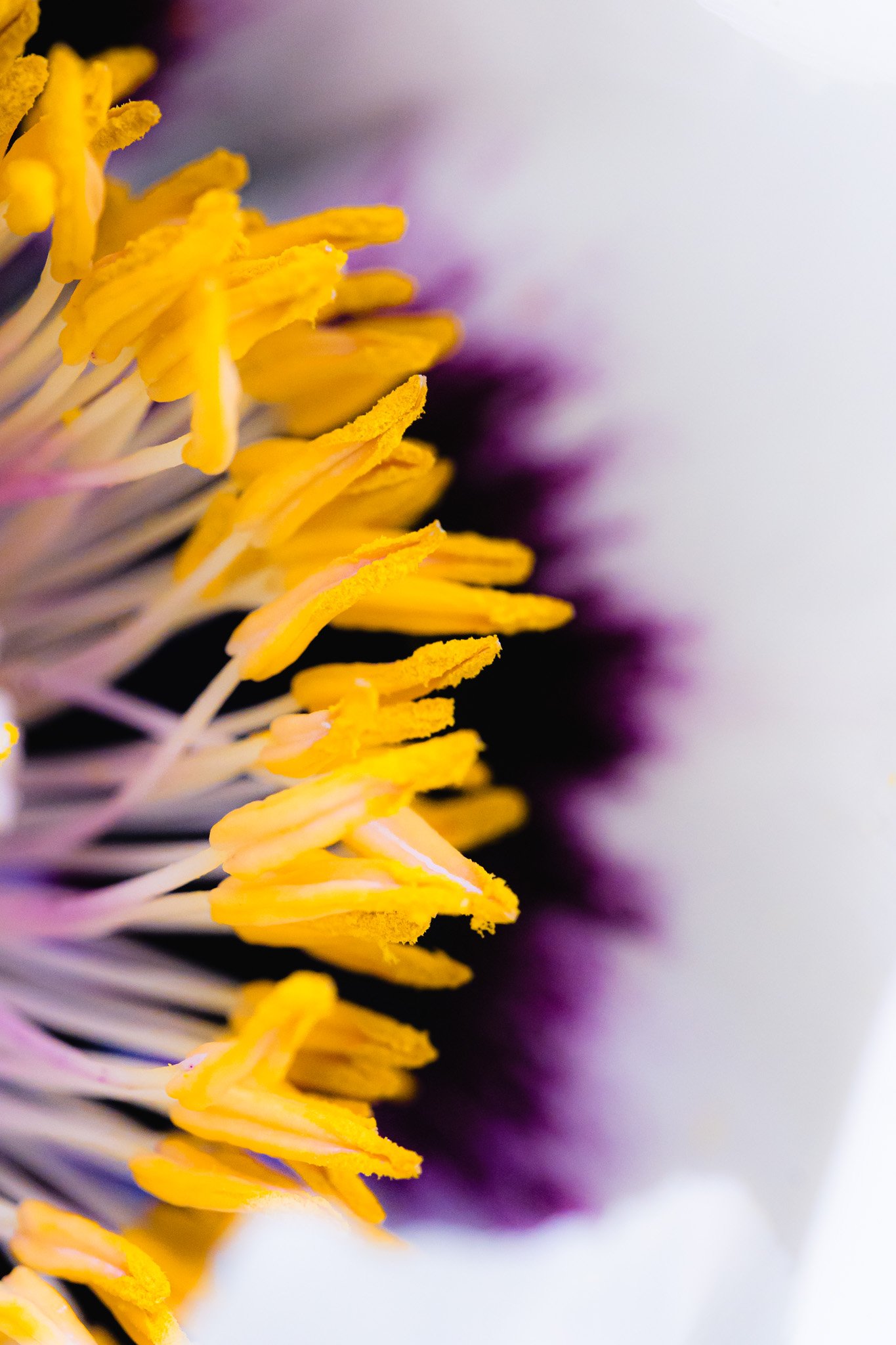
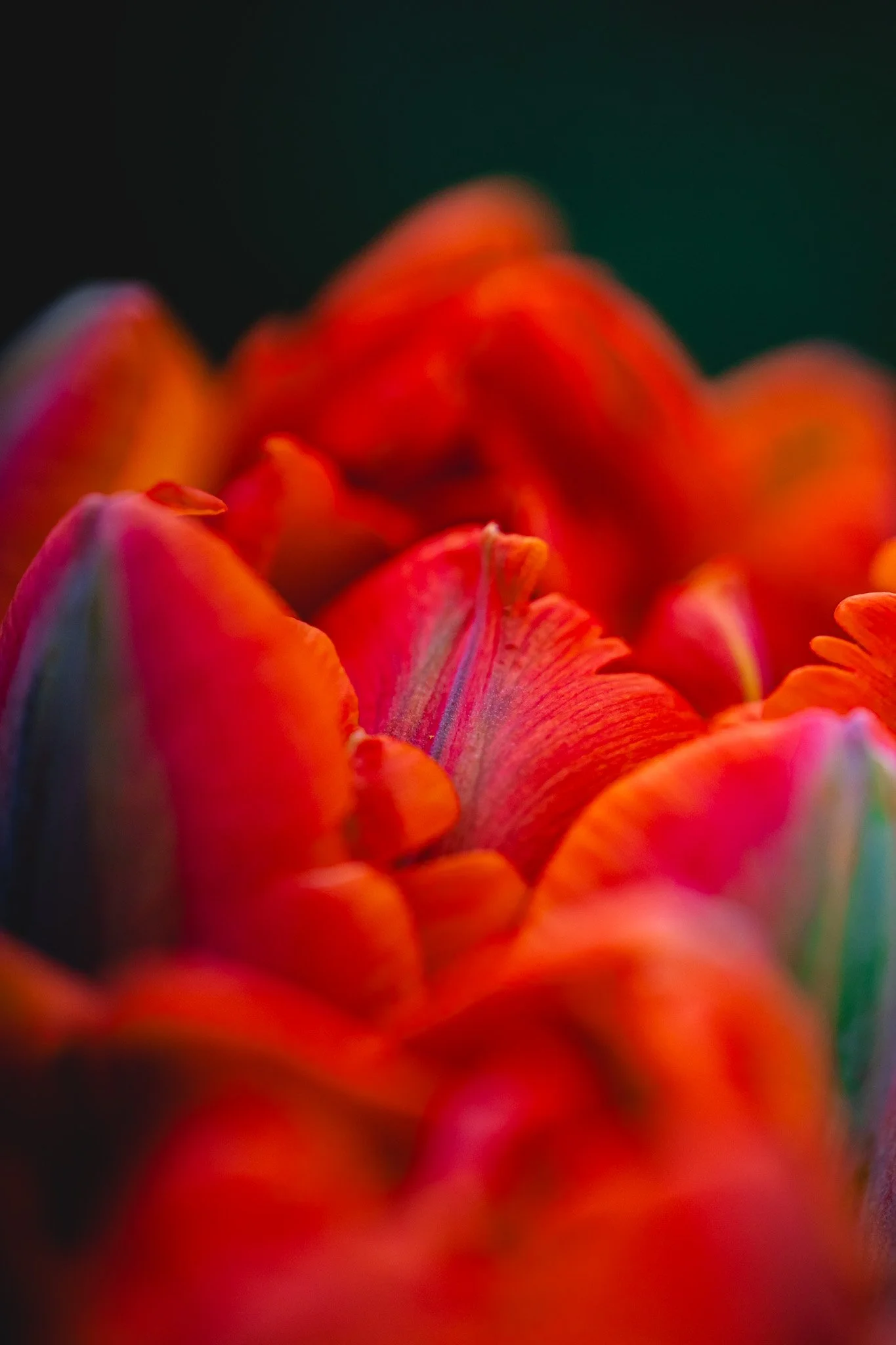
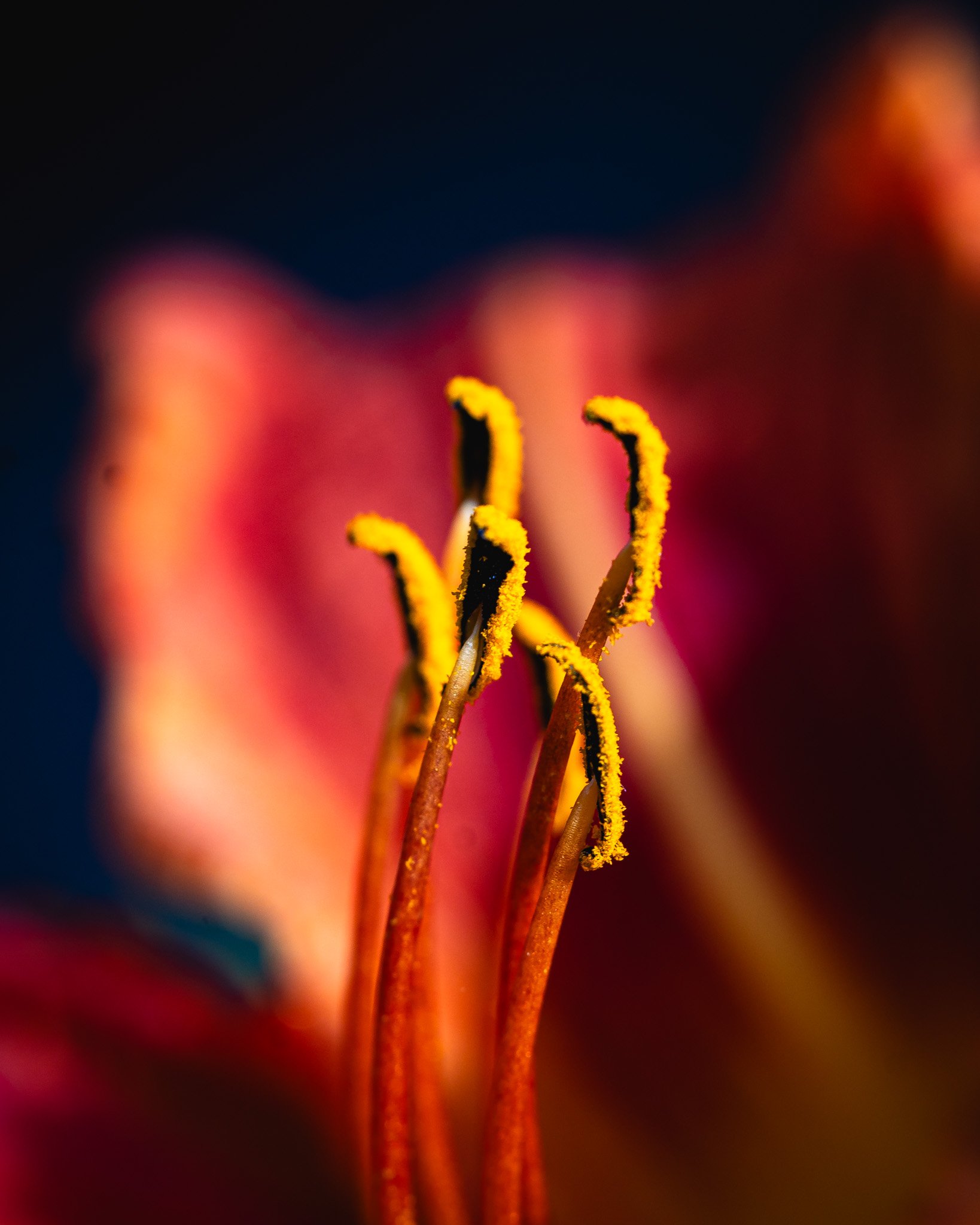
For me, macro photography begins with a simple realization: the world is far more intricate than we often allow ourselves to see. Beneath the familiar appearance of a garden, within the folds of a flower petal, along the surface of a leaf, or in the iridescent wings of an insect, entire worlds unfold at scales that routinely escape our attention. To photograph these details is to practice a particular kind of looking, one that asks us to slow down, draw closer, and reconsider what we think we know about the ordinary things surrounding us.
There is something profoundly humbling about the experience of looking closely. What initially appears insignificant reveals unexpected complexity; what seems static becomes a landscape of texture, color, and movement; and what we might otherwise dismiss as a weed, a bug, or a decaying flower becomes an occasion for wonder. Macro photography invites us to reconsider the boundaries we draw between the beautiful and the grotesque, the important and the inconsequential, the familiar and the strange. It reminds us that the world does not become extraordinary simply because we travel somewhere spectacular. Sometimes, we need only change our distance from what is already there.
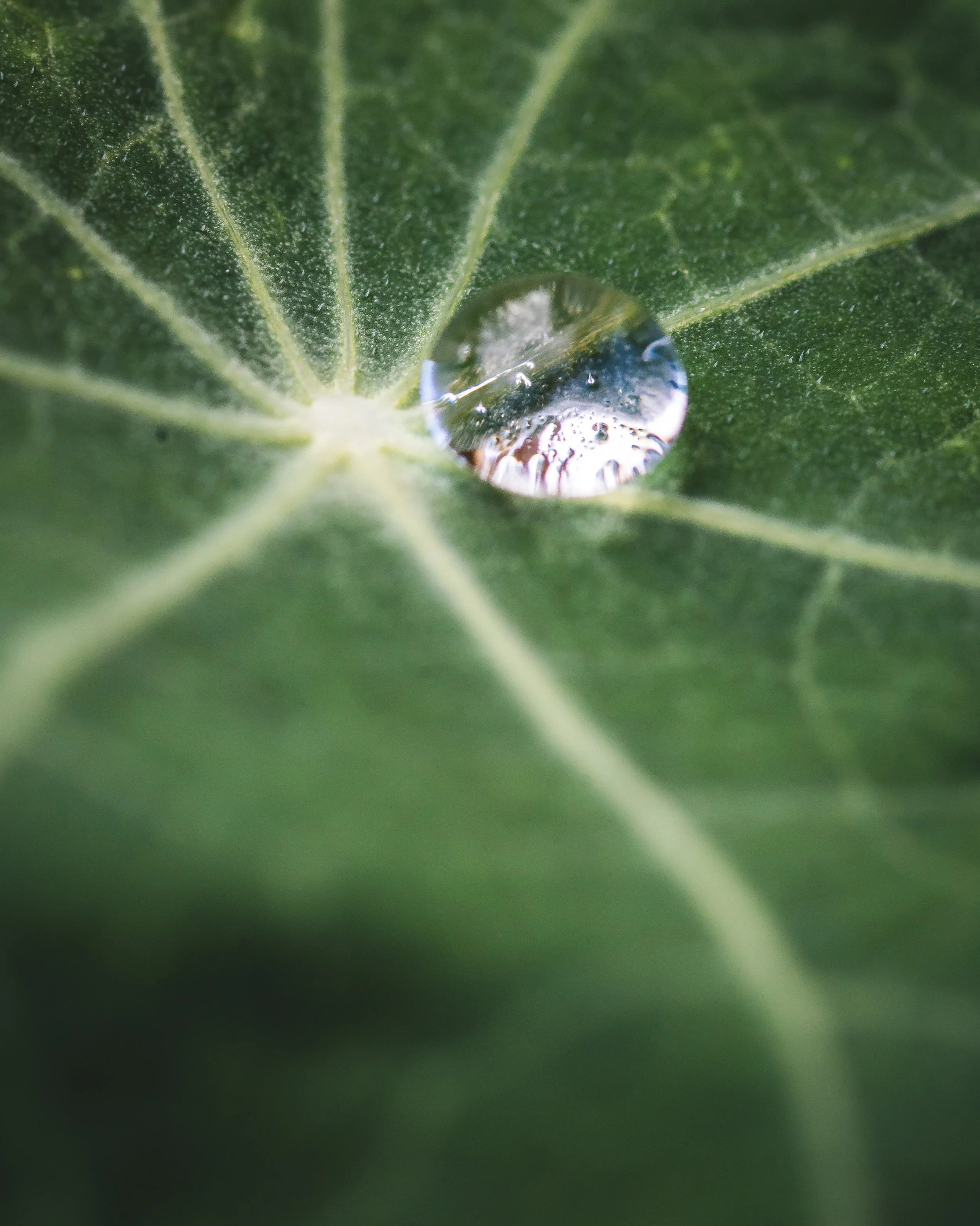
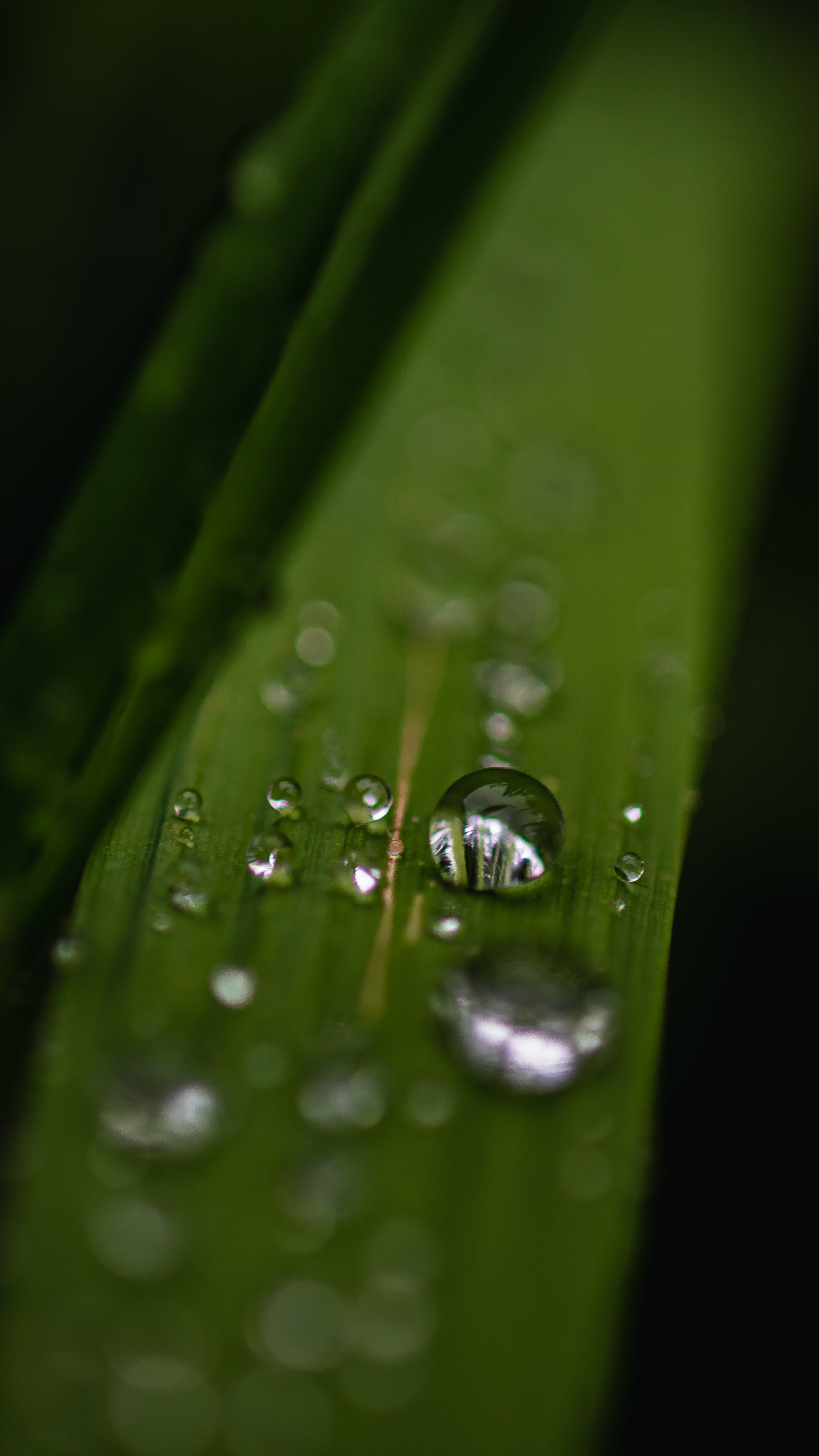
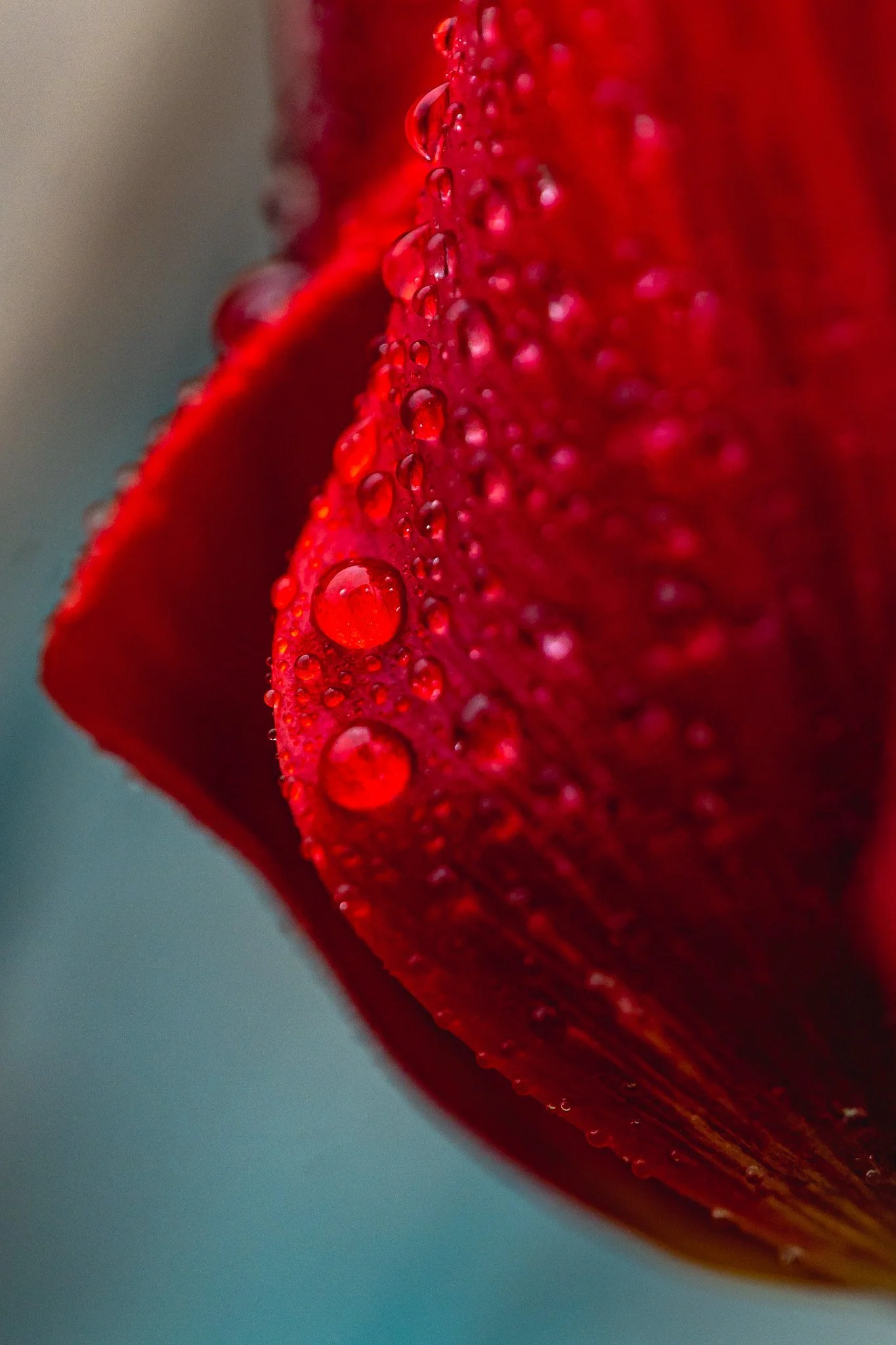
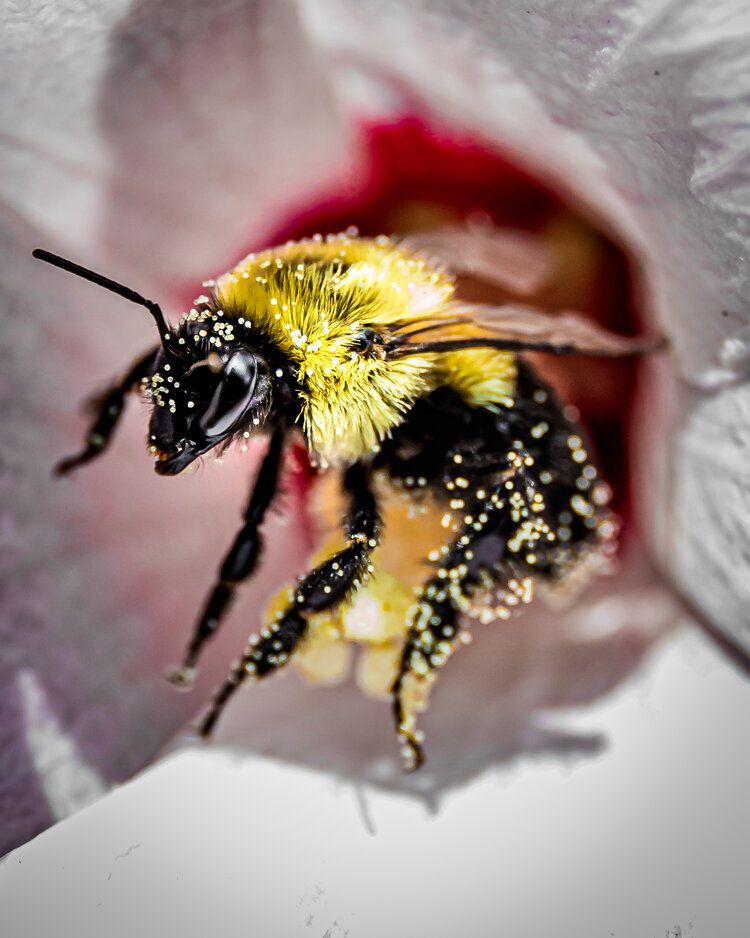
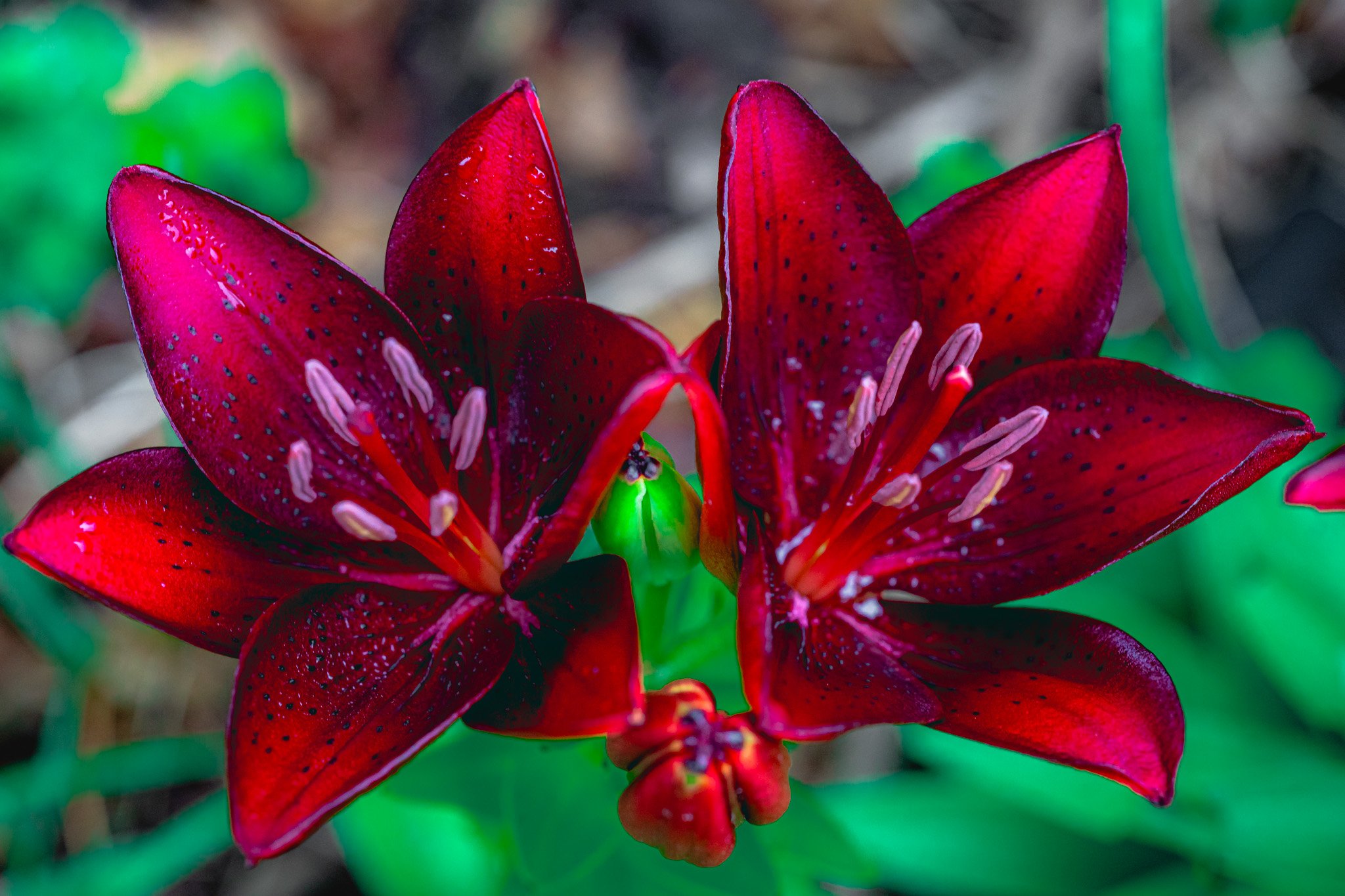
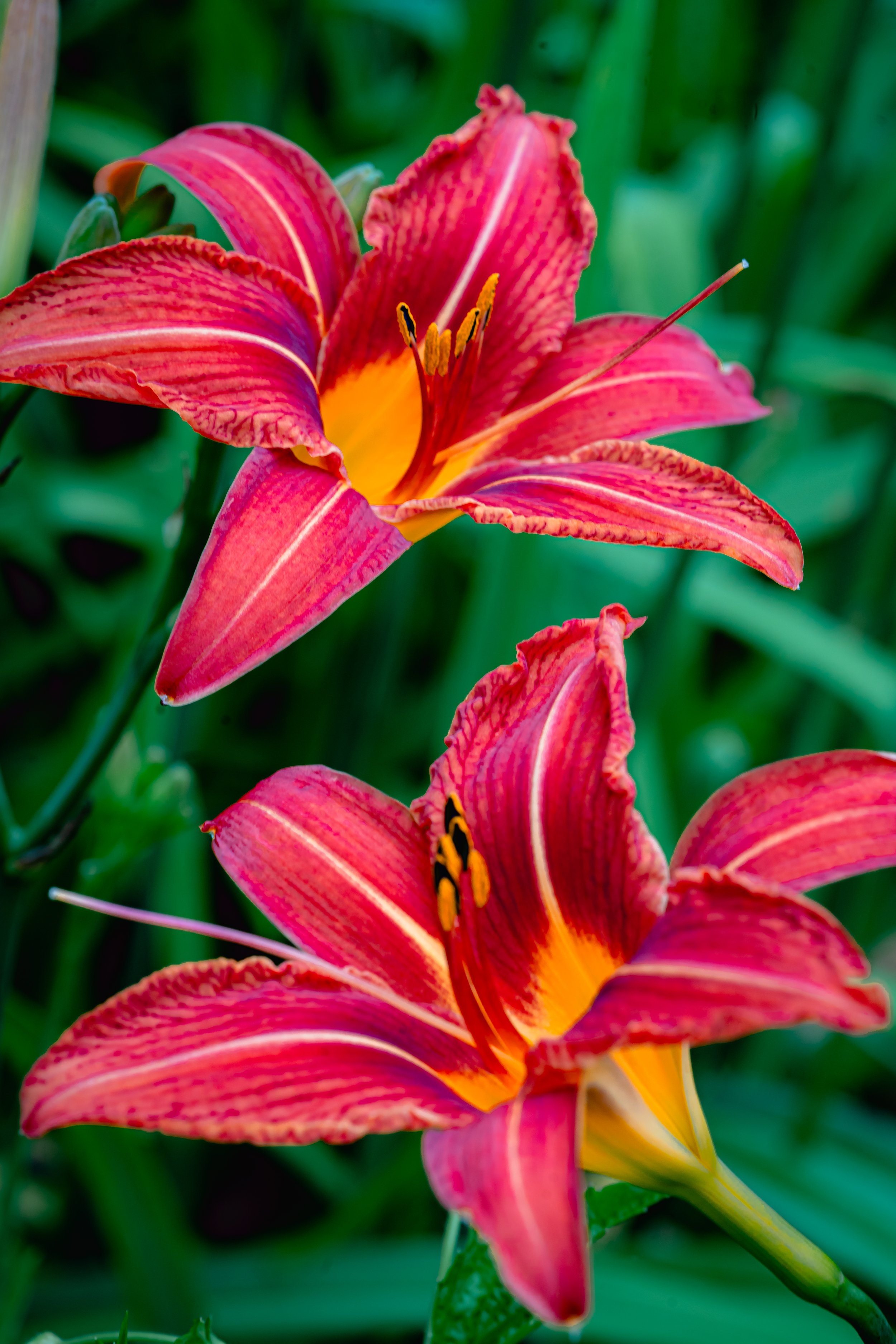
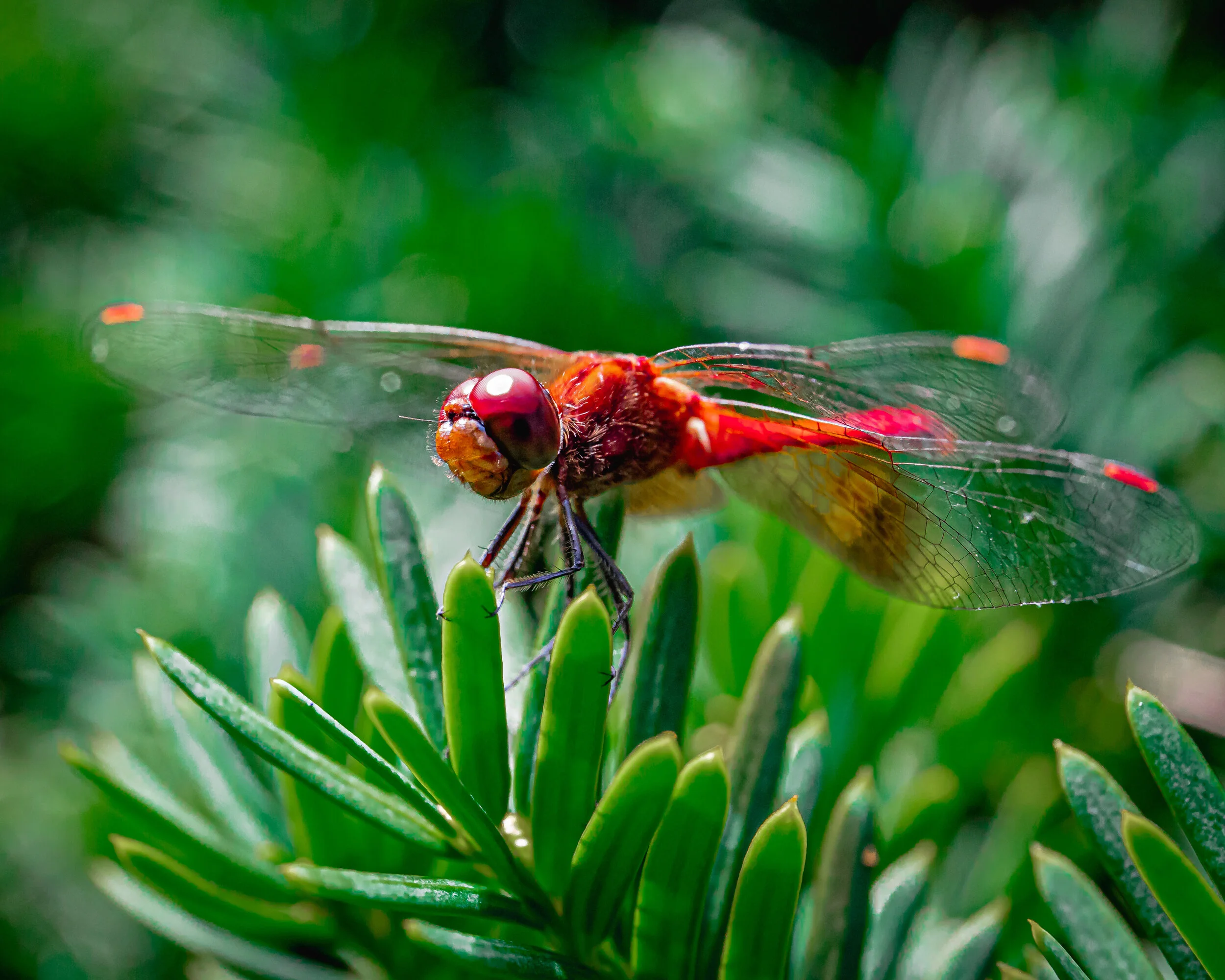
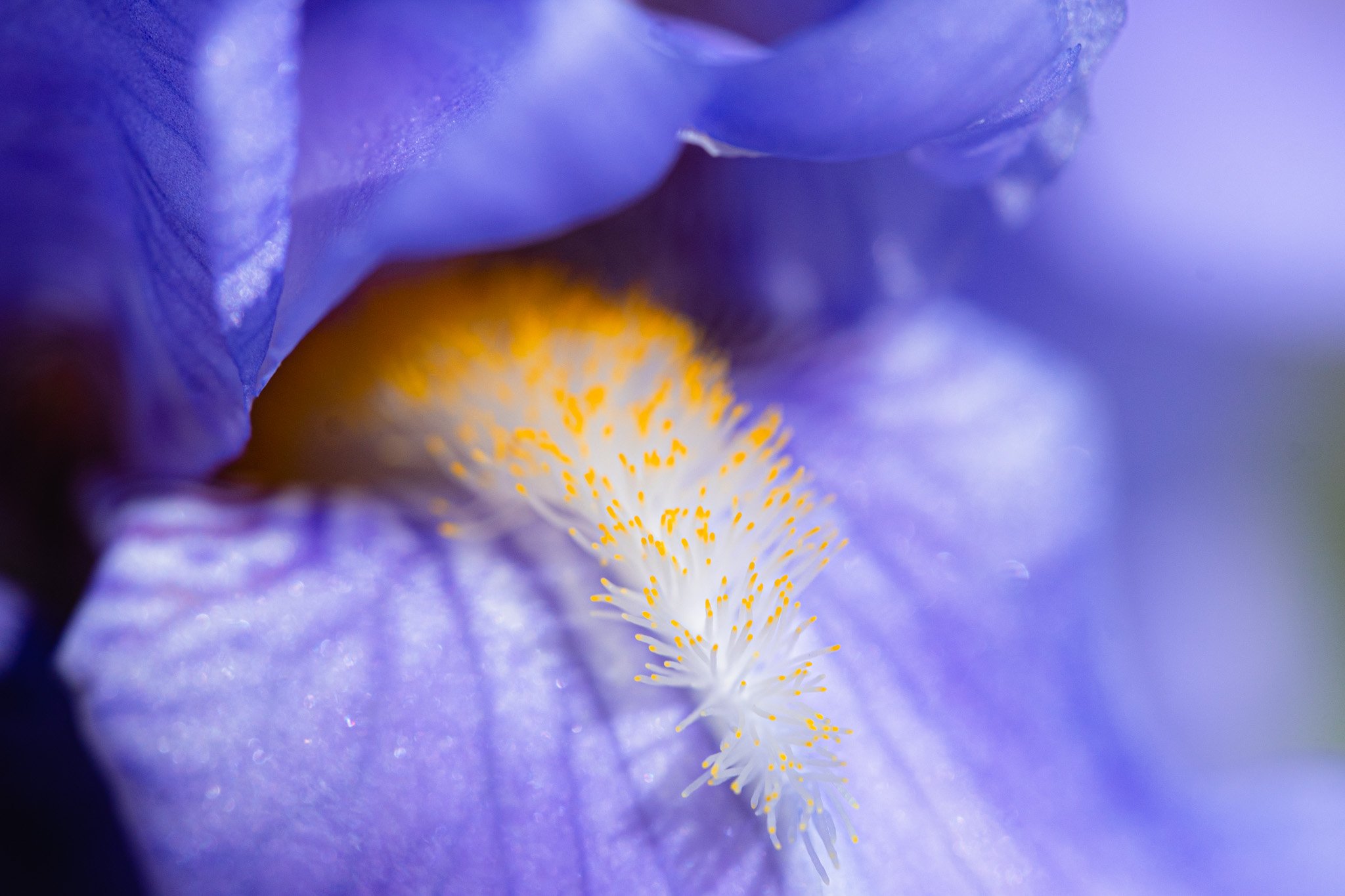
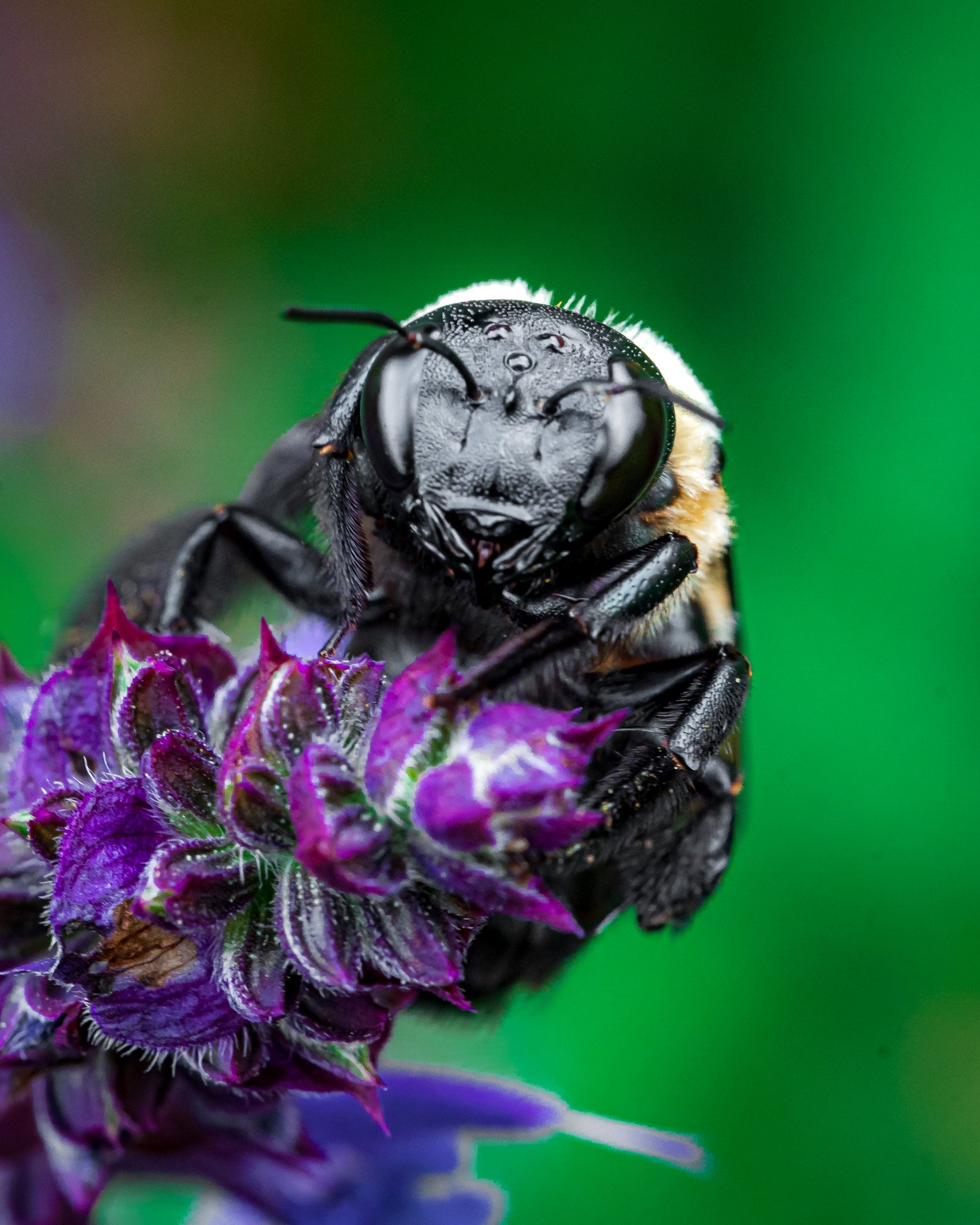
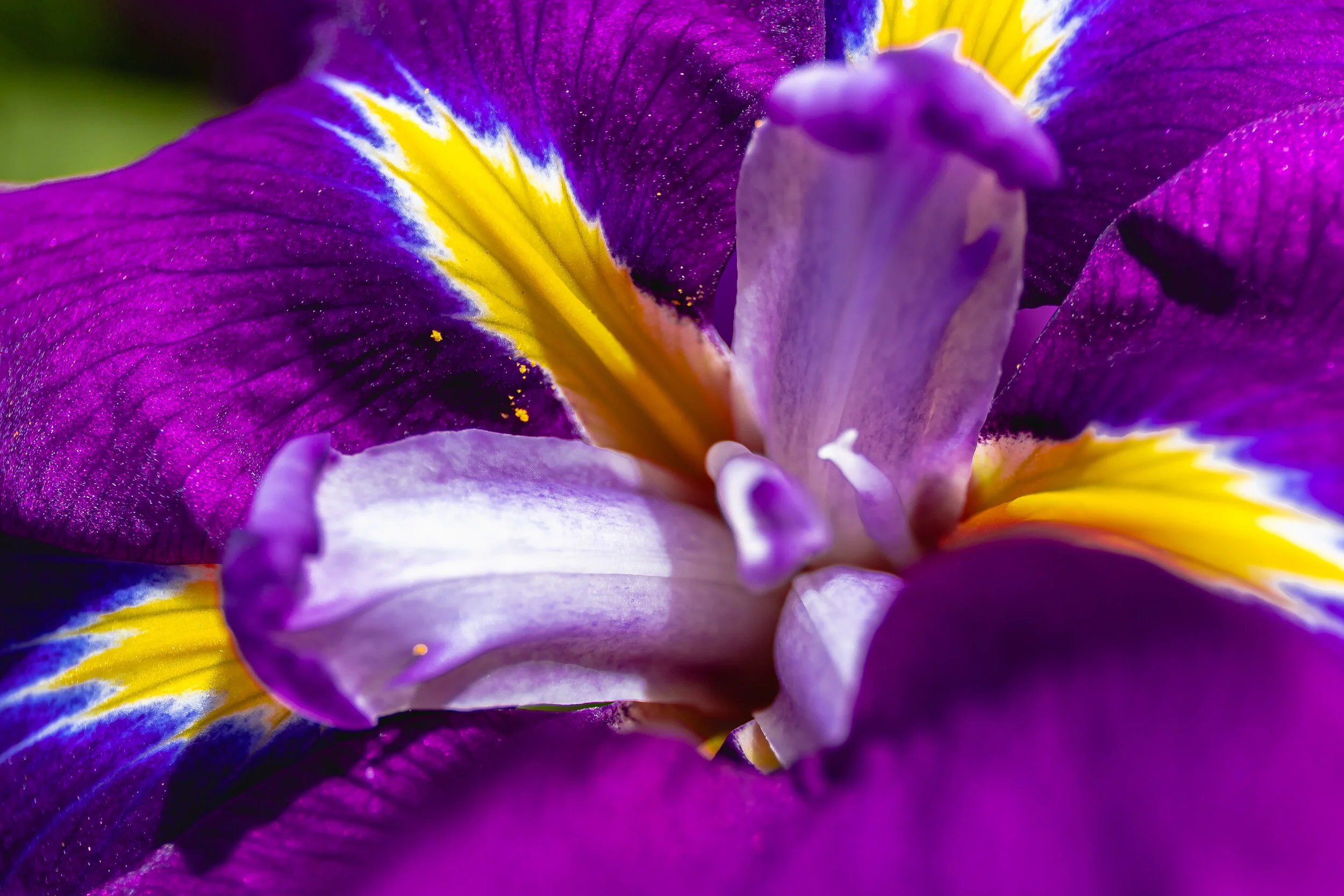
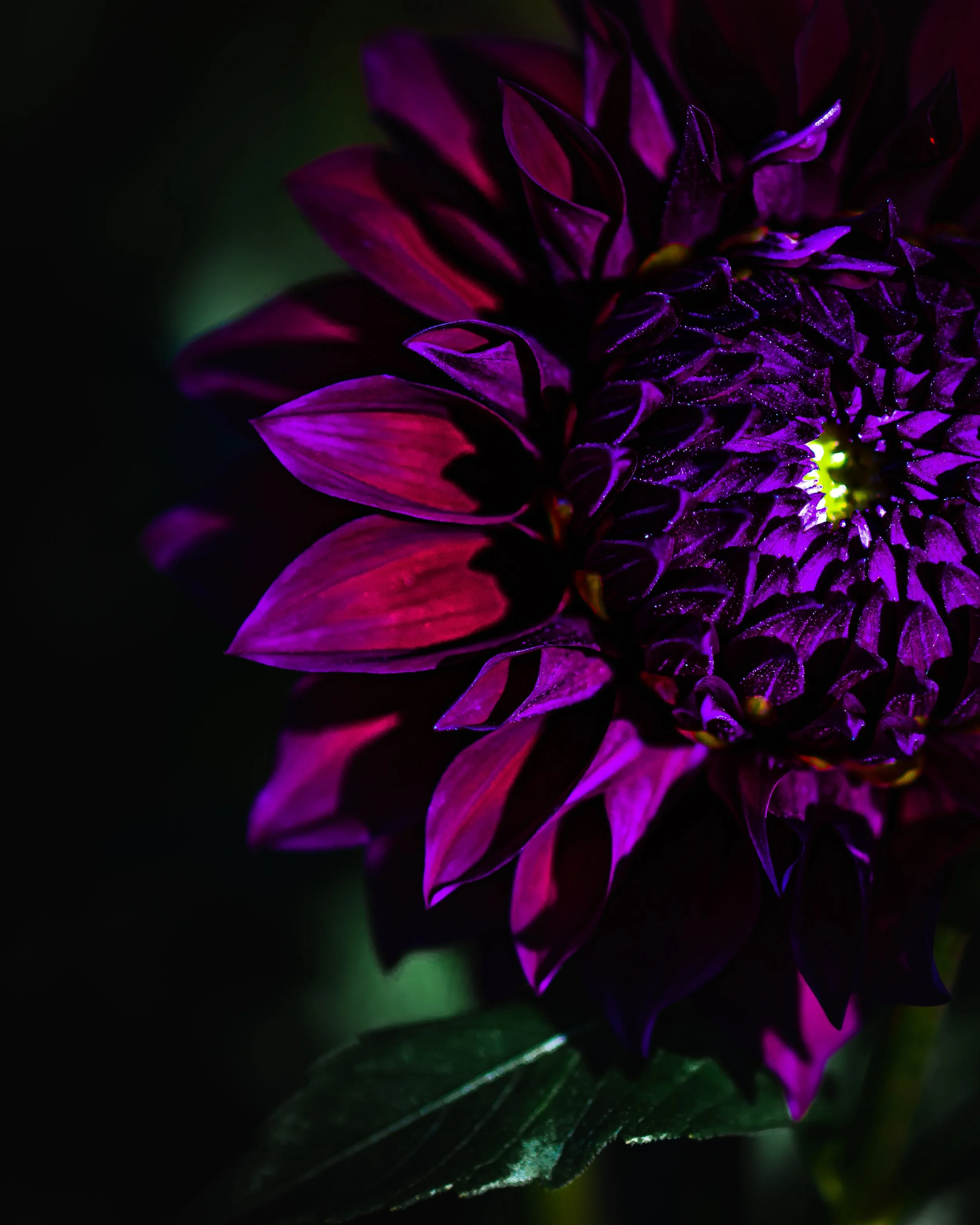
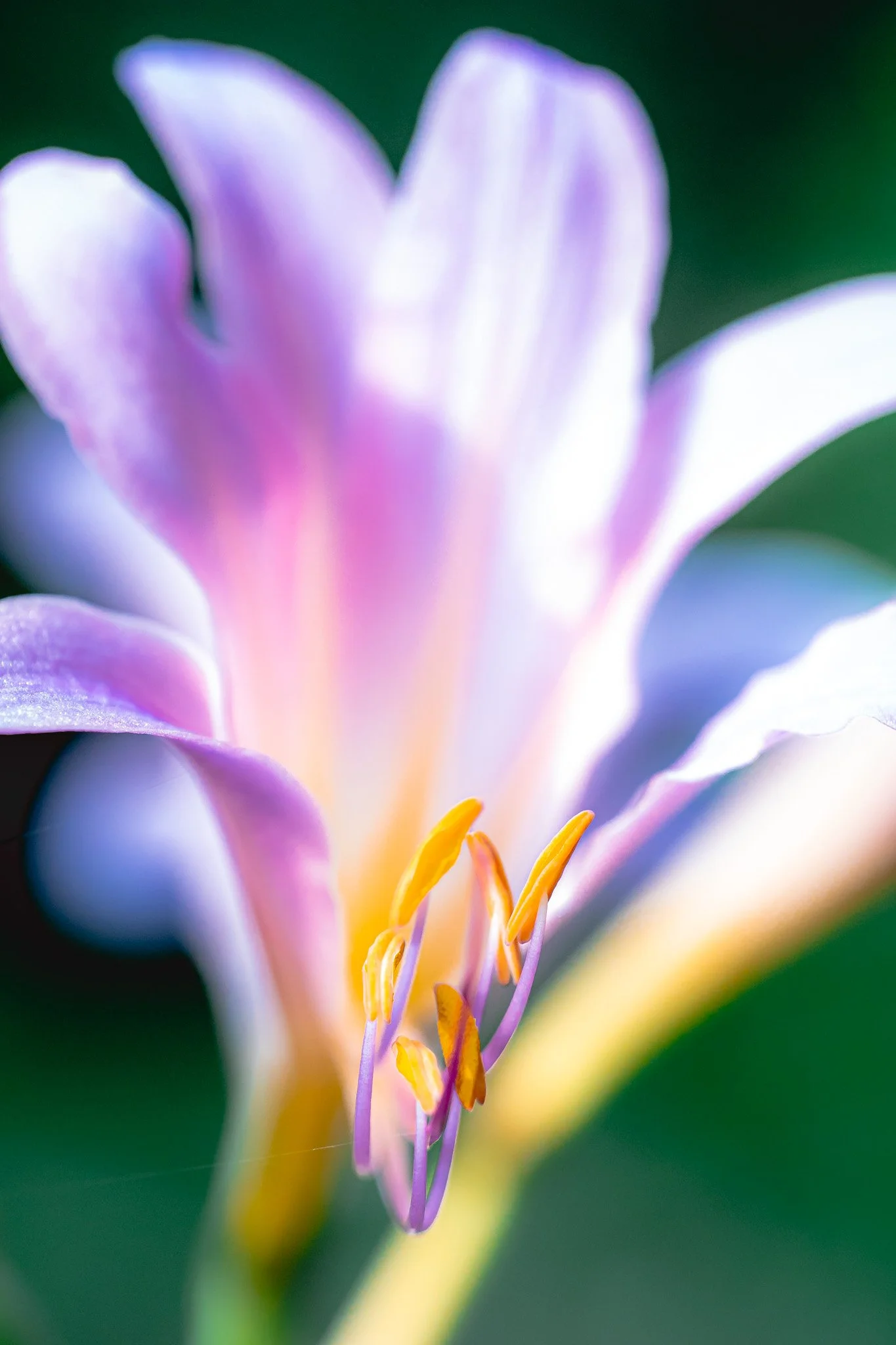
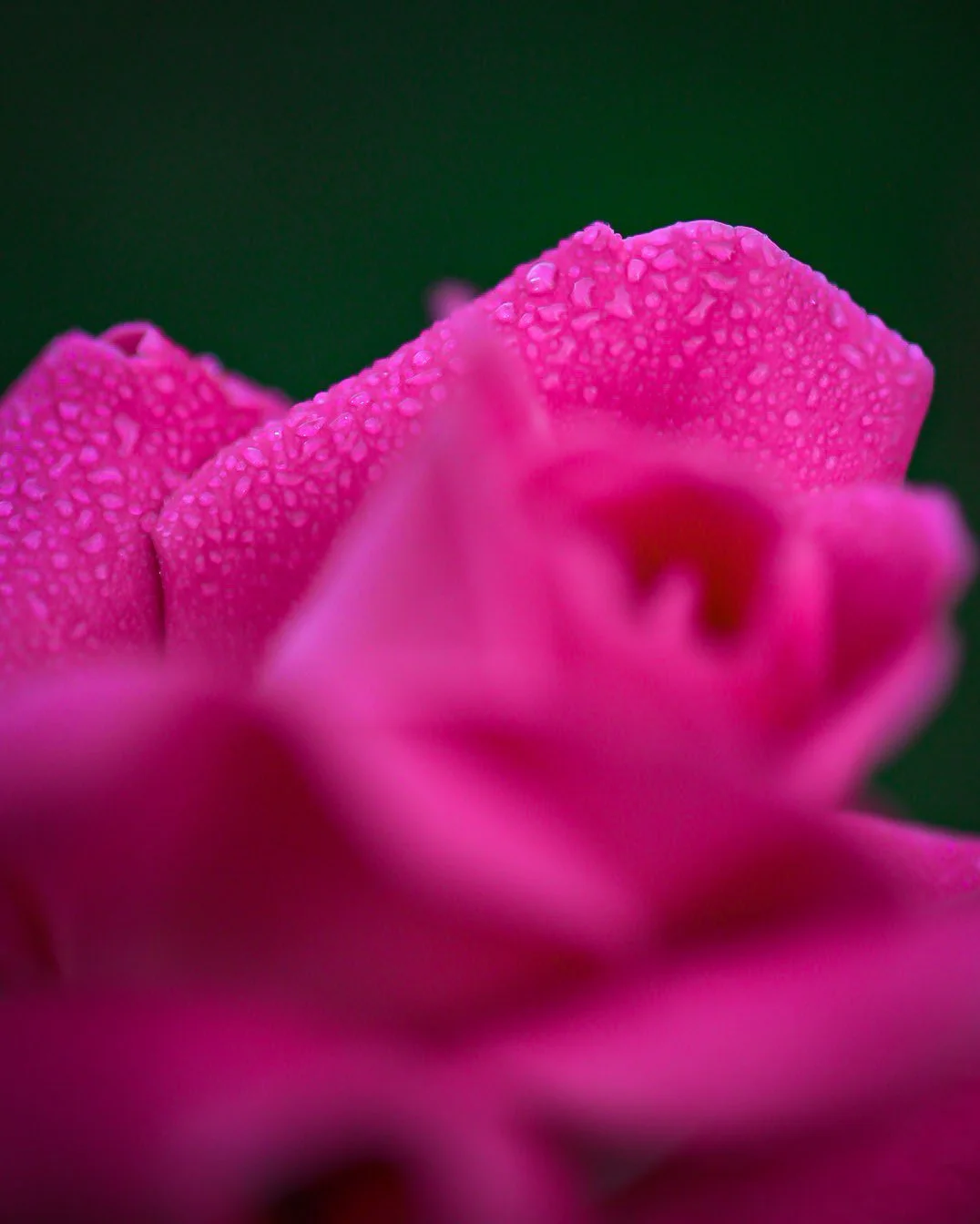
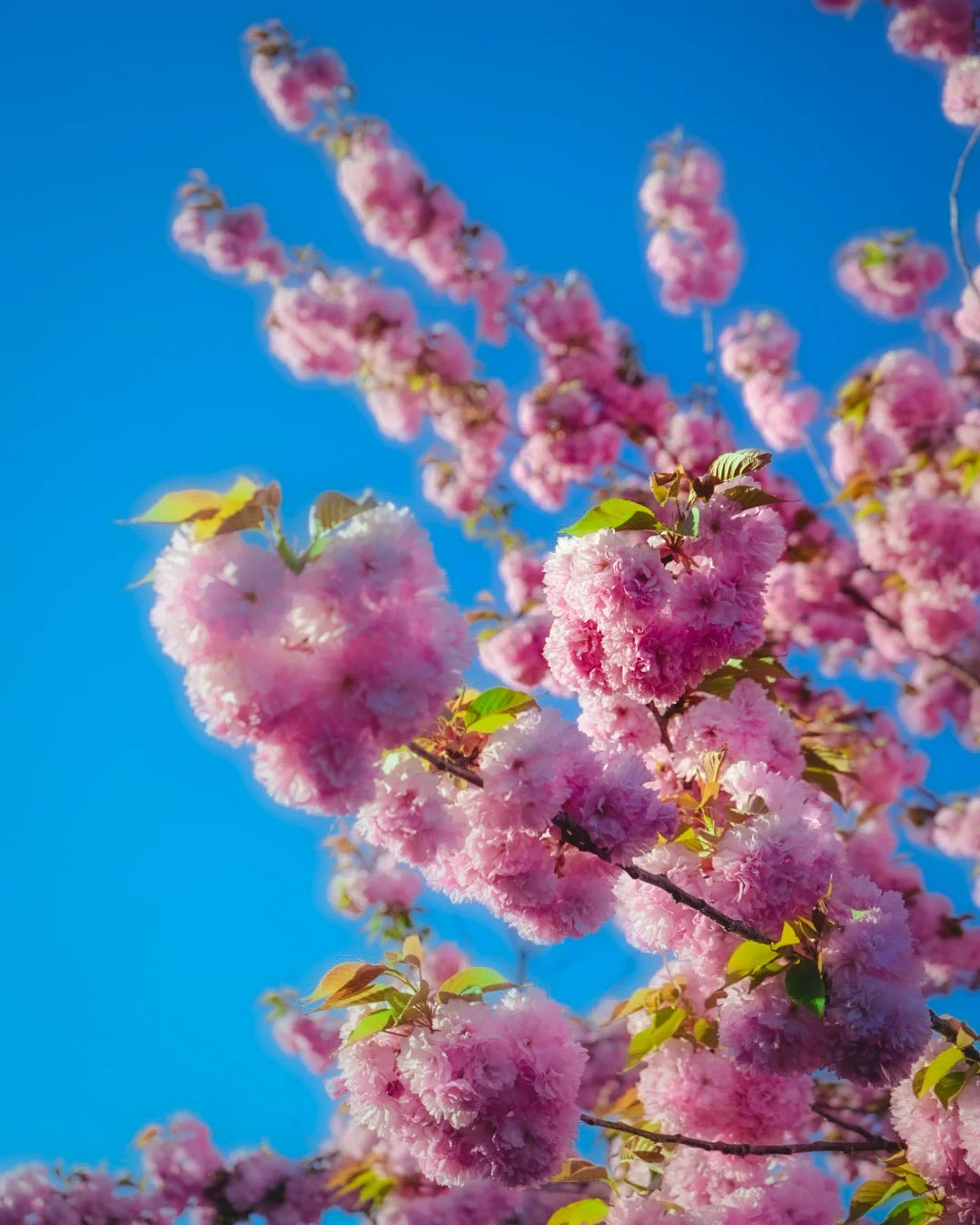
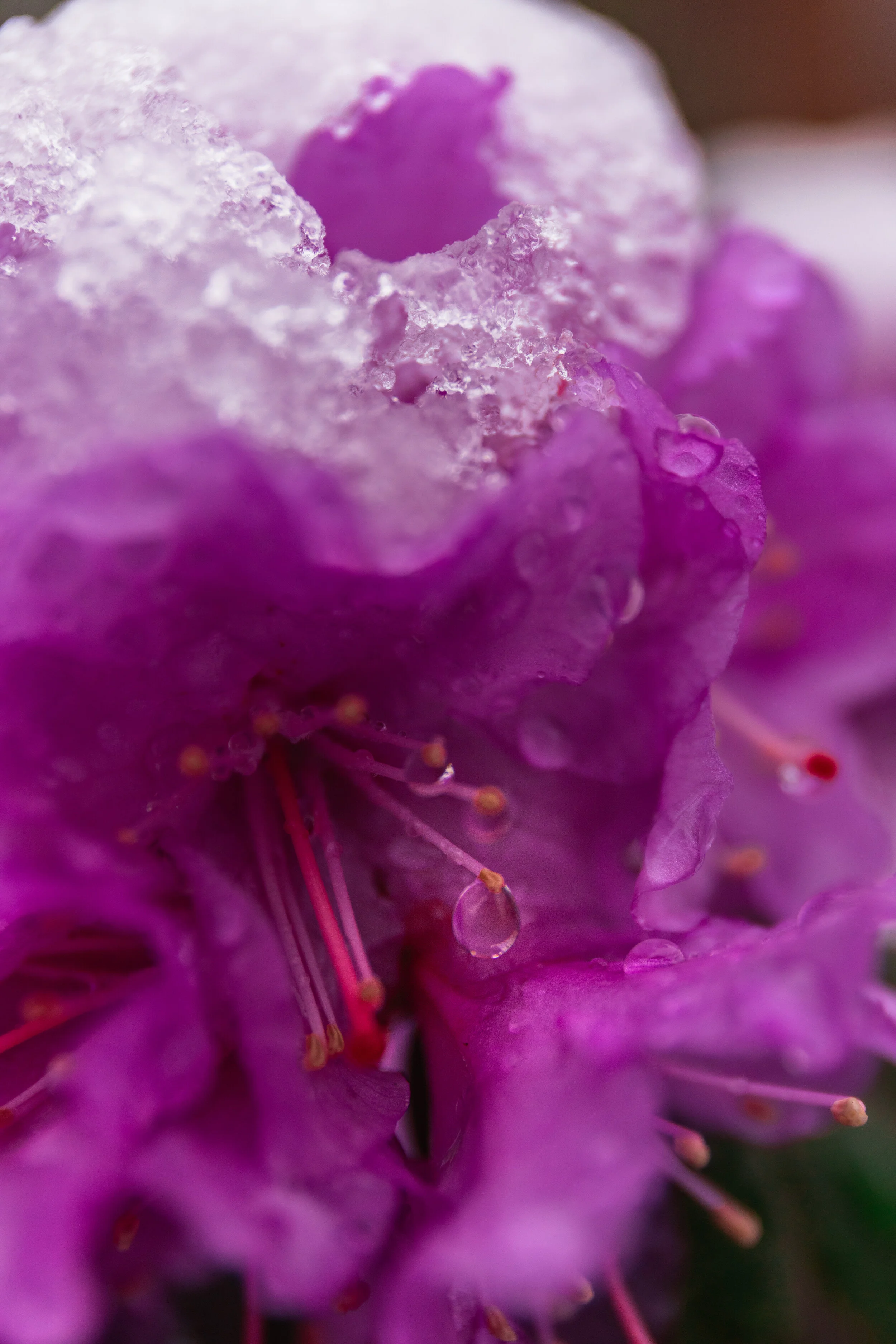
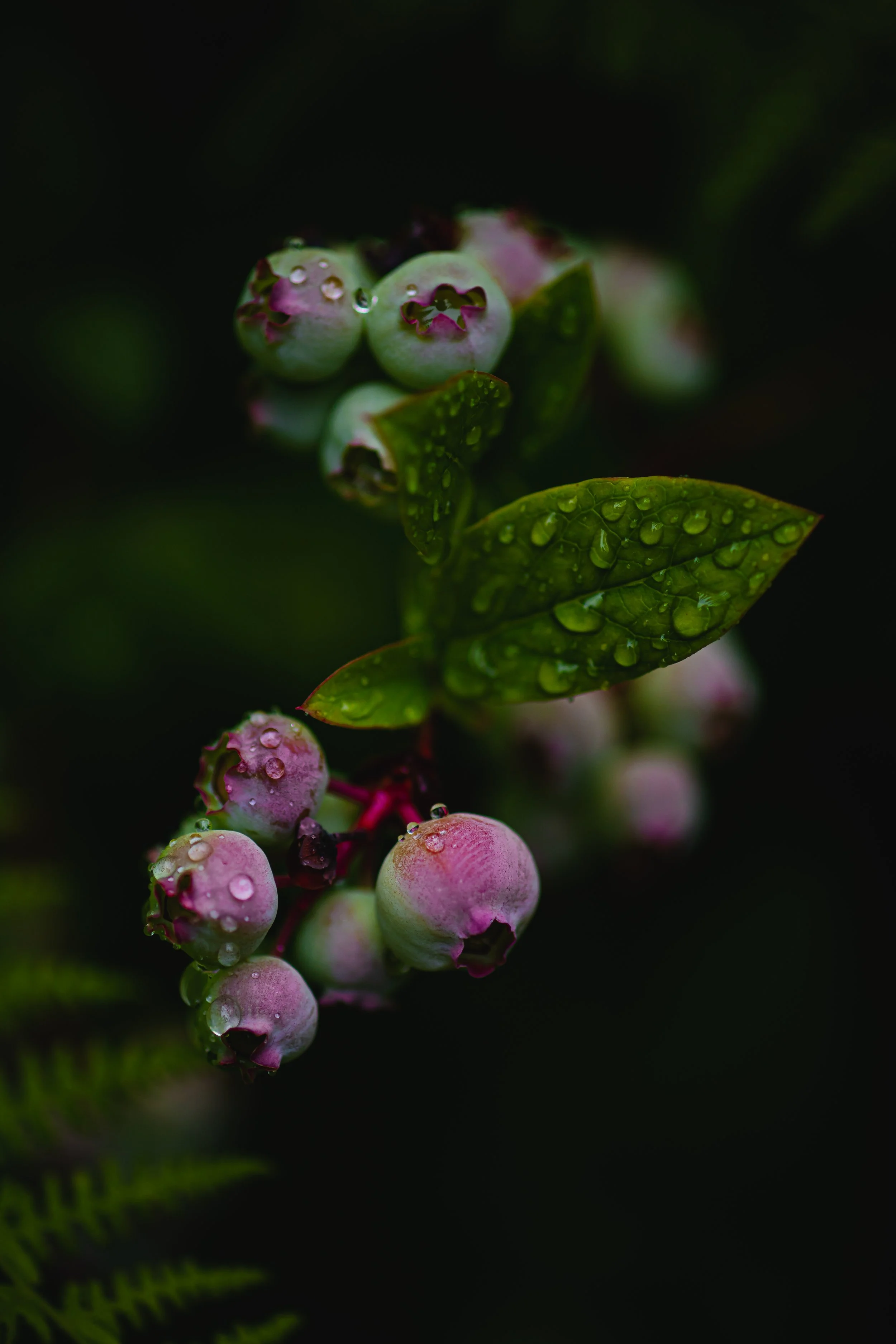
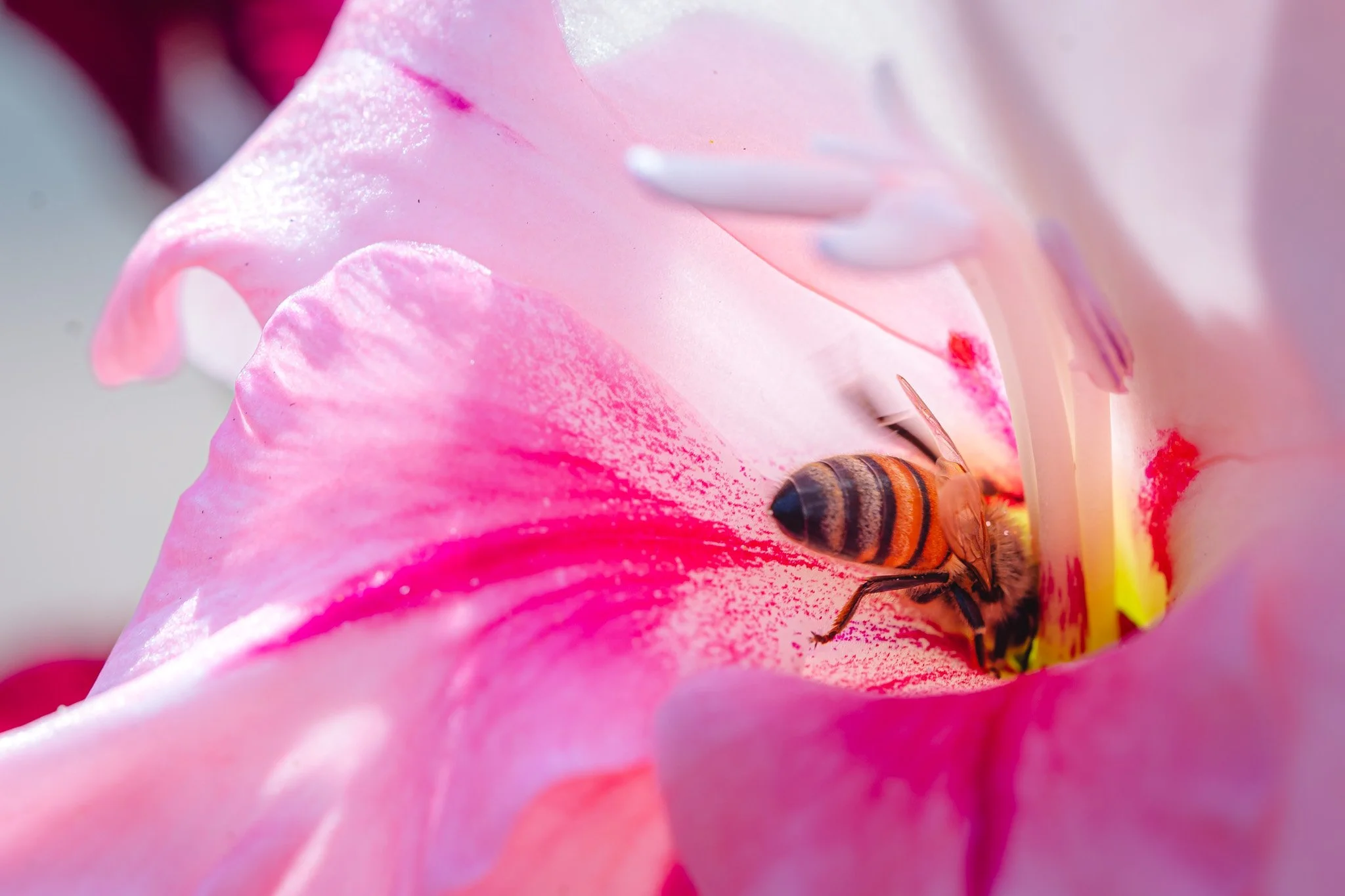
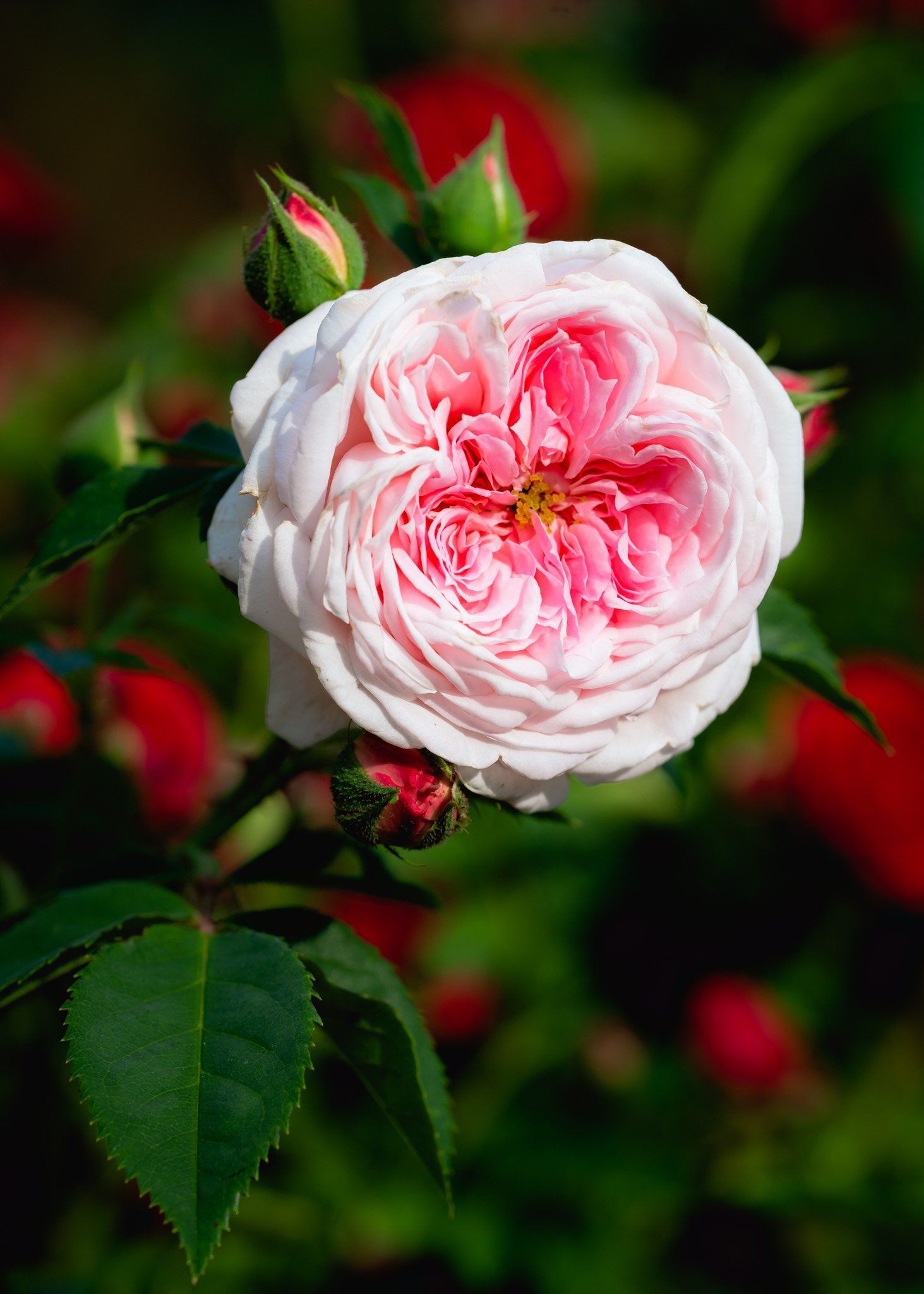
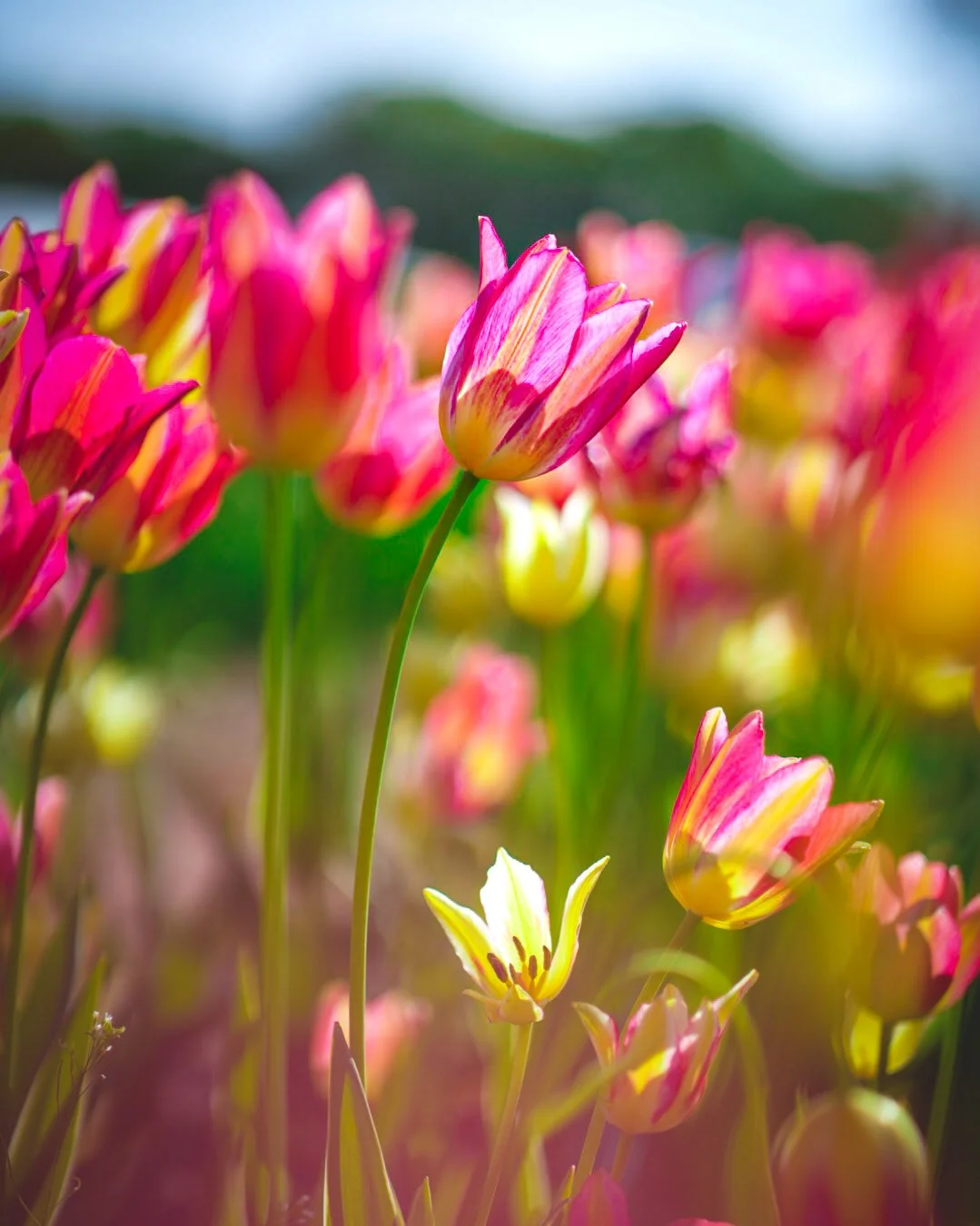
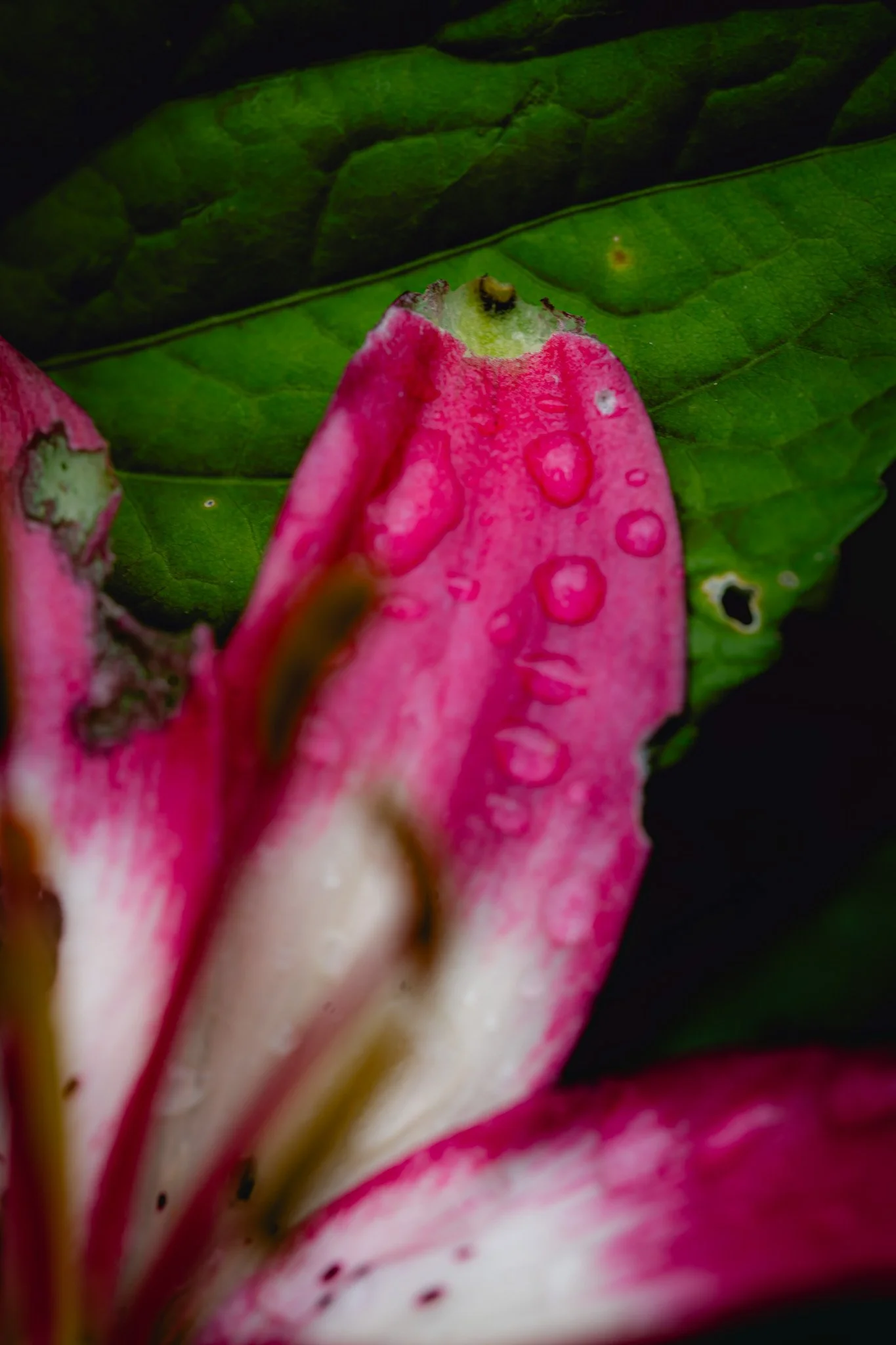
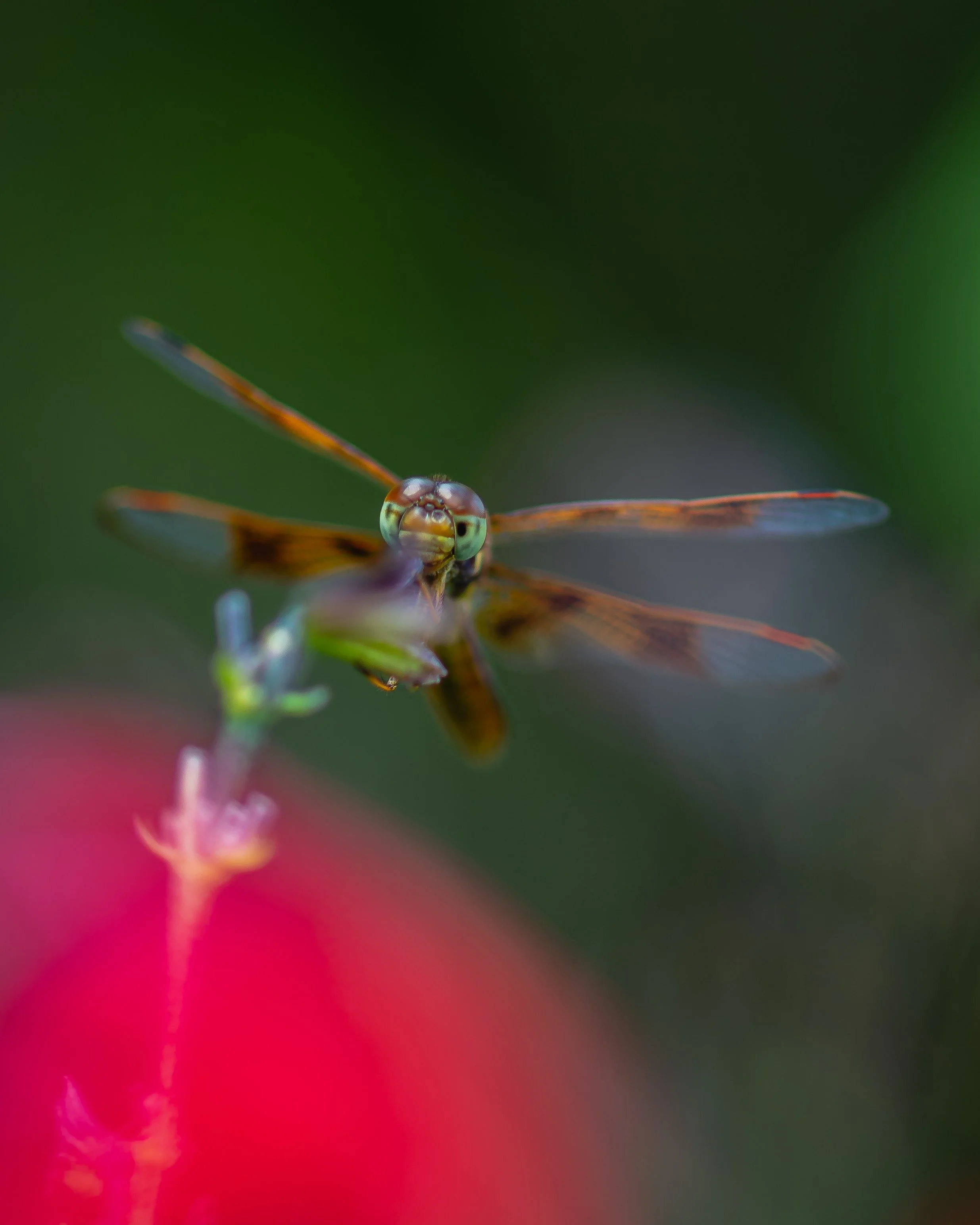
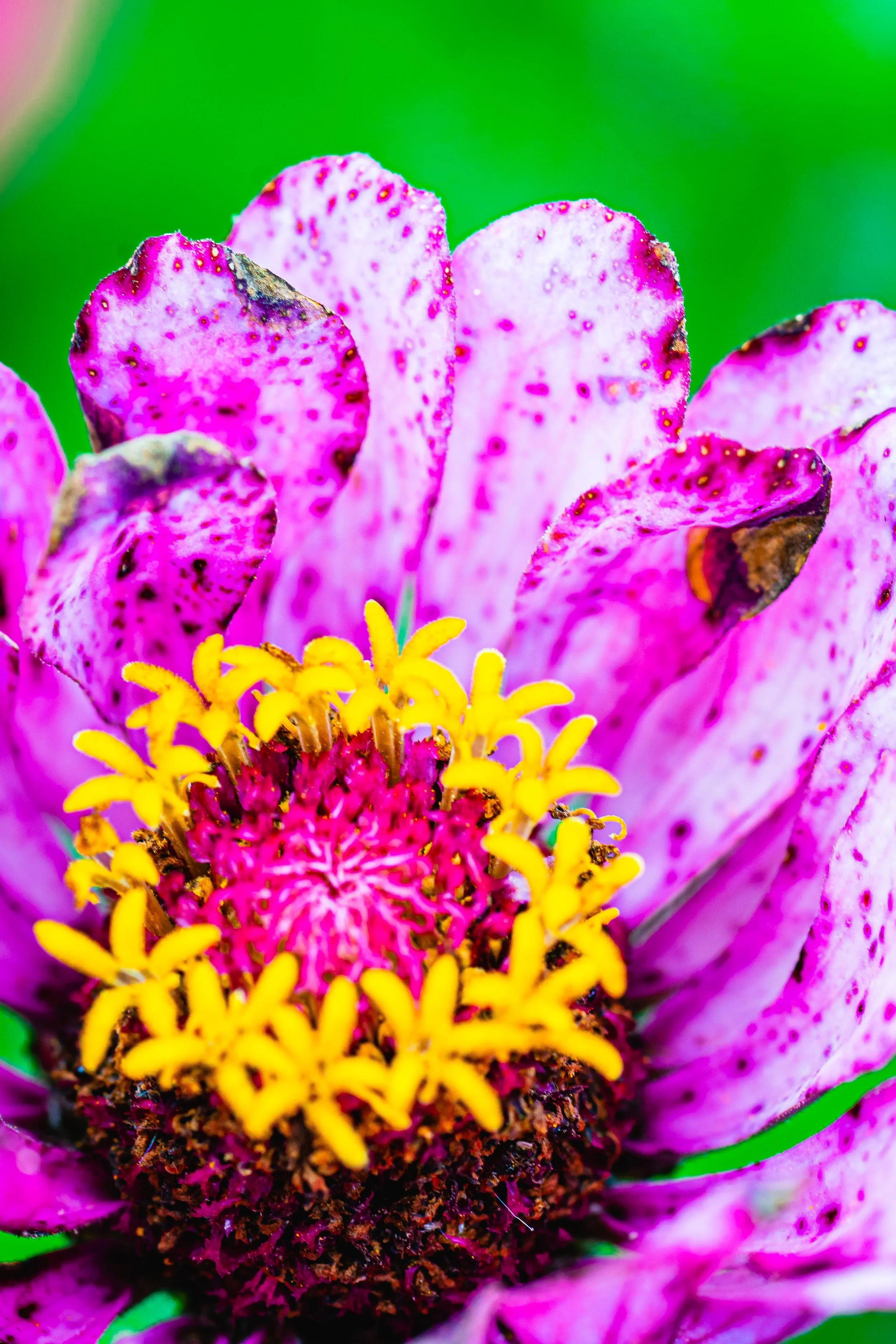
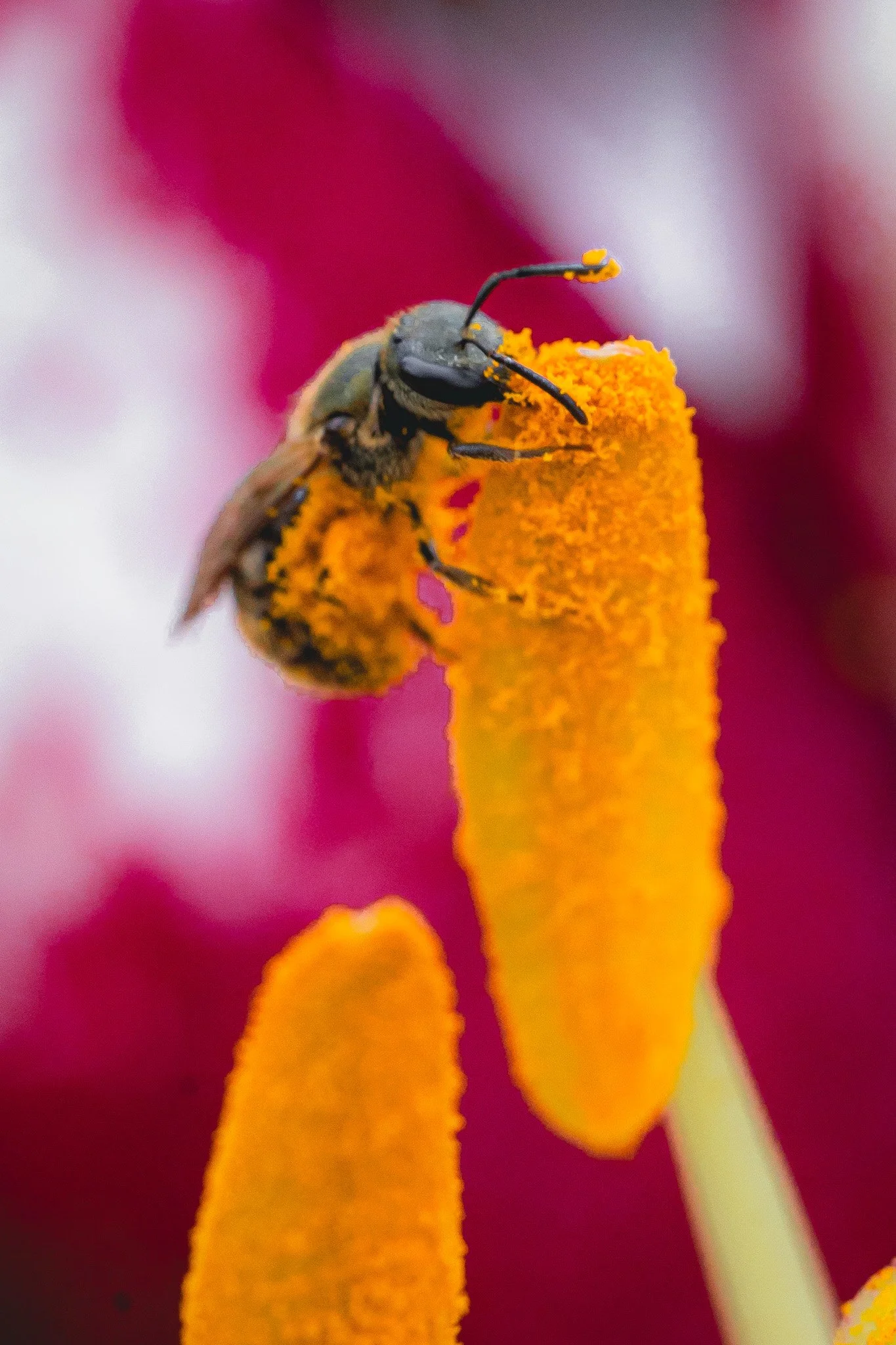
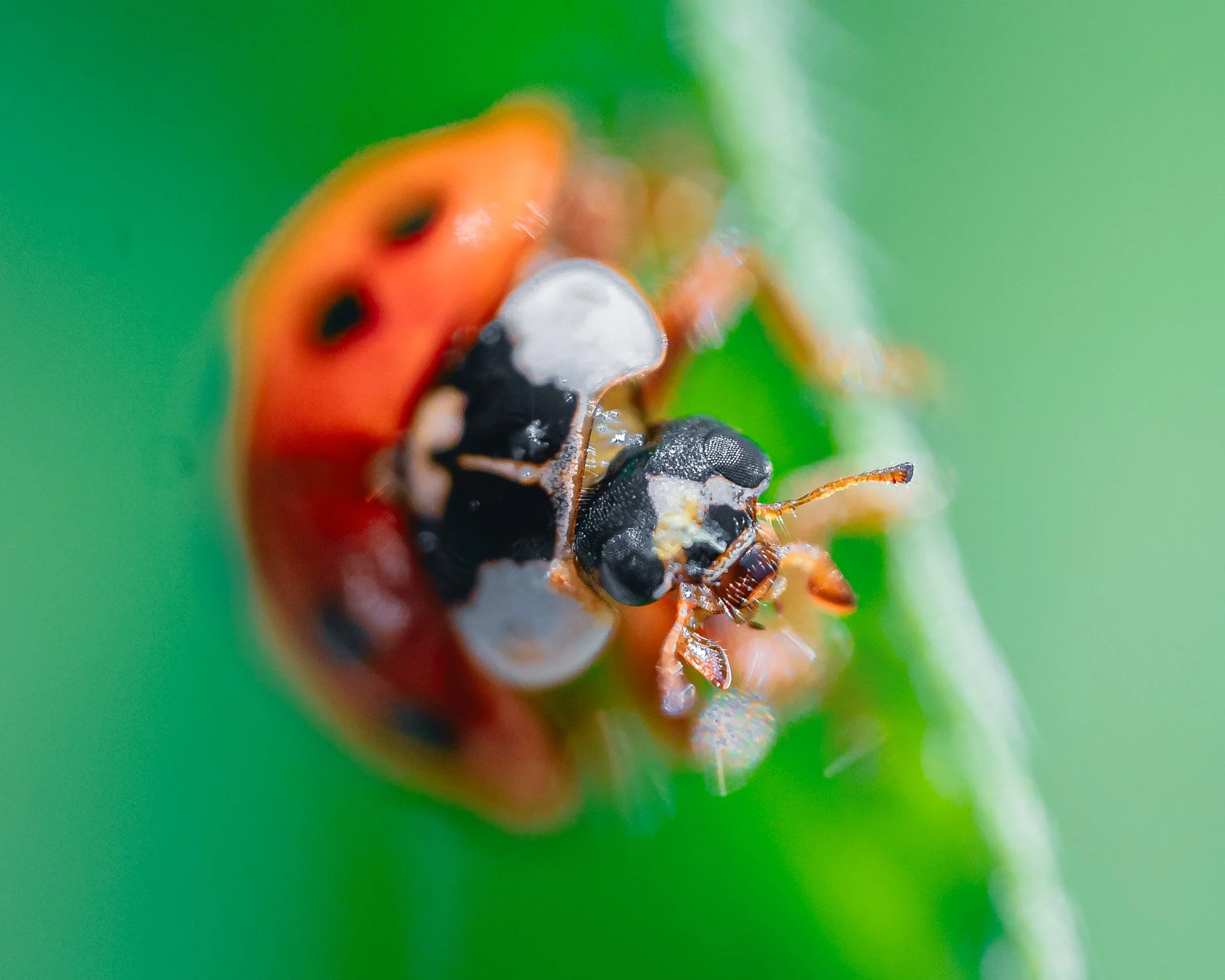
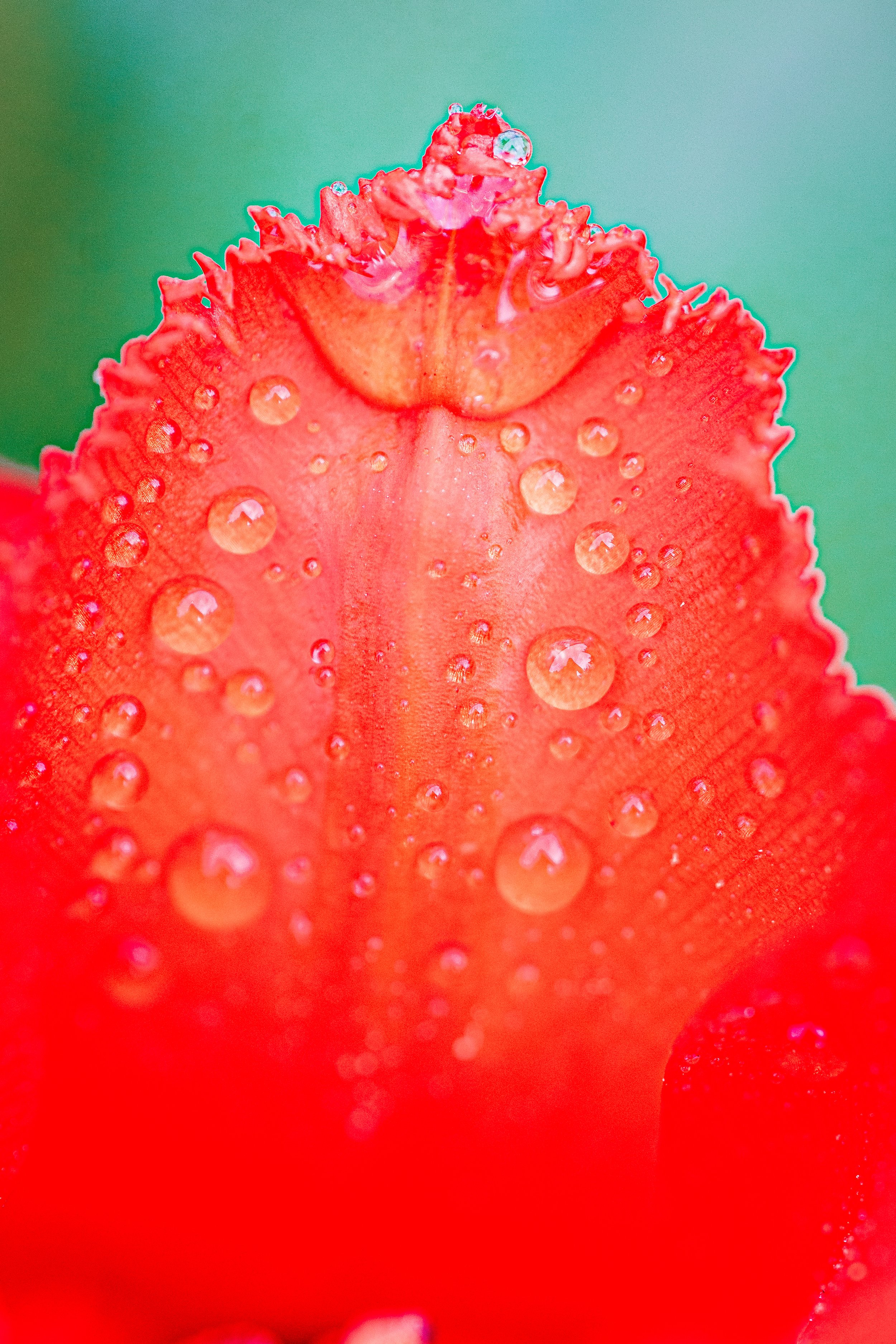
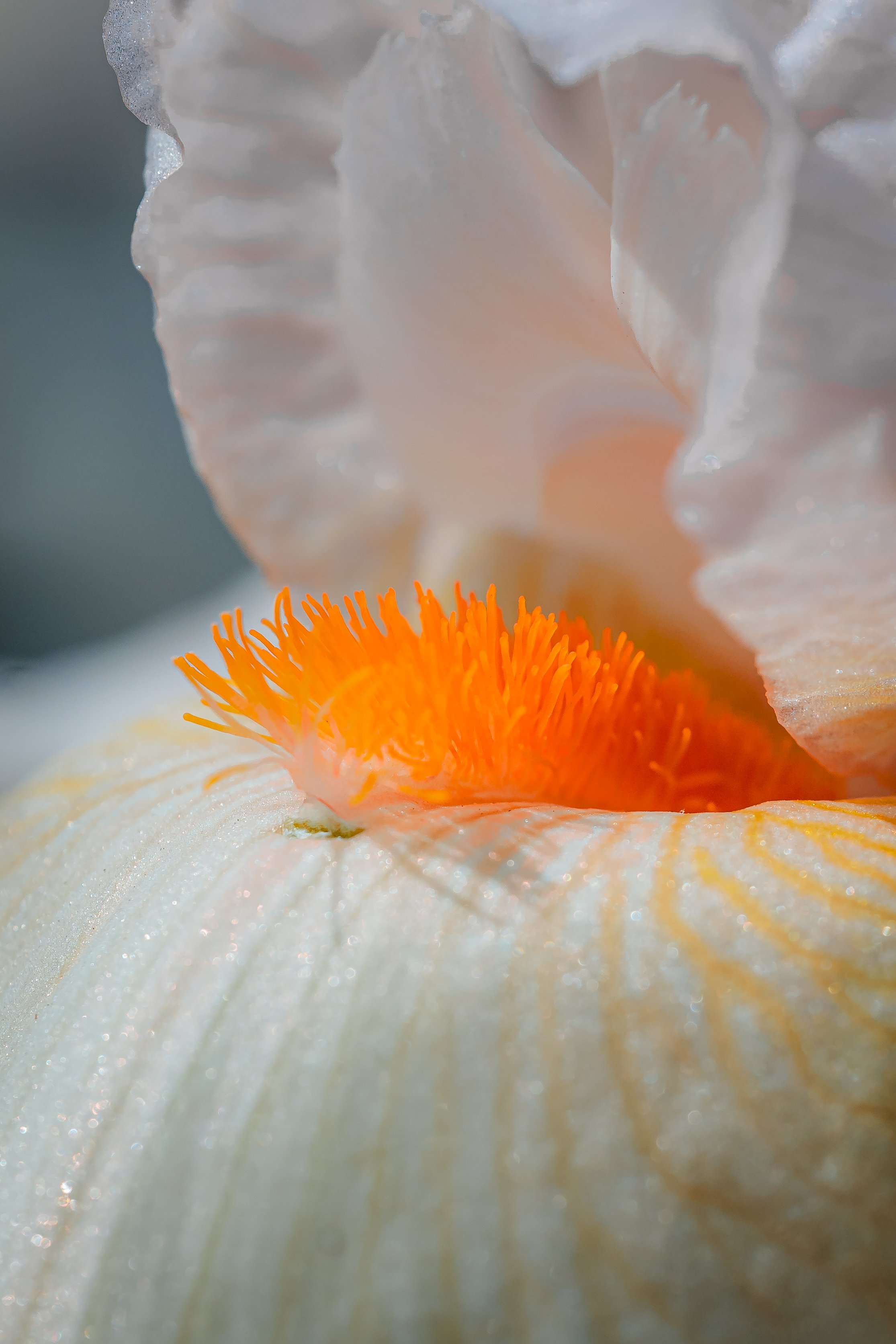
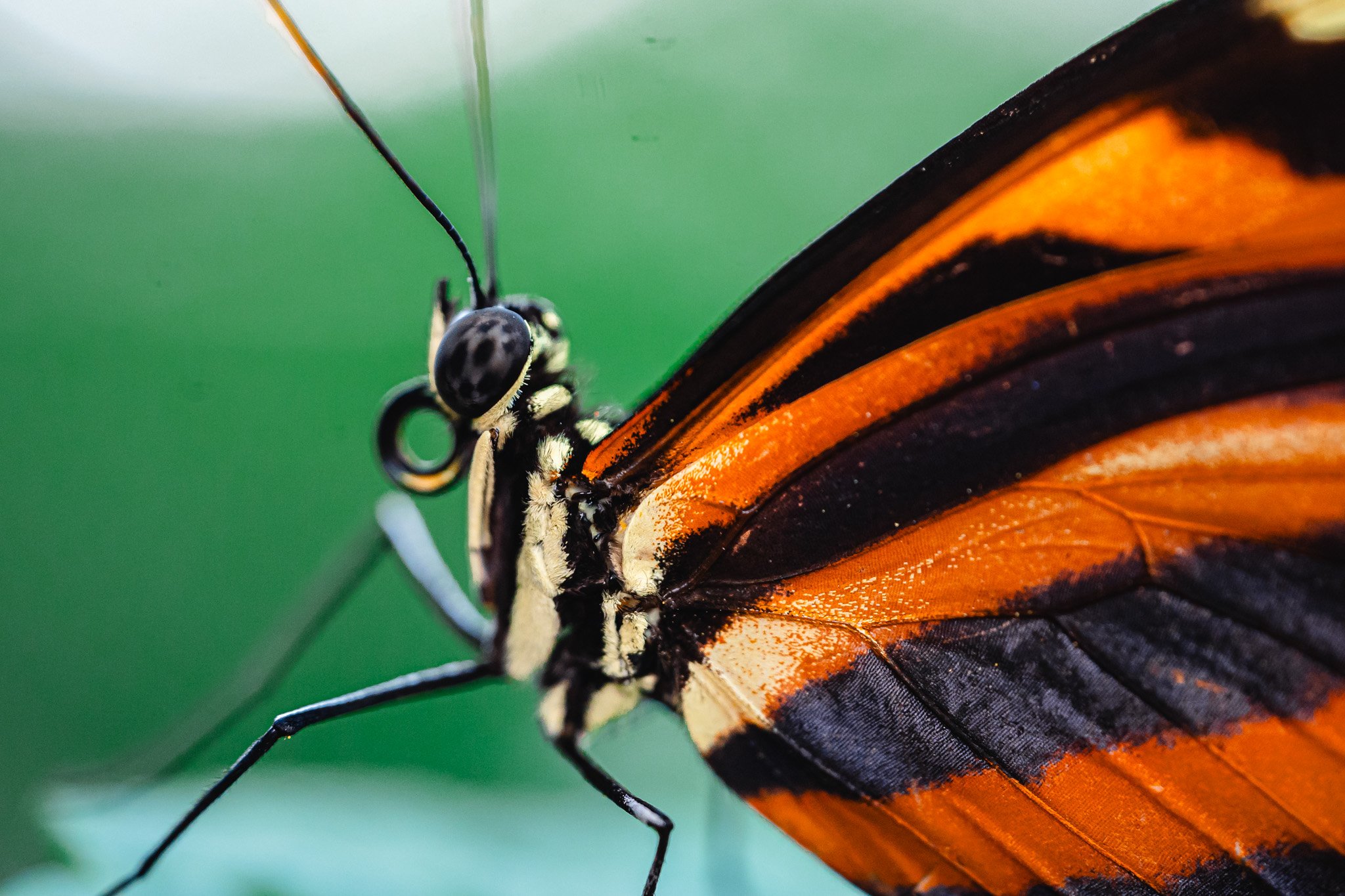
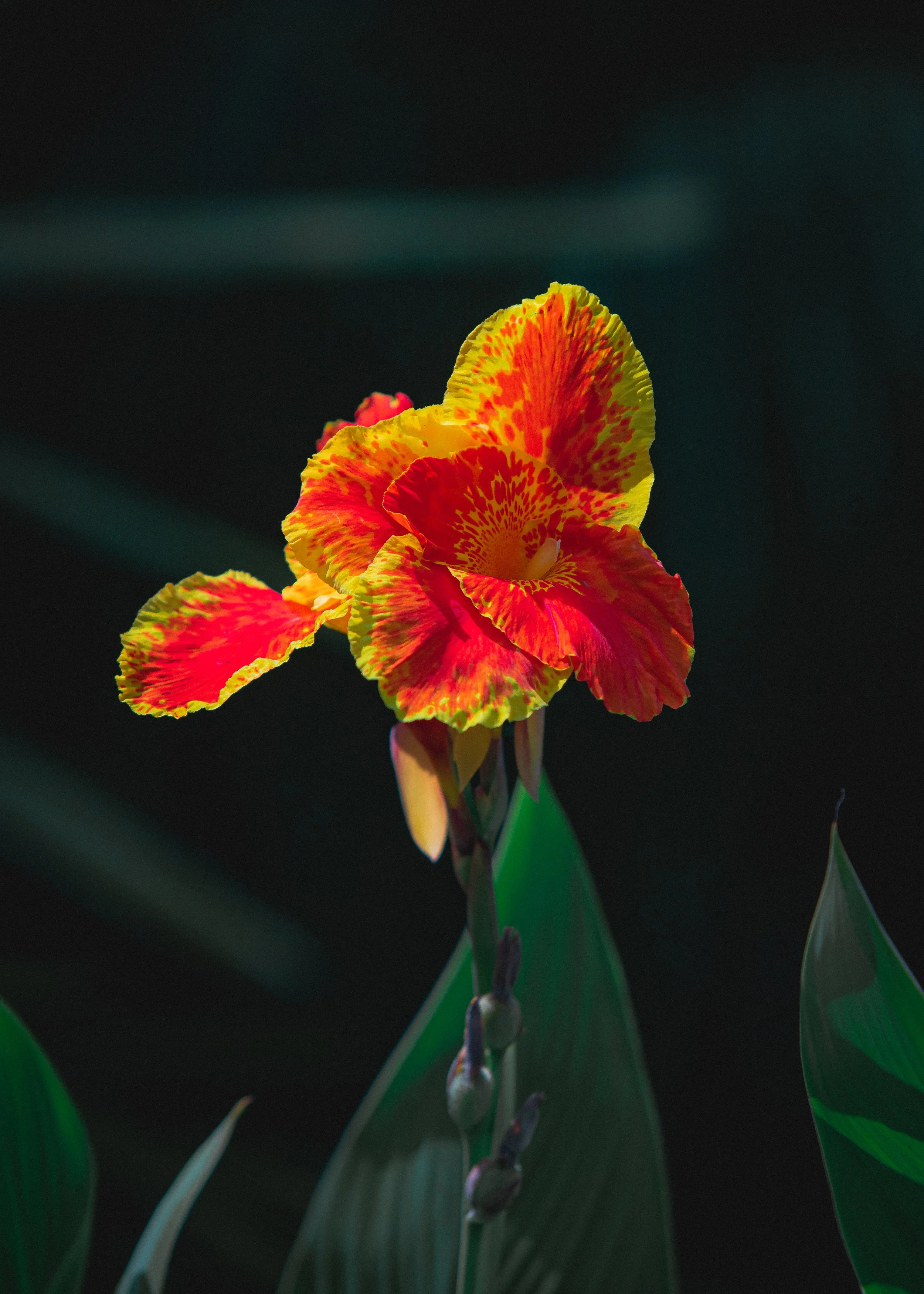
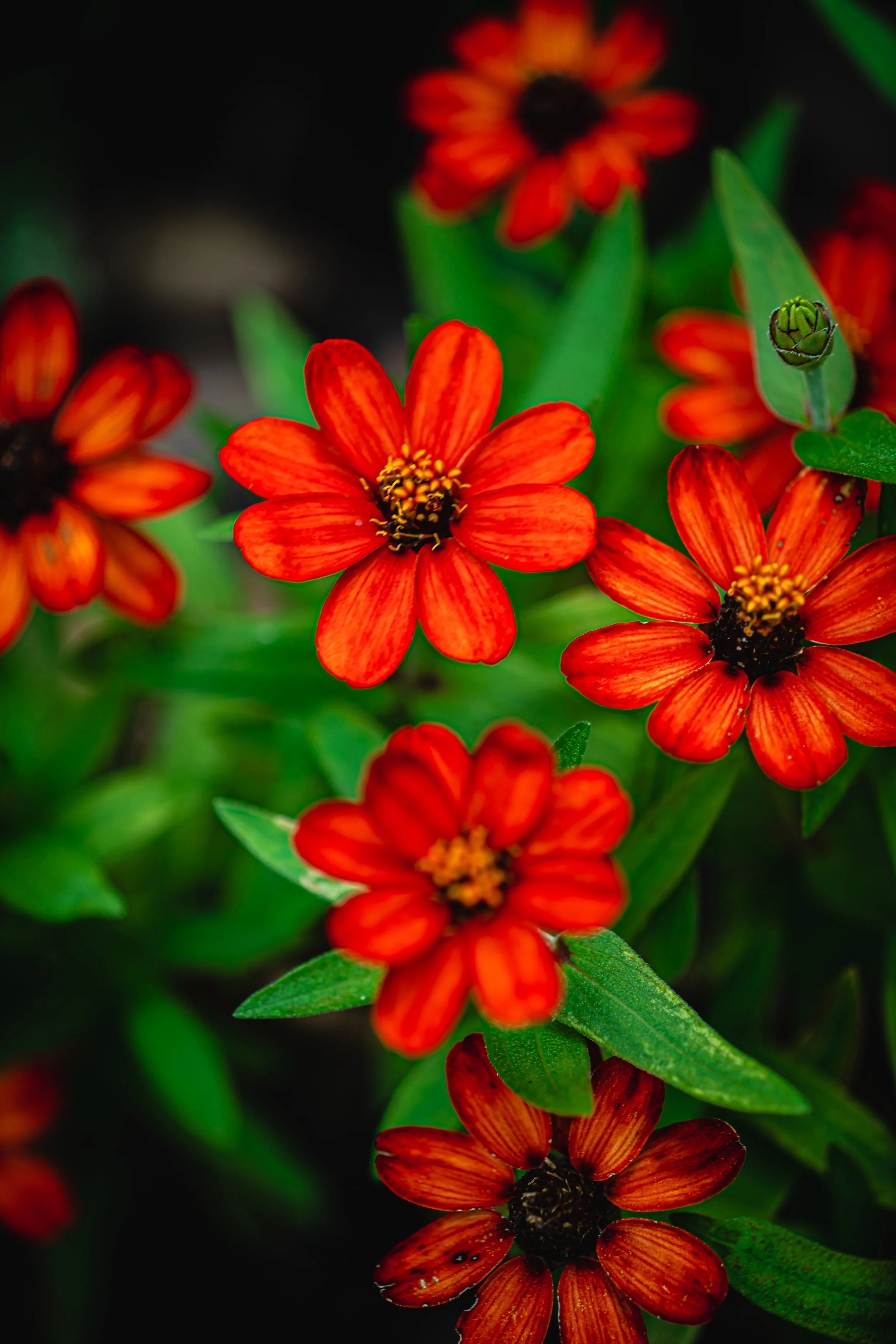
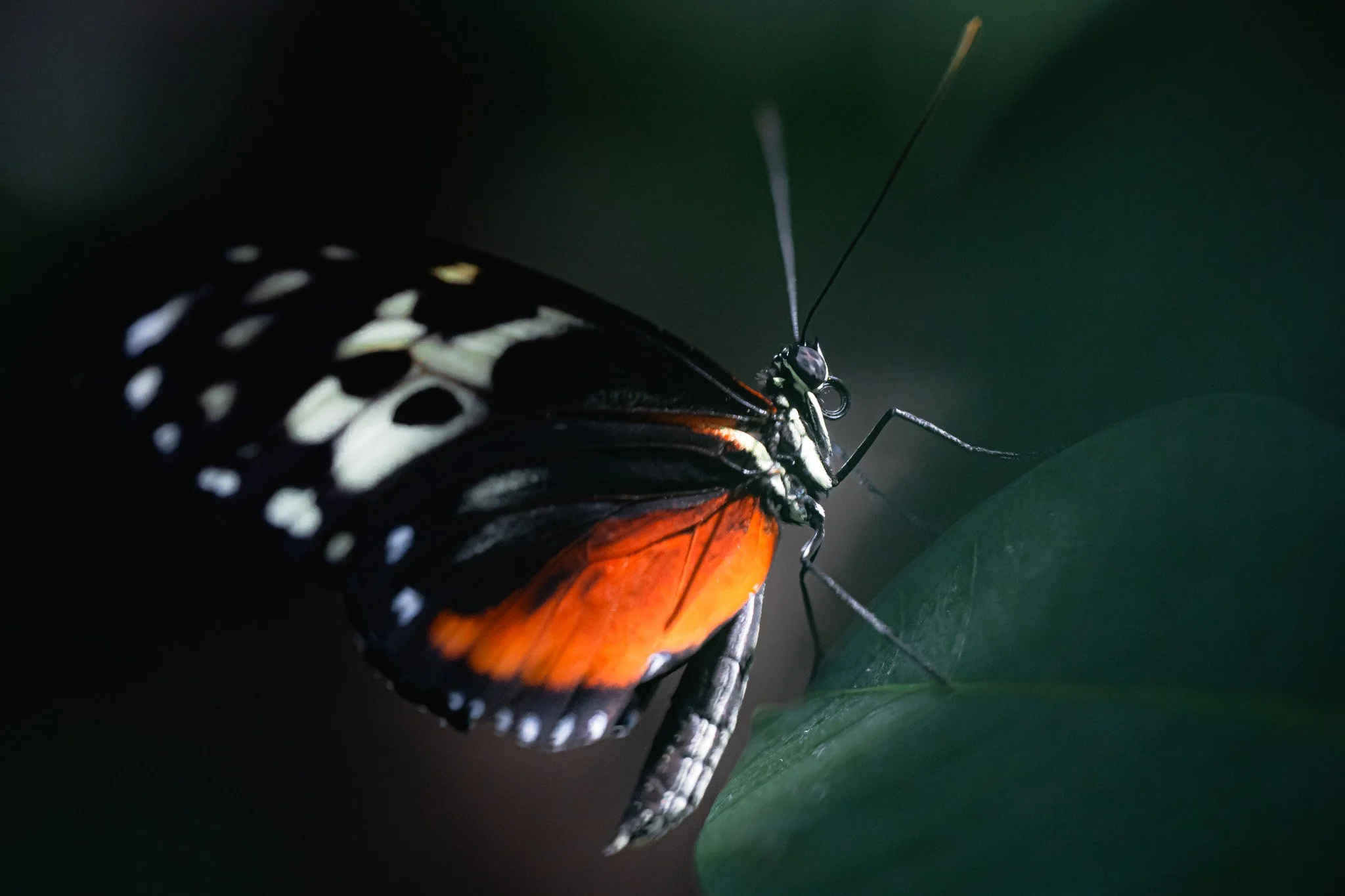
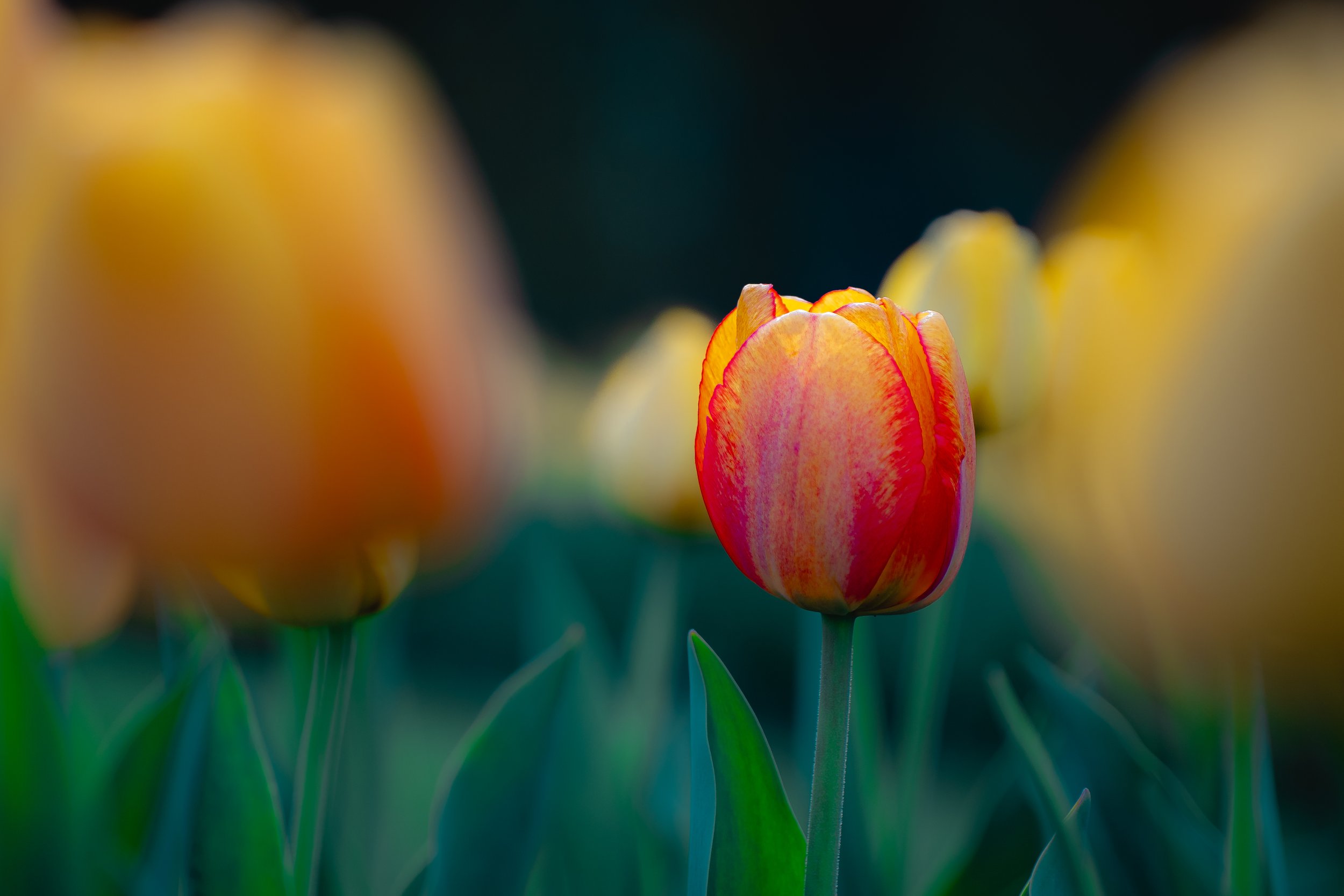
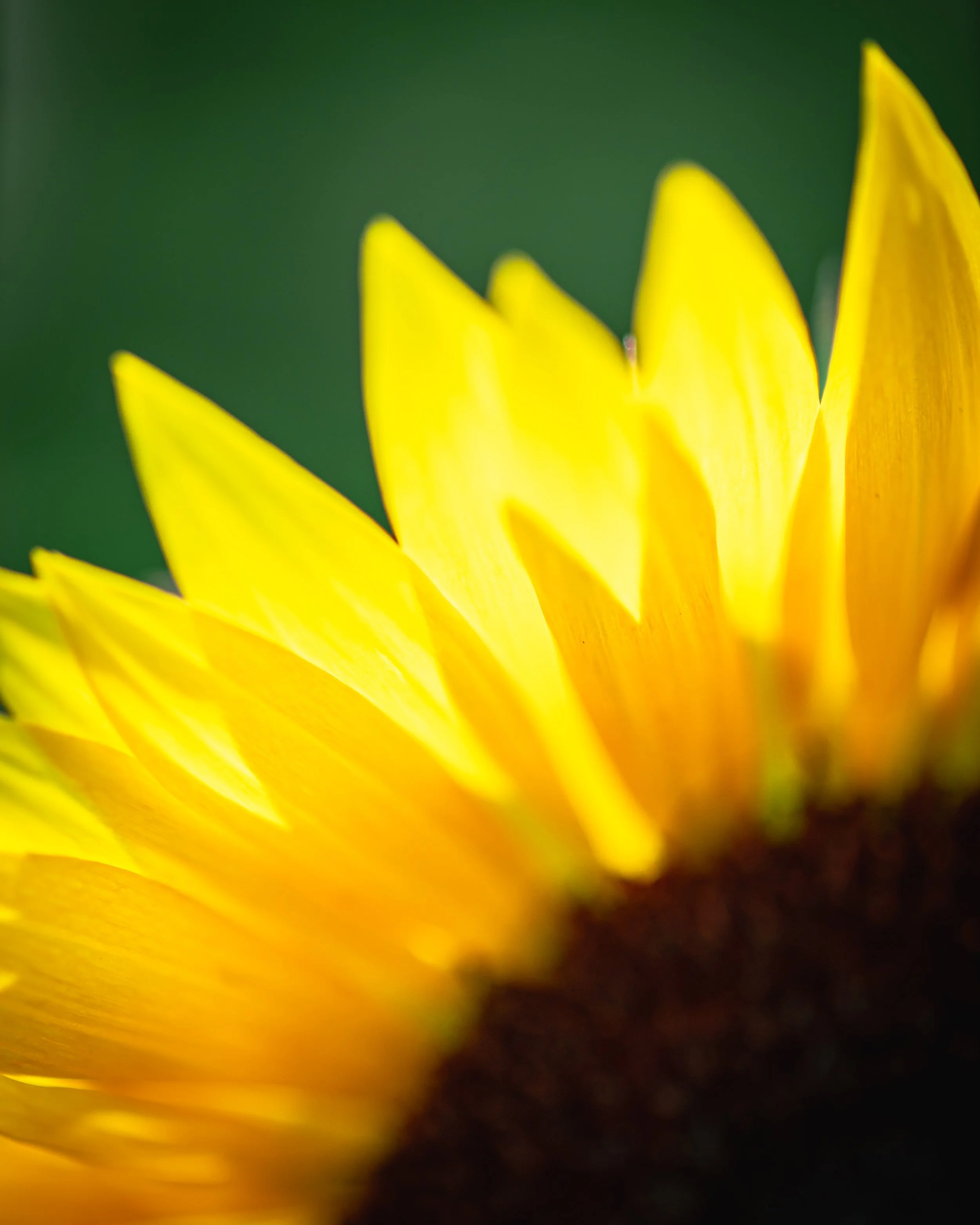
My photographic practice is rooted in an ongoing fascination with light, time, and the relationship between perception and reality. Macro photography offers a particularly intimate way to explore these concerns. At this scale, light transforms the familiar into something almost unrecognizable. The delicate translucence of a petal, the intricate geometry of a seed head, the glistening surface of a droplet, or the minute structures of an insect's body can evoke entire worlds of color and form. A slight adjustment in perspective can fundamentally alter what becomes visible, revealing patterns and relationships that remain hidden during our ordinary encounters with the natural world.
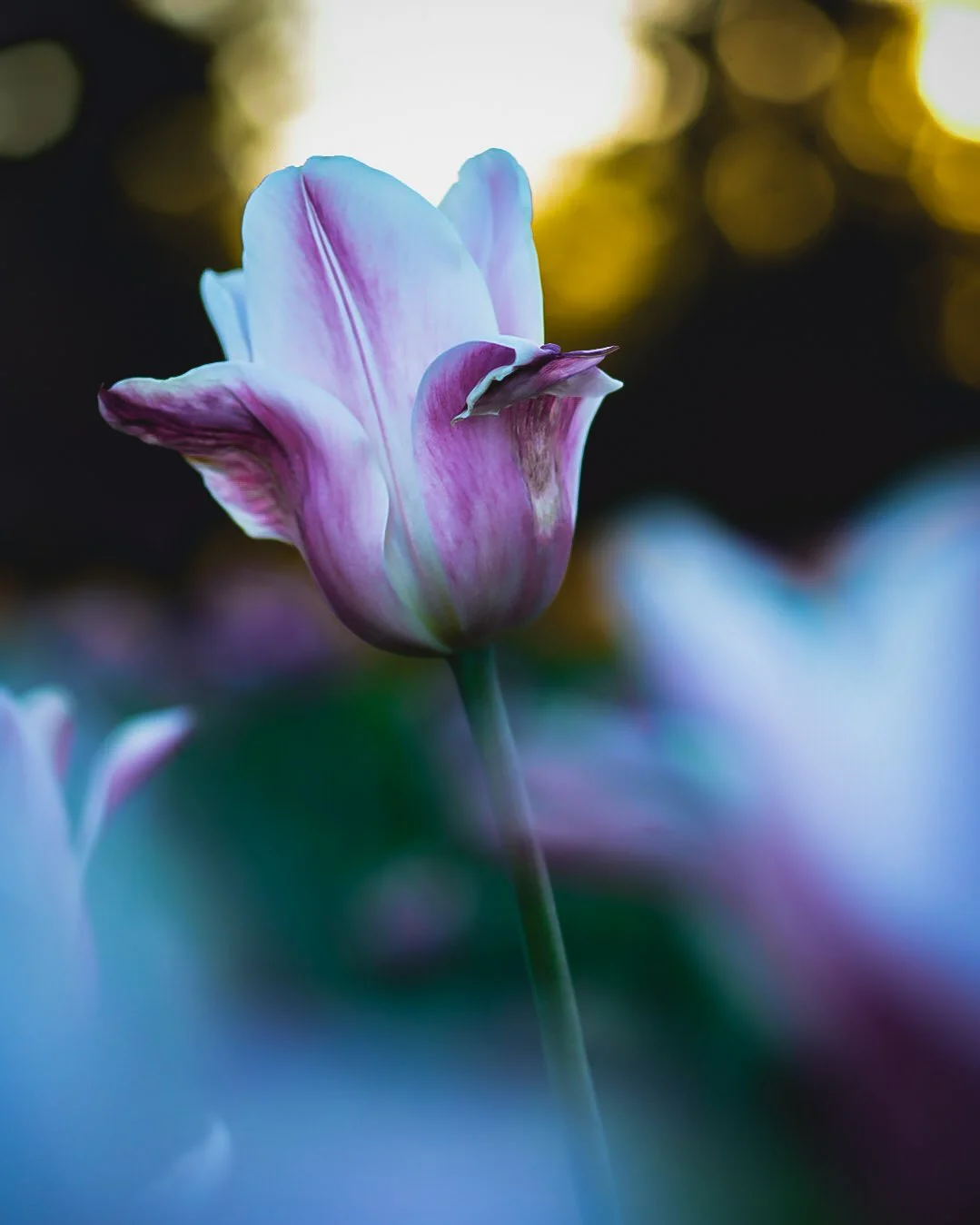
The camera becomes a tool for this kind of philosophical meditation. Each photograph requires a negotiation between what I see, what the lens makes visible, and what ultimately remains beyond the frame. Focus becomes a decision about what deserves our attention. Depth of field becomes a way of navigating the relationship between clarity and obscurity. Light reveals some details while concealing others. The resulting image is never simply a reproduction of reality; it is an interpretation, a particular way of organizing the world into something that can be seen, considered, and experienced anew.
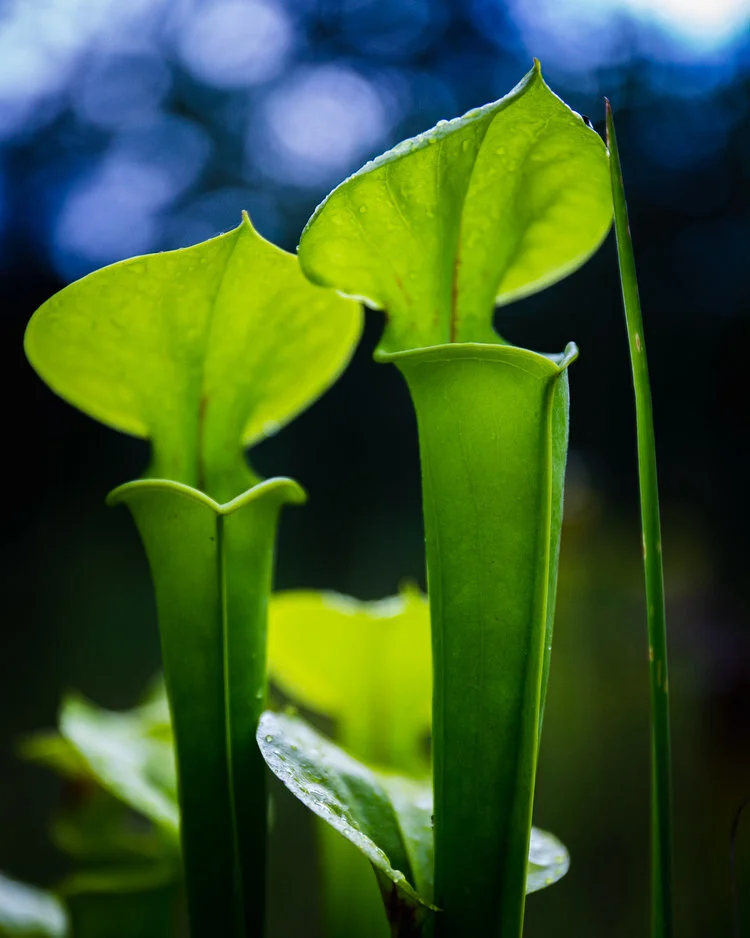
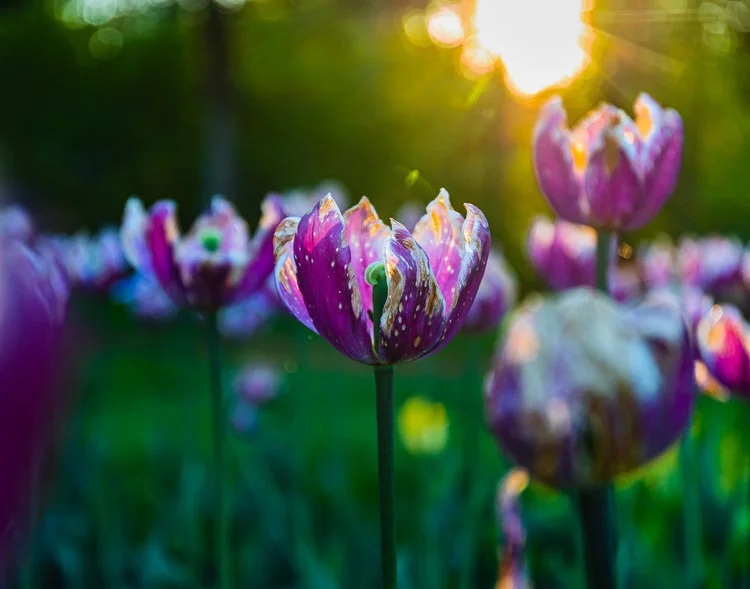
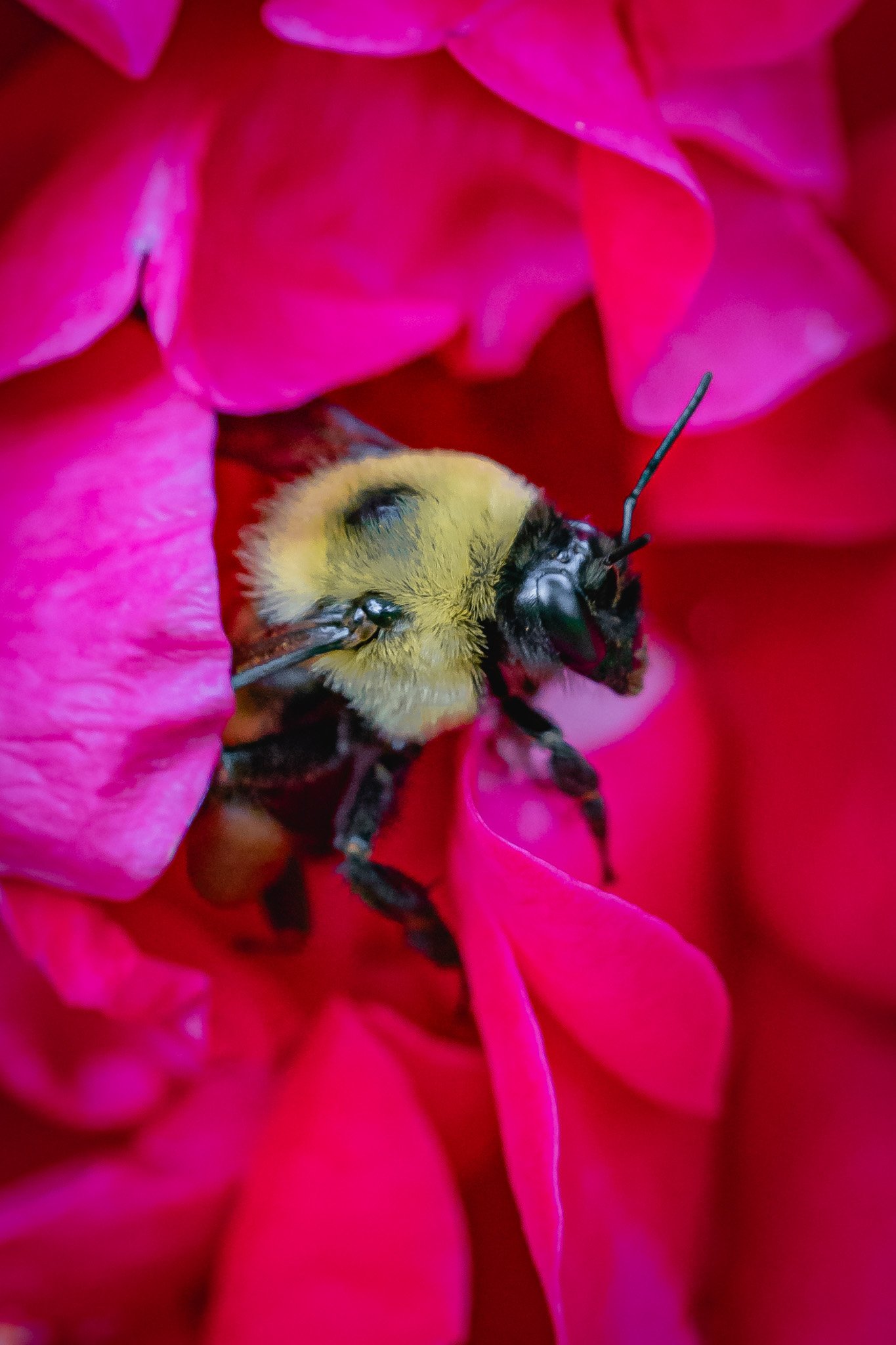
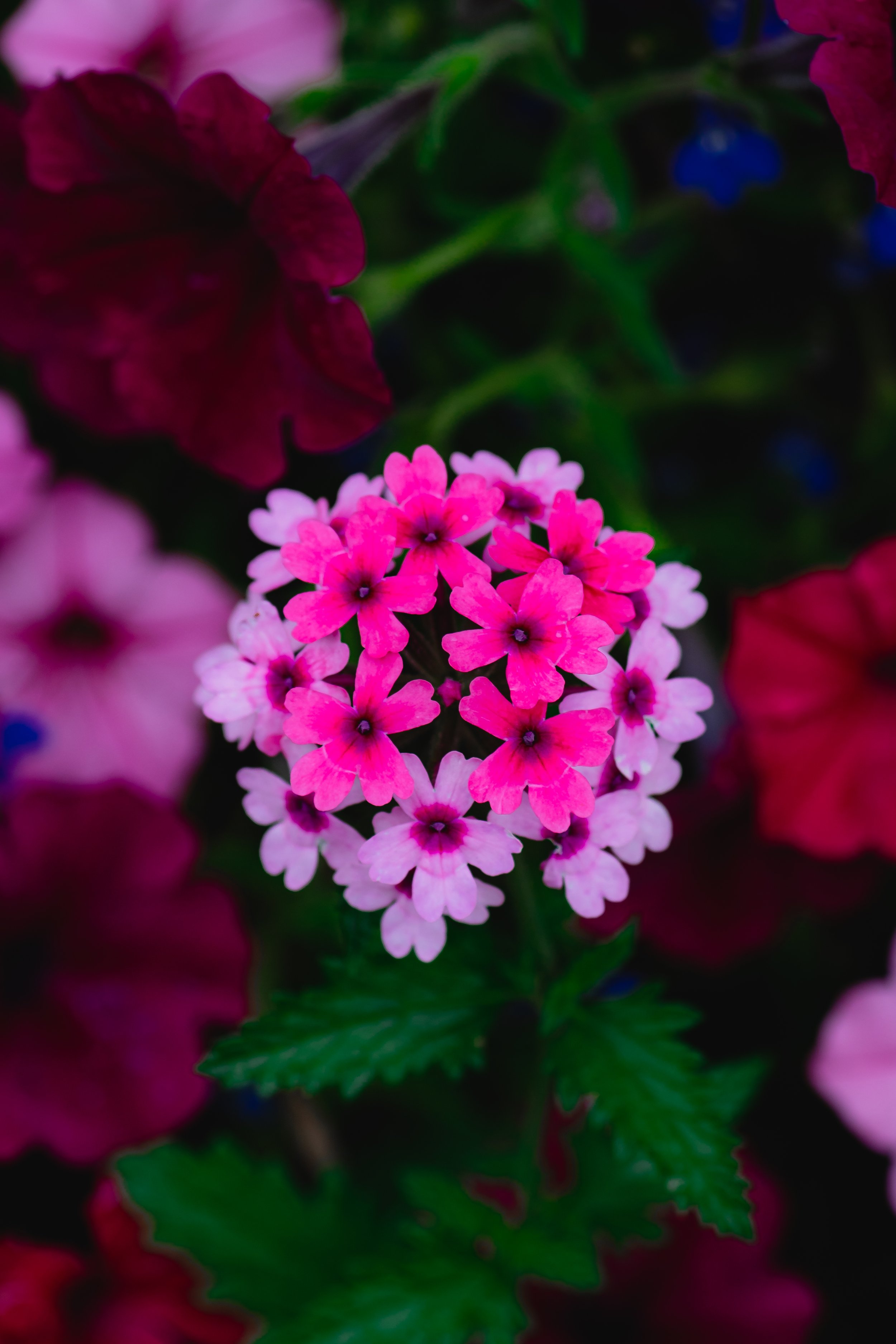
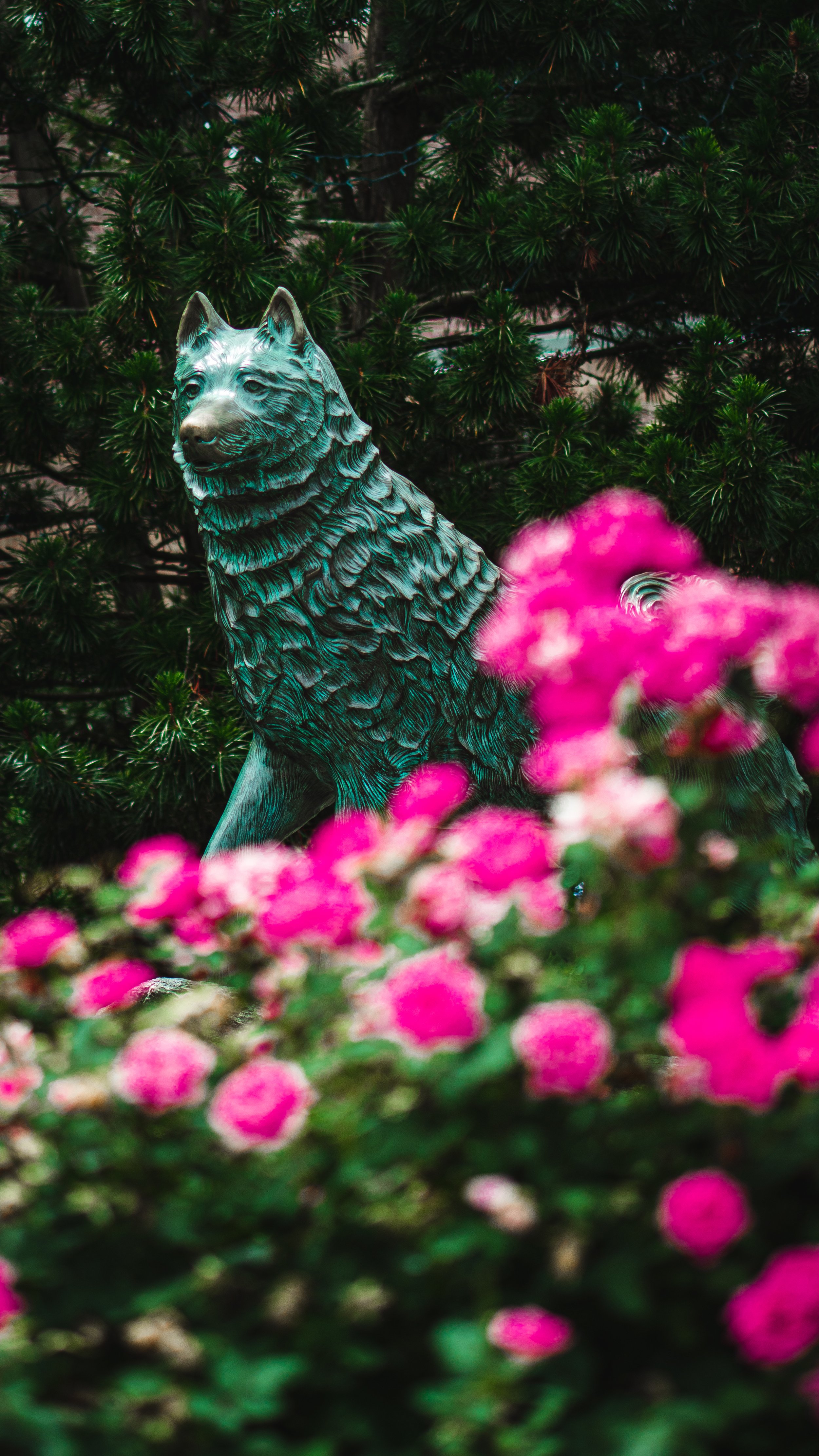
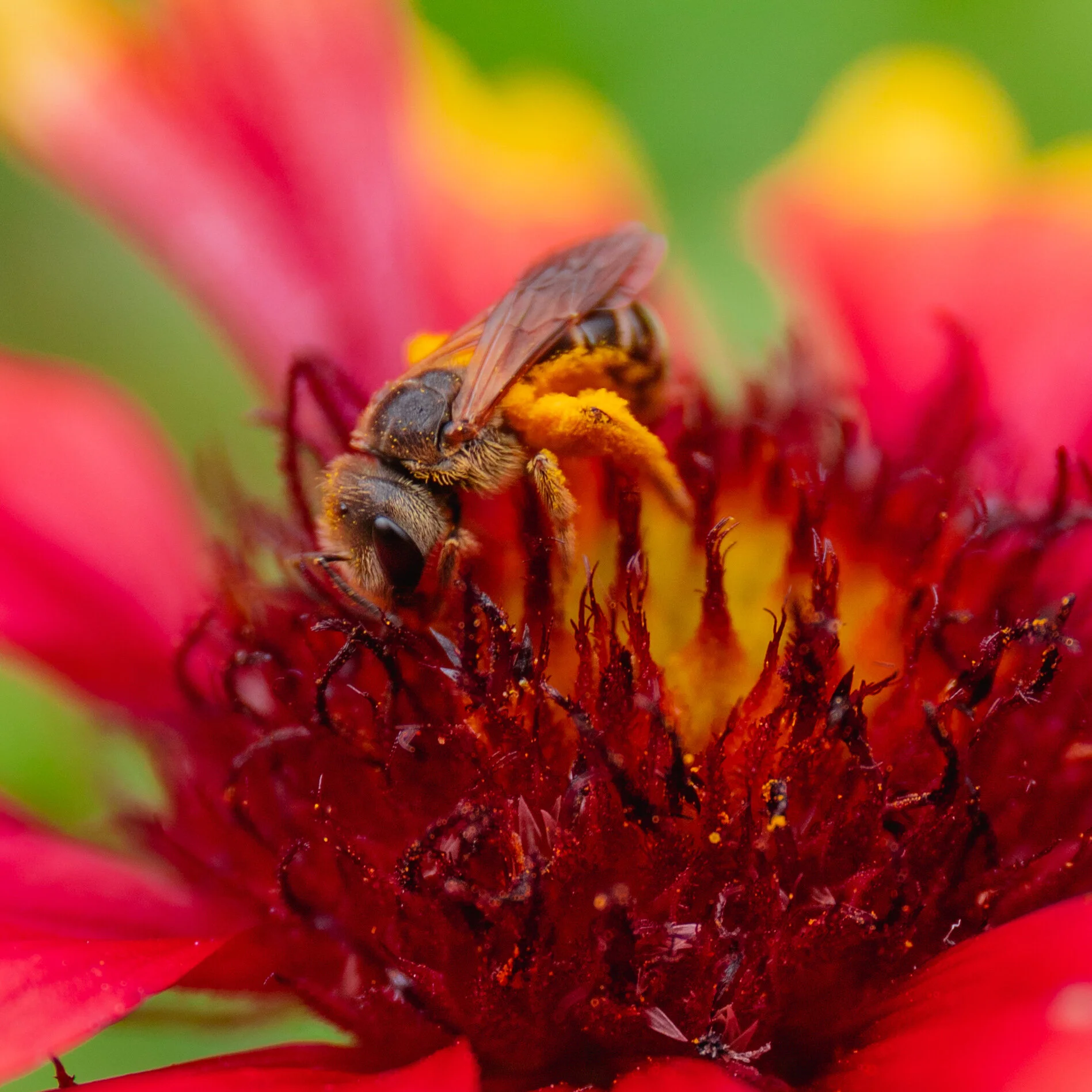
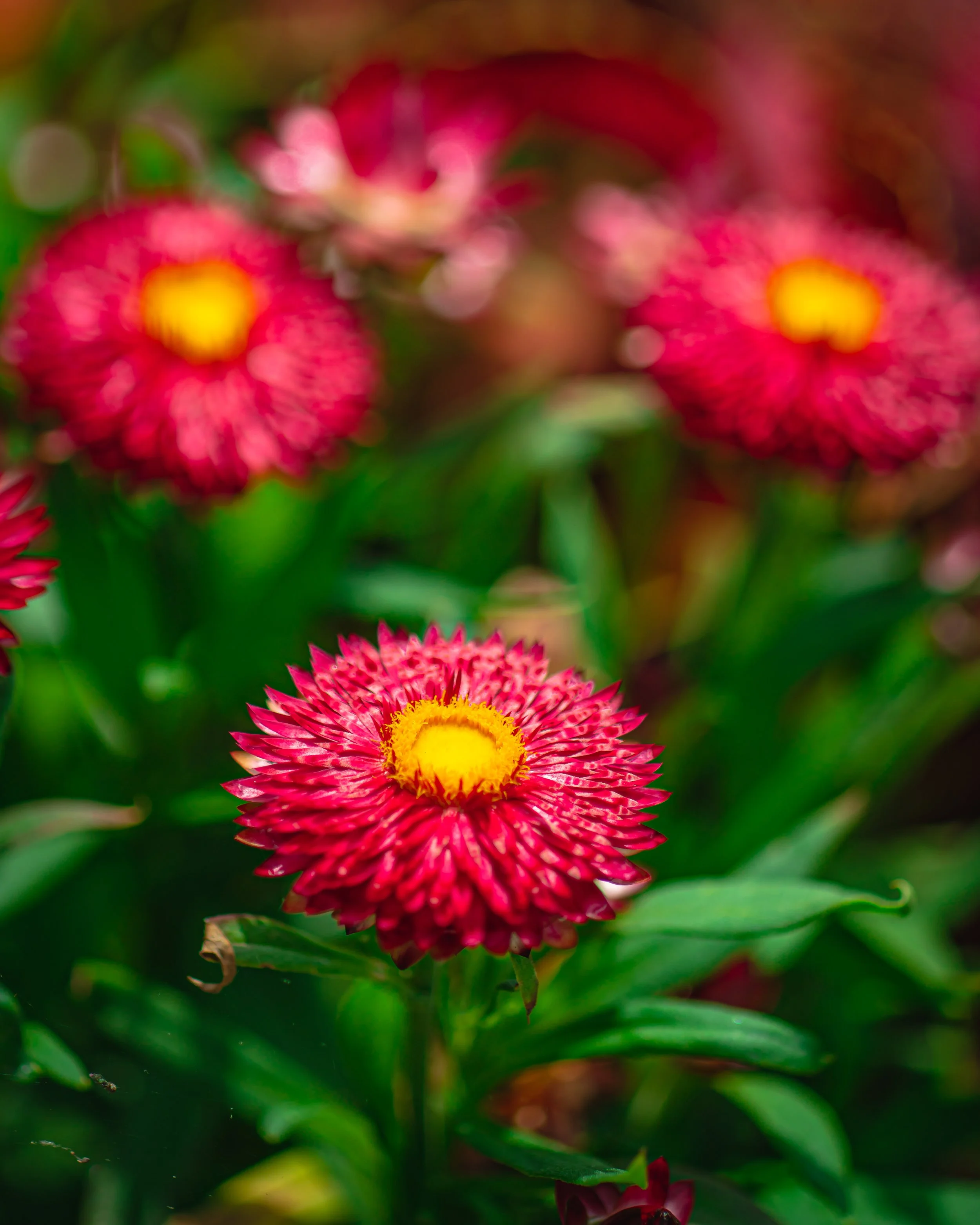
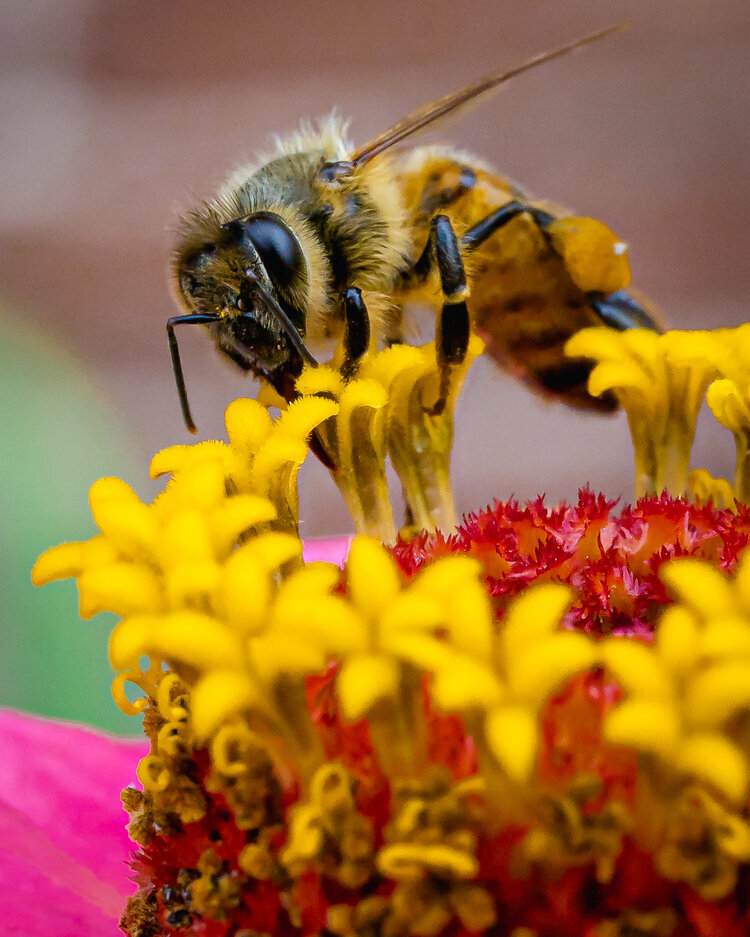
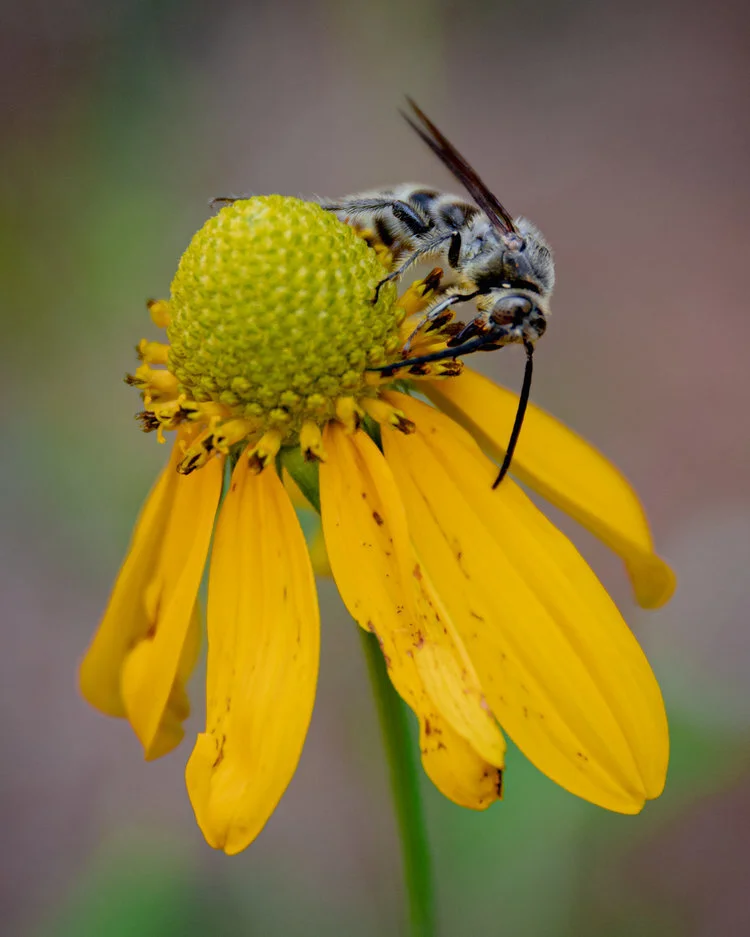
Gardens offer an especially compelling setting for these encounters. They occupy an intriguing space between the cultivated and the wild, the intentional and the unruly. A garden is a place where human beings attempt to arrange, nurture, and cultivate life, yet its living inhabitants routinely exceed our plans. Plants grow in unexpected directions, insects arrive uninvited, fungi emerge where we least expect them, and decomposition makes way for new growth. Even the most carefully maintained garden remains a dynamic ecological community, shaped by countless relationships among organisms, soil, water, sunlight, and time.
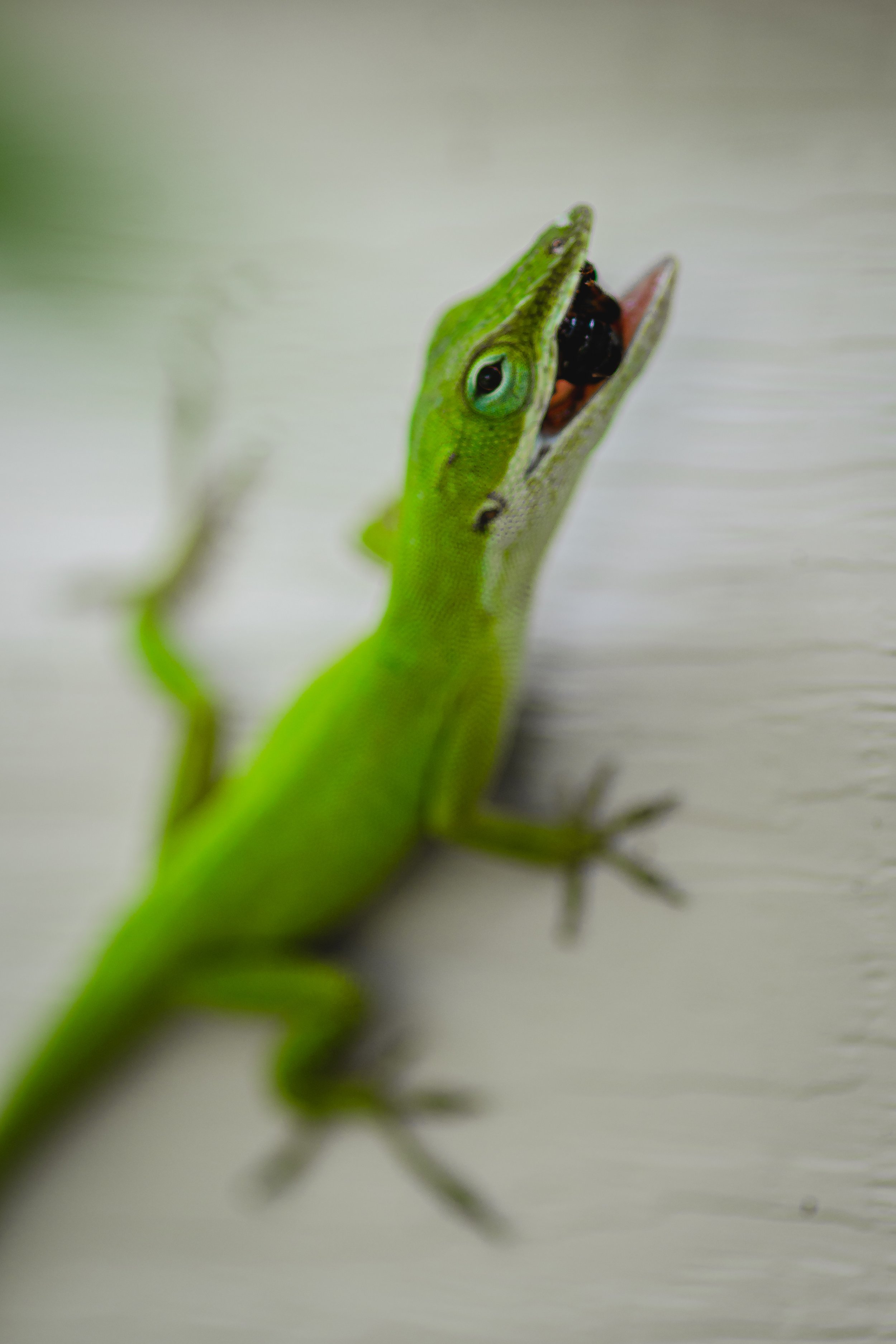
I am drawn to these relationships because they challenge the assumption that nature exists primarily as a backdrop to human experience. A garden is not merely a collection of flowers arranged for our pleasure, nor is it simply a place where we impose order upon the unruly world. It is a living environment in which innumerable forms of life pursue their own ends, often in ways that have little to do with us. Through the camera, I seek to encounter these lives on their own terms, attending to the intricate forms and textures that make each organism distinct while remaining mindful of the ecological relationships that sustain it.
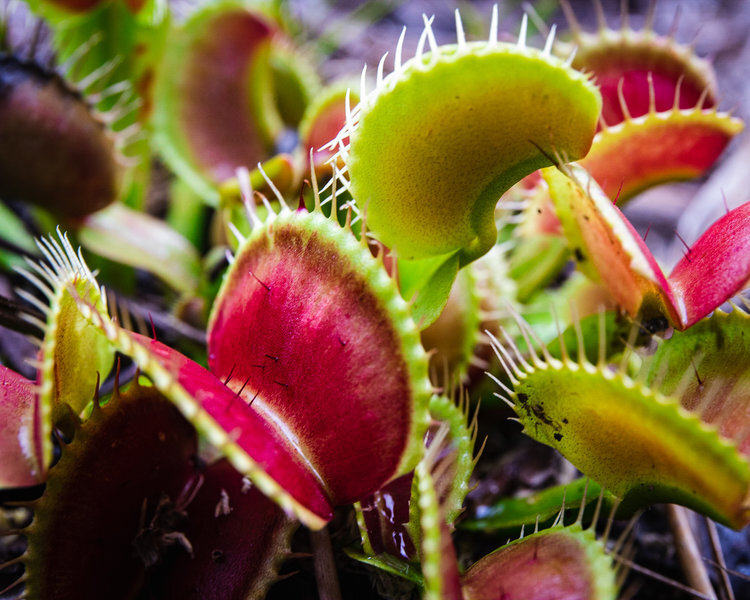
This attention also raises questions about beauty. Much of the history of botanical art and natural history illustration has involved the close observation of living things, translating their forms into images that invite admiration, study, and classification. These traditions have expanded our knowledge of the natural world, but they have also shaped our expectations about which organisms deserve to be noticed. We readily celebrate the brilliant blossom, the symmetrical leaf, or the iridescent butterfly, while the decomposing plant, the overlooked insect, or the fungus emerging from decay may inspire indifference or disgust. Our aesthetic preferences can become habits of attention, determining which forms of life we learn to value and which we overlook.
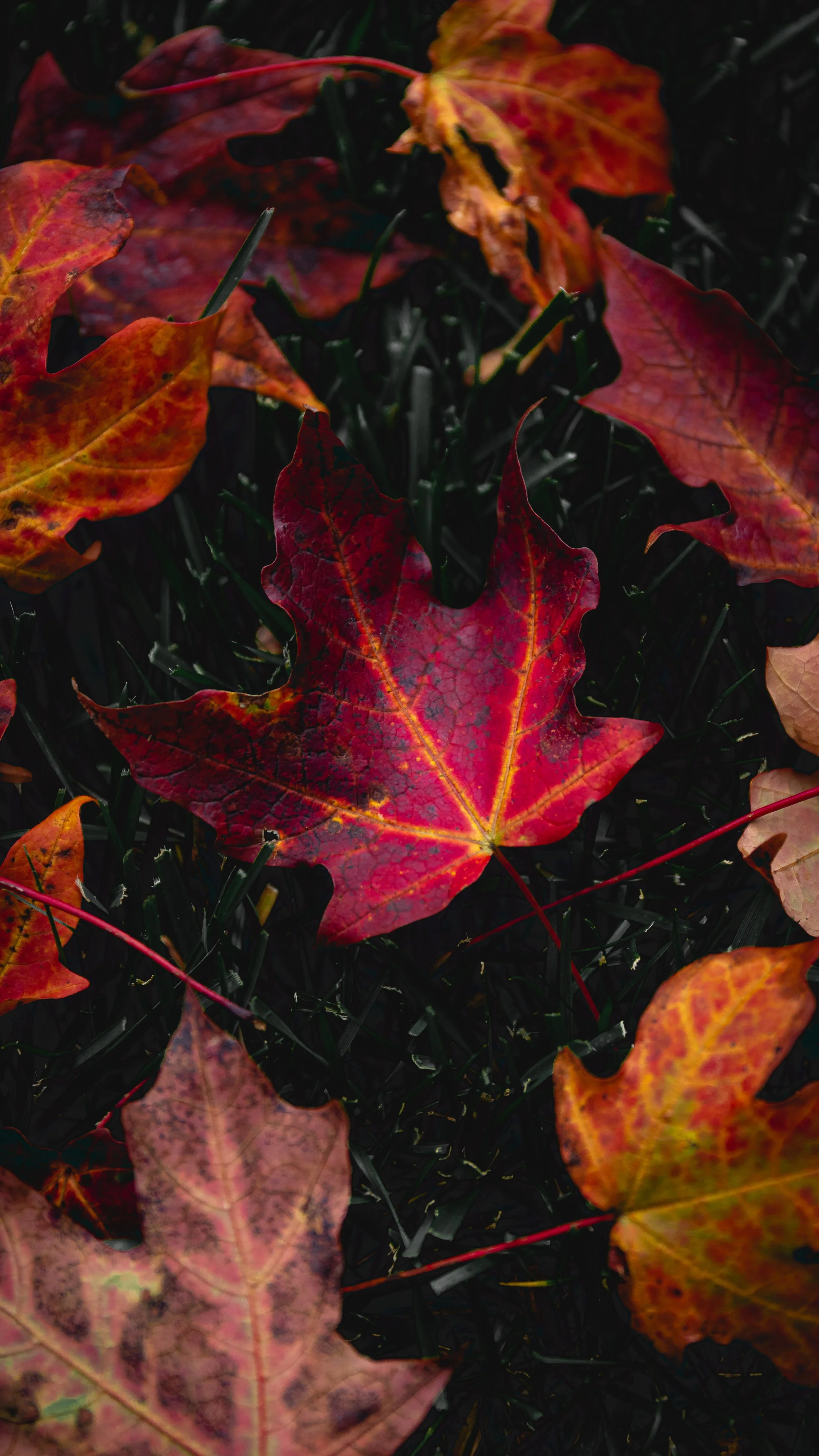
My approach to macro and garden photography is an opportunity to question these habits. I am interested in the gorgeous and the grotesque, in the delicate and the unruly, in the vivid colors of living things and the strange beauty of their inevitable deterioration. A damaged leaf can reveal as much about the conditions of life as an immaculate flower. A web of fungal growth can be as visually compelling as a carefully cultivated bloom. Decay is not simply an ending, but part of the continuous transformation through which ecosystems sustain themselves. By drawing attention to these often-neglected details, I hope to broaden our sense of what constitutes beauty and encourage a more generous understanding of the lives with which we share the world.
These photographs are also informed by my background in environmental philosophy, ethics, and the study of religion. I am interested in the ways that acts of observation can become practices of contemplation, and how contemplation might cultivate a deeper sense of responsibility. To look closely at a living organism is to encounter both its particularity and its dependence upon a wider world. No leaf exists apart from the conditions that allow it to grow; no insect is entirely separate from the plants, microorganisms, and habitats upon which its life depends. The apparent independence of an individual form gives way, under sustained attention, to a web of relationships that complicates our tendency to think of ourselves as separate from nature.
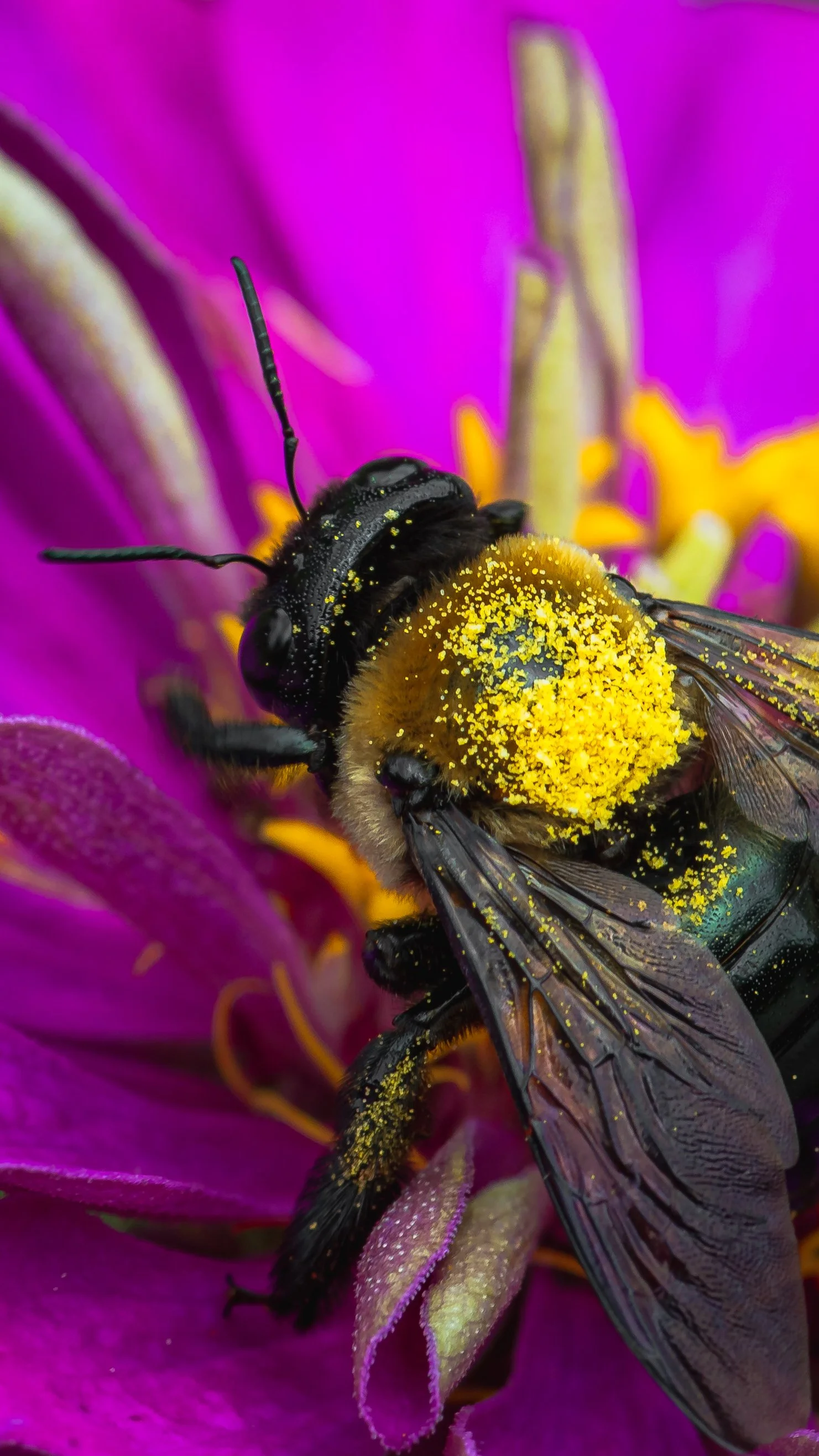
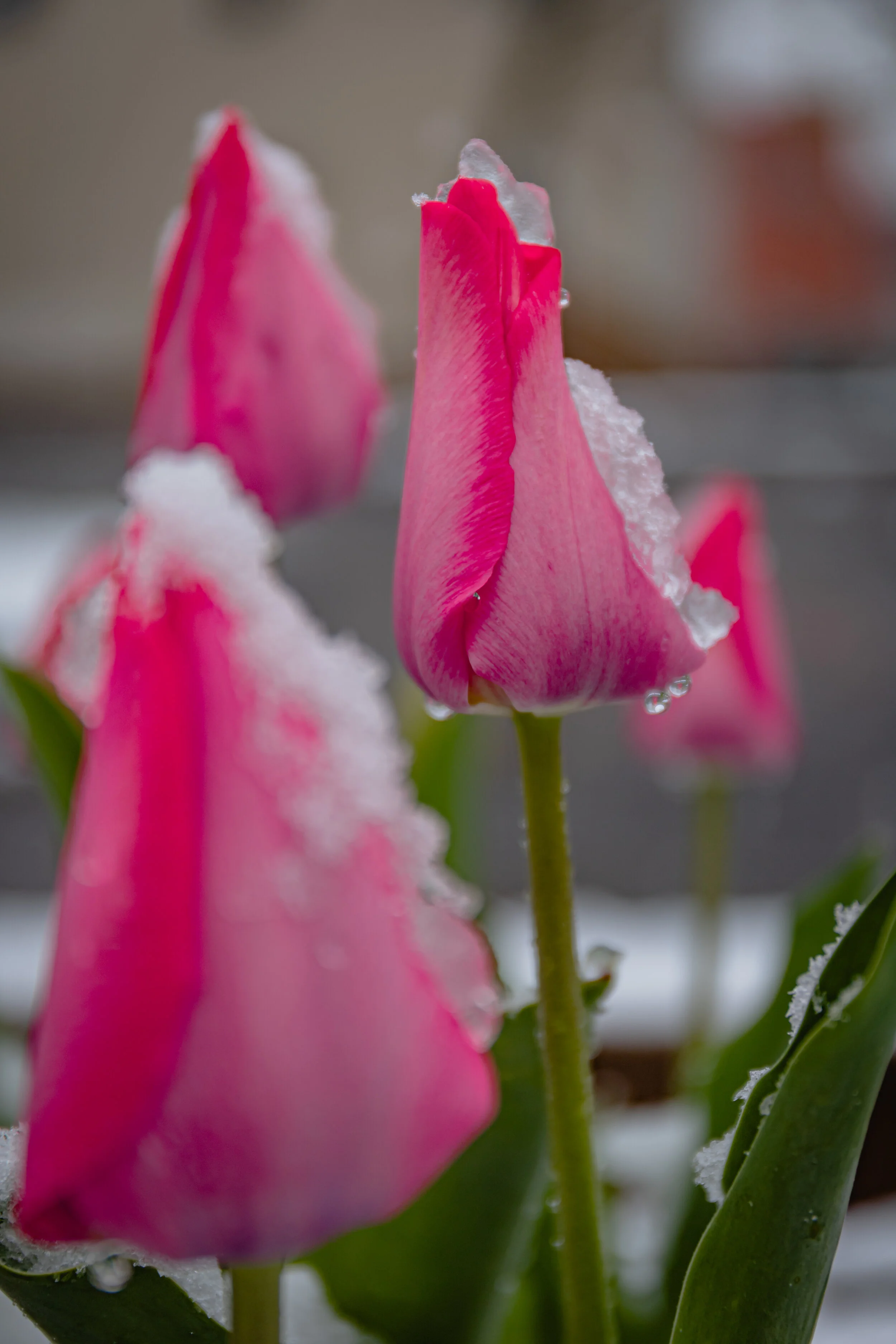
In an age of accelerating biodiversity loss, habitat destruction, pollution, and climate catastrophe, this kind of attention carries particular significance. The small worlds revealed through macro photography are not insulated from the environmental crises unfolding around us. Gardens and green spaces are affected by changing temperatures, shifting seasons, pesticide use, habitat fragmentation, and the decline of pollinators and other organisms essential to ecological health. The intricate beauty of a single flower or insect can remind us that environmental vulnerability is not confined to distant wildernesses or spectacular landscapes. It is present in the everyday environments through which we move, in the gardens we tend, and in the small lives we may never notice unless we make the effort to look.
Photography cannot, by itself, resolve these crises. An image of a flower does not restore a damaged habitat, and a beautiful portrait of an insect cannot substitute for the ecological conditions that allow its species to survive. Yet images can shape the ways we perceive and value the world. They can make unfamiliar forms of life more accessible, render overlooked details worthy of attention, and encourage us to recognize that the natural world is not an inexhaustible collection of objects available for our use. What we learn to see differently, we may begin to relate to differently.
Ultimately, macro and garden photography offers me a way to explore the relationship between intimacy and immensity. The closer I look, the more the world seems to expand. A single flower becomes a constellation of colors and textures; a garden becomes a multitude of overlapping habitats; and an apparently insignificant organism reveals an intricacy that resists any easy distinction between the small and the profound. The infinitesimal becomes a doorway into the infinite, reminding me that our experience of the world is always partial, always mediated, and always capable of being transformed by another way of seeing.
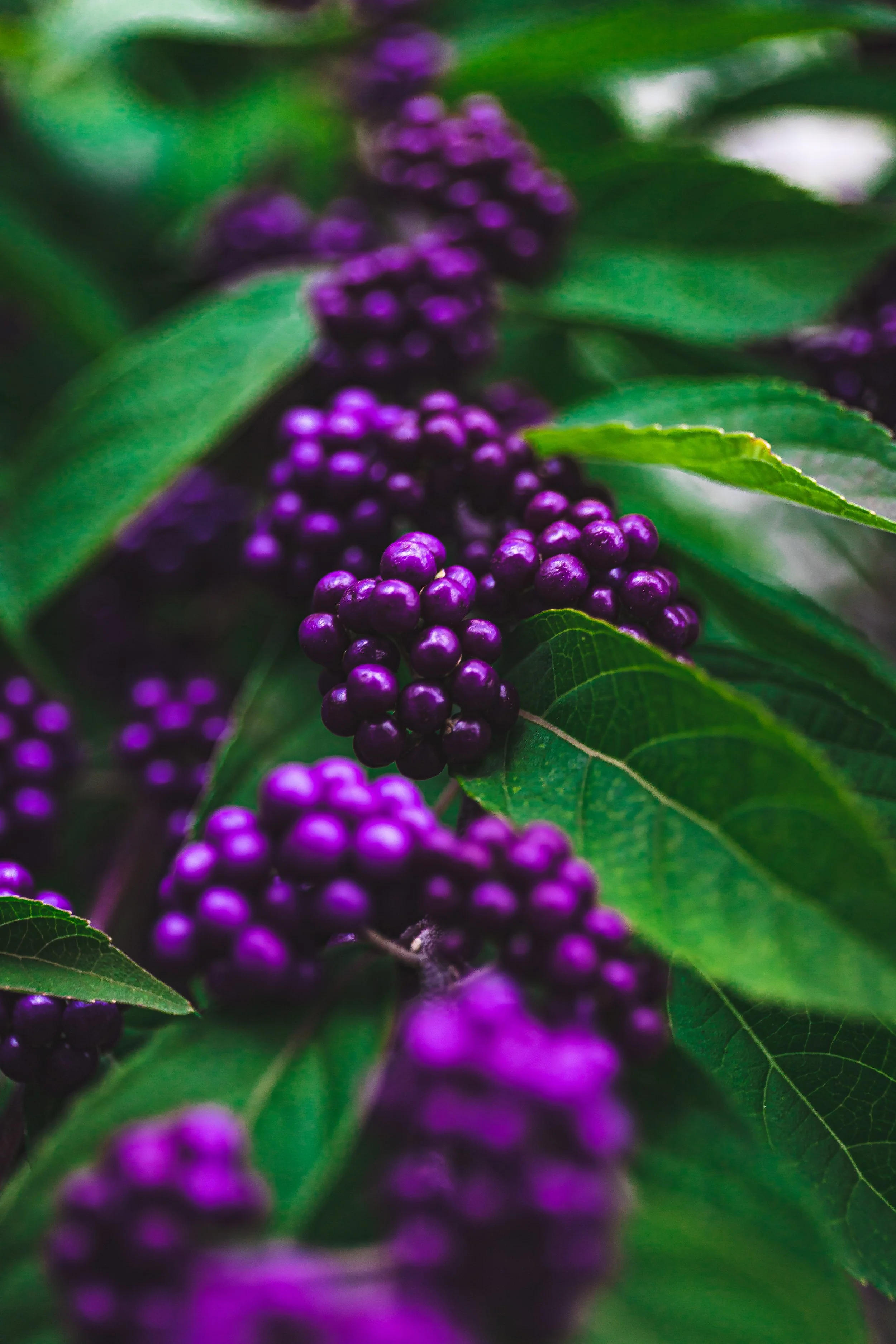
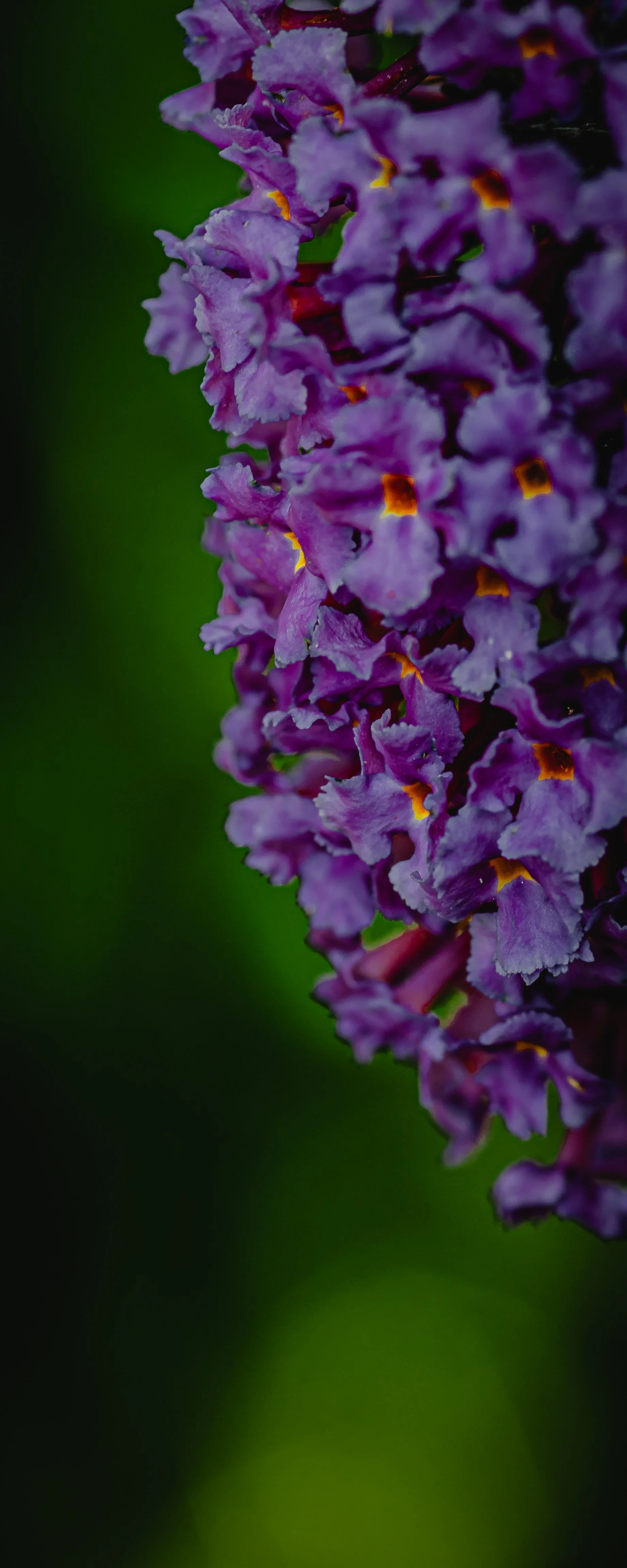
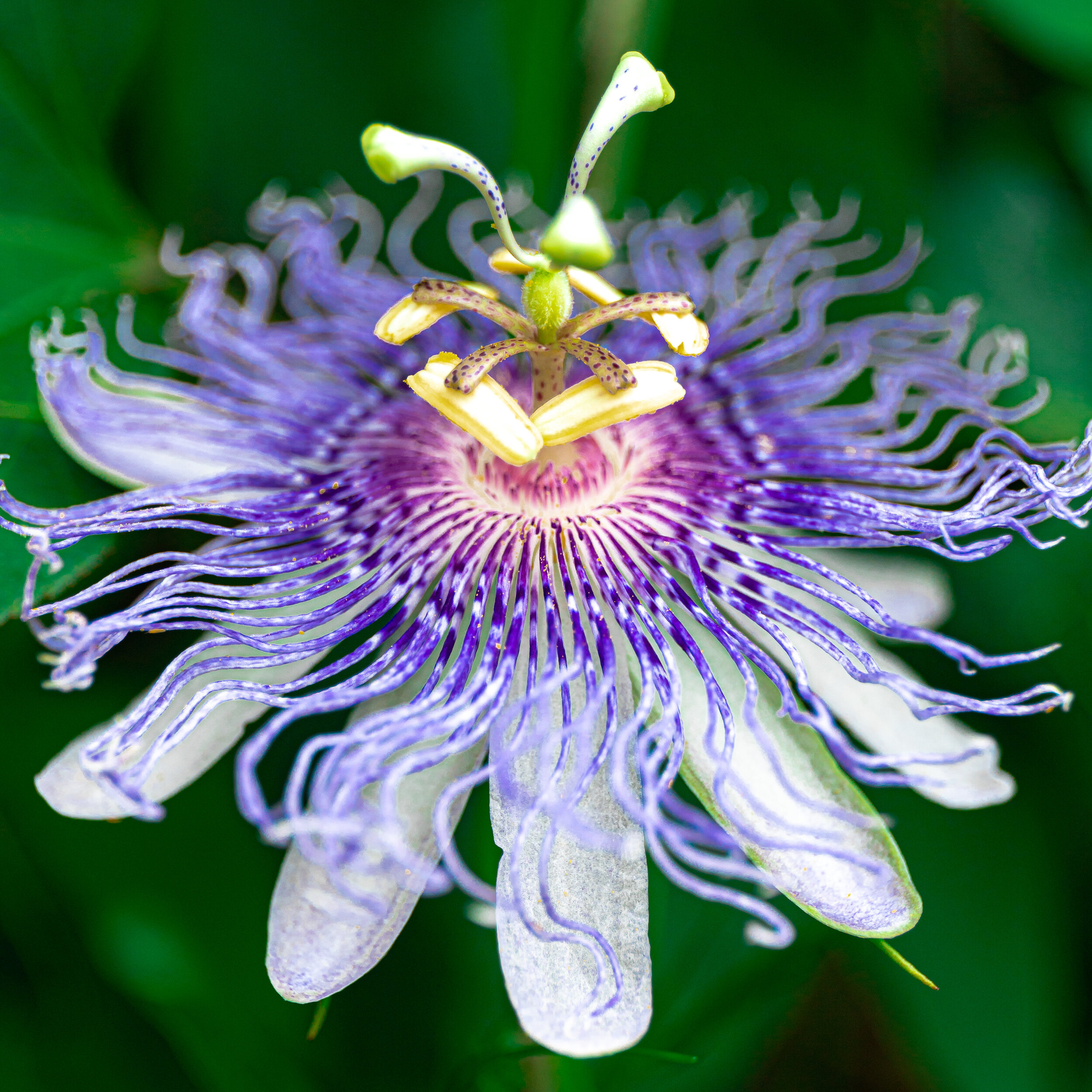
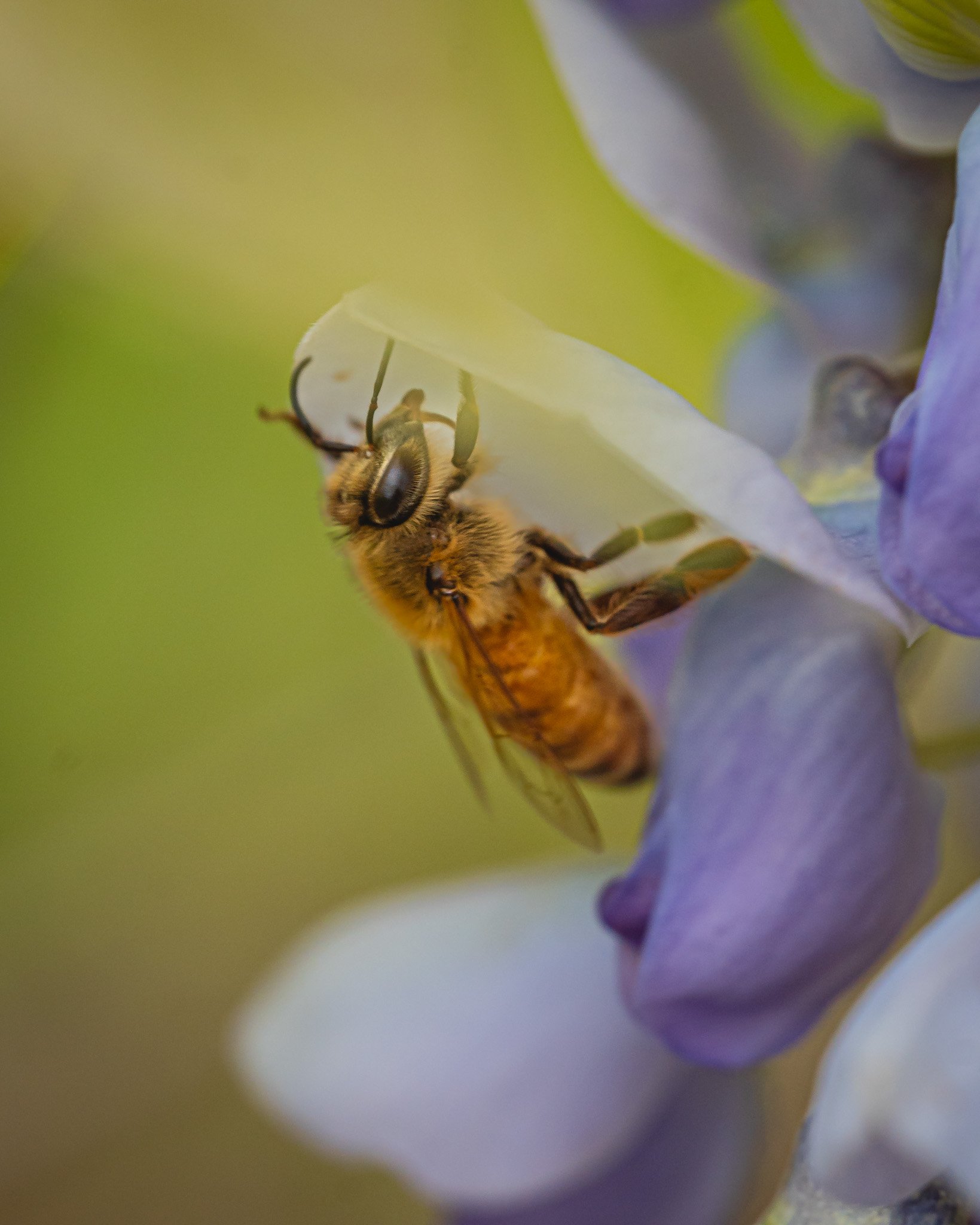
The photographs in this collection are therefore invitations to approach the familiar with renewed curiosity. They celebrate the vivid colors, intricate structures, unexpected forms, and fleeting moments that make the smallest corners of the natural world worthy of